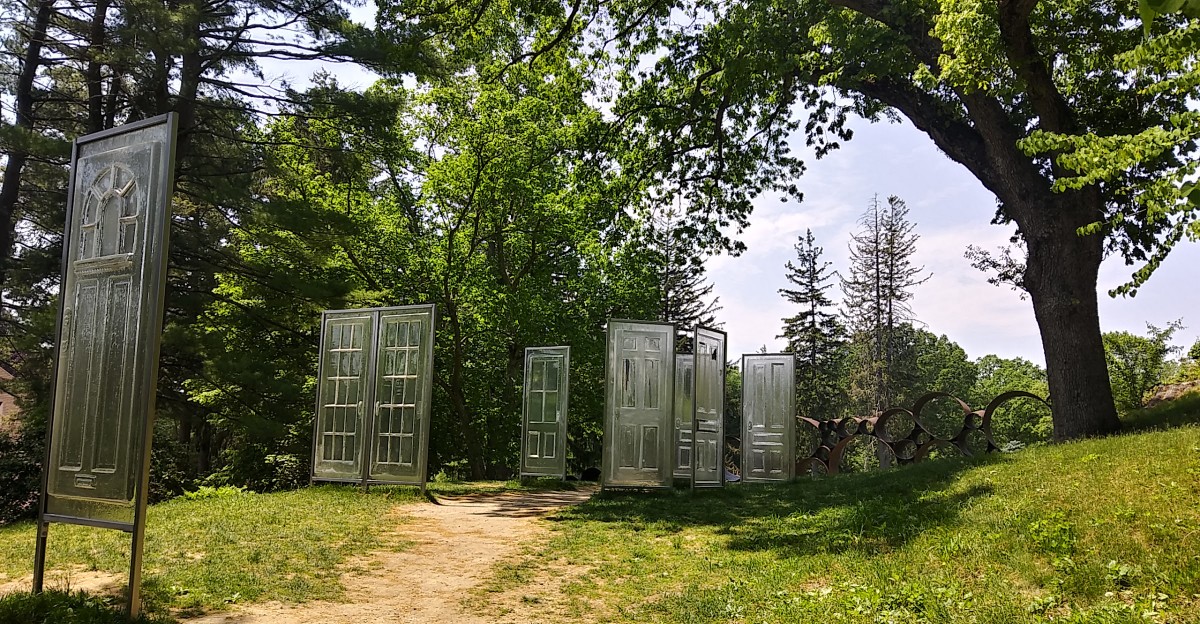
A sculpture can appear where you least expect it—a weathered figure between trees, a bold shape rising from the grass, or an unexpected form waiting beyond the next bend. That is part of the appeal of deCordova Sculpture Park and Museum in Lincoln, Massachusetts, where art shares the landscape with winding paths, tall trees, and open lawns.
At 51 Sandy Pond Rd, this wooded estate invites visitors to experience sculpture without the usual museum walls. As you walk the grounds, changing light, birdsong, and shifting views become part of the experience, while each artwork offers a reason to pause and look again.
The setting makes even a familiar stroll feel slightly unpredictable, with something new appearing around corners and across the property. It is a place where art and nature continually overlap, creating plenty of moments worth remembering.
Ahead, there are sculptures, outdoor spaces, and quiet corners that reveal just how much this unusual Massachusetts destination has to offer.
The First Surprise Beyond the Trees
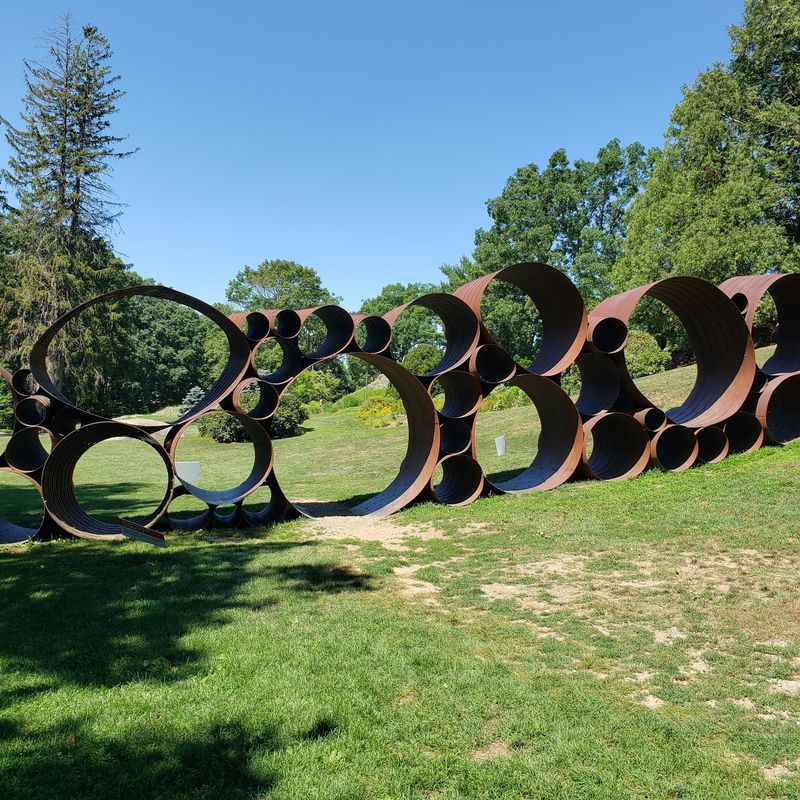
One moment, you are walking under trees; the next, a sculpture changes the whole scene. That surprise is part of the fun at deCordova Sculpture Park and Museum, where art waits across lawns and among wooded paths.
You do not need to know an artist’s name to enjoy that first unexpected view.
Start at the entrance and pick up a current park map before setting out. The grounds cover about 30 acres, so a little planning helps you find pieces tucked beyond the most obvious paths.
Still, leave room to wander, because an artwork spotted through branches can be more exciting than one marked off a list.
Watch how your view changes as you move closer. A shape that looks simple from far away may show rough edges, bright colors, or unusual shadows at your feet.
Keep to marked routes and check signs before touching anything, since not every work is meant for hands-on exploring.
The best part is how easy it feels to begin. Fresh air and a small discovery can make modern art seem less like a school subject and more like a story you found yourself.
An Outdoor Collection That Keeps Changing
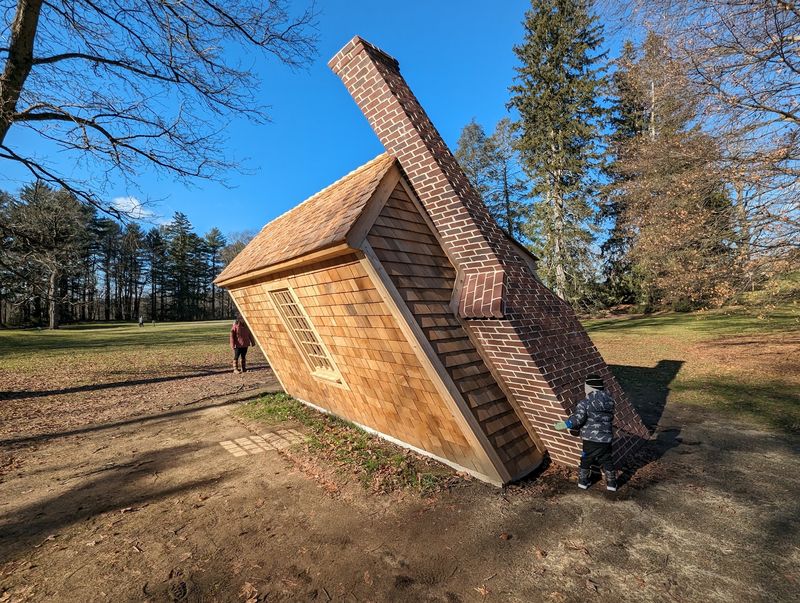
Remember a favorite artwork from an earlier visit? It might look different now, or another piece might stand nearby.
The outdoor collection at deCordova Sculpture Park and Museum changes over time, with works displayed for different lengths of time. That gives return visitors a good reason to look around instead of following an old mental picture.
Before you go, check the current park map or visitor information for what is on view. More than 50 works may be displayed across the grounds, but the number and locations can shift.
A map helps you find new arrivals without turning your walk into a race from one marker to another.
Notice what a new piece does to a familiar spot. Does it draw your eye toward a hill, break up an open stretch of grass, or make nearby trees seem taller?
Those small changes can be as interesting as the artwork itself.
Leave time for one unplanned stop before heading home. Even if you have been here before, the mix of changing art, weather, and light gives the estate a fresh look on another day.
Where the Landscape Becomes Part of the Art
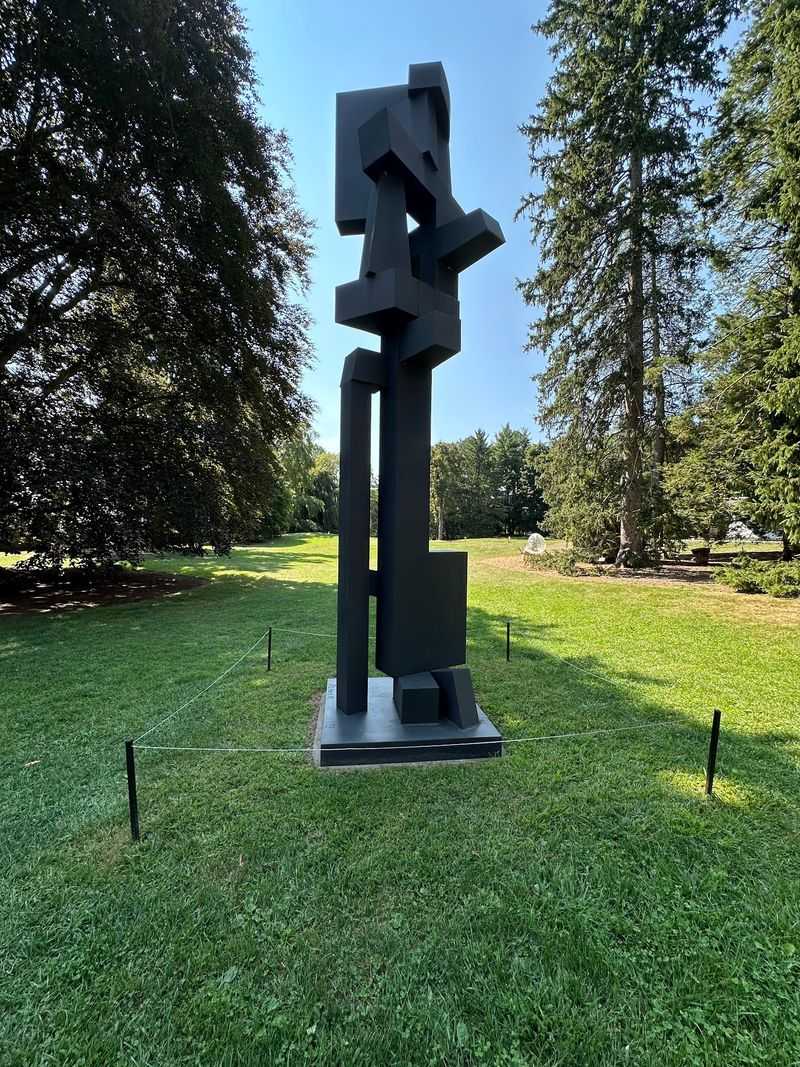
A sculpture can seem almost different when a cloud crosses the sun. At deCordova Sculpture Park and Museum, the setting plays a big part in what you see.
Trees, rolling ground, and open sky frame the works in ways that an indoor wall cannot.
Try looking at one piece from two places: first from across a lawn, then from a nearby path. From far away, its outline may be the main attraction.
Up close, you may notice a surface that catches light or a gap that lets you see leaves beyond it.
The seasons add another layer. Spring growth can soften a bold shape, while bare winter branches may make its lines stand out.
Dress for the weather rather than rushing through it, and wear shoes that can handle grass and paths that may be uneven or wet.
No special lesson is needed to enjoy these changes. Choose an artwork that holds your attention and spend a minute asking what the land adds to it.
You might find that the view around the sculpture stays with you as long as the sculpture itself.
A Quiet Pause Near Flint’s Pond
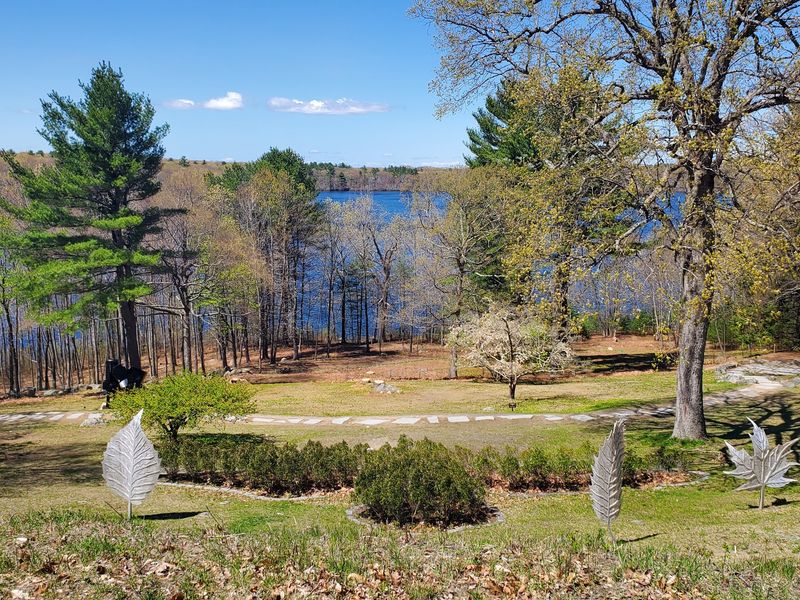
After a stretch of bold shapes and bright ideas, a glimpse of water can feel like a deep breath. The deCordova grounds sit beside Flint’s Pond, giving parts of the sculpture park a calmer view.
It is a lovely contrast to the surprise of finding art around each bend.
Follow the visitor map toward viewpoints on the property, and stay on open park paths. The pond is part of the scene to enjoy from the grounds, not a reason to push through plants or cross a boundary.
On a still day, look for tree shapes reflected in the water and notice how the light changes across the shore.
A short pause here can make the rest of your walk feel less hurried. Bring water, take a seat where seating is available, and talk with a friend about the piece that caught your eye.
Children may enjoy spotting birds while everyone rests their legs.
You can spend a full visit moving from one artwork to the next, but you do not have to. The pond view reminds you that the estate is also a place to slow down and take in the outdoors.
A Family Walk with Room for Questions
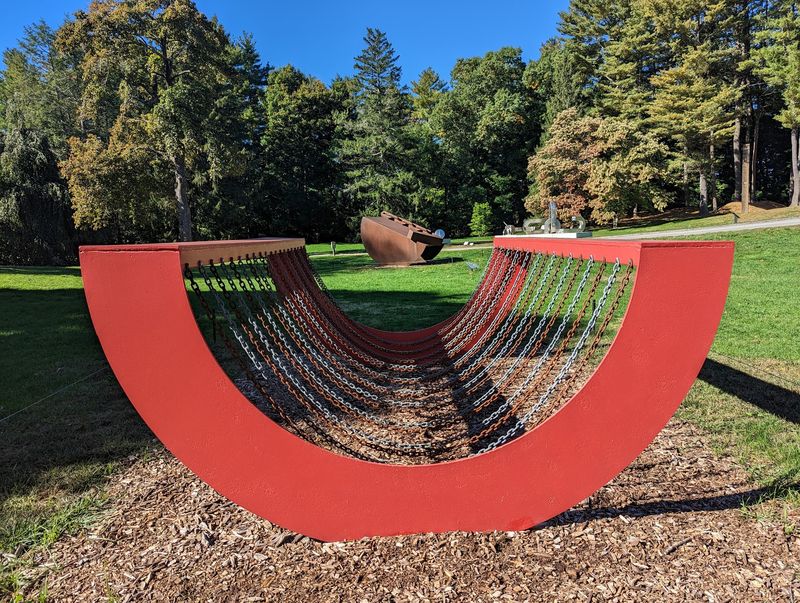
What if a museum visit felt more like a treasure hunt than a test? At deCordova Sculpture Park and Museum, families can move between artworks outdoors and let curiosity lead the conversation.
A child might see an animal in a shape that looks like a building to an adult.
Give each person a small job, such as finding the tallest piece, the strangest shadow, or a sculpture with an opening you can see through. Use the park map to turn the walk into a simple search.
You do not need to find every work for the outing to feel complete.
Open lawns offer space to pause, but remind young visitors to respect the art and other people. Read signs before approaching or touching a sculpture, and keep an eye on children near paths and changes in the ground.
Snacks, water, and comfortable shoes can prevent a fun afternoon from ending too early.
Let kids explain their favorite piece in their own words before reading its label. Their answers may be funny or thoughtful, and either way, they will leave knowing that art is something they can talk about.
The Estate Behind the Museum
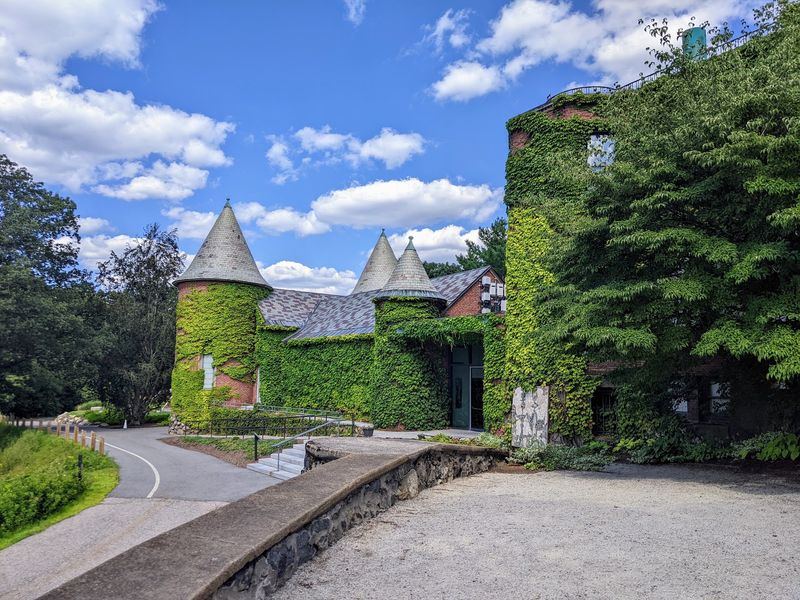
It is easy to enjoy the grounds without guessing how they became a public place. The story begins with Julian de Cordova, whose former estate is now deCordova Sculpture Park and Museum.
Knowing that makes the lawns and paths feel like more than a pretty setting for art.
De Cordova left his property for use as a public park and art museum. The museum opened in 1950 and went on to support artists working in New England.
As you walk, picture the change from private estate to a place where neighbors and travelers can spend an afternoon with art.
Look for visitor information that explains the site’s history, or read about it before you arrive. That background can add meaning to the contrast between the older estate setting and the bold works outside.
It also gives younger visitors an easy question to consider: what would they share with their community if they could?
The story is not just about the past. Each visit continues the idea that art and open space should be places people can enjoy together, without needing a private invitation.
A Visit That Can Go Beyond a Walk
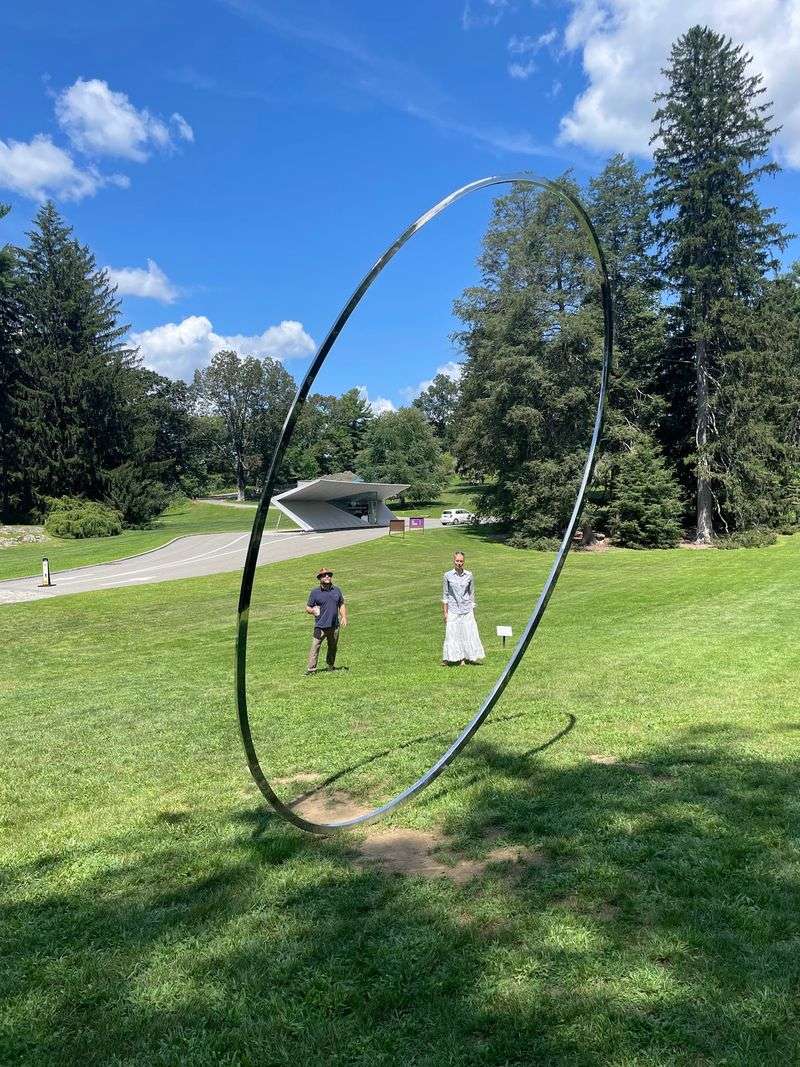
A quiet walk is wonderful, but sometimes you want someone to help open up the art. Programs at deCordova Sculpture Park and Museum can offer another way to experience the grounds, from guided activities to creative events.
What is available changes, so the best plan starts with the current calendar.
Check the official website before choosing a date. An event may require advance registration, have a separate fee, or depend on the weather.
If you are bringing children, read the age guidance so the activity suits them.
A talk or hands-on session can change what you notice afterward. You might hear why an artist chose a material, then spot that same detail in a work you nearly passed.
Even a brief group activity can make it easier to share your own reaction without worrying about a right answer.
Leave extra time before or after the program for an unhurried look around. The event gives your visit a focus; the open grounds give you room to follow a thought of your own.
Together, they can make a familiar park feel new.
Big Art, Small Details
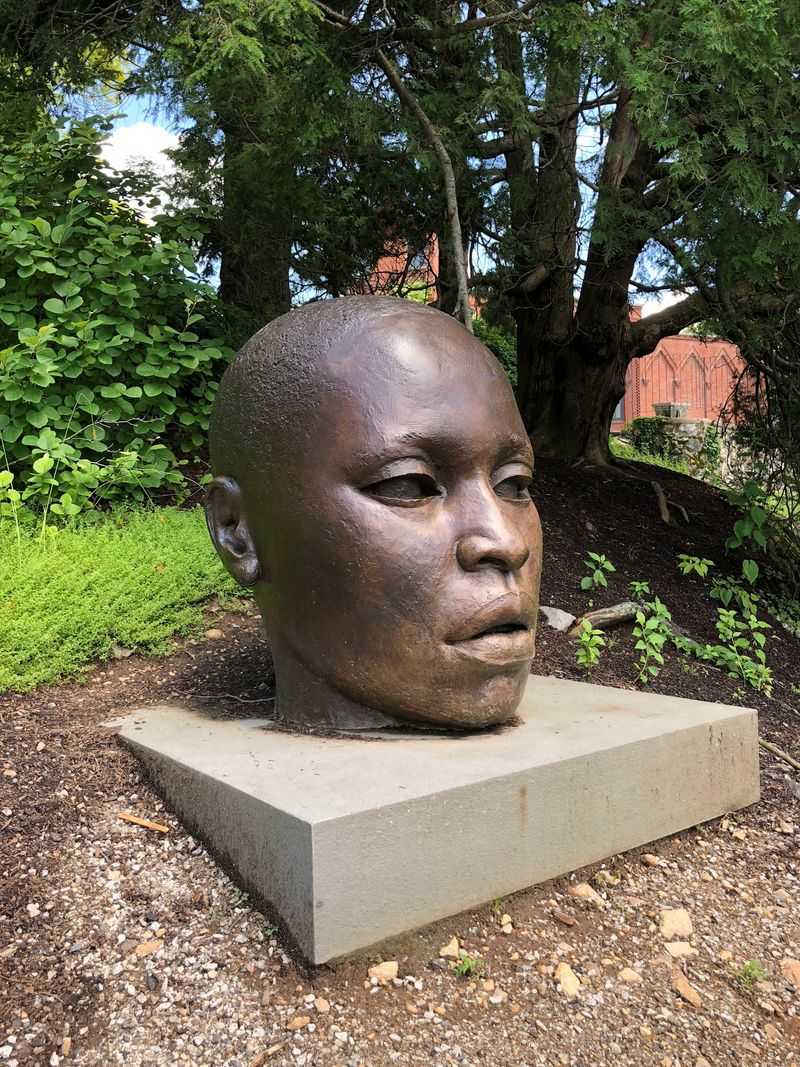
From across the grass, a sculpture may look like a single bold shape. Take a few steps closer at deCordova Sculpture Park and Museum, and small details begin to appear.
An edge, a shadow, or an opening can change your first impression.
Large outdoor works reward a slow approach. Start far enough away to see how one sits against the trees or sky, then move along an open path to view it from another side.
If the ground is uneven, watch your footing while you look up; the art will still be there when you stop safely.
Try taking two photos, one that shows the whole scene and another that captures a detail. Looking at them later can show how size affects what you remember.
If you visit with a friend, compare which view each of you liked best without trying to agree.
Not every piece needs to be huge to hold your attention, of course. Yet the room around these works lets you feel their scale in a way a picture cannot.
That shift from distant outline to close detail is a good reason to keep walking.
Wooded Paths with Art Around the Bend
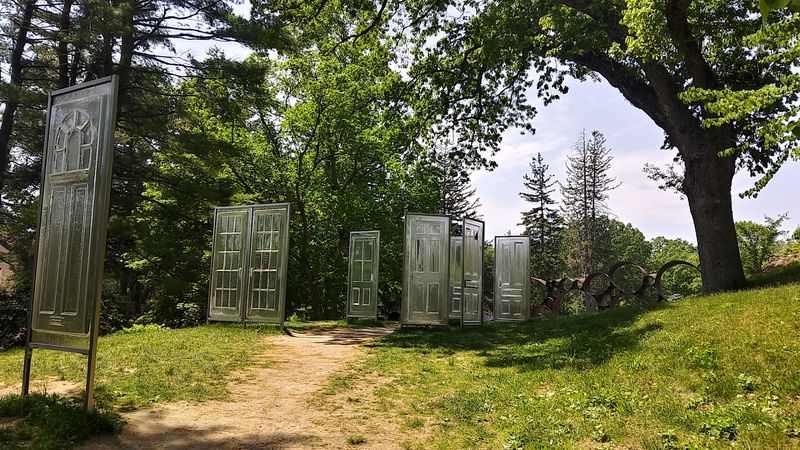
The open lawns get plenty of attention, but the shaded paths have their own kind of suspense. On the wooded parts of deCordova Sculpture Park and Museum, you may see an artwork appear through trunks and leaves.
Finding it can feel wonderfully personal, even with other visitors nearby.
Take a current map, then choose a route that fits your time and energy. Some paths are unpaved, and wet leaves or roots can make careful steps important.
Shoes with good grip are a smarter choice than footwear meant only for smooth sidewalks.
In the woods, try looking beyond the nearest sculpture. Notice the patches of light on its surface, the space between it and the trees, and the way it comes into view as you move.
You can enjoy that slow reveal without leaving the path or disturbing plants.
Allow more time than the map distance seems to require. A short wooded stretch can invite several stops, especially when a shape catches your eye from a new angle.
Here, the walk between works is not empty time; it is part of the experience.
Coffee After the Last Sculpture

After an hour of walking, even the most curious art lover may be ready to sit down. Twisted Tree Café at deCordova Sculpture Park and Museum offers a welcome break, with coffee and light food when it is open.
It gives you a chance to trade favorite discoveries before the details fade.
Check current café hours and offerings before counting on a meal, since services can change. If you have food needs, ask what is available that day rather than assuming a certain dish will be served.
You can also plan your walk so a break comes before everyone gets tired.
Over a warm drink, try naming one artwork you would like to see again. Perhaps it was a piece hidden among trees, or one that looked entirely different from a second angle.
Sharing those choices can be as enjoyable as reading the labels along the route.
Before leaving, check whether the shop or restrooms are open if you need them. A comfortable finish makes it easier to remember the afternoon for its art, fresh air, and good conversation, rather than sore feet.