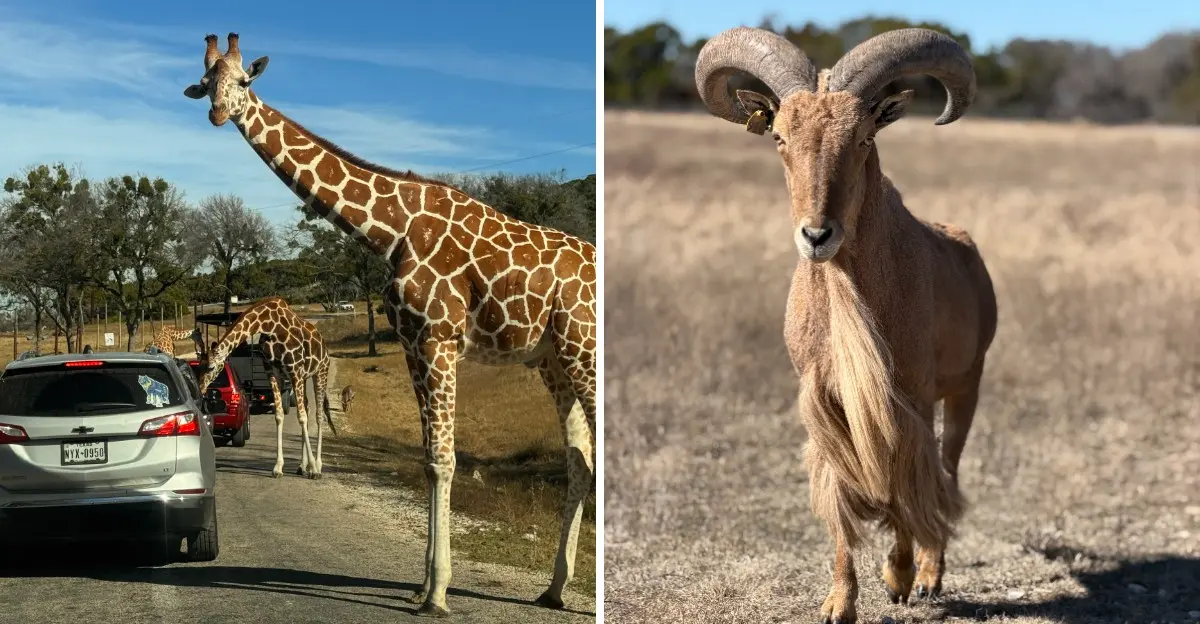
One giraffe can turn a family road trip into a story your kids tell for years.
At Fossil Rim Wildlife Center near Glen Rose, Texas, animals do not stay behind glass or wait quietly for visitors.
A giraffe can wander beside your car, while zebras, rhinos, and other animals appear across the grounds.
That close-up feeling gives the day magic.
Kids get wide-eyed, parents reach for their cameras, and suddenly an afternoon becomes the kind of adventure everyone keeps talking about.
There is more to the visit than animal encounters.
Fossil Rim supports conservation work and gives families a chance to learn about protecting wildlife.
With a little planning, you can spend the day spotting animals, making memories, and letting the kids experience something far beyond an ordinary zoo trip.
Start With the 7.2-Mile Wildlife Drive
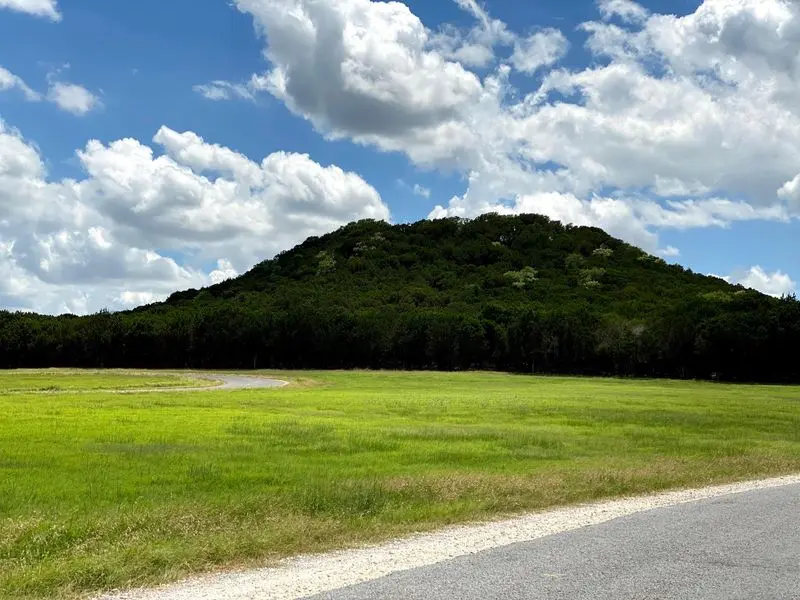
Our youngest child began watching the hills before we had driven a full minute. Fossil Rim’s 7.2-mile wildlife drive winds through rolling Texas countryside, where the view can change from one bend to the next.
Unlike a walk between zoo exhibits, the drive lets your family stay together while looking for animals across open spaces.
Set aside at least 1.5 hours, and leave room in your schedule for more. An animal may linger near the road, or your kids may want to watch a distant herd for several minutes.
Driving slowly gives everyone a better chance to notice movement in the grass without making the trip feel like a race.
Before setting off, use the restroom and put water where passengers can reach it. Give younger children a simple job, such as spotting animals on the left or right.
Keep your camera ready, but remember that watching with your own eyes can be more fun than trying to photograph every surprise. The drive is the heart of the visit, so enjoy its unhurried pace.
Watch for Giraffes, Zebras, Rhinos, and More
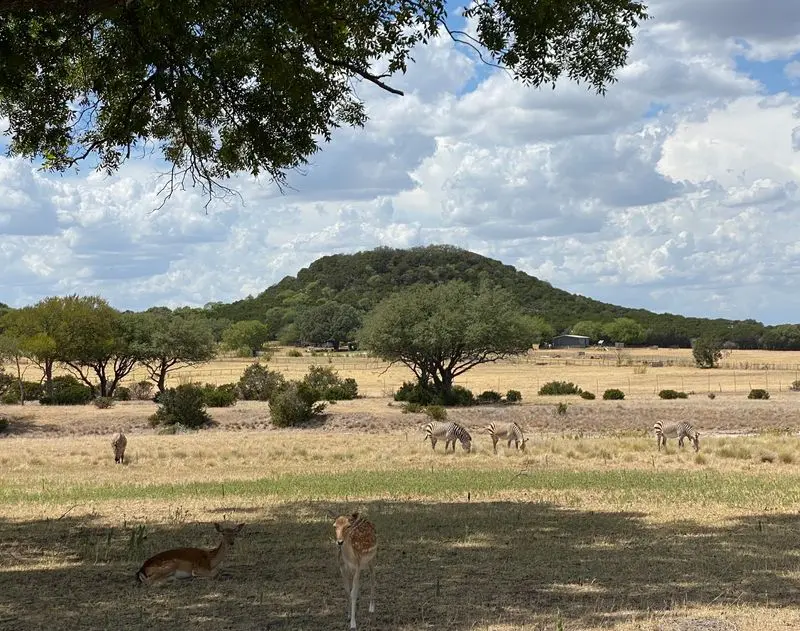
A tall neck above the grass can turn a quiet car into a chorus of excited voices. Giraffes are a favorite, but Fossil Rim has far more for families to notice.
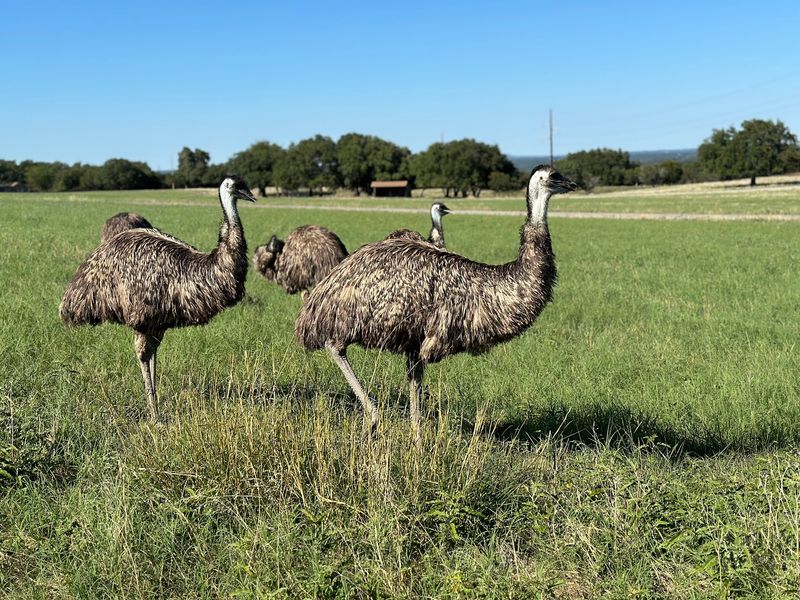
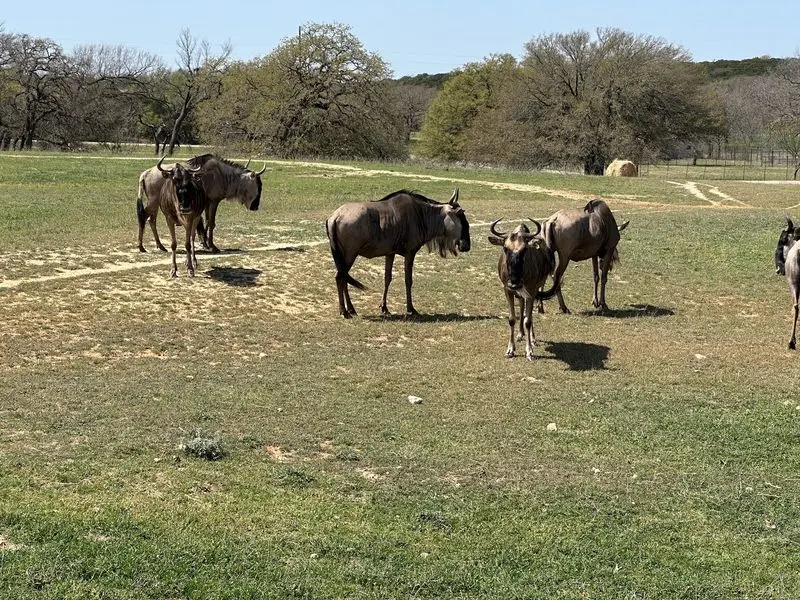
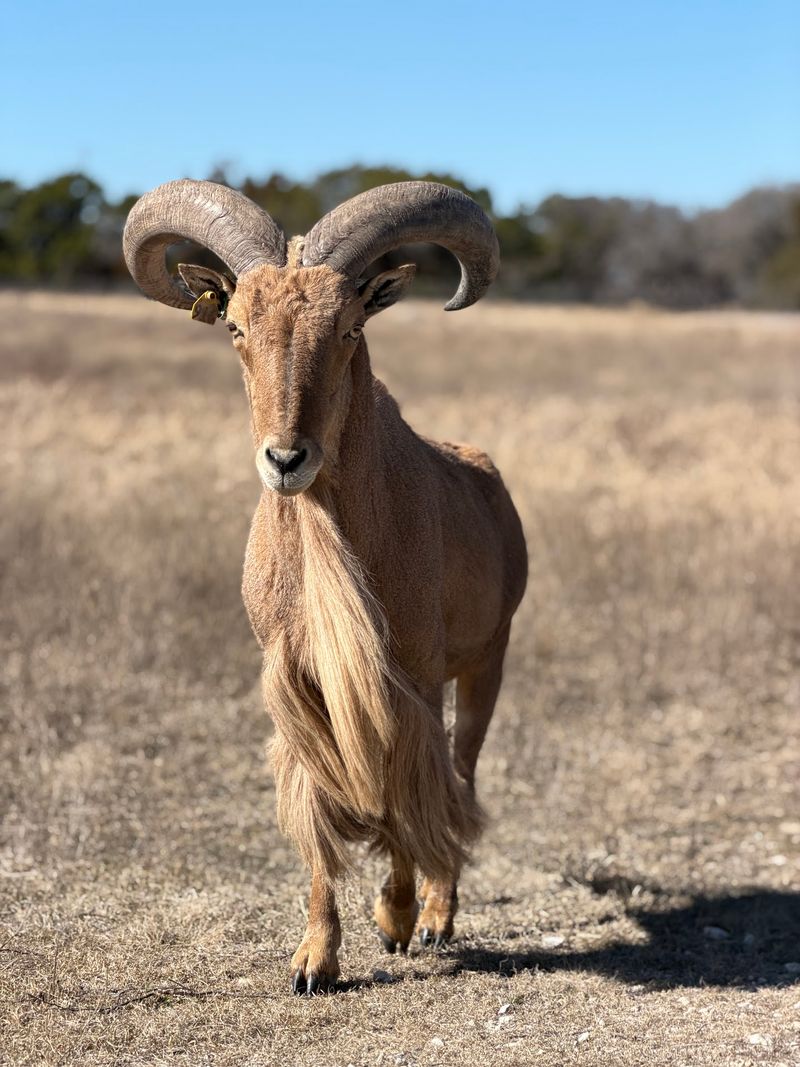
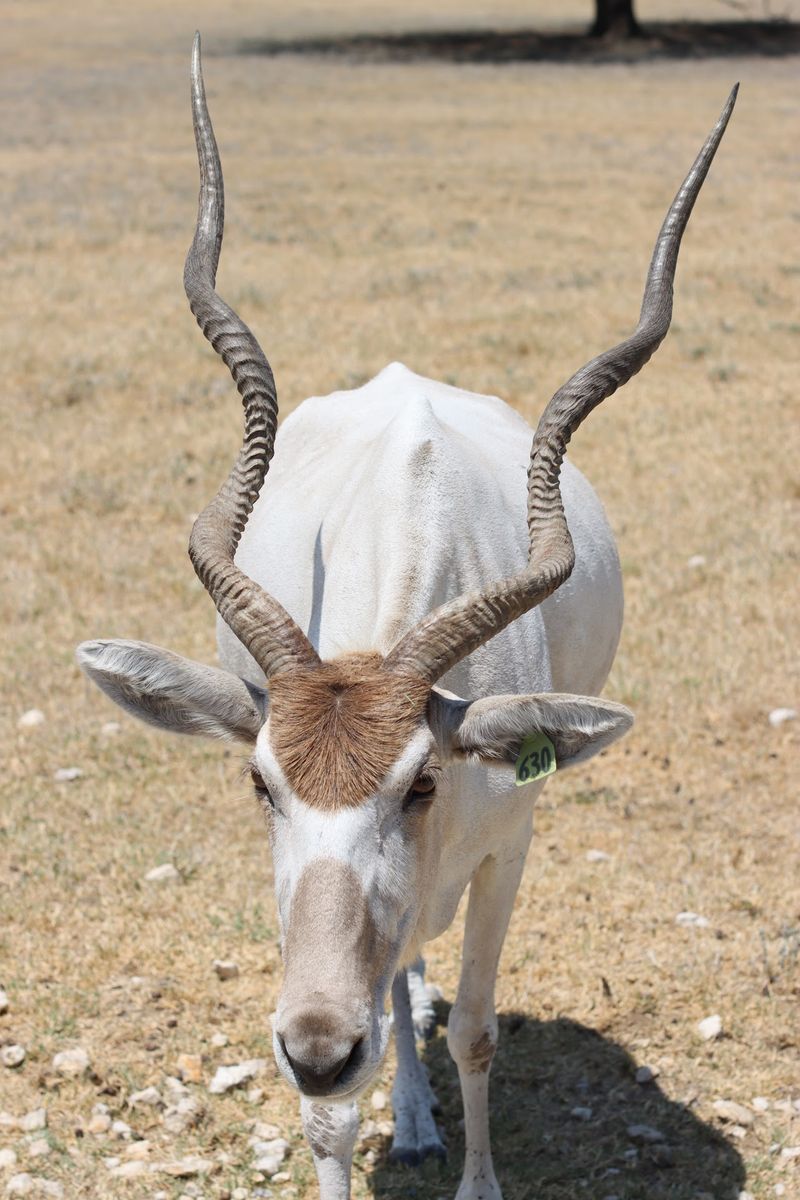
Grevy’s zebras, southern white rhinos, ostriches, addax, blackbuck, and other animals live across the property. Each part of the route may bring a different sight.
Try making a family spotting list before you arrive. Younger kids can look for stripes, horns, or long legs, while older children can learn the animals’ names.
Grevy’s zebras, for example, have narrow stripes that make them interesting to compare with other zebras pictured in a guidebook.
Some animals may stand close to the road, while others stay far away or rest out of view. Let your children know that wildlife does not follow a schedule.
Binoculars can help with distant sightings, and a quiet minute often reveals something everyone missed at first. If you cannot identify an animal, take a photo and look it up together after the drive.
Let the Kids Feed the Animals Safely
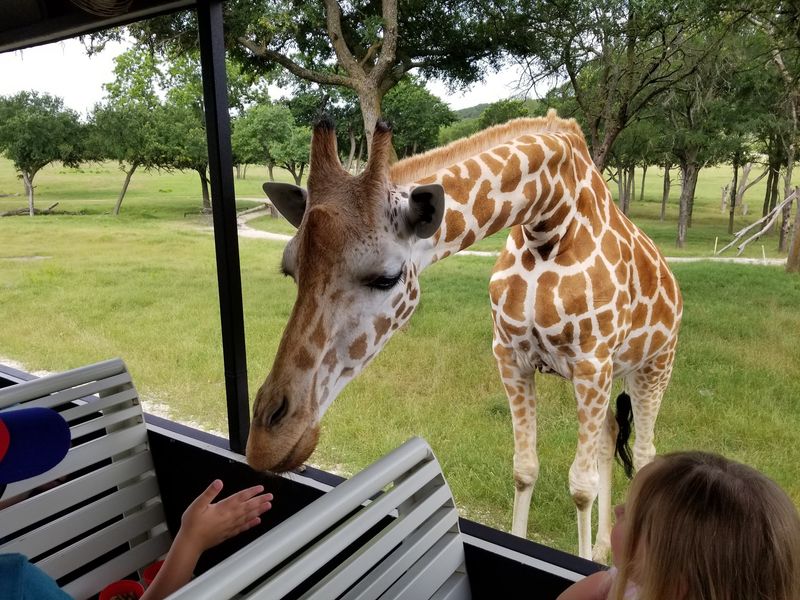
The sound of an animal approaching our car was enough to make every child sit up straight. Feeding can be one of the most talked about parts of a Fossil Rim visit, especially when an animal comes close enough for kids to see its face clearly.
It is also a moment when following directions matters.
Use only the animal feed approved by Fossil Rim, and check the center’s current feeding rules before your visit. Not every animal should be fed, and an encounter should never be forced.
Keep regular snacks tucked away so nobody mistakes a family treat for animal food. An adult should supervise children throughout the drive.
Help younger kids practice patience before an animal approaches. They can watch how it moves and listen to any instructions from the center rather than reaching out quickly.
If feeding is not possible during your visit, the close view can still feel special. A child who notices an animal’s eyes, coat, or careful steps has plenty of stories to tell afterward.
Make Time for the Overlook
Halfway through an exciting drive, even the most eager animal spotter may need a bathroom break. The Overlook gives families a place to leave the vehicle, stretch, use the restrooms, and find something to eat.
A pause here can make the rest of the trip easier for everyone, especially children who have spent a long time sitting.
Think of it as more than a quick stop. The views offer another chance to look for animals and take in the shape of the surrounding hills.
If your kids have been asking questions, this is a good moment to talk about what they have seen so far. You might discover that each person has a different favorite.
Check current food options before relying on them for a full meal, and bring water for the day. Keep an eye on the time, but do not rush a child who needs a little fresh air.
After a short break, climbing back into the car can feel like beginning a second adventure.
Explore Animal Discoveries and Nature Trails
After miles of watching from the car, our kids were ready to use their feet. Animal Discoveries offers a different way to see wildlife beyond the main drive, while nearby walking trails give families time to notice the land itself.
It is a welcome change of pace for children who like to move as much as they like to look.
Walk slowly and invite kids to notice small details, such as leaves, rocks, tracks, or the sounds of birds. You do not need a long hike to make the stop worthwhile.
Even a short walk can help children understand that wildlife depends on habitats, not just the animals they came to see.
Wear comfortable shoes and carry water, particularly in warm weather. Check which areas and trails are open on the day of your visit, and follow posted signs.
Staying on designated paths helps protect the surroundings and keeps your family where visitors are allowed. A few minutes outside the vehicle may become a favorite memory.
Consider a Guided Safari Instead
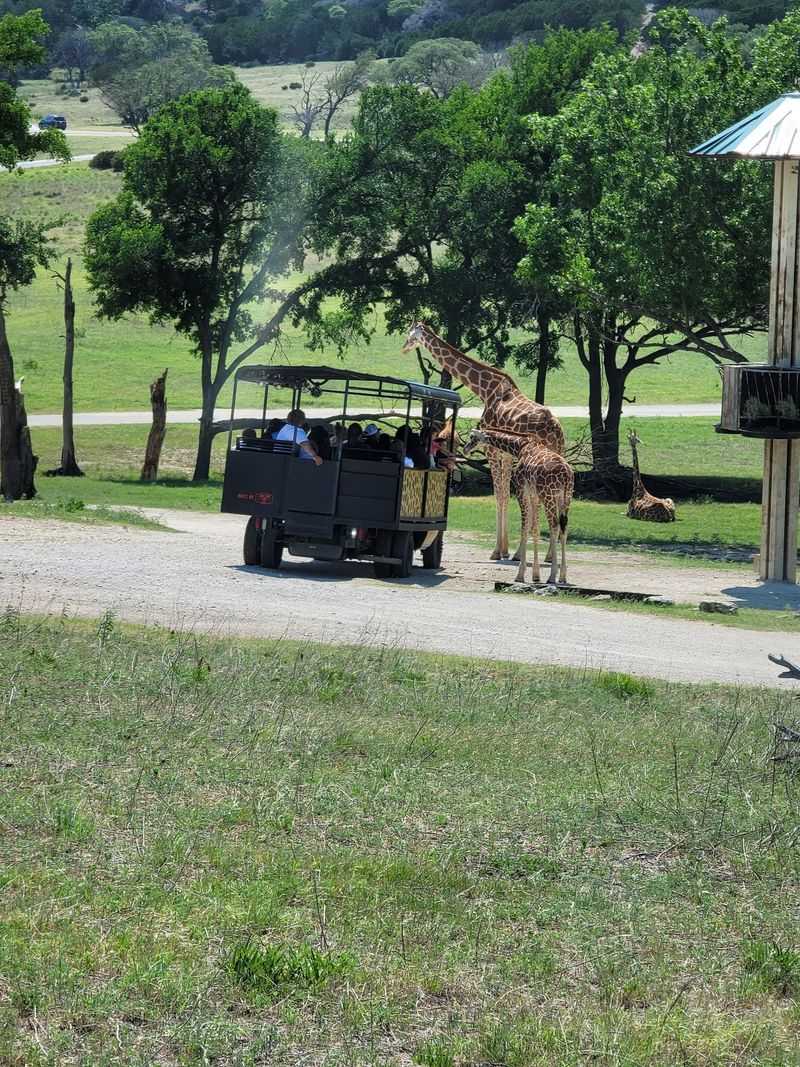
Some kids can ask more animal questions in five minutes than parents can answer all day. A guided safari gives those curious minds someone knowledgeable to listen to.
Instead of driving your own vehicle, your family rides in an open-air tour vehicle and hears more about the animals, their habitats, and Fossil Rim’s conservation work.
This option can be especially appealing if you would rather focus on the view than on the road. A guide may help your family notice details you might otherwise miss.
Children can connect what they see with bigger questions, including why certain species need protection and how people care for them.
Check tour availability, prices, age guidance, and reservation details before making plans. An open-air ride also calls for clothes suited to the weather, including sun protection when needed.
If your family prefers private conversations and a flexible pace, the self-drive route may suit you better. Either choice can give children a memorable look at wildlife; choose the one that fits your crew.
Visit Early for Better Wildlife Viewing
By late morning in Texas, a cool car can start to sound better than any outdoor plan. Arriving early gives your family a chance to enjoy the property before the day grows hotter.
Animals may be easier to watch when conditions are cooler, although sightings will always vary. The extra time also means you do not have to hurry through the drive.
Prepare the night before by checking your tickets, packing water, and placing hats where you can find them. A simple breakfast can help kids settle in for a long outing.
If your children are early risers, let them know they will have an important job: keeping their eyes open for the first animal.
Look up current opening times rather than assuming they stay the same all year. Weather and seasonal schedules can affect your plans.
An early start is not a promise that every animal will appear, but it gives your family more room for stops, breaks, and those unexpected moments that make the day feel wild.
Turn the Visit Into a Conservation Lesson
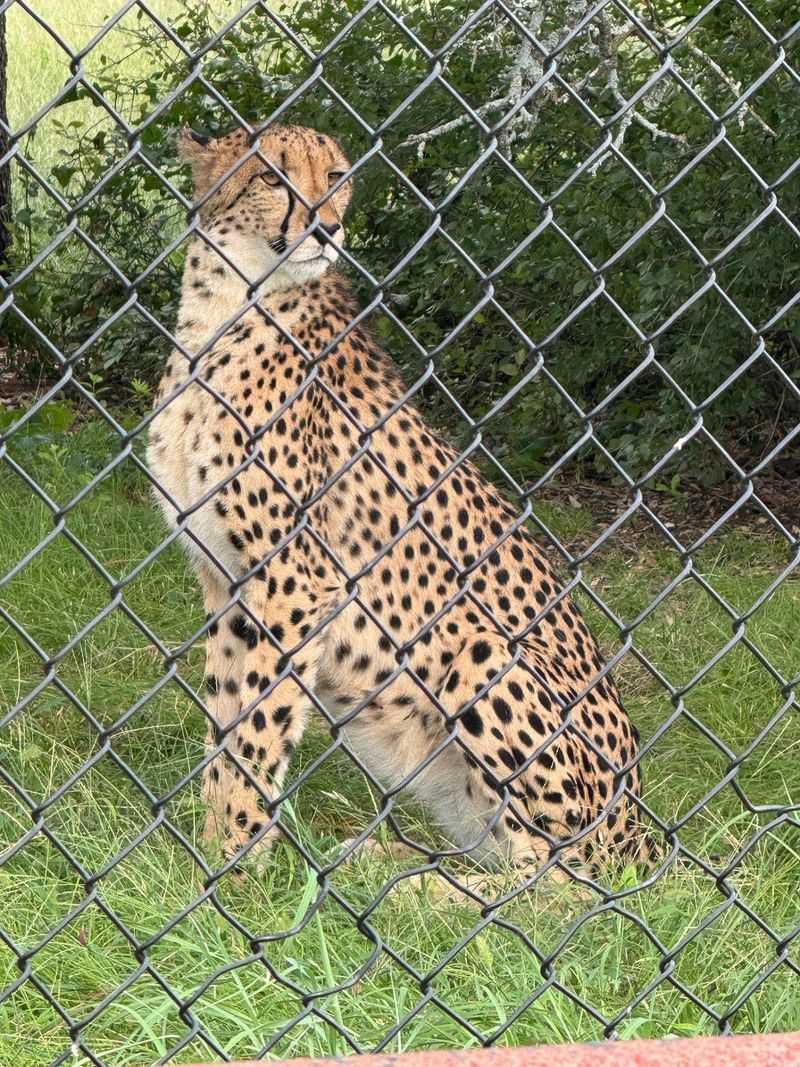
A zebra sighting can begin with a shout and end with a thoughtful question. Why does this animal need help?
Fossil Rim is more than a place to view wildlife. Its work includes conservation, research, education, and breeding programs, giving families a chance to connect a fun day out with the effort to protect threatened species.
Keep the conversation simple for younger children. Explain that some animals face problems in the wild and that people study them to learn how to help.
Older kids might enjoy choosing one species from the drive to research at home. Ask where it lives, what it eats, and what threats it faces.
There is no need to turn every sighting into a lesson. Let excitement lead, then answer questions as they come.
When children see an animal moving through open land rather than only in a picture, the idea of protecting wildlife becomes easier to understand. Their favorite memory may grow into lasting curiosity about the natural world.
Know the Rules Before You Pull In
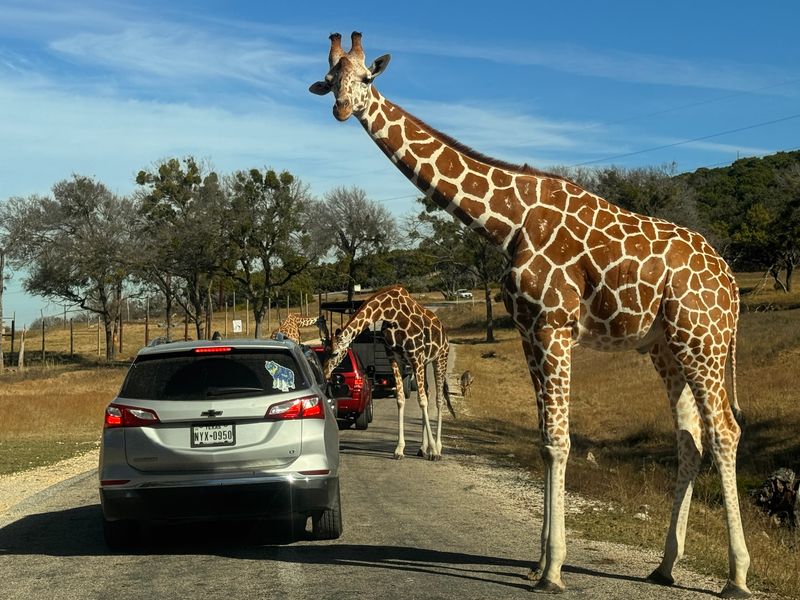
Excitement can make a family forget the rules they meant to review in the driveway. Before entering Fossil Rim’s wildlife drive, explain to your children that visitors must stay inside their vehicles along the drive.
Animals may look calm or curious, but they are not pets. Giving them space protects both your family and the wildlife.
Fossil Rim also requires visitors to use only approved food when feeding is allowed. Do not bring a pet along for the outing; pets are not permitted on the property.
Read the center’s current instructions before arrival and follow signs and staff directions during your visit. Rules may cover details that change with conditions or animal care needs.
A short family reminder can prevent stressful moments later. Tell children where they can safely get out, such as permitted visitor areas, and why they cannot step out for a better photo on the drive.
When everyone understands the boundaries, you can spend less time correcting behavior and more time enjoying each sighting together.
What to Know Before You Go
The easiest family adventures usually start with a little planning at the kitchen table. Fossil Rim Wildlife Center is at 2299 County Road 2008 in Glen Rose, Texas.
Before leaving home, check its official website for current hours, ticket prices, reservation needs, seasonal details, and weather-related changes. You can also call +1 254-897-2960 if you need help with your plans.
Allow several hours for the full experience, even though the main drive can take at least 1.5 hours. Stops, meals, and animal encounters can stretch your visit.
Wear comfortable shoes for permitted walking areas and choose clothes that suit the Texas forecast. Bring plenty of water, and consider hats and sun protection.
If your family has young children, keep a few quiet activities handy for slower parts of the drive. Plan bathroom breaks around the available visitor areas, not the wildlife route.
Most of all, leave space for surprises. A well-packed car makes it easier to relax when an animal decides to take its time crossing your path.