A bucket hanging from a maple tree might look simple, but it marks the start of a busy season in Wisconsin’s woods.
When late winter brings freezing nights and warmer days, sap can flow, and syrup makers begin the slow work of collecting and boiling it.
Every farm has its own setting and story, yet all depend on good timing, careful work, and a lot of patience for that first sweet taste.
These farms offer a reason to look closer at what goes into a bottle of local syrup.
Some may welcome visitors or sell directly, while others may have limited hours, so checking ahead is part of planning a good trip.
Bring boots if you are headed outdoors, ask how the season is going, and leave room in the pantry: pancakes are only one way to enjoy what comes out of the sugar bush.
1. Z-Orchard – Amery
Boots crunch on old snow, and somewhere nearby, a maple tree is doing its quiet spring job.
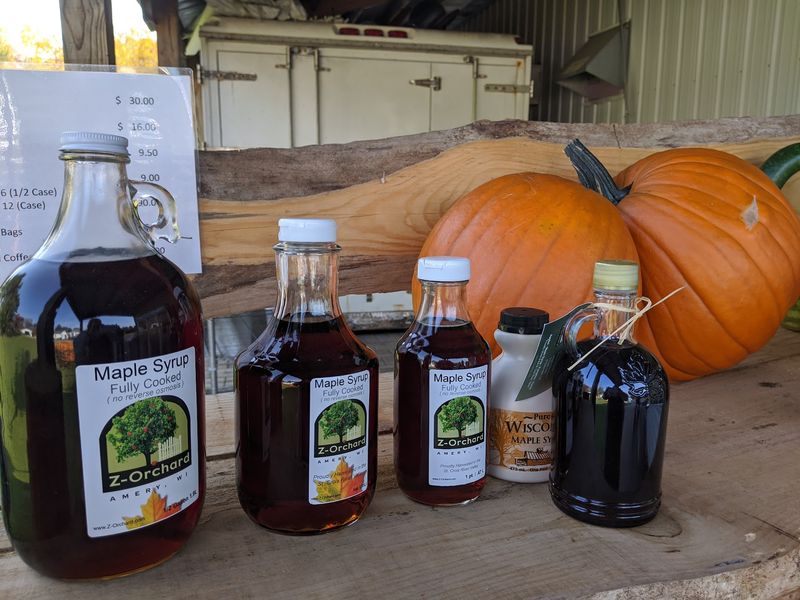
Z-Orchard in Amery gives us a good reason to think about the small window when Wisconsin sap starts moving.
That window depends on the weather: freezing nights followed by warmer days help create the pressure changes that send sap toward a tap.
The timing can shift each year, so a trip planned weeks ahead may miss the busiest part of the season.
If you hope to visit or buy syrup, contact Z-Orchard first to ask about current hours, sales, and whether guests can see any sugaring work.
Wear shoes that can handle mud and keep to marked or approved areas; a sugar bush is a workplace, not an obstacle course.
Back home, try a little syrup on plain yogurt before pouring it over pancakes.
Its flavor may seem delicate at first, but that makes tasting it fun.
A bottle represents many rounds of collecting, boiling, and watching, all packed into something you can hold in one hand.
2. Richter Family Maple – Luck
Steam is the part everyone notices; the waiting comes first.
Richter Family Maple in Luck reminds us that syrup making follows the trees and the weather, not a neat calendar on the kitchen wall.
Maple sap looks much more like water than the syrup on a breakfast table.
Producers collect it and boil away much of that water, concentrating the natural sugars until the liquid reaches the right density.
That is why a small bottle can represent a surprising amount of sap.
Before driving to Luck, check directly with the farm about shopping, pickup, or possible seasonal activities.
Do not assume the sugarhouse is open just because the sap is running; boiling days can be long and busy.
If visits are offered, ask where to park and whether children need close supervision around hot equipment.
For a taste test, drizzle syrup over oatmeal without adding other sweeteners.
See whether you notice buttery, toasted, or mild flavors, then compare another batch when you get the chance.
You do not need a fancy tasting spoon, just curiosity and a clean bowl.
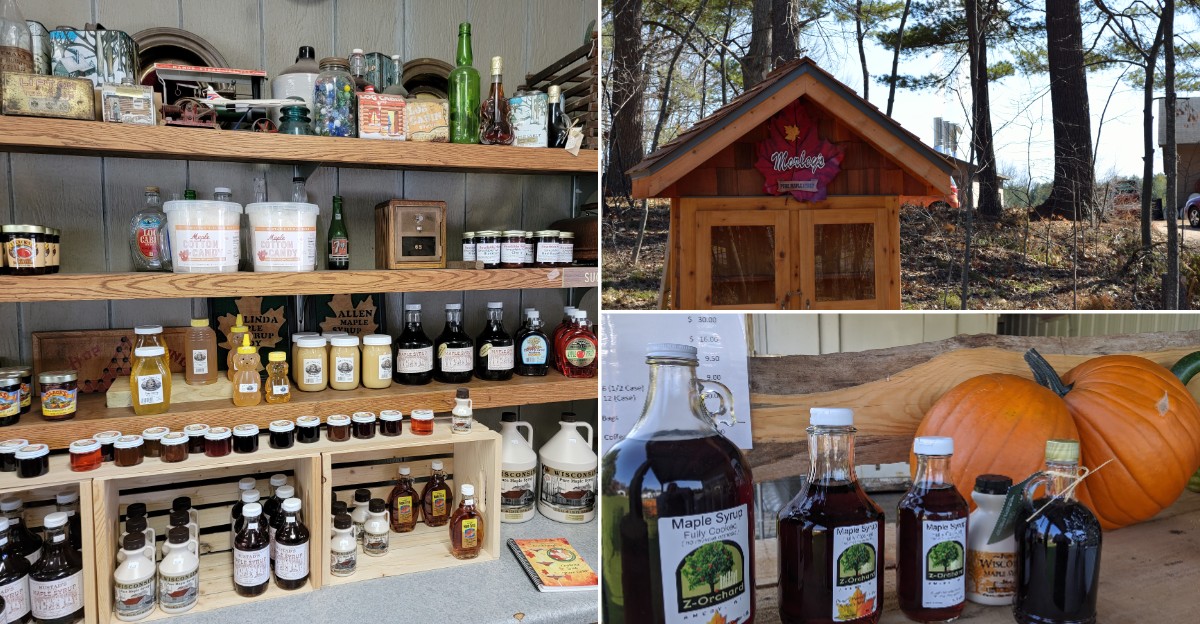
3. Morley’s Maple Syrup – Luck
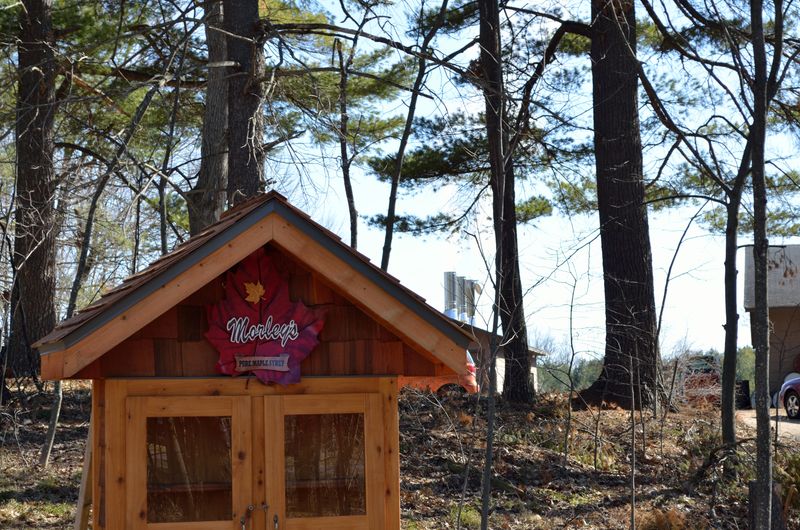
A bottle of syrup has a sneaky talent: it can make plain toast feel like a celebration.
Morley’s Maple Syrup in Luck points our attention toward the work hidden behind that easy breakfast upgrade.
Early spring brings short days when sap may run well and other days when collection slows.
Sugar makers must adapt quickly, checking equipment, gathering sap, and keeping the boiling process on track.
Weather can turn a tidy plan into a muddy one before lunch.
If you want to support Morley’s, look for current sales details before setting out.
Ask about available sizes and prices, and bring a sturdy bag so glass bottles travel safely.
Anyone hoping for a tour should confirm that visits are welcome rather than arriving during a busy boil.
At home, store an unopened container according to its label and refrigerate pure maple syrup after opening.
A little goes a long way in salad dressing: mix it with mustard, vinegar, and oil for a sweet, sharp finish.
Save the rest for breakfast, where it can take its well-earned bow.
4. Hustad’s Sugar Bush – Cumberland
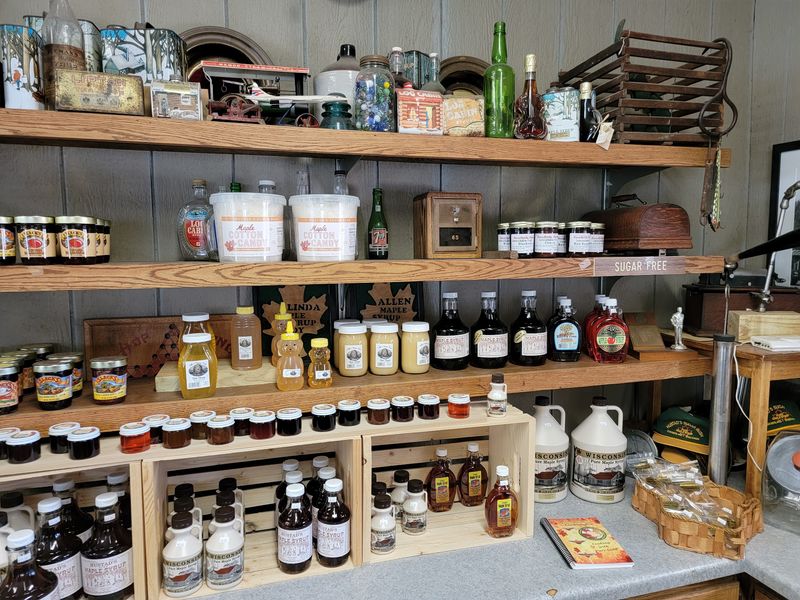
Forget the spotless postcard version of spring; maple season often comes with mud.
Hustad’s Sugar Bush in Cumberland brings that wonderfully messy truth to mind, along with the reward waiting at the end of the work.
A sugar bush is a stand of trees used for collecting sap.
Some producers use buckets, while others connect taps to tubing that carries sap toward a collection point.
Either way, keeping equipment clean matters because sap can spoil before it becomes syrup.
If you are planning a Cumberland outing, ask Hustad’s about public access and current syrup sales before you go.
Dress for changing temperatures and leave pets at home unless the farm says they are welcome.
A working woods may have tubing, vehicles, and places visitors should avoid.
Bring a question for the maker if there is time to chat: How did the weather affect this year’s run?
It is a better conversation starter than asking for a secret recipe.
Maple syrup begins with sap, but each season’s conditions help shape the story in the bottle.
5. Lovey’s Maple Syrup – Amery
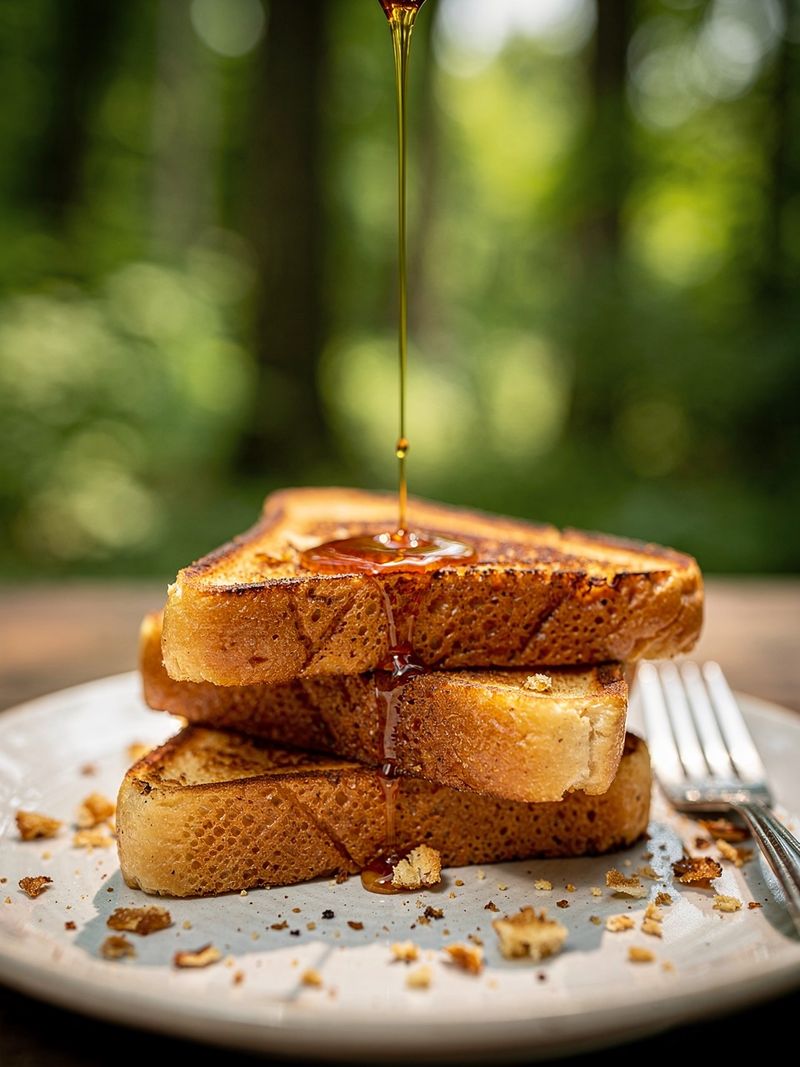
Breakfast has a way of turning serious when someone opens real maple syrup.
Lovey’s Maple Syrup in Amery earns a place on our list because even a small pour invites a bigger question: how does tree sap become something so rich?
Heat removes water from collected sap, leaving a sweeter liquid behind.
The finished syrup is judged in part by its color and taste, which can vary during the season.
Darker syrup is not simply better or worse than lighter syrup; each can suit a different dish.
Check with Lovey’s for up-to-date buying options before making the drive to Amery.
If several grades or flavor descriptions are available, ask for help choosing one.
Keep in mind that a producer may be too busy with collection or boiling to host visitors on a given day.
For an easy kitchen experiment, taste a drop on a spoon, then stir a little into warm milk or coffee.
Notice how the flavor changes beside other ingredients.
That simple test can help you pick a favorite without using half the bottle at once.
6. Adamski Sugar Bush – Antigo
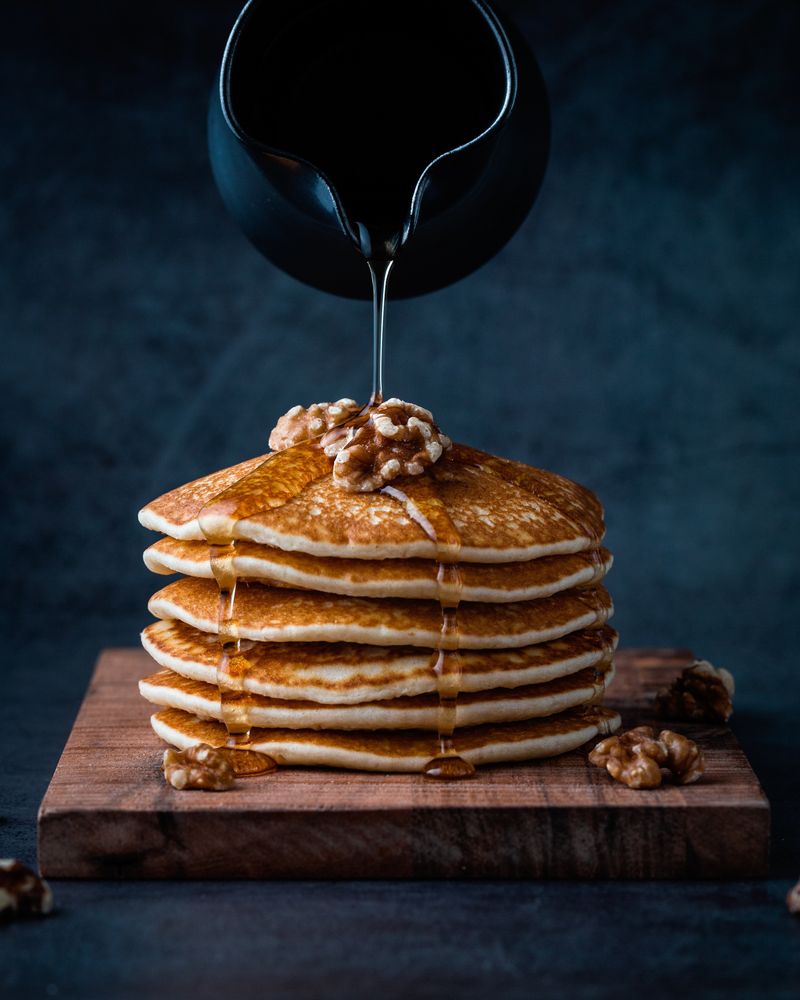
In the Antigo area, a cold morning can be good news for syrup makers.
Adamski Sugar Bush puts a spotlight on one of sugaring season’s odd rules: winter needs to loosen its grip, but not let go completely.
Freezing nights and above-freezing days often help sap flow, though the trees decide the pace.
A warm spell can change conditions fast.
That makes the season both exciting and hard to schedule, especially for anyone hoping to watch work in progress.
Contact Adamski before traveling to ask whether syrup is available and whether visitors are permitted.
If you get a chance to see a sugar bush, stay clear of collection lines and tanks.
Even a careful step can damage equipment that took time to set up.
After your trip, try maple syrup in a glaze for roasted carrots.
Mix a modest spoonful with oil and a pinch of salt, then watch closely so the sugars do not burn.
The result tastes like a little bit of spring with dinner, no stack of pancakes required.
7. Maple Creek Sugar Bush – Barron
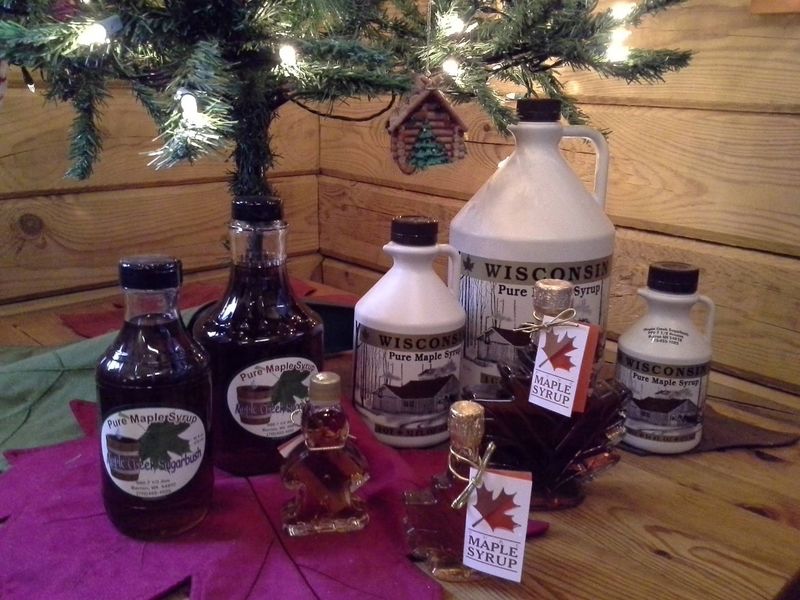
A creek and a stand of maples sound like the start of a good spring walk.
Maple Creek Sugar Bush in Barron also gives us a chance to remember that the woods become a workplace when sap season arrives.
Collecting sap takes planning long before the first boil.
Taps and containers must be ready, and producers need a way to move fresh sap before it loses quality.
Then comes the patient job of boiling it down and checking when the syrup is finished.
Ask Maple Creek Sugar Bush about its latest hours, products, and visitor rules before heading to Barron.
If access is limited, buying a bottle can still connect you to the season.
Respect gates and signs, and do not wander through a sugar bush without permission.
Want to stretch that bottle?
Use a small amount in a homemade snack mix with oats, nuts, and a pinch of cinnamon.
Stir well and bake carefully, since sweet coatings can darken quickly.
It is a handy reminder that maple belongs in more than a breakfast routine.
8. B&E’s Trees – Cashton
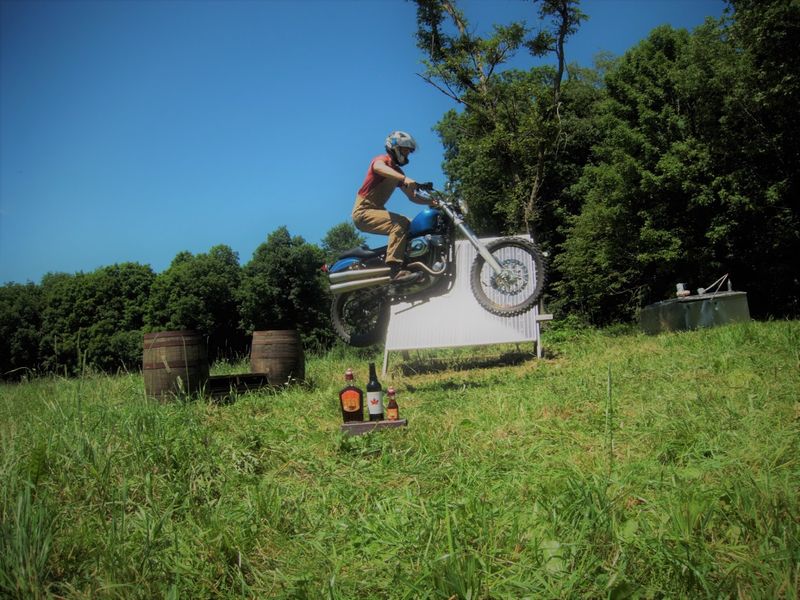
The first hint of spring at B&E’s Trees might be a bucket filling drop by drop.
Around Cashton, maple season turns chilly walks into a lesson in patience.
Sap looks like water when it leaves the tree, and it takes much boiling to make syrup.
Before making a trip, check whether the farm has public hours or seasonal events.
Wear boots that can handle mud, since thawing ground can be slippery.
If you get to taste the finished syrup, try a small spoonful plain before adding it to pancakes.
You may notice flavors that a grocery shelf cannot explain.
9. Stoney Acres Farm – Athens
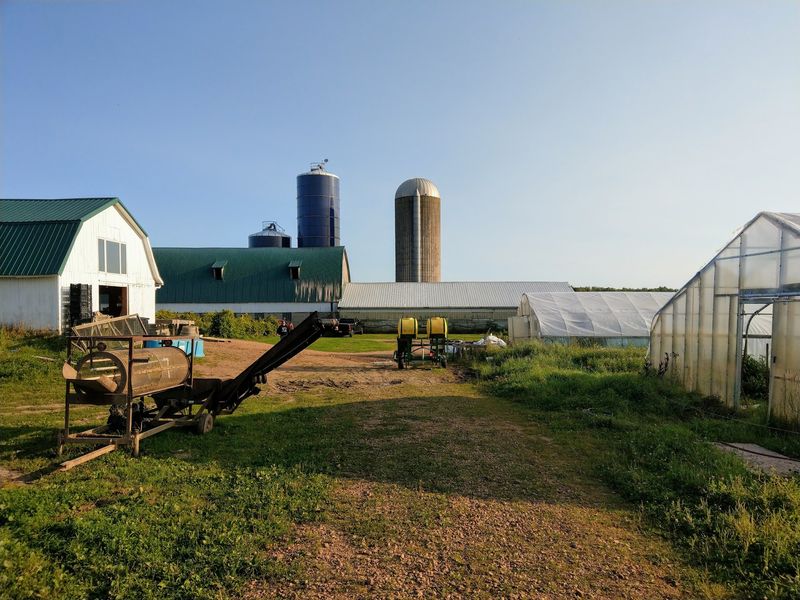
At Stoney Acres Farm, the kitchen may be what first comes to mind, but the trees deserve a look, too.
A sugar bush changes with each warm day and cold night.
Those swings help sap move, giving farmers a brief chance to gather it before spring settles in.
If you hope to visit the Athens farm, look up its current schedule first.
Farm activities can change with the season, and maple work follows the weather rather than a calendar.
Ask how sap becomes syrup if someone is available to chat.
Even a simple answer makes your next stack of pancakes feel special.
10. Maple Hollow – Merrill
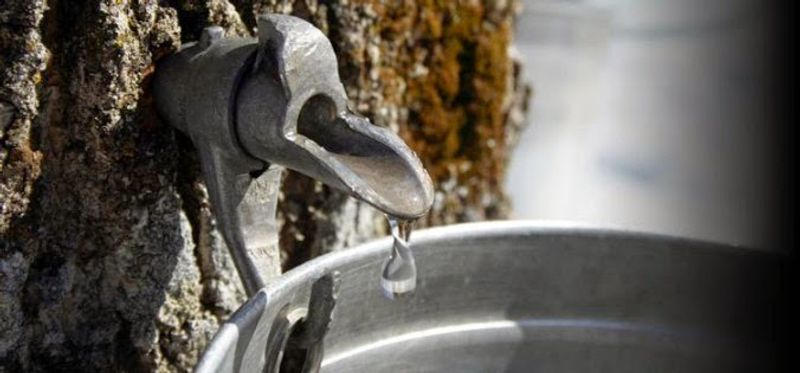
Steam rising above a sugarhouse can make a cold morning feel almost cozy.
Maple Hollow brings that picture to mind: trees waking up, sap coming in, and someone keeping a close eye on the boil.
Making syrup takes time because fresh sap holds far more water than sugar.
Before heading toward Merrill, confirm the farm’s location and whether visitors are welcome.
If you find locally made syrup for sale, keep the bottle sealed and follow its storage directions after opening.
Try a little in oatmeal or yogurt, not just on waffles.
Its flavor is an easy reminder of Wisconsin’s short, busy sugaring season.