Behind a castle-like stone facade in downtown Hartford waits a museum with a remarkable claim to fame.
The Wadsworth Atheneum Museum of Art, founded in 1842, is the oldest continuously operating public art museum in the United States.
Its collection spans thousands of years, from ancient artifacts and European masterpieces to American landscapes and modern art.
Kids love spotting suits of armor, dramatic paintings, and colorful contemporary pieces as they wander from gallery to gallery.
Family-friendly programs and art-making activities help young visitors turn looking into creating.
Plan a relaxed visit with snack breaks, and let the kids choose a favorite piece to talk about on the way home.
A Historic Surprise on Main Street
Stone towers and pointed arches make an ordinary walk downtown feel like the start of a story. Behind that striking front stands the Wadsworth Atheneum Museum of Art at 600 Main St, Hartford, CT 06103. It opened to the public in 1844, earning its place as America’s oldest public art museum.
That history sounds grand, but you do not need to know art terms to enjoy a visit. Look closely at the outside before going in, since the building is part of the experience. Its Gothic Revival design offers a clue that people have been coming here to see art for generations.
Inside, later additions connect with the older spaces, so the museum can feel like several buildings joined together. Give yourself a moment to find a map or ask a staff member where to begin. That small step can save time when you want to see several galleries.
Bring a friend who likes history, or make the visit a simple afternoon outing. As you move through the rooms, imagine what earlier visitors might have noticed when the museum was new. The best surprise is not just its age. It is the chance to enjoy a living museum that still welcomes curious people today.
Art From Many Centuries
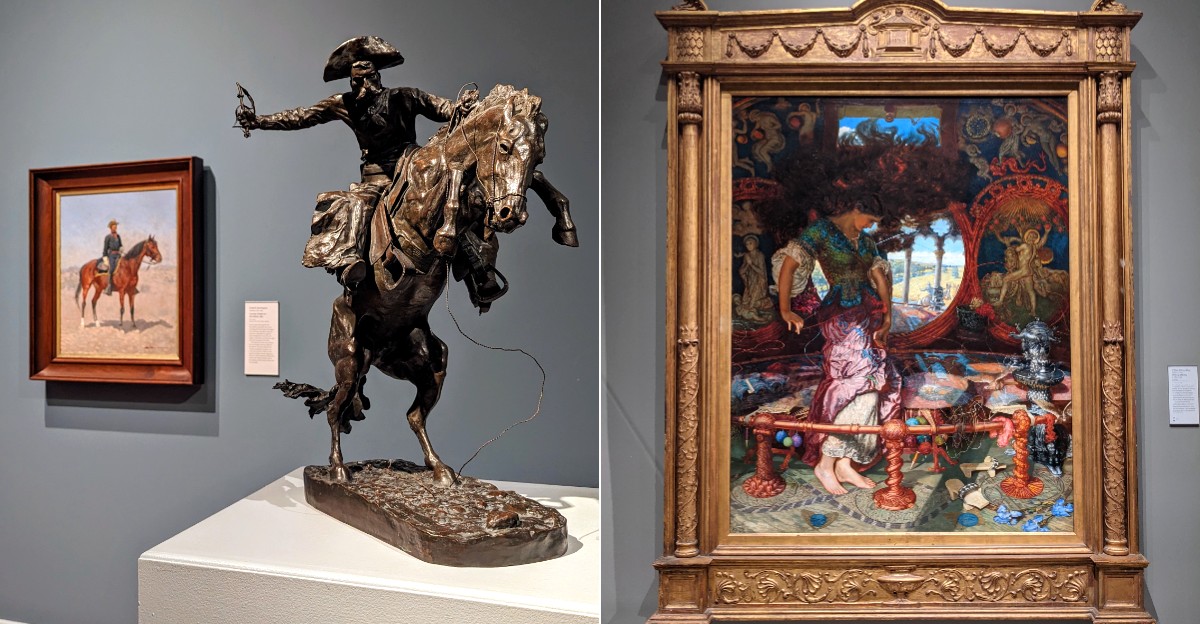
A single doorway can lead from a centuries-old painting to something made much more recently. That range is one of the pleasures of exploring the Wadsworth Atheneum. Its collection includes American, European, and contemporary art, with more than 50,000 works overall.
Of course, not every work can be on display at once. Think of the galleries as a changing sample of a much larger collection. You may find portraits, landscapes, sculpture, or objects made for everyday use. Each can tell you something about the people who created or used it.
If the variety feels overwhelming, pick one simple question to guide your walk. Which artwork shows a place you would like to visit? Which one makes you wonder how it was made? You can also choose a color or subject and see how different artists use it.
There is no prize for seeing every room as fast as possible. A short pause in front of one surprising work may stay with you longer than a hurried look at twenty. Read a label when you want more detail, then step back and decide what you notice for yourself. That balance keeps a large collection fun, even for someone visiting an art museum for the first time.
Old Masters With Big Stories
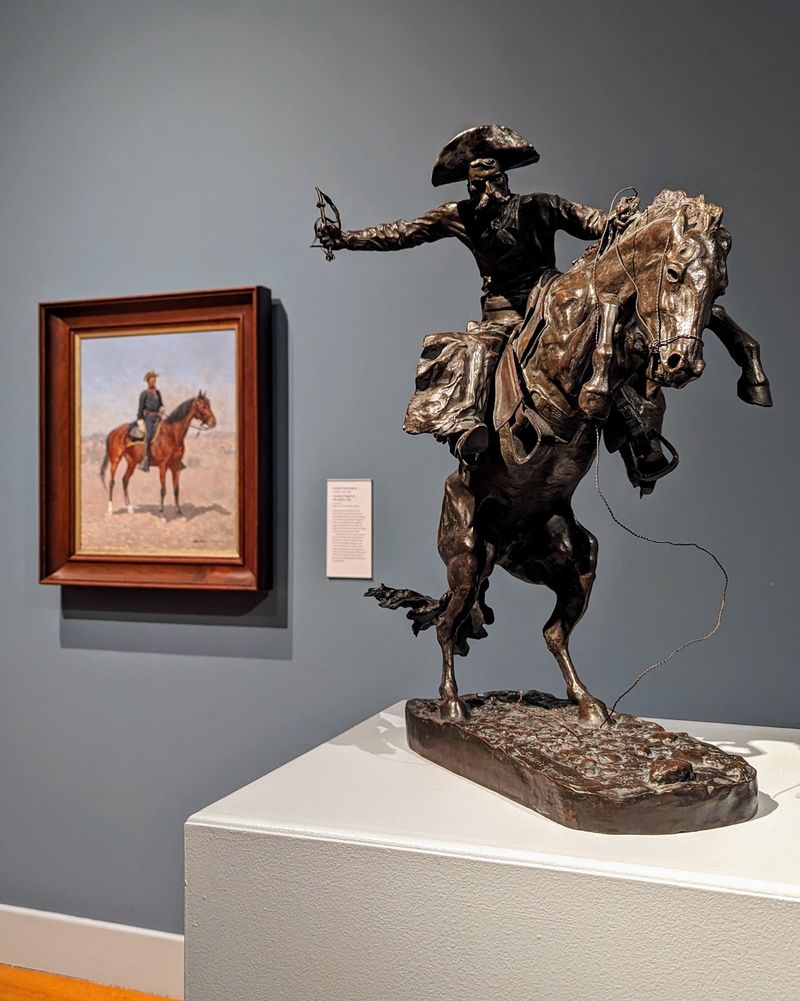
Faces, shadows, and tiny details can turn an old painting into a mystery worth solving. The museum’s European galleries invite visitors to look at works from earlier centuries, including pieces by well-known artists. You do not have to remember their names to enjoy the stories on the walls.
Start by looking for clues before reading the label. Notice where the light falls, what a person is holding, or which figure draws your eye first. Artists often used such choices to guide viewers toward a feeling or a key moment. Afterward, check the label to see whether your first guess changes.
For families, make it a quiet game rather than a history lesson. Ask everyone to choose one detail the others might miss. A sleeve, a cloud, or an object in the corner can lead to a lively conversation. If a room is busy, move along and return later for a closer look.
These paintings also show how tastes have changed over time. Some scenes feel formal, while others still look full of motion and emotion. Stay with one work for a minute or two instead of trying to admire everything at once. A careful look often reveals more than its famous name ever could.
Modern Art That Starts a Conversation
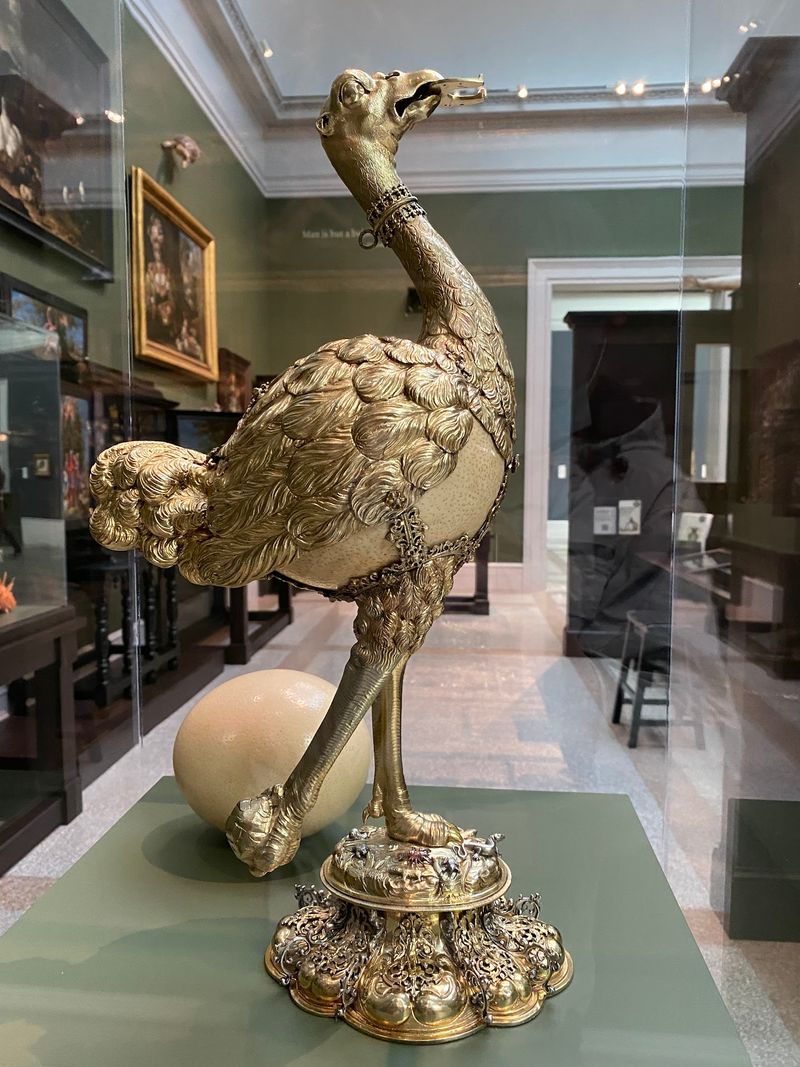
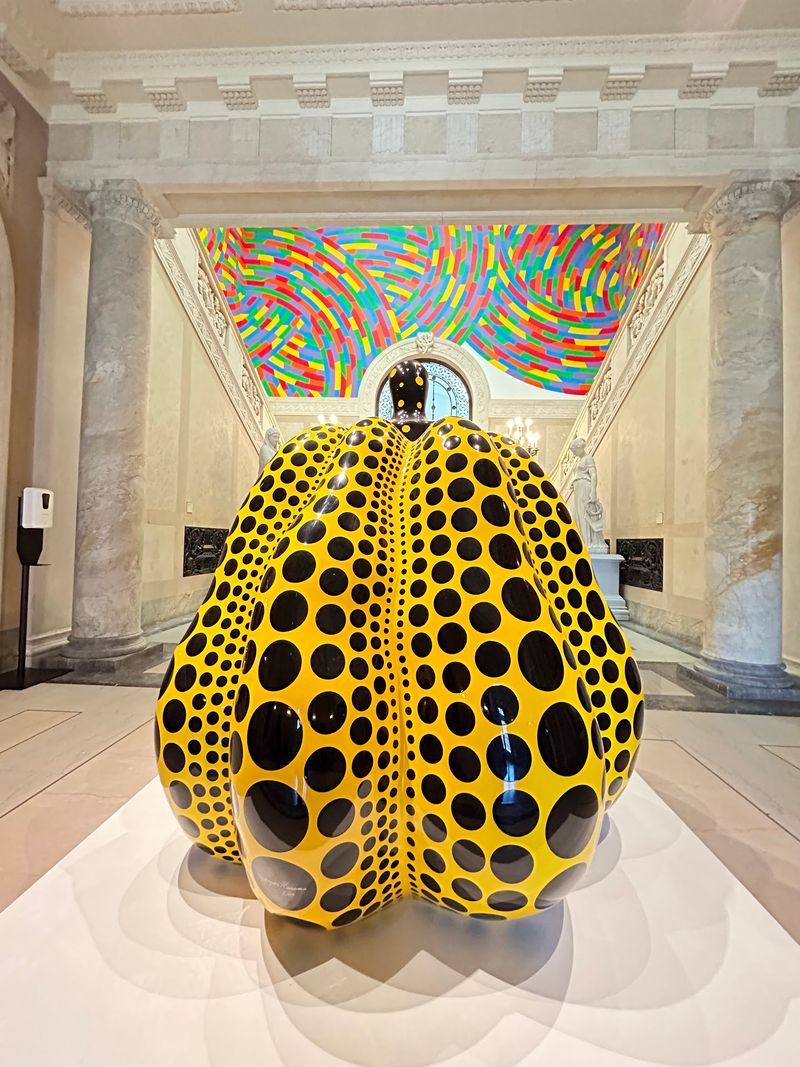
Bold colors and strange shapes have a way of stopping people mid-step. Modern and contemporary works give the Wadsworth Atheneum a different kind of energy from its older galleries. Some pieces feel playful right away, while others make more sense after you spend time with them.
Try asking what you notice before asking what an artwork means. Is it large or small? Does its color change your mood? Can you tell what materials the artist used? There is room for more than one answer, and that freedom can make these galleries especially welcoming to new visitors.
Reviews mention the museum’s range of modern art, but displays can change. If you are hoping to see a particular work, check the museum’s website before your trip. Otherwise, let an unfamiliar piece surprise you. A work that seems confusing at first may become your favorite after a second look.
Visitors with children can take turns inventing titles before reading the real ones. Friends can compare their first reactions without trying to prove anyone wrong. Those small conversations make the visit more personal. Modern art does not require a perfect explanation; sometimes its best gift is giving people something fresh to talk about together.
More Than Paintings
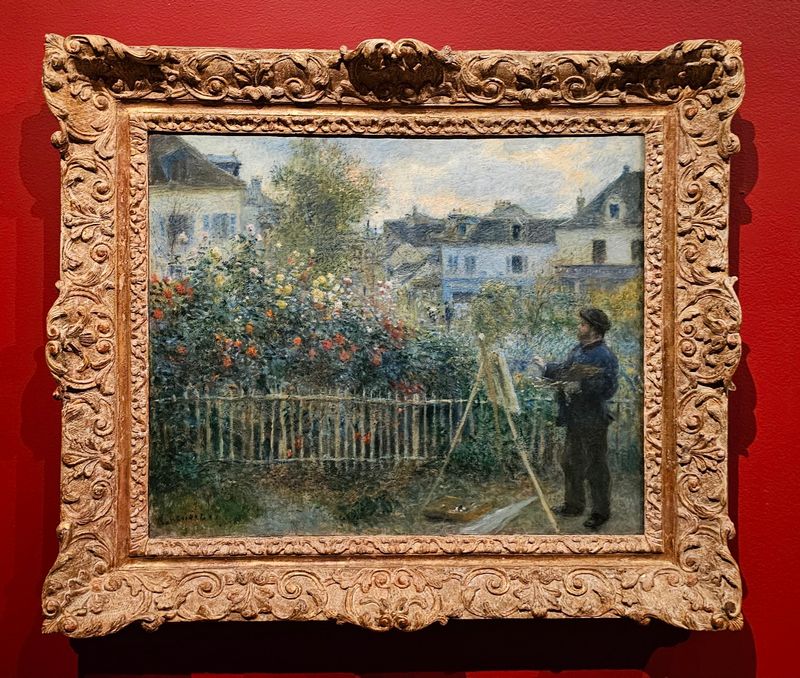
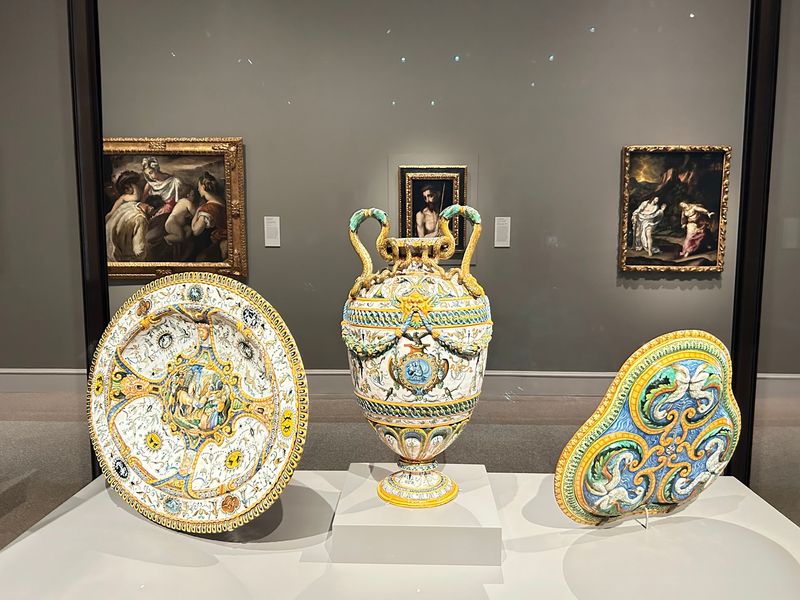
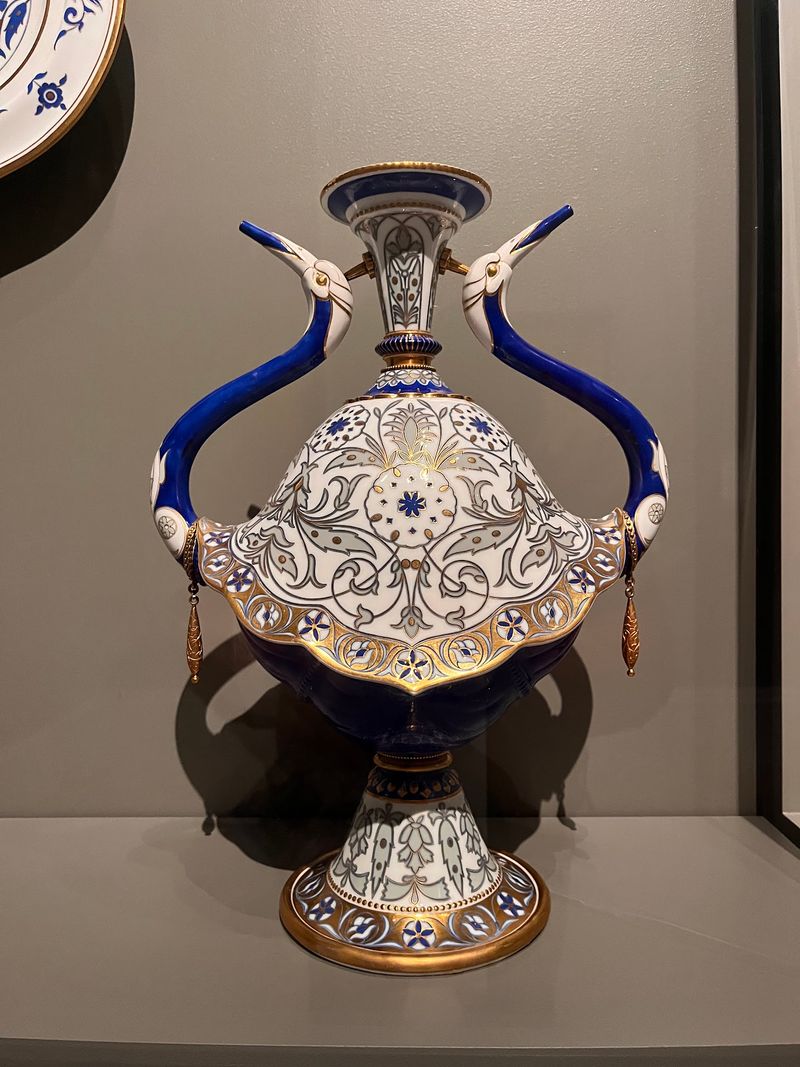
A chair or a piece of pottery can tell a story just as clearly as a painting. The Wadsworth Atheneum holds decorative arts along with its pictures and sculpture. Visitors may encounter furniture, ceramics, costumes, or textiles, depending on what is on view during their trip.
These objects offer an easy way to connect art with daily life. Think about how someone might have used an elegant dish or worn a carefully made garment. Then consider the work it took to shape, decorate, and preserve it. Details such as patterns and materials can reveal what people valued at different times.
Try choosing one object you would want in your own home. Would it be comfortable or useful, or would you simply enjoy looking at it? That question can open a conversation about the difference between art and design. There is no need to settle the debate before moving to the next case.
Displays can change, so treat any specific find as a welcome bonus rather than a promise. Pause long enough to read how an object was made when that information is available. If you usually hurry past cases, give this part of the collection a fair chance. The smallest piece might have the biggest story to tell.
A Route That Fits Your Day
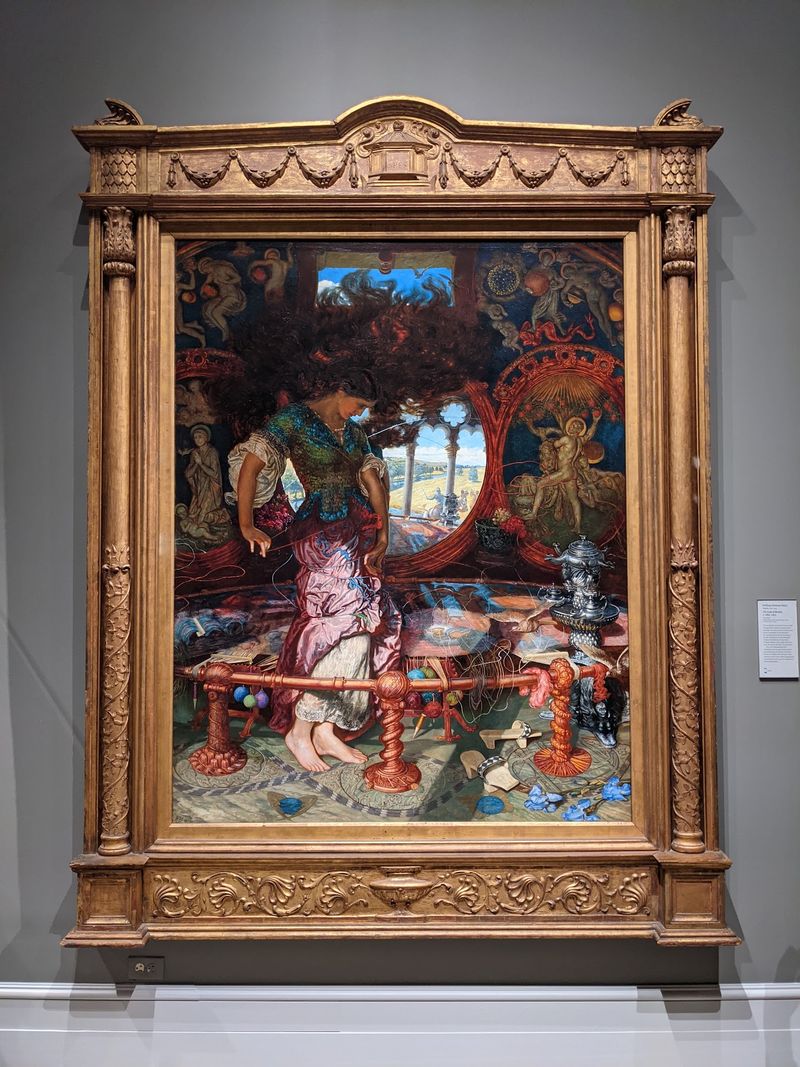
Winding through connected rooms can feel like exploring a small indoor neighborhood. The Wadsworth Atheneum has enough to see that a quick walk rarely does it justice. Visitors often report spending two or three hours here, though a shorter visit can still be rewarding.
Begin by picking two or three things that interest you most. Perhaps you want older paintings, modern art, or the building itself. Ask at the entrance for a map and any guidance about current displays. Because gallery routes can be less obvious than expected, checking your bearings now and then is sensible.
Comfort matters when you plan your time. Wear shoes that make walking easy and allow breaks between rooms. One visitor reported limited seating in smaller galleries, so contact the museum ahead of time if regular rest stops or mobility support are important to you. Staff can help you understand the options available for your visit.
Leave a little time to revisit whatever caught your attention first. A second look often reveals a detail you missed while finding your way. You do not need to finish the entire museum to feel that the trip was worthwhile. Following your own interests makes the experience easier to remember.
Events That Change the Experience
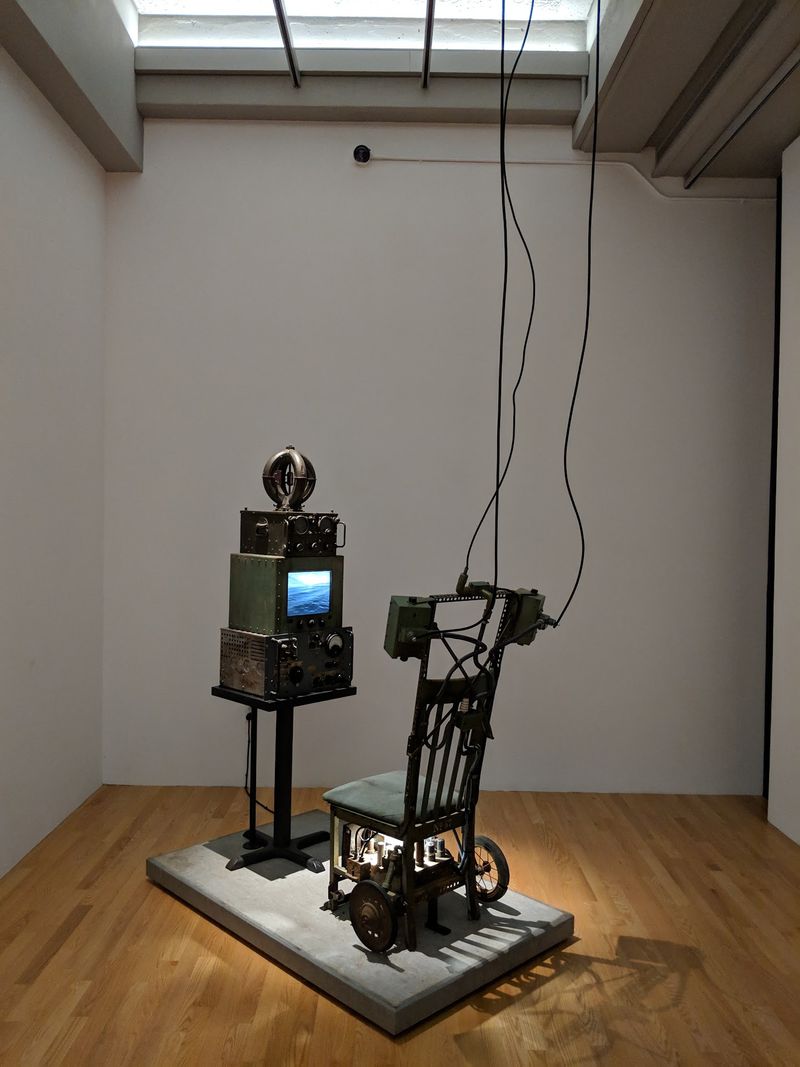
Music, family activities, or a special exhibition can give a familiar gallery a whole new feel. The Wadsworth Atheneum hosts programs alongside its regular art displays. Past visitors have enjoyed Second Saturdays, evening events, and the seasonal Festival of Trees.
Such events can be a good choice if someone in your group feels unsure about museums. A hands-on activity or shared celebration offers a starting point for conversation. You can then visit a few galleries without feeling that you must spend every minute studying labels. For children, a short activity may help make the art around them feel less distant.
Schedules, prices, and admission offers can change, so check the official website before making plans. Confirm the date, hours, and any registration details for the event you want. It is also smart to check which galleries will be open during special programs. That way, you can match your visit to what your group hopes to do.
Do not worry if the calendar is quiet on your chosen day. A regular museum visit still gives you space to make your own discoveries. Events are an extra way in, not the only reason to come. The best plan is one that suits your time and interests.
Small Plans for a Better Visit
A little planning can protect the best part of a museum day: time to enjoy the art. The Wadsworth Atheneum is generally open Wednesday through Sunday and closed Monday and Tuesday. Listed hours begin at noon on weekdays and at 10 in the morning on weekends, but verify them before traveling.
Check the museum’s website for current tickets, exhibitions, and any free admission programs. If you hope to attend on a special event day, look for details about entry and possible crowds. Parking arrangements can also vary, so review your options rather than counting on an open street space. A few minutes of checking can prevent a disappointing arrival.
Once inside, ask staff about galleries that match your interests. Visitors often praise their helpfulness, and a simple question can lead you toward something memorable. Save the store or cafe for a break if they are open during your visit. Keep in mind that services and hours may change.
Finally, give yourself permission to slow down. Choose a favorite work, sit when a suitable spot is available, and return to a room that stayed on your mind. An enjoyable visit is not measured by how many labels you read. It is measured by what you carry home in your memory.