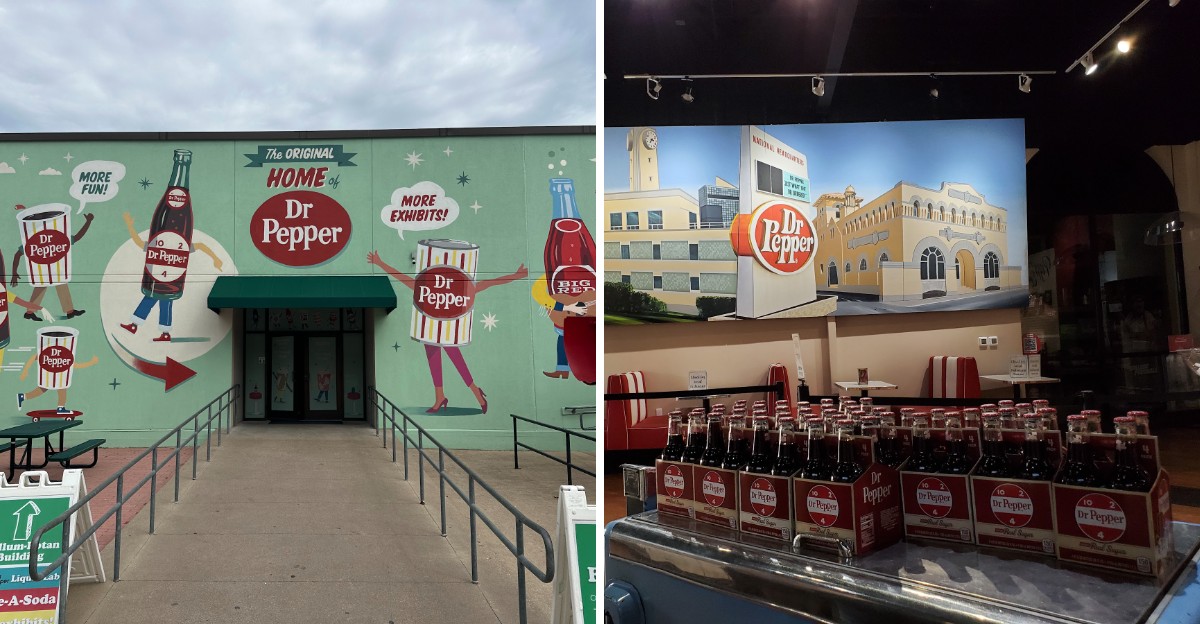
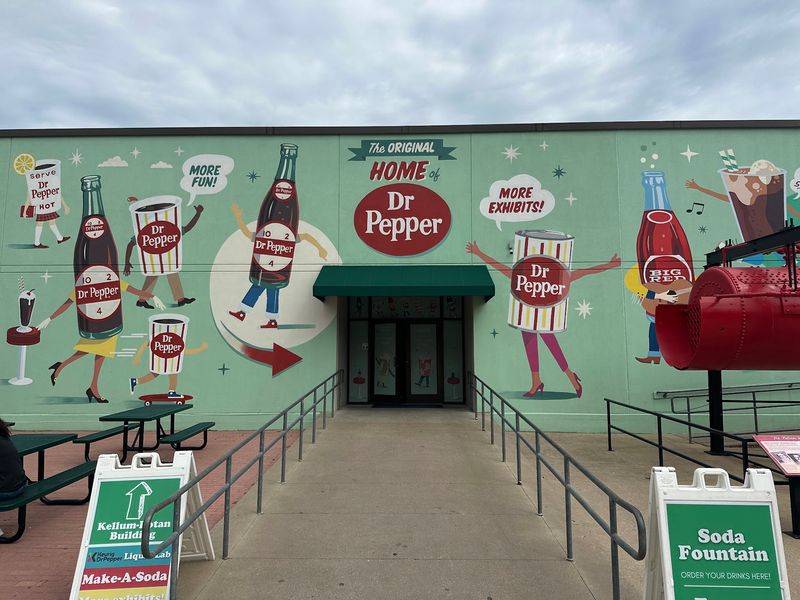
Step through the doors and Waco’s soda history comes rushing at you.
Old bottles, colorful signs, and vintage equipment make the Dr Pepper Museum feel like a time machine with a fizzing finish.
The museum sits inside a former bottling building, where the walls and machinery add real history to the experience.
This is the place to trace Dr Pepper back to its Waco roots and see how a local drink became a familiar name far beyond Texas.
There is plenty to catch your eye, from an old-fashioned drugstore scene to displays filled with bottles and advertising.
Each room brings another piece of the story, and the details make the past feel surprisingly close.
Save room for a cold drink at the end. After all, a visit here should finish with a little fizz.
Walk Through Waco’s Original Dr Pepper Bottling Building
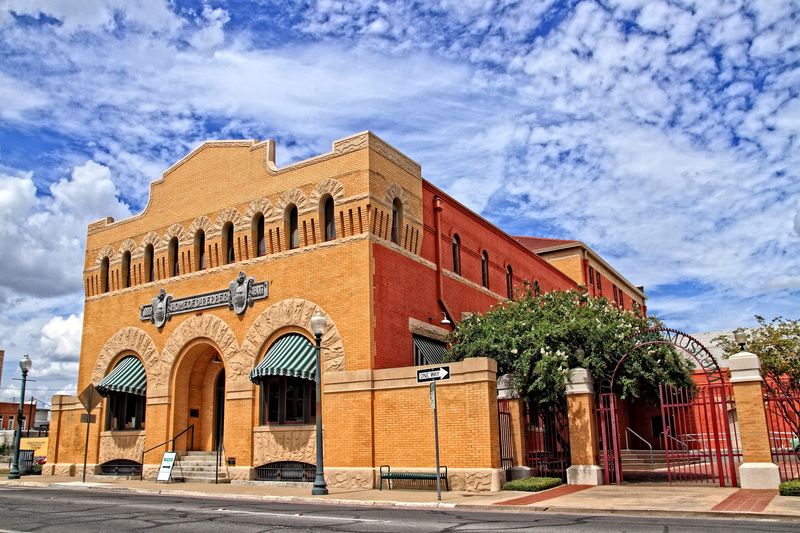
The building has a story before you even reach the first exhibit. The Dr Pepper Museum occupies the 1906 Artesian Manufacturing & Bottling Company building, a place tied to the drink’s early bottling years.
Standing outside, take a moment to notice its sturdy brick walls. They belonged to a working business, not a building designed to look old for visitors.
Inside, that setting helps the displays feel more real. Bottles and equipment make more sense when you remember that drinks were once prepared for sale on this site.
Imagine workers arriving for a shift while wagons, and later vehicles, carried finished bottles through Waco. You do not need to picture every detail perfectly to appreciate the connection.
Give yourself time to look at the building as well as the objects in it. A quick photo of the exterior can help you remember where the story took place.
If you visit with children, ask them how a busy bottling plant might have sounded compared with today’s museum. Their answers can turn a historic building into something they can picture clearly.
See Where Dr Pepper’s Waco Story Began
Before Dr Pepper was a familiar name, it was an idea in a Waco drugstore. In 1885, pharmacist Charles Alderton developed the drink while working at Morrison’s Old Corner Drug Store.
That small beginning gives the museum its heart: a flavor made in one town eventually found fans far beyond Texas. Look for exhibits that connect Alderton, the drugstore, and the growing business.
It helps to remember that drugstores once offered more than medicine. People could stop at a soda fountain, order a drink, and talk with neighbors.
A new flavor could spread through those everyday visits, long before television ads or social media existed. The story becomes easier to picture when you think about someone trying a sip for the first time.
As you read the displays, keep the year 1885 in mind and compare it with the 1906 date of the museum building. The drink came first; the bottling building followed.
That simple timeline can help younger visitors understand how a local invention grew into a larger operation over time.
Step Into a Replica of the Old Corner Drug Store
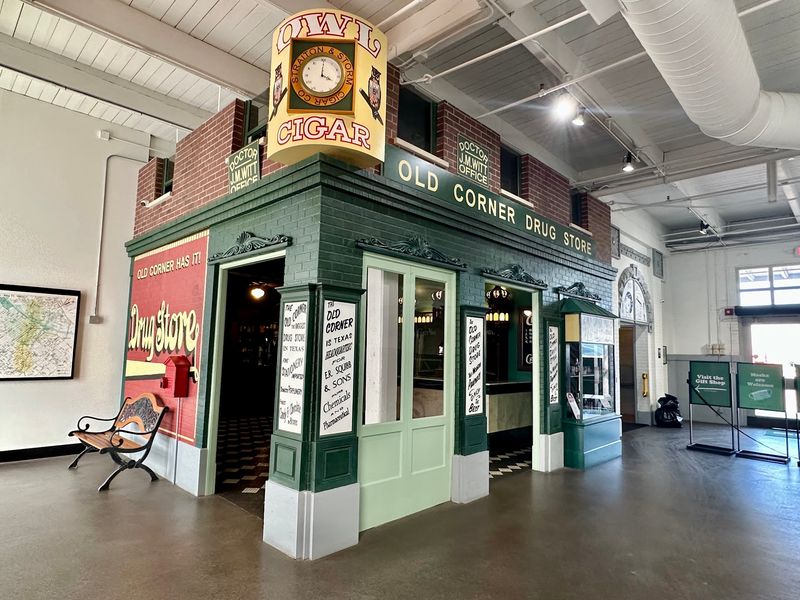
Picture a neighbor pulling up to a counter instead of grabbing a can from a fridge. The museum’s replica of Morrison’s Old Corner Drug Store brings that older soda fountain world closer.
Counters, shelves, and period details help you imagine the place linked to Dr Pepper’s beginning, even though this is a recreation rather than the original store.
Slow down here and look for the little things. What would a customer have seen while waiting for a drink?
How different is the setting from the shop where you buy soda today? Those questions make the room more than a photo stop.
They also show why a drugstore could become a social place where people shared news and tried new flavors.
If you are visiting with family, let each person choose one detail they would keep in a modern soda shop. It might be the counter, the signs, or the chance to sit and talk.
The replica offers a simple way to connect a famous drink with ordinary life in early Waco, without needing a history book.
Look Down Into the Historic Artesian Well
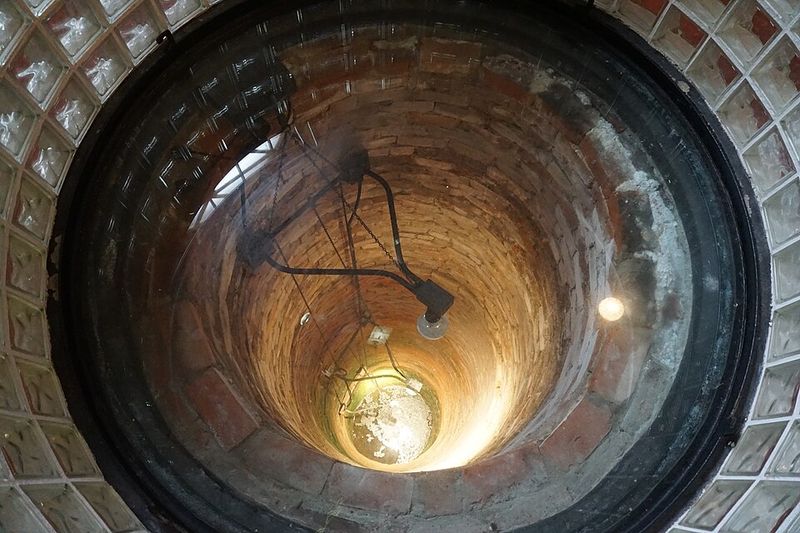
There is a surprise beneath the museum floor: an original artesian well. At 27½ feet deep, it remains inside the building and points to the natural water supply connected with the site’s early bottling operation.
It is a different kind of artifact from a bright sign or a glass bottle, but it tells a useful part of the story.
Water mattered to a business making soft drinks. Looking down into the well can help visitors think about what workers needed before a bottle could be filled, labeled, or shipped.
Younger children may enjoy guessing its depth before hearing the number. For a safer and clearer view, follow the museum’s viewing instructions and keep hands and loose items away from any barriers.
Pause here rather than rushing past. A well may seem ordinary, yet its presence ties the old building to the practical work that happened there.
It also gives you a chance to compare past and present: today, most of us turn on a tap without thinking about where our water comes from.
Explore Three Floors of Soft Drink History
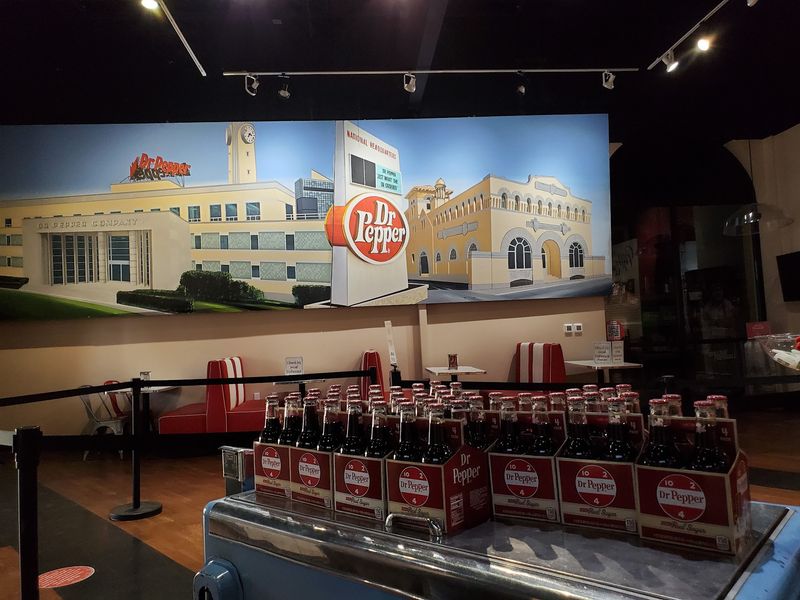
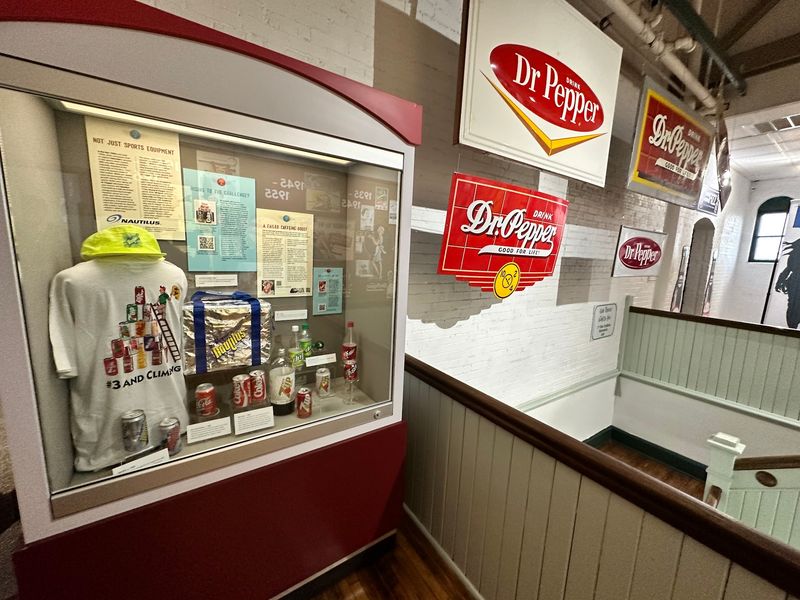
Old bottles have a way of making people stop and say, I remember that. Across three floors, the museum uses bottles, advertisements, equipment, and other keepsakes to tell stories about Dr Pepper and the soft drink industry.
Some objects show how drinks were made. Others show how companies caught a shopper’s eye.
Try exploring one floor at a time instead of hurrying toward a single famous display. Choose an advertisement and notice its colors, words, and picture.
Then compare it with a soda ad you might see today. Even a young visitor can spot how styles change while the goal stays much the same: make someone want a drink.
Comfortable shoes can make the visit more pleasant, especially if you plan to read many labels. Take breaks when you need them, and ask staff about accessibility options if stairs are difficult for anyone in your group.
The best museum visit is not a race through every case. It is finding a few objects that make the past feel real.
See How Bottling Worked More Than a Century Ago
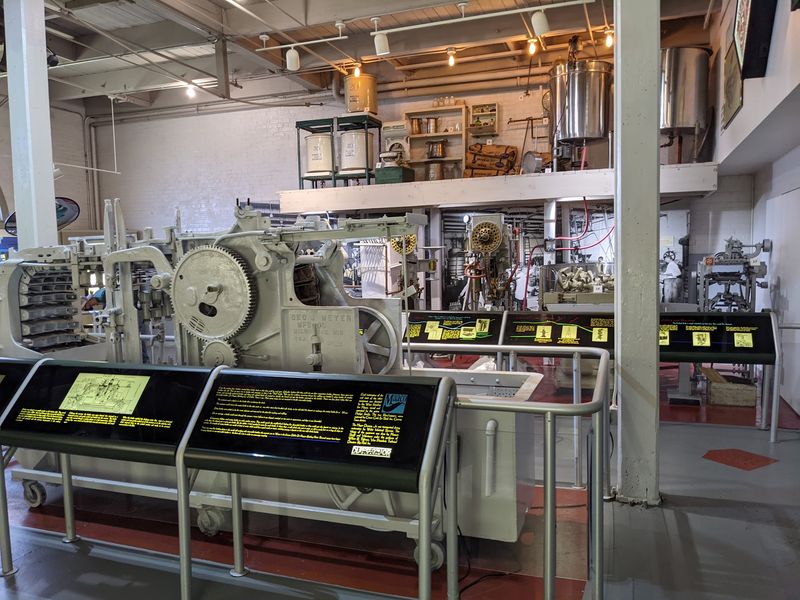
A soda bottle looks simple until you think about the work behind it. Historic bottling equipment at the museum helps explain how drinks were produced and packaged when the Waco building was an active plant.
Machines, containers, and related displays turn an everyday purchase into a story about people, tools, and careful steps.
As you look around, follow a bottle in your mind. It needed to be filled, closed, and made ready to travel to a store or fountain.
Ask which parts of that job a machine could handle and which parts might have needed a worker’s attention. You do not have to know every mechanical term to get the main idea.
Pay attention to how the older equipment compares with modern production videos you may have seen. Speed and safety methods have changed over time, but a business still needs to get its product to customers.
If a display explains a process you find confusing, read it together with a friend or child and try describing the steps in your own words.
Visit the Vintage-Style Soda Fountain
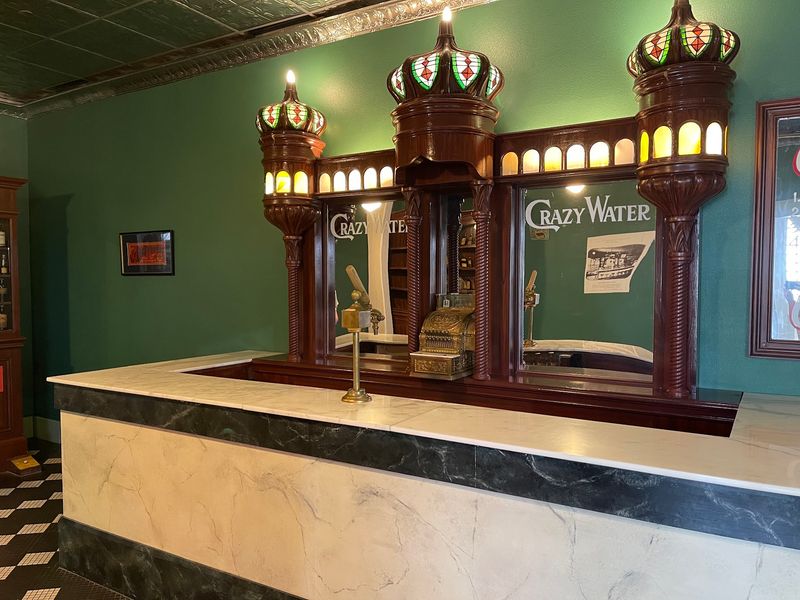
After studying soda history, you can actually stop for a soda. The museum’s vintage-style Soda Fountain adds a welcome break to the visit, with a complimentary 12-ounce drink included with paid admission.
It is an easy way to connect the displays upstairs with the pleasure that made soda fountains popular in the first place.
Plan to save enough time for your drink rather than racing out the door. Sit down if seating is available, look around, and picture the conversations that might once have happened at an early drugstore counter.
A fountain visit is especially handy for families: it gives everyone a moment to rest and share a favorite thing they saw.
Admission offers and drink choices can change, so check current museum information if that detail matters to your plans. Staff can also answer questions about available options when you arrive.
The best part is not pretending you have traveled back in time. It is noticing how a familiar drink can make an old story feel surprisingly close to everyday life.
Discover the History Beyond Dr Pepper
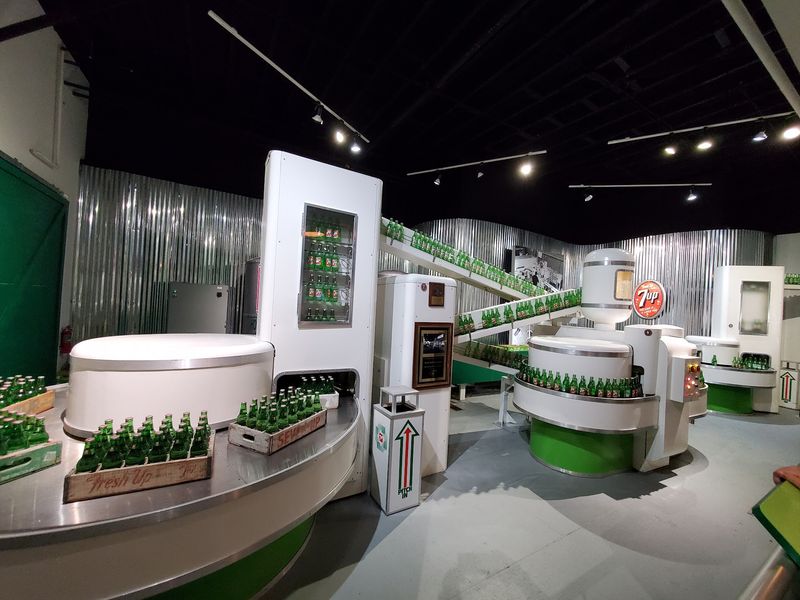
Dr Pepper may be the star, but it does not get the whole stage. Museum exhibits also look at the wider soft drink industry, including brands and products such as 7UP and Big Red.
That broader view helps explain why soda history is about more than one recipe or one company.
Watch for changes in bottle shapes, labels, and advertising as you move between displays. Different brands used different ways to catch attention, and those choices can tell you about the people they hoped would buy a drink.
You might even recognize a logo from home and then spot an older version nearby. Such comparisons give children an easy way to join the conversation.
Pick two products and ask what makes each one stand out. Is it a color, a name, or the shape of its container?
You can enjoy this small challenge without knowing anything about marketing. By the end, the museum may feel less like a collection devoted to one soda and more like a window into changing tastes across many years.
See Waco’s Giant Dr Pepper Bottle
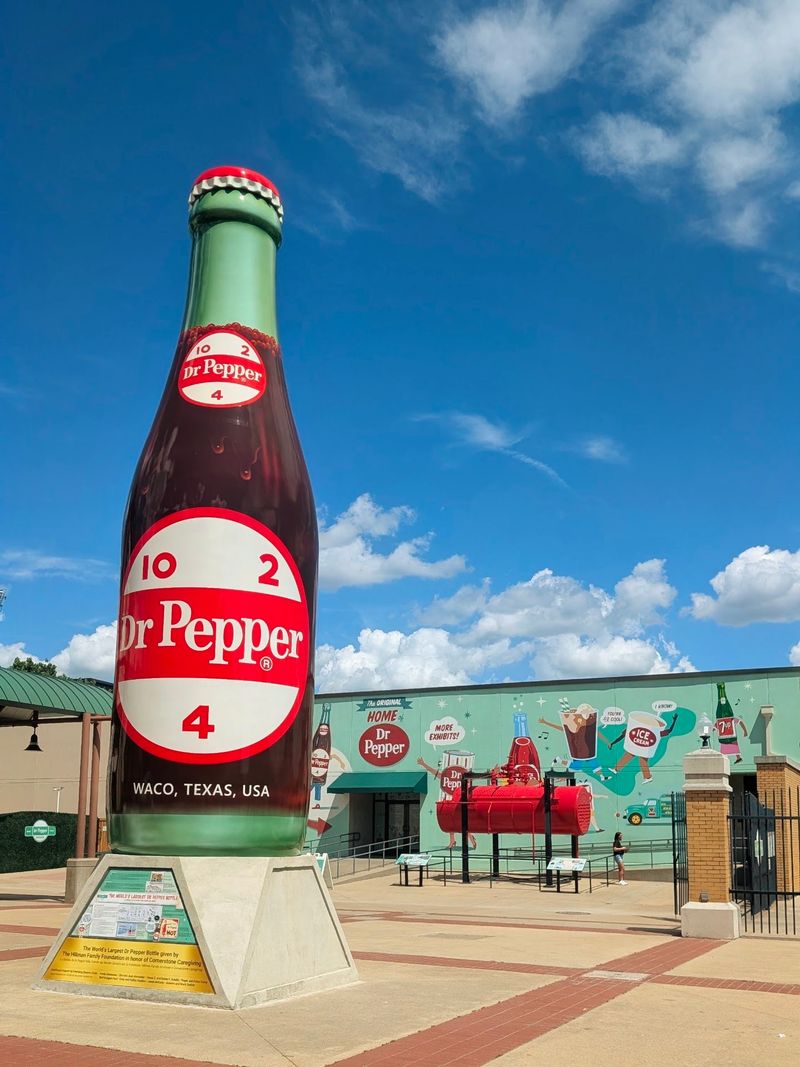
Some museum objects fit in a display case. Waco’s giant Dr Pepper bottle definitely does not.
The 23-foot-tall World’s Largest Dr Pepper Bottle brings a playful landmark to the museum experience, while its historic branding points back to the drink’s long connection with the city.
Step back far enough to take in the whole bottle and get a sense of its height. If you want a photo with a person in the frame, check where it is safe to stand and leave room for others to pass.
A picture can be fun, but take a moment to look at the lettering too. Branding helps tell the story of how a local product became recognizable to people elsewhere.
This stop offers a nice change of pace after reading exhibit labels. Ask younger visitors to estimate how many ordinary soda bottles would need to be stacked to reach that height.
There is no need to find an exact answer. The question simply makes its huge size easier to imagine and gives everyone a reason to smile.
Plan Your Visit to the Dr Pepper Museum
A little planning leaves more time for the fun parts. The Dr Pepper Museum is at 300 South 5th Street in downtown Waco, Texas.
Allow about one to two hours for a typical visit, and add extra time if your group likes reading every display or taking photos. The historic building, exhibits, and soda fountain each deserve attention.
Before leaving home, check the museum’s current hours, admission prices, parking options, special exhibits, and any temporary closures. Details can change, especially around holidays or events.
For questions that the website does not answer, call +1 254-757-1024. Confirming the basics is particularly helpful if you are traveling from another city.
Bring comfortable shoes and think about when your group might need a break. If accessibility is a concern, ask the museum about the best way to explore all three floors before your trip.
Families can also agree on a meeting spot in case someone wanders ahead. With those simple steps handled, you can focus on the stories, sights, and well-earned soda.