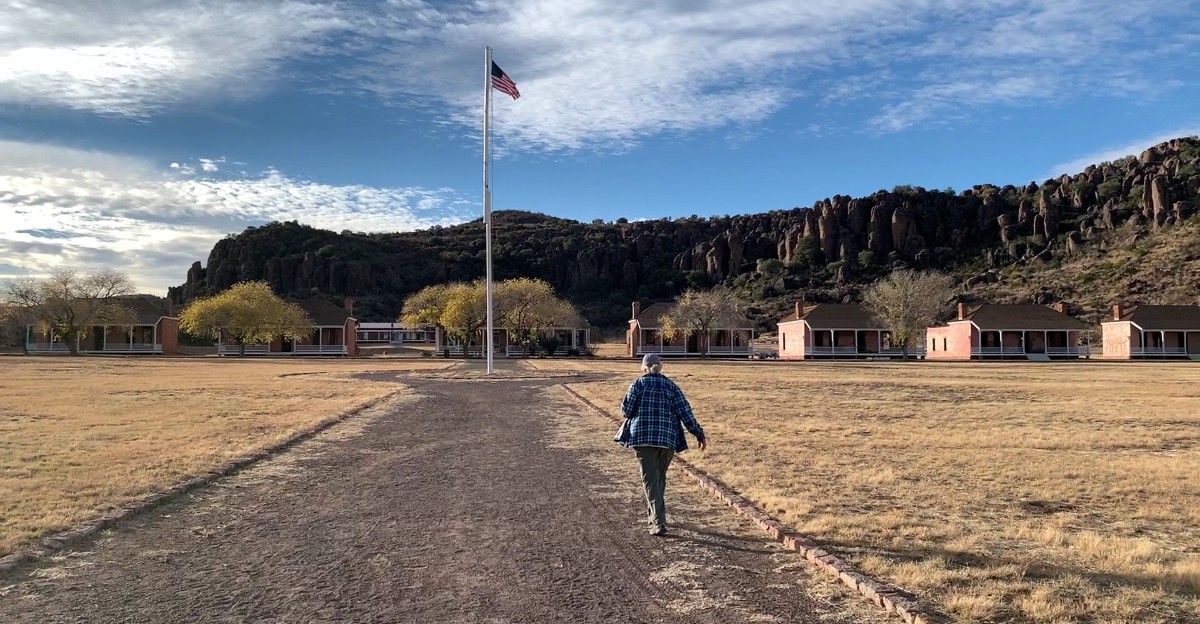
A handful of weathered buildings in a tiny West Texas town can reveal more about the state’s past than you might expect. At Fort Davis National Historic Site, the stories of soldiers, travelers, families, and Native peoples come together among preserved buildings, dusty roads, and mountain views.
The former military post offers an unusually tangible way to explore the changing Texas frontier of the 1800s.
Walking through the site, you can step inside historic structures, imagine daily life at the remote fort, and follow trails where the surrounding Davis Mountains frame the landscape much as they did generations ago. The details are what make the history feel close: worn doorways, simple rooms, open courtyards, and the quiet distance between buildings.
Rather than presenting Texas history as a collection of dates, Fort Davis lets visitors encounter it at their own pace. There is plenty to uncover as you move from one part of this remarkable historic landscape to the next.
The Canyon That Sheltered a Fort
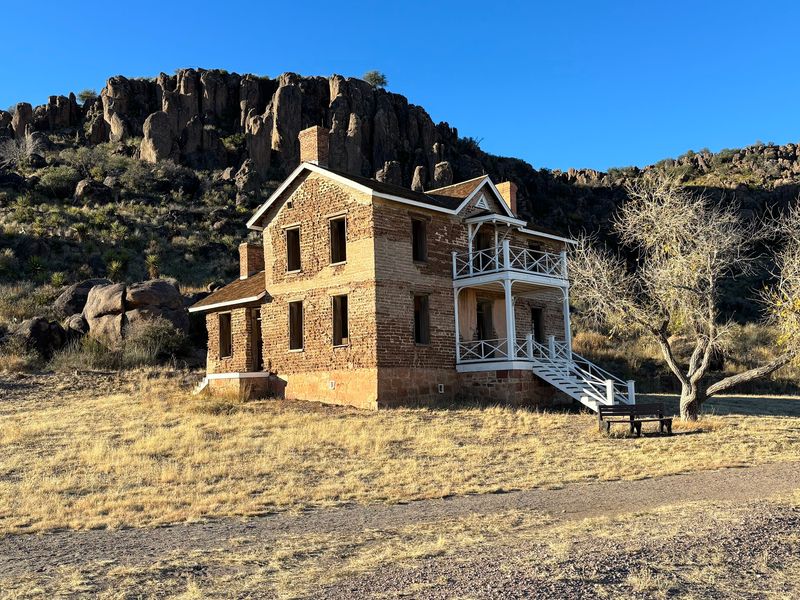
Before you read a single sign, the landscape tells you to slow down. Rocky walls rise behind the old buildings, while the open ground gives your eyes room to wander.
The setting feels peaceful today, but it also hints at why people once chose this spot for a military post.
Fort Davis National Historic Site sits in the Davis Mountains, where the fort operated from 1854 to 1891. As you walk in, look back toward the cliffs and imagine arriving after a long trip across West Texas.
The mountains offered a striking backdrop, yet soldiers and travelers still faced heat, distance, and the daily work of getting by.
Bring water, a hat, and shoes you can walk in comfortably. The grounds are spread out, and the view changes as you move between buildings.
Starting with the landscape makes the rest of the visit easier to understand: this was not just a group of rooms and walls. It was a working outpost shaped by the land around it.
Pause for a photograph, then give yourself time to notice how close the cliffs feel from the parade ground.
A Road That Connected Faraway Places
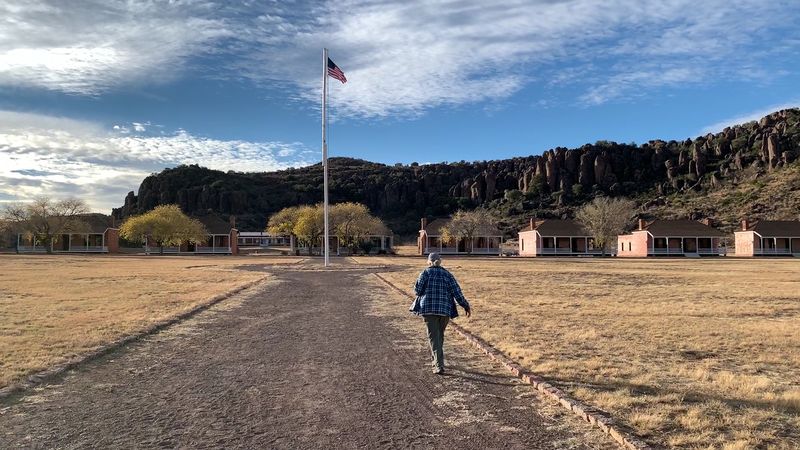
A dusty road can look ordinary until you think about everyone who depended on it. Travelers carried letters, goods, and news across a region where help could be far away.
At the fort, that simple idea turns a quiet walk into a story about movement across Texas.
Fort Davis National Historic Site helps explain the post’s role along the San Antonio-El Paso Road. Soldiers stationed here helped protect travel on the route during the 1800s.
Look for exhibits and signs that connect the buildings to the people passing through, not just the people living inside the fort. You may find yourself wondering what a journey felt like before paved roads, quick phone calls, or nearby gas stations.
Start at the visitor center if you want a clear map of the grounds and their history. Then carry that road story with you as you cross the open space outside.
Every doorway meant supplies to move, messages to deliver, or travelers to watch for. The site is especially rewarding for road trippers: it lets you compare an easy drive today with the effort once needed to cross this part of Texas.
Buffalo Soldiers Beyond the Textbook
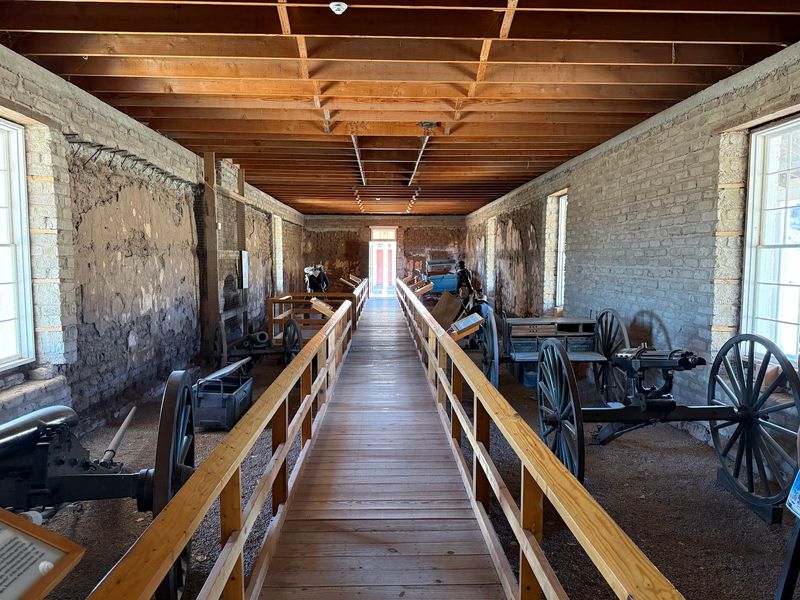
Some of the fort’s most important stories belong to men whose service was often left out of older history lessons. The Buffalo Soldiers were Black soldiers in the United States Army, and their work is part of the story told here.
Learning about them gives the fort a deeper human meaning.
At Fort Davis National Historic Site, take time with the exhibits about their lives and duties. Notice how the account of military service sits beside the wider history of race in America after the Civil War.
These soldiers worked far from home and faced hardships that a quick glance at the buildings cannot show. Reading their stories can change how you picture daily life at this remote post.
If you visit with children, ask what questions they would put to someone who served here. What was a typical day like, and what did the soldiers hope for next?
A ranger may be able to point you toward helpful displays or answer questions about the site. Give this part of the visit more than a passing minute.
The history becomes easier to remember when you connect names and experiences to the ground beneath your feet.
The Barracks and Everyday Life
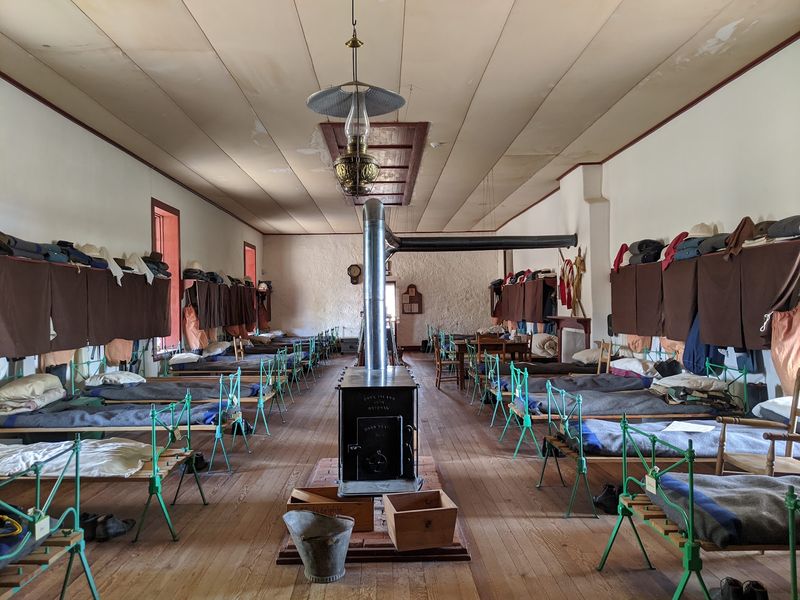
Big events fill history books, but ordinary mornings can be more revealing. A barracks room makes it easier to picture boots on a floor, shared space, and the routine of getting ready for another day.
Suddenly, the past feels less like a date and more like a place where people lived.
Walk through the barracks area at Fort Davis National Historic Site and pay attention to its scale. Compare the soldiers’ living space with your own bedroom or a modern hotel room.
The fort’s preserved and restored structures help show what military life could look like in the 1800s, though not every building is open for entry. Signs and exhibits can fill in details that empty rooms cannot.
Try visiting this stop before you hurry toward the more dramatic mountain views. Imagine sharing space with fellow soldiers while far from familiar comforts and family.
Children may enjoy picking one everyday task, such as washing clothes or keeping gear ready, and thinking about how much longer it took then. That small exercise makes the walk more memorable.
It also shows why the fort’s story is about daily work as much as travel and defense.
Homes Along the Parade Ground
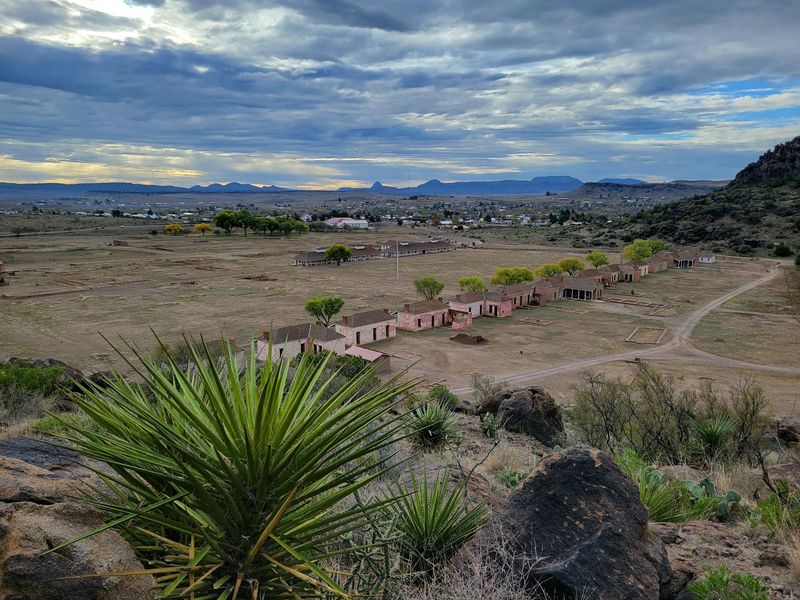
A row of homes can tell you as much about a fort as its military gear. Across the parade ground, the officers’ quarters invite a different question: what did it mean to make a home at a distant post?
Their place beside the open field connects family life with the work happening outside.
At Fort Davis National Historic Site, some officers’ quarters have been restored, and visitors can see how parts of the post once looked. Check which buildings are open when you arrive, since access may change.
As you walk past the row, notice the repeated shapes and the view across the parade ground. It is easy to imagine people looking out toward the same cliffs you see today.
Do not rush from one doorway to the next. Stand back for a moment and picture meals, conversations, and letters from faraway relatives, while remembering that life at the post differed greatly from person to person.
These homes help round out the fort’s story beyond patrols and routes. For visitors who love old houses, they offer an especially personal way to think about nineteenth-century Texas.
A Hospital With Human Stories
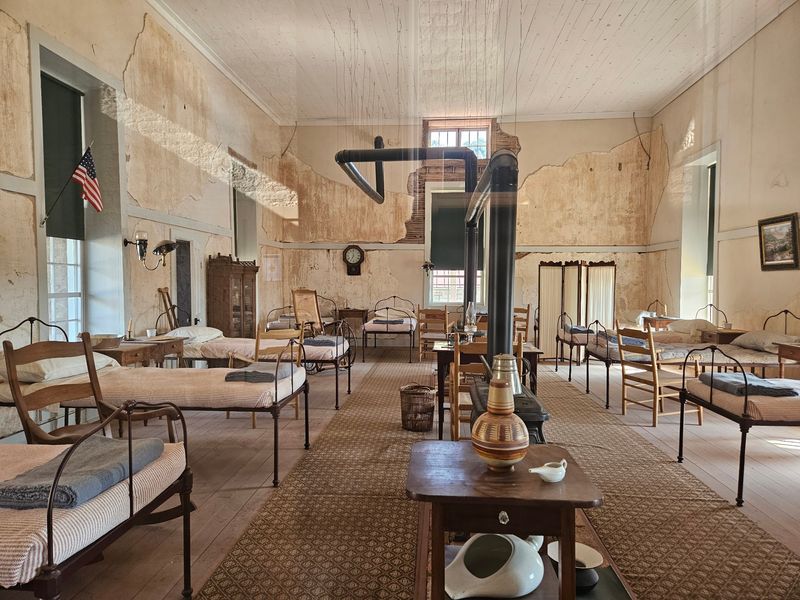
Hospitals have a way of bringing history close to home. Even without knowing a soldier’s name, you can understand the worry of being hurt or sick far from family.
Inside the fort’s hospital, the story shifts from wide roads and mountain views to the needs of individual people.
Fort Davis National Historic Site includes a restored hospital with exhibits that help visitors explore medical life at the post. Spend a few minutes reading rather than simply walking through.
Think about the tools and knowledge available in the 1800s, then compare them with what you would expect at a clinic today. The contrast can be surprising without needing any dramatic tale to make it interesting.
This is a useful stop for families because it offers a familiar starting point: everyone knows what it feels like to need care. Ask younger visitors what they would want nearby if they were unwell, then talk about the challenges of living at a remote fort.
Give yourself a little extra time here if the outdoor walk is hot. The hospital adds a quieter layer to the site and reminds visitors that military history is also human history.
Ruins That Leave Room for Questions
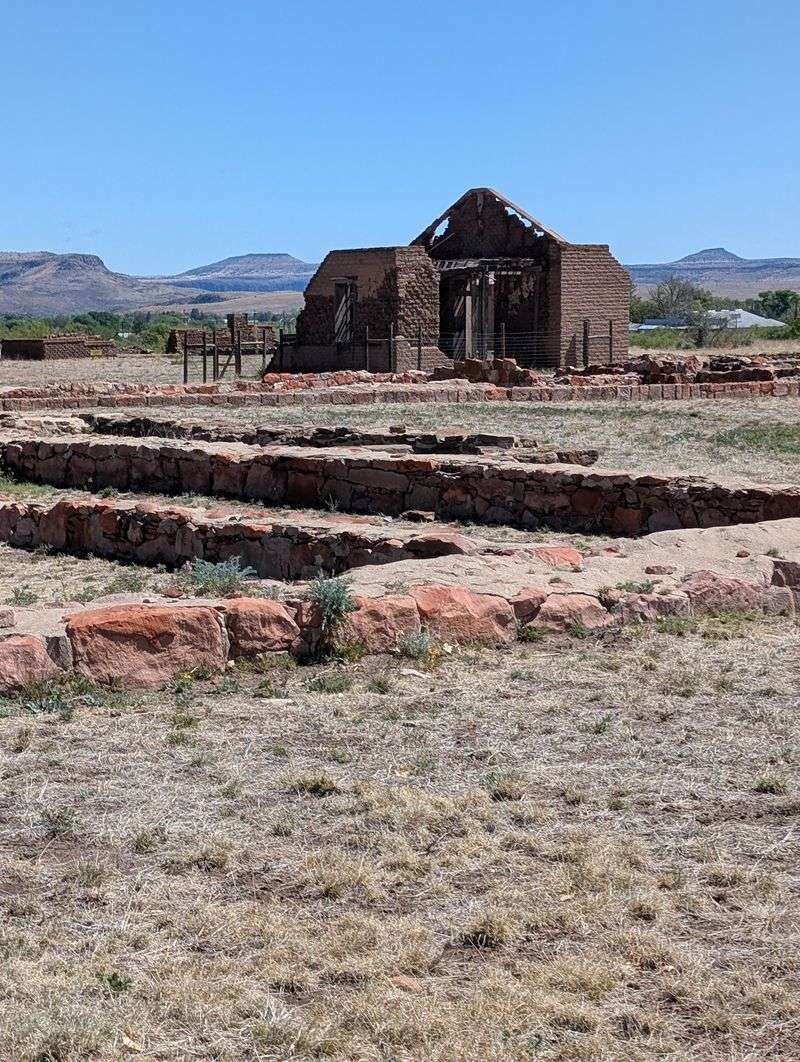
Not every wall here stands tall, and that is part of the appeal. A low foundation may ask you to look harder than a fully furnished room does.
It marks where work once happened, then leaves space for your imagination to fill in the rest.
Across Fort Davis National Historic Site, you can see original structures, restored buildings, and remains in different states of preservation. Use the signs to identify what you are seeing instead of guessing from a doorway or line of stones.
Then look around for a standing building to compare it with. The mix shows how time changes a place and how careful preservation helps visitors read its past.
Photographers may find these quieter corners especially interesting. Try framing a foundation with the cliffs behind it, or step back to show how far it sits from the parade ground.
Stay on designated paths and leave stones where they are so others can enjoy the site too. The ruins do not offer every answer, which makes them a good place to pause.
They remind you that history survives in pieces, and each piece deserves attention.
The Parade Ground’s Open Space
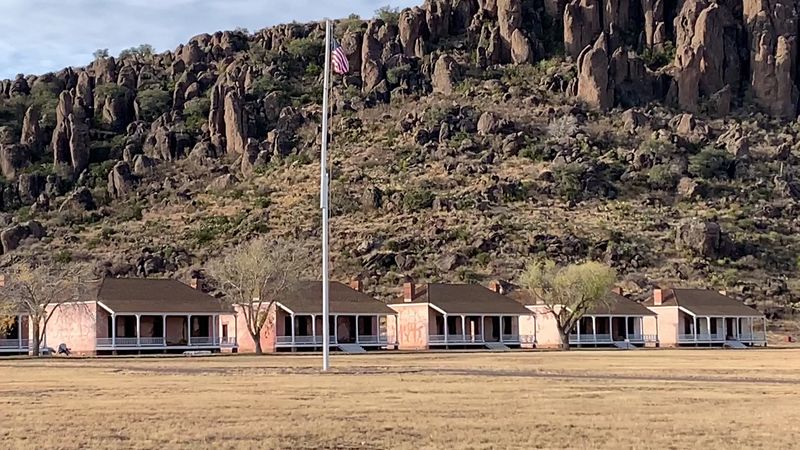
Walk into the open center of the fort, and the whole place begins to make sense. Buildings that seemed separate from a distance now face one another across a broad field.
The parade ground gives you a way to see the post as a connected community.
At Fort Davis National Historic Site, this open space sits among barracks, officers’ quarters, and other historic structures. Pause near its edge and turn slowly, taking in what people at the post could see during an ordinary day.
Imagine orders being shared and routines unfolding, while remembering that the grounds also hold stories beyond military drills. On some visits, the setting feels remarkably quiet against the cliffs.
A map from the visitor center can help you plan a simple loop from here. If your time is short, use the parade ground to choose the buildings that interest you most.
If you have longer, return after exploring and see how your view has changed. It is an easy place for a family to regroup, compare favorite exhibits, and take a broad photograph.
That moment of looking around can tie the smaller stories together.
Trails Above the Old Post
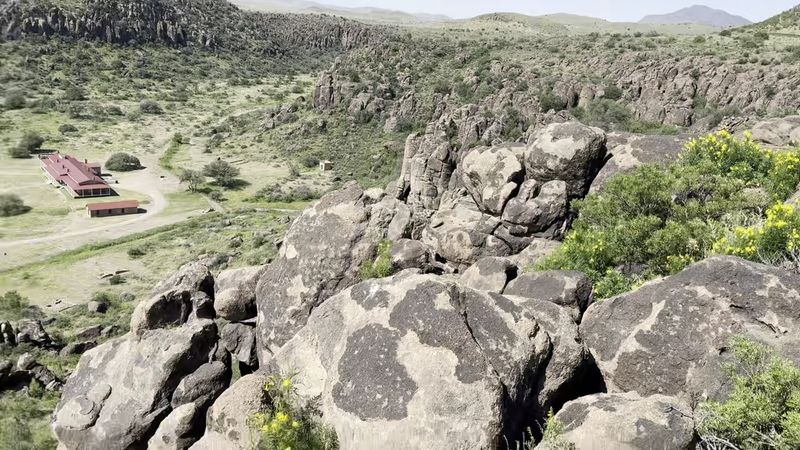
From above, the fort looks smaller, but its story feels bigger. A climb draws your eyes from individual buildings to the canyon that holds them.
It is a change of view that can make the day’s history settle into place.
Fort Davis National Historic Site has roughly four miles of hiking trails, offering a chance to explore the surrounding terrain as well as the post. Choose a route that fits your time and energy, and check current trail information before setting out.
Along the way, watch for birds and desert plants without leaving the path. The higher ground lets you see how the buildings sit below the rocky slopes.
West Texas sun can feel strong even when the air seems pleasant. Carry water, wear shoes with good grip, and save enough energy for the walk back.
You do not need to hike every trail to enjoy a fresh perspective; even a shorter outing can change how you see the fort. After studying rooms and exhibits, the open hillside offers room to think.
The view is a reminder that landscape shaped life at this remote post every day.
The Visitor Center That Puts It Together
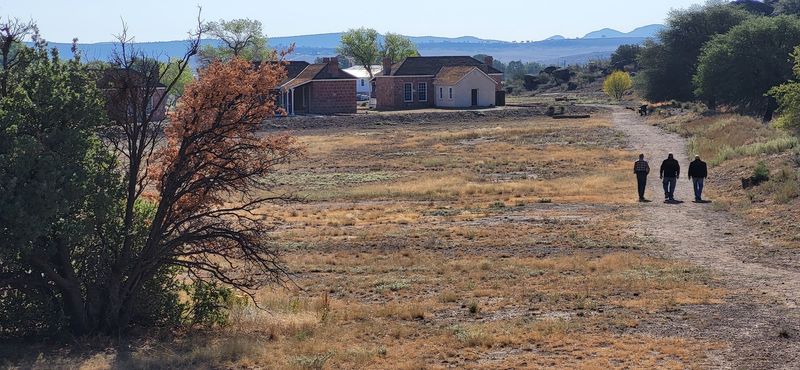
Sometimes the best discovery happens before the first long walk. A good exhibit can turn an old building from a mystery into a story you want to follow.
Here, a few minutes of preparation can make the entire visit richer.
Begin at the visitor center at Fort Davis National Historic Site, where displays introduce the post and its place in West Texas history. Pick up a map, ask which buildings are open, and check for ranger activities or Junior Ranger materials if you are visiting with children.
You can also ask about trail conditions before heading toward the hills. With that plan, you can spend less time wondering where to go and more time noticing what matters to you.
Keep your visit flexible. A traveler with an hour might focus on the exhibits and a walk through the central grounds, while a history lover may want much longer for buildings and trails.
The site is at 101 Lt Henry Flipper Dr in Fort Davis, Texas; check the National Park Service website for current hours and details before leaving. Then step outside and let the stories guide your route.