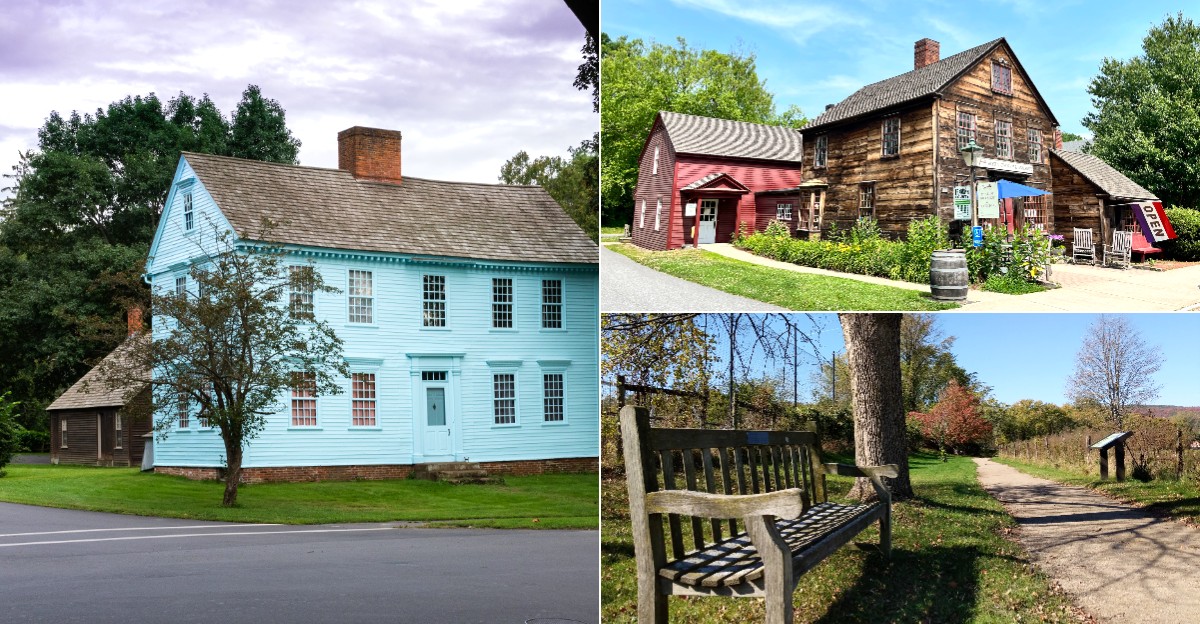
Picture a mile-long street lined with weathered wooden houses, split-rail fences, and giant old trees that have watched centuries go by.
Historic Deerfield, on Old Main Street in Deerfield, Massachusetts, preserves a village that looks remarkably close to how it did in the 1700s.
Many of its historic homes are open for tours, filled with antique furniture, textiles, and everyday objects from early New England life.
Museum guides share lively stories about the families who farmed, traded, and built a community in the Connecticut River Valley.
Kids can peek into old kitchens, see how people lived without electricity, and imagine life long before smartphones.
Wear comfy shoes, take your time wandering the street, and let the past come alive in this charming corner of western Massachusetts.
A Main Street Made for Slow Walking
A quiet road, old trees, and rows of painted houses make an ordinary walk feel like a trip across centuries. Begin at Historic Deerfield, 80 Old Main St, Deerfield, MA 01342, United States, and pick up visitor information before exploring. The buildings stand along a real historic street, so there is plenty to notice even between house tours.
Look at each roofline, doorway, and window instead of rushing toward the next stop. You may spot differences that show how homes changed as families, fashions, and needs changed over time. Bring comfortable shoes, since walking the district can take longer than it first appears.
A slow pace also leaves room to read signs and consider who lived and worked in each building. Some homes are museum spaces, while the surrounding area remains part of a living community, so respect signs and boundaries. For a helpful first visit, choose a few stops rather than trying to see every building at once.
Take a photograph from the sidewalk, then put your camera away for a moment and simply listen. The calm street is part of the experience, but its beauty should lead to curiosity about the many lives behind those doors. That balance makes the walk more than a pretty view of old New England.
House Tours That Bring Rooms to Life
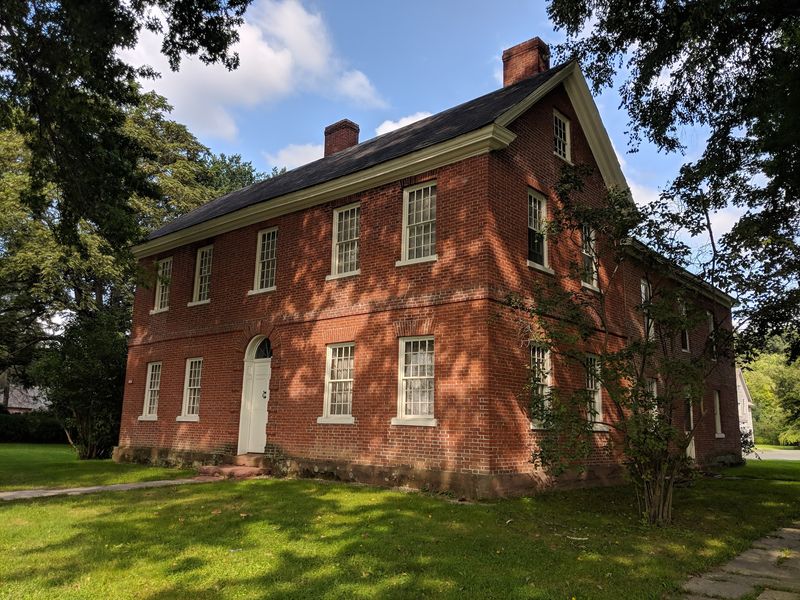
Step through an old doorway, and a fireplace or narrow staircase can raise questions no textbook ever asked. Guided house tours at Historic Deerfield turn those questions into stories about work, family, comfort, and change. Rather than treating every home as the same, listen for clues about its residents and its different uses.
Ask a guide why a room was arranged in a certain way or how people kept warm through winter. Furniture, cooking spaces, and building details can reveal daily choices that are easy to miss in photographs. Several visitors praise the knowledgeable guides, and their answers can make a single room memorable.
Tour schedules and open buildings may vary, so check the current offerings when you arrive. If your time is short, ask staff which house best fits your interests, whether those are design, family life, or crafts. Leave space between tours for walking and reading, since moving from house to house takes time.
Children can join in by choosing one object to study closely and asking what it was used for. A guided visit is less about memorizing dates than imagining the hard, clever, and ordinary choices people made. That small shift helps an old house feel like a home with real stories.
Wells-Thorn House and the Changing Home
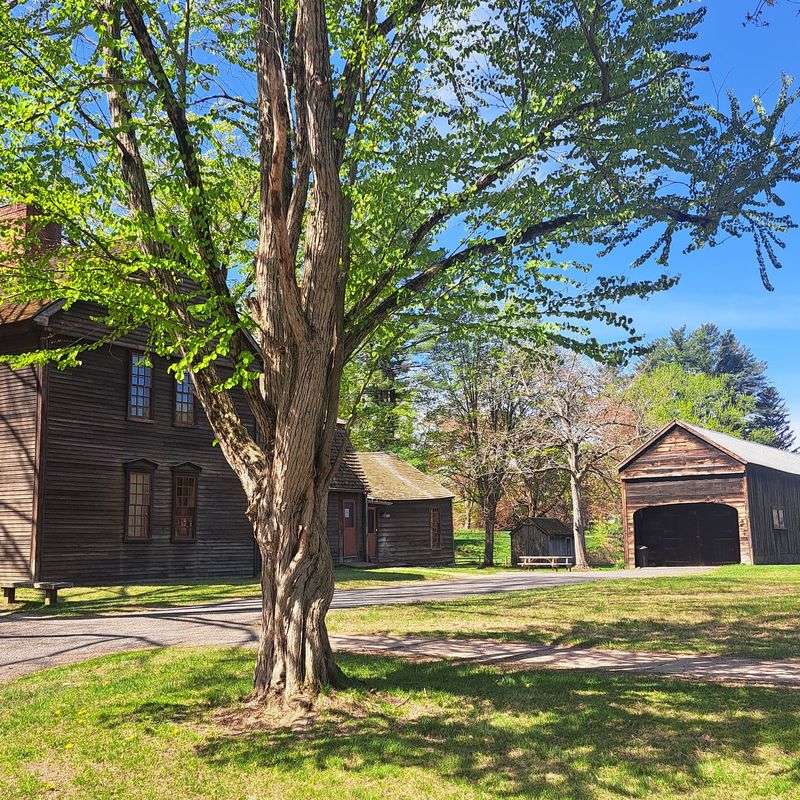
One old house can tell more than one story, especially when its rooms reflect different times. The Wells-Thorn House is a useful stop for thinking about how New England homes changed across generations. Instead of hunting only for the oldest feature, notice what later residents may have kept, moved, or updated.
Changes in furniture and room use can point to shifting ideas about privacy, comfort, and family life. A guide can help separate what survives from the past from choices made to interpret that past today. That distinction matters because a museum room is carefully presented, not a house frozen at one exact moment.
Before your visit, check whether the house is open and how its tours are scheduled. Once inside, compare one room with another and ask which details would have mattered most to a child living there. Think about light, heat, storage, and the distance between a work area and a place to rest.
You do not need special knowledge of architecture to enjoy this kind of close looking. Bring one simple question, such as how people used each space, and let the answers guide your attention. The result is a richer picture of the past than any single date on a plaque could give.
The Flynt Center’s Everyday Treasures
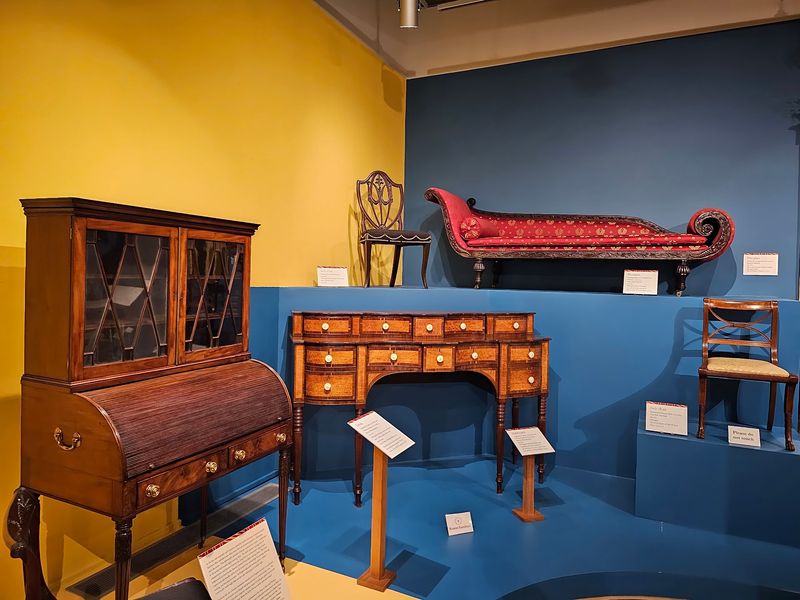
A small object can tell a big story when you know whose hands might have used it. At the Flynt Center of Early New England Life, displays bring visitors close to objects from the region’s past. The center is a smart stop if you want to look beyond house walls and examine the things people made and kept.
Give yourself time to study materials, wear marks, and tiny details rather than scanning every case quickly. A textile might prompt questions about skill and labor, while a household item might reveal a daily task. Look for exhibit labels that explain what is known and, just as importantly, what remains uncertain.
Families can turn the visit into a simple game by each choosing an object they would ask its owner about. Would the owner see it as useful, beautiful, expensive, or all three? Questions like that connect museum pieces to choices people still make about their belongings.
Indoor exhibits can also offer a change of pace after a long walk outside. Check current gallery access before planning your day, because displays and visiting arrangements can change. When you return to the historic houses, you may recognize the same kinds of materials and work in a new way. Objects that once seemed distant start to feel connected to real hands and real routines.
Craft Demonstrations With a Human Touch
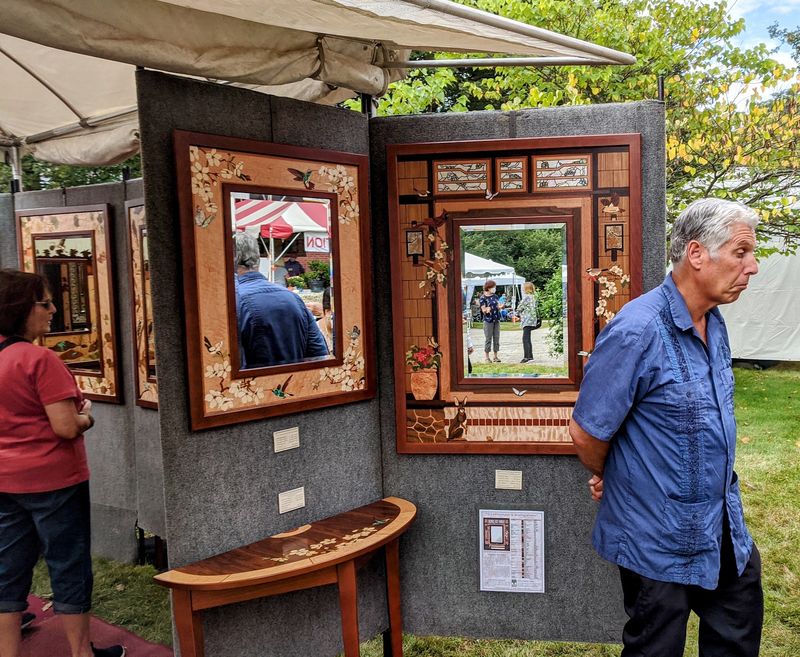
Watch a tool move through wood, and history starts to sound different from words on a sign. Historic Deerfield sometimes offers demonstrations that show how people cooked, built, or made useful things by hand. Watching the steps makes it easier to understand the skill behind objects that now sit quietly in museum rooms.
Ask what materials a worker needed and how long a task might have taken without modern equipment. A simple job can turn out to require patience, practice, and careful planning. If an interpreter invites questions, ask how a craft was learned and who usually did the work.
Demonstrations may change with the day or season, so look at the current program before you visit. Arrive early enough to find a good viewing spot, but leave room for other people to see. Keep children behind any safety boundaries, especially near hot hearths or sharp tools.
Afterward, find a related object in a house or exhibit and picture the work that went into making it. That connection is the real reward: a chair becomes more than a chair when you think about its maker. Not every part of early life was charming or easy, and skilled labor deserves honest attention. A live demonstration can make that truth clear without turning the past into a costume show.
Stories Beyond the Famous Families
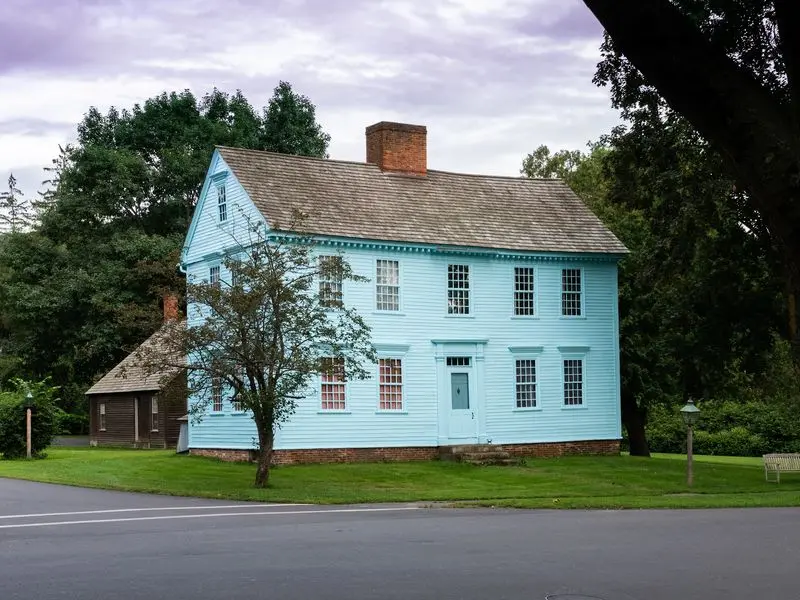
Beautiful rooms can hide difficult truths if visitors hear only about the families who owned them. At Historic Deerfield, pay attention to stories about enslaved people, workers, and others whose labor supported household life. Some visitors have noted markers that prompted them to think about people once left out of familiar house stories.
Read those markers slowly, then consider how little surviving evidence may tell us about a person’s own thoughts. Ask guides whose voices appear in the records and whose experiences require careful research to understand. A name, a job, or a brief mention can be the start of a deeper question, not the whole answer.
Young visitors may need plain, honest words about slavery and unequal power. Explain that people were treated unfairly, and give children room to ask what they notice. You do not have to know every answer to have a useful conversation together.
Think, too, about Native people and the long history of the land before the preserved houses stood there. Seek out the museum’s current interpretation rather than assuming one tour covers every perspective. Looking beyond prominent owners does not make the visit less interesting. It makes the history fuller, and it reminds us that every household depended on many lives.
Small Details That Reward a Second Look
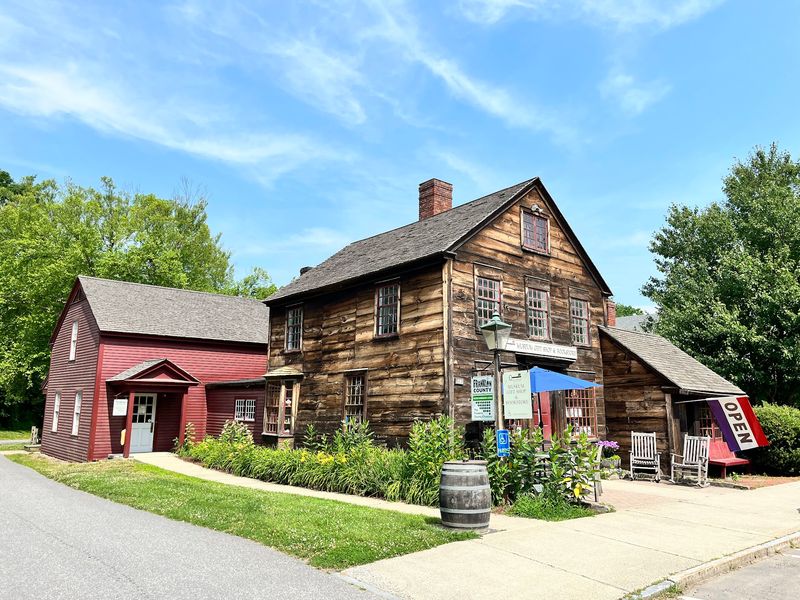
A crooked pane of glass or a worn doorstep might catch your eye before any grand piece of furniture does. Those small details are a good reason to slow down during a visit to Historic Deerfield. They can open questions about repairs, changing tastes, and the many years a building has been used.
Try comparing two doorways or rooflines as you walk, then ask a guide what those differences might mean. Avoid guessing that every visible feature dates from the 1700s, since historic buildings can include later changes. Preservation often involves careful choices about what to repair and how to explain those choices to visitors.
Inside an open house, look for practical details such as storage space, stairs, and sources of light. Imagine carrying water, keeping a fire going, or finding room for everyone to work and sleep. That exercise makes daily life easier to picture without pretending it was always comfortable.
Outside, take notes on one feature you want to ask about instead of trying to remember everything. If photography is allowed, a close view can help you compare details later; always follow posted rules. The best discoveries are often modest ones, noticed between the larger stories on a tour. By the end of your walk, the street may look less like a postcard and more like a place that kept changing.
A Visit Worth Planning, Not Rushing
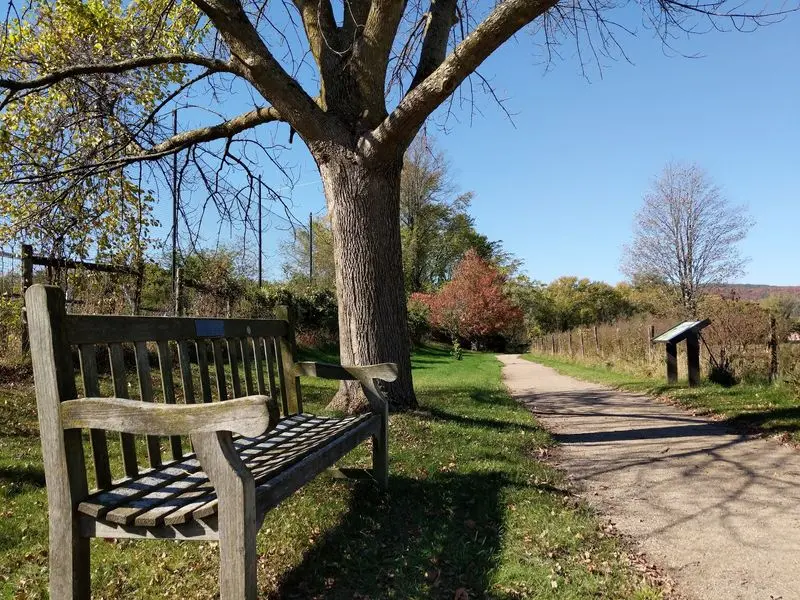
Three hours can disappear quickly when every house seems to offer another story. Before setting out at Historic Deerfield, stop at the visitor center to learn which buildings and activities are available that day. Choose your top interests first, then build a route around tour times instead of relying on chance.
House access can change because of staffing, preservation work, or the season. Check the official website for current hours, admission details, and programs before leaving home. If you have limited time, ask staff which tour and exhibit will give you the broadest introduction.
Pack water and comfortable walking shoes, and be ready for both indoor stops and time outside. A relaxed schedule works especially well for families, since children often notice things adults would hurry past. Let each person choose one question to answer by the end of the visit.
Save a few minutes to talk about what surprised you, whether it was a clever tool or a difficult story. You may leave with unanswered questions, and that is part of the value of a history museum. Rather than racing through every doorway, make time to notice how the buildings, objects, and people’s stories fit together. A thoughtful visit can stay with you long after the walk ends.