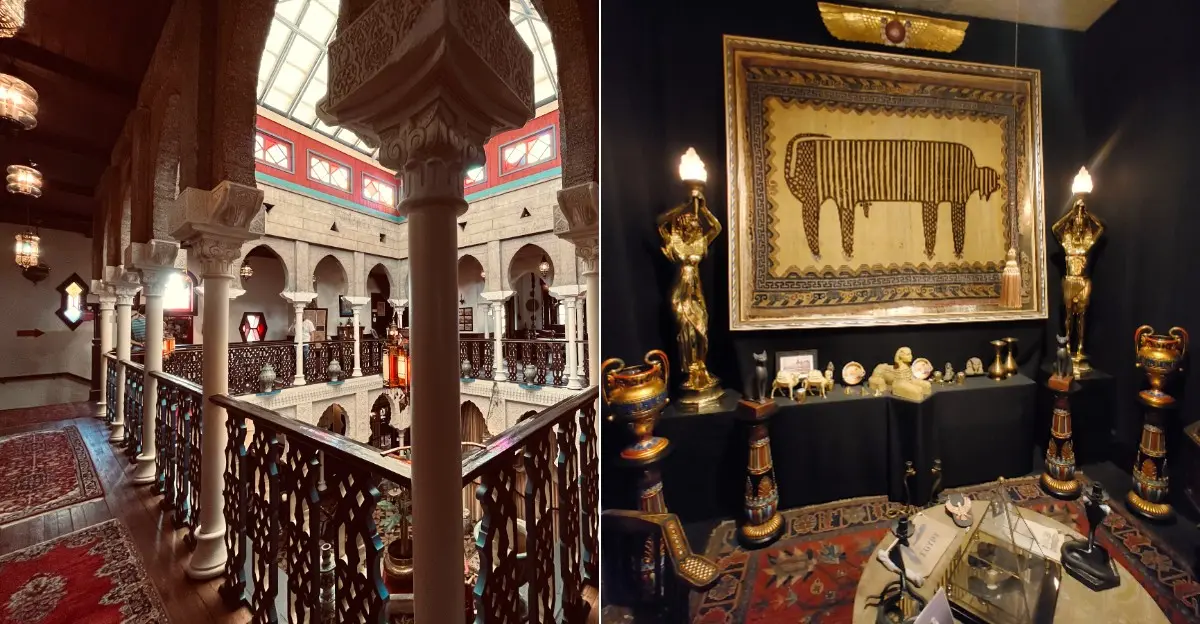
Among the palm trees and historic streets of the nation’s oldest city stands a building that looks like it was plucked straight out of Spain.
Villa Zorayda Museum on King Street in St. Augustine was built in 1883 as the winter home of Boston businessman Franklin W. Smith.
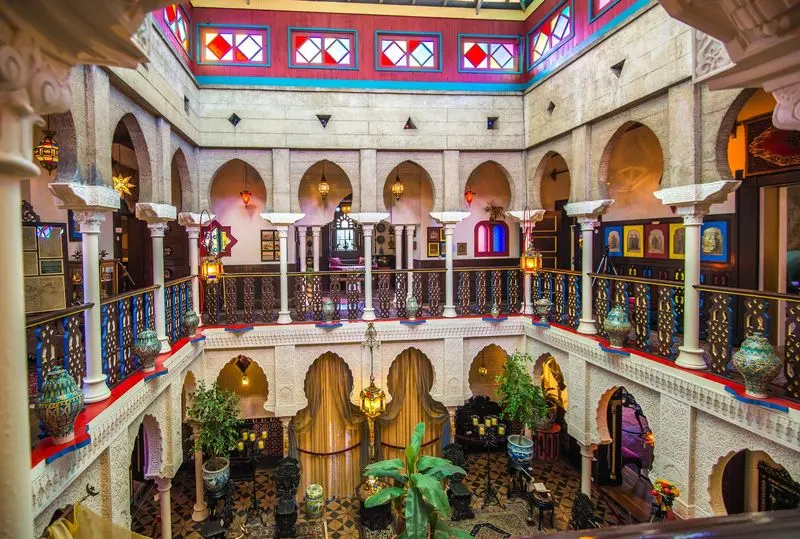
Smith modeled his castle-like house on a section of the famous Alhambra palace in Granada, with arches, ornate details, and a dreamy courtyard.
It was also one of the early buildings in Florida made with poured concrete mixed with local coquina shell.
Inside, kids and grown-ups can explore rooms filled with fascinating antiques, artwork, and curious treasures from around the world.
Pair your visit with a walk through downtown St. Augustine, and you will have a day that feels like a trip across the ocean.
A Castle Surprise on King Street
A walk through downtown can suddenly feel like a trip to another century. Villa Zorayda Museum stands at 83 King St, St. Augustine, FL 32084, United States, where its castle-like shape catches the eye among the city’s other buildings. It is a real historic home, not a movie set or a theme park decoration.
Built in 1883, the villa was designed as a winter residence. Today, visitors can enter and see both the building and the objects displayed inside it. Its small size is part of the surprise: the outside suggests a grand palace, yet the museum feels close enough to study one room at a time.
Before going in, step back far enough to take in the whole front of the building. Look at its outline, then move closer to notice the arches and surface details. That change in scale helps explain why people often stop to look twice.
If your group is choosing between a quick outdoor photo and a museum visit, leave time for both. The exterior makes a strong first impression, but the rooms give that strange silhouette a story. Even travelers who have seen many historic houses may find that this one does not match their expectations.
A Spanish Palace Inspired the Look
Those arches hint at a design story that reaches far beyond Florida. Villa Zorayda was inspired by the Alhambra, a famous palace and fortress complex in Granada, Spain. Its builder, Franklin W. Smith, admired that style and brought his own interpretation of it to his winter home.
The result is usually called Moorish Revival architecture. That means the building borrows visual ideas from older Moorish designs rather than being an actual medieval castle. Knowing the difference makes the villa more interesting, not less: someone chose this striking look at a time when most neighbors were building very different homes.
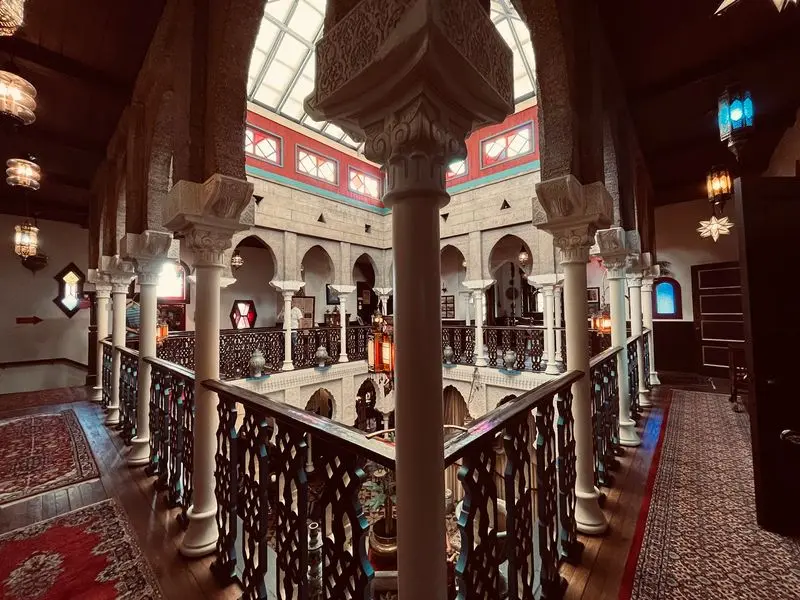
Watch for repeated shapes as you explore. Arches, patterns, and decorative surfaces help create a sense of rhythm, even when each area offers something new. You do not need to know architecture terms to enjoy it; simply notice which features draw your eyes first.
For families, the building can start an easy conversation about inspiration. Ask what parts seem borrowed from a palace and what parts work as a comfortable house. That question turns a visit into more than a hunt for pretty details. It also helps younger visitors understand how ideas can travel across countries and centuries, then take on a new life in an unexpected place.
The Man Behind the Unusual Home
A building this unusual invites one simple question: who thought of it? Franklin W. Smith, a wealthy merchant from Boston, built Villa Zorayda as his winter home. He had visited Spain and admired the Alhambra, then used that interest to guide a very personal building project.
His choices tell you something about the late 1800s. Travel, collecting, and bold home design could help a wealthy owner show what fascinated him. The villa is therefore more than an example of a style; it is also a record of one person’s tastes.
As you tour, try to separate the building’s original story from the stories of objects gathered later. A historic house can change owners and uses while keeping traces of earlier lives. Thinking about those layers makes the rooms easier to understand.
Recent visitors have mentioned an exhibit about Smith’s life and vision, but displays can change. If learning about him is your main reason for going, check the museum’s website or call ahead to ask what is currently on view. Otherwise, let the house introduce its builder gradually. Look at a design choice, listen to its explanation, and imagine the decisions needed to turn an unusual idea into a home.
Rooms That Reward a Slower Look
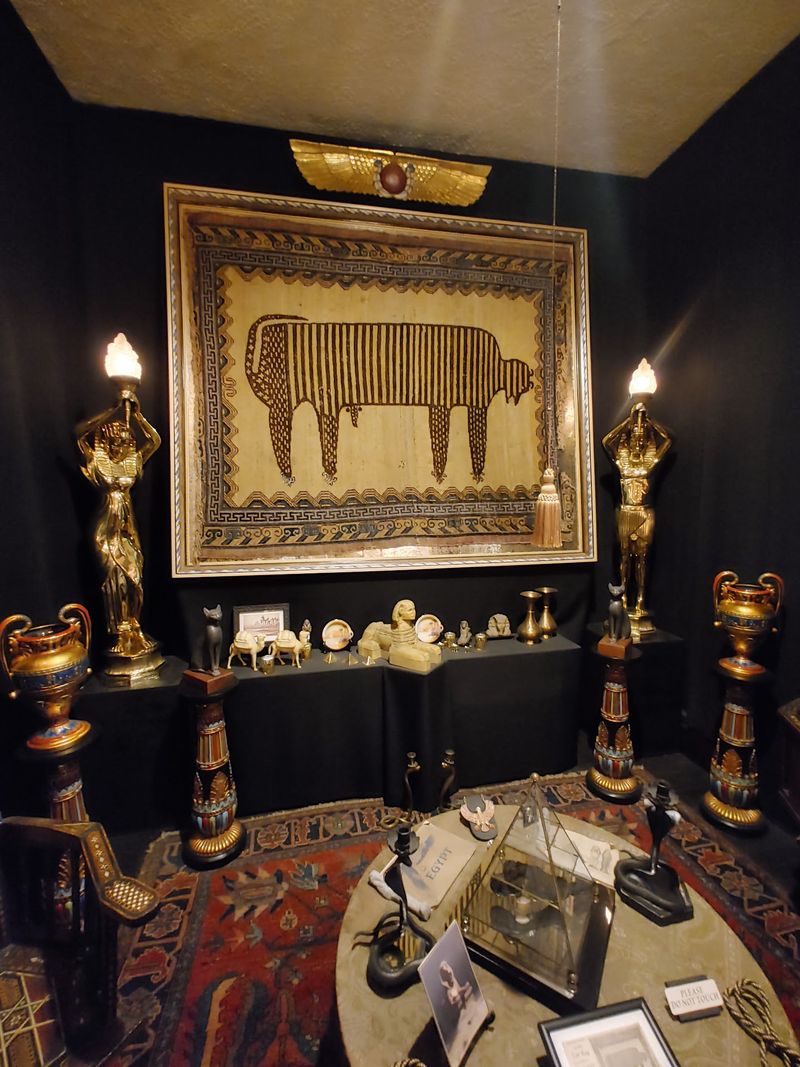
At first glance, it is hard to decide where to look. The rooms contain decorative details, colorful furnishings, and collected objects that compete for attention in the best possible way. Many visitors say the interior takes longer to explore than they expected from the building’s size.
Give yourself permission to slow down. Pick one feature in each room, such as a doorway, a light fixture, or a piece of furniture, before trying to see everything else. This small habit can keep a busy space from feeling overwhelming.
The museum works especially well for people who enjoy historic houses. Rather than facing a long row of similar displays, you move through spaces that once had a private purpose. That can make the past feel more human, even when the decoration is far from ordinary.
Children may enjoy choosing a favorite pattern or finding shapes that appear more than once. Adults can compare how a room looks from its entrance with how it looks from another corner. Try not to rush simply because the museum is compact. A short walk through every room will show you the layout, but a second, slower look can reveal why this little castle leaves such a big impression.
An Audio Tour Helps Tell the Story
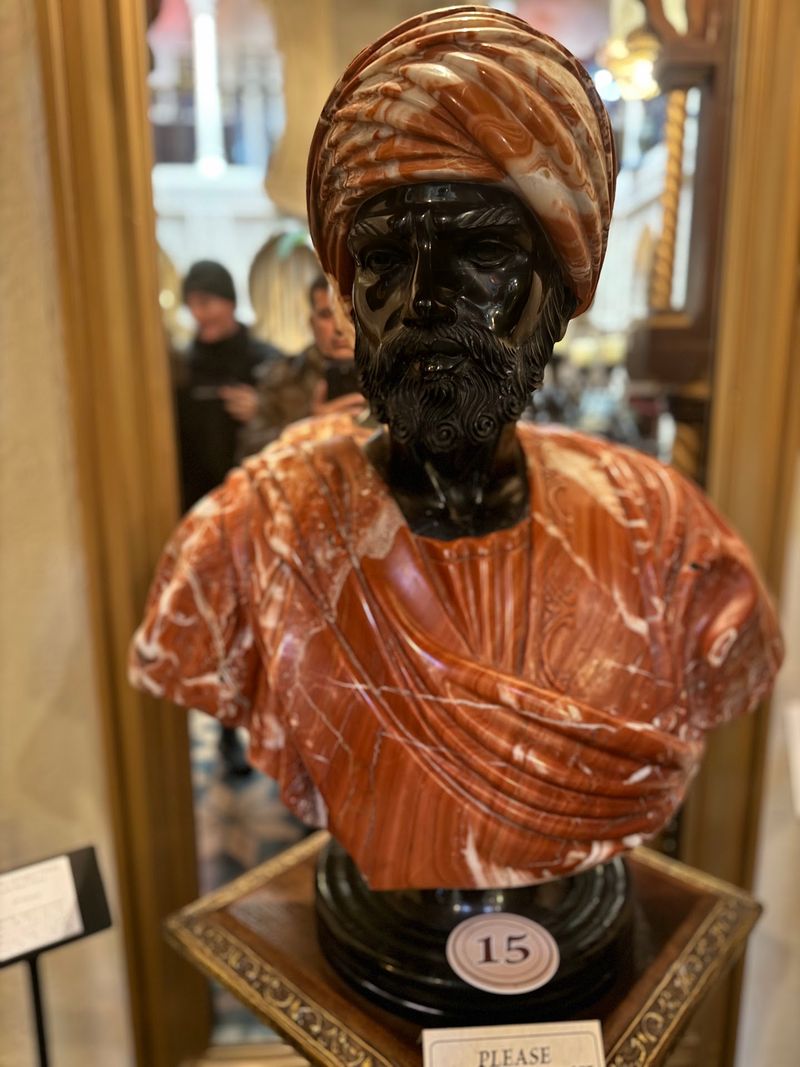
Beautiful rooms can leave visitors wondering what they are seeing. The museum’s self-guided audio tour helps answer that question as you move through the house. Visitors have praised it for explaining both the building and items in its collection.
A self-guided format gives you control over your pace. You can pause to inspect a detail, listen again when a story catches your interest, or move along when your group is ready. That flexibility is useful in a place where nearly every room offers something to examine.
At the start, take a moment to learn how the tour device works. Then keep an eye out for any display numbers or directions provided by the museum. Following the suggested route can help you connect one room’s story to the next without missing a stop.
If you are visiting with someone who prefers a quiet museum, consider sharing favorite facts after each room rather than talking over the recording. Families can make a simple game of remembering one surprising detail from each stop. The tour turns an unusual-looking house into a clearer story, while still leaving you free to explore at a speed that feels comfortable.
Antiques With Unexpected Stories
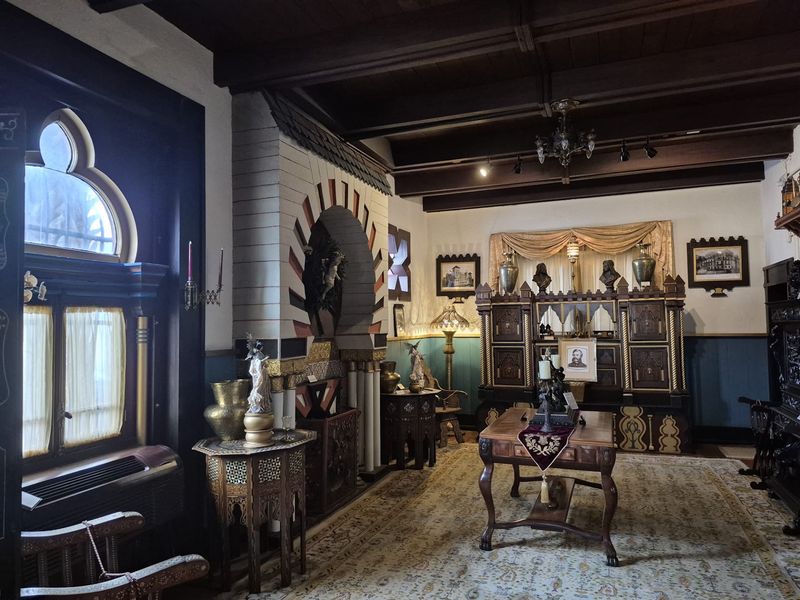
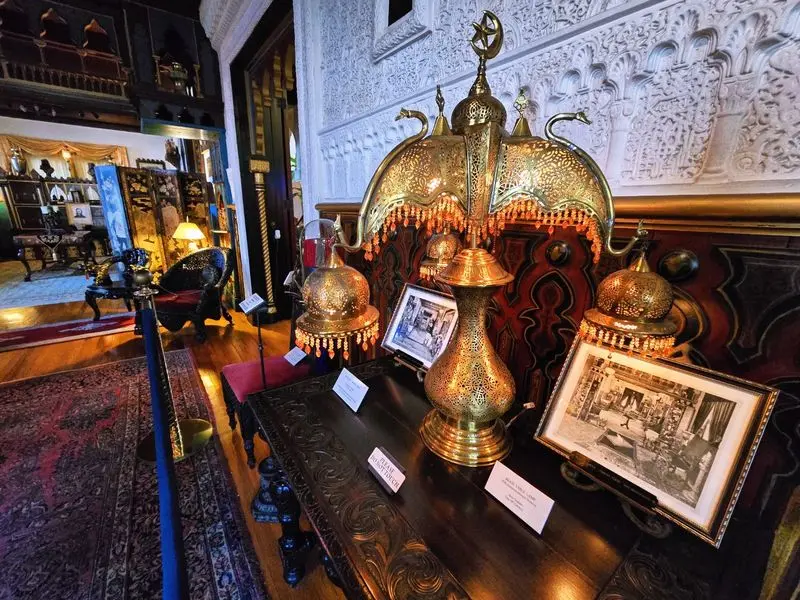
A castle-like house is only half the attraction here. Inside, Villa Zorayda holds antiques and art objects that reflect years of collecting. Some are elegant, while others are so unexpected that visitors remember them long after the trip.
The collection is best approached with curiosity rather than a checklist. Look at an object, guess what it might have been used for, and then listen to or read its explanation. You may be surprised by the gap between your first guess and its real story.
Because the displays bring together objects with different backgrounds, do not assume everything belongs to the same time or culture as the house itself. The building was completed in the 1800s, but its contents can lead to other places and periods. Keeping those histories separate makes the collection easier to appreciate.
One well-known curiosity often mentioned by visitors is an unusual rug associated with Egyptian cat hair. If you hope to see a particular artifact, ask the museum whether it is currently displayed. Exhibits and viewing rules can change, so checking first prevents disappointment. Whether you love fine furniture or odd historical puzzles, the variety gives you plenty to discuss afterward.
A Small Museum With a Big Timeline
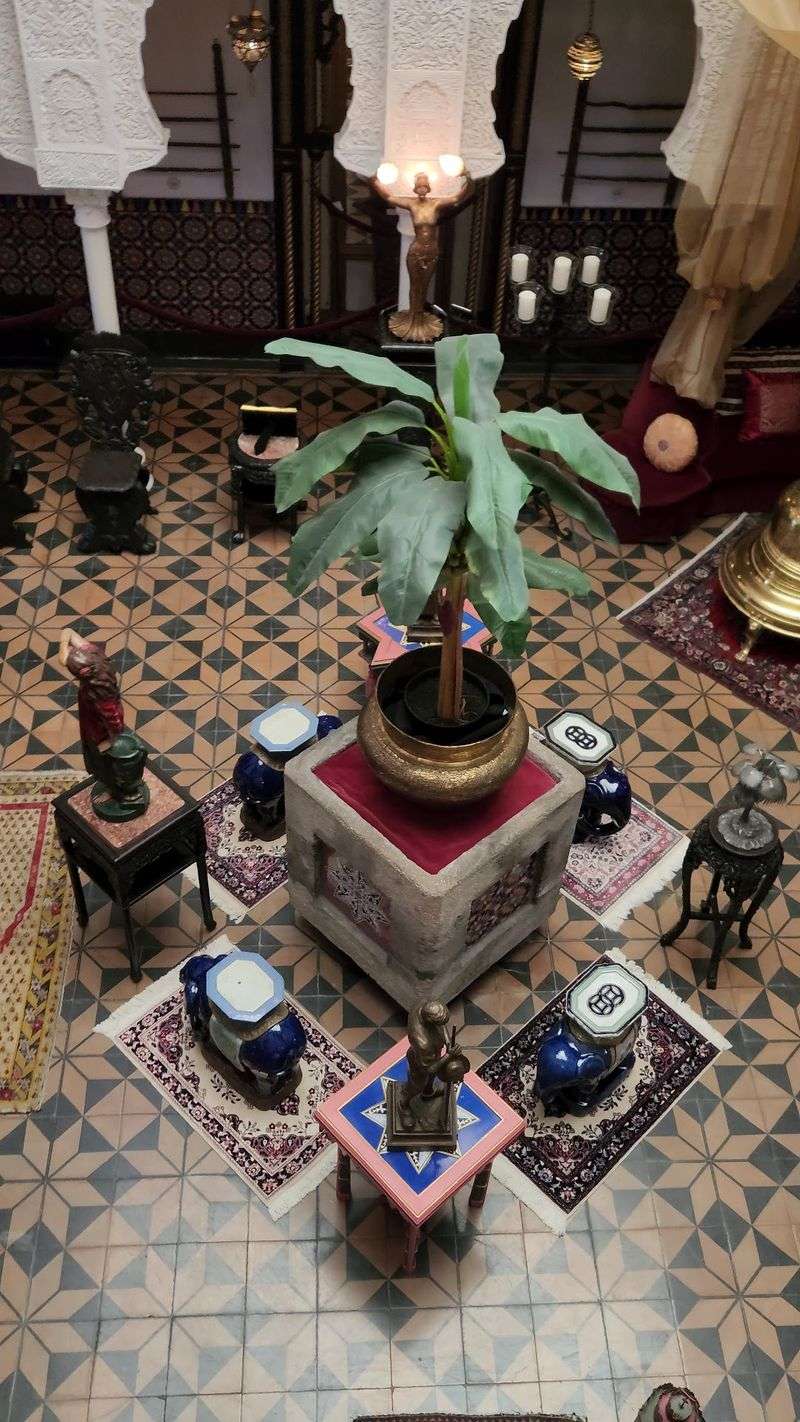
Not every historic place tells its whole story in the year it was built. Villa Zorayda began as a winter home in 1883, but its later life also shaped what visitors experience today. Now a museum, it brings the building’s design and a varied collection together under one roof.
That long timeline is useful to keep in mind while walking through the rooms. A furnishing, an exhibit, and an architectural feature may each belong to a different chapter. Instead of trying to make them all fit one moment, ask how each became part of the house’s story.
Visitors sometimes describe the villa as a tiny castle, which captures its appearance without explaining its original purpose. Remembering that it was made as a home changes the way you look at its spaces. A striking doorway was also part of someone’s daily surroundings.
This is a good stop for travelers who want history in manageable pieces. You can enjoy the building at a glance, then use the tour to add context room by room. If one detail sticks with you, ask a staff member where to learn more. A short visit can open several paths into the past without demanding that you become an expert first.
Plan Time for the Castle, Not Just Its Photo
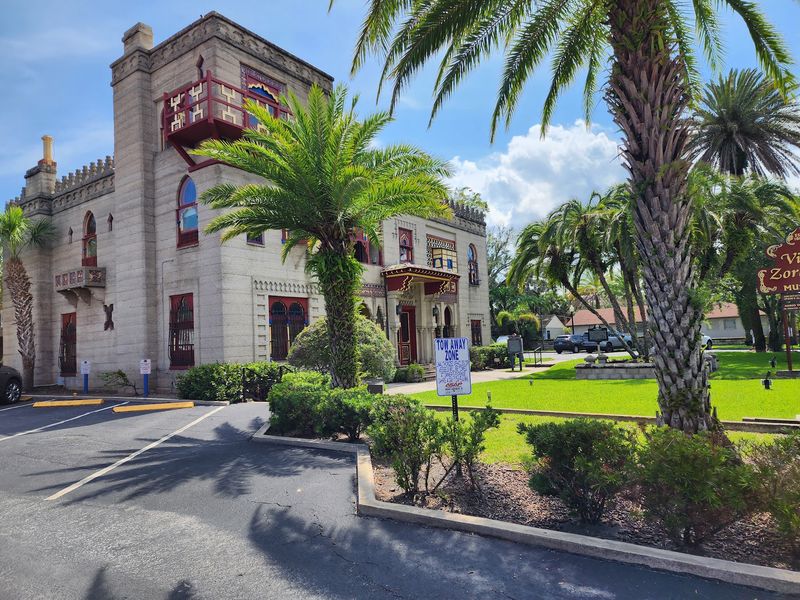
It is tempting to snap a picture outside and keep walking. If the architecture caught your attention, though, the indoor visit gives you a fuller reason for its unusual appearance. Plan enough time to follow the audio tour and pause for details that interest you.
The museum lists daytime hours, with a shorter Sunday schedule, but hours and admission details can change. Check its official website or call before you go, especially on holidays or if you have little room in your itinerary. Ask about current exhibits and any photography rules if pictures matter to you.
Comfort also matters in a house museum. Wear shoes that make standing and walking easy, and let your group set a steady pace through the rooms. If you are bringing children, invite them to look for arches or pick the most surprising object rather than expecting them to study every label.
Villa Zorayda works well as a focused stop for anyone curious about design, antiques, or the people behind historic buildings. Its exterior supplies the startling castle moment promised by the street view. Going inside shows how much thought, history, and personality can fit within those remarkable walls.