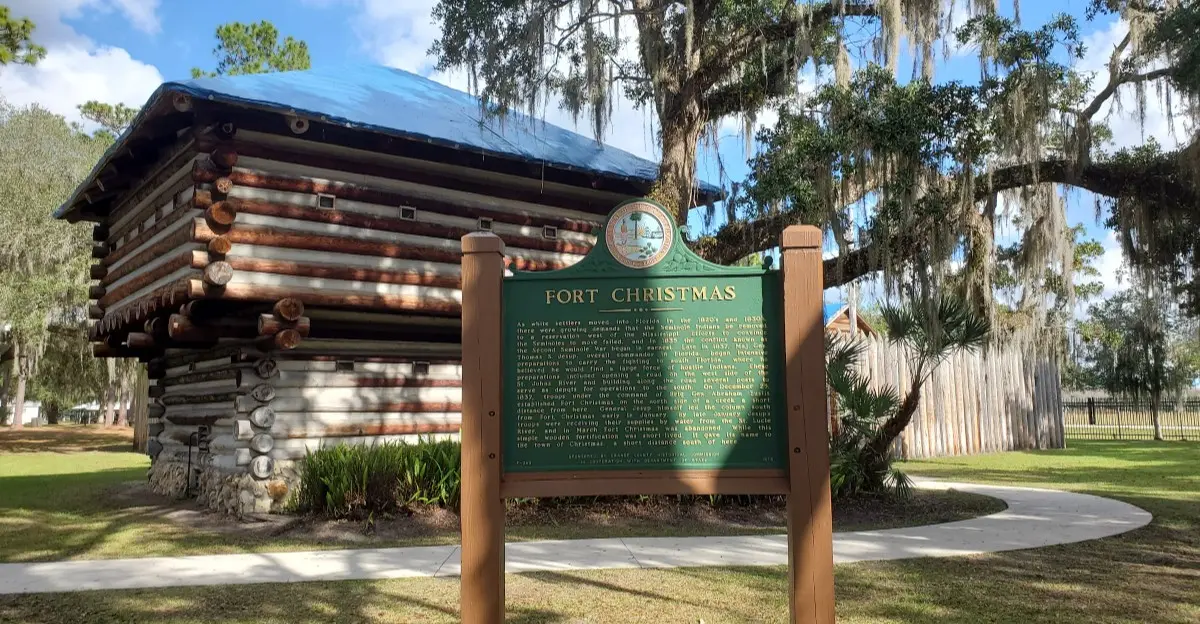
A quiet stretch of Florida can make the past feel surprisingly close. Beneath the trees in Christmas, the paths at Fort Christmas Historical Park lead past weathered-looking buildings, a replica fort, and pioneer homes that offer a glimpse of life before modern roads and neighborhoods changed the landscape.
Calling it a forgotten Florida ghost town may suggest empty streets and abandoned homes, but this historic park tells a different story.
At 1300 N Fort Christmas Rd, visitors can wander among places that recreate the everyday world of early settlers, from homes and schools to workspaces and the fort itself. The shaded setting adds to the feeling of stepping into another time, with wooden walls, simple furnishings, and quiet trails replacing the sights and sounds of present-day Florida.
As you explore, more pieces of this little-known chapter begin to come into view.
The Fort Behind the Trees
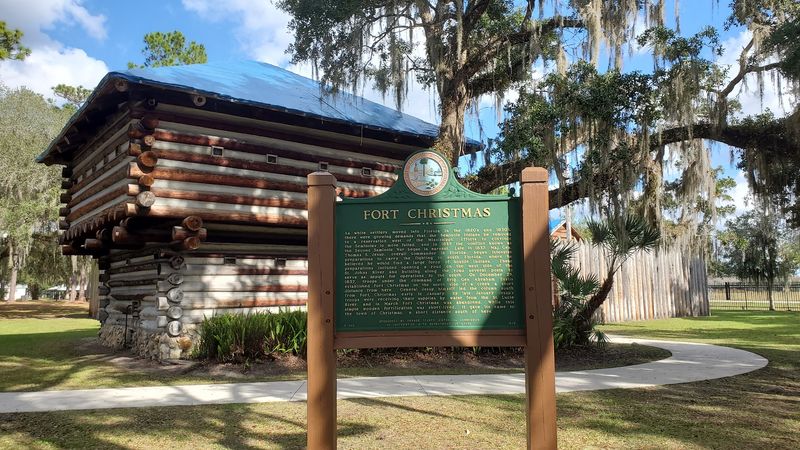
A wooden wall appears beyond the trees, and for a moment the modern world seems far away. At Fort Christmas Historical Park, this large replica shows what the 1837 fort may have looked like during the Second Seminole War.
It is a starting point for understanding why the place carries its unusual name.
Walk through slowly instead of treating the fort as a quick photo stop. Displays inside explain the period, while the timber walls help you picture how different this part of Florida once looked.
The fort is a replica, not a surviving 1837 building, so read the signs to separate the original history from what was rebuilt for visitors.
Families can turn the visit into a simple observation game: look for a detail that hints at safety, shelter, or daily work. Adults may find that the setting raises harder questions about the war and the people affected by it.
Allow extra time for those conversations. The quiet grounds outside offer a good place to pause before moving toward the pioneer buildings.
Admission is free, making a thoughtful history stop easy to fit into an afternoon.
Homes That Hold Everyday Stories
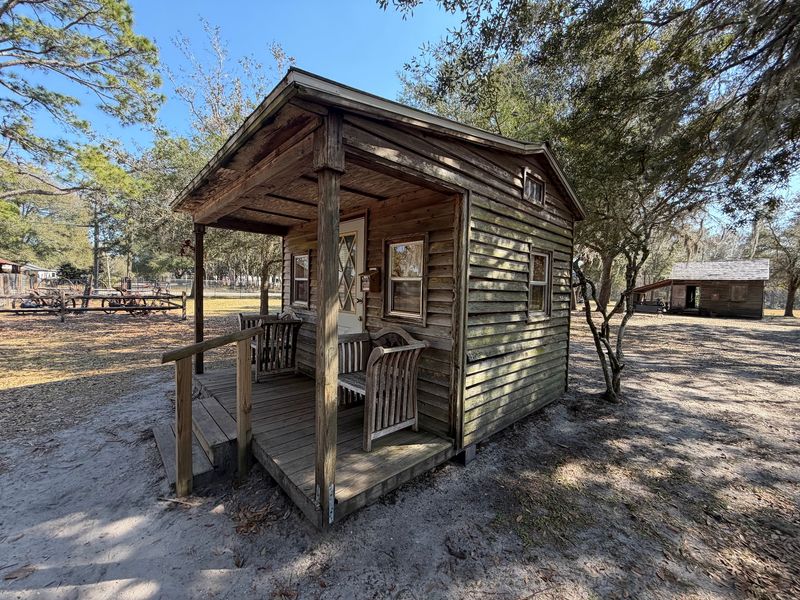
A porch, a doorway, and a few old chairs can tell a bigger story than a grand monument. The pioneer homes at Fort Christmas Historical Park invite you to imagine ordinary mornings: getting dressed, making meals, and keeping a household running in Florida heat.
Some buildings are historic, while others help recreate the past.
Step inside the homes that are open during your visit and notice the furniture, stoves, and simple room layouts. Rather than rushing from one building to another, choose one room and ask what daily task would have taken the most effort there.
That small question makes the displays feel less like a collection of objects and more like evidence of real lives.
The homes are spread across the grounds, so comfortable walking shoes help, especially if you plan to explore them all. Bring water on warm days and check posted signs before entering any building.
Kids may enjoy comparing an old kitchen with the one at home. For grown-ups, the familiar shape of a house makes this history feel personal, even when the people who lived in this area belonged to a very different time.
A Schoolhouse Small Enough to Imagine
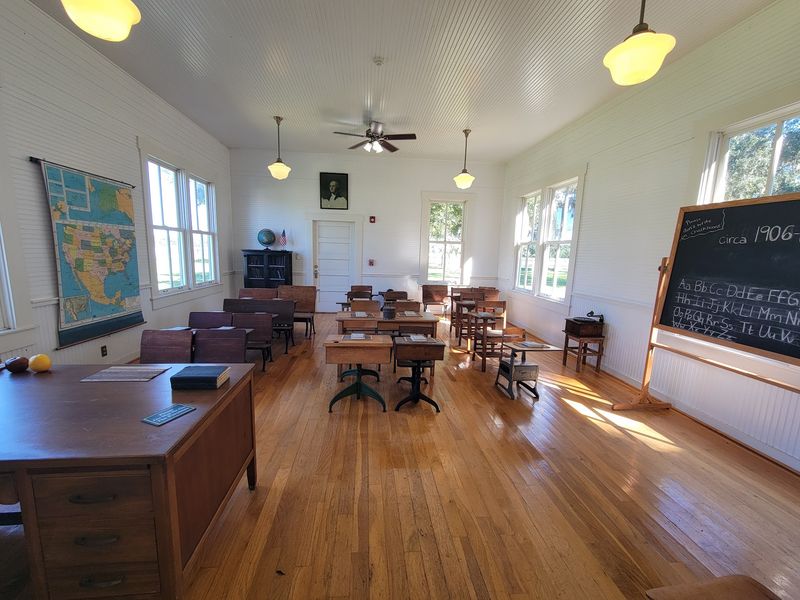
Old schoolbooks have a way of making yesterday feel surprisingly close. In the schoolhouse at Fort Christmas Historical Park, a classroom setting offers a glimpse of how children learned before screens, buses, and large school campuses.
It is easy to picture students sharing a room while the day moved at a different pace.
Look at the desks and books, then compare them with the supplies children use now. Younger visitors can hunt for something familiar, such as a place to sit or a book to read, before spotting what has changed.
Keep hands off displays unless a sign says touching is allowed, and give other guests room to look around.
A short schoolhouse stop can become one of the most memorable parts of the walk because nearly everyone has a school story. Ask a child what subject they would have wanted to study there, or recall what classrooms looked like when you were young.
The point is not to pretend the past was easier. Instead, this little building helps visitors see how much work went into learning, even in a small community far from a big city.
The Post Office and a Slower Kind of News
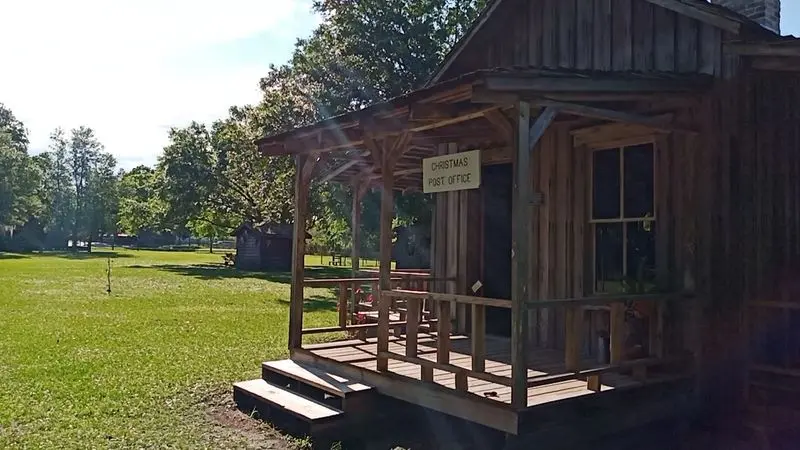
Imagine waiting days for a message that now arrives in seconds. The post office building at Fort Christmas Historical Park points to a time when mail helped connect neighbors, relatives, and communities across long distances.
Even a modest building could have played a large part in local life.
Take a moment outside to picture someone stopping by for a letter or sharing news on the way home. When the exhibit is open, look for signs and displays that explain its role in the community.
Access to individual buildings can change, so let the posted information guide your visit rather than assuming every door will be open.
This stop pairs well with the schoolhouse because both show how a town stayed connected and informed. Children might enjoy writing a postcard after the trip, then comparing that wait with sending a text.
You do not need a long history lesson to appreciate the contrast. A building devoted to messages reminds visitors that the people who lived here had friendships, worries, and exciting news, much like people do today.
That is what gives this quiet corner its lasting pull.
Where a Sugar Mill Tells a Working Story
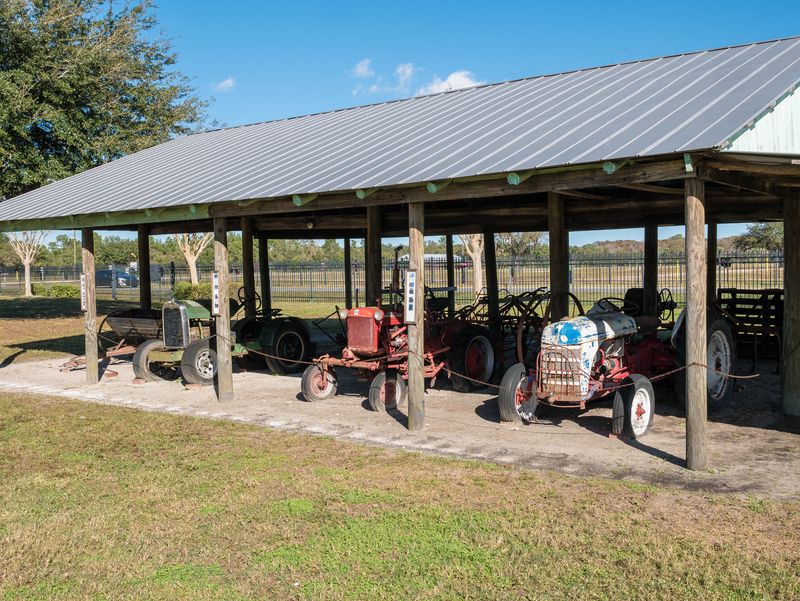
Not every part of an old settlement was quiet. The sugar mill exhibit at Fort Christmas Historical Park brings attention to the demanding work behind everyday goods.
It offers a useful change of pace after looking through homes, shifting the story from where people lived to how some people worked.
Study the equipment and read the nearby information before trying to guess what each part did. If you are visiting with children, invite them to think about how much effort it takes to turn a crop into something ready to use.
Stay behind any barriers, and remember that old machinery is best admired without touching it.
Florida history can seem distant when it appears only as dates on a sign. Tools make it easier to picture the physical side of the past: lifting, hauling, repairing, and working through hot weather.
Take time to notice the surrounding open space, too. It helps you imagine the land as a place of labor rather than simply a pleasant park.
The mill is a small but useful reminder that a community needed far more than homes to keep going.
Little Objects, Big Clues
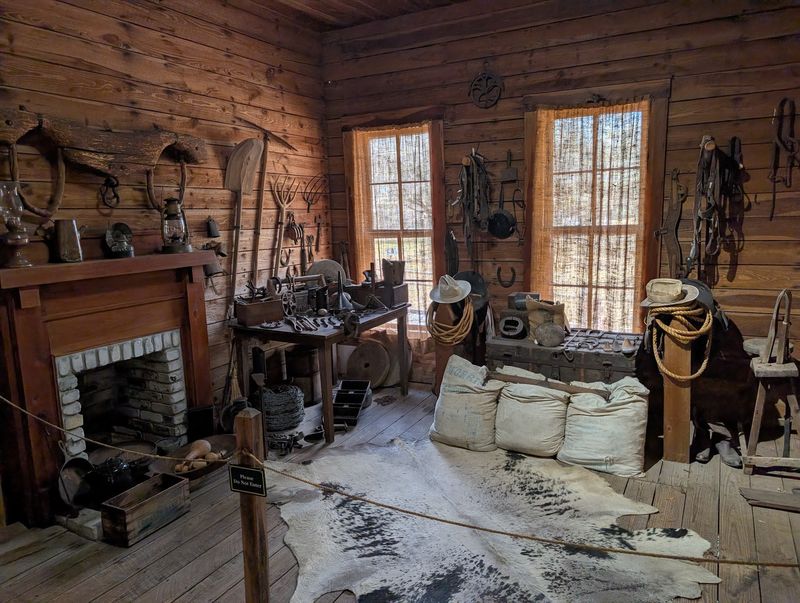
An old icebox can stop a visitor in their tracks. Among the furnished buildings and displays at Fort Christmas Historical Park, everyday objects show how much thought once went into basic chores.
A stove, quilt, or laundry tool may look plain at first, but each one hints at someone’s routine.
Try choosing a single object in every building and imagining its job. How would you keep food cool, wash clothes, or mend something without the tools in your home today?
Reading the labels helps answer those questions, while looking closely often reveals details you might miss during a fast walk. Leave artifacts where they are so others can enjoy them, too.
This is an easy way to keep a mixed-age group interested. Someone may recognize an item from a grandparent’s house, while someone else may have no idea what it does.
Both reactions can lead to a good conversation. The exhibits reward curiosity more than speed, so save enough time to linger.
Long after the larger buildings fade from memory, one small object might be what makes this visit stick with you.
A Walk Between Different Floridas
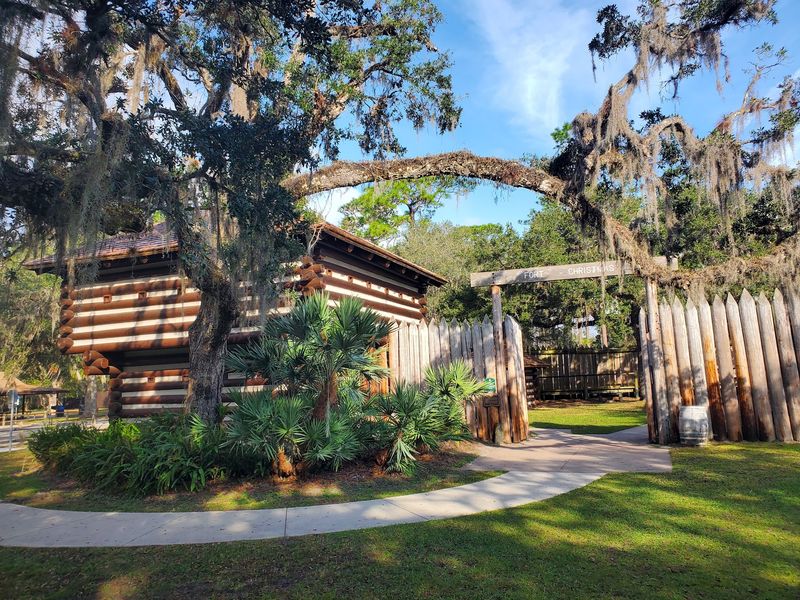
One path can lead past buildings from very different parts of Florida’s story. At Fort Christmas Historical Park, walking between the fort replica and later homes makes changes in daily life easier to notice.
The grounds feel a little like a quiet town, though this is a historical park, not an abandoned one.
Give yourself time to move at an unhurried pace. Visitors often find more to see than they expected, and going from building to building involves a fair amount of walking.
A self-guided visit lets you stop where your interest grows, whether that is a furnished room, an old tool, or a sign explaining local history.
On a hot day, carry water and look for shade between stops. If mobility or stamina is a concern, pick a few favorite buildings instead of trying to see everything at once.
The walk itself is part of the experience: each doorway adds another piece to a larger picture. By the time you reach the end, Florida’s past may feel less like one faraway era and more like a series of changes ordinary people lived through.
History Under the Picnic Trees
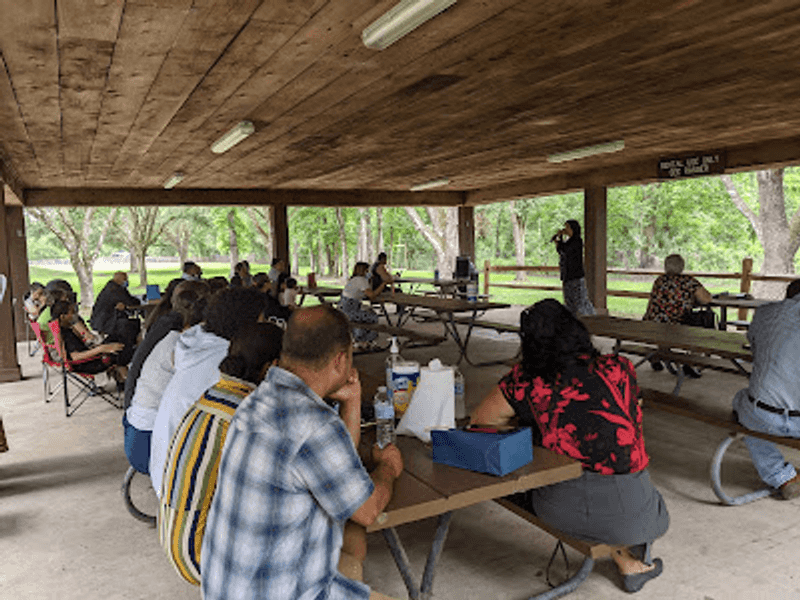
After a morning of old buildings and new questions, lunch under a tree feels especially good. Fort Christmas Historical Park has picnic areas and pavilions where visitors can rest before exploring more.
The break gives children room to talk about what surprised them and lets everyone escape the rush of a packed schedule.
Bring your own meal and plenty of water rather than counting on a food stand at the historical area. Choose a table, clean up after eating, and follow any posted pavilion rules.
If you are planning a larger gathering, check the park’s current information ahead of time to learn whether a pavilion needs to be reserved.
A picnic also makes the visit easier to enjoy on a budget because park admission is free. You can spend time with the exhibits without feeling that every minute must be filled.
After lunch, take another look at a building you liked or let the group choose what comes next. That simple freedom is part of the appeal: a history outing can also be an easy afternoon outdoors with people you care about.
A Playground Break After the Past
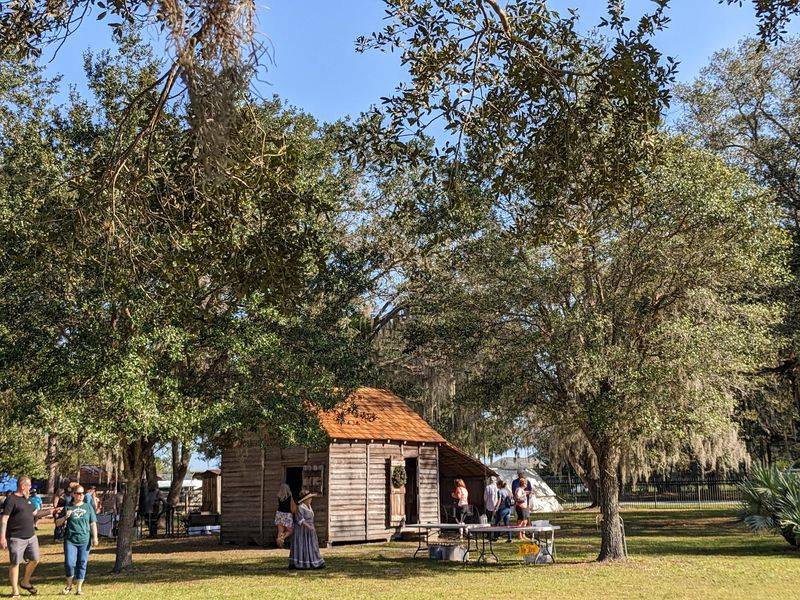
Even the most curious young historian needs a chance to run. Beyond the buildings, Fort Christmas Historical Park offers a playground and open space that can turn a learning trip into a full family outing.
It is a helpful balance: explore an old schoolhouse, then take a break in the fresh air.
Plan your route around your group’s energy. Some children enjoy looking inside every building, while others do better with short history stops between outdoor play.
Set a meeting spot, keep younger kids within sight, and bring water for the Florida heat. Restrooms are available at the park, which makes a longer visit simpler to manage.
There are also recreation areas, including sports courts, for visitors who want more than a walk. Still, the playground does not have to be the reward for finishing history.
It can be the pause that helps everyone return to the exhibits with fresh attention. When children have time to move and ask questions at their own pace, the older buildings often become more interesting, not less.
That makes the day feel shared rather than scheduled.
One Last Look Before You Leave
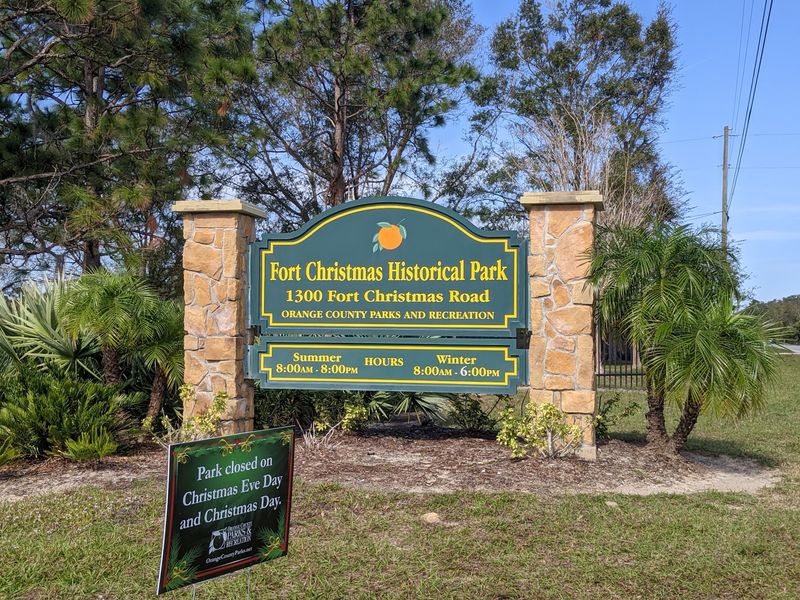
Late in a visit, the buildings can start to feel connected. The fort, homes, schoolhouse, and work displays at Fort Christmas Historical Park each show a different part of life in this corner of Florida.
Together, they offer the feeling of discovering an old town, without pretending the park itself is a deserted settlement.
Before heading home, revisit the spot that made you stop and think. Read a sign you skipped, take a final photograph from a public path, or ask someone in your group which object they would remember.
That small pause can turn a pleasant walk into a story you will want to share.
The park is at 1300 N Fort Christmas Rd in Christmas, Florida, and admission is free. Check the county park website or call ahead for current hours, exhibit access, and event details, since schedules can change.
Comfortable shoes and water will serve you well across the grounds. Come for the unusual name or the wooden fort, and you may leave thinking about quieter things: a child’s schoolbook, a family’s kitchen, or the many people whose daily work shaped this place.