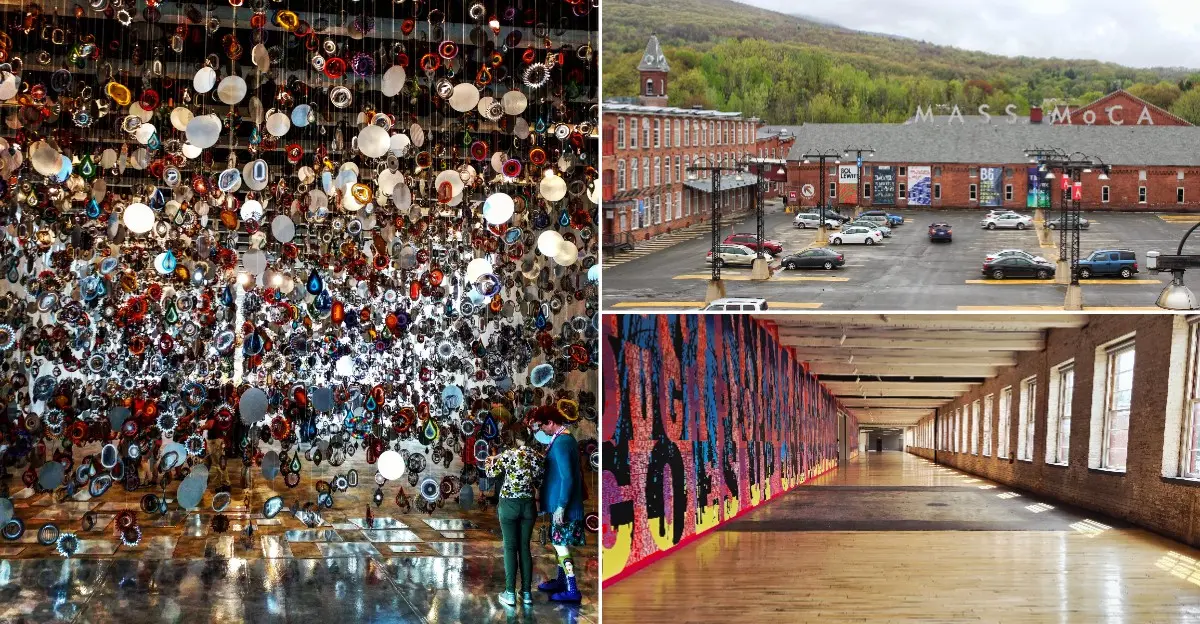
What happens when a massive old mill stops making things and starts making room for imagination? In North Adams, Massachusetts, the answer is MASS MoCA, where towering brick buildings, soaring ceilings, and long industrial corridors now hold an ever-changing collection of contemporary art.
Inside this remarkable museum, the former factory setting remains impossible to ignore. Sunlight falls across worn brick walls, footsteps echo through enormous galleries, and monumental installations can make you pause just to take in their scale.
At 1040 Mass MoCA Way, the building itself becomes part of the experience, connecting North Adams’ industrial past with bold artistic ideas.
There is plenty to discover as you move from one spacious gallery to the next, including unexpected details that reward a slower look. Here are some of the experiences waiting inside this extraordinary mill complex.
Walk Into the Old Mill Buildings

Brick walls rise around you before you even reach the art. At MASS MoCA in North Adams, the former factory buildings make a strong first impression, with tall windows and long stretches of red brick that hint at a busy past.
Pause outside for a moment and look at how the buildings fit together.
Inside, the change from factory to museum becomes easier to picture. Wide passages lead between galleries, while older features still give the complex its character.
You do not need to know much about industrial history to enjoy the contrast between sturdy work spaces and the art now filling them.
Start your visit slowly instead of rushing toward the first exhibit. Notice the scale of a doorway, the view through a window, or the way daylight reaches a hallway.
Those small observations make the next gallery feel like a discovery rather than another stop on a checklist.
Wear comfortable shoes, because the pleasure here comes from moving through a large place. If you are visiting with someone, compare what each of you notices first.
The buildings give every conversation a place to begin, even before you choose a favorite artwork.
Feel the Scale of the Gallery Halls
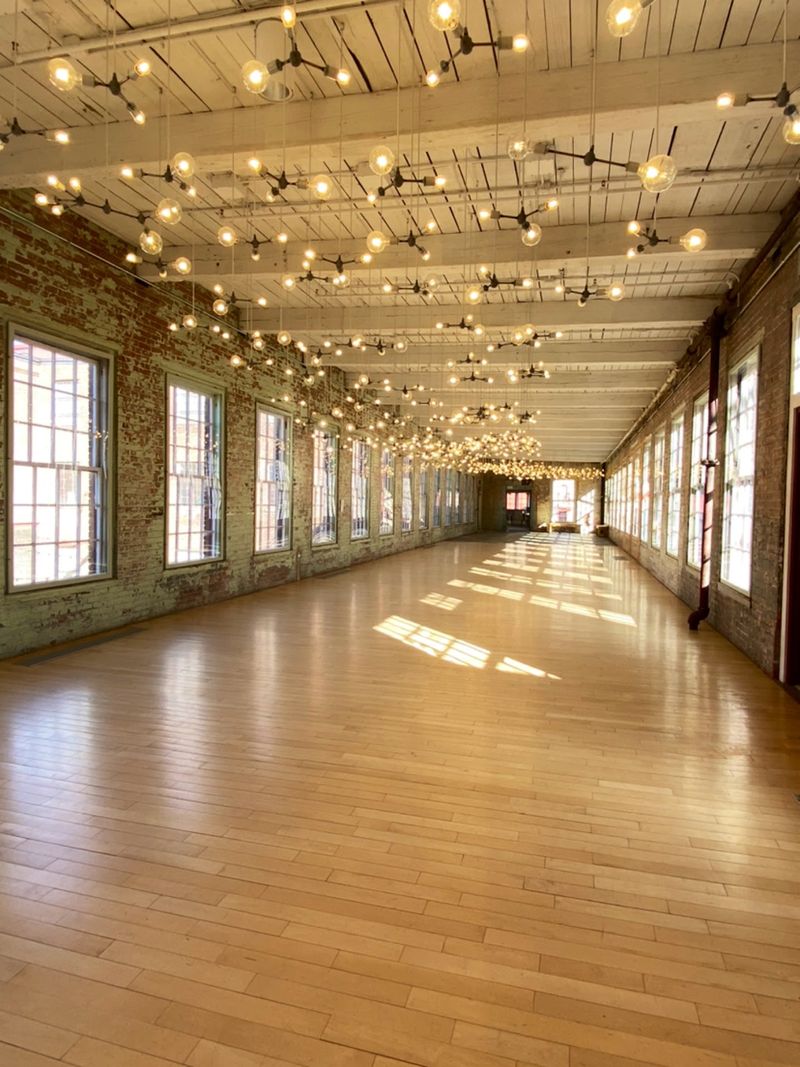
A small object can seem entirely different when it has a giant room to itself. MASS MoCA’s former industrial spaces give many artworks room to stretch, so walking into a gallery can feel more like entering a scene than approaching a display case.
Look up as well as across the floor.
In these large halls, distance changes what you see. An installation may first appear as a single shape, then reveal colors, parts, and shadows as you get closer.
Try viewing a work from the doorway before crossing the room; that first impression can be fun to compare with your view nearby.
The scale also lets visitors find their own pace. You might spend several minutes with one piece, while someone else moves ahead and spots a detail you missed.
Give each person time to explore, especially if your group includes children who like to observe from different angles.
Gallery layouts and exhibitions can change, so arrive ready for what is on view now rather than a picture you saw online. A museum map helps you stay oriented, but leave some room for surprise.
Sometimes the best part of a big hall is simply realizing how much space an artist had to imagine with.
Get Close to Immersive Installations
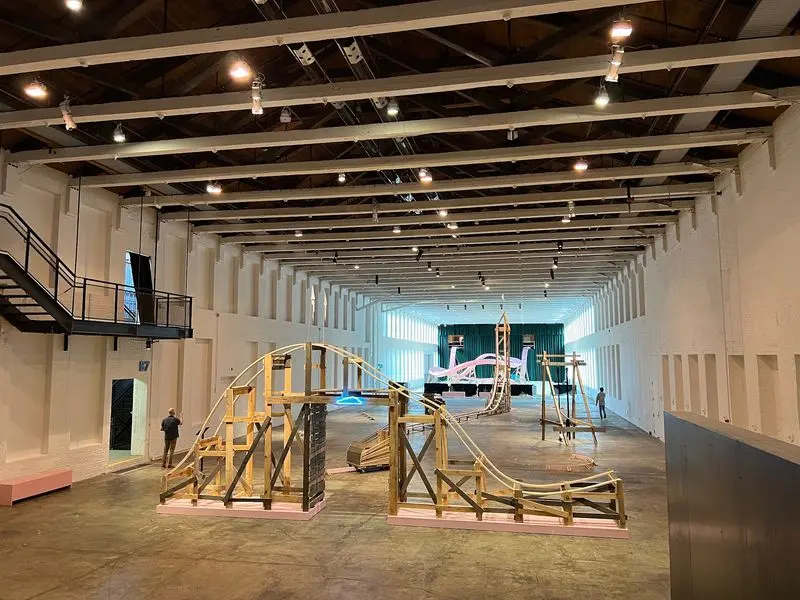
One turn can change the whole mood of your day. At MASS MoCA, installations may surround you with color, light, sound, or unexpected shapes, making the act of walking part of how you experience the art.
Instead of searching for the right answer, pay attention to what changes as you move.
Try stopping at the edge of a room before stepping farther in. Notice where your eyes go first, then check whether that changes from another spot.
Some works reward a quiet minute more than a quick photo, especially when their size or sound is part of the experience.
Rules can differ from one installation to another. Look for signs about touching, photography, or entry, and ask a staff member if you are unsure.
That simple step protects the artwork and helps everyone enjoy the space without guessing what is allowed.
Exhibitions rotate, so no single installation describes every visit. That is part of the fun: the museum offers a reason to return and see how artists use the old factory rooms in new ways.
Leave enough time in your plan to linger where something truly catches your attention.
Follow the Factory’s Visible History
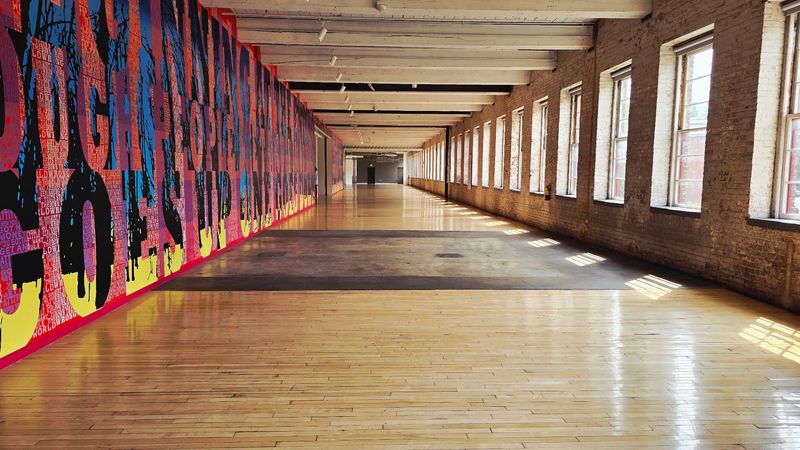
Old walls have a way of making you wonder who walked past them years ago. MASS MoCA occupies former factory buildings, and their industrial details keep that earlier life present while new art fills the rooms.
Between exhibits, take a moment to study the brickwork, windows, and other features around you.
Signs around the complex can add context about the buildings and what you can see nearby. Reading one during a gallery break helps connect your route through the museum with the site’s past.
It also gives younger visitors a simple question to consider: how can an old workplace become something entirely new?
You can make a small game of spotting contrasts. Find a weathered surface beside a carefully installed artwork, or notice how a wide factory passage now guides visitors toward a gallery.
The building is not just a container; its size and history affect the feeling of the visit.
Keep your camera ready for architecture, but check posted photography rules before taking pictures near art. A quiet look can be just as rewarding as a photo.
By the time you leave, you may remember a staircase or window almost as clearly as a favorite exhibition.
Let Contemporary Art Start a Conversation
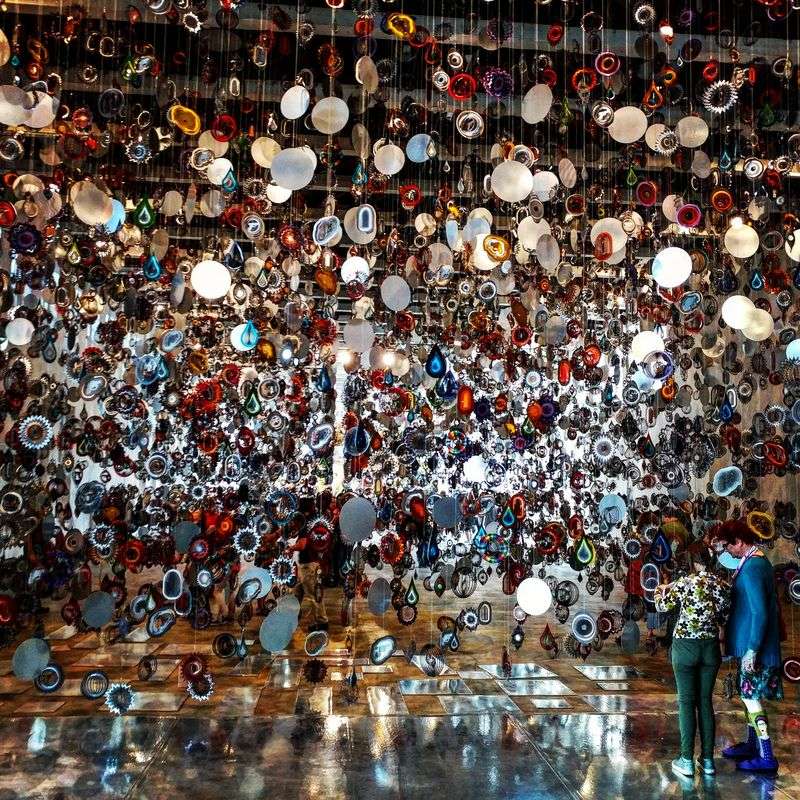
Sometimes the most memorable artwork is the one you cannot explain right away. MASS MoCA focuses on contemporary art, which can be playful, puzzling, beautiful, or uncomfortable.
You do not need to like every piece to have a good visit; wondering why an artist made it is a useful place to start.
Pick one work and ask your companion what they noticed first. Their answer may point you toward a color, material, or idea you had missed.
If you are visiting alone, read a nearby label and see whether it changes your first reaction or leaves you with a new question.
Give yourself permission to move on, too. A large museum has room for different tastes, and spending all your time trying to understand one work can leave you tired.
Balance challenging galleries with pieces that simply make you want to stop and look.
For families, an easy question is, What would you call this? There is no test at the end of the visit, so a funny answer can be the beginning of a thoughtful talk.
That freedom makes the museum welcoming even if modern art feels unfamiliar at first.
Seek Out Light and Perception Art
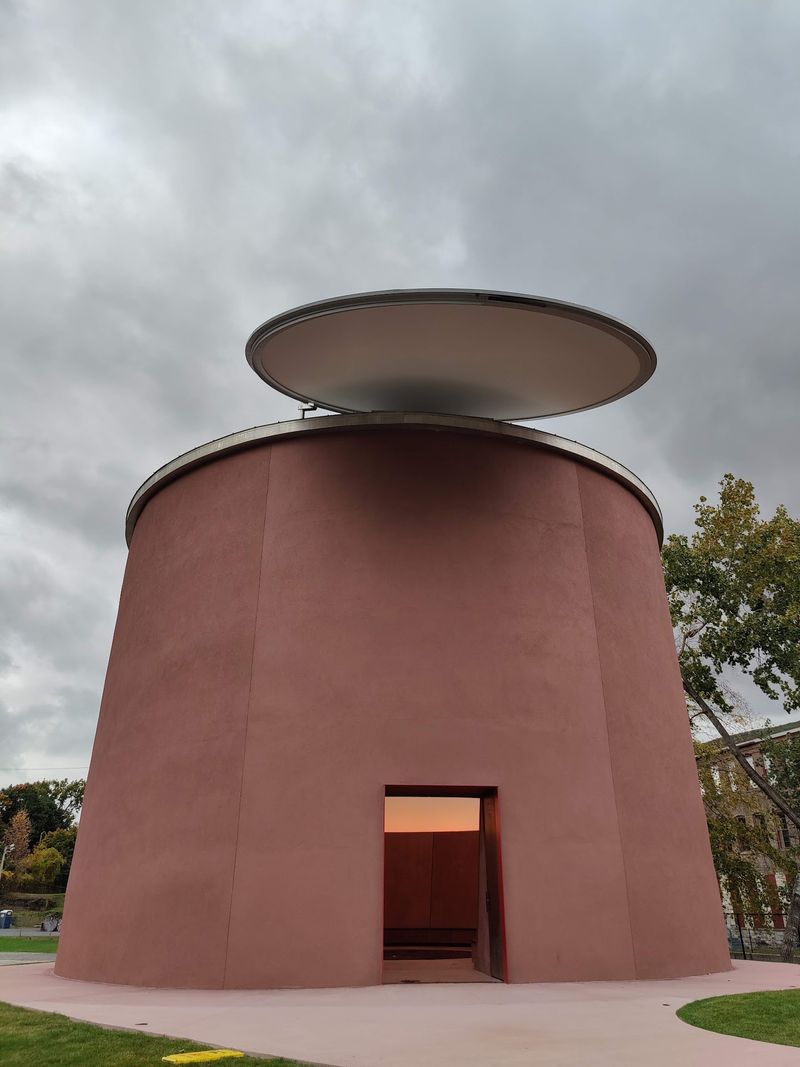
Light can make an ordinary room feel strangely new. James Turrell’s work is among the art visitors often seek out at MASS MoCA, and it invites a slower kind of looking.
Rather than hunting for an object, you may find yourself noticing color, space, and the way your eyes adjust.
Check the current museum information before you go, since access to particular works and exhibitions can change. Some experiences may have special entry rules or limits, and staff can explain what to expect.
Following their directions also helps protect the quiet feeling that makes light based art so striking.
Once you enter, resist the urge to judge the work in a few seconds. Stand or sit where permitted and notice whether edges seem to shift as you look.
A companion may describe the same space differently, which makes for an interesting conversation after you leave.
Light works offer a useful pause in a busy museum day. They ask very little from you except time and attention, two things that are easy to forget when there is so much to see.
If your schedule allows, make this stop unhurried.
Make Room for Family Artmaking
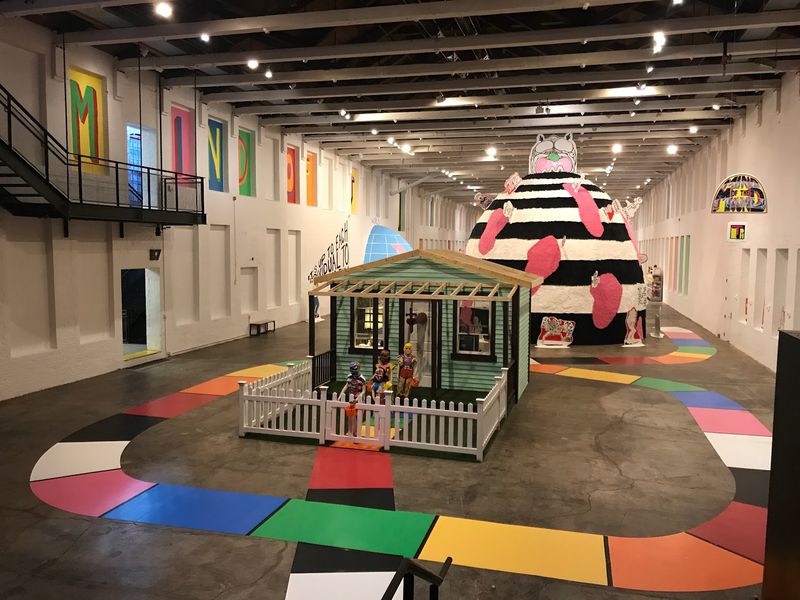
A museum visit feels different when children can make something of their own. MASS MoCA has offered family focused spaces and art activities that give young visitors a chance to respond to what they see.
After walking through big galleries, a table with materials can feel like a welcome change of pace.
Ask at the entrance about current family programs, activity spaces, or scavenger hunts, since offerings can vary. A simple search game can turn a long walk into a shared mission: find a bold color, an unusual shape, or a work that makes everyone smile.
Let children choose a gallery sometimes, even if it is not the one you expected.
For younger kids, short visits to several rooms may work better than one long stop. Take breaks for water and bathrooms, and explain any rules about touching art before you enter a gallery.
The wide range of spaces gives you options when attention starts to fade.
Do not worry about teaching a perfect art lesson. Ask what a child would add to a work or what they would create back at the activity table.
Their answer may help you see the museum with fresh eyes.
Take a Break at the Cafe
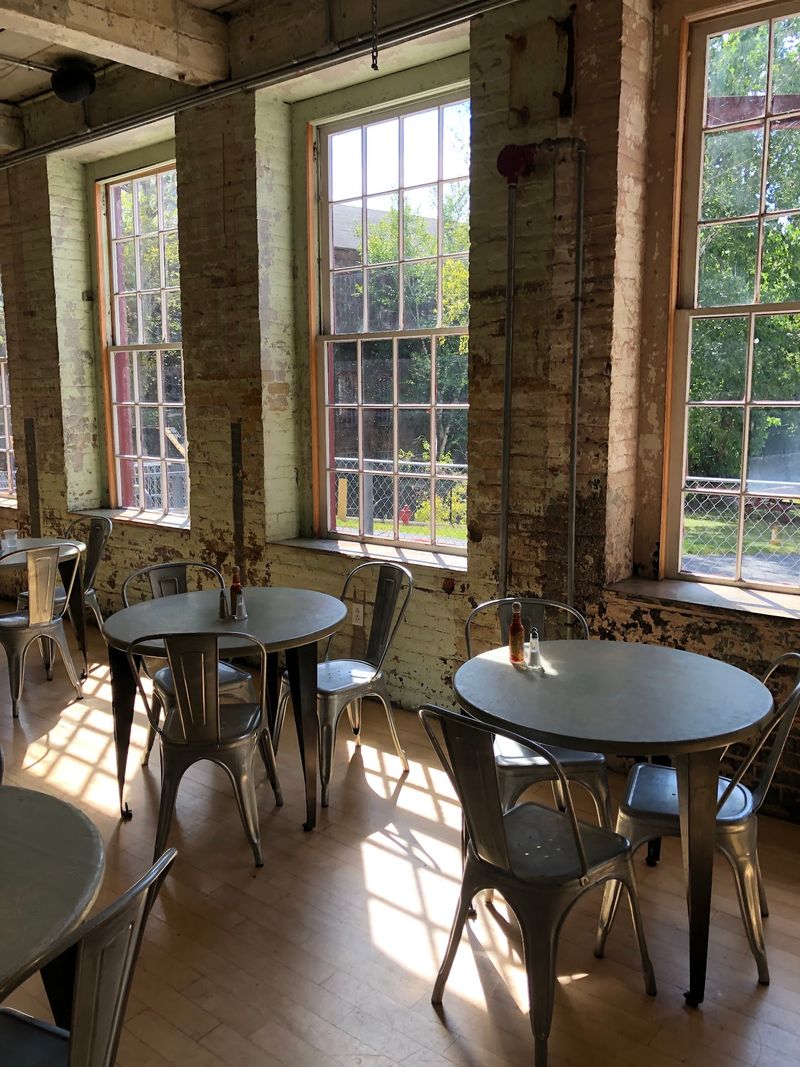
After a few galleries, even the most curious visitor may need a chair and a drink. MASS MoCA’s food and cafe options make it easier to turn a quick look into a longer outing.
A break inside the complex can be especially handy when everyone in your group wants to explore at a different speed.
Use the pause to compare favorite discoveries so far. One person might remember a huge sculpture, while another talks about a tiny detail or a surprising hallway.
That conversation can help you decide what to revisit and what to see next, without trying to cover every room.
Check current dining hours and choices before depending on a particular meal, since services can change. If you have young children, a snack break before they get tired may save the rest of the afternoon.
Visitors planning several hours should also carry water where museum rules allow it.
The cafe is more than a practical stop. Sitting for a while lets you feel the pace of this large, unusual place instead of hurrying through it.
When you head back into the galleries, a new room often feels more inviting after a little rest.
See Art and Live Performance Meet
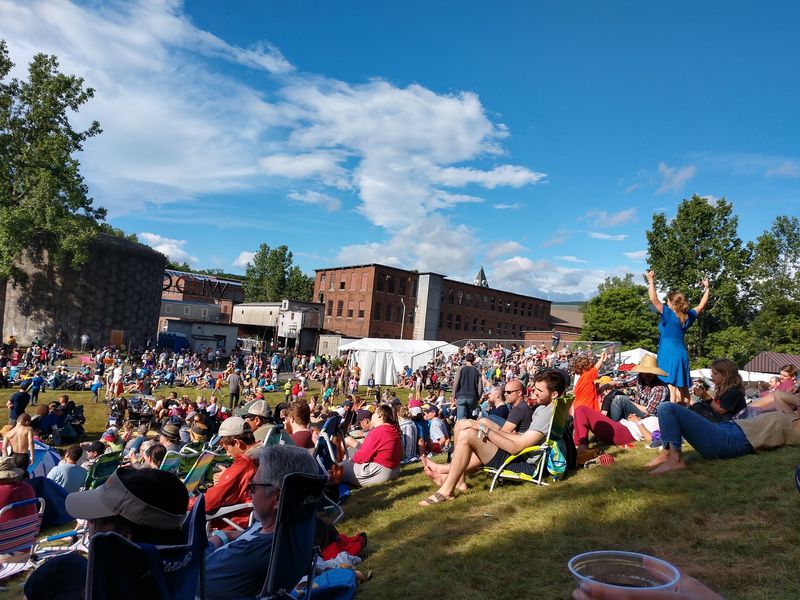
A museum visit can end with applause instead of a quiet walk to the exit. MASS MoCA is also a performing arts center, so music and other live events can add a fresh side to the old factory complex.
The setting changes the mood: galleries and brick buildings become part of your night out.
Look at the event calendar before choosing a date, because performances are not part of every regular visit. Tickets, schedules, and seating arrangements may differ from gallery admission.
If you use a mobility aid or need a particular place to sit, contact the museum about options before the event.
Outdoor events call for a little extra planning. Check the event details for what seating or other items you may bring, and dress for the weather if the performance is outside.
Arriving early gives you time to find your way through the complex without missing the opening moments.
Pairing art with a show can make a full day feel surprisingly varied. You might spend the afternoon looking closely at quiet works, then share a crowd’s energy later on.
It is another way the former mill spaces keep finding new uses.
Plan a Route That Leaves Room to Wander
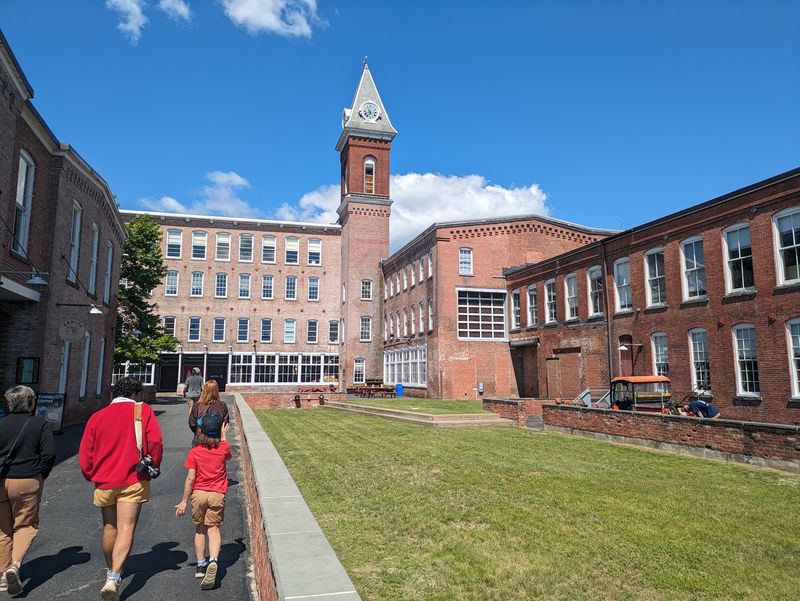
It is easy to lose track of time when another gallery waits around the corner. MASS MoCA is large enough that a short stop may leave you wishing for more, so begin with a loose plan rather than a strict checklist.
Decide which current exhibitions matter most to your group, then leave space for surprises.
Pick up or check a museum map when you arrive. It can help you connect the buildings, find bathrooms, and choose a route that avoids needless backtracking.
If stairs are difficult, ask staff about elevators and accessible paths before you set off.
Several hours can pass quickly here, especially if you read labels or spend time with installations. Wear shoes that feel good on hard floors and agree on a meeting point if your group separates.
A short rest halfway through is often more useful than trying to see everything without stopping.
Before traveling to 1040 Mass MoCA Way in North Adams, confirm current hours, admission, and any special exhibit details on the museum website. Tuesday is listed as closed in the supplied schedule, but hours can change.
A little planning makes the wandering feel free, not confusing.