Imagine a town that was once laid out in a perfect circle, then slowly squared off block by block over the years.
That is part of the quirky story of Circleville, the seat of Pickaway County in central Ohio, about 30 miles south of Columbus.
The town was founded in 1810 inside ancient circular earthworks, which is how it got its memorable name.
Every October, it hosts the Circleville Pumpkin Show, a beloved festival dating back to 1903 with giant pumpkins and pumpkin everything.
Charming downtown streets are filled with local shops, old buildings, and plenty of small-town personality.
Pack your curiosity and an appetite, because this little Ohio town has more surprises than you might expect.
A Round Town That Became Square
Imagine giving a town a shape before giving it a name. Circleville, Ohio 43113, USA began with a circular street plan laid out around ancient earthworks. That unusual design explains a name that still makes visitors smile. The original circle is no longer easy to spot while walking, but the story gives an ordinary downtown stroll an unexpected twist.
As the town grew, its streets were changed into a more familiar grid. The change made room for development, yet it also left behind a memorable puzzle. How could a place called Circleville have so many square blocks? Look at an old map beside a current one, and the answer becomes much clearer.
The earlier earthworks were made by Indigenous people long before the town existed. Their story deserves more than a quick mention in a tale about street design. When reading local history, pay attention to who built the landscape first and how later settlers changed it. That context makes the town’s unusual beginning easier to understand.
For a simple visit, start downtown and let the street names and corners guide your questions. A phone map can help you compare today’s layout with historical images found through local history resources. You may not walk a perfect circle, but you will see how a strange plan shaped a lasting identity.
The Pumpkin Show Takes Over
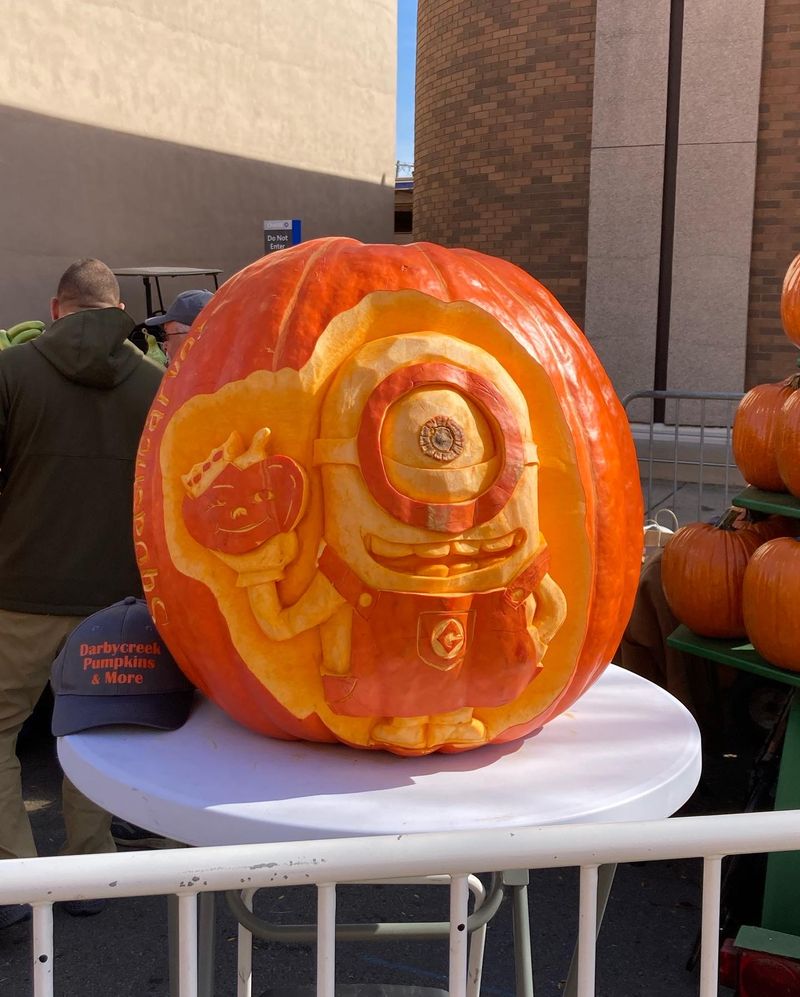
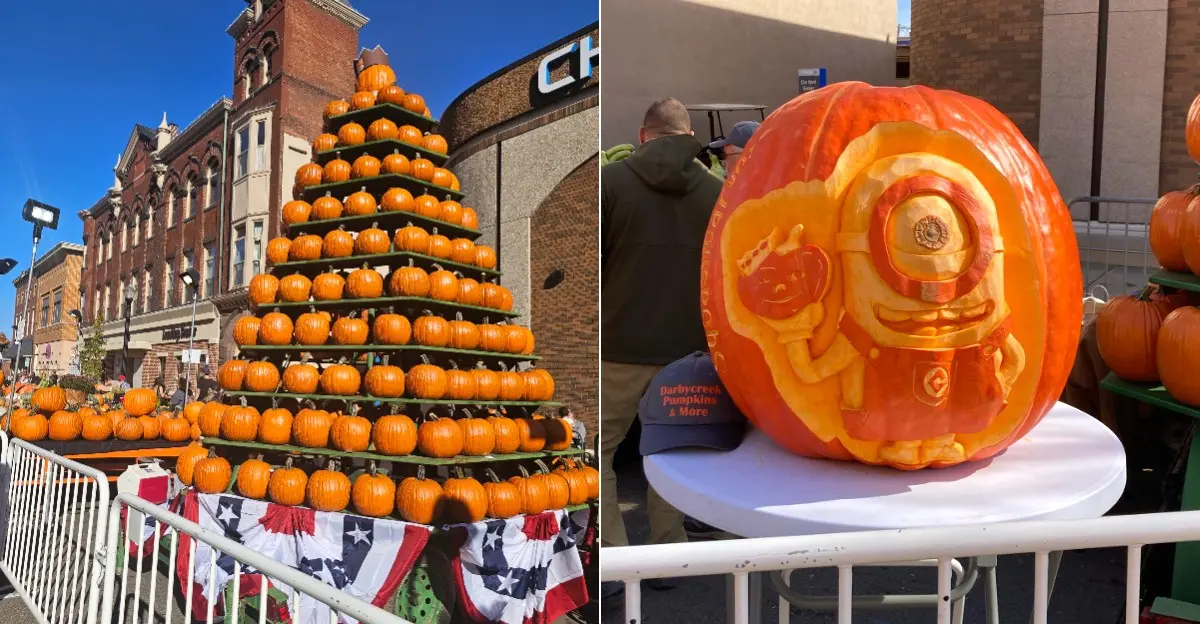
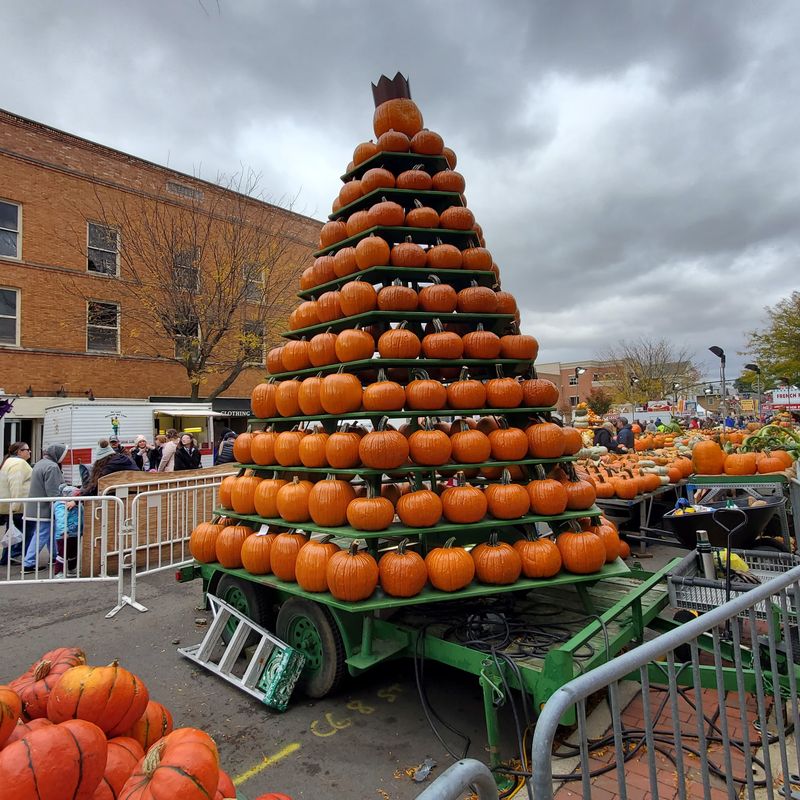
For a few days each October, pumpkins seem to have taken charge of the streets. The Circleville Pumpkin Show fills downtown with displays, food, entertainment, and a crowd ready to celebrate the harvest. It is the town’s best known tradition, but its appeal is wonderfully simple. People gather around a familiar crop and turn it into a shared event.
Large pumpkins often get plenty of attention, while smaller details reward a slower walk. Look for creative decorations, listen for music, and notice how local groups take part. A festival map or schedule helps you find activities that matter most to your group. Checking official event information before leaving home also helps with dates, parking, and street closures.
Bring comfortable shoes, since exploring several blocks is part of the fun. Popular food stands may have lines, especially during busy hours, so leave room in your plans. Families with younger children may prefer an earlier visit when walking through the crowd can feel easier. A small bag is handy for carrying purchases without tying up your hands.
The show offers more than a photo beside an enormous pumpkin. It shows how a town can build a playful tradition that brings neighbors and visitors together. Stay long enough to notice the volunteers, vendors, and performers behind the excitement. Their work is what makes the celebration feel like a community gathering.
Pumpkin Treats With Personality
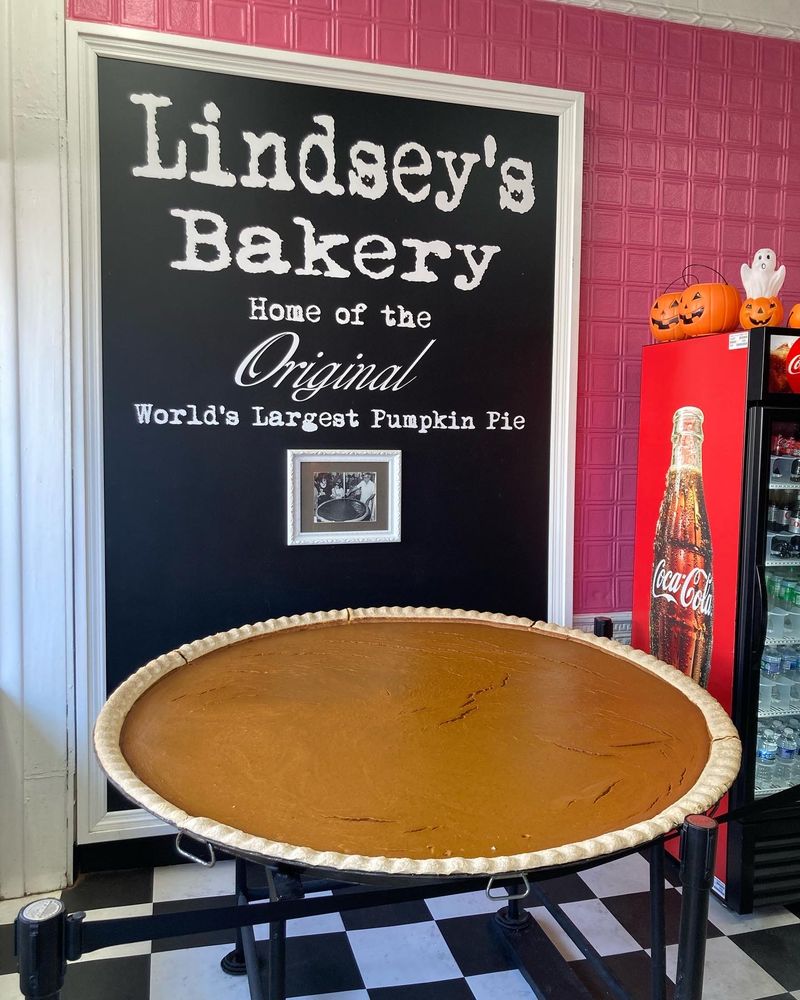
Some festival snacks barely make it from the stand to the sidewalk. At the Pumpkin Show, pumpkin flavored treats are part of the adventure, and the choices can be as memorable as the displays. A warm doughnut or a slice of pie gives visitors a tasty reason to slow down. Trying something new becomes easier when everyone shares a bite.
Food offerings can change from year to year, so treat old photos as ideas rather than promises. Walk the festival first, read posted menus, and choose what sounds good that day. If you have food allergies, ask vendors about ingredients and preparation before ordering. Pumpkin may be the star, but other foods are available for anyone who wants a break.
Carry a little water while you browse, especially if you plan to spend hours outdoors. A napkin or two can save a favorite shirt from sticky festival hands. Sharing portions lets a group sample more flavors without getting too full too soon. Save time for a proper meal if snacks will not keep you going.
There is a cheerful kind of surprise in seeing one ingredient used so many ways. The treats are not just fuel between activities; they are part of the celebration’s character. Notice which stands people recommend, but trust your own appetite. The best choice might be the one you never expected to enjoy.
Ted Lewis and a Swinging Past
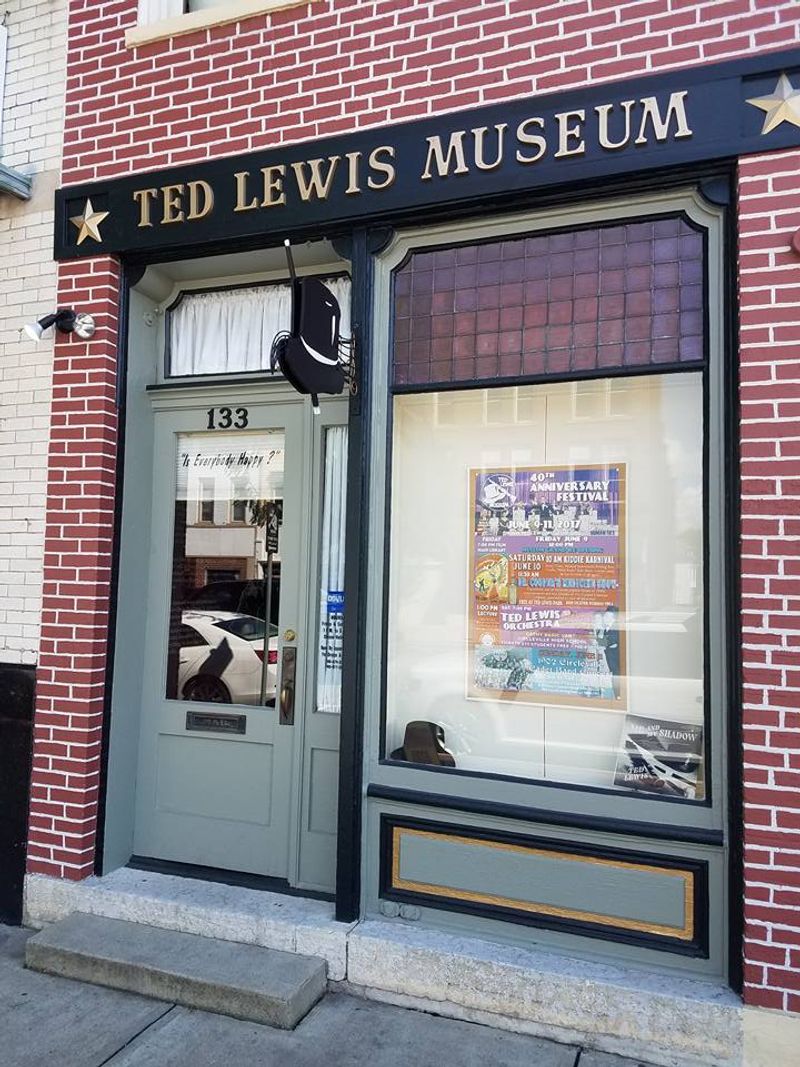
A jazz beat is not what everyone expects from a small town history stop. Yet Circleville has a strong link to entertainer Ted Lewis, who became famous as a bandleader and performer. The Ted Lewis Museum shares that connection through exhibits about his life and career. For music fans, it offers a different way to understand the town’s personality.
Even if you do not know his songs, give yourself time to study the photographs and objects. They show how performers presented themselves when live bands were major attractions. Ask about opening hours before visiting, since smaller museums may keep limited schedules. Checking for current admission details can also spare you a wasted trip.
Lewis is closely associated with a top hat and a lively stage style. Those details make him easy to remember, but the fuller story is about work, travel, and entertainment. Think about how far a performer from this town could reach before online videos existed. That question can make old records and publicity photos feel surprisingly modern.
A museum stop also changes the pace of a day spent outdoors. Step inside, take your time, and look for one object that sparks a question. If you are visiting with children, invite them to imagine what a concert sounded like without giant screens. The answer might lead to a conversation long after you leave.
Local History Beyond the Circle
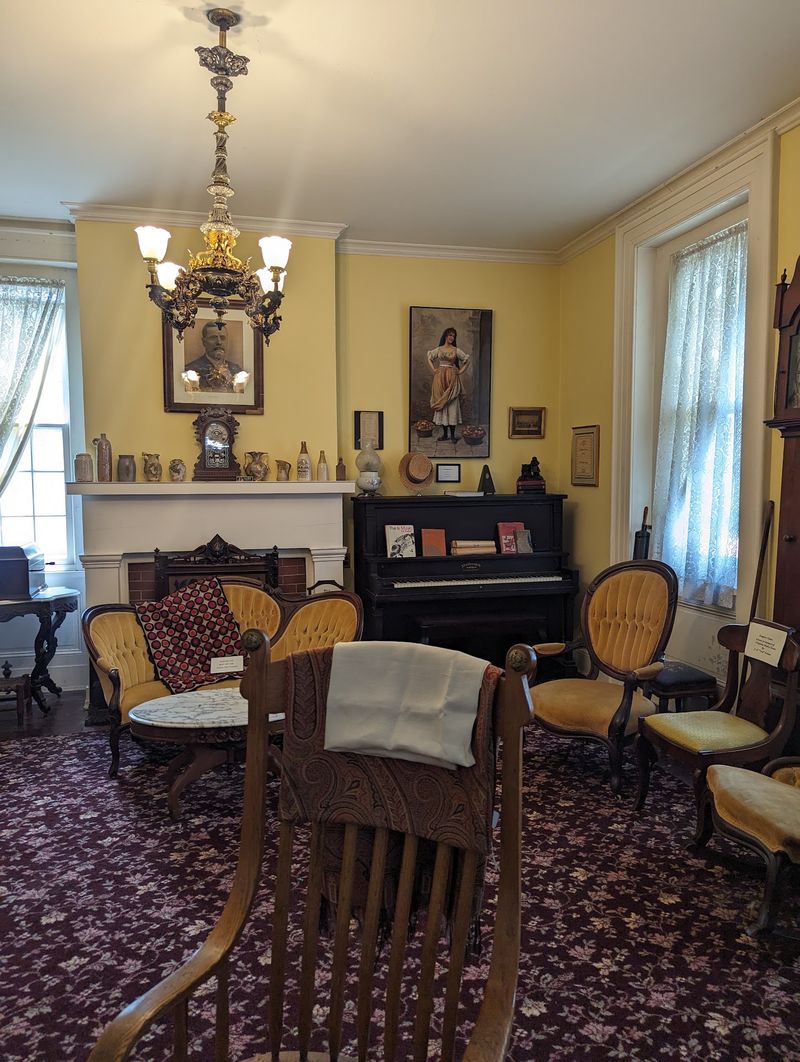
Old photographs can turn a plain looking street into a place full of clues. The Pickaway County Historical Society helps preserve stories about the area and the people who lived there. Its collections offer a useful next stop for anyone curious about life beyond the famous pumpkin celebration. Expect local history rather than a giant attraction, and give small details your attention.
A family picture, a household object, or a map can reveal how daily routines changed. Try comparing an older view with what you saw while walking downtown. What looks familiar, and what has disappeared? Questions like these make a museum visit feel less like a school assignment and more like solving a puzzle.
Before you go, check the society’s current visitor information and any exhibit schedule. Local history organizations may have limited hours or special events instead of daily access. If research is your goal, ask whether materials require an appointment. Being prepared gives you more time to explore and less time figuring out where to begin.
Consider writing down one name, date, or story that catches your eye. You can look it up later or use it to guide another walk around town. The best surprise may not be a rare object at all. It may be recognizing how ordinary lives helped shape the streets you just crossed.
A Courthouse at the Center of Things
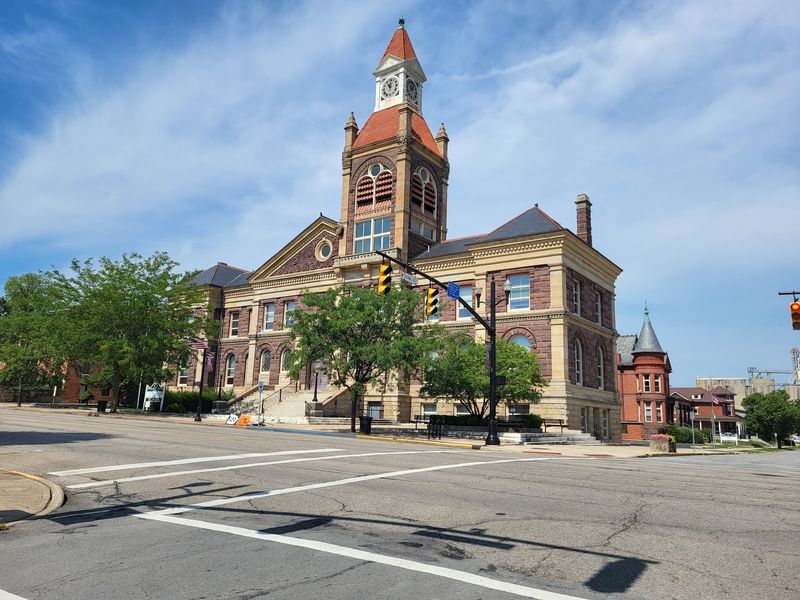
In many county seats, the courthouse tells you where to pause and look around. The Pickaway County Courthouse gives downtown a recognizable public landmark and a reminder that local decisions happen here. Its setting makes a handy point of reference while you explore nearby streets. Rather than rushing past, take a moment to notice the building and the space around it.
Look for details in the exterior, then compare them with the neighboring storefronts. Civic buildings often feel different from shops because they were made to serve another purpose. A photograph from a public sidewalk can help you remember the scene. Keep entrances clear, and follow any posted rules if you have business inside.
The courthouse also opens a useful conversation about what a county seat does. County offices and courts connect residents with records, services, and the legal system. That may sound less exciting than a festival, but it is part of the town’s everyday life. Places become more interesting when you notice both their celebrations and their regular work.
Use the landmark as a starting point for a short downtown walk. Choose a nearby block, look up at older building fronts, and notice how the street changes. If traffic is busy, cross at marked spots and take your time. You may find that the best view comes after you walk around the block.
The Scioto River’s Quiet Side

Festival streets can be loud, but the river tells a quieter story. The Scioto River runs by the town and has long been part of the area’s landscape. Waterways shaped where people traveled, settled, and worked, even when today’s visitors mainly notice the view. Thinking about that history adds depth to a peaceful moment outdoors.
Find a public place with safe, legal access before heading toward the water. Riverbanks can be muddy or steep, and conditions may change after rain. Stay back from unstable edges, keep children close, and never assume calm looking water is harmless. A short visit from a suitable viewing spot can be rewarding without getting near the current.
Bring binoculars if you enjoy watching birds or scanning the far bank. You do not need to identify every species to appreciate movement in the trees and along the water. Keep your voice low, pack out any trash, and leave plants where they grow. Those habits make the experience better for other visitors and local wildlife.
The river provides a useful contrast to the busy streets and unusual town stories. It reminds you that the landscape was here before the first blocks were drawn. Check the weather before setting out, especially if storms are possible. Sometimes the most surprising stop is simply a few minutes spent noticing what flows past.
Downtown Rewards a Slow Walk
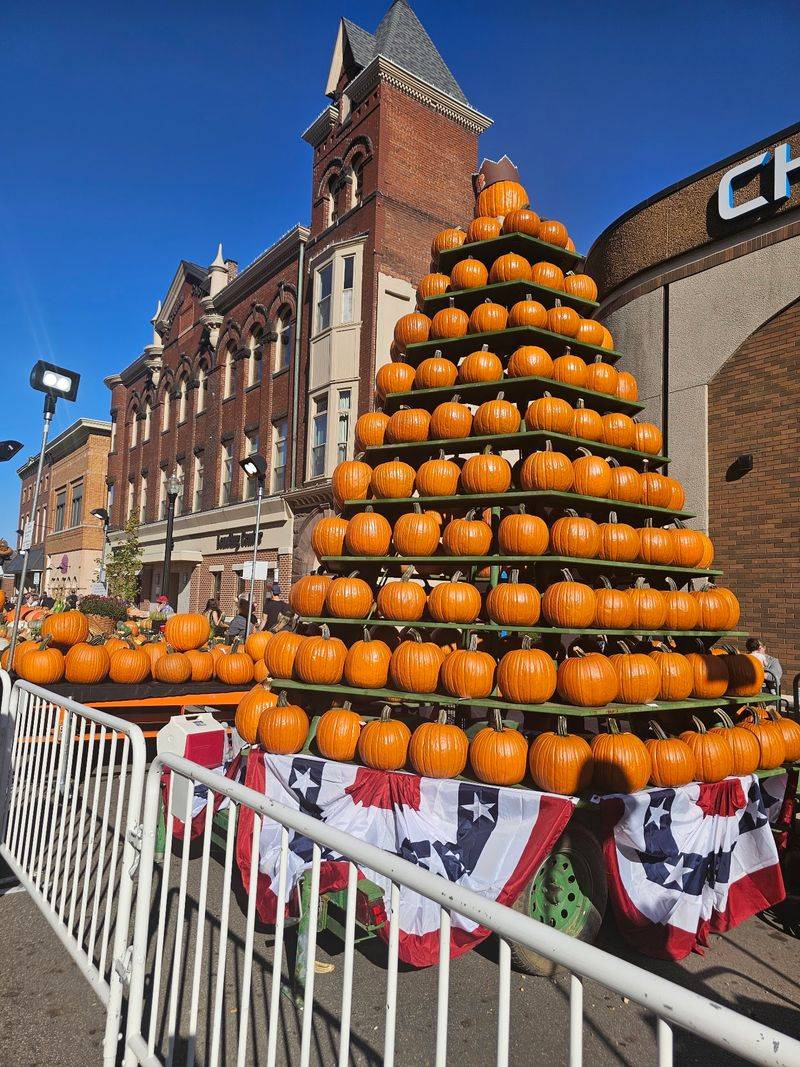
Not every surprise comes with a ticket or a crowd. Downtown storefronts, building fronts, and everyday conversations can make a simple walk feel like a small discovery. Outside festival days, the streets offer a different pace from the one seen in busy October photos. That change is part of the appeal, not a reason to skip a visit.
Start with a loose plan instead of a packed schedule. Browse businesses that are open, read posted signs, and allow time to notice details above street level. Independent shops can change hours, so check before making one store the reason for your trip. If you find something you like, buying locally is a direct way to support the people behind it.
A weekday visit may look different from a weekend walk, and seasons change the mood too. Dress for the weather and wear shoes that make several blocks comfortable. When you need a pause, look for a suitable public spot rather than blocking a shop entrance. Be patient with traffic and use marked crossings whenever possible.
There is no single correct route through a town with such an odd beginning. Let a window display, an interesting building, or a friendly recommendation shape your next turn. The reward is not checking off every stop. It is leaving with a clearer sense of the place between its famous events.