The scent of warm buckwheat pancakes can be reason enough to slow the car along Virginia’s Blue Ridge Parkway. At Mabry Mill in Virginia 24120, a historic wooden mill, gentle walking paths, and a beloved pancake tradition turn a quick roadside stop into a memorable mountain pause.
The trail here is more of an easy wander than a demanding hike, making it simple to take your time and notice the water, trees, and old mill structures along the way.
Then comes the reward: a plate of buckwheat pancakes that tastes especially satisfying after a walk through the grounds. Mabry Mill has long been one of the Parkway’s recognizable stops, but the experience feels personal when you hear the water moving beside the mill and settle in for breakfast.
Opening hours can change, so checking ahead is worthwhile. From the trail to the table, there is plenty to discover at this Virginia landmark.
A Parkway Pull-Off That Changes the Pace
The best road trip breaks sometimes begin with a simple decision: pull over and stretch your legs. After miles of mountain driving, a wooden mill beside a pond offers a welcome change from watching the scenery through a windshield.
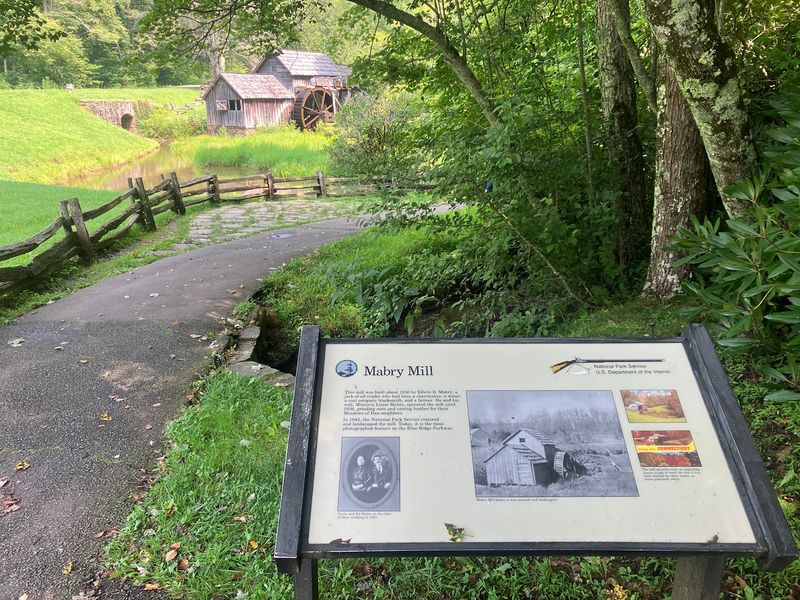
Mabry Mill sits at milepost 176.1 on the Blue Ridge Parkway in Virginia 24120. Its setting makes it an easy place to trade road noise for a slower walk, though parking can become busy during popular travel periods.
Before leaving the car, gather water, comfortable shoes, and a light layer. Mountain weather can change quickly, and a pleasant morning may turn cool or damp before you finish looking around the grounds and nearby historic exhibits at your own pace.
Check National Park Service updates before driving out, since Parkway closures can affect your approach. Give yourself enough time to explore rather than treating the stop as a quick picture, and verify restaurant availability separately if breakfast is part of the plan.
The reward is a visit that feels relaxed from the first few steps instead of rushed by the clock.
The Short Walk Beats a Race to the View
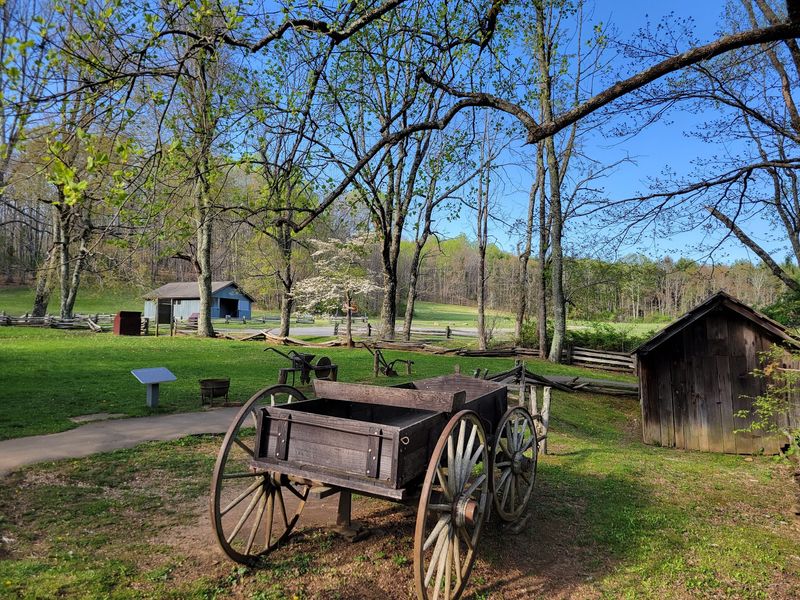
No summit is needed for a walk to feel rewarding. A few unhurried steps can reveal more than a long march when the route passes water, old buildings, and small details that deserve a closer look along the way.
At Mabry Mill, the walking route through the historic grounds is short, not a strenuous mountain hike. Think of it as a chance to explore on foot, with frequent pauses for photographs, exhibits, and whatever catches your attention beside the path.
Wear shoes with reliable grip, especially after rain, and watch for uneven spots. Visitors with mobility needs should check current accessibility information rather than assume every historic feature has the same surface or level of access during their planned visit.
Families can keep the outing flexible by letting children choose a detail to investigate, such as the waterwheel or an old tool. There is no prize for finishing fast, and the short distance leaves room to enjoy the setting without building your whole day around a demanding trek.
That easy rhythm is part of the appeal for many Parkway travelers.
A Pond Reflection Worth Waiting For
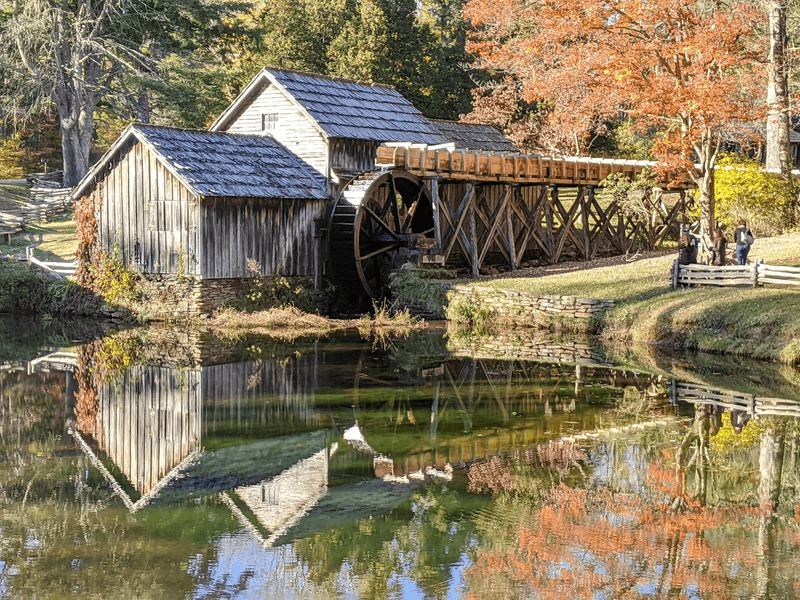
A ripple can erase the picture you wanted, then leave something better behind. Watching the pond for a moment turns a familiar photo stop into a small lesson in patience, especially when the water briefly settles beneath the wooden mill.
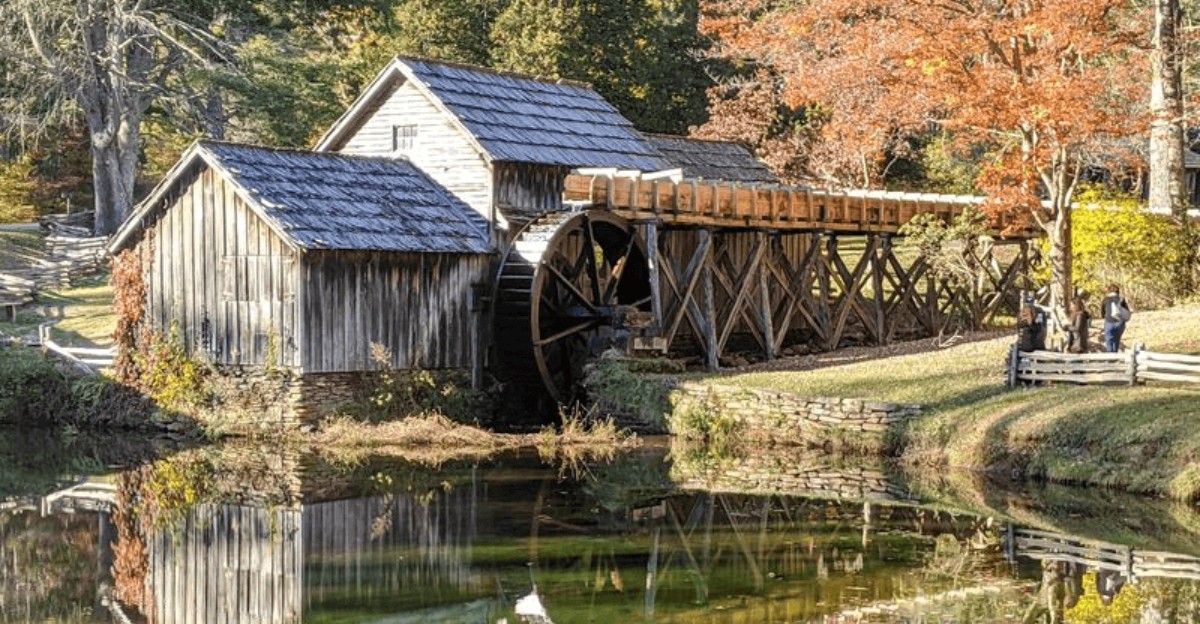
The pondside view at Mabry Mill is one of the site’s best known scenes. Weathered boards, the waterwheel, and their reflection create a pleasing image without needing a dramatic sky or a complicated camera setup to make it work.
Try framing the building with a little space around its edges instead of squeezing everything tightly into the shot. Early or later daylight can be softer than midday sun, although weather and the season will shape the scene you actually find.
Stay on designated paths and respect barriers rather than stepping toward the water for a cleaner angle. If the popular viewpoint is crowded, wait your turn or look for a different frame from an allowed spot.
A good photograph should not come at the cost of someone else’s visit, and watching the reflection is enjoyable even when your phone stays tucked away.
Old Boards Tell a Working Story
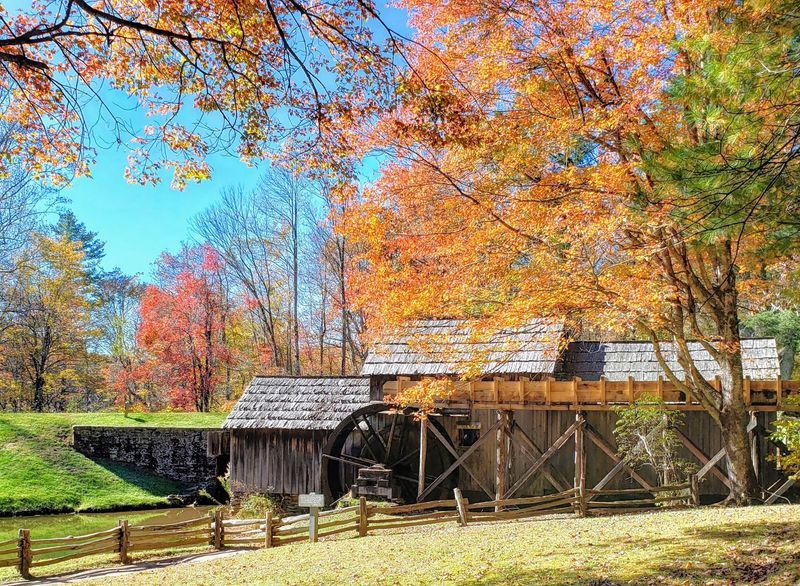
Pretty buildings can hide a surprisingly practical past. Before the cameras and vacation stops, a mill like this answered everyday needs, turning the power of moving water into work that helped a rural community feed itself and build useful things.
Edwin Boston Mabry began developing Mabry Mill in the early 1900s. The site became associated with grain grinding, sawmilling, and woodworking, which makes the building more than a lovely backdrop beside the Blue Ridge Parkway for passing travelers today.
Look at the structure with its original purpose in mind. The wheel, wooden walls, and working spaces become easier to understand when you imagine grain arriving to be ground or lumber needing to be cut for a practical project.
Read the interpretive signs before moving on, and let younger visitors explain one fact back in their own words. That simple habit can turn a history stop into a conversation instead of a lesson to hurry through.
Even when interior access or demonstrations are unavailable, the outside view provides a useful starting point for thinking about mountain life before modern machines changed daily work.
Follow the Waterwheel’s Quiet Logic
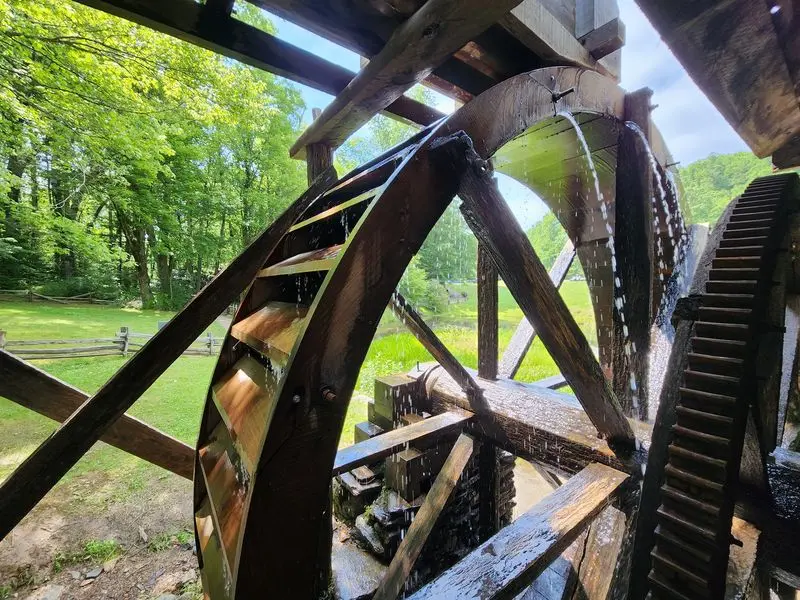
One large wheel can make an old machine feel suddenly understandable. Instead of hidden wires and buttons, you see a clear idea: moving water supplies power, and that power can help turn machinery inside a building through connected mechanical parts.
The waterwheel at Mabry Mill gives visitors a useful starting point for understanding the gristmill. Its shape draws the eye, but the more interesting question is how the wheel’s movement relates to the work once performed inside the wooden structure.
Take time to study the wheel from permitted viewing areas, then compare what you see with the site’s signs. Do not assume it will be turning during your visit, since operation can depend on conditions, maintenance, and the day’s activities.
Children may enjoy imagining how they would move heavy equipment without electricity, while adults can appreciate the skill behind such a practical system. Keep hands away from machinery and respect any closed areas.
Whether the wheel is moving or still, looking closely gives the stop more depth than a quick photograph could, and makes the building’s working history easier to picture.
Small Exhibits Make Mountain Life Feel Close
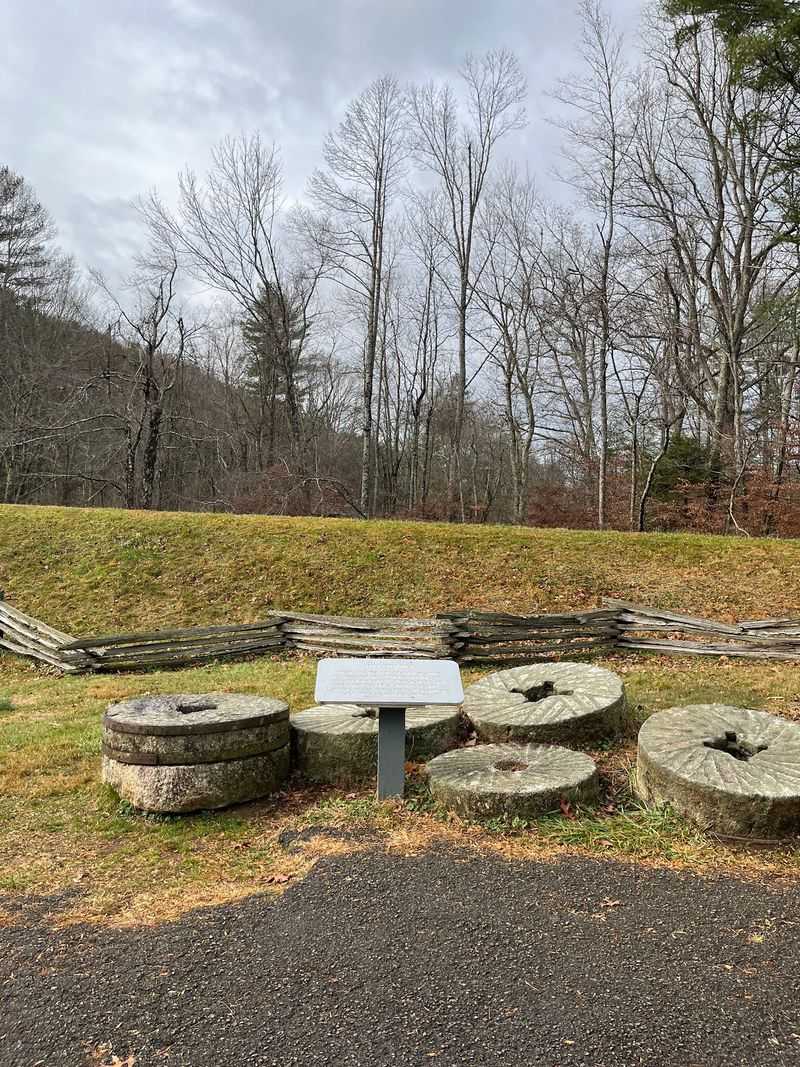
A worn tool can hold your attention longer than a grand view. Its handle suggests the shape of someone’s hand, while its purpose offers a clue about chores that once filled a day from morning until the light began fading.
Around Mabry Mill, historic exhibits help place the mill within a broader picture of rural mountain life. Rather than looking only at the main building, follow the visitor route and notice the other features presented along the grounds as you walk.
Use the interpretive information to understand what belongs to the mill’s own story and what illustrates regional history. That distinction matters, because a historic display can teach about a wider community without every object having originated on this exact spot.
Choose one exhibit to study carefully instead of trying to memorize every label. Ask what job it helped complete, who might have used it, and how that task happens today.
This approach makes the visit feel personal without needing a guidebook full of dates. It also gives everyone something to discuss later, whether the next stop is the restaurant or the car.
Catch a Demonstration When the Timing Works
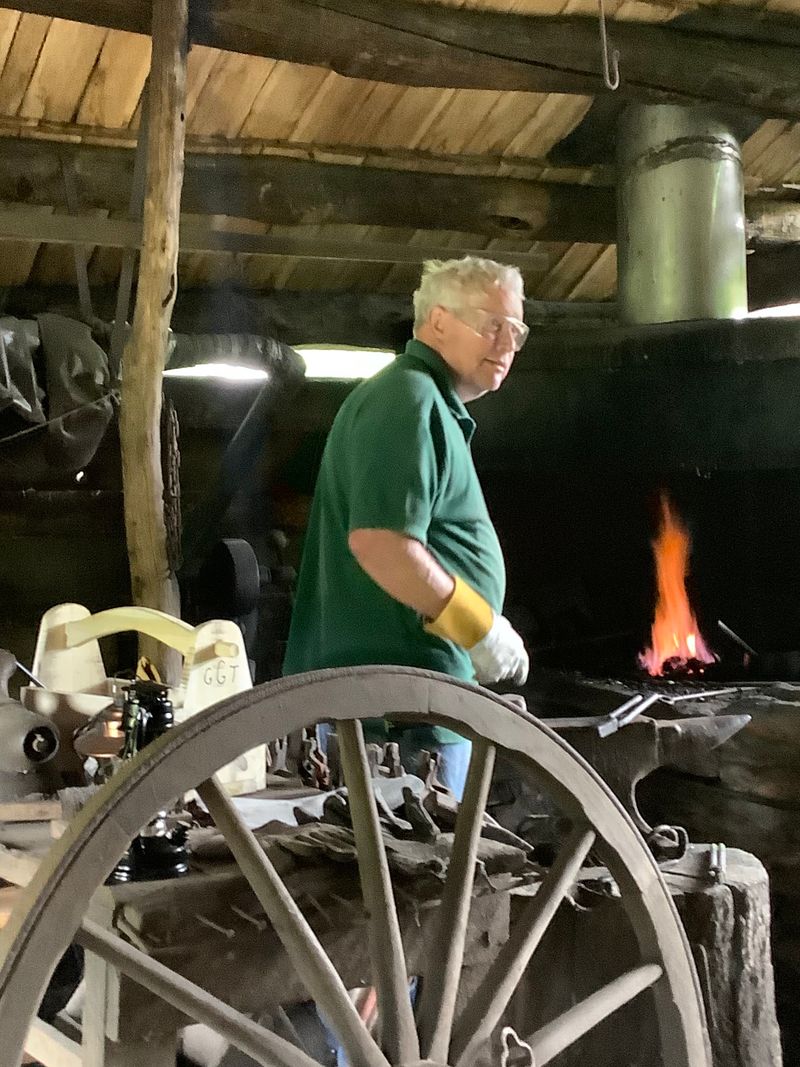
The moment someone explains an old skill, a quiet display can come alive. A tool that seemed puzzling starts to make sense, and the amount of practice behind an ordinary household task becomes much easier to appreciate while you watch.
Mabry Mill is known for interpretive demonstrations that help visitors understand traditional work and mountain history. Activities vary, so treat them as a possible highlight rather than a promise attached to every visit throughout the year or every opening day.
Check the National Park Service’s current schedule before traveling, then ask staff what is happening when you arrive. If a demonstration is underway, stand where directed and give the person working enough room to handle tools safely and explain each step.
A thoughtful question often adds more than taking another photograph. Ask how long a skill took to learn or why a certain tool was useful, then listen for details you would not notice on your own.
When no demonstration is offered, the exhibits still provide plenty to explore. Planning ahead simply improves your chances of seeing the human side of the site’s working history.
One Last Look Makes the Stop Stick
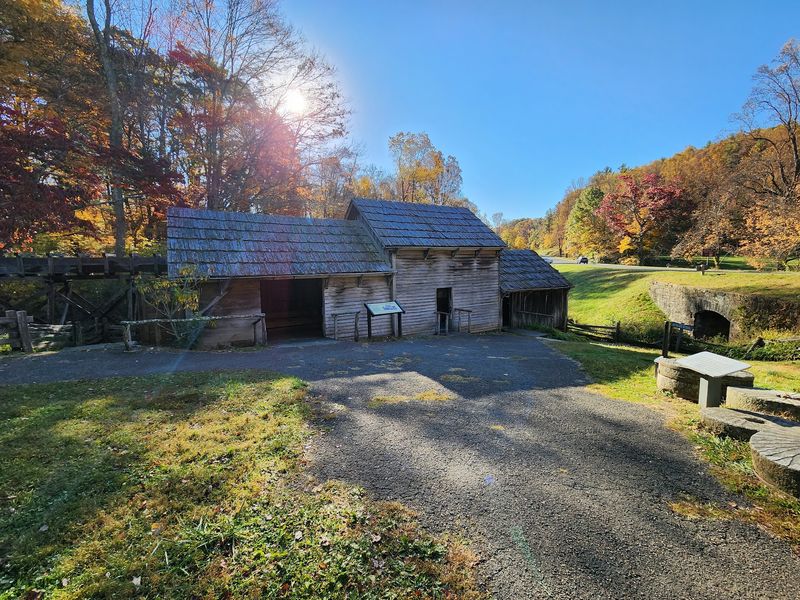
Leaving can reveal what you missed when you arrived. Once the first photograph and the first burst of excitement are behind you, a familiar scene often feels richer, with smaller details finally getting their turn to hold your attention for a moment.
Before heading back onto the Blue Ridge Parkway, give Mabry Mill one last look from a designated viewpoint. Notice the weathered wood, the pond’s changing surface, or the way the wheel fits beside the building rather than chasing another perfect picture.
Check that you have your belongings, collect any trash, and use available visitor facilities before continuing your drive. If you bought food or drinks, keep the grounds clean and follow posted rules about where eating is allowed during your visit.
The stop does not need a difficult hike or a packed schedule to feel worthwhile. Its appeal comes from the connection between landscape, useful old machinery, and a food tradition that travelers hope to experience.
When pancakes are available, they add a memorable finish; when they are not, the mill still offers a satisfying reason to slow down and explore on foot.