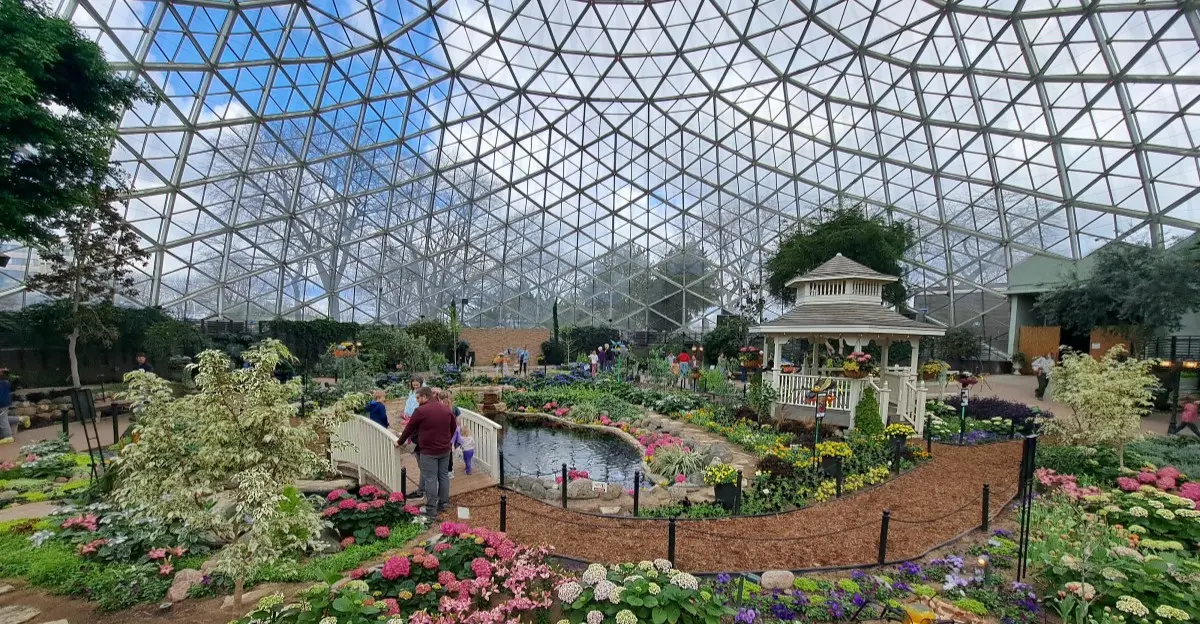
One minute you can be walking through Milwaukee, and the next you are surrounded by palms, desert plants, or a burst of seasonal color beneath glass. At Mitchell Park Domes Horticulture Conservatory on S.
Layton Boulevard, three distinctive domes create different plant-filled environments in the heart of the city. The Tropical Dome feels warm and lush, while the Desert Dome brings a strikingly different landscape into view.
The third space, the Show Dome, changes with seasonal displays rather than representing a separate natural climate, giving returning visitors something new to discover throughout the year. Inside, winding paths lead past towering leaves, spiky succulents, fragrant flowers, and carefully arranged gardens.
It is the kind of place where you can slow down and notice details that might otherwise be missed. As you move from one dome to another, each space reveals its own atmosphere, plants, and small surprises waiting around the next curve.
A Glass Skyline Sets the Scene
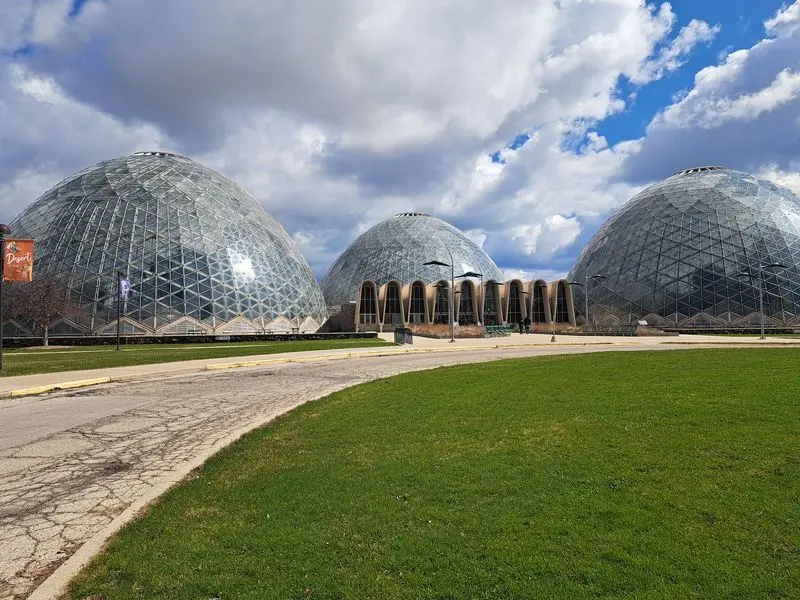
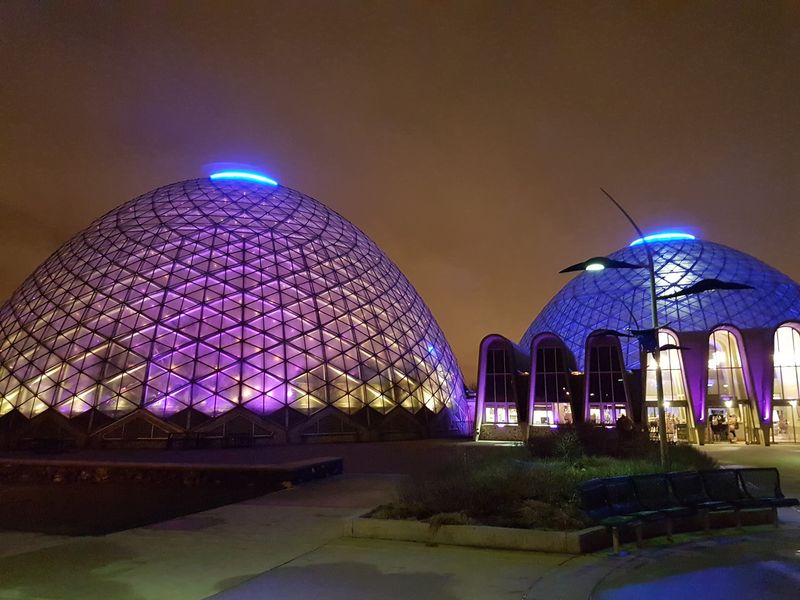
Before a single leaf comes into view, the buildings themselves give you a reason to pause. Three rounded glass domes rise above the grounds, looking quite different from the usual museum or garden entrance.
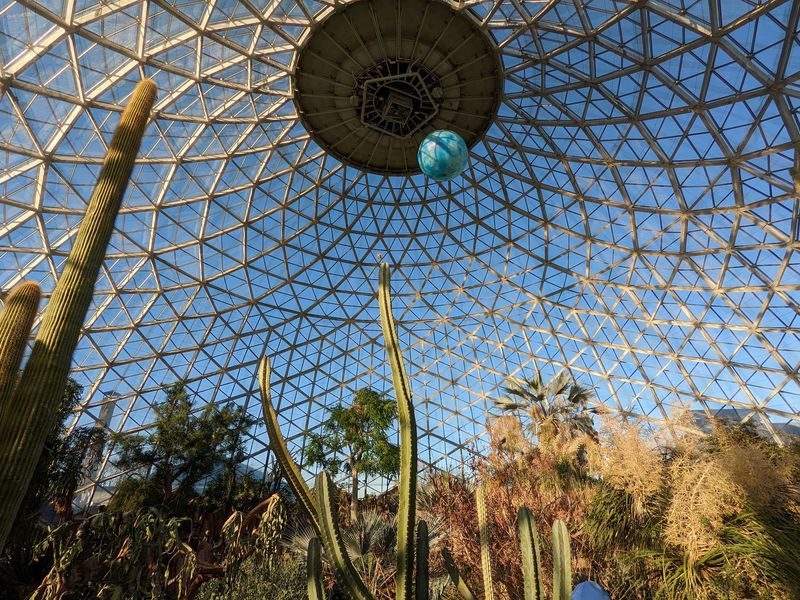
At Mitchell Park Domes Horticulture Conservatory, that unusual shape is part of the experience. From outside, notice the repeating glass panels; once indoors, look upward to see how the framework surrounds the plants and opens the room to daylight.
Take an exterior photo before heading inside, especially if the sky gives you a clean background. A wider view helps show all three structures together, while a closer shot brings out their patterns and curves without needing fancy camera equipment.
Save another look for the end of your visit, when you can connect each dome with the landscape you explored beneath it. The contrast between Milwaukee outside and the planted worlds inside makes the architecture feel more meaningful.
Rather than rushing straight to the ticket desk, give yourself a few minutes to enjoy the building that makes this indoor garden such a recognizable local sight in every season.
Tropical Warmth Changes the Mood
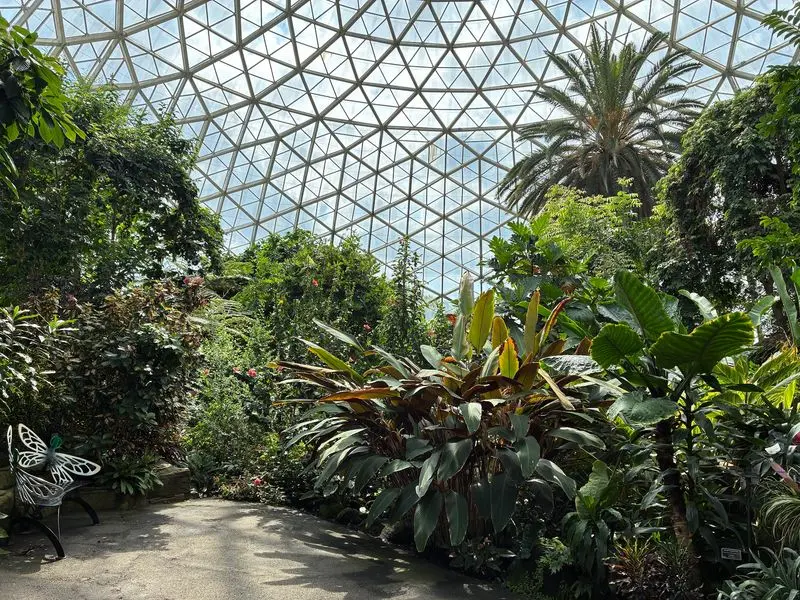
Your coat may suddenly feel like too much clothing. The Tropical Dome trades the weather outside for a warm, leafy setting where tall plants and broad leaves pull your attention in several directions at once.
Inside Mitchell Park Domes, the tropical collection offers a close look at plants suited to warm conditions. Instead of trying to see everything immediately, follow the walkway and notice how different layers of growth fill the space from the ground upward.
Wear layers you can comfortably remove, especially during a winter visit. If your camera lens fogs after entering, let it adjust before taking pictures, and avoid blocking the path while you wait for a clear view of the greenery.
The best moments often come from slowing down beside one plant rather than scanning the whole room. Look at the size of a leaf, the shape of a stem, or the way light passes through the canopy.
That small shift in attention turns a warm indoor walk into something richer: a chance to notice living details that rarely appear along an ordinary Milwaukee sidewalk.
Desert Plants Reveal Clever Survival Tricks
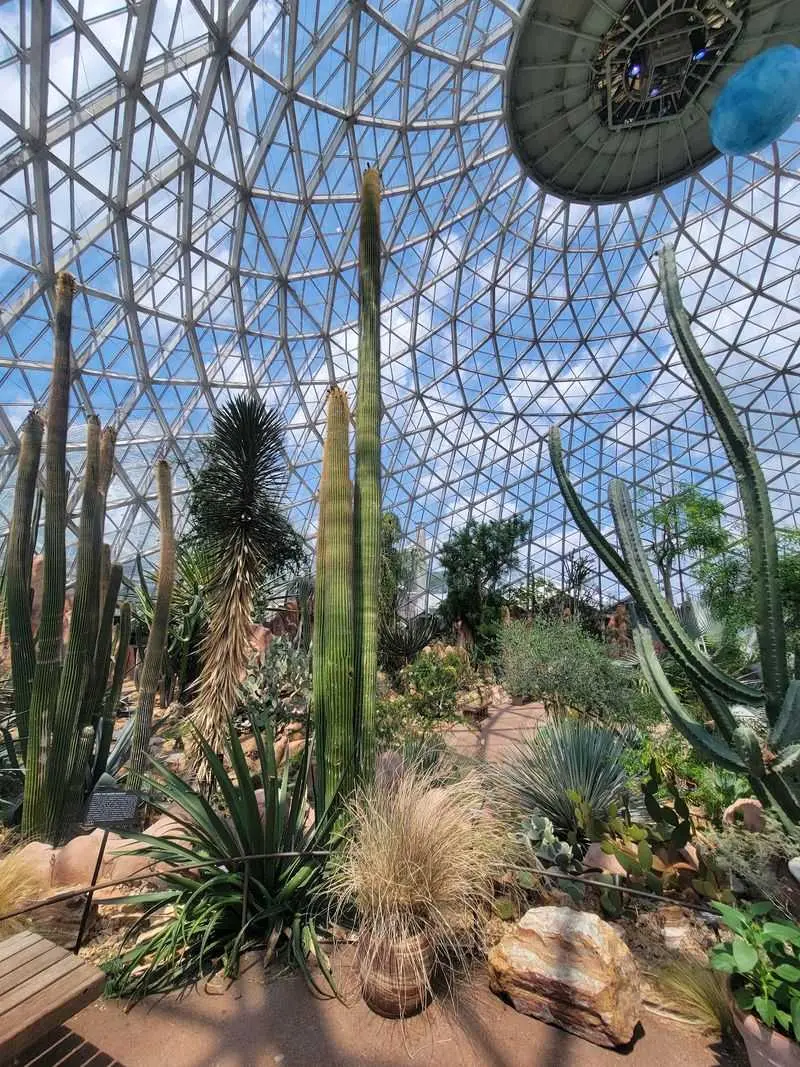
Spines, thick leaves, and strange shapes make this garden feel almost like a collection of living sculptures. After the lush tropical setting, the Desert Dome offers a striking change in both scenery and plant design.
At Mitchell Park Domes Horticulture Conservatory, cacti and other succulents show how plants manage life with limited water. Thick stems and fleshy leaves can store moisture, while smaller leaf surfaces help some species reduce water loss in dry conditions.
Keep your hands away from the plants, even when a fuzzy surface looks inviting. Some cactus spines are tiny and difficult to spot, so the safest way to study their textures is from the walkway, with your eyes or a camera.
Try comparing two plants that seem completely different at first glance. One might grow upright, while another forms a low cluster, yet both have ways to handle a dry environment.
Reading the nearby labels adds names and context to those observations. You do not need a science background to enjoy the display; curiosity and a little patience are enough to make each unusual shape worth another look.
The Show Dome Keeps the Story Moving
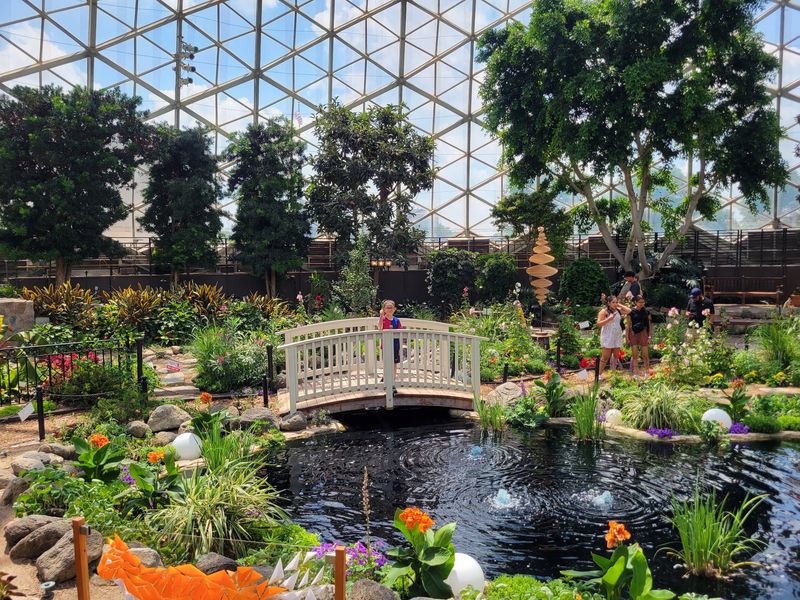
A familiar place can still surprise you when one whole garden changes its look. The Show Dome brings that sense of discovery through seasonal displays, giving returning visitors something different to notice throughout the year.
Unlike the tropical and desert collections, this part of Mitchell Park Domes is designed around changing shows. Flowers, planting arrangements, and themed elements can reshape the room, so photographs from a previous visit may not match what you find next.
Check the official calendar before planning your trip around a particular display. The Show Dome can close while staff prepare the next installation, and seeing all three spaces depends on choosing a date when this garden is open.
Once inside, take in the full arrangement before moving closer to individual blooms. Colors that seem bold from across the room often reveal softer details when you study the petals and leaves.
This is a good place to enjoy the work behind a garden, not just the plants themselves. A return visit can feel fresh without requiring a new destination, which gives local families and regular visitors a reason to keep coming back.
Tiny Trains Add a Playful Detour
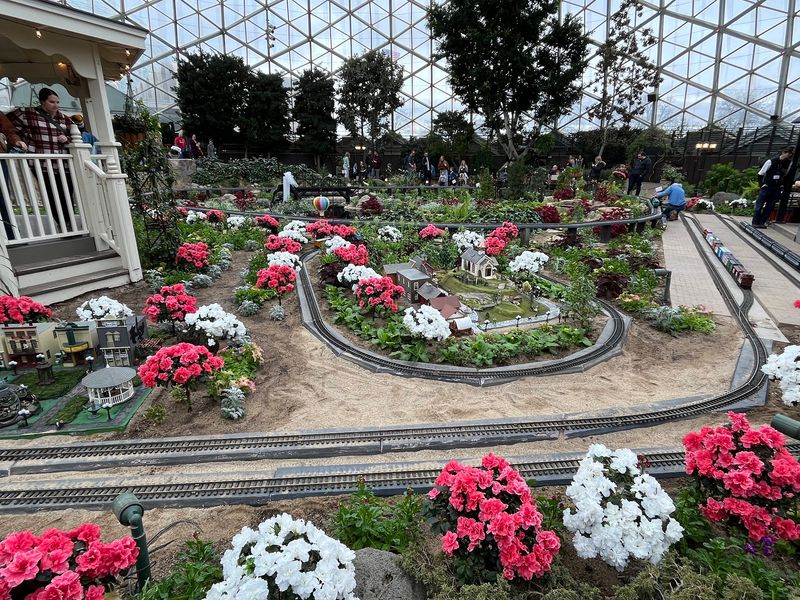
A small train rounding a bend can hold attention longer than anyone expects. During model railroad shows, the movement adds a playful layer to the planted scenery and gives visitors another reason to linger.
The seasonal train displays at Mitchell Park Domes belong to the Show Dome experience, not a guaranteed everyday attraction. Check the current schedule before promising children a railroad visit, since the room hosts different displays at other times.
When a train show is running, choose a viewing spot that leaves space for others to pass. Watch how the tracks fit into the surrounding garden, and challenge younger visitors to spot the train again after it disappears behind part of the display.
Adults can enjoy the scene just as much, especially by noticing the careful relationship between miniature scenery and living plants. A low camera angle may capture the tiny world well, provided you stay behind any barriers and keep clear of the walkway.
There is no need to hurry through this section. Waiting for another pass gives everyone time to catch a detail they missed the first time around.
Familiar Foods Look Different on the Plant
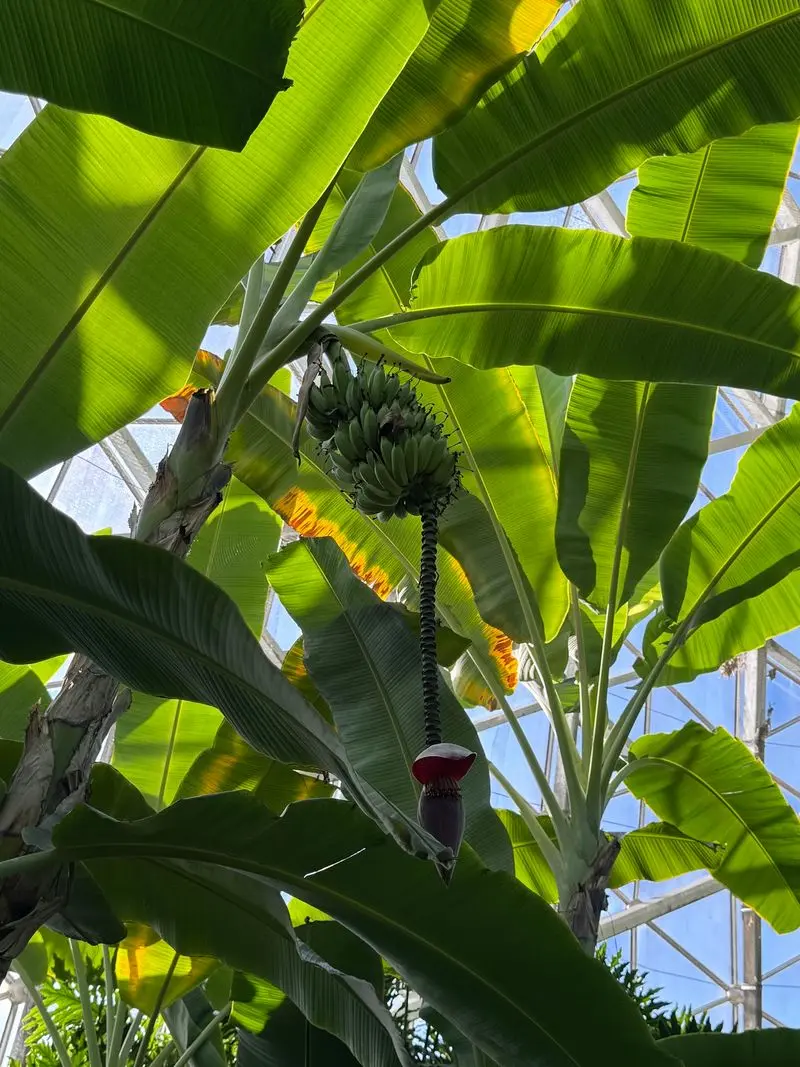
The grocery store rarely shows the whole story behind a piece of fruit. Seeing a food plant growing among tropical greenery can turn something familiar into a surprisingly interesting part of your day.
Visitors to the Tropical Dome at Mitchell Park Domes have noted banana plants among the collection. Look for their broad leaves and read the labels, but remember that visible fruit depends on the plant and the timing of your visit.
Use the moment to connect the garden with everyday life rather than treating every specimen as something distant or exotic. Ask children which foods they recognize by name, then compare the living plant with the smaller portion they usually see at home.
A simple photograph of the plant and its label can help you remember what you learned later. Keep expectations flexible, since a conservatory is a living collection rather than a display where every plant performs on demand.
Even without fruit, a familiar name can change the way you look at a leaf or stem. That connection between ordinary meals and growing things makes the tropical walk feel especially rewarding for curious visitors.
Plant Labels Turn Wandering Into Discovery

One small sign can turn a pretty plant into a story you remember. Names and growing information give your walk a little more depth, especially when something unusual catches your eye along the path.
Throughout Mitchell Park Domes, plant labels help visitors understand what they are seeing. You can move at your own pace, stopping for the specimens that interest you instead of feeling you need to study every sign in every room.
Pick a simple theme for your visit, such as leaf shapes, water storage, or plants you might recognize from home. Looking for that theme across the tropical and desert collections makes their differences easier to understand without turning the outing into homework.
If a label raises a question, ask a staff member when someone is available to help. Visitors often praise the welcoming staff, though detailed conversations will depend on how busy the day is.
Photographing a label beside the plant also gives you something useful to look up afterward. The reward is not memorizing a long list of names; it is leaving with a few discoveries that make plants feel more interesting.
A Family Walk Becomes a Search Game
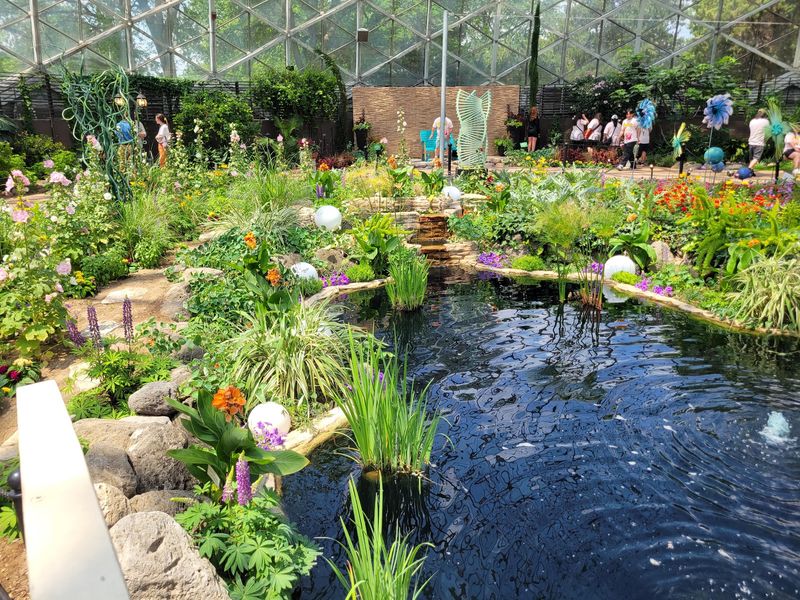
Give a child one thing to find, and an ordinary walk can become a mission. A giant leaf, a prickly plant, or a flower in a favorite color offers a simple starting point.
Mitchell Park Domes gives families plenty of variety without requiring a long outdoor hike. Visitors have mentioned scavenger hunts and educational activities, so ask at the entrance what is available that day rather than assuming every program runs all the time.
You can also make your own quiet search game as you walk. Compare the broad leaves in the Tropical Dome with the smaller or thicker forms in the Desert Dome, and let each person choose one plant they would like to learn about.
Keep the game focused on looking, not touching or collecting. Stay together on the paths, step aside when stopping, and build in pauses before younger visitors lose interest.
A shorter visit with a few memorable discoveries can work better than trying to inspect every corner. The changing scenery helps keep the outing lively, while shared observations give adults and children something to talk about long after they leave.
Slow Down for Better Views and Photos
Not every good travel moment needs an activity attached to it. Sometimes the most satisfying part of a garden visit is finding a place to pause and letting your eyes settle on the scene.
At Mitchell Park Domes, visitors have described enjoying different views from benches and taking another lap through the gardens. A second pass can reveal a flower, leaf pattern, or angle of the glass roof that escaped your attention earlier.
For photographs, try one wide view, one plant portrait, and one close detail rather than taking the same shot repeatedly. Let natural light guide your choices, avoid leaning into planted beds, and move aside before reviewing pictures on your phone.
Allow roughly an hour to ninety minutes for an unhurried introduction, with more time if you enjoy reading labels or studying displays. Some visitors finish sooner, so think of that range as a planning aid rather than a rule.
The point is to leave enough breathing room for your own interests. A peaceful stop beneath the glass can be as memorable as the most colorful flower you photograph during the visit.
A Little Planning Protects the Experience
The easiest way to spoil a three dome outing is to arrive when one room is between shows. A quick check before leaving home helps keep the day focused on plants rather than surprises.
Mitchell Park Domes Horticulture Conservatory is at 524 S Layton Blvd, Milwaukee, WI 53215. The supplied schedule lists opening at 9 a.m. daily, with closing at 5 p.m. on weekdays and 4 p.m. on weekends; confirm current hours before traveling.
Use the official website, mitchellparkdomes.com, to check admission, seasonal exhibits, and any closures. Discount eligibility and special offers can change, so rely on current information rather than older reviews, and call 414-257-5600 if you need help with specific access questions.
Wear comfortable walking shoes and layers that work across the different indoor environments. Before paying, ask whether all three domes are open and whether any activities are scheduled during your visit.
Those small checks make it easier to choose your route and set realistic expectations. With the practical details settled, you can spend your time enjoying the contrast between dry landscapes, tropical growth, and the Show Dome’s changing seasonal garden.