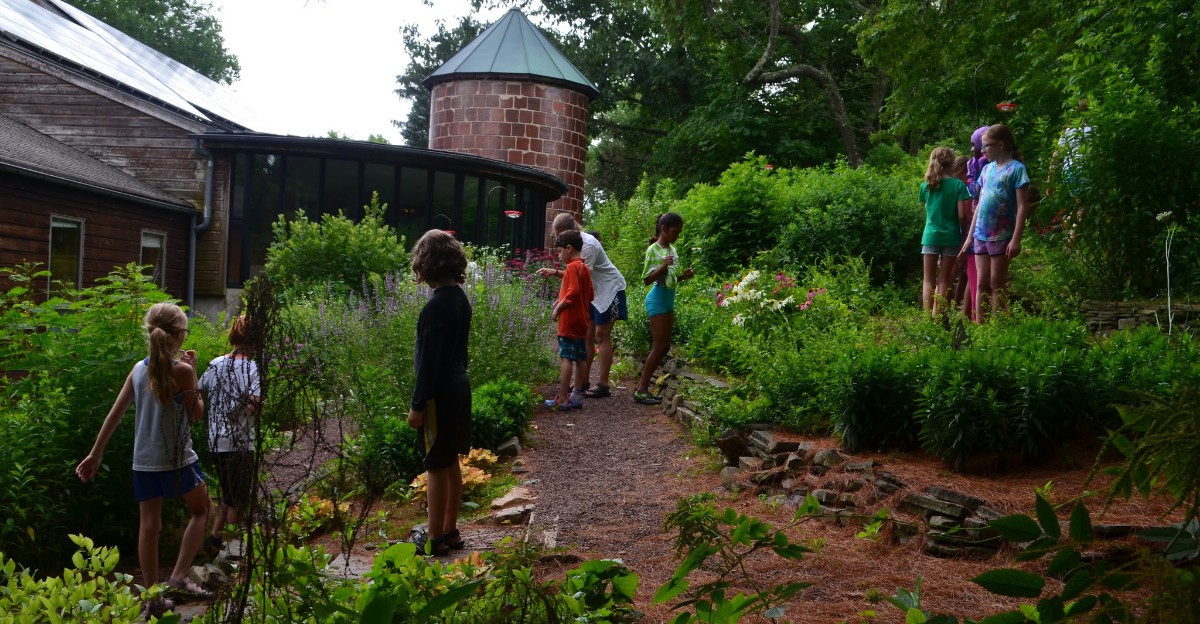
A butterfly can turn a simple walk into a full stop, especially when little hands point excitedly toward every flash of color. At Ashland Nature Center in Hockessin, Delaware, butterfly watching gives children a reason to slow down, look closely, and notice details they might otherwise miss.
Bright wings move between flowers while leafy trails and quiet corners create plenty of opportunities for curious young explorers to see nature up close.
The experience is more than spotting a pretty insect. Watching a butterfly land on a flower, follow a winding path, or disappear into the greenery can spark questions about plants, seasons, and the creatures that depend on them.
Parents may find themselves learning alongside their children as the walk unfolds. Bring comfortable shoes, a little patience, and plenty of curiosity, because the smallest discoveries can become the stories kids remember long after they leave Ashland Nature Center.
A Flash of Wings Becomes the Main Event
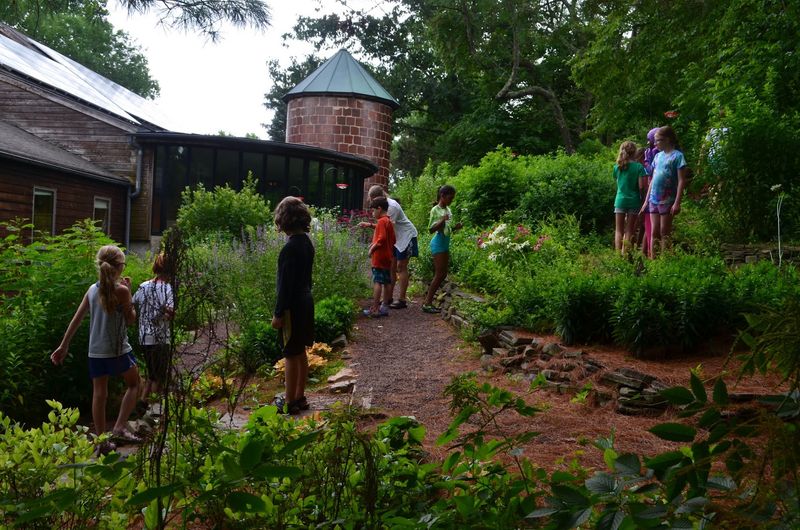
A tiny flash of color can stop a child faster than any grownup calling for a break. Suddenly, the flower beside the path becomes the most interesting thing in the world, and everyone leans closer without taking another step.
At Ashland Nature Center in Hockessin, Delaware, let butterfly watching begin with that simple pause. Rather than promising a particular species, invite kids to look for movement around blooming plants and sunny edges, where butterflies may stop to feed when conditions suit them.
Ask everyone to stand still for a minute and watch what happens next. Does the butterfly open its wings, move between flowers, or disappear into the greenery?
Those small actions give children something real to describe instead of only collecting a quick glimpse.
Keep hands down and leave plenty of space around the insect. A quiet approach can make observation easier, though sightings are never guaranteed.
Even a brief encounter gives the family a shared discovery, and the walk suddenly has a story worth retelling on the ride home together, long after the wings have vanished from sight again.
Flowers Reveal the Butterfly Lunch Menu
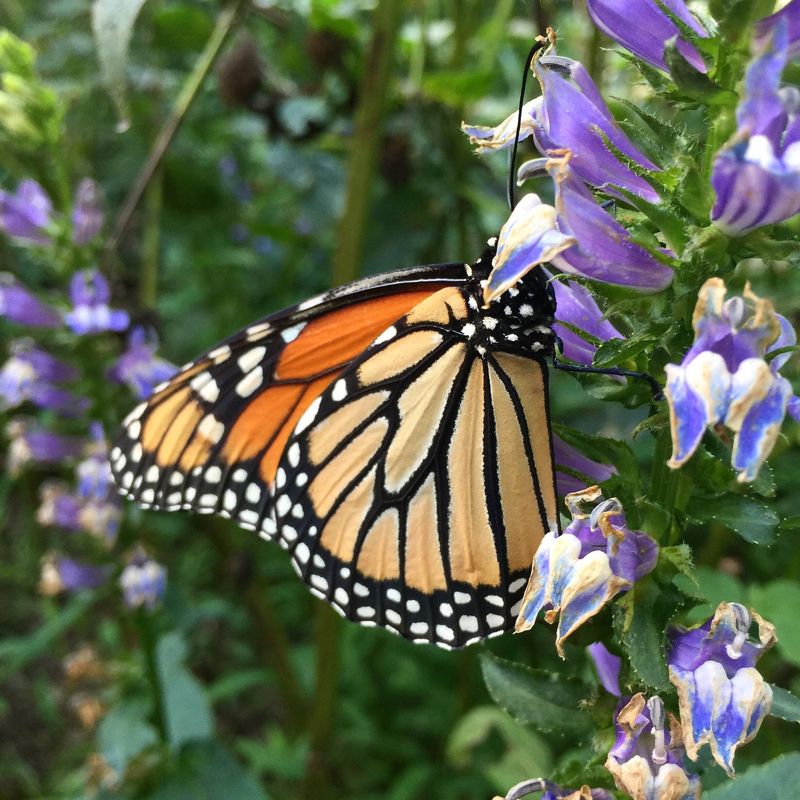
Lunch looks very different when your drinking straw rolls up beneath your head. Butterflies use a slender mouthpart called a proboscis to sip liquids, including nectar, and seeing one feed can turn a pretty flower into a surprisingly lively science lesson.
During a visit to Ashland Nature Center in Hockessin, Delaware, spend time watching blooming plants rather than rushing past them. Flowering changes through the season, so the best viewing spot may depend on what is blooming during your particular visit.
Let children compare two nearby flowers without picking either one. Notice their colors, shapes, and how many insects visit each during a short observation period.
Explain that butterflies need suitable food, but different insects may favor different flowers or arrive at different times.
A small notebook makes this activity feel like a friendly investigation. Kids can draw one flower and add a mark whenever something lands nearby.
There is no need to name every visitor correctly; learning to watch carefully is the real reward, especially when a butterfly pauses long enough for everyone to notice its feeding behavior together.
A Trail Walk Turns Into a Tiny Safari
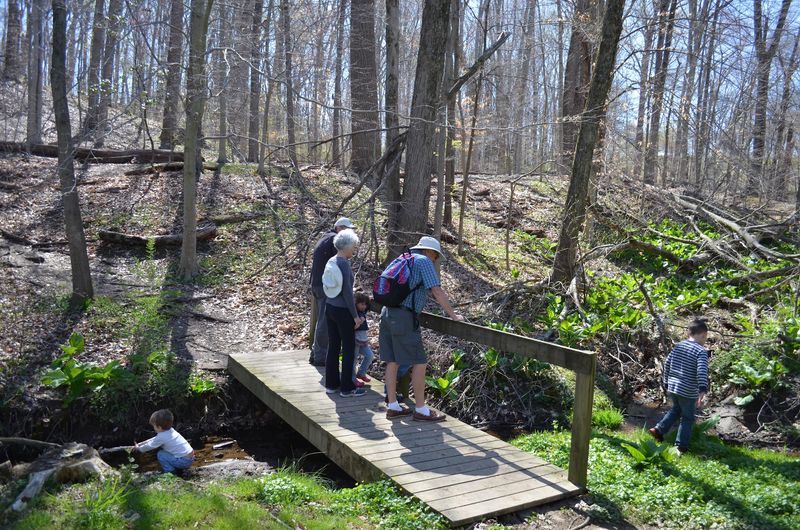
Every bend in the path offers a fresh chance to notice something small. One stretch may feel cool and shaded, while another opens toward brighter vegetation, giving children a reason to compare places instead of simply asking how much farther they must walk.
The trails at Ashland Nature Center in Hockessin, Delaware, make a useful setting for this kind of wandering investigation. Stay on established routes and choose a distance that fits your family’s energy.
Check current trail information before setting out, especially after wet weather.
Turn the walk into a habitat hunt rather than a race to spot the most butterflies. Ask kids to notice sunlight, flowers, shelter, and nearby plants.
Different butterflies use different habitats, and an empty patch can still offer clues about what an insect might need.
Wear comfortable shoes and carry water, allowing plenty of time for stops. Younger walkers often enjoy choosing the next observation point, provided an adult keeps the group on route.
By the end, even a modest walk can feel full of discoveries because the children helped decide what deserved a closer look.
Sunshine Sets the Pace
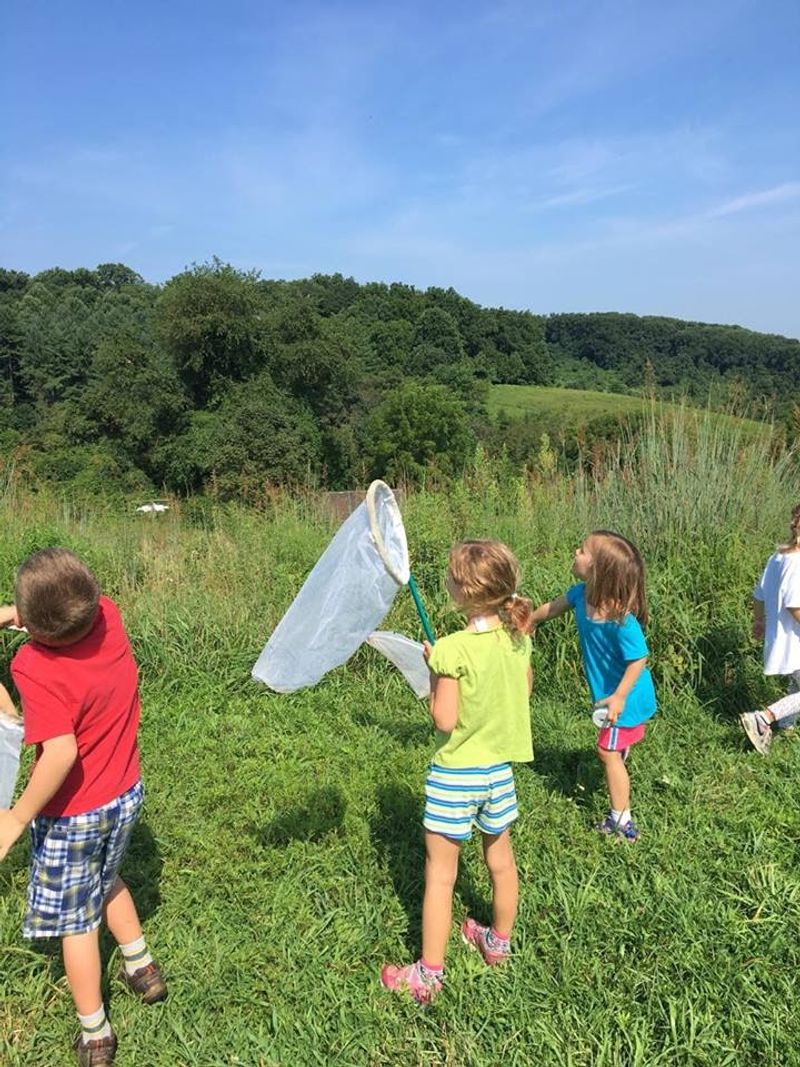
A cloudy morning and a bright afternoon can feel like two different butterfly worlds. Because butterflies depend on outside warmth to help regulate their body temperature, weather plays a big part in whether they are flying, resting, or staying out of sight.
For a butterfly focused visit to Ashland Nature Center in Hockessin, Delaware, consider a mild, sunny period with little wind. Warmer months generally offer better opportunities than winter, but no season or forecast can promise a busy display on a particular day.
Children may spot a butterfly resting with its wings spread, a behavior that can help it warm up. Watch from a distance and explain that sitting still does not necessarily mean an insect is hurt.
Sometimes it is simply preparing for its next flight.
Bring sun protection and drinking water, then adjust your plans to everyone’s comfort. If butterflies remain scarce, compare sunny and shady spots or look for other signs of insect life.
Understanding why wildlife appears at certain times helps turn a quiet outing into a useful discovery rather than a disappointing search for something missing.
Wing Patterns Become a Detective Game
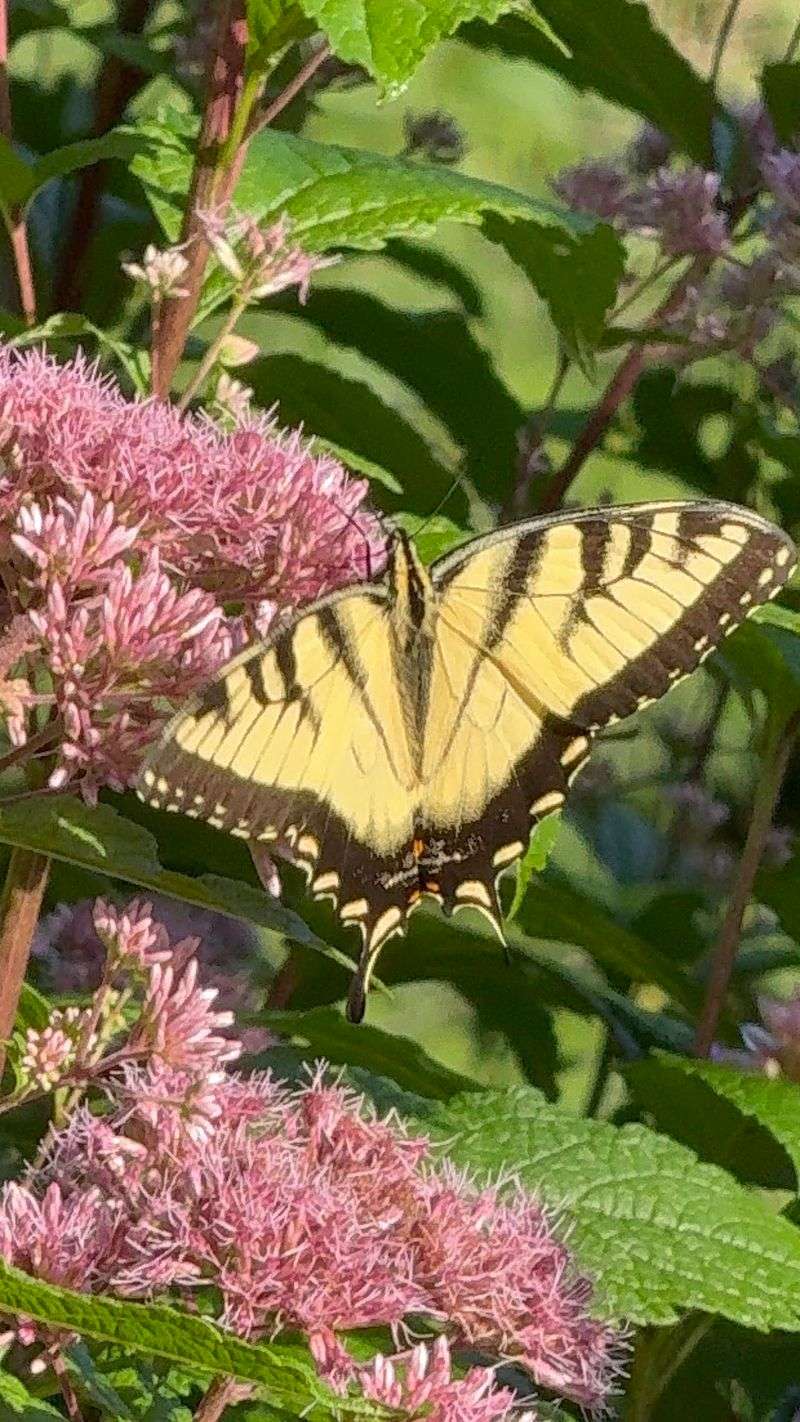
Orange is only the beginning of the clue. Spots, stripes, wing shape, and even the way a butterfly holds itself can help young observers realize that identifying wildlife takes more than naming the first color they notice beside the walking path.
At Ashland Nature Center in Hockessin, Delaware, make identification a relaxed guessing game. Ask children to remember two or three features before reaching for a guide.
A butterfly may look quite different with its wings closed than it does with them open.
A regional field guide or a clear photograph can help narrow the possibilities later. Treat any identification app as a starting suggestion, not a final answer.
Some species resemble one another closely, and a blurry image may leave important details hidden.
Give kids permission to say they are unsure. That honest answer is part of learning, not a failure to finish the game.
Recording a description such as dark wings with pale spots still creates a useful memory, and comparing observations afterward can keep the conversation going well beyond the walk, perhaps all the way through dinner that evening together.
A Pocket Sketchbook Makes the Moment Last
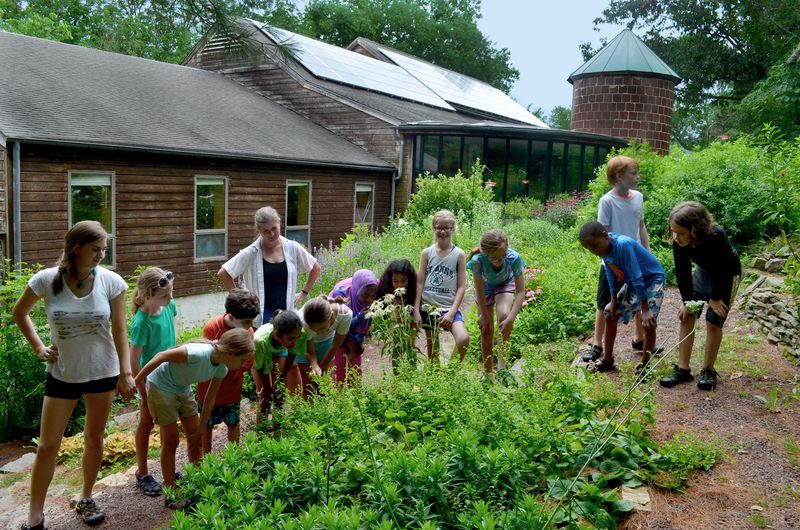
The wings may disappear, but the picture can stay. A small sketchbook gives children a way to hold onto a butterfly encounter without catching anything, and the drawing often reveals details they would otherwise forget before reaching the next trail bend.
Bring pencils and a pocket notebook to Ashland Nature Center in Hockessin, Delaware. After watching an insect, step aside somewhere safe without blocking the route.
Invite each child to draw the shape, colors, or flower they remember from the encounter.
No artistic talent is required, and nobody needs to produce a perfect nature illustration. Younger kids might draw two bright wings, while older children add spots, antennae, or notes about movement.
Including the date and weather turns the page into a simple field record.
Keep the activity short enough that it feels like a treat rather than homework. An adult can write down a child’s exact observation, especially a funny or thoughtful one.
Back home, the page becomes a personal souvenir of Ashland, carrying more meaning than a purchased keepsake because it preserves something the child actually noticed during the visit outdoors.
Small Acts Help Keep the Wings Coming
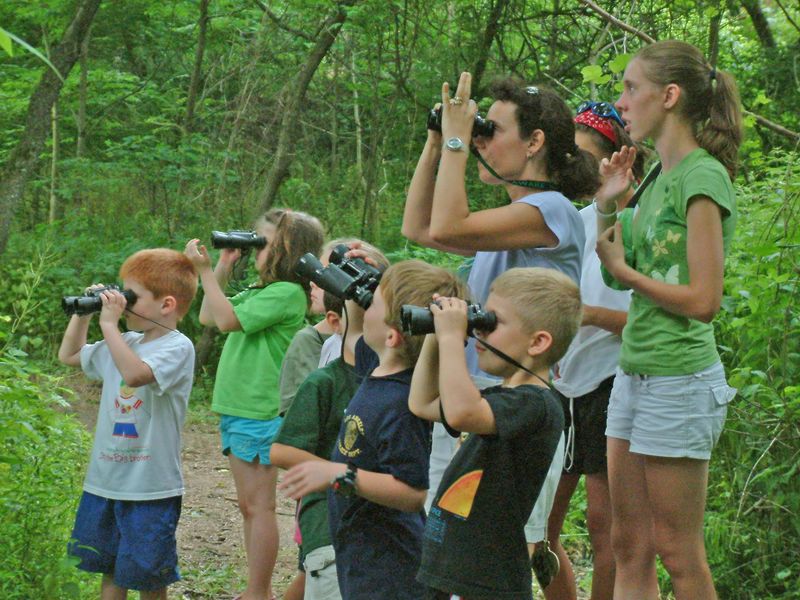
Wanting to take a butterfly home is an understandable reaction to something beautiful. That wish also opens the door to a better idea: leaving the insect where it can feed, find shelter, and continue its life among the plants it needs.
At Ashland Nature Center in Hockessin, Delaware, frame respectful behavior as part of the adventure. Keep to designated paths, leave flowers attached, and avoid collecting caterpillars or butterflies.
Follow posted rules and any directions from staff during your visit.
Explain that a butterfly’s surroundings matter as much as its wings. Nectar plants support many adults, while host plants feed caterpillars, and those needs are not always met by the same plant.
Even an ordinary looking leaf may have an important job.
Give children a clear role, such as checking that the family leaves no litter behind. Later, use questions from the outing to learn about locally appropriate native plants and responsible gardening.
The visit can become the beginning of a practical habit: noticing what wildlife needs, then making choices that leave room for it to thrive wherever the family spends time outdoors.
A Little Planning Leaves More Room for Wonder
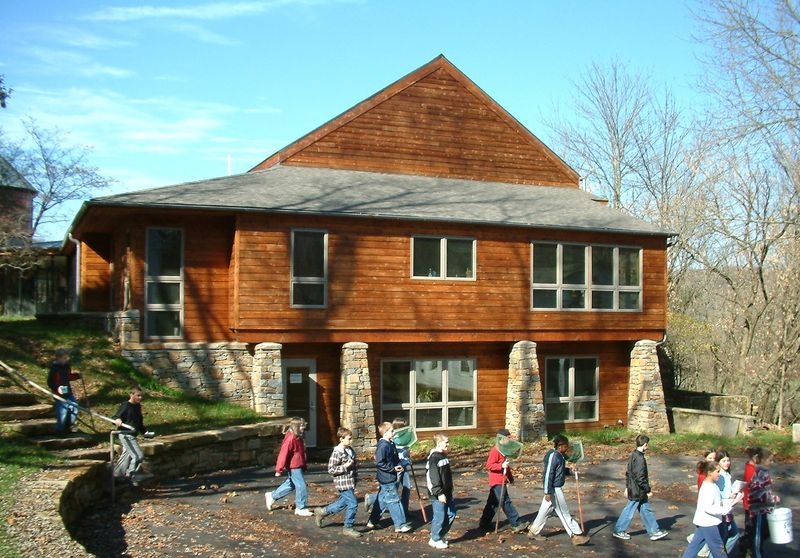
The easiest family outings leave space for surprises. A little preparation keeps hunger, tired feet, and uncertain schedules from stealing attention just when a child notices a butterfly hovering nearby or asks a question worth stopping to explore.
Before heading to Ashland Nature Center in Hockessin, Delaware 19707, check the Delaware Nature Society’s current visitor information. Confirm access details, hours where applicable, and whether any seasonal butterfly feature or relevant family program is available for your planned date.
Program schedules and seasonal exhibits can change, so do not assume an activity is offered every day. If a guided experience interests your family, check registration requirements and age guidance ahead of time.
Staff can also clarify current conditions and the facilities available during your visit.
Pack water, suitable shoes, weather protection, and a small notebook, then build in a flexible stopping point. Butterfly sightings depend on season, weather, and chance, so promise exploration rather than a particular insect.
That approach keeps the day welcoming for everyone and allows an unexpected flower, leaf, or flutter of wings to become the memory children carry home afterward.