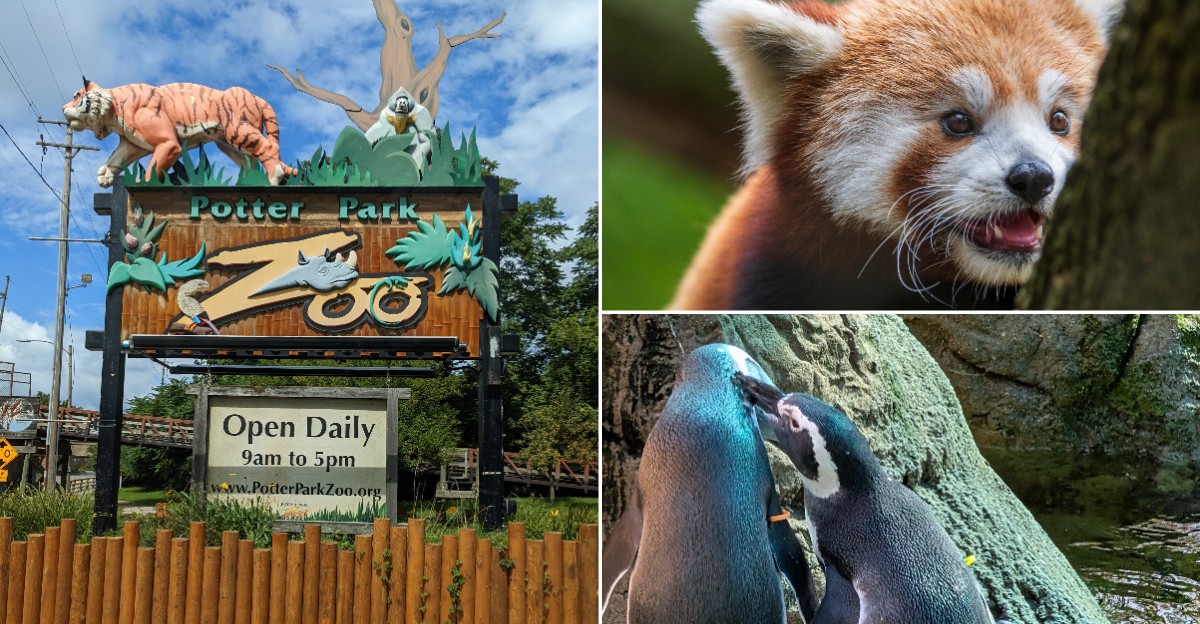
The best part of a zoo visit may be the moment you stop checking the clock. At Potter Park Zoo in Lansing, Michigan, a visit to this compact zoo can easily become a full Saturday when you give yourself time to linger.
Located at 1301 S Pennsylvania Ave, the zoo offers animal encounters alongside picnic areas, a playground, and plenty of space for families to pause between exhibits.
You might see favorite animals within a morning, but there is no reason to hurry away. A picnic under the trees, another turn through an exhibit, or extra playground time can stretch the day naturally.
Kids often remember the unexpected details—a funny animal movement, a favorite exhibit, or the snack enjoyed afterward—more than how many attractions they checked off. Leave some breathing room in your plans, and Potter Park Zoo begins to feel less like a quick stop and more like a relaxed family outing with plenty left to discover.
Trade the Packed Schedule for a Slower Saturday
The best family outings sometimes begin with taking something off the schedule. Instead of racing through a huge attraction, you can give children time to stop, stare, and decide which animal deserves another look.
At Potter Park Zoo, the smaller layout makes that approach feel possible. Visitors describe paved walkways, benches, and a route that can take a morning or a couple of relaxed hours, depending on your pace and interests.
Build your Saturday around the zoo rather than expecting the exhibits alone to occupy eight hours. Arrive near opening, explore without rushing, and leave room for lunch, nearby playground time, or a return to a favorite viewing spot if access permits.
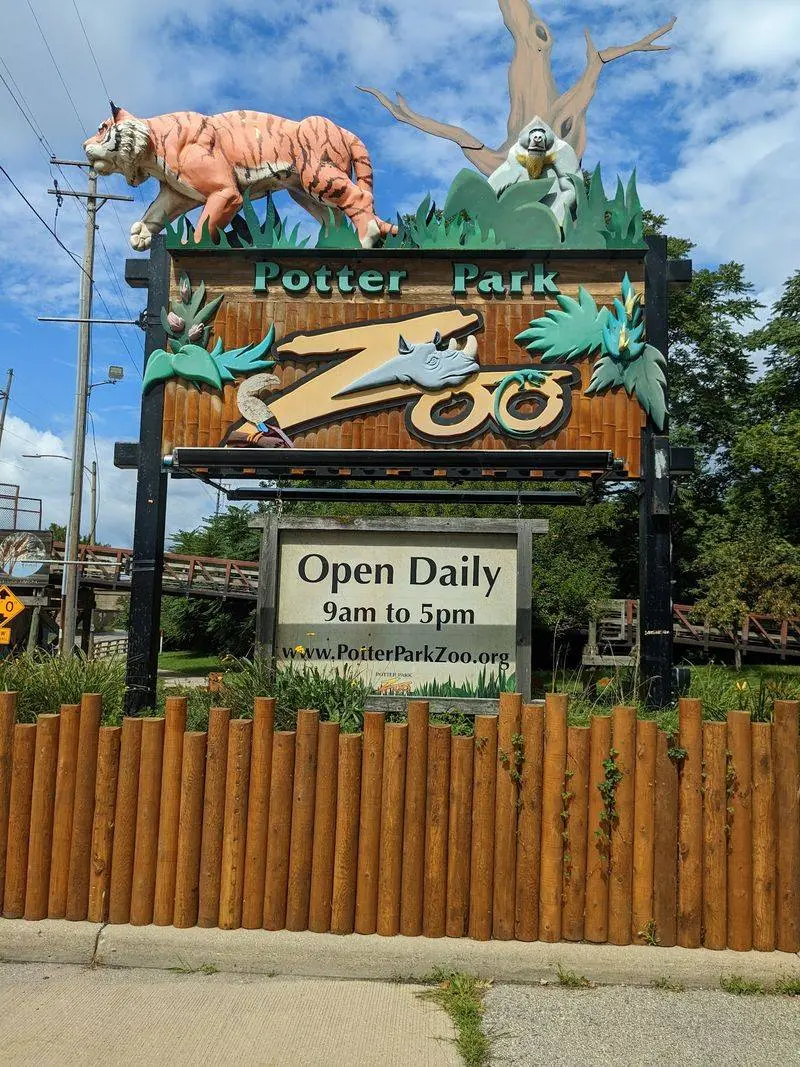
Before leaving home, check potterparkzoo.org for current hours, admission, parking charges, and closures. The supplied listing shows Saturday hours of 9 a.m. to 5 p.m., but seasonal schedules can change; a quick check helps keep the day easy from the start.
Pack comfortable shoes and let each child choose one must-see animal, so the first turn through the grounds feels like their adventure rather than another grown-up checklist.
Let the Penguins Steal a Little Extra Time
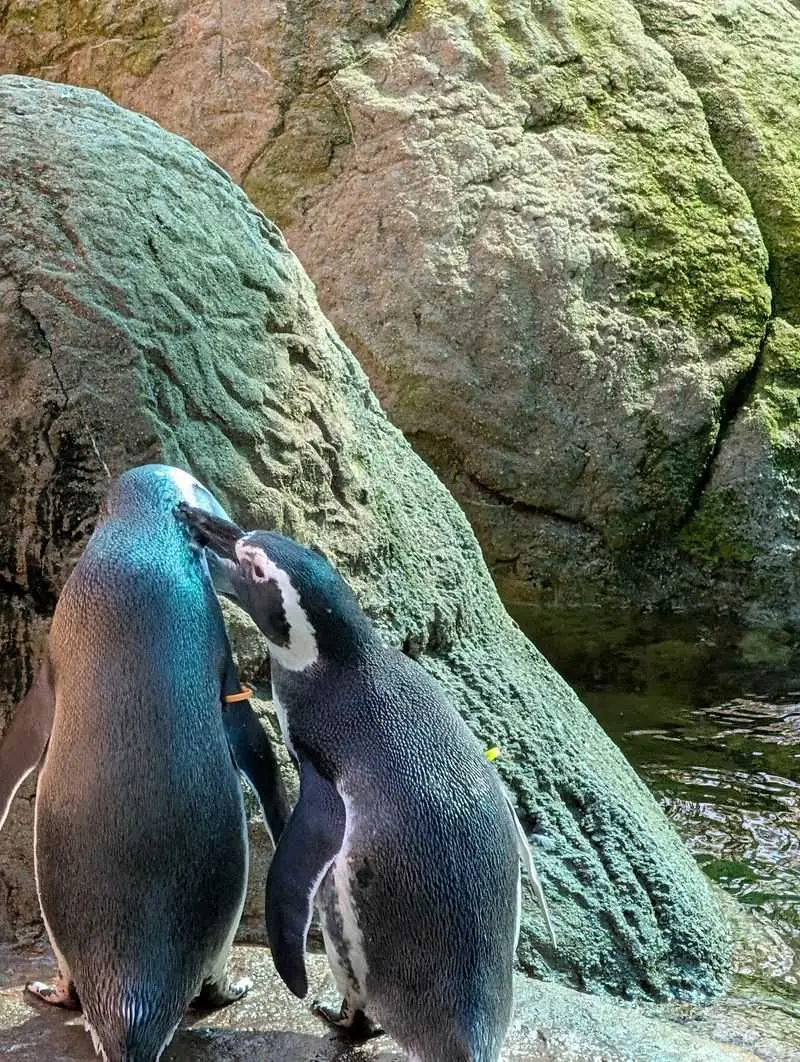
A quick animal stop can turn into a whole conversation when a penguin waddles into view. Children notice the little steps first, then start wondering how a bird that looks so awkward on land can move through water.
Penguins are among the animals visitors mention at Potter Park Zoo. Rather than treating their habitat as a photo stop, spend a few minutes watching whatever the birds are doing when you arrive.
Try a simple observation game: ask everyone to spot one movement, one sound, and one detail they missed at first. Read the nearby signs together to learn about the species on display, and let younger kids describe the birds in their own words.
Keep expectations flexible because animals may rest, move out of sight, or have limited viewing during care. If the first visit is quiet, consider circling back later; watching wildlife rewards patience more than a packed checklist.
A short pause here can become the story your child tells at dinner, especially when you resist the urge to hurry everyone toward the next exhibit before they have finished looking.
Make the Rhino Stop a Lesson in Looking Closely
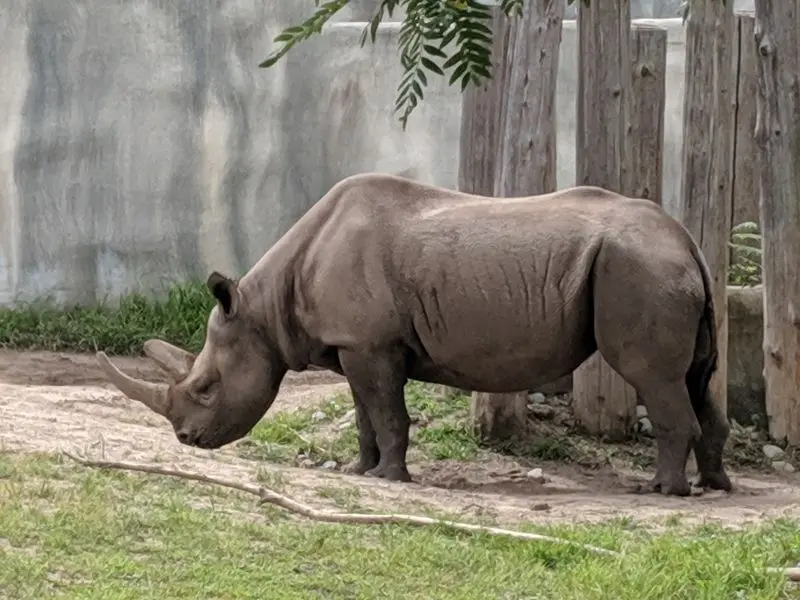
Some animals make everyone lower their voices without being asked. A rhinoceros has that kind of presence, with its broad body, thick-looking skin, and movements that invite you to watch a little longer.
Rhinos are a highlight mentioned by Potter Park Zoo visitors, and their viewing area offers a chance to slow the family pace. Start with simple details rather than a long lecture: ears, feet, skin folds, and the way the animal moves.
Older children can read the exhibit information and share one fact with the group. Younger ones might enjoy sketching the animal afterward, which turns a brief sighting into a memory they can carry home.
Use the stop to explain that zoo visits are about observing, not getting a reaction. Stay behind barriers, avoid shouting, and never offer food; respectful watching gives everyone a better experience while keeping the animal’s needs at the center of the visit.
If the rhino is not visible, let that be part of the lesson too: living animals have their own routines, and a good outing does not depend on every sighting arriving on cue.
Turn the Big Cat Visit into a Quiet Detective Game
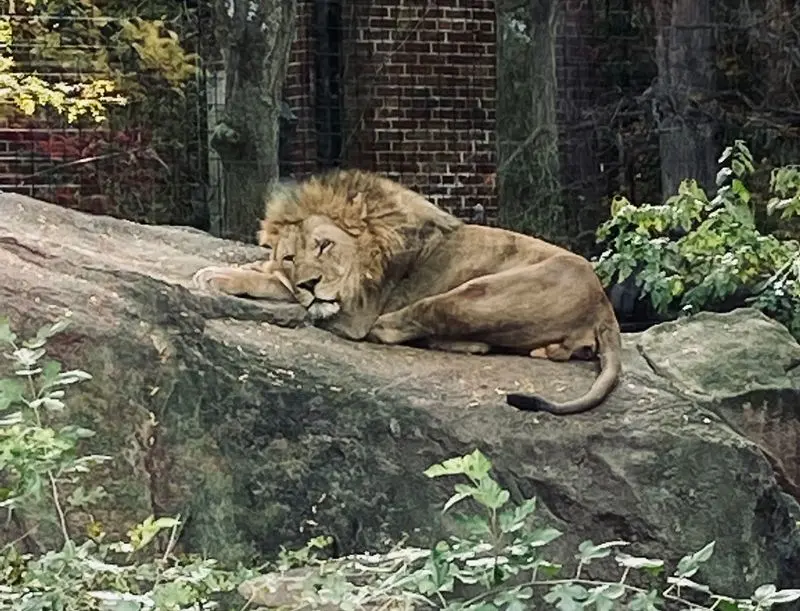
A sleeping cat can still hold a crowd, especially when its paws are much larger than your own. The trick is noticing what happens between the dramatic moments instead of waiting only for a roar.
Visitors to Potter Park Zoo mention lions and snow leopards among their memorable sightings. Animal availability can change, so check current exhibit information rather than promising children a specific cat before you arrive.
At an open viewing area, become quiet detectives together. Look for an ear turning toward a sound, a tail shifting position, or the rise and fall of breathing; those small details give resting animals a story of their own.
Avoid tapping glass or calling out to wake an animal. If nothing much is happening, move on and try again later, remembering that rest is normal behavior rather than a disappointing performance.
For children who love drawing, a quick sketch of a paw or spotted coat can make the stop more engaging without disturbing anything. You may leave with fewer action photos, but a better understanding of how carefully animals listen, rest, and watch their surroundings.
Follow Small Clues Around the Red Panda Habitat

Sometimes the most exciting discovery is the one you almost miss. A patch of rusty fur or a striped tail can send children searching the branches with the focus of tiny wildlife trackers.
The red panda is another animal frequently mentioned in Potter Park Zoo visitor feedback. Give its viewing area more than a passing glance, while accepting that visibility depends on where the animal chooses to spend its time.
Encourage children to scan slowly rather than crowding the barrier or shouting directions. If you spot the animal, describe its location quietly so other visitors can share the moment without turning the area into a noisy guessing contest.
Read the habitat signs for accurate information about its food, home range, and conservation needs. A favorite animal can become the starting point for a library book or school project later, making this small stop reach well beyond Saturday.
Bring binoculars if your family already owns a pair, but keep them secured and respect other people’s space. Even an unsuccessful search can teach patience, especially when you explain that animals are free to rest out of view.
Find a Different Kind of Wonder in the Reptile House
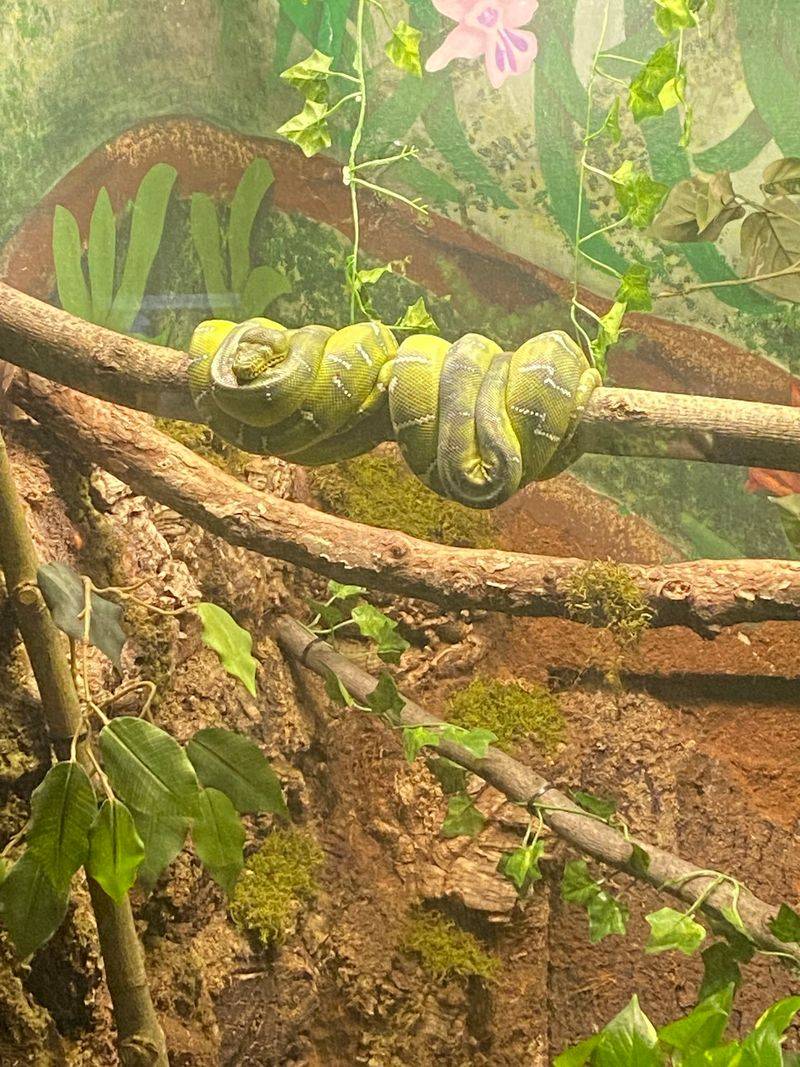
Not every memorable zoo moment comes with a splash or a roar. Sometimes it begins with a child leaning closer to the glass and realizing that the still shape inside is very much alive.
Potter Park Zoo visitors often mention the reptile house as a favorite part of their route. It offers a change from larger outdoor animals and encourages a different kind of attention, focused on scales, shapes, and careful movement.
Let each person choose one exhibit to study for a full minute. Read its label, look for features that help the animal survive, and talk about why staying still might be useful in the wild.
Keep voices low, avoid tapping the glass, and follow posted photography rules. Indoor access and exhibits may change, so treat this as a welcome part of the day when open, not a guaranteed backup plan for every weather forecast.
For a simple challenge, ask children to remember one surprising detail without taking a photo. Sharing those details over lunch turns a quiet room into a lively conversation and gives everyone a reason to look more closely.
Plan Ahead for a Special Animal Encounter

A birthday gift does not always need wrapping paper. For an animal lover, a carefully planned encounter can become the part of a zoo visit that everyone talks about long after the ride home.
One Potter Park Zoo reviewer described an otter feeding experience led by knowledgeable staff. That account suggests a memorable option to investigate, but it does not mean otter encounters are available every Saturday or included with regular admission.
Check the zoo’s official website or call 517-483-4222 before building your day around an experience. Ask about current offerings, reservations, age limits, pricing, accessibility, and any rules that might affect your family.
If you book an encounter, leave extra time to arrive and follow every staff instruction. The value is not just getting closer to an animal; it is hearing how trained people care for it and learning why boundaries matter.
Keep the rest of your schedule loose so the booking does not turn the morning into a rush. If nothing suitable is offered, ordinary exhibit watching can still give an animal-loving child a satisfying day without the extra cost or pressure.
Give Everyone Permission to Take a Quiet Break
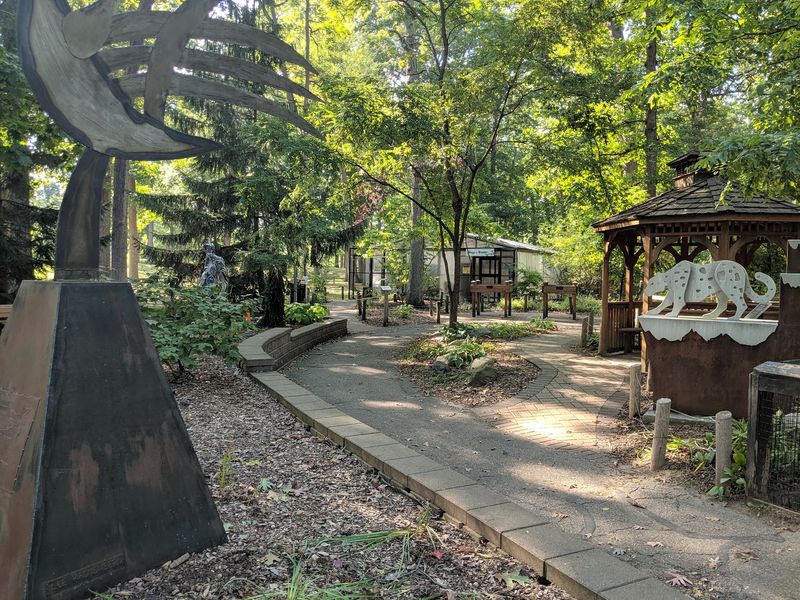
Even a happy outing can become too loud after enough footsteps, chatter, and excited pointing. A few minutes away from the busiest paths can help a tired child feel ready for the next discovery.
Visitors have described a sensory garden and a quiet zone at Potter Park Zoo. Another parent praised sensory bags, making these useful options to ask about when planning a visit with someone who benefits from extra support.
Confirm current availability with staff, since supplies and access can change. You do not need to wait for a meltdown to pause; a bench, a drink of water, and a little silence can fit naturally between animal stops.
Let children decide whether they want to talk, sit, or simply watch the leaves move. Building breaks into the outing makes the whole day feel kinder, especially when your goal is shared time rather than seeing every exhibit on a strict clock.
Carry any familiar comfort items your family uses and discuss a simple signal for needing rest. Those small preparations can make unfamiliar surroundings easier without turning the visit into a complicated project.
Let Lunch and Playground Time Stretch the Day
Lunch often decides whether a family outing ends early or gets a second wind. Once everyone has eaten and rested, the afternoon can feel less like an endurance test and more like time together.
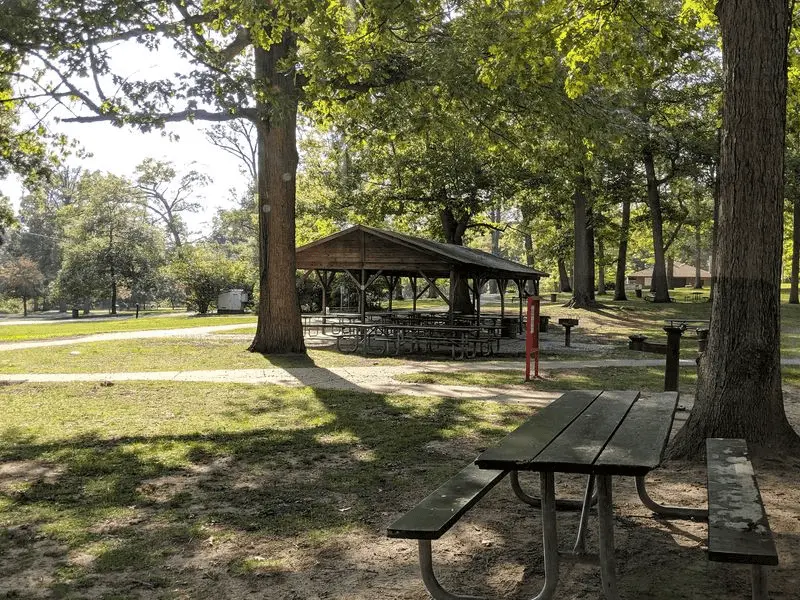
At Potter Park Zoo, visitors mention food service inside and picnic tables, restrooms, and a playground outside the zoo in the surrounding park. Those nearby facilities help explain how a compact animal visit can grow into a fuller Saturday.
Check current food service hours and rules about bringing food before choosing between concessions and a packed lunch. Budget for parking and admission separately, and ask about reentry before leaving the zoo if you hope to return afterward.
After eating, give children room to play while adults take a seated break nearby. Watch younger kids closely and check equipment conditions; a relaxed afternoon works best when everyone has enough energy, water, and supervision to enjoy it.
A small bag with wipes, sunscreen, and spare clothing can save a trip back to the car. Keep lunch simple so you spend less time managing supplies and more time listening to the morning’s animal stories.
Choose a Return Visit with a Seasonal Twist

The first visit helps you learn the paths; the next one can feel like returning to a familiar neighborhood. Children remember where they saw a favorite animal and arrive ready to search for it again.
Potter Park Zoo visitors mention events such as Boo at the Zoo and Zoo Nights. These offer reasons to check the calendar, though dates, activities, ticket rules, and age suitability should always be confirmed before making plans.
If your family lives nearby, compare membership options with the cost of repeat visits. Anyone holding a membership at another zoo should also check current reciprocal benefits rather than assuming admission or parking will be free.
Finish your Saturday by letting each person name one moment worth returning for. It might be a penguin’s wobble, a quiet garden break, or a question about a rhino; the strongest reason to come back is often smaller than the day’s biggest attraction.
Save those answers in a phone note or on the back of a photo. Next time, you will have a personal starting point instead of a generic list of things to see.