A Delaware town once stood where military aircraft now thunder across the sky.
What began as farmland and a small airport changed during World War II.
As Dover Air Force Base expanded, roads shifted, properties changed hands, and nearby communities felt the pressure of a growing installation.
The story is bigger than runways and cargo planes.
Families who had worked the land for generations found themselves connected to the base’s expansion, leaving behind pieces of a rural Delaware that no longer look the same today.
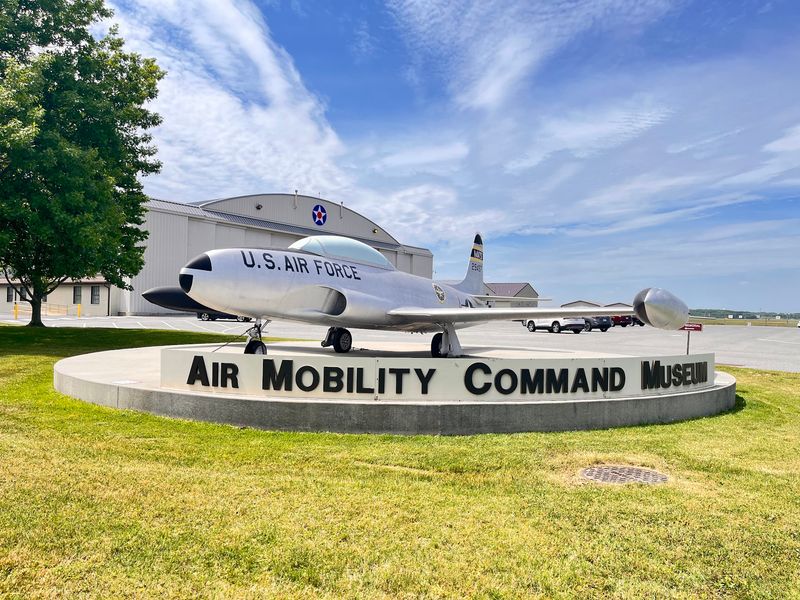
At the Air Mobility Command Museum, that history comes alive through enormous aircraft, historic exhibits, and stories tied to Dover’s military past.
Best of all, admission is free, making this a fascinating stop for anyone curious about what stood here before the planes took over.
The Airport That Started It All
Back in 1941, Dover was just a small Delaware town with big hopes and a brand new municipal airport. Local leaders wanted a place where planes could land, bring visitors, and help the town grow.
Nobody guessed how huge that little field would become.
Then everything changed. After the attack on Pearl Harbor in December 1941, the United States entered World War II.
The government needed airfields fast, especially along the East Coast, and Dover’s new airport fit the bill. Soon it was taken over for military use and renamed Dover Army Airfield.
Think about how strange that must have felt for people living nearby. One month, the airport was a hometown project.
A few months later, soldiers and military planes were showing up in the neighborhood.
Here is a fun fact to share with friends. The Army Air Forces were part of the Army back then, which is why it was called an Army Airfield.
The separate United States Air Force did not exist until 1947, so the base would get a new name later.
How a Civilian Airfield Became a Military Base
Bulldozers rumbled, concrete poured, and runways stretched longer and longer. During World War II, the Dover airfield grew at a speed that would amaze modern builders.
The Army needed space for bigger and heavier planes, so the small civilian field had to grow up quickly.
New buildings popped up for pilots, mechanics, and support crews. The airfield took on serious jobs, including training aircrews and flying coastal patrol missions.
Those patrols helped watch the Atlantic Ocean, where German submarines were a real danger to ships near the American shore.
Imagine being a teenager in Dover during those years. You might hear engines testing at all hours and see young airmen walking through town on their days off.
The war was far away, yet it felt close.
Here is something worth remembering when you visit. Many military bases across America started just like this, as ordinary airports that the country borrowed in an emergency.
Dover is one of the best examples of how wartime needs could completely reshape a community almost overnight.
The Communities That Had to Make Room
Progress has a price, and the families around Dover learned that firsthand. As the base kept growing after the war, it needed more and more land.
Farms, country lanes, and small clusters of homes sat right in the path of that growth.
The Air Force bought up property for longer runways, new roads, housing for military families, and all kinds of support buildings. For some neighbors, this meant packing up and moving away from land their families had worked for generations.
Places that once had their own names and identities slowly faded into the base map.
It is easy to look at a big military base and only see the airplanes. Behind those fences, though, are stories of porches, barns, and kitchen tables that used to be there.
If you enjoy history, try this. Look at old maps of Kent County and compare them with today’s maps online.
You can spot roads that suddenly end and areas that changed completely. It turns a regular map into a mystery you get to solve.
The Farmland That Became Part of Dover AFB
The Lissy family knew every row of their Delaware farm by heart. Fields, fences, and familiar trees made up their everyday world.
In 1959, that world changed when their property was sold to the Air Force.
Their land did not stay empty. Over time, it became part of the base’s housing and recreation areas.
So places where crops once grew turned into homes for military families and spaces where people could relax and play. In a way, the farm kept supporting families, just a different kind.
Stories like this one matter because they make history personal. Big decisions by the government can feel faraway and official.
When you hear a family name attached, you realize real people felt those changes deeply.
Want a meaningful activity? Ask an older relative about a place in your town that no longer exists, like a store, farm, or school.
Write down what they remember. You might be surprised how much local history lives in people’s memories, waiting for someone curious enough to ask.
Inside the Secret Rocket-Test Hangar
Shhh, this was top secret. From 1944 to 1946, Hangar 1301 at Dover hid one of the most hush-hush projects of the war.
Inside, engineers and crews worked on air-launched rocket weapons, which were cutting-edge technology at the time.
They tested these rockets with famous aircraft like the P-47 Thunderbolt fighter, along with the big B-17 and B-24 bombers. The goal was to figure out how planes could fire rockets accurately while flying.
Getting it right could give American pilots a powerful edge in battle.
Picture the scene. Guards at the doors, strict rules about talking, and people in town having no clue what was happening inside that giant building.
Some workers probably could not even tell their families what they did all day.
Fun fact: the P-47 was nicknamed the Jug because of its chunky shape. It was one of the heaviest single-engine fighters of World War II.
When you stand inside Hangar 1301 today, remember that real wartime secrets once filled the same space.
The Historic Hangar That Became a Museum
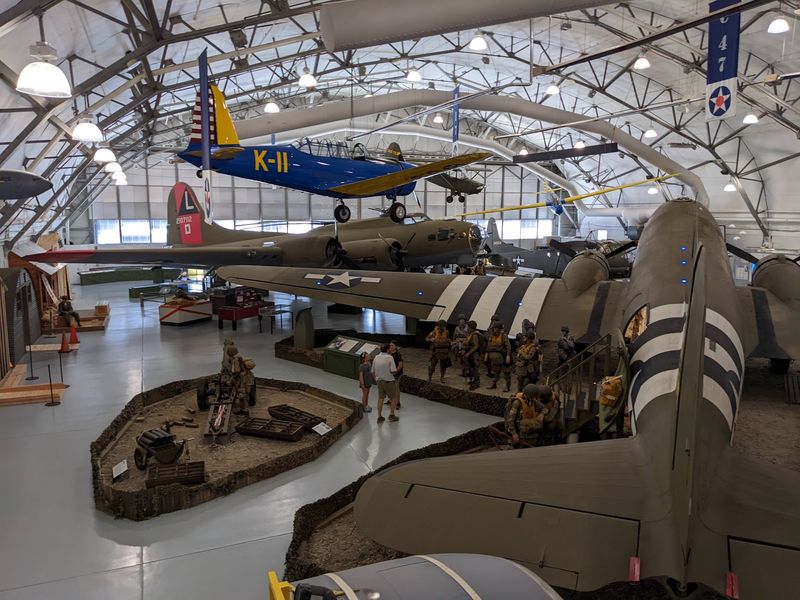
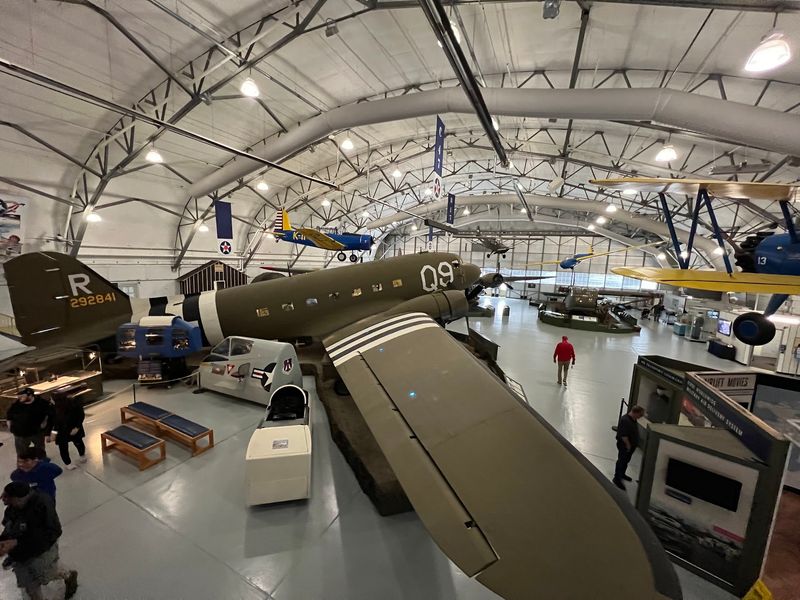
Old buildings often get torn down, but Hangar 1301 earned a much happier ending. The same structure that once held wartime secrets now welcomes curious visitors as the Air Mobility Command Museum.
Instead of hidden rocket experiments, the hangar now displays aircraft, photos, uniforms, and stories from decades of military flying. Walking through its doors feels a bit like stepping into a time machine.
The high ceiling and huge open floor remind you this was built for serious aviation work.
The building is also listed on the National Register of Historic Places. That is an official list of places in America considered worth saving because of their importance to the nation’s story.
Being on it helps protect the hangar for future generations.
Here is a helpful tip for your trip. Take a moment to look at the building itself, not just the exhibits.
Notice the doors, beams, and size. The hangar is one of the museum’s biggest artifacts, and it is easy to forget you are standing inside history.
Walk Among Giant Military Aircraft
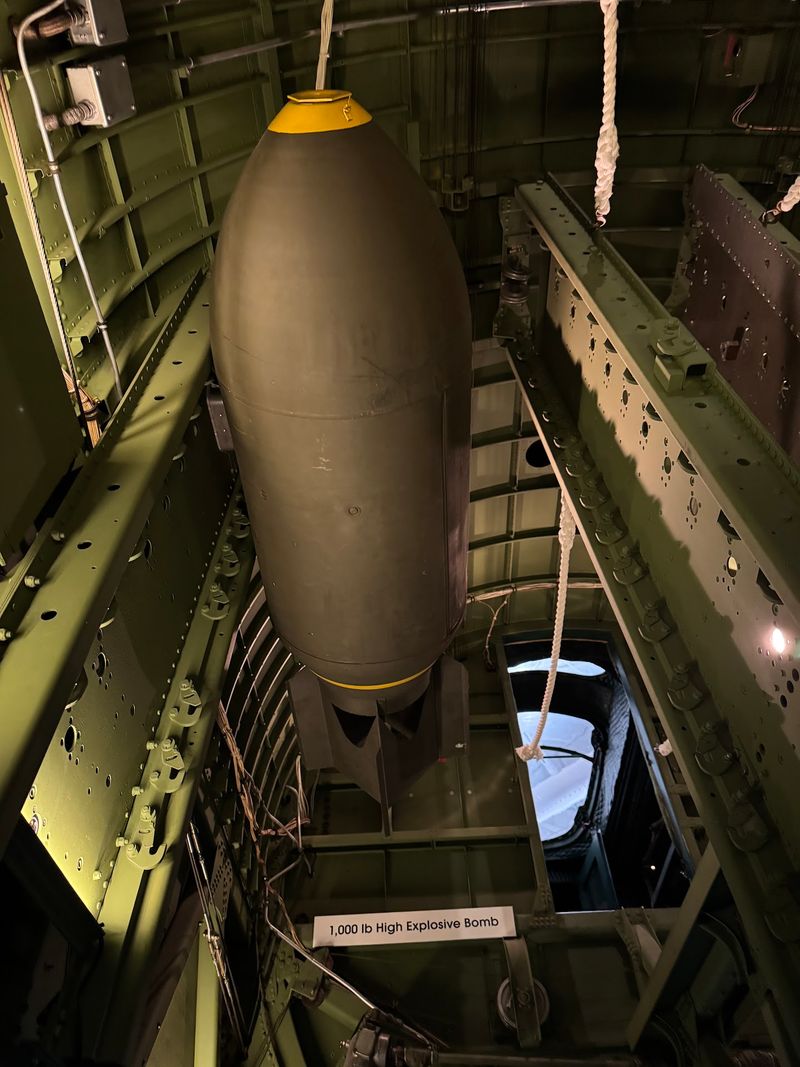
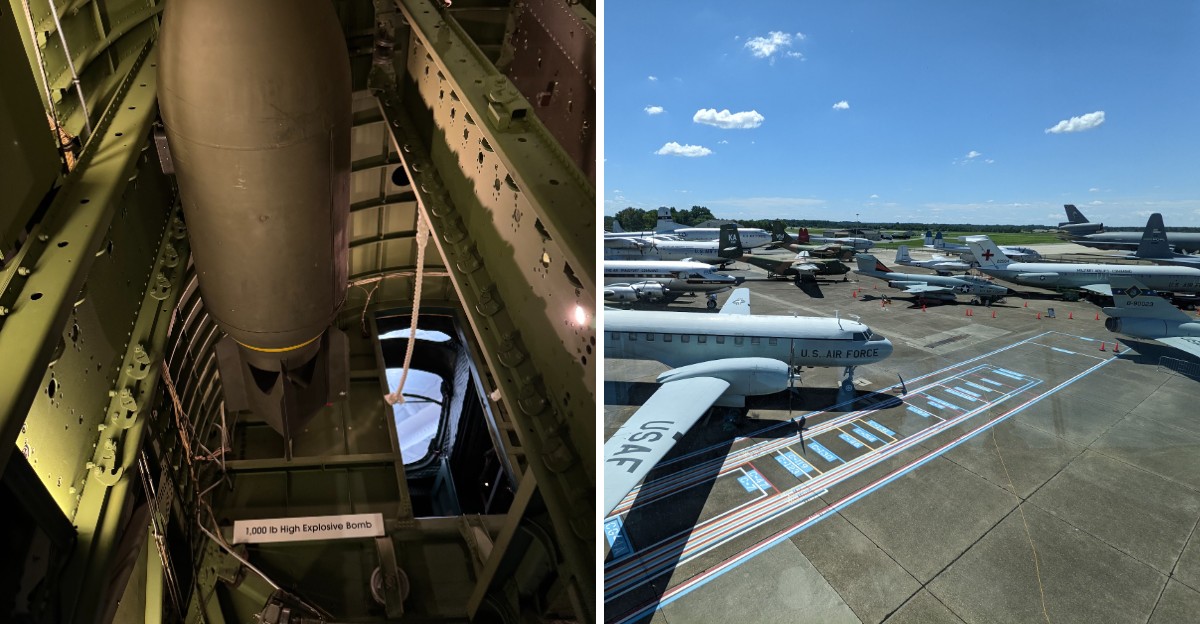
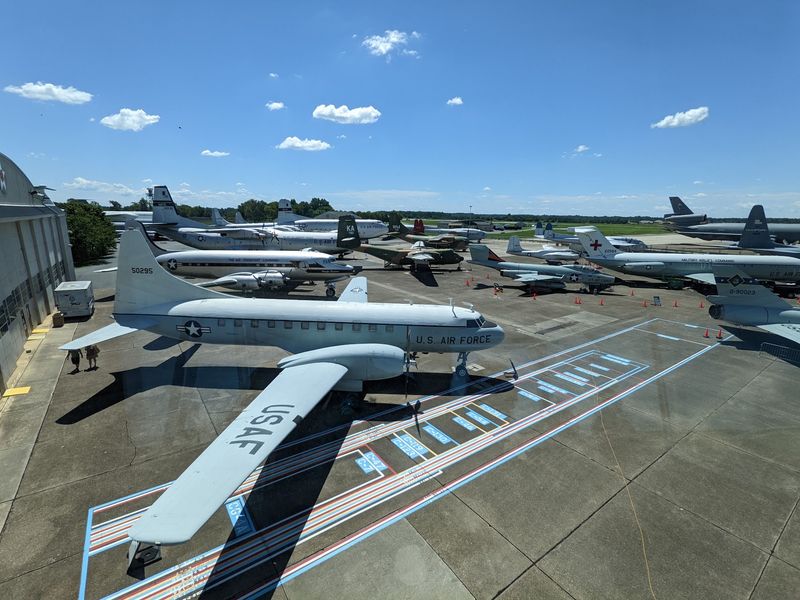
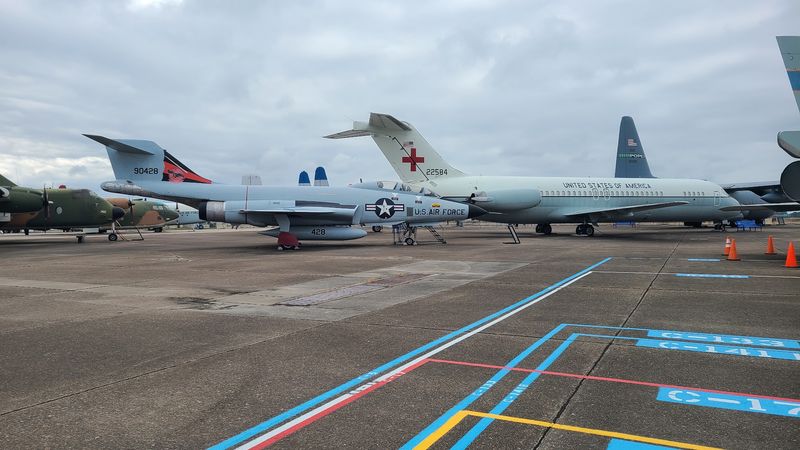
Prepare to feel tiny. The outdoor collection at the Air Mobility Command Museum includes more than 35 aircraft, and some of them are enormous.
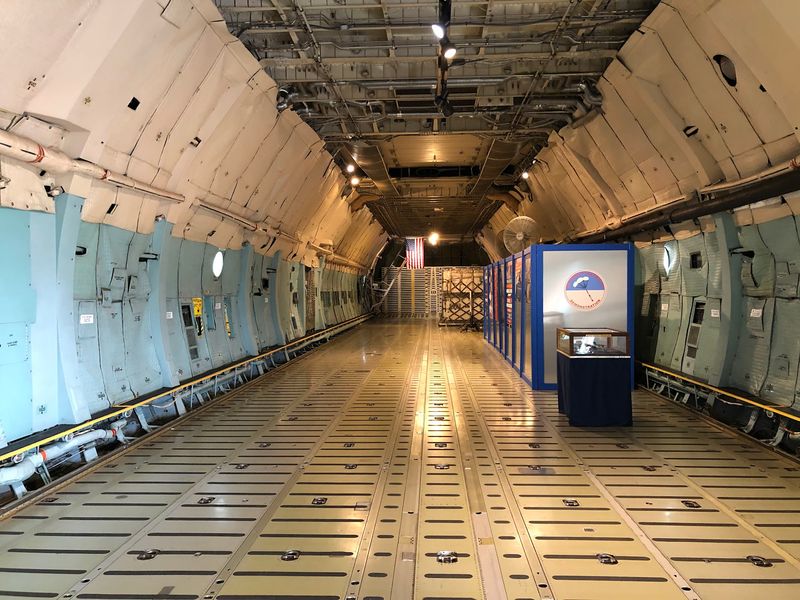
Standing beneath a giant cargo plane makes it hard to believe something that big can actually fly.
These planes tell the story of airlift and air refueling. Airlift means carrying troops, supplies, and equipment wherever they are needed.
Air refueling means one plane delivering fuel to another while both are flying, which sounds like a movie stunt but is a real everyday skill for Air Force crews.
You will find massive transports parked near smaller planes and specialized aircraft, so you can compare sizes and shapes. Kids love counting engines and guessing how much each plane could carry.
A few smart tips make the visit better. Wear comfortable shoes, since the planes are spread out.
Bring sunscreen or a hat on sunny days, and a jacket when it is windy. Also, have your camera ready, because the photos you get here are seriously impressive.
See Dover’s Old Control Tower
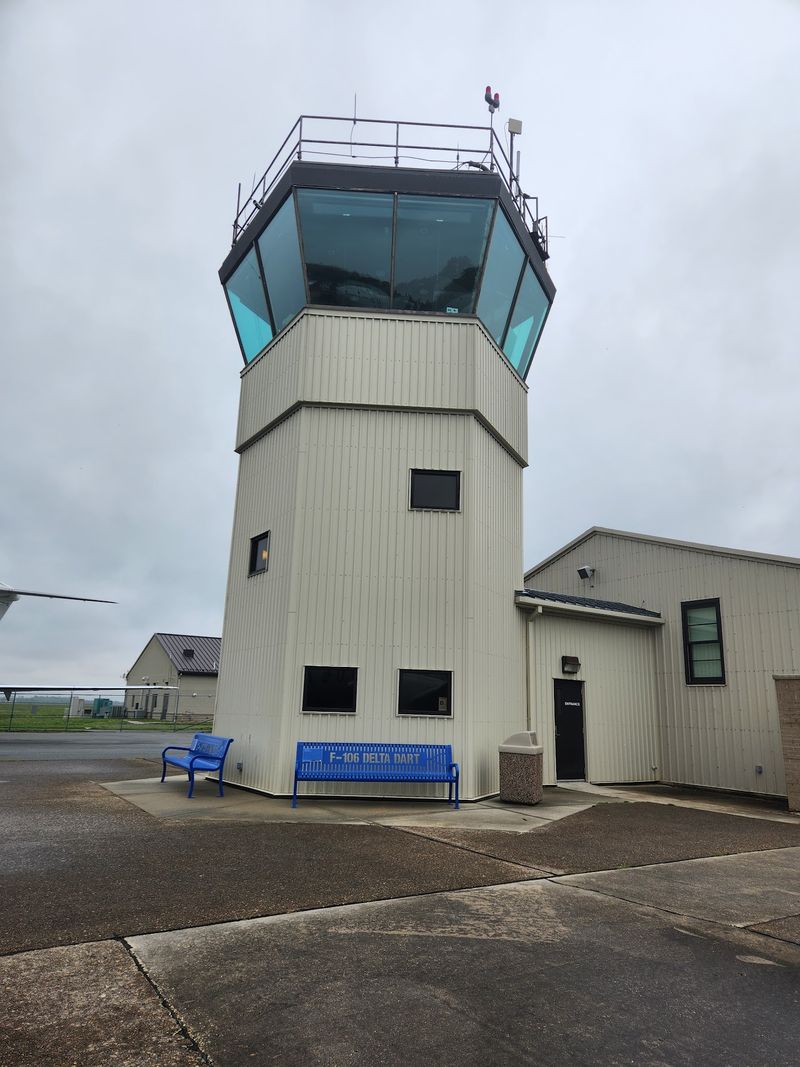
Every busy airfield needs someone watching the sky. At Dover, that job happened for more than fifty years inside a control tower that opened in 1956.
Controllers there guided planes as they took off, landed, and moved around the runways.
When a new tower opened in 2009, the old one was retired. Instead of throwing everything away, the museum saved the cab, which is the glass room at the very top where controllers worked.
Now visitors can see what that important workspace looked like.
Imagine sitting up there during a stormy night. Radios crackle, lights blink across the field, and a huge cargo plane is lining up to land.
One clear instruction from the tower keeps everyone safe.
Did you know? Air traffic controllers often use a special alphabet, like Alpha, Bravo, and Charlie, so letters are never misunderstood over the radio.
Try spelling your name that way during your visit. It is a fun way to connect with the people who once worked in this cab.
Discover the Human Side of Dover’s Aviation History
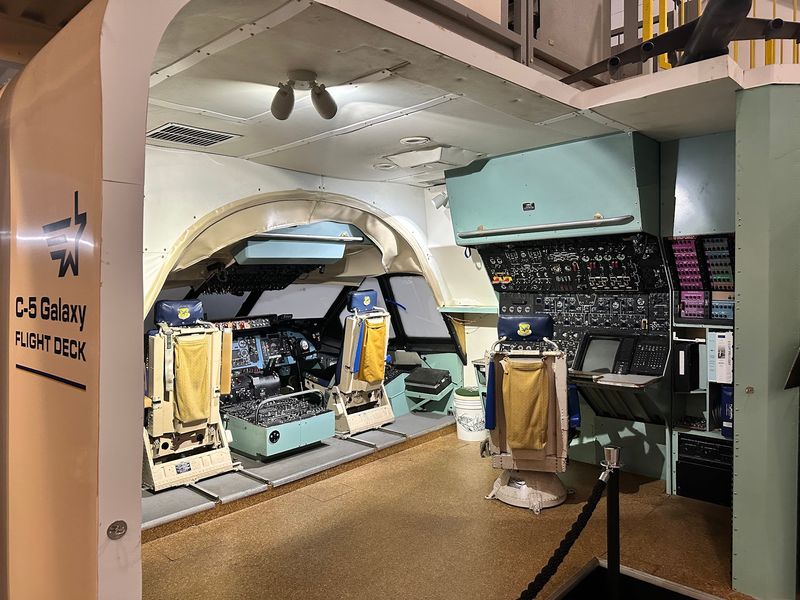
Airplanes are amazing, but people are the heart of this place. The museum’s exhibits share stories from the Korean War, the Vietnam War, humanitarian missions, airlift operations, and aerial refueling.
Each one shows how Dover crews helped the country and the world.
Humanitarian missions might be the most surprising part for many visitors. Dover planes have carried food, medicine, and supplies to people after disasters.
So the same base built for war has also delivered help and hope.
You will see uniforms, photos, and personal items that make history feel real. A worn jacket or a faded letter can say more than any textbook paragraph.
Here is a great way to explore. Pick one exhibit and imagine the person behind it.
How old were they? Were they scared, proud, or homesick?
Thinking this way turns a museum trip into something you will remember. It also helps you see how Dover AFB grew into such a meaningful part of the region’s story.
Plan Your Visit
Good news first: admission and parking are both free. The Air Mobility Command Museum sits at 1301 Heritage Road, Dover AFB, DE 19902, and it makes an easy day trip for families, students, and aviation fans.
The museum is generally open Wednesday through Sunday from 9 a.m. to 4 p.m. It is closed Mondays, Tuesdays, and most federal holidays.
Checking ahead before you drive is always a smart move, especially around holidays.
One very important tip. Use the museum entrance from Route 9, not the main Dover AFB gate.
Many first-time visitors head to the main gate by mistake and lose time getting turned around.
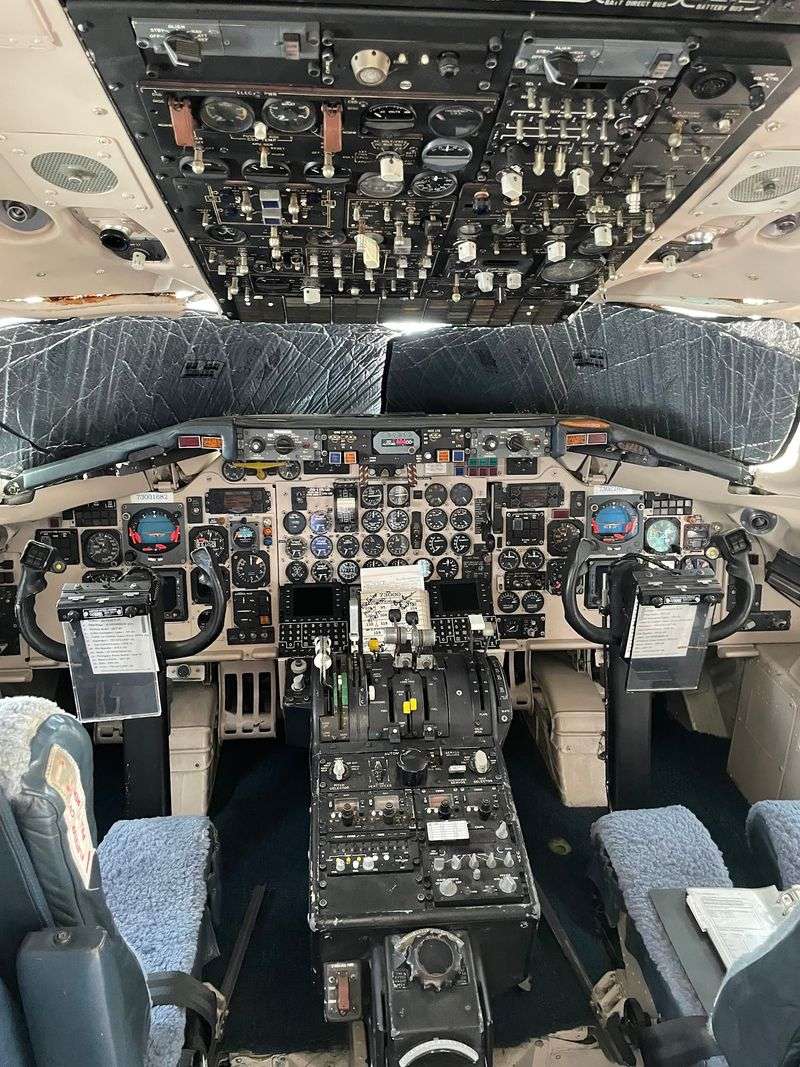
Guided tours are available and can add great details you might miss on your own. Some aircraft may even be open so you can peek inside, depending on weather and staffing.
Arriving early gives you the best chance. Questions?
Call the museum at +1 302-677-5938 before your trip so you can plan the perfect visit.