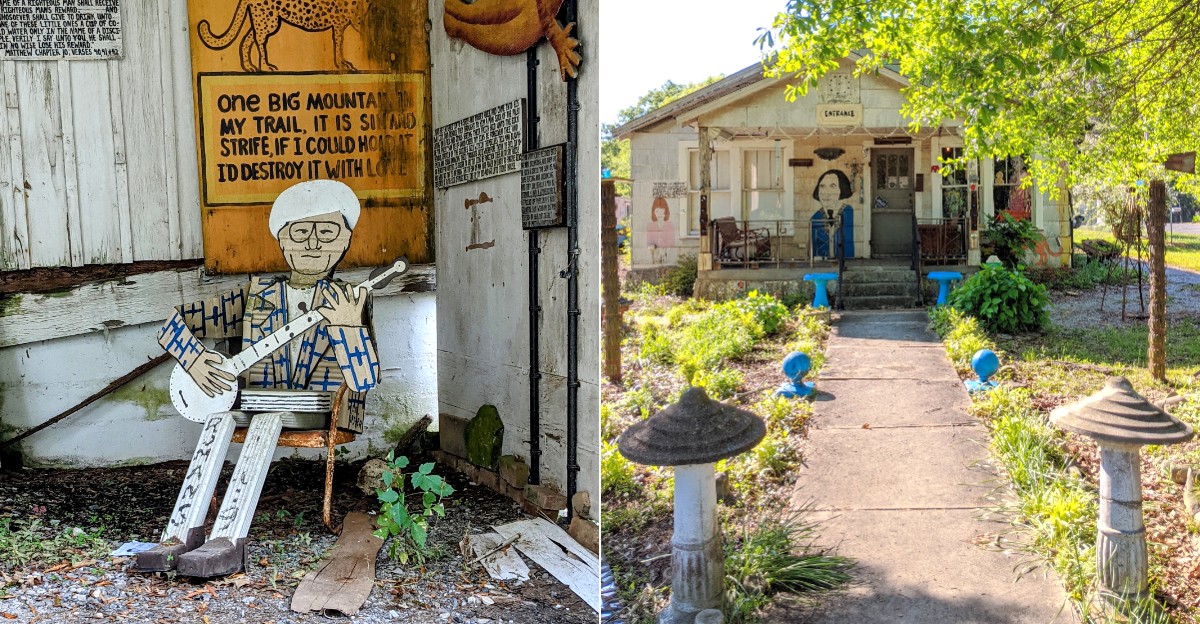
Mirror shards, bottle walls, painted angels, and towering sculptures make this little patch of northwest Georgia unlike anywhere else.
Paradise Garden sits on North Lewis Street in Summerville, Georgia, in Chattooga County.
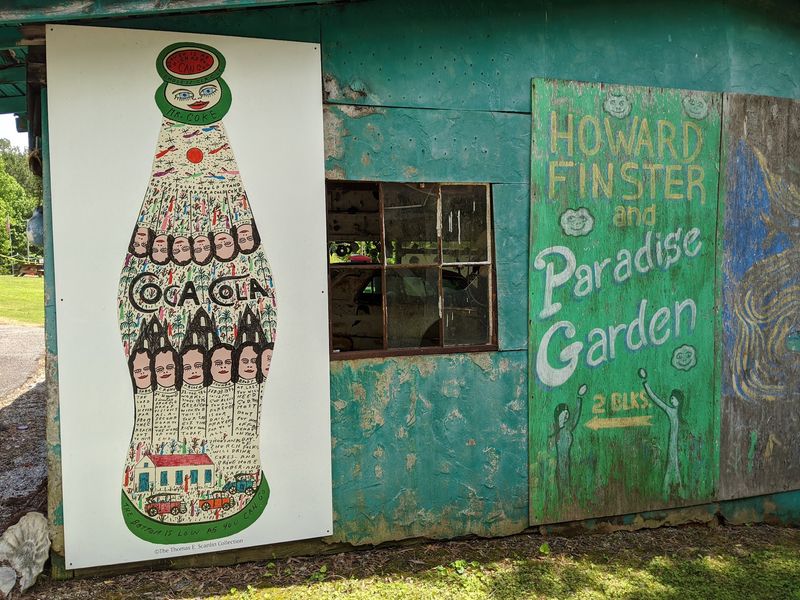
It was created by the Reverend Howard Finster, a preacher and self-taught artist who began building it by hand in the early 1960s.
Over the years, he filled the grounds with thousands of handmade works, quirky structures, and colorful messages.
His art became famous worldwide, even appearing on album covers for well-known bands.
Bring your curiosity and your camera, because this wonderfully odd garden is a true one-of-a-kind adventure.
A Handmade World With One Unmistakable Voice
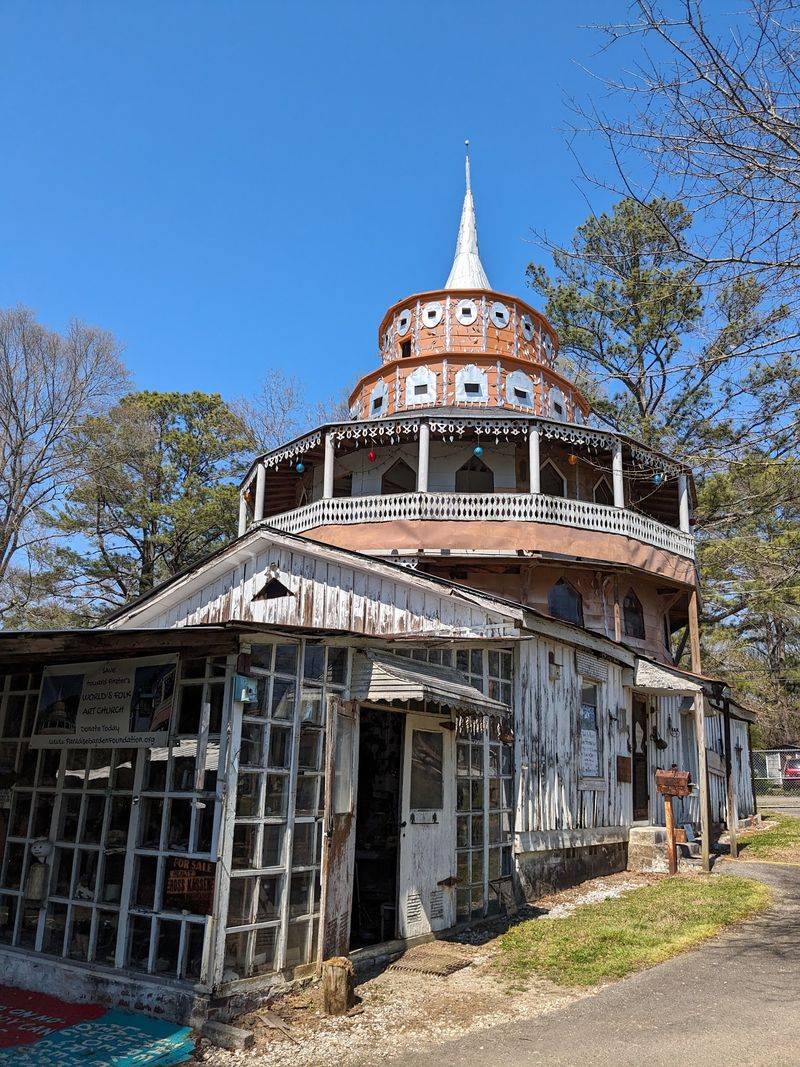
Before you notice any single artwork, the whole garden feels like someone turned a lively imagination into a real place. Buildings, paths, painted objects, and collected materials work together instead of standing apart like pieces in a regular museum.
Howard Finster, a preacher and self taught artist, shaped this environment through years of making, collecting, arranging, and building. His hands gave ordinary materials new roles, creating a setting where personal history and artistic vision meet around every corner.
The handmade character is part of the attraction, not a flaw that needs to be hidden behind polished displays. Look closely at uneven surfaces, crowded arrangements, and small details to appreciate the choices that give the garden its personality.
Start with the available introduction to Finster’s life before walking the grounds, since background helps the unusual surroundings make sense. Visitors have described a short video and helpful staff, though you should ask which orientation materials are available that day.
Rather than racing toward a favorite photo spot, spend your first few minutes noticing how everything fits into the larger setting. You do not need an art degree to enjoy it, only patience, curiosity, and a willingness to see beauty differently here.
Discarded Objects Get a Remarkable Second Life
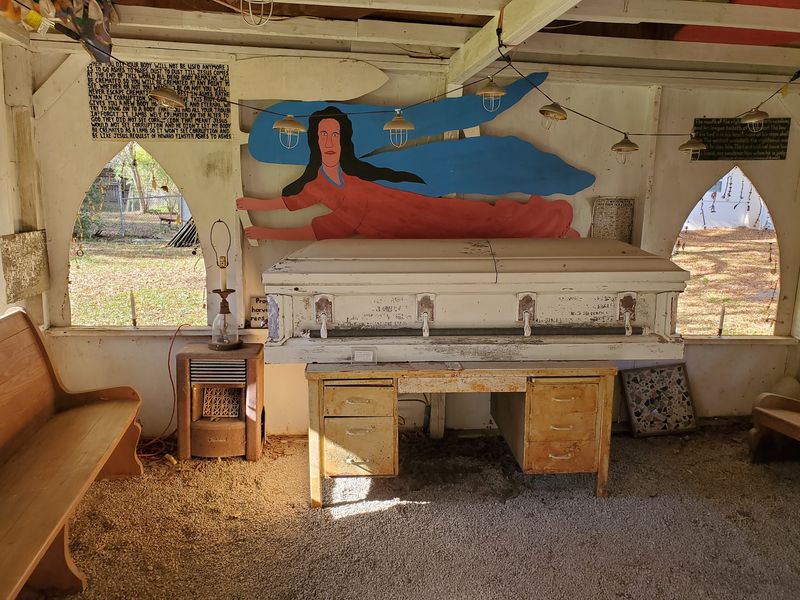
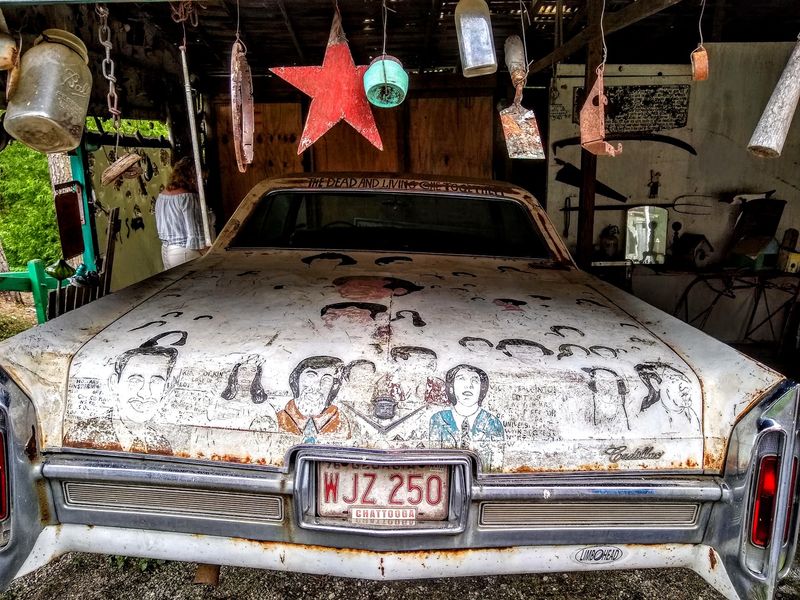
A bottle cap might seem worthless until it joins dozens of others in an arrangement that makes you stop walking. Across the grounds, discarded objects become building blocks for art, showing how much possibility can hide inside everyday leftovers.
Visitor accounts mention bicycle parts, bottle caps, and other collected materials worked into the garden’s buildings, walkways, and displays. Instead of treating those pieces as rubbish, Finster used their shapes and textures to help create his own visual language.
For a playful visit, choose one familiar material and see how many different uses you can spot along the route. Children and adults can compare discoveries, turning a simple walk into an informal hunt without moving or handling any objects.
Pay attention to the difference between a loose collection and a finished arrangement, especially around workshop areas and stored materials. Some objects help explain the artist’s working process, while others have become part of a larger scene or built surface.
Keep your hands off fragile pieces unless staff clearly allows touching, because age and outdoor exposure can weaken surprising materials. The lasting lesson is wonderfully practical: creativity does not always begin with expensive supplies, and usefulness can continue after an object’s original purpose ends.
Paths Reward Anyone Who Looks Down
Your shoes may pass close to an artwork before your eyes ever find it, which makes looking down surprisingly rewarding. Visitors specifically mention art beneath their feet, alongside paths and bridges that connect the garden’s many features into one experience.
Unlike a gallery with neatly spaced frames, the route invites you to notice surfaces, edges, corners, and changing views together. A detail that seems small from one direction may become more noticeable after you turn around or approach it slowly.
Wear comfortable shoes with dependable grip, and watch your footing while studying the artwork rather than walking with your camera raised. Outdoor paths can change with weather, so ask staff about current conditions and any route that needs extra care today.
If you visit with children, try a simple observation game based on colors, shapes, or materials instead of collecting anything. Let each person choose a favorite discovery, then explain what caught their attention without worrying about finding a correct answer.
Photography works best when you pause somewhere safe and avoid blocking other visitors who are moving through the same space. Allow time for a second look along part of the route, because the garden’s busy surfaces often reveal details you missed earlier during your first pass.
Painted Messages Make the Garden Personal
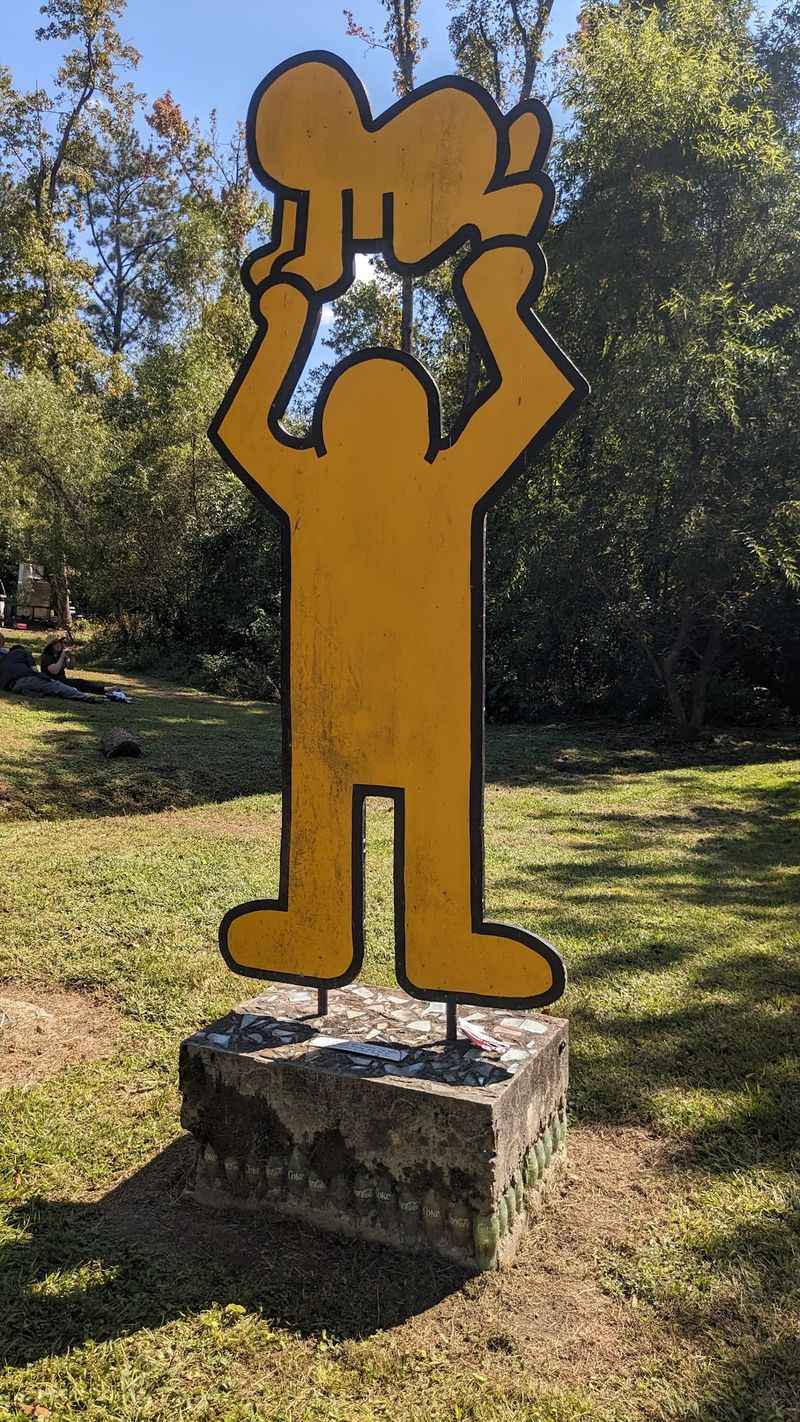
Some discoveries ask you to stop and read rather than simply admire a shape, color, or clever arrangement of materials. Finster’s words are a major part of the experience, giving visitors a direct connection to the ideas behind his work.
His Christian faith shaped his art, and religious messages appear throughout the setting alongside the playful and unexpected visual details. Knowing that background helps explain why the garden can feel both joyful and serious, sometimes within the very same view.
You do not have to share his beliefs to recognize how strongly he wanted his artwork to communicate with people. Approach the messages as expressions of one artist’s convictions, and take time to consider how words change your response to objects.
Choose a few readable passages instead of trying to absorb every message, especially if the crowded displays begin to feel overwhelming. Families can discuss what a passage seems to mean while leaving room for different reactions and keeping the conversation respectful.
Ask staff when handwriting, weathering, or unfamiliar references make something difficult to understand, rather than guessing at the artist’s intended meaning. Reading slowly adds another layer to the visit, reminding you that these handmade surroundings were built to share thoughts as well as attract attention from visitors.
Workshops Reveal the Person Behind the Art
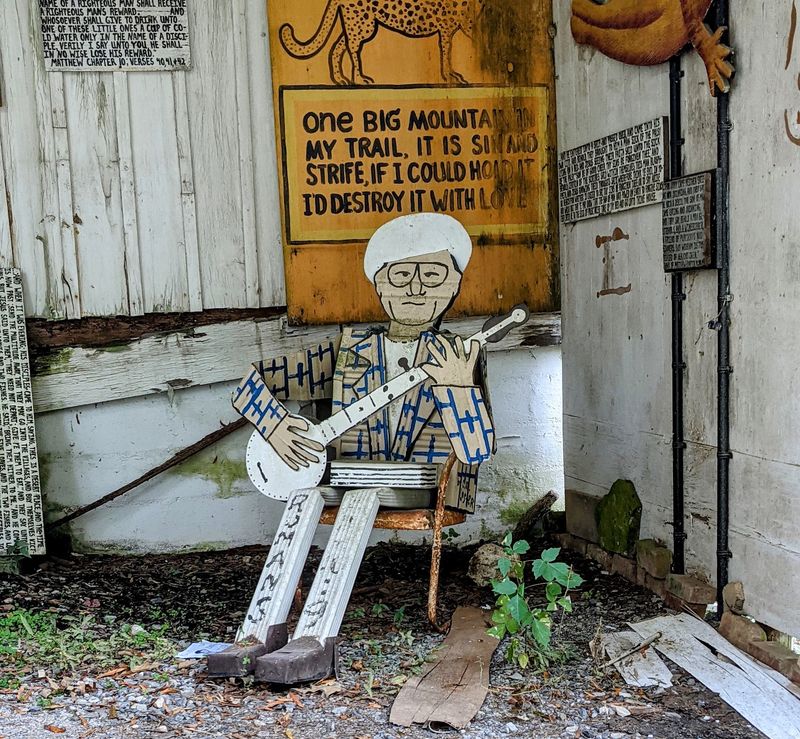
Behind the colorful results lies a quieter story of sorting, saving, and working with materials that other people might ignore. Workshop spaces and collections help visitors understand that the garden grew from repeated effort, not one sudden burst of inspiration.
Accounts of the property describe tools, stored objects, and carefully arranged metal pieces that offer clues about Finster’s creative process. Those details can be just as interesting as a finished artwork because they show the practical side of his imagination.
Think about the everyday decisions involved: keeping a useful piece, finding room for it, and waiting until an idea takes shape. Seeing the working environment makes the handmade garden feel more human, with patient labor behind its surprising surfaces and structures.
Stay within open visitor areas, and remember that access to individual buildings may change as maintenance or restoration work continues. Ask which spaces currently explain the artist’s working life, rather than assuming every room mentioned in an older review remains accessible.
Avoid drawing medical conclusions from unusual collections or crowded displays; the useful story here is about artistic practice and personal habits. For anyone who makes things at home, these spaces offer an encouraging reminder that creative work often starts with curiosity and grows through steady, ordinary effort over time.
Unusual Buildings Hold More Than Photo Opportunities
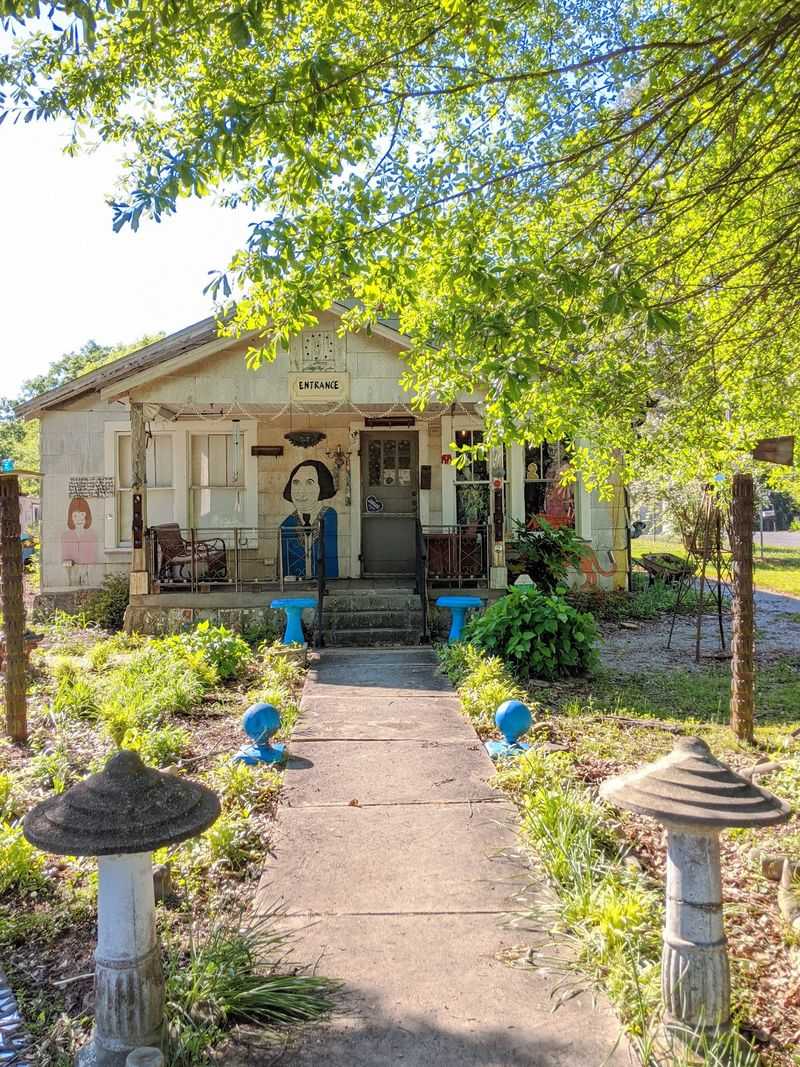
A handmade building can pull your attention as strongly as a painting, especially when its details refuse to follow ordinary expectations. The garden includes multiple structures, and visitor accounts mention a meditation chapel, church, and other buildings connected to Finster’s world.
These spaces add depth to the experience because the artwork does not stop at a frame or a display case. Architecture becomes part of the larger setting, giving his ideas places to gather and offering visitors different ways to encounter them.
Pause outside each accessible structure and notice its relationship to nearby paths, objects, and open areas before stepping closer to details. A wider photograph can capture that connection better than a tight image that removes the building from its surrounding landscape.
Access deserves special care when planning, since reviews from different years describe repairs, closures, renovations, and special opportunities during events. Contact the foundation for current information instead of relying on an old photograph or assuming that a particular interior is open.
If a doorway is closed, respect the boundary and ask whether another display can help explain the structure’s history or purpose. Even an exterior view can reveal the garden’s central idea: handmade art can shape an entire environment, not merely decorate a wall inside a room.
Preservation Keeps a Fragile Vision Alive
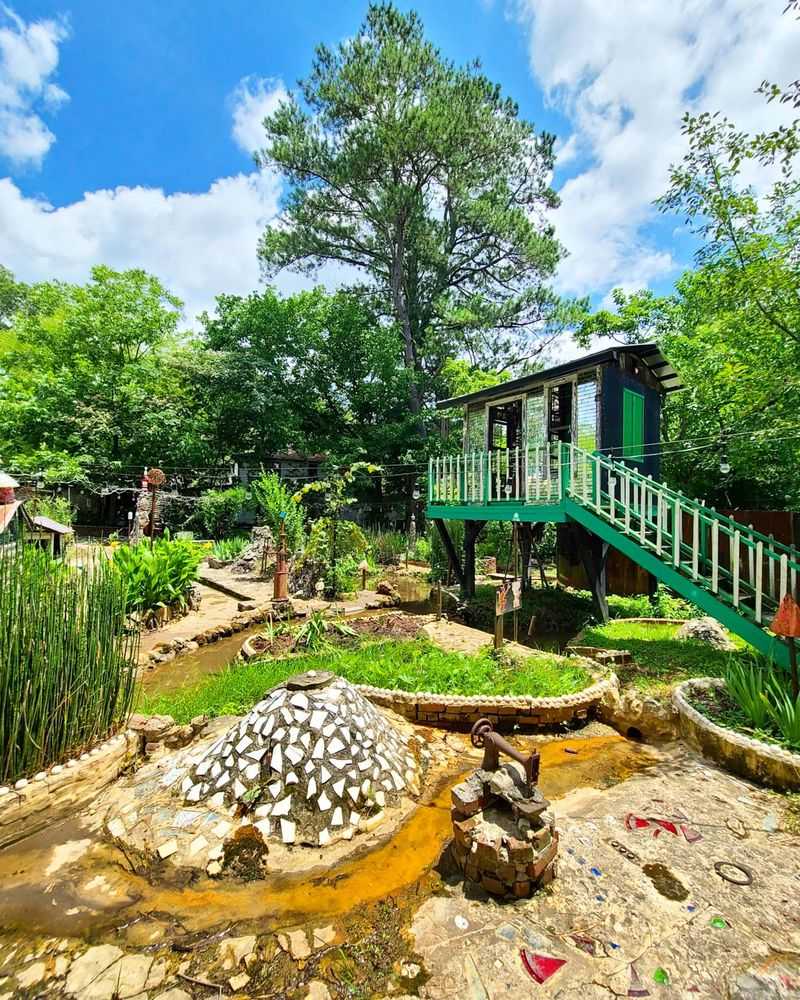
Rain, heat, and passing years are tough on outdoor artwork, especially when its materials were never designed for museum display. That makes preservation a central part of the garden’s story, not simply a task happening somewhere behind the visitor experience.
The foundation helps care for Finster’s environment, while visitor accounts describe visible improvements and restoration supported by funding and contributions. Because those accounts reflect different dates, they are useful background rather than a reliable list of what work remains unfinished.
Look at weathered surfaces with care, remembering that age can be part of what makes an original object feel so powerful. At the same time, protecting those surfaces takes planning, resources, and decisions about how to preserve the artist’s work for future visitors.
Follow posted rules, avoid leaning on installations, and keep bags or clothing from brushing against fragile details in narrow viewing spaces. Small acts of care matter when many people pass through a place filled with objects that cannot easily be replaced.
If the visit leaves you inspired, ask about current ways to support the foundation through donations, purchases, membership, or available programs. Checking directly ensures your support matches present needs, while helping keep this unusual handmade legacy accessible to people who have not discovered its story yet.
A Little Planning Makes Room for Wonder
A relaxed visit starts before you arrive, with enough time set aside to wander rather than squeeze everything into minutes. Paradise Garden Foundation is at 200 N Lewis St, Summerville, GA 30747, United States, making the address your starting point.
The supplied schedule lists opening hours from 11 AM to 5 PM Tuesday through Sunday, with the property closed on Mondays. Confirm hours, admission prices, and any special closures through the official website or by calling +1 706-808-0800 before your trip.
Give yourself breathing room in the schedule, since visitors report that even an hour can feel short once they begin exploring. Bring drinking water, choose clothing for the forecast, and remember that much of the experience involves spending time outside on foot.
Ask ahead about accessibility, current building access, and pet policies if those details affect your plans, rather than relying on reviews. For Finster Fest or other special programming, check the current calendar because dates, ticket arrangements, and available activities can change yearly.
Friendly staff receive frequent praise from visitors, so make use of their knowledge when deciding where to begin or what to notice. Leave room for unexpected discoveries, and you will approach the garden as it deserves: an unfolding handmade world rather than another hurried stop.