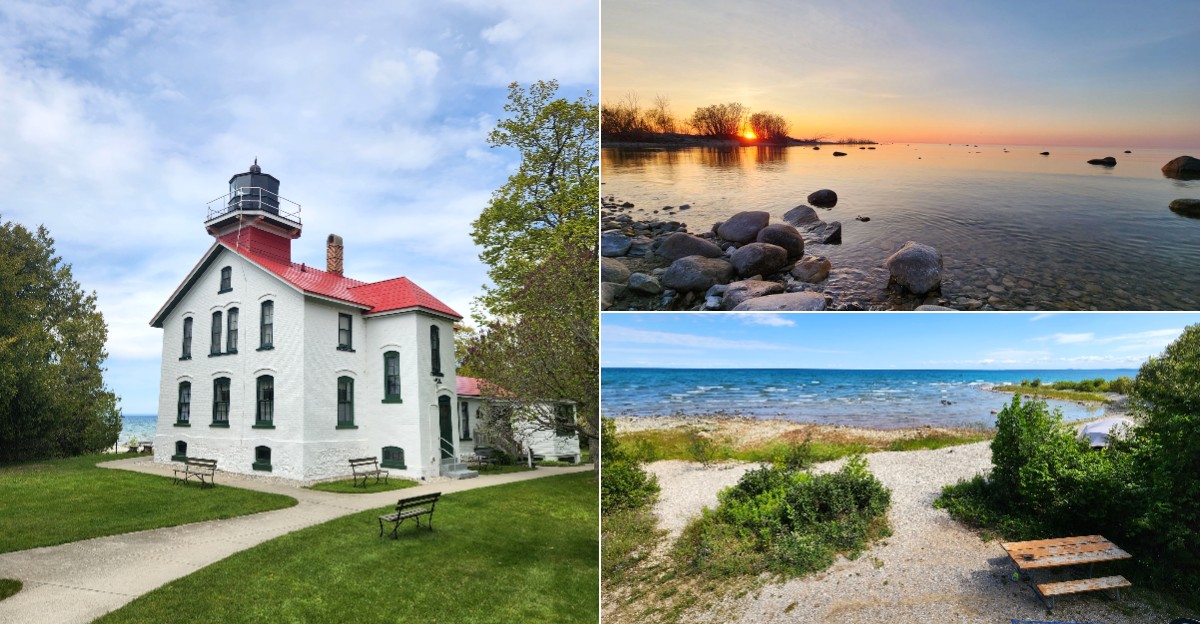
Waves lapping against a rocky shore, a historic lighthouse standing watch, and endless views across Lake Michigan set a wonderfully peaceful mood.
Leelanau State Park sits at the very tip of Michigan’s Leelanau Peninsula, just north of the village of Northport.
Its centerpiece is the Grand Traverse Lighthouse, a historic beacon that now welcomes visitors as a museum.
Wooded trails lead to quiet sandy beaches and scenic overlooks along Cathead Bay.
The park also offers a rustic campground right by the water, perfect for families who want to stay a little longer.
Bring a picnic, slow down, and let this lakeside corner of northern Michigan remind you how good unhurried time can feel.
A Quiet Arrival at the Peninsula’s End

The road grows quieter, the trees crowd closer, and suddenly your plans seem less urgent. That feeling fits Leelanau State Park, at 15310 N Lighthouse Point Rd, Northport, MI 49670. Its setting at the northern tip of the Leelanau Peninsula puts woodland, historic buildings, and open water within one visit.
Despite the title’s mitten image, you are exploring a peninsula within Michigan’s Lower Peninsula, not the state’s northernmost point. The distinction matters when planning your drive and understanding the landscape. Once inside, give yourself permission to explore without packing every minute.
Start with a look at the posted map, then decide whether your day calls for lighthouse history, shoreline time, or a longer walk. The lighthouse grounds and hiking area have separate access points, so check directions before switching activities. A little planning prevents unnecessary driving and leaves more time outdoors.
Bring drinking water, snacks, and an extra layer, even when the forecast looks pleasant. Wind off the lake can change how warm the afternoon feels. Before leaving home, check the official park page for entry requirements, seasonal notices, and current hours.
The reward is not a packed checklist. It is the chance to arrive somewhere beautiful and stop hurrying for a while, without feeling you missed anything.
Lighthouse History That Still Feels Close
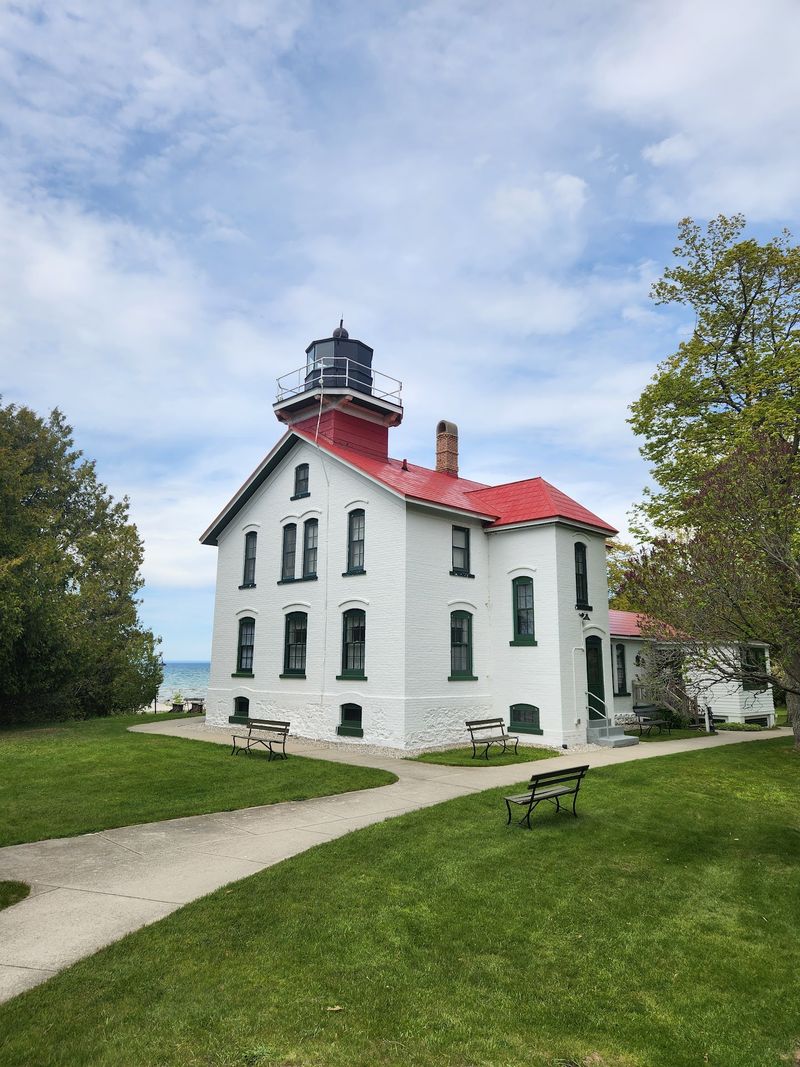
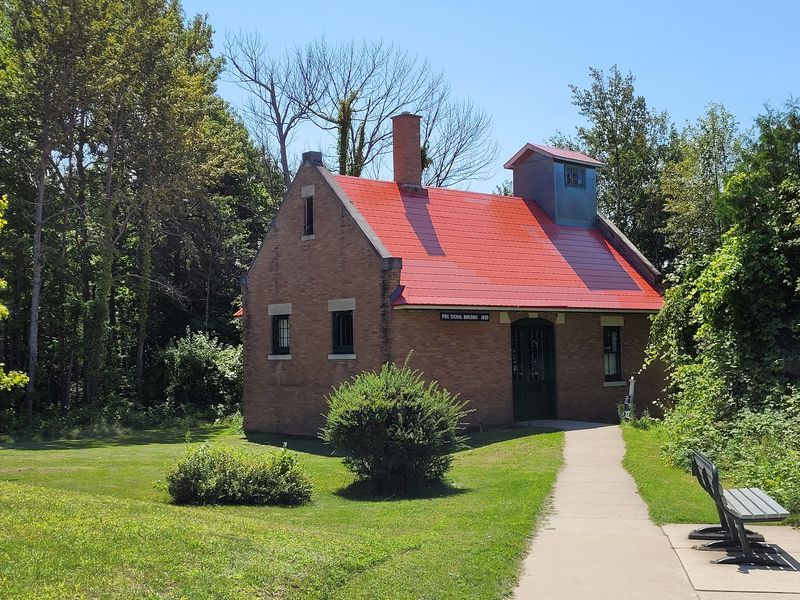
A lighthouse makes history feel less like a textbook and more like a front door you can enter. The Grand Traverse Lighthouse is the park’s best known landmark, with a white exterior that stands out against trees and sky. The present building dates to 1858, giving the grounds a strong connection to generations of lake travel.
When museum tours are available, visitors can learn about lighthouse keepers and the work behind guiding vessels. Think of the building as both a navigation aid and a former home. That mix helps younger visitors understand why tending a light was a daily responsibility, not simply a picturesque job.
Allow time to look around the grounds before or after your tour. Different angles reveal the building’s shape, nearby historic features, and its relationship to the shoreline. You do not need to rush straight toward the camera view everyone else wants.
Check the lighthouse organization’s current schedule before traveling specifically for an indoor visit. Museum hours can differ from park hours, and admission may be charged separately from vehicle entry. Ask about stairs and access needs before buying tickets.
Even when the doors are closed, the exterior remains a meaningful stop. Standing nearby offers a reminder that this peaceful shore once supported demanding work.
A Rocky Shore Made for Looking Closely
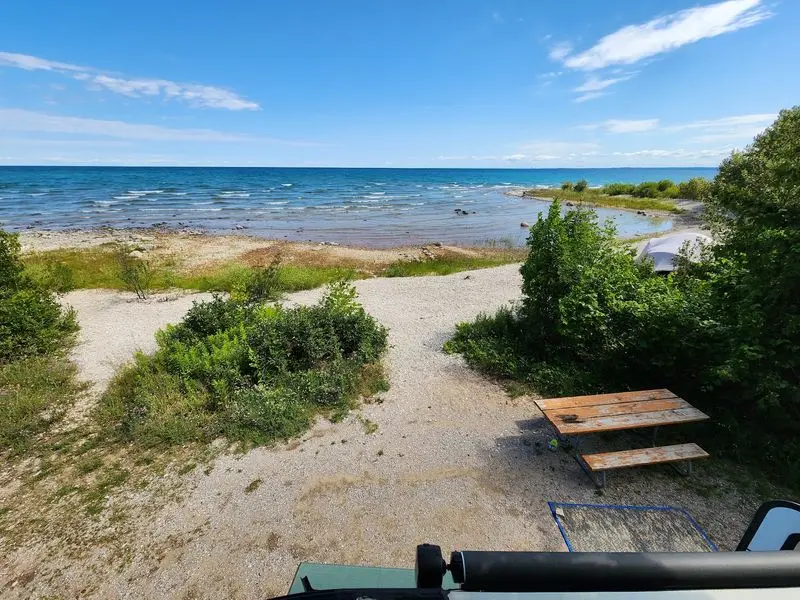
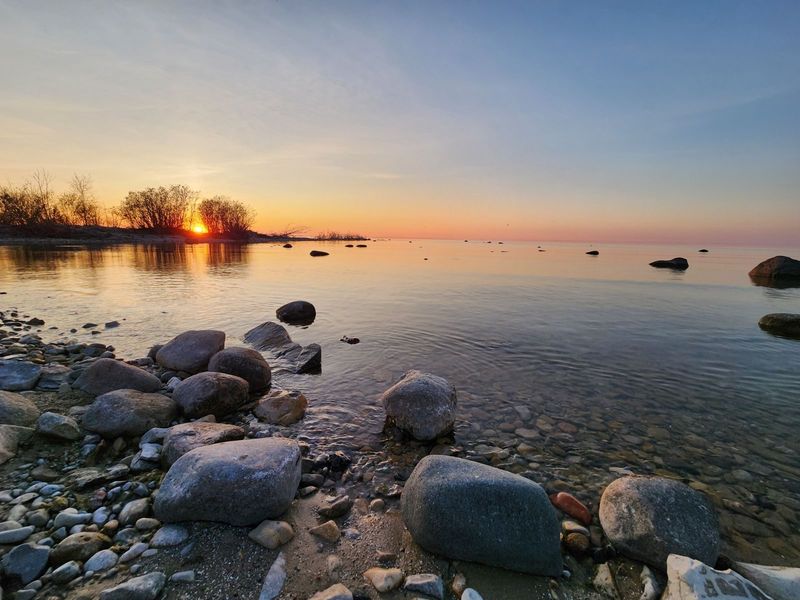
Forget the idea that every beach needs a wide stretch of soft sand. Much of the shoreline here is rocky, which gives a lakeside walk a different kind of charm. Rounded stones, washed wood, and changing water colors reward anyone willing to look down as well as out.
Wear sturdy shoes with good grip rather than counting on bare feet. Wet rocks can be slick, and uneven ground may make a short distance feel longer than expected. Families should choose a comfortable spot before letting children explore near the water.
Rock watching can become a simple game: find stripes, spots, or a stone shaped like a tiny potato. Photograph interesting finds where they lie, especially if you are unsure about collection rules. Check current park guidance before taking any natural material home.
The shoreline is also a good place to notice how wind changes the lake. A calm morning can look very different from a gusty afternoon. Keep back from rough water, and never assume a sheltered stretch will stay gentle.
Pack a small towel, drinking water, and a bag for your own litter. Leaving stones, plants, and driftwood undisturbed keeps the scene welcoming for wildlife and the next visitor. Sometimes the best souvenir is simply a closer look.
Woodland Trails With Room to Wander
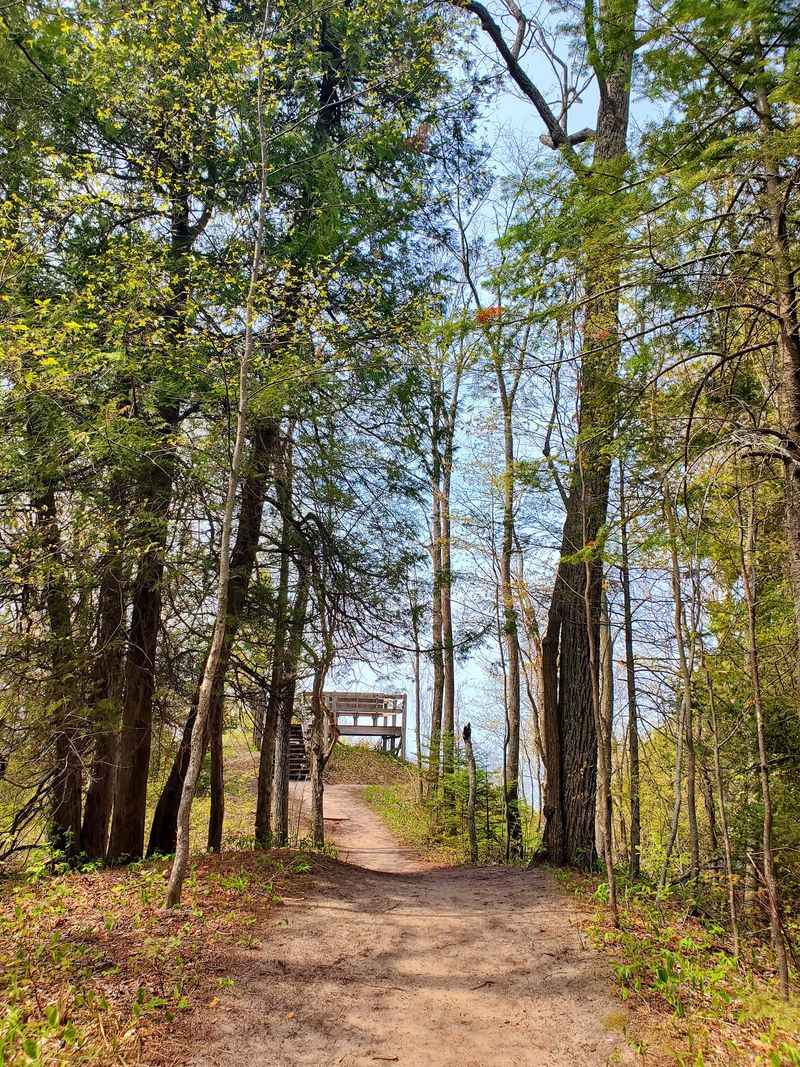
Under the trees, the loudest part of your afternoon might be your own footsteps. The park’s trail area offers a woodland change of pace from the lighthouse grounds and exposed shoreline. Hiking lets you trade distant lake views for smaller details, including bark patterns, bird calls, and shifting patches of sunlight.
Before setting out, study the trail map and choose a route that matches your group’s energy. The hiking trails use a separate access area, so do not assume every walk starts beside the lighthouse. Save directions ahead of time rather than relying entirely on a phone signal.
Comfortable shoes, water, and insect protection belong in even a small day pack. Roots, sand, and uneven sections can slow your pace. Give yourself extra time if children want to stop often or someone needs frequent rests.
Stay on marked routes and leave plants where they grow. If a trail looks muddy or conditions seem uncertain, ask park staff about a better option. Turning around early is more sensible than finishing a route that no longer feels comfortable.
Winter can bring opportunities for skiing when conditions allow, but seasonal access and trail status should be checked first. Whatever the season, the woods offer something refreshingly simple: a reason to keep walking slowly.
Rustic Camping That Keeps Things Simple
Your evening entertainment might be a book, a campfire, and the sound of waves. Camping here is rustic, which means the setting takes center stage instead of a long list of comforts. Expect vault toilets rather than shower buildings, and plan for campsites without electrical hookups.
Bring enough drinking water for your needs and confirm available water services before arrival. Charge devices ahead of time, pack reliable lights, and keep food secured. A cooler, simple meals, and layers for chilly evenings can make a basic setup feel comfortable.
Some campsites offer appealing water views, but layouts and shoreline access vary. Study the reservation map instead of assuming every site sits directly beside the lake. If access to a toilet matters for your group, ask about distances and ground conditions before booking.
Insects can be part of the experience, especially near the water. Pack repellent and consider a screen shelter if bugs quickly spoil your evening. Follow posted fire rules and use approved firewood sources to help prevent the spread of pests.
Quiet hours matter in a campground where many visitors come to rest. Keep music low, lighting modest, and shared spaces clean. With realistic expectations, the missing conveniences become less noticeable than the extra time you gain outside together each evening.
Lake Light Worth Waiting For

Stay long enough, and the lake can seem to change its whole personality. Bright afternoon blue gives way to softer colors as the sun drops, while morning light brings its own fresh glow. The peninsula setting gives visitors opportunities to enjoy both sunrise and sunset from suitable shoreline viewpoints.
Choose your viewing spot in daylight, especially if rocks or uneven paths are involved. Notice how you will return to your car or campsite once the light fades. Bring a flashlight rather than trusting your phone battery to last.
A folding chair can turn waiting into the best part of the visit. Add a warm layer and a small snack, then settle somewhere that does not block paths or disturb plants. Let your eyes adjust to the changing colors before reaching for the camera.
For photos, try including shoreline stones or trees instead of filling every frame with sky. Clouds often add texture, so a forecast without perfect sunshine does not automatically spoil the view. Keep expectations flexible because weather decides the show.
Respect posted closing times if you are visiting for the day. Campers should also keep nighttime noise low near neighboring sites. A memorable evening does not need a dramatic sunset; sometimes quiet water and cool air are enough.
Wildlife Encounters That Reward Patience
A small movement near the water can be easy to miss until you pause. Birds are part of the park’s appeal, and watching them turns an ordinary walk into a quiet search. The endangered Great Lakes piping plover is a species visitors should learn to recognize and protect.
Never assume a bird sighting is guaranteed, even in habitat associated with rare wildlife. Bring binoculars if you have them, and observe from a comfortable distance. A bird that repeatedly moves away may be telling you that you are too close.
Follow every posted wildlife closure and stay outside marked nesting areas. Small shorebirds and their eggs can blend into sand and stones surprisingly well. Keeping your feet on permitted routes is more helpful than trying to get one closer photograph.
Keep pets leashed wherever they are allowed, and check beach restrictions before bringing them toward the water. Do not feed birds or leave crumbs behind after a picnic. Food scraps can draw animals into places where they face avoidable trouble.
Children can enjoy a simple observation challenge: count different calls, colors, or flight patterns without chasing anything. Write down what you notice rather than rushing to identify every species. Patience makes the experience richer while giving wildlife the space it needs.
An Easy Day Built Around Small Pleasures
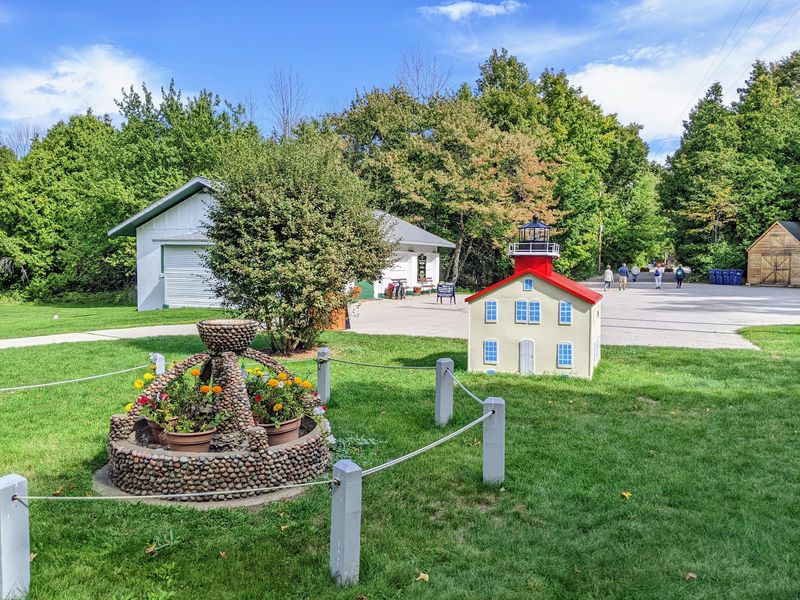
Lunch tastes better when nobody is checking the clock between bites. The day use grounds make room for a slower visit, with picnic facilities and a playground near the lighthouse area. For families, that combination helps balance grownup interests with the simple need to move, climb, and play.
Pack a lunch that handles outdoor conditions well and bring a bag for leftovers and litter. A picnic table is useful, but busy days may require flexibility. Keep shared spaces tidy and leave room for other visitors to enjoy them.
Build your outing around a few priorities rather than trying to cover everything. You might tour the lighthouse, eat lunch, then spend the rest of the afternoon beside the water. Another group may prefer a trail walk followed by a short look around the historic grounds.
Check vehicle entry requirements through the official park website before leaving. Michigan’s Recreation Passport system and visitor fees can vary by residency and purchase method. Confirm museum admission separately, since park entry does not necessarily include a lighthouse tour.
Ask staff about accessible routes, restroom locations, and current conditions if those details affect your plans. Leave a little space in the schedule for surprises. An unplanned bench break may become the moment you remember most clearly afterward.