The clip-clop of horse-drawn carriages, the ring of a blacksmith’s hammer, and the beat of a fife and drum corps instantly carry you back in time.
Colonial Williamsburg sits in Williamsburg, Virginia, where the restored capital of the 18th-century Virginia colony comes to life.
Costumed interpreters bring history to life as tradespeople, townsfolk, and famous figures from the Revolutionary era.
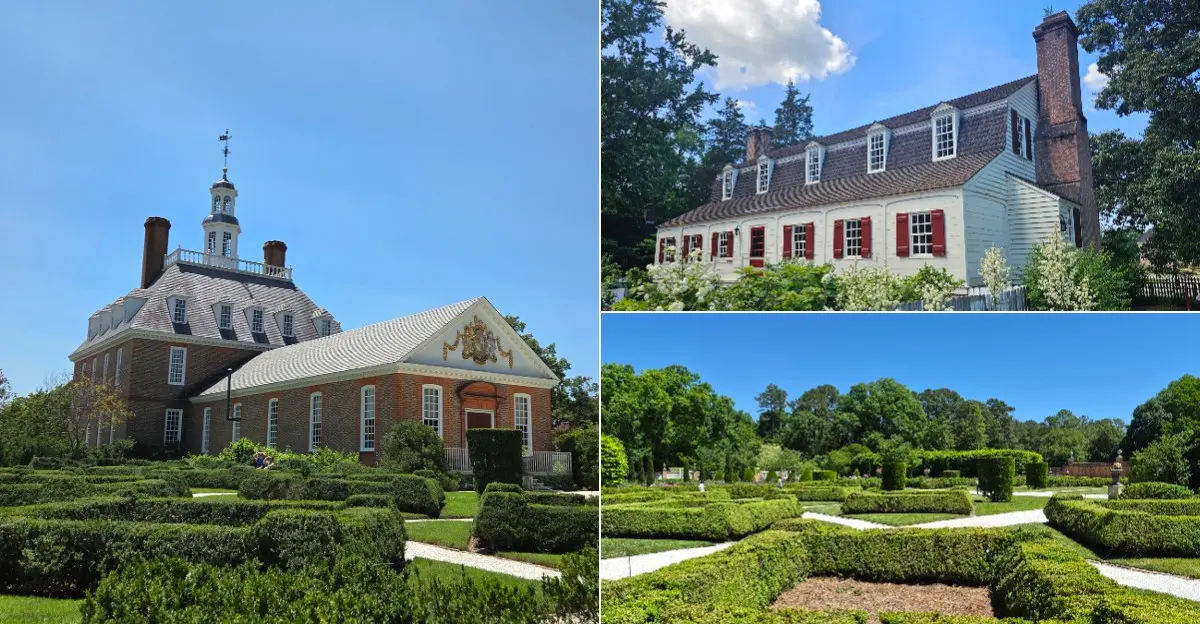
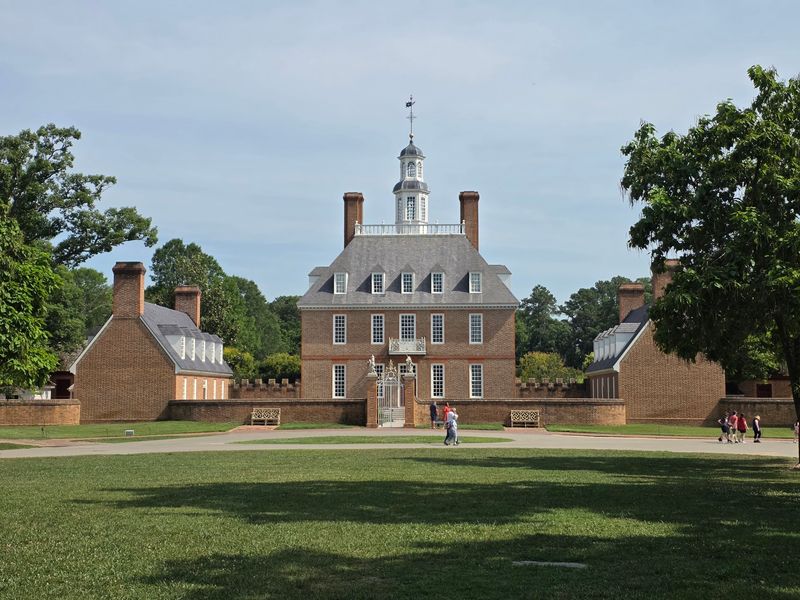
Kids can watch craftspeople at work, chat with characters on the street, and explore grand buildings like the Governor’s Palace.
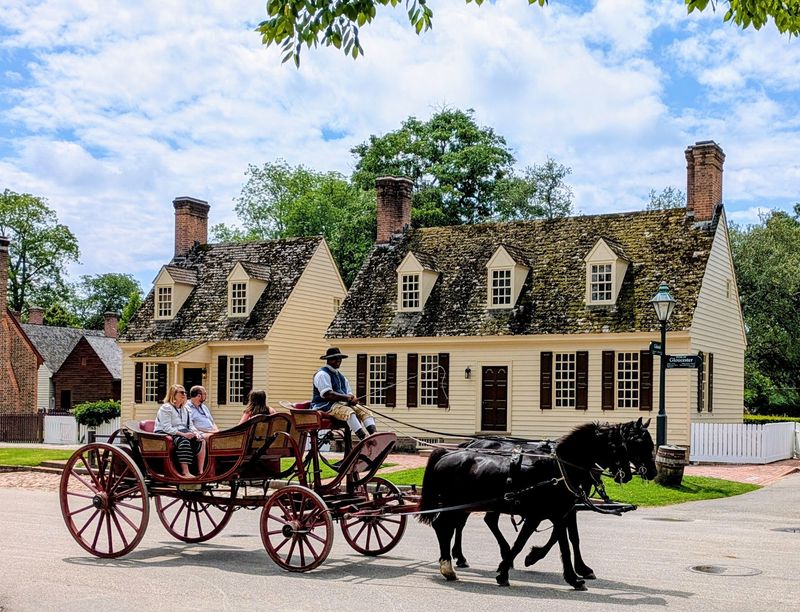
Hands-on programs, carriage rides, and lively demonstrations keep young visitors curious and engaged all day long.
Wear comfortable shoes, grab a map at the visitor center, and get ready for a family day that feels like stepping into a history book.
Start With a Map and a Little Freedom
A paper map can feel like a treasure hunt when children get to help choose the route. Begin at Colonial Williamsburg, 101 Visitor Center Dr, Williamsburg, VA 23185, United States, where the Visitor Center makes a useful starting point for planning. Rather than rushing toward every building, pick a few experiences that match your family’s interests.
Check the official website before arrival for current admission prices, parking information, shuttle details, and the daily program schedule. The supplied listing shows general hours of 10 AM to 5 PM, but individual sites and activities may follow different schedules. Confirm those details for your date instead of treating one listing as a promise.
Explain that walking through public streets is different from entering ticketed historic sites. Many building interiors, trade demonstrations, and programs require admission, and some special activities cost extra. Keep tickets easy to reach so entrance checks do not interrupt the rhythm of the day.
Give each child one choice, perhaps a craft shop or a garden stop. Then build a loose route around those picks, leaving space for unexpected discoveries. A flexible beginning turns the visit into a shared adventure rather than an adult checklist, and that sense of ownership helps children stay interested throughout the whole day.
Follow the Ring of a Working Hammer
Clang, scrape, tap: a working trade shop has its own soundtrack, and children often notice it before they notice the history. Historic tradespeople demonstrate skills that once supplied everyday needs, from shaping iron to weaving cloth and building furniture. Watching a useful object take shape gives young visitors something clear to follow.
Choose two or three shops rather than trying to collect every trade in one afternoon. A blacksmith’s workspace offers heat and movement, while weaving or cabinetmaking can reward closer attention. The daily schedule will help you find which shops are operating during your visit.
Before entering, ask children to look for one tool they cannot name. Once the interpreter has a suitable pause, let them ask what it does and why the worker needs it. That small mission makes the visit active without turning it into homework.
Some demonstrations include materials visitors may touch, but permission matters every time. Never assume that tools, unfinished pieces, or display objects are available for handling. Stay behind barriers and follow staff directions around fires and sharp equipment.
Allow enough time to see part of a process rather than just its result. The lesson becomes memorable when children connect patient effort with something familiar, such as clothing, printed pages, or wooden chairs.
Let Curious Questions Lead the Conversation
The best question may be the one an adult would never think to ask. Why are those shoes shaped that way, and where would a child sleep? Costumed interpreters can help turn ordinary details into stories about daily life in the eighteenth century.
Encourage children to begin with something they can see, such as clothing, a household object, or the arrangement of a room. Concrete questions are easier than asking for an entire history lesson. They also give the interpreter a natural opening to explain how people lived and worked.
Listen for differences between past and present without suggesting that everyone shared the same experience. Wealth, race, gender, and legal status shaped people’s choices in very different ways. Ask whose story is being told and whose work supported the household or business.
Some interpreters portray historical individuals, while others explain trades or buildings from a modern teaching perspective. Follow their lead, and avoid assuming every person in period clothing plays a famous figure. A brief, thoughtful exchange can be more useful than a long speech.
Shy children do not need to perform for anyone. Offer to ask their question, or let them listen until they feel comfortable. Curiosity grows best when the conversation feels welcoming, unhurried, and free from pressure.
Make One Grand Building the Day’s Anchor
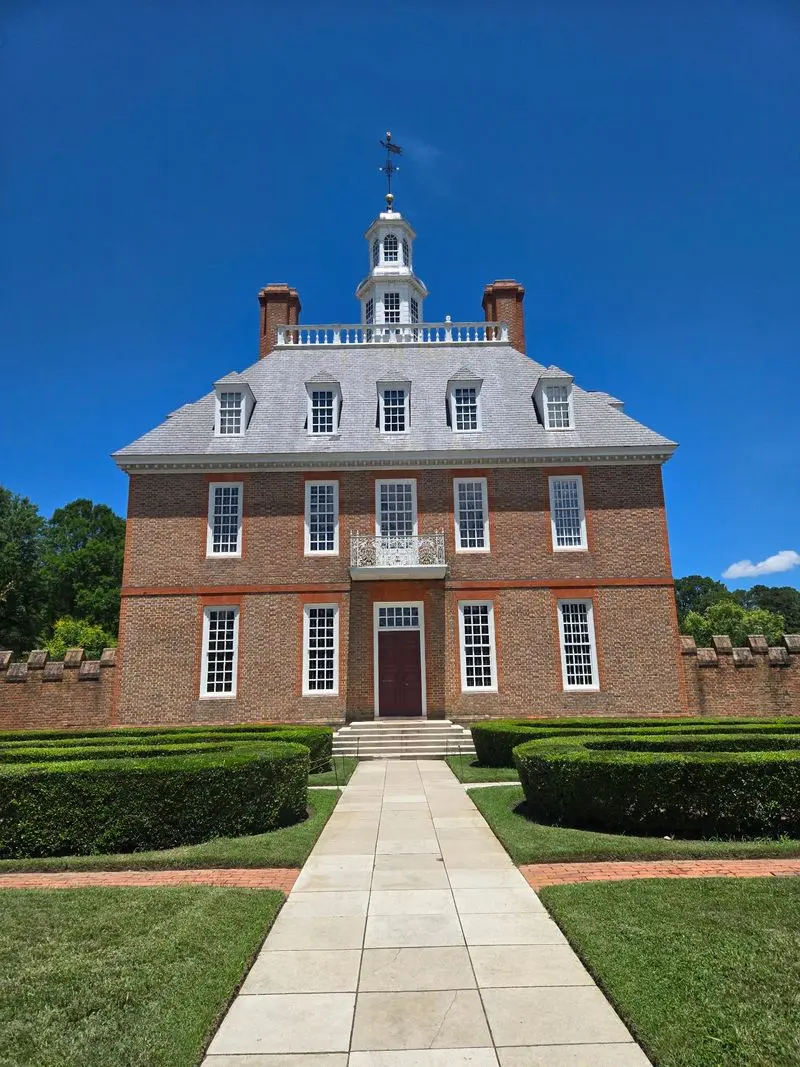
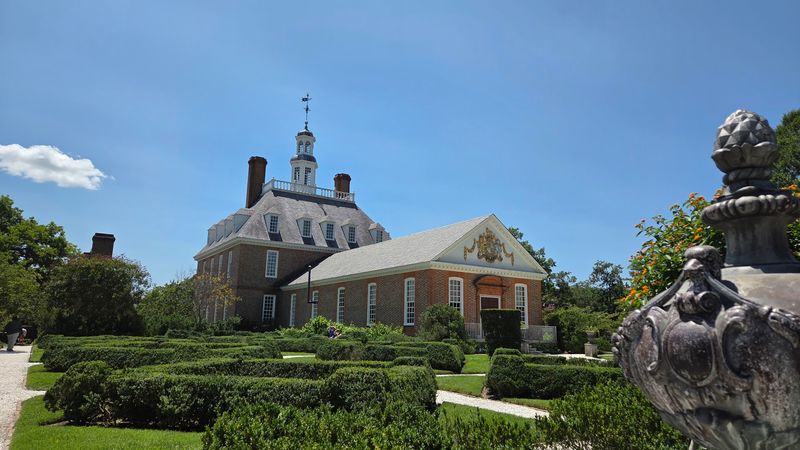
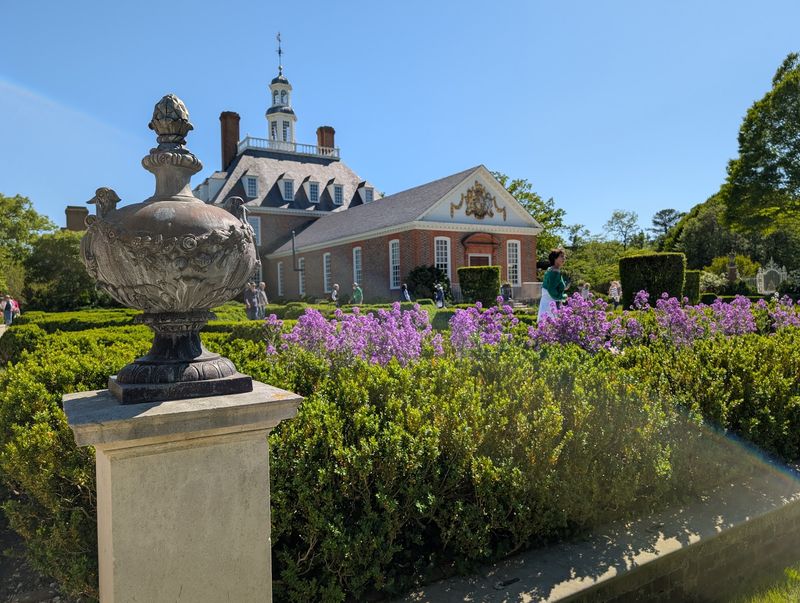
Rows of weapons and formal rooms can make power feel much less abstract than a textbook paragraph. The Governor’s Palace offers a strong anchor for families interested in leadership, design, and the years before independence. Its grand setting invites children to consider who made decisions and who carried out the work.
Check the day’s entry arrangements early, since tours can attract crowds and may involve waiting. Choose a time that fits your children’s attention spans rather than squeezing the visit between several rushed stops. Ask staff about access needs before joining a tour.
Inside, give everyone a simple looking task: find a detail that suggests wealth, authority, or daily comfort. Discuss their choices afterward instead of whispering through every explanation. Children may notice a pattern, a chair, or a display that adults overlook.
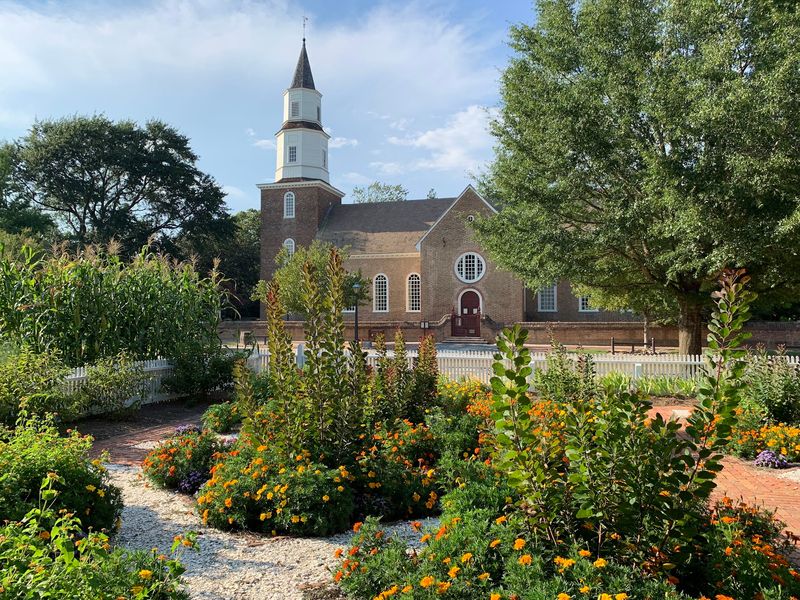
Explain that the Historic Area contains both original buildings and reconstructed structures. A reconstruction helps show a lost place, but it is not the same as an untouched building from the colonial period. That distinction makes the experience more honest, not less interesting.
If your family prefers government debates to elegant rooms, consider the Capitol instead. One substantial building visit is enough for a day with younger children. Leave time afterward to move, talk, and reset outside together.
Turn the Streets Into a Discovery Game
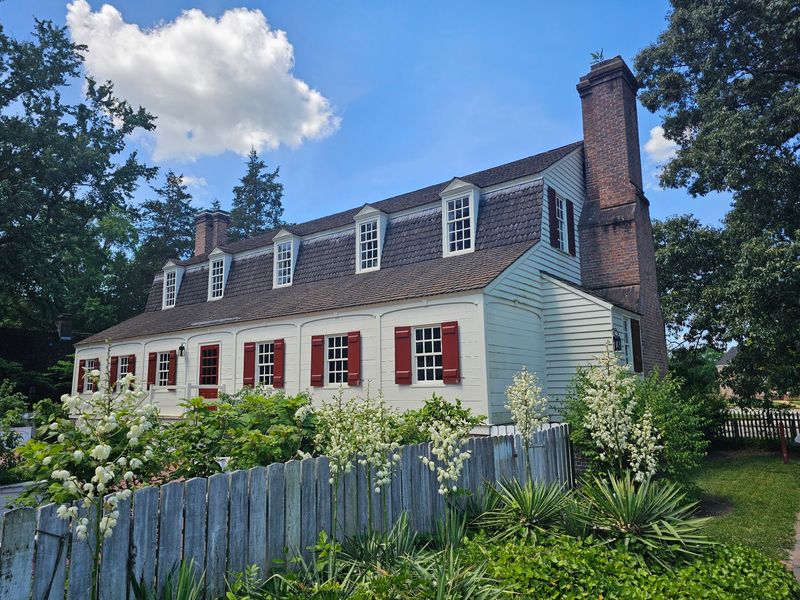
Between scheduled stops, the street itself can become the next activity. Duke of Gloucester Street offers buildings, signs, doorways, and everyday details that reward a slower walk. A simple observation game keeps children engaged without adding another reservation or entrance line.
Ask everyone to find three things: a trade sign, an unusual building feature, and evidence of how people traveled. There is no need for prizes or a printed worksheet. Take turns explaining what each discovery might tell you about life before cars and electric lights.
Use the walk to notice what is reconstructed, what is interpreted, and what remains a working modern space. Not every historic-looking doorway leads to a public exhibit. Respect private residences, posted signs, and closed gates, even when an inviting garden lies beyond them.
Keep the challenge flexible for different ages. Younger children might search for shapes and colors, while older ones compare businesses or look for clues about social rank. Adults can join without turning every answer into a lecture.
Stop when something genuinely catches the family’s attention. An interesting conversation or an unexpected demonstration is more valuable than finishing a list. The point is to practice looking closely together, allowing the surroundings to supply the entertainment and keeping the pace relaxed for everyone.
Protect the Fun With Water and Rest
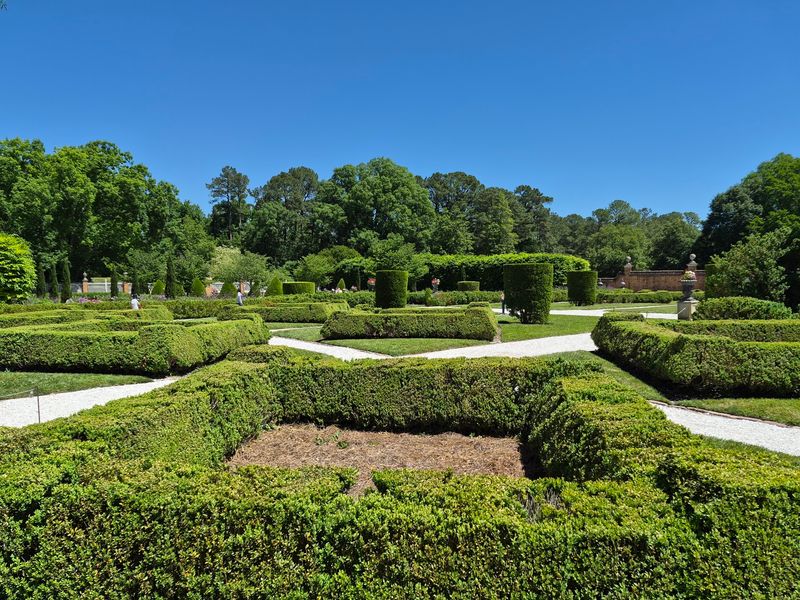
Tired feet can end a history adventure faster than any lack of interest. The Historic Area covers a large outdoor setting, so a successful family visit needs breaks as much as it needs attractions. Comfortable shoes, water, sunscreen, and weather protection belong near the top of your packing list.
Plan a food break before everyone becomes hungry and impatient. Check current dining hours and menus, especially if your family needs a full meal rather than a quick snack. Bring suitable snacks, and follow posted rules about where food and drinks are allowed.
Do not assume that bottle refill points will appear whenever you need them. Ask staff where drinking water and restrooms are available, then build those stops into your route. Warm weather calls for shorter walks and more frequent rests.
The shuttle can reduce walking, but confirm current routes, admission requirements, and accessibility arrangements. Families using wheelchairs or strollers should allow extra time and ask about boarding space. A bus ride is helpful only when it fits your needs.
Rain gear is worth carrying when showers are possible. Likewise, indoor visits can provide a change of pace, though building temperatures and access vary. Treat rest as part of the experience, not a failure to see enough before heading home together.
Choose a Live Program With Real Stakes
A live scene gives children something a display case cannot: people making choices in front of them. Scheduled programs may explore public debate, personal stories, military life, or the tensions surrounding independence. The exact offerings change, so use the official daily calendar rather than expecting a particular performance.
Choose one program that fits your family’s interests and age range. Ask about its length, subject, seating, and any loud sounds before committing. A musket demonstration, for example, may appeal to one child while overwhelming another.
Arrive with enough time to settle without pushing through other visitors. If standing is difficult, check what accommodations are available. Help children understand that listening respectfully matters even when the scene feels like entertainment.
Afterward, ask what each person wanted and why the choice was difficult. That approach builds understanding better than demanding dates from memory. You can also ask an interpreter which parts reflect documented events and which serve as teaching methods.
Leave room for complicated history, including slavery and unequal rights. Use clear language suited to your child’s age, and answer honestly when questions arise. The goal is not a cheerful version of every story, but a thoughtful encounter with real people whose experiences differed greatly from one another and from our lives today.
Finish With a Story Worth Taking Home
A small detail often becomes the memory that survives long after a family outing ends. Before leaving, find a quiet place to ask each person which moment surprised them most. The answer might involve a tool, a conversation, or the discovery that ordinary tasks once required remarkable skill.
There is no need to turn the closing conversation into a quiz. Ask what they would like to try, what looked difficult, and whose story they want to understand better. Those prompts let children connect the day with their own lives.
If energy remains, consider the Art Museums for a different kind of looking. Check opening hours and what your admission includes before adding the stop. Choose a few objects to discuss rather than attempting every gallery when everyone is already tired.
A souvenir is optional, not the reward that makes the visit count. A quick sketch, a handwritten question, or a shared favorite moment can carry just as much meaning. Keep purchases within a budget agreed upon earlier.
Finally, resist the urge to claim you saw everything. A single day works best as a selection of experiences, not a complete survey. When children leave still wondering how something worked, the visit has given them something better than distraction: a reason to keep learning.