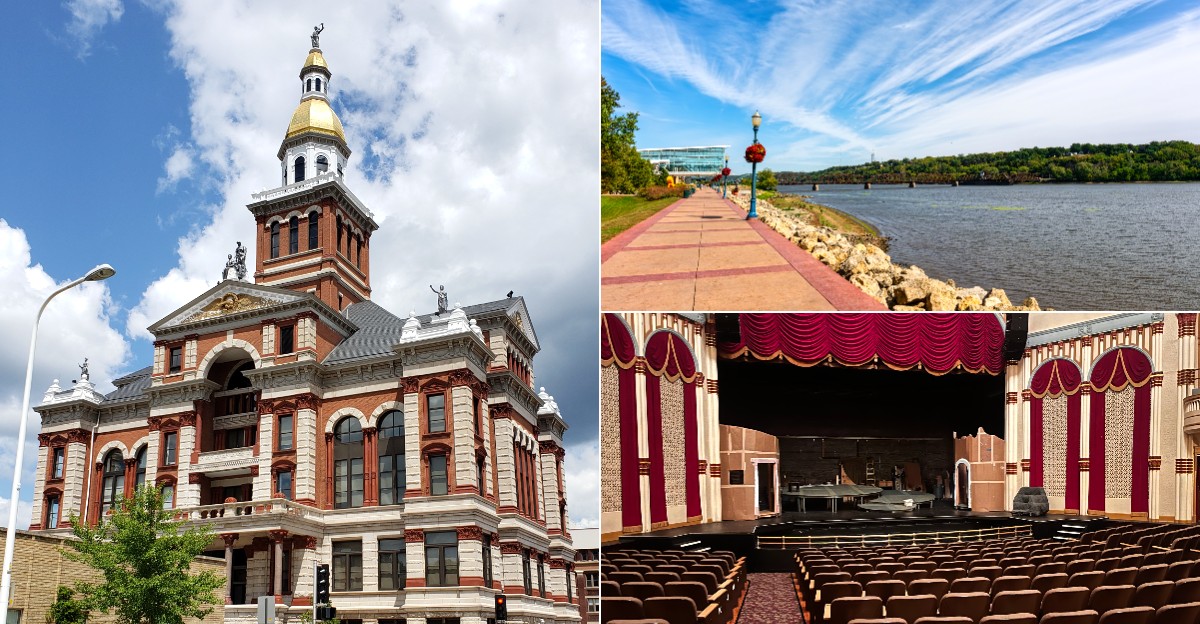
Steep bluffs, brick storefronts, and wide views of the Mississippi River give this northeast Iowa river town a surprising amount of character.
Dubuque sits right on the Mississippi where Iowa meets Illinois and Wisconsin, and it is the oldest city in the state.
Its historic downtown is packed with beautiful architecture, local shops, and cozy places to eat.
Families love riding the Fenelon Place Elevator, a tiny funicular that climbs a steep bluff to a sweeping river view.
The National Mississippi River Museum & Aquarium brings river wildlife and history to life with hands-on exhibits.
Next time you are passing through, take the exit and discover what so many drivers miss downtown.
A Downtown Worth Taking the Exit For
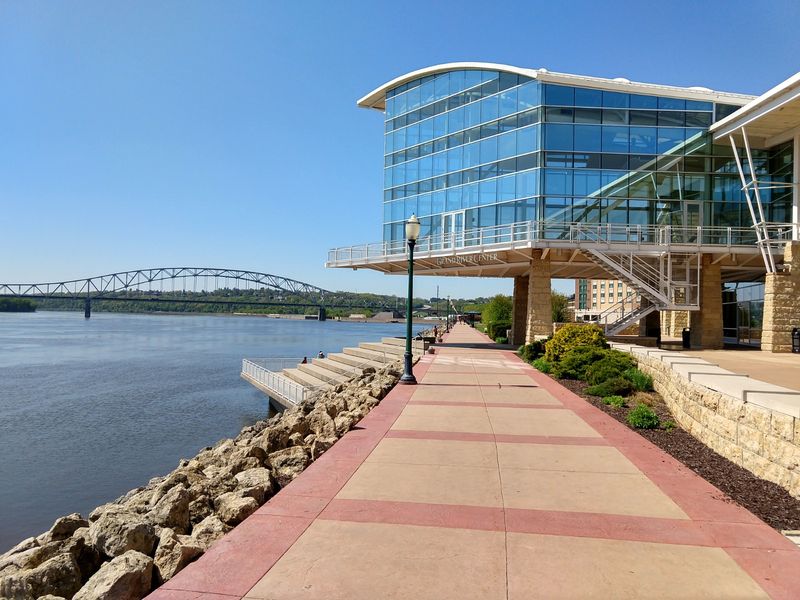
A highway exit rarely tells the whole story of the streets waiting just beyond the road. In Dubuque, Iowa, USA, downtown brings together river history, steep hills, old storefronts, and places where visitors can comfortably spend an afternoon.
Despite the small town wording in the headline, this is a city with a downtown rooted in generations of trade and industry. Its setting along the Mississippi helped shape the warehouses, commercial blocks, and neighborhoods that still give the center its character. You do not need a packed schedule to appreciate it.
Start by choosing one public parking area, checking the posted rules, and exploring a few blocks on foot. Main Street, the riverfront, and the historic warehouse district offer different experiences, so pick your first stop based on your interests. Comfortable shoes help because some routes rise sharply toward the bluffs.
Before arriving, check attraction hours and look at a downtown map rather than assuming everything sits together. A little planning makes it easier to combine a museum visit, lunch, and a scenic walk without rushing. The reward is simple: a passing stop becomes a memorable look at a river community with far more personality than its highway approaches suggest to travelers passing through the area.
A Tiny Railway With a Big View
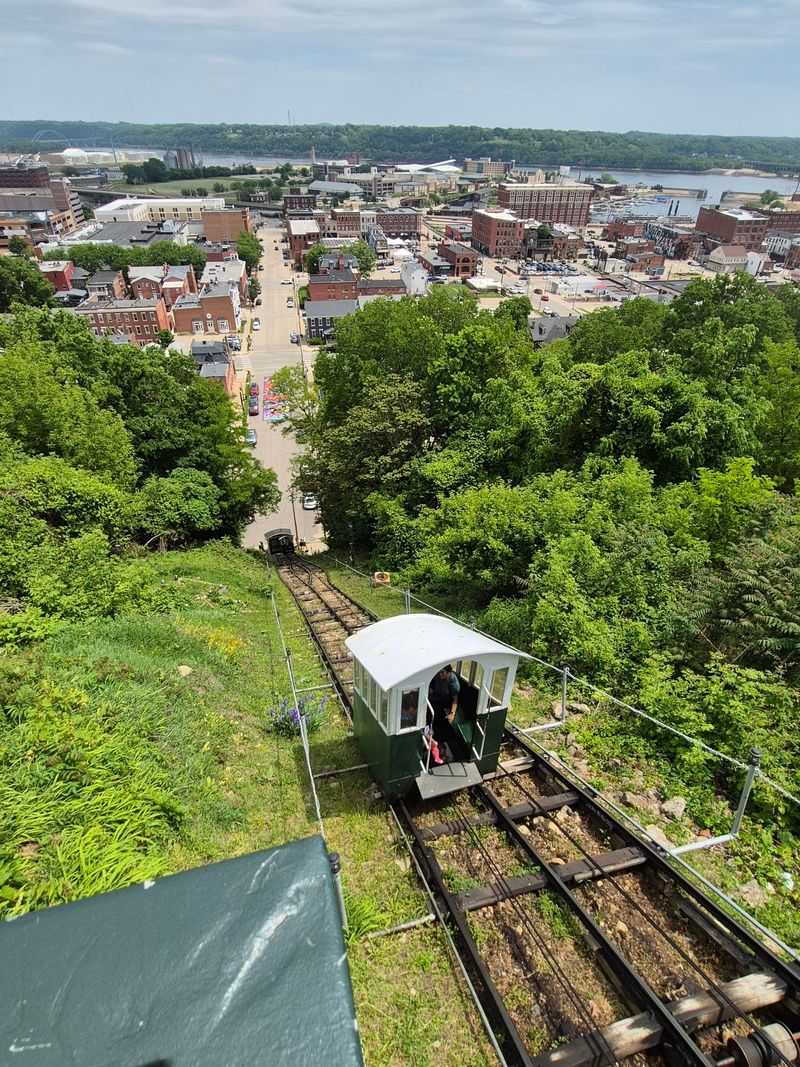
Two little railway cars climbing a steep hillside can turn a simple sightseeing stop into the highlight of your day. The Fenelon Place Elevator carries riders between the downtown area and a bluff overlooking rooftops, bridges, and the river.
The railway began in 1882, when a local businessman wanted a quicker route between his office and his hilltop home. Today, that practical shortcut feels like a wonderfully unusual piece of local history. The ride is short, but the changing angle makes the climb feel surprisingly dramatic.
At the upper landing, take time to enjoy the view instead of immediately heading back down. On a clear day, the overlook offers views toward neighboring states across the water. Bring a camera, though simply watching the city spread below you is worth the stop.
Check the current operating season, hours, fares, and payment options before building your day around the elevator. Visitors with mobility needs should ask about boarding and access, since a historic hillside railway may not suit every traveler. Pair the trip with a nearby meal or a stroll through surrounding streets. It is an easy way to add something playful to an otherwise ordinary downtown visit, without committing to a long outing or complicated travel plans.
River Stories That Come Alive
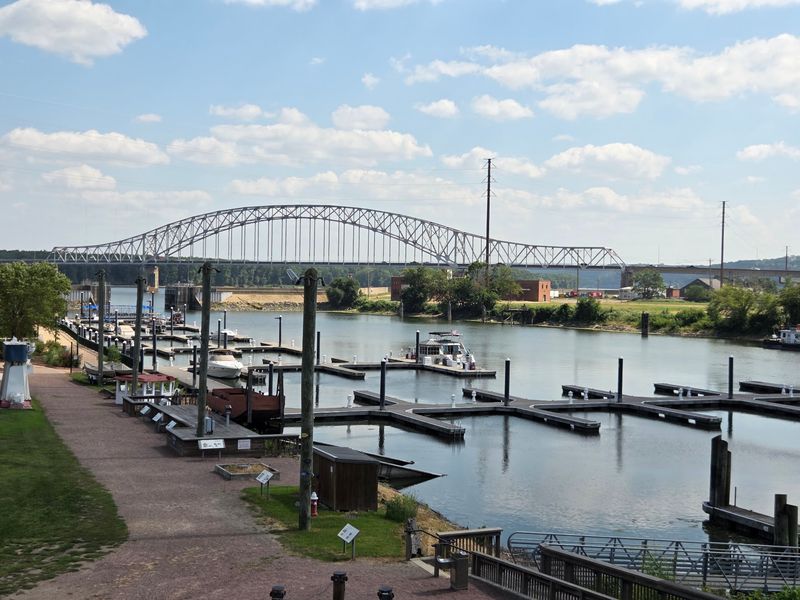
A river becomes much more interesting when you meet some of the creatures that call it home. The National Mississippi River Museum and Aquarium blends animal habitats, hands-on learning, and stories about the waterway that shaped the surrounding community.
Rather than treating history and nature as separate subjects, the museum connects them. You can learn how people traveled and worked along the river while exploring the living systems that support fish and other wildlife. That mix gives families plenty to discuss without making the visit feel like homework.
Allow several hours if you want to explore at a comfortable pace. Exhibits, outdoor areas, and available activities can vary, so review the current visitor information before arriving. Checking admission options ahead of time also helps you understand what your ticket includes and whether special experiences cost extra.
For a smoother family visit, start with the exhibits that most interest your group, then leave room for unexpected discoveries. Younger children may need breaks, while adults often appreciate the deeper history displays. The museum also makes a useful anchor for a day when the weather discourages a long walk. Afterward, step outside toward the nearby waterfront and see the river with a better understanding of its everyday importance to people.
A Riverfront Walk That Slows the Day
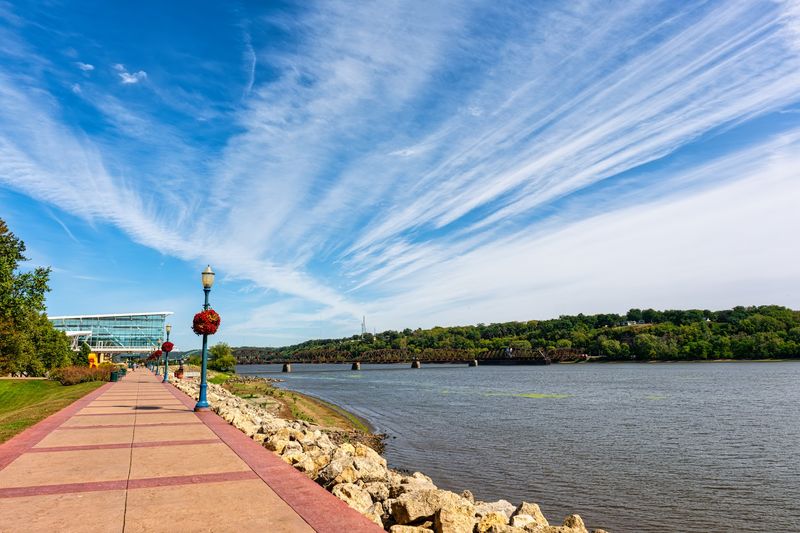
Sometimes the best downtown attraction asks nothing more than a little time and a comfortable pair of shoes. The riverfront offers space to watch the Mississippi, stretch after a drive, and enjoy a different pace from the streets nearby.
Along the Port of Dubuque, the Riverwalk provides a waterfront route with open views and places to pause. Boats, shifting light, and the broad sweep of water give even a short stroll plenty of interest. You do not have to be a serious hiker to enjoy this part of town.
Consider walking early in the day for cooler temperatures or later when the light softens over the river. Bring water during warm weather, and remember that exposed stretches can feel windy. If river levels or weather conditions are unusual, check local notices before setting out.
Combine the walk with the nearby river museum rather than treating them as separate trips across town. Benches and scenic pauses make it easy to adjust the outing to your energy level. Stay on public paths, respect posted signs, and keep children away from the water’s edge. For travelers who have spent hours watching scenery through a windshield, this simple riverside break can feel like the moment the whole trip finally slows down properly.
Old Factories With a Fresh Purpose
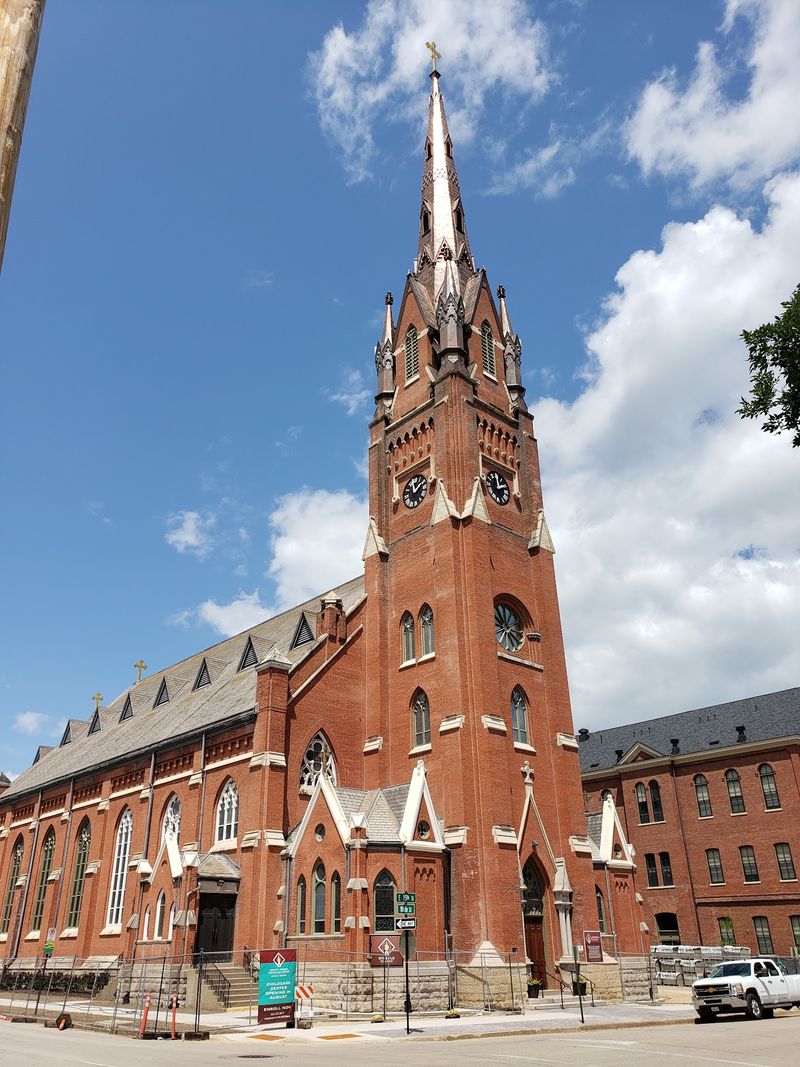
Huge windows and sturdy brick walls hint at a time when these blocks echoed with machinery instead of conversation. The Historic Millwork District gives former industrial buildings new roles while keeping much of their working character visible.
Millwork means the wood products made for buildings, including doors, trim, and other finished pieces. That industry helped shape the district, leaving behind large structures built for busy production floors. Today, restored spaces support a mix of businesses, homes, dining, and community activity.
Walk slowly enough to notice loading openings, repeated window patterns, and the scale of the old buildings. The pleasure here is not just finding somewhere to eat, but seeing how a useful part of the past can remain useful today. Photographers will find plenty of texture without needing to enter private spaces.
Check current business listings before visiting, since individual shops and restaurants keep different hours. If you hope to attend a market, performance, or neighborhood event, confirm the date through the organizer rather than relying on an old listing. Stay aware of traffic and respect residential entrances as you explore. This district rewards travelers who enjoy discovering a place through its everyday buildings, especially when a good meal gives them another reason to linger a little longer.
Main Street Best Explored Without a Rush
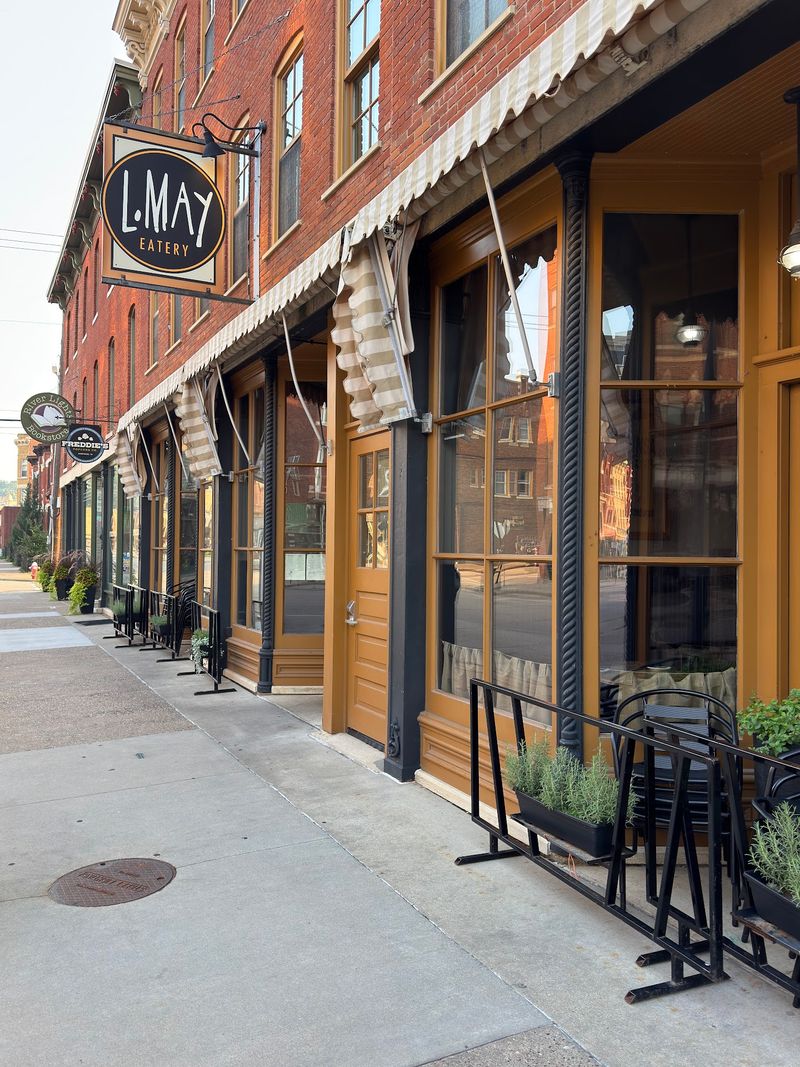
Lunch tastes better when you have taken a little time to look around before choosing a table. Main Street and the nearby downtown blocks offer the kind of wandering that turns a meal stop into a fuller visit.
Historic storefronts create a setting for restaurants, shops, and other local businesses. The exact mix changes over time, so approach the area with curiosity rather than a rigid checklist. Looking through windows and reading posted menus can be part of the fun.
Choose a few blocks to explore first, then decide where you want to spend more time. If a particular restaurant matters to your plans, confirm its hours and reservation policy before arriving. Weekend evenings and event days may require more patience than a quiet weekday lunch.
Pay attention above street level, where older buildings often reveal decorative brickwork, cornices, and tall windows. Those details make a casual shopping walk feel like a small architecture tour. Use marked crossings, review parking limits, and avoid assuming every storefront will be open at the same time. Most of all, leave space in your schedule for a discovery you did not plan. A friendly counter conversation or an interesting window display can become the part of downtown you remember most after returning home.
Architecture That Rewards Looking Up
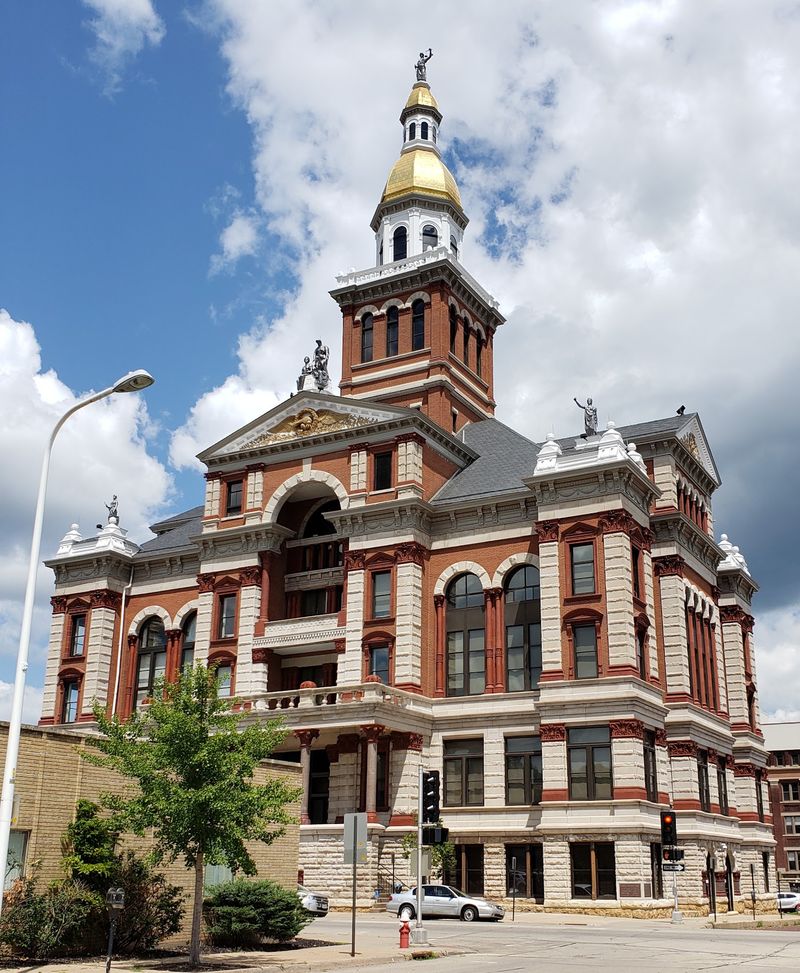
Look above the traffic and shop windows, and downtown starts telling an older story. Decorative rooflines, stone details, and imposing public buildings show how earlier generations wanted their growing community to look and feel.
The Dubuque County Courthouse is one of the strongest examples, with an ornate exterior and a prominent tower. Completed in 1893, it remains a working government building rather than simply a historic display. That combination of beauty and daily purpose makes it especially interesting to view.
Start with an exterior visit from public sidewalks, where you can study the building without interrupting business inside. If you want to enter, check current public access rules, office hours, and any security requirements. Do not assume that every historic building welcomes casual visitors throughout the day.
From there, continue noticing details on nearby commercial blocks, including carved stone, patterned brick, and old upper windows. A phone camera can help you capture features that are easy to miss while walking. Avoid stepping into streets for a better angle, and respect private property. You do not need an architecture background to enjoy this kind of exploration. Simply comparing buildings helps reveal how different eras left their mark on the same downtown streets over many busy decades of change and growth.
A Historic Stage Worth Staying For
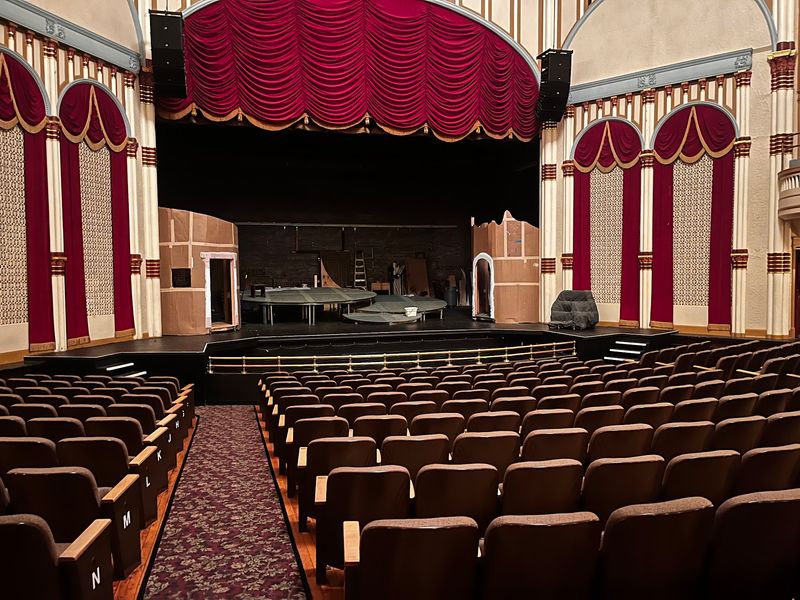
Leaving before sunset can mean missing the moment downtown changes from a sightseeing stop into a night out. The Grand Opera House offers a reason to stay, with a historic theater setting that adds character to an evening performance.
Opened in 1890, the venue connects today’s audiences with a long local tradition of live entertainment. Its schedule can include different kinds of productions, so the experience depends on what is playing during your visit. Check the official calendar instead of expecting a show every night.
Buy tickets ahead when a performance fits your plans, and review the start time carefully. Allow enough time for dinner, parking, and finding your seat without rushing. Visitors who need accessible seating or other assistance should contact the theater before purchasing tickets.
Even if no performance matches your travel dates, the building can still be part of an exterior architecture walk. For those attending a show, pairing it with a nearby restaurant keeps the evening focused on downtown rather than more driving. Check kitchen closing times if you plan to eat afterward. A live performance gives your stop a clear ending, replacing another forgettable highway evening with shared laughter, music, or a story that follows you home long after the curtain has finally fallen.