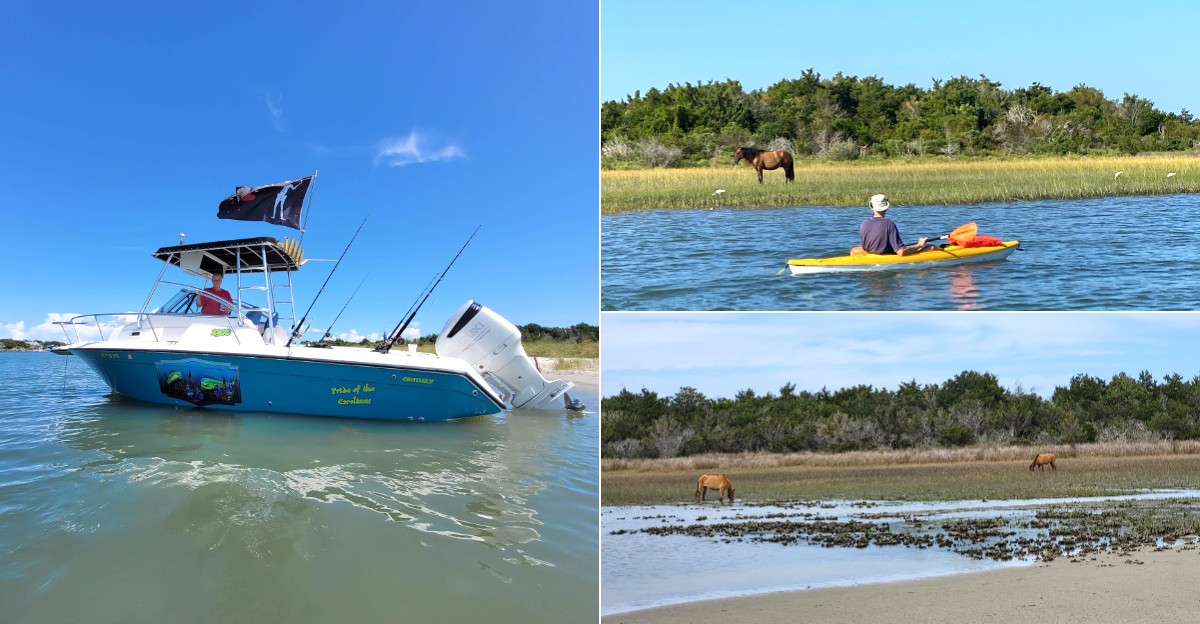
Crystal-clear shallows, soft sand, and the thrill of spotting round white treasures beneath your feet make this little island feel like a secret.
Sand Dollar Island sits just off the coast near Beaufort, North Carolina, in Carteret County.
There is no road or bridge, so the only way to get there is by boat, ferry, or paddle.
At low tide, the sandy flats reveal shells and sand dollars scattered along the shore.
Remember that living sand dollars should always be gently returned to the water so they can keep thriving.
Check the tide schedule, pack water and sunscreen, and get ready for a beach day the whole family will talk about for years.
A Shoreline Without a Road
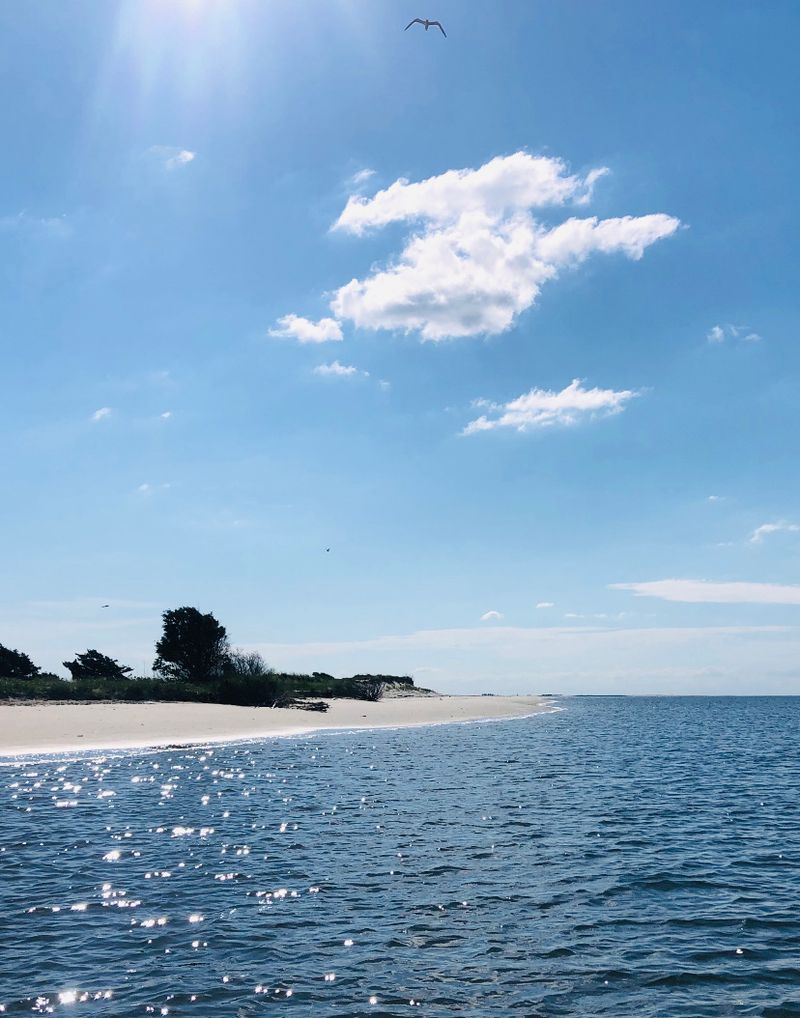
A strip of sand surrounded by water can make an ordinary beach day feel like a small adventure. There is no road onto Sand Dollar Island, the tidal sandbar identified as M9W7+28, Beaufort, NC 28516, United States. Getting there means planning a boat trip rather than searching for beachfront parking.
The supplied map listing describes a boat tour agency at 610 Front St, not a street address on the sandbar itself. That distinction matters when entering directions into your phone. Confirm your departure dock with the operator before leaving, especially if you booked through another website or chose a different boat.
Expect an open stretch of sand rather than a developed beach with shops, shaded paths, or permanent visitor facilities. The appeal comes from the water, changing shoreline, and chance to spot small marine animals. Bring what you need, but keep your load light enough to carry during boarding and landing.
A visit works best when you treat the setting as a temporary outdoor stop, not an all day resort. Ask about landing conditions, restroom access before departure, and the scheduled return. Knowing those basics leaves more time for the simple pleasure of walking a beach that feels separate from everyday traffic and noise.
The Boat Ride Is Part of the Fun
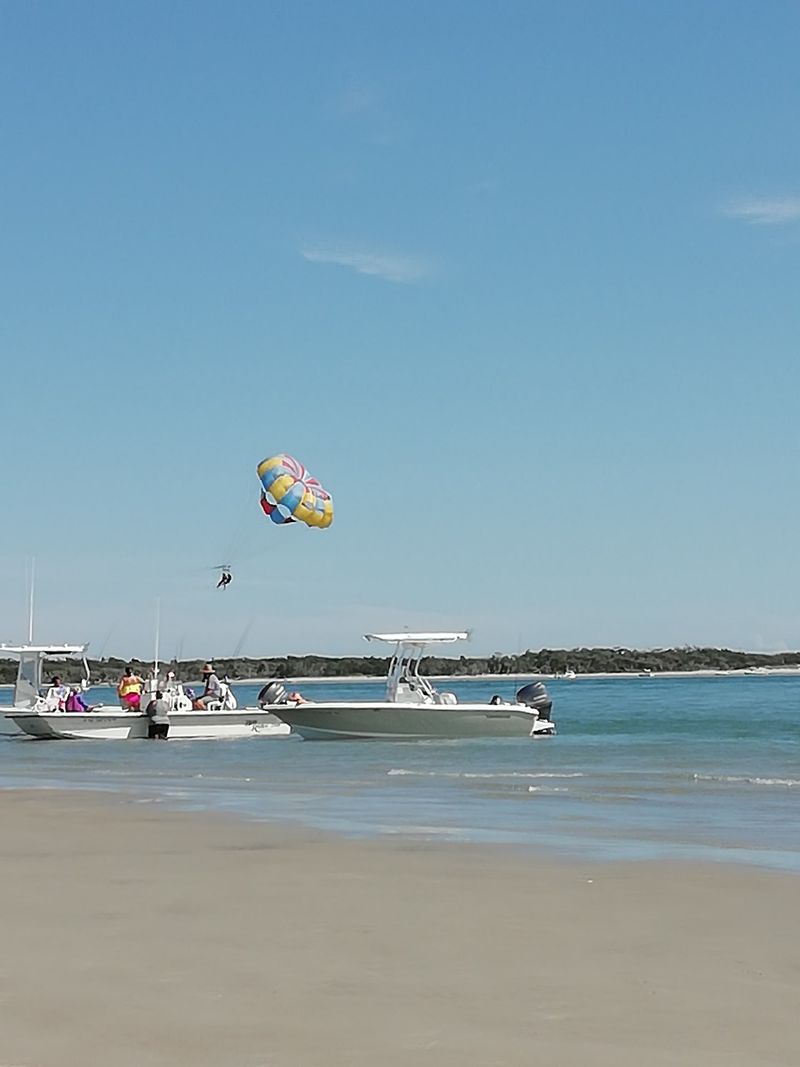
Salt air and a view across the water begin the experience before anyone steps onto the sand. For many visitors, the ride is a highlight even when shell hunting brings little luck. Reviews describe attractive scenery and occasional wildlife sightings, but no captain can promise what will appear along the route.
The supplied operator website is islandferryadventures.com/sand-dollar-island/, and the listed phone number is (252) 728-4129. Use those contacts to confirm current fares, available trips, and departure instructions. The listing shows daily office hours of 9 AM to 4:30 PM, but office hours are not the same as boat departure times.
Ask how long the outing lasts and how much time passengers usually spend ashore. Also check cancellation rules, weather policies, and whether your group needs any special boarding help. Families should ask about suitable life jackets for children rather than assuming every size will be ready without advance notice.
Arrive with enough time to park, check in, and listen to the crew. Keep bags compact, protect your phone from splashes, and follow directions when stepping aboard. An organized start makes the crossing more relaxed, allowing everyone to enjoy the water instead of worrying about a missed departure or forgotten supplies back at the dock.
Low Tide Sets the Schedule
The beach here runs on a clock that nobody can reset. As water falls, more sand becomes exposed; as it rises, the walking area shrinks again. Visitors describe watching small patches grow into a much larger sandbar, a reminder that the shoreline can change during a single outing.
Low tide generally offers more exposed ground for searching, but the best departure depends on local conditions and the operator’s route. Check a tide prediction for the correct area and date, then ask the crew how it affects your booking. Yesterday’s useful departure time may not suit tomorrow’s trip.
A printed office schedule cannot tell you when the sand will be exposed. Weather, wind, and water conditions can also affect access, comfort, or whether a trip operates. Keep plans flexible and avoid building your whole day around an assumed amount of beach time.
Once ashore, pay attention to where the boat lands and when you must return. Do not wander across channels or try to reach another shoreline because the water looks shallow. Depth and current can be deceptive, particularly as the tide changes. Following the crew’s boundaries helps you enjoy the shifting landscape without turning a peaceful beach walk into an unnecessary safety problem.
Sand Dollars Are Animals First
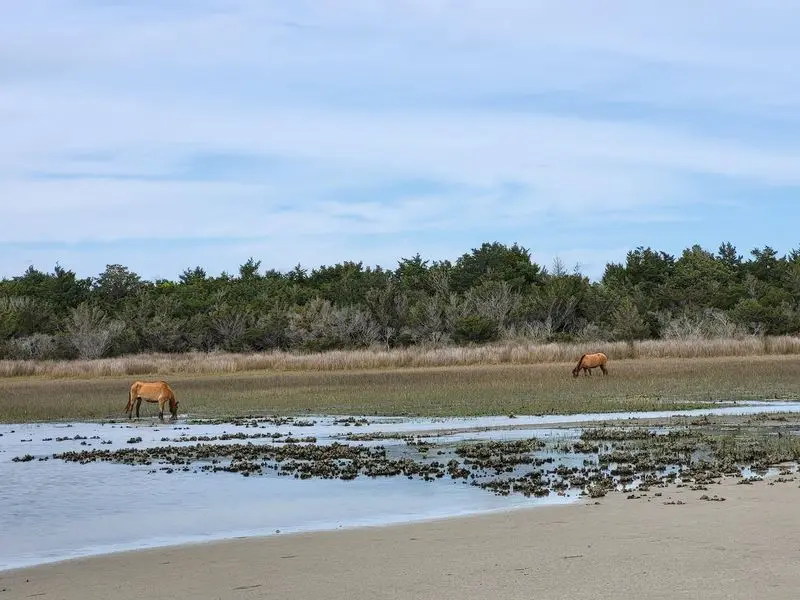
A fuzzy little disk beneath the water is not simply a beach souvenir. Sand dollars are living marine animals related to sea stars and sea urchins. Their familiar flowerlike pattern makes them easy to admire, but recognizing a living animal is the most useful skill to bring along.
Living specimens often look gray, brown, or purple and have tiny spines that give them a velvety surface. Empty skeletons are usually pale and lack that fuzzy covering. Color alone is not a perfect test, so ask the crew for guidance whenever you are unsure about something you find.
Leave living sand dollars where they are, and avoid lifting them just for a photograph. Watch your footing in shallow water, where animals may blend into the bottom. Children can enjoy spotting the star pattern without carrying the animal around or placing it in a bucket.
If an animal is accidentally disturbed, seek guidance about returning it gently to suitable water rather than tossing it. Before keeping any empty skeleton, confirm current collection rules and the operator’s advice. A photo is always an easy alternative. Learning the difference between a living creature and an empty shell turns a treasure hunt into a lesson in caring for the coast.
A Bucketful Is Never Promised
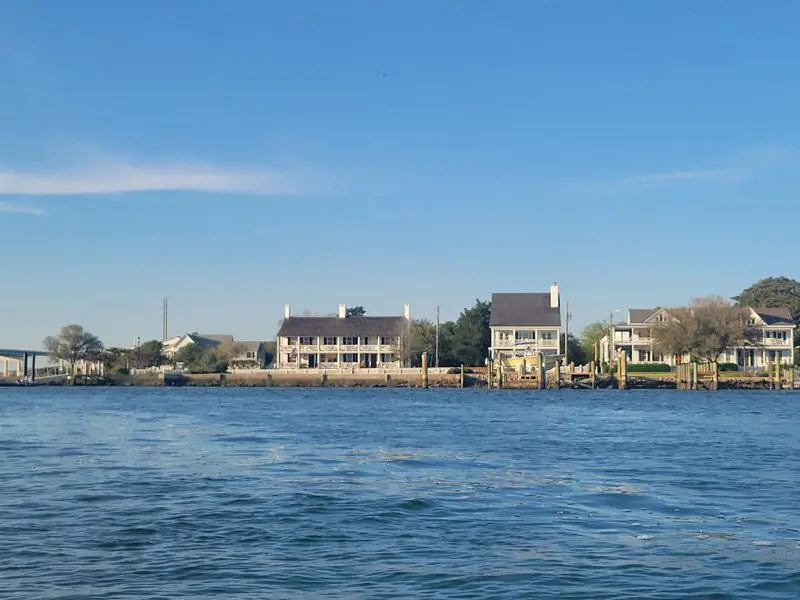
One beautiful find can be exciting, but a full bucket should not be the measure of a good trip. The supplied reviews tell very different stories about collecting empty sand dollars. Some guests found several, while others found only one or none despite spending a long time looking.
Several visitors reported seeing many living animals but few empty skeletons they could take home. That difference explains why a beach can have sand dollars without offering piles of souvenirs. The title captures the attraction, not a promise that every visit will reveal shores covered with collectible shells.
Walk slowly through areas the crew says are safe, and look carefully rather than rushing across the sand. An empty skeleton can blend into pale ground or break under a careless step. Never dig up living animals or disturb occupied shells to improve your chances of finding something.
If collection is allowed, carry permitted finds in a small rigid container so they are less likely to crack. Avoid taking more than you need, and leave attractive pieces for others when possible. Set expectations before bringing children: the goal is exploring, not filling a bag. That simple conversation can turn an empty handed return into a happy day of discovery.
Pack Light, but Plan for Exposure
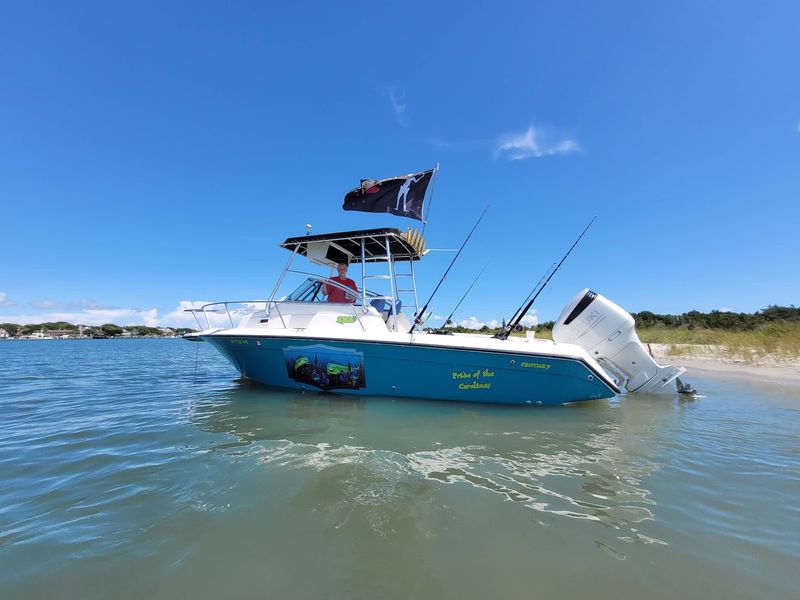
There is little comfort in finding the perfect shell while wishing you had brought drinking water. An exposed sandbar calls for a small, thoughtful kit rather than a mountain of beach gear. Sun, wind, wet feet, and a fixed return time all shape what will be useful.
Pack water, sunscreen, a hat, and a towel in a bag you can carry easily. Shoes suited to water can help protect feet, although you still need to watch for animals and sharp shells. Keep electronics and any essential medicine protected from splashes in a reliable dry pouch.
A light layer can make a breezy crossing more comfortable, even when the forecast looks warm. Bring a snack if the operator allows food, and carry every wrapper back with you. Ask before packing chairs, coolers, umbrellas, or wagons because boarding space and landing conditions may limit bulky items.
Do not assume there will be toilets, drinking fountains, or shade once you arrive. Confirm those details before departure and use available facilities beforehand. If traveling with young children, prioritize water, sun protection, and spare clothing over extra toys. A manageable bag keeps your hands freer during boarding and leaves you ready to enjoy the beach without hauling unnecessary weight across wet sand.
Small Discoveries Make a Family Adventure

A tiny crab moving through shallow water can hold a child’s attention longer than any souvenir shop. The sandbar offers chances to notice small details, from shell shapes to fish near your feet. Visitor accounts mention hermit crabs and other marine life, though each outing will bring different discoveries.
Turn the walk into a simple observation game rather than a collecting contest. Ask children to find three shell patterns, notice how wet sand feels, or describe an animal without touching it. Those small tasks give the outing purpose even when no empty sand dollars appear.
Keep young children within reach around water and follow the crew’s guidance about life jackets and safe areas. Clear, shallow water can still have uneven ground, changing depth, and moving currents. Avoid letting the calm appearance of the shoreline replace active supervision or your family’s usual water safety habits.
Build in breaks for drinking water, adjusting hats, and checking whether everyone is comfortable. Before booking, ask about boarding steps, walking surfaces, and accessibility for anyone with limited mobility. The experience involves a boat and wet sand, so it may require more effort than a paved beach visit. Matching the trip to your group’s needs helps everyone enjoy the discoveries at their own pace.
Leave With Memories, Not Expectations
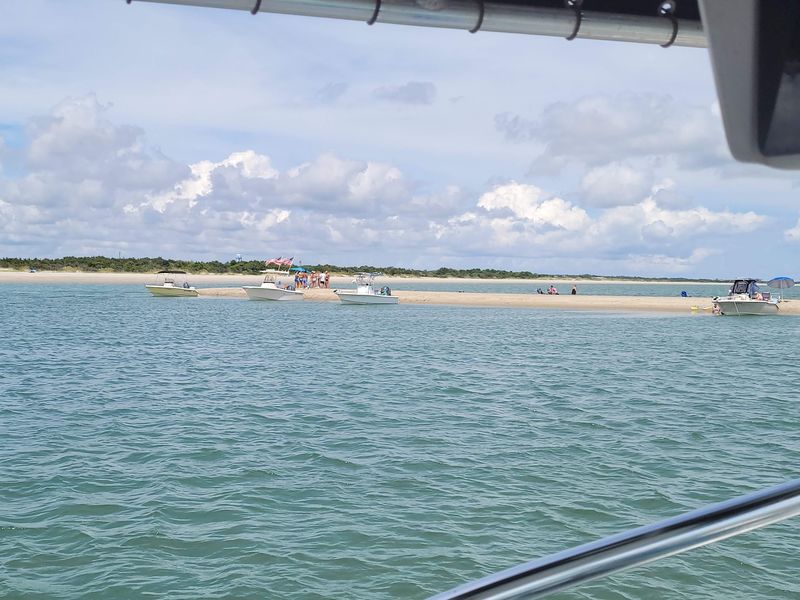
The best souvenir may be the moment you look back from the boat and watch the sand slip into the distance. A trip here can be rewarding without a single shell in your bag. Water views, an unusual landing, and time outdoors offer their own reasons to go.
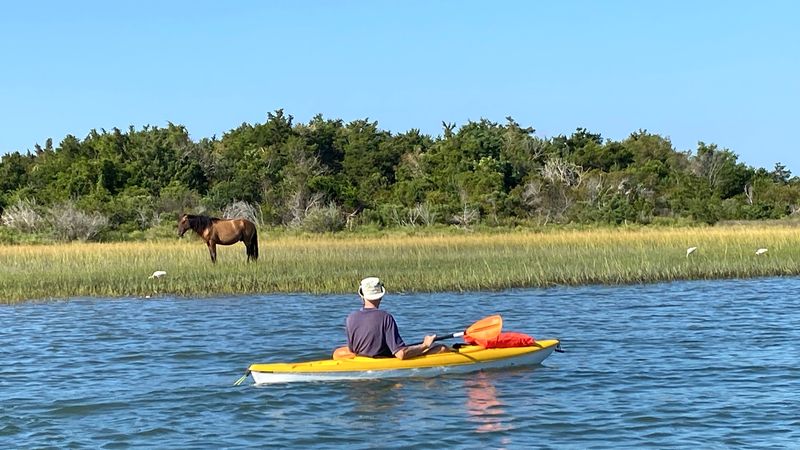
Wildlife sightings sometimes add another bright spot to the crossing. Reviews mention dolphins and distant horses, but these are chance encounters, not features guaranteed with a ticket. Enjoy whatever appears from the boat, follow the captain’s instructions, and never expect wildlife to approach or perform for photographs.
Before leaving the sand, check your resting spot for snack wrappers, bottle caps, and forgotten belongings. Leave living animals undisturbed and avoid damaging the habitat for a better picture. Small choices help keep the shore enjoyable for the next group and safer for the creatures that live there.
Book with curiosity rather than a shopping list of shells you hope to bring home. Confirm timing, understand the collection rules, and accept that tides and weather influence the day. When those expectations are clear, even a modest haul can feel satisfying. You have crossed the water, explored a changing beach, and seen a coastal world that no road can deliver you to directly.