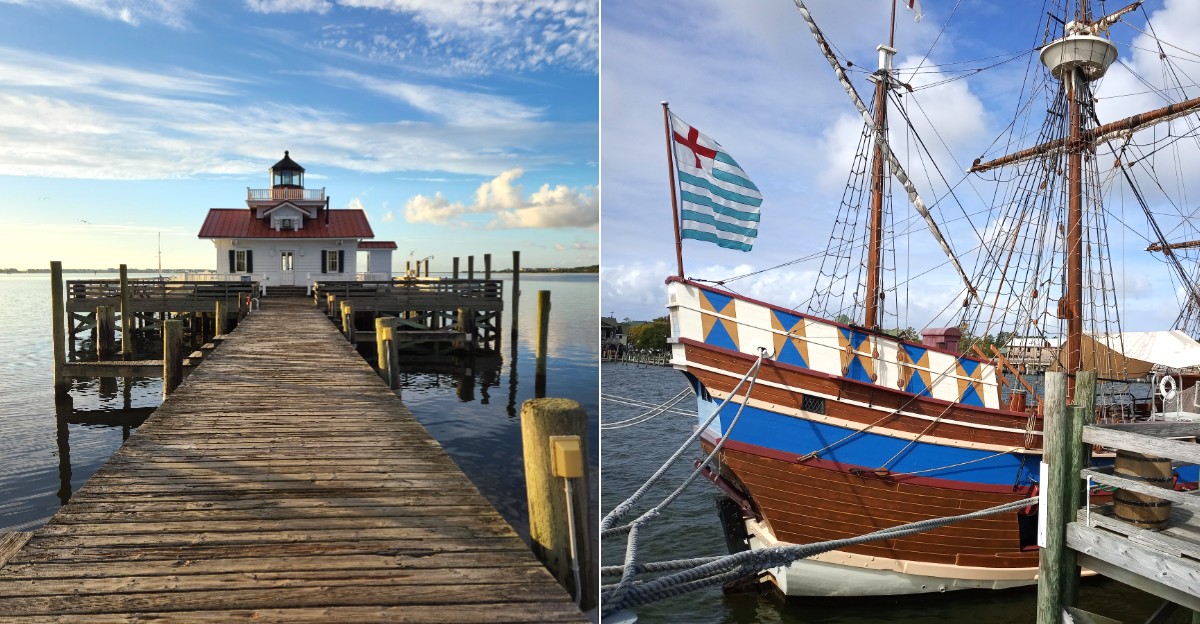
Sailboats bobbing in the harbor, a quiet waterfront boardwalk, and friendly shopkeepers waving hello set an easygoing tone from the moment you arrive.
Manteo sits on Roanoke Island in Dare County, North Carolina, tucked between the Outer Banks and the mainland.
Its charming downtown waterfront is lined with local shops, cafes, and a picturesque little lighthouse.
History lovers can explore Roanoke Island Festival Park, where a replica 16th-century sailing ship welcomes visitors aboard.
Nearby, the Elizabethan Gardens and the long-running outdoor drama The Lost Colony add even more to discover.
Leave the rush behind, grab an ice cream on the waterfront, and let Manteo remind you how relaxing small-town life can be.
Let the Waterfront Set Your Speed
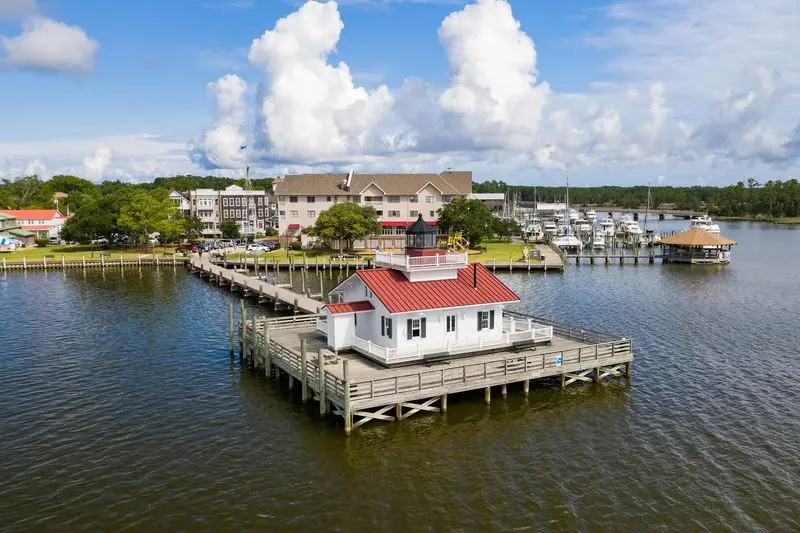
A boat rocking beside the dock can be a better clock than the one on your phone. Along the waterfront in Manteo, North Carolina 27954, the view encourages you to stop measuring a visit by how much you finish. Water, boats, and low buildings give downtown a welcoming scale.
The town sits on Roanoke Island and serves as the seat of Dare County. Its population was 1,602 in the 2020 census, though visitors make some days feel much busier. That small resident population helps explain the close connections between its streets, public spaces, and working waterfront.
Start with a walk beside Shallowbag Bay rather than a packed schedule. Look for public benches, watch the harbor, and give yourself time to notice the changing light. Comfortable shoes are useful, especially if you plan to wander through downtown afterward.
Morning often offers a quieter experience, while summer afternoons can bring heat and more foot traffic. Carry water, wear sunscreen, and check the weather before settling into a long outdoor stroll. The relaxed feeling is real, but it does not mean every day is empty or every person is unhurried.
Enjoy the setting without expecting the town to stop being a place where people live and work every day.
Pause Beside a Small Lighthouse With a Long Story
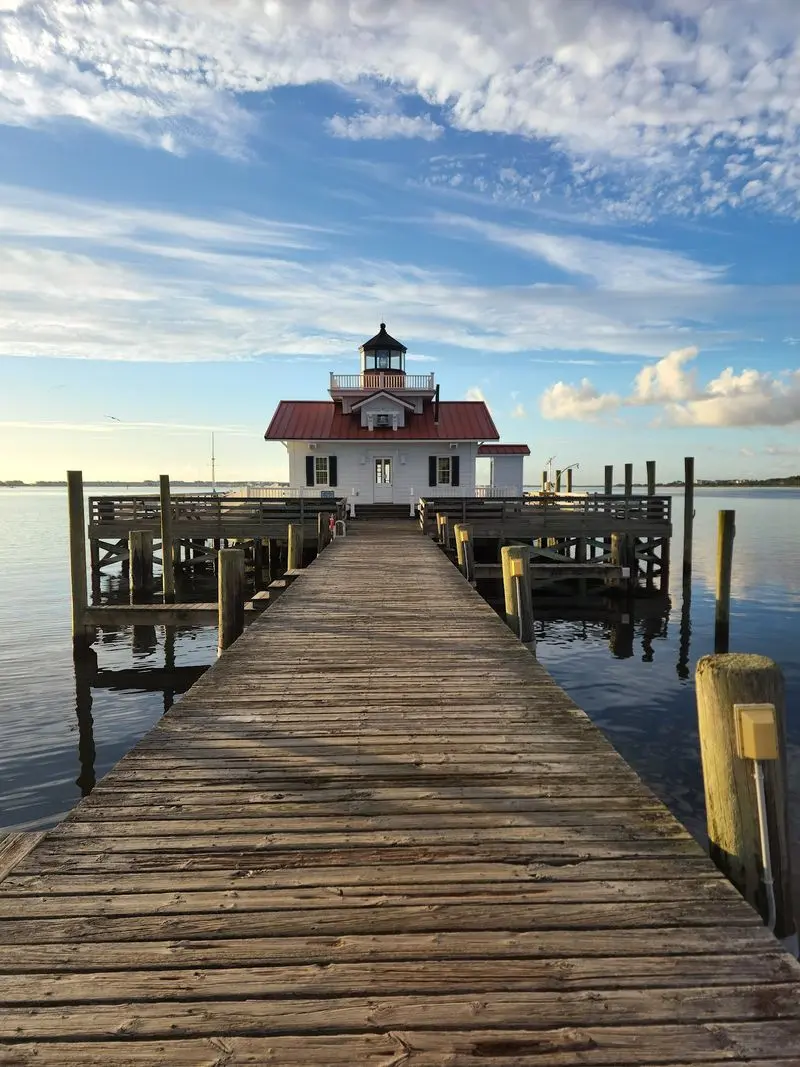
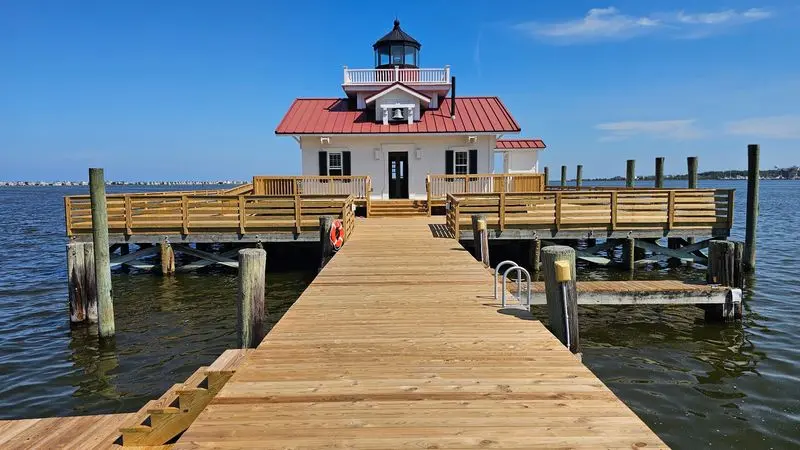
Not every lighthouse towers over a beach like a giant striped candle. Roanoke Marshes Lighthouse is a small, cottage shaped building on a pier, and its modest size suits the harbor around it. The white walls and red roof make it an easy landmark to recognize.
The structure is a replica of an earlier lighthouse that stood near the southern end of the island. Opened in 2004, it recalls the lights that helped guide boats through local waters. Its story connects the pretty waterfront view with the practical needs of people who traveled and worked by boat.
Walk out along the pier when access is open and take a moment to look back toward shore. That angle shows how closely the downtown buildings sit beside the water. For photographs, leave room around the lighthouse rather than filling the entire frame with its walls.
Exhibit access and opening hours can change, so confirm current information before promising children a look inside. Even when the interior is closed, the exterior remains a rewarding subject from accessible public areas.
Wind can feel stronger over the water than it does between buildings. Bring a light layer in cooler weather and keep children close beside the pier railings during your visit.
Wander Downtown Without a Shopping Checklist

A good window display can turn a five minute walk into an afternoon. Downtown invites that kind of browsing, with small shops and places to eat near the waterfront. You can move between streets and the harbor without making every stop a separate car trip.
Instead of arriving with a long shopping list, choose one short stretch and see what catches your attention. An interesting book, a handmade gift, or a piece of local art may tell you more about the community than a generic souvenir. Ask staff about an item when they have time to chat.
Businesses have their own schedules, and some hours change with the season. Check ahead if a particular store is the main reason for your visit. A quiet weekday may offer easier browsing, but it can also mean fewer open doors.
Keep sidewalks and entrances clear when stopping for photos or deciding where to go next. People still use these streets for errands, deliveries, and ordinary workdays.
If you buy something fragile, return it to your car before taking a longer waterfront walk. Otherwise, travel light and leave space for an unexpected stop. The pleasure here comes from looking closely, not from collecting the greatest number of bags before the day ends.
Make Lunch a Real Break
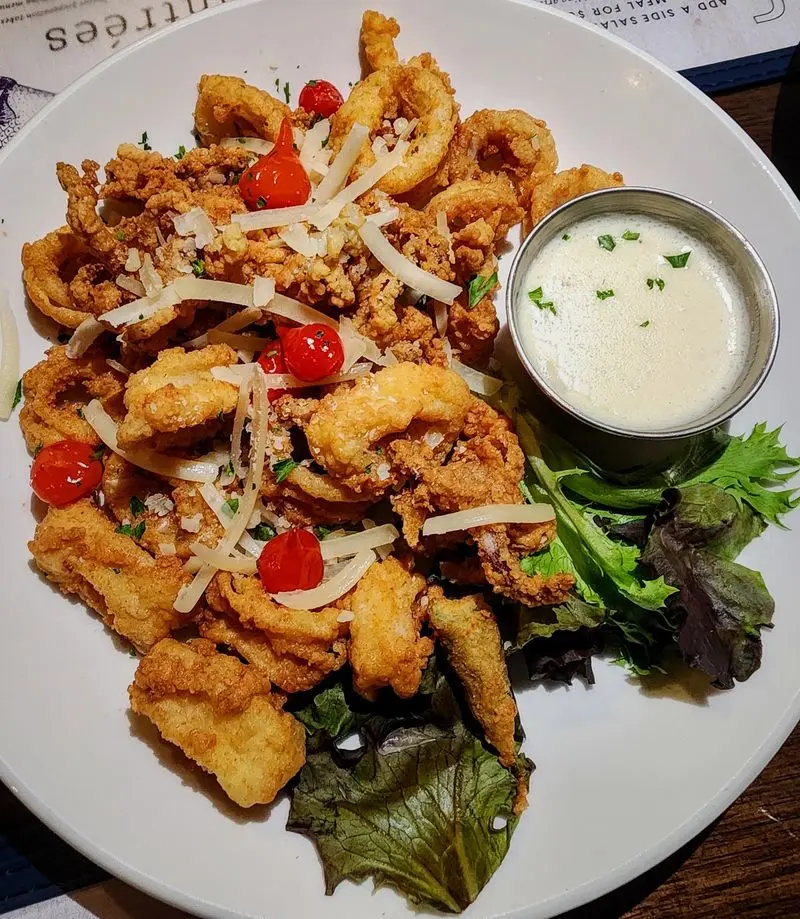
Lunch feels different when nobody is trying to eat while walking to the next attraction. A proper table, a cool drink, and enough time to finish a conversation can become the best part of a visit. Downtown restaurants offer chances to build that pause into your day.
Look over current menus before choosing a spot, especially if anyone in your group has food allergies or dietary needs. Seafood is a natural choice in a coastal community, but availability and preparation vary. Ask what is offered rather than assuming every fish on the menu was caught nearby.
Summer weekends and popular meal times can bring waits, even in a small town. Eating slightly earlier or later may help, though checking restaurant hours matters more than guessing. If a place is busy, treat the wait as part of your schedule rather than squeezing another activity around it.
Outdoor seating can be pleasant when temperatures are comfortable. Shade, wind, and sudden rain are worth considering before requesting a table outside.
Afterward, take a short walk instead of immediately driving away. You might notice a storefront or harbor view that you missed before eating. A slower meal does not require an expensive order, only a little breathing room in your plans.
Discover the Work Behind the Pretty Boats
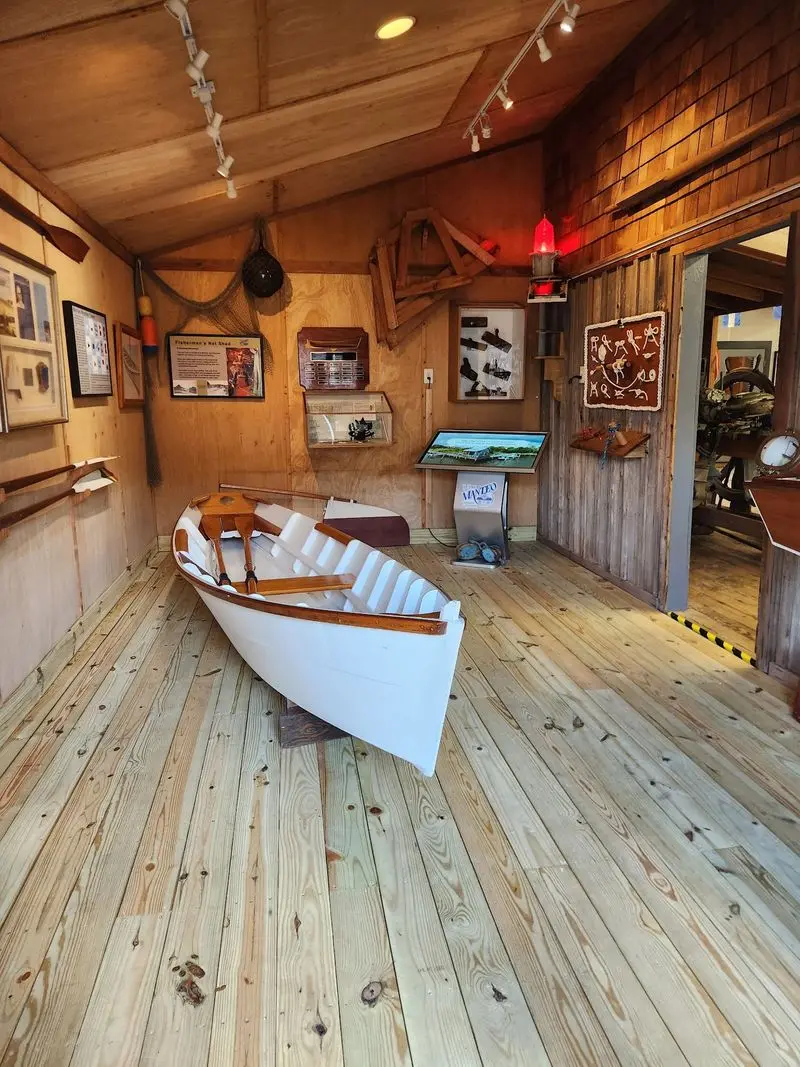
Fresh wood, curved boat ribs, and well used tools reveal a different side of the harbor. At the Roanoke Island Maritime Museum, boats are more than scenery for vacation photos. They are evidence of skill, patience, and a long connection to the water.
The museum occupies the George Washington Creef Boathouse near the downtown waterfront. Its focus includes regional boatbuilding and maritime heritage, subjects that help explain how local communities earned their living. Looking at a wooden hull makes the work behind a finished vessel easier to understand.
Check current visiting hours before heading over, since a small museum may not follow the schedule of a large attraction. Allow time to read the displays instead of treating the building as a quick photo stop. If staff or volunteers are available, a simple question about construction can open an interesting conversation.
Children may enjoy spotting the shapes and parts that keep a boat strong. Remind them that tools, exhibits, and work areas should not be touched unless permission is given.
Pair the visit with another look at the boats outside. A detail that seemed ordinary earlier may suddenly stand out. That is the reward of slowing down: familiar views become more meaningful once you understand what went into making them.
Follow the Town’s Creative Side

Color has a way of interrupting even the most determined sightseeing plan. A painting in a gallery window or an interesting sculpture can draw you indoors for an unexpected break. The local arts scene gives downtown another reason to linger.
Dare Arts uses the historic courthouse as a home for exhibitions and community arts activity. The setting brings an older public building into everyday creative life. Shows change, so repeat visitors may find different artists, materials, and ideas on display.
You do not need to know art terms to enjoy looking around. Choose one piece that catches your attention and consider its colors, subject, or texture. Reading the label can help you connect the work with the person who made it.
Check the organization’s calendar for current exhibitions, workshops, and events. Downtown also hosts First Friday activities on scheduled dates, but details and participating businesses can vary. An event evening may be lively rather than quiet, offering a different version of the town’s character.
Ask before photographing artwork, and respect any posted rules. If you are considering a purchase, learn about pickup or shipping before deciding.
Even a brief gallery visit can add something personal to your trip. Leave time afterward to talk about which piece stayed in your mind.
Give the Past More Than a Passing Glance
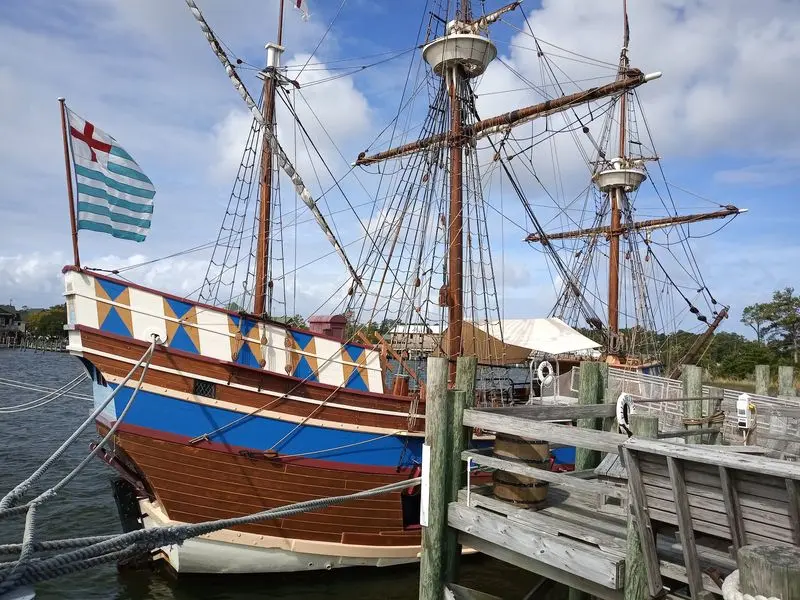
A wooden sailing ship across the water can make the present feel much less permanent. Roanoke Island Festival Park connects the downtown visit with the region’s early history. Reached across a bridge from the waterfront, it deserves more time than a glance from shore.
The park includes Elizabeth II, a representative sixteenth century sailing vessel, along with historical exhibits and interpretive areas. Its programs explore English exploration and the lives of Indigenous people connected to the region. Approach those stories with curiosity rather than expecting a simple adventure tale.
Confirm admission prices, opening dates, and the day’s available activities before visiting. Seasonal schedules and special events can affect what you can see. Comfortable shoes matter because exploring the grounds involves walking between different areas.
For families, let children choose a question to investigate during the visit. How did sailors sleep, what did they carry, or how did communities obtain food? Specific questions can make history easier to follow than a long list of dates.
Some spaces may involve steps, uneven surfaces, or weather exposure, so check accessibility details for your group’s needs.
After returning downtown, sit beside the harbor for a few minutes. The same water will look different when you have considered the people who crossed it centuries ago.
Leave Room for an Unplanned Ending
The nicest part of a day might be the half hour you never scheduled. Once the main stops are finished, resist the urge to fill every remaining minute. A bench, a harbor view, or one last short walk can give the visit a satisfying ending.
Build your plan around two or three priorities rather than trying to see everything. Keep opening hours, meal breaks, and walking distances in mind, then leave space between them. That approach works especially well when traveling with children or anyone who needs frequent rests.
Before arriving, consult the town’s official website for current notices and useful visitor information. Check posted parking rules when you leave your car, and avoid assuming that every waterfront space is public. During busy seasons or events, finding a convenient spot may take patience.
Late afternoon can bring softer light, but weather and the season shape the experience. Carry a layer when temperatures may drop, and move indoors if thunderstorms approach. Quiet surroundings are not a reason to ignore coastal weather.
Most of all, remember that the relaxed pace is an invitation, not a guarantee. Residents have jobs, appointments, and busy days too. By giving yourself fewer deadlines, you can enjoy the town without turning its calm atmosphere into another task.