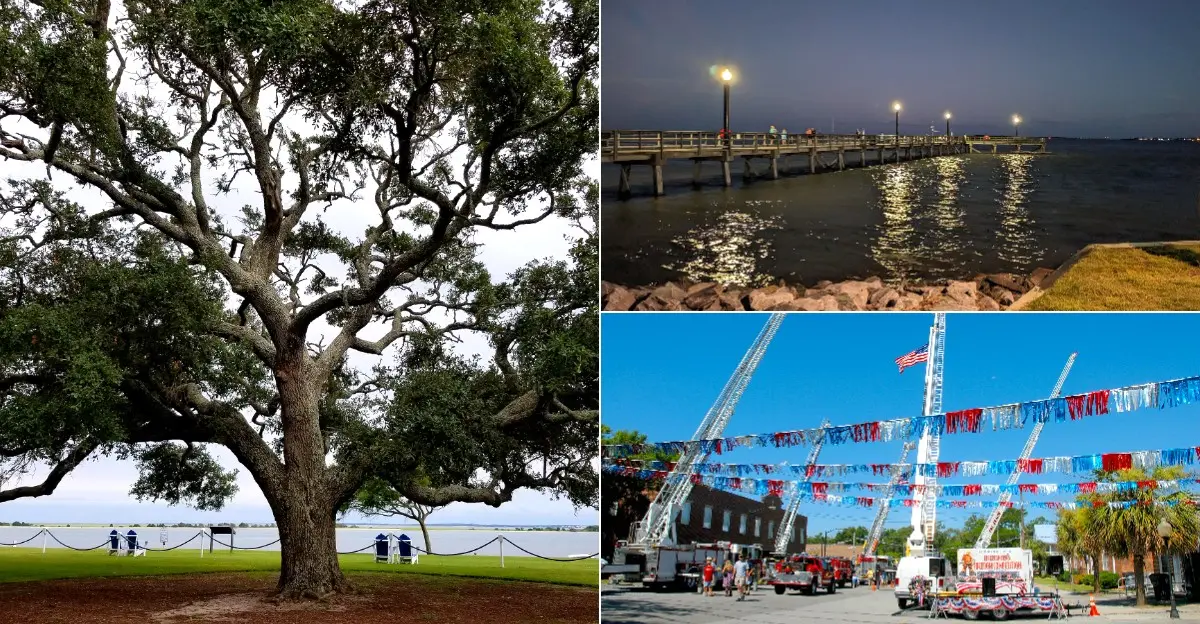
Sweeping live oaks, a breezy riverfront, and front porches filled with neighbors chatting make this coastal town feel instantly welcoming.
Southport sits where the Cape Fear River meets the Atlantic in Brunswick County, North Carolina, south of Wilmington.
The town has earned national praise as one of America’s happiest seaside towns, and it is easy to see why.
Its historic downtown is packed with charming shops, waterfront restaurants, and tree-shaded streets perfect for strolling.
Movie fans may even recognize scenes, since several films and TV shows have been filmed around town.
Slow down, grab an ice cream on the waterfront, and discover the simple joys that make Southport so special.
A Small Town With Room to Breathe
A place does not need towering buildings or packed attractions to leave a lasting impression. Sometimes, a shaded sidewalk and an unhurried afternoon offer more comfort than a crowded vacation schedule.
Southport, North Carolina 28461, USA, sits in Brunswick County near the mouth of the Cape Fear River. Its population was 3,971 in the 2020 census, giving useful context to its small town character.
That number does not prove that residents are happier than people elsewhere. Still, the compact downtown and nearby waterfront make it easy to understand why visitors describe the setting as restful.
Start your visit with a short walk rather than a long checklist. Notice the porches, trees, storefronts, and places where people pause to talk. Leaving time between stops lets the town reveal itself without making your day feel rushed.
Comfortable shoes, drinking water, and sun protection are sensible additions, especially during warmer months. Check parking signs before leaving your car, and remember that quiet residential streets are also somebody’s home.
The simple appeal is not a secret happiness formula. It is the chance to enjoy ordinary moments in a setting that encourages you to pay attention, take your time, and appreciate what is already right around you each day.
River Views That Ask Nothing of You
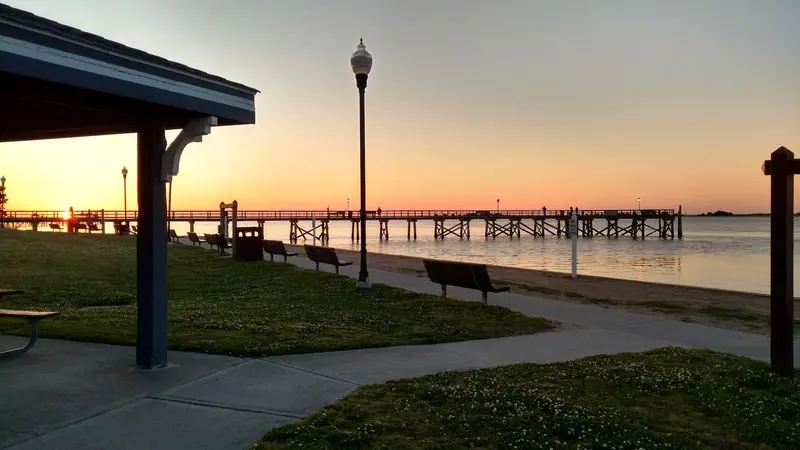
Watch a boat move across the river, and your busy thoughts may finally stop racing. The waterfront offers that kind of pause without requiring a ticket, a reservation, or an ambitious plan.
Waterfront Park is a natural starting point for enjoying the broad river views. Benches and open space make it possible to linger instead of treating the scenery as another quick photo stop.
The water here belongs to a working coastal landscape, not just a pretty backdrop. Depending on the day, you may spot recreational boats or larger vessels traveling through the area.
Bring a snack, settle into a seat, and give yourself a few minutes without your phone. Children can look for passing boats while adults enjoy the changing light across the water.
Wind and sunshine can feel stronger beside an open river than along a shaded street. Pack a light layer when conditions are cool, and keep children safely away from waterfront edges.
No river view can guarantee happiness, of course. But easy access to an inviting outdoor place gives people a simple way to reset. For travelers, that may become the most memorable part of the day: nothing dramatic happening, just enough space to breathe and enjoy being there for a while.
History You Can Meet Along the Sidewalk

Old buildings have a way of turning a casual walk into a conversation with the past. Here, local history adds depth to the scenery without requiring visitors to become experts before they arrive.
The settlement was once called Smithville and adopted its current name in 1887. That change is one useful detail to remember when reading older records or looking through historical displays.
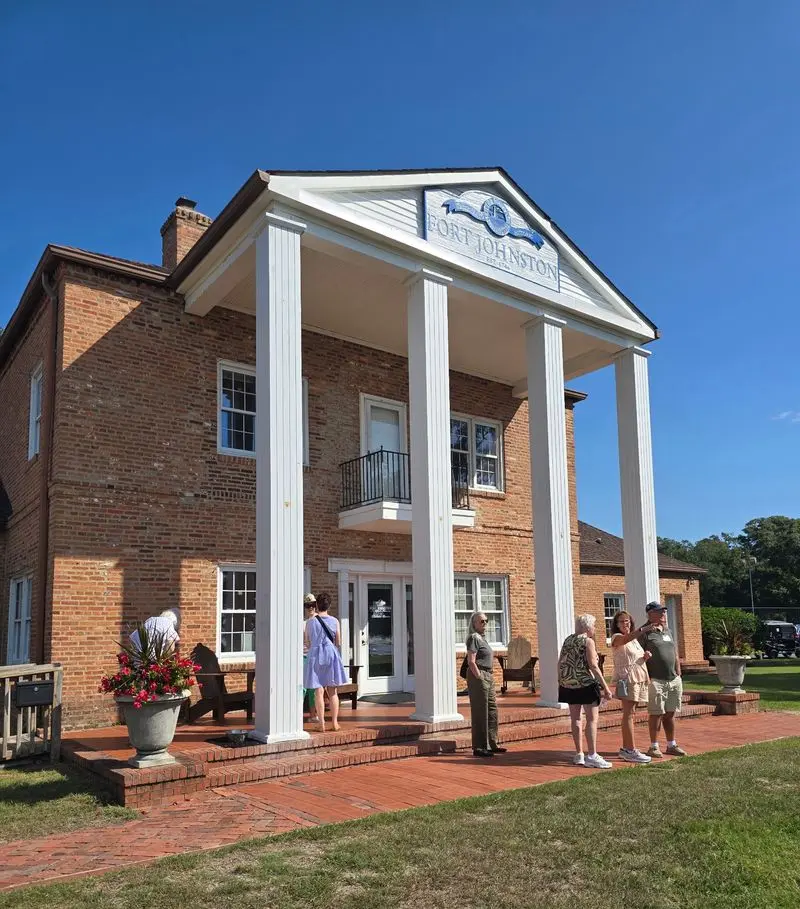
Fort Johnston and the local museum and visitor center provide a good starting point for learning more. Check current opening hours before planning your visit, since access and programming can change.
Rather than trying to remember every date, follow one subject that interests you. You might focus on river trade, military history, old homes, or the ways coastal families earned a living.
Afterward, walk through nearby streets and look for details you might otherwise miss. A porch, a doorway, or a building’s position can make more sense once you understand its setting.
Respect private property when admiring historic houses, and take photographs from public areas. Preserving a neighborhood means remembering that its attractive homes are not all visitor attractions.
This connection between past and present helps explain the town’s appeal. A pleasant afternoon becomes richer when the surroundings hold stories worth carrying home with you.
Maritime Stories With Real Coastal Roots

There is more to a coastal town than a lovely stretch of water. Behind the view are stories of sailors, navigation, trade, storms, and the people who learned to live beside them.
The North Carolina Maritime Museum at Southport explores the maritime history of the lower Cape Fear region. Its exhibits offer a useful indoor stop when heat or rain changes your outdoor plans.
Give yourself enough time to read, rather than rushing from one display to the next. A single object can open a bigger story about work, travel, or survival along the coast.
Families can make the visit more engaging by choosing a shared topic. Ask children to find something connected to boats, then discuss what that object helped people do.
Check the museum’s official information for current hours, admission details, and scheduled activities. Special programs may offer a different experience from a regular visit, so planning ahead can be worthwhile.
What makes this stop meaningful is its link to the landscape outside. The river becomes more interesting when you understand some of the lives and challenges connected with it.
A happy visit does not have to mean nonstop entertainment. Sometimes, learning something together creates the kind of quiet satisfaction that stays with you long afterward.
Independent Shops Make Wandering Worthwhile

A window full of local art can derail your plans in the best possible way. Instead of racing toward the next attraction, you suddenly have a reason to stop and look closely.
Downtown streets, including Howe Street, offer places to browse shops, galleries, and other small businesses. The mix can change, so treat wandering as part of the experience rather than expecting a fixed lineup.
Look for something that reflects your visit instead of buying a souvenir simply because it is available. A print, a book, or a useful handmade item may hold more meaning than a bag of forgettable purchases.
Ask politely about an object that catches your eye. Shop owners and staff may be able to explain its maker, materials, or connection to the area.
You do not need to spend heavily to enjoy the atmosphere. Browsing thoughtfully, respecting store rules, and thanking people for their help all make for a pleasant visit.
Check opening hours if a particular business matters to you, especially outside busy travel periods. Smaller shops may keep schedules that differ from large retail chains.
The larger benefit is personal connection. When shopping feels like discovering someone’s work rather than completing an errand, even a short downtown stroll can brighten your afternoon.
A Good Meal Becomes Part of the Memory

Lunch tastes different when you are not checking the clock between bites. A relaxed meal can turn an ordinary travel day into something that feels generous, even without an expensive menu.
Local dining includes seafood options and other choices around downtown and the waterfront. Menus, ownership, and hours change, so check current information rather than relying on an old travel list.
If fresh catch matters to you, ask what is available and where it comes from. Being near the water does not automatically mean every seafood dish uses fish caught nearby.
Choose a restaurant that fits your budget, appetite, and comfort needs. Outdoor seating may offer a view, while an indoor table can be better during heat, wind, or sudden rain.
At busy times, allow extra time for service and ask about waits before settling on a plan. Traveling with children is easier when you check menu options before everyone becomes hungry.
Try putting phones away for part of the meal. Talking about the morning’s discoveries can be more rewarding than searching immediately for the next stop.
The simple reason meals matter is not just flavor. Food gives people a reason to sit together, trade stories, and enjoy a shared pause before the rest of their day unfolds.
Community Spirit Gets a Holiday Spotlight

For a few summer days, the quiet town trades its usual pace for flags, crowds, and celebration. The North Carolina Fourth of July Festival shows a lively side that first time visitors may not expect.
The provided place information estimates that the festival draws 40,000 to 50,000 visitors annually. That is a large gathering compared with the town’s year round population, so the atmosphere changes noticeably.
Consult the official festival schedule before arranging your day. Activities, times, transportation guidance, and weather updates should come from current organizers rather than assumptions based on previous years.
Arrive with a practical plan for parking, walking, and meeting your group if someone gets separated. Carry water, use sunscreen, and give yourself breaks from the summer heat.
Families should consider how children handle noise, waiting, and crowded streets. A shorter visit can be more enjoyable than trying to attend every scheduled activity.
Travelers seeking peace may prefer another week, and that is perfectly reasonable. The festival experience and the everyday waterfront experience offer different kinds of enjoyment.
What connects them is a shared sense of place. Public celebrations give neighbors and visitors something to enjoy together, reminding us that happiness often grows from participation, familiar traditions, and feeling welcome among other people.
The Real Secret Is Enjoying Enough
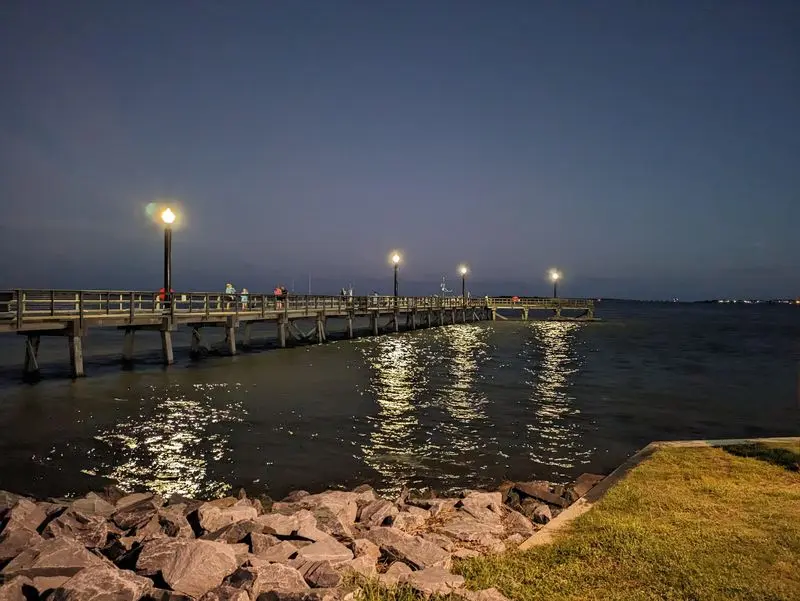
Not every worthwhile afternoon needs a highlight reel. A walk, a conversation, and a comfortable place to sit can be enough to make a day feel well spent.
That is the clearest thread connecting the town’s waterfront, museums, shops, meals, and public celebrations. Each offers a different way to enjoy your surroundings without turning pleasure into a competition.
Still, a charming visit is not evidence of a national happiness ranking. Such a claim needs a named source, a publication date, and a clear explanation of what was measured.
Residents also face ordinary concerns, including housing costs, work, weather, and access to services. Coastal beauty does not erase those realities, and travel writing should not pretend that it does.
For your own visit, plan one main activity and leave room around it. Choose a museum, a meal, or a waterfront walk, then let your energy and the weather guide the rest.
Notice what actually makes you feel better rather than following someone else’s idea of a perfect trip. You may prefer lively conversation, quiet observation, or learning a small piece of history.
The reason is simple after all: accessible pleasures can make life feel richer. You do not need a happiness trophy to appreciate a place that encourages those moments.