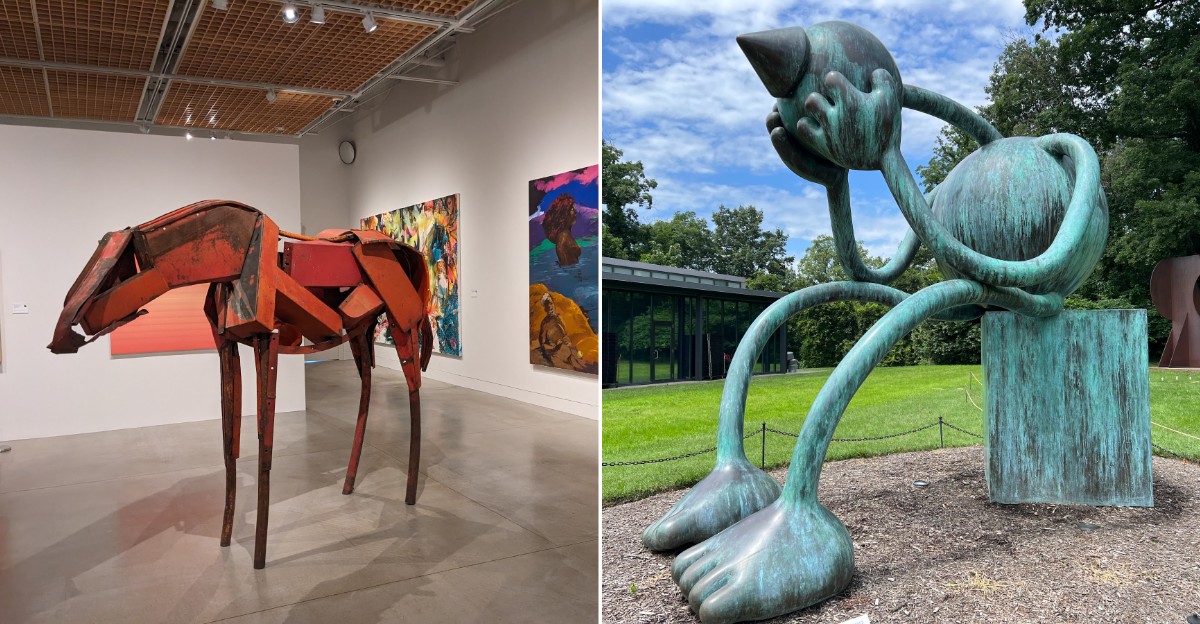
A painted face can hold your attention long enough to make the rest of the room disappear. At the Delaware Art Museum in Wilmington, that storybook feeling comes through in galleries filled with British Pre-Raphaelite paintings, American illustrations, and works that reward a closer look.
Outside, the experience continues with a spacious garden where art and greenery share the same setting.
Located at 2301 Kentmere Pkwy, the museum offers an inviting mix of quiet galleries and outdoor spaces, making it easy to move at your own pace. One room might draw you toward delicate details and vivid colors, while another offers an entirely different mood through sculpture or illustration.
The setting encourages you to pause rather than hurry from one work to the next. Bring your curiosity, take your time, and leave room for the unexpected as each gallery reveals another scene waiting to be noticed.
Painted Stories in the Pre-Raphaelite Galleries
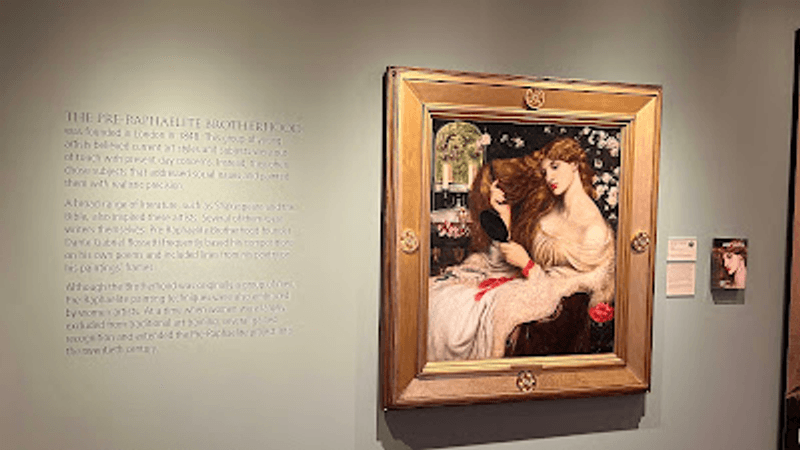
A richly colored dress or a thoughtful face can stop you before you even read the label. In the Delaware Art Museum’s Pre-Raphaelite collection, paintings reward that first pause with details that feel connected to poems, legends, and carefully imagined worlds.
The British artists associated with this movement favored close attention to nature and strong storytelling. Rather than rushing past a whole wall, choose one painting and look for small clues: flowers, folded fabric, a distant landscape, or the direction of someone’s gaze.
Read the nearby label after forming your own idea about the scene. Learning the story behind an image can change how you understand a gesture or an object that seemed unimportant at first, making the picture feel less distant and more alive.
Give this part of the museum room in your schedule, especially if the storybook feeling drew you here. You do not need to know art history to enjoy it; patient looking is enough, and comparing impressions with a companion can reveal details neither of you would have noticed alone during a quick walk through the gallery.
Howard Pyle’s Adventures Beyond the Page
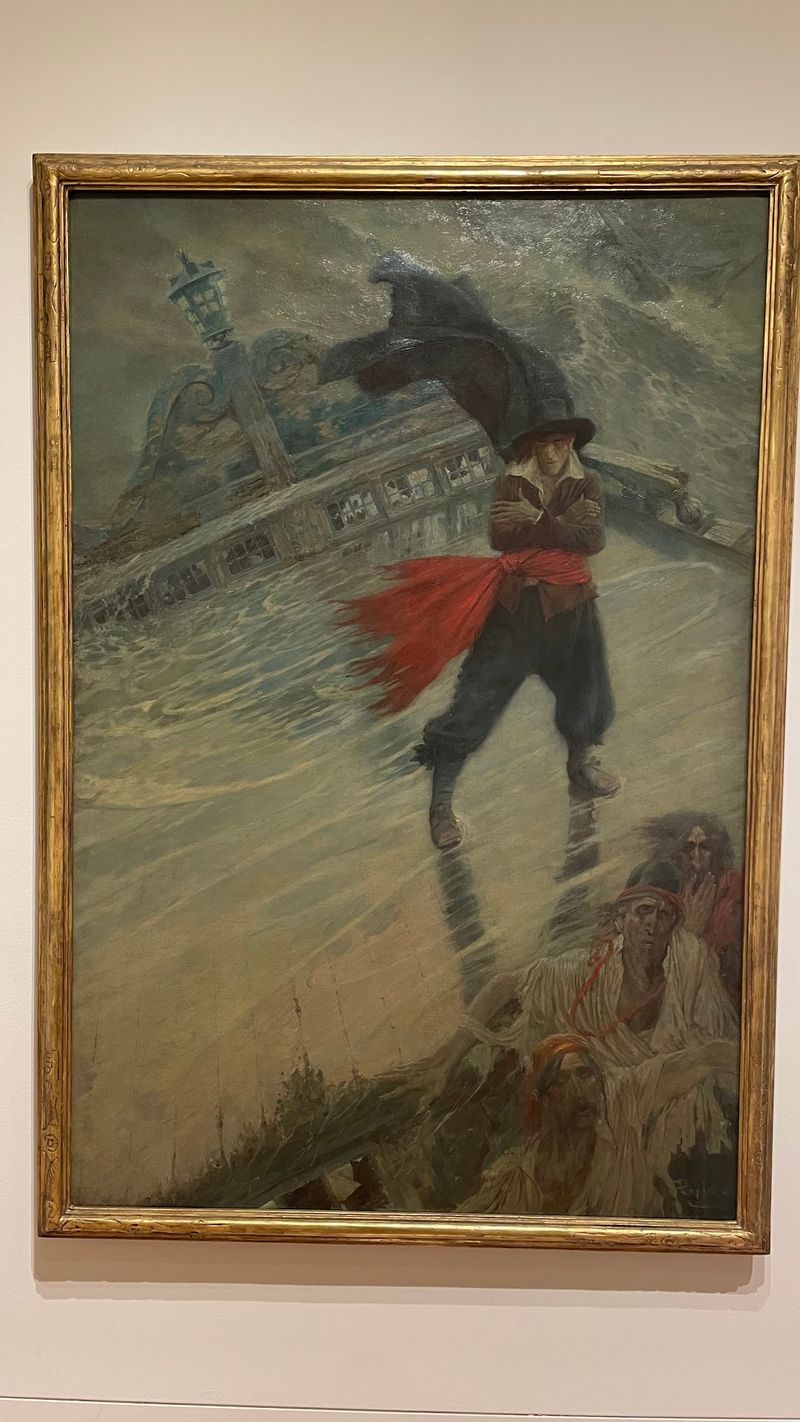
Adventure does not always need a screen or a soundtrack. A well-built picture can suggest danger, courage, or suspense all by itself, and Howard Pyle’s work at the Delaware Art Museum offers a wonderful chance to see how illustrated stories create that pull.
Pyle was a Wilmington artist and an influential teacher whose illustrations helped shape American visual storytelling. Look at how he places people within a scene, then notice where the light falls and which figure seems ready to move before anyone else does.
Try a small game with your travel companion: describe what might happen immediately after the moment shown. Your answers may differ, which is part of the pleasure, because a strong illustration gives enough information to stir the imagination without spelling out every possible detail.
Check the labels to learn which stories or publications connect to the works on view. Displays can change, so avoid building your visit around one specific image; the larger reward is discovering how an artist from Wilmington made scenes that still feel lively, dramatic, and easy to enter with nothing more than your attention.
A Fresh Turn Toward Modern Art
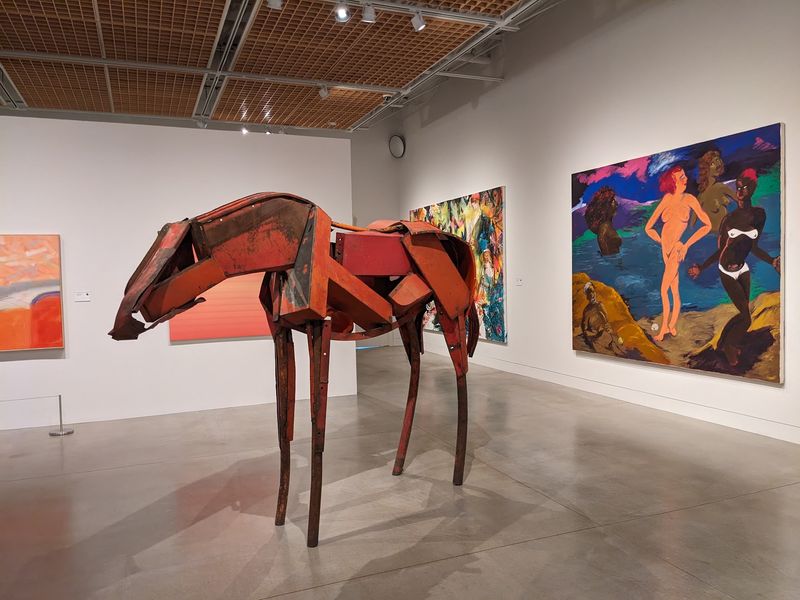
Just when your eyes settle into familiar painted scenes, a bold shape or surprising color can change the mood. The Delaware Art Museum’s mix of historical and more recent art makes room for that shift, giving a visit an unexpected turn rather than one steady visual rhythm.
Modern and contemporary works may ask you to look differently than a story-filled illustration does. Start with what you can see: repeated lines, unusual materials, strong contrasts, or the amount of empty space around an object, without worrying about finding the correct meaning immediately.
A useful approach is to describe your reaction before reading the artist’s explanation. Perhaps a piece feels restless, playful, or calm; those observations give you a starting point, and the label can then add background that expands your impression rather than replacing it entirely.
Check which galleries and temporary exhibitions are open when you arrive, since installations can change. Moving between older paintings and newer work also keeps the afternoon lively, especially for companions with different tastes, because everyone gets a chance to find something that speaks their visual language and invites a second look.
Small Details That Unlock Bigger Stories
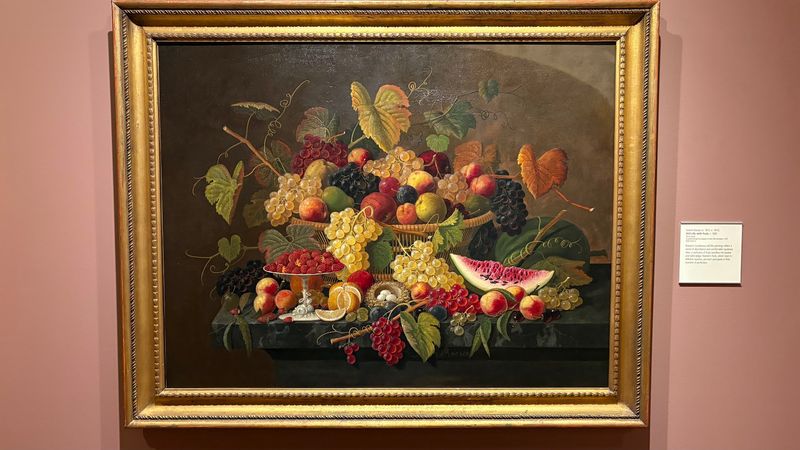
One tiny detail can turn a pretty picture into a puzzle you want to solve. A hand resting on a table, a flower near a figure, or an expression at the edge of a scene may carry more weight than its size first suggests.
Throughout the Delaware Art Museum, give yourself a simple looking routine: notice the whole image, choose a detail, then read the label. That order keeps your own curiosity involved while still allowing the museum’s information to explain the artist, subject, or historical setting.
You do not have to study every work this way. Pick two or three that catch your attention, and spend longer with those instead of trying to remember every room; a few strong encounters often stay with you more clearly than a rushed survey of everything.
If a label leaves you with questions, ask a staff member whether more information or a scheduled tour is available. Keep a respectful distance from the art and follow posted photography rules, so your close looking remains comfortable for others and helps protect the paintings that make these quiet discoveries possible.
Sculpture Among the Trees
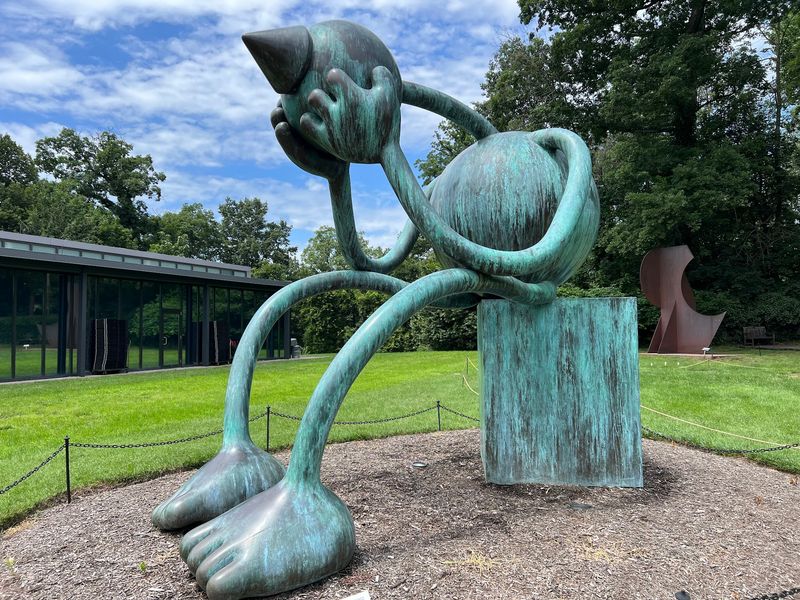
Outside, the story changes from painted rooms to open sky. Sculptures share space with trees and grass in the Delaware Art Museum’s nine-acre Copeland Sculpture Garden, where walking becomes part of the experience instead of merely a way to reach the next artwork.
Start with a piece that catches your eye from a distance, then approach along the available paths. Outdoor sculpture can look quite different as you move around it, so compare its outline against the lawn, the branches, and whatever light the day happens to bring.
Allow extra time beyond your indoor visit if the weather is pleasant. Comfortable shoes help, and a hat or water can be useful on warmer days; check current guidance about outdoor access and ask staff about suitable routes if uneven ground is a concern.
The garden works nicely as either an opening chapter or a final pause after the galleries. There is no need to turn it into a checklist, because finding one sculpture you enjoy from several angles can be more satisfying than hurrying past every piece, especially when the museum has already given you plenty to think about.
A Quiet Walk Through the Labyrinth
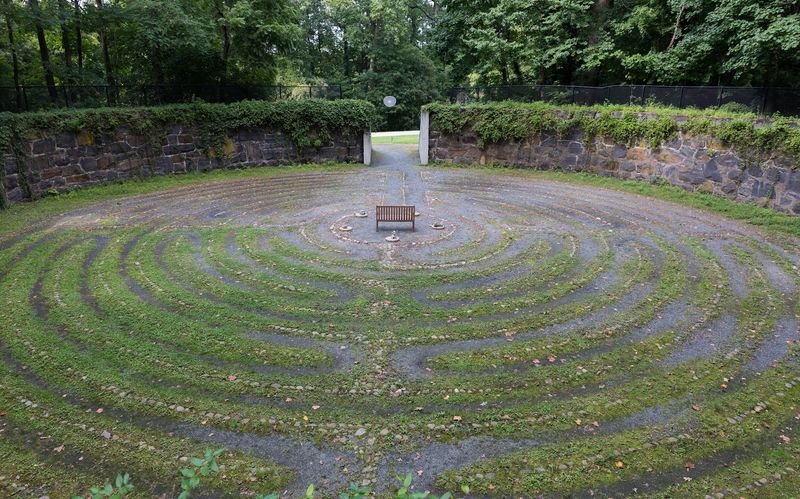
There is a curious pleasure in following a path without needing to choose the next turn. The labyrinth on the Delaware Art Museum grounds offers that slower kind of walk, adding a different rhythm to an afternoon spent moving between paintings, labels, and outdoor sculpture.
Unlike a maze, a labyrinth is meant to guide you along a winding route rather than challenge you with dead ends. Let the shape set your pace, and notice how the simple act of walking can feel different when reaching the destination is not your main concern.
Before starting, look at the surface and consider the weather, your shoes, and your comfort with the route. Ask museum staff about access if you have mobility questions, since an outdoor feature can present different conditions from the indoor galleries and their available elevators.
A short visit here can be enough; you do not need to treat the walk as a formal exercise. Leave your phone in your pocket for a few minutes if you wish, then return to the rest of the museum with a little more space for whatever catches your attention next.
Room for Young Imaginations
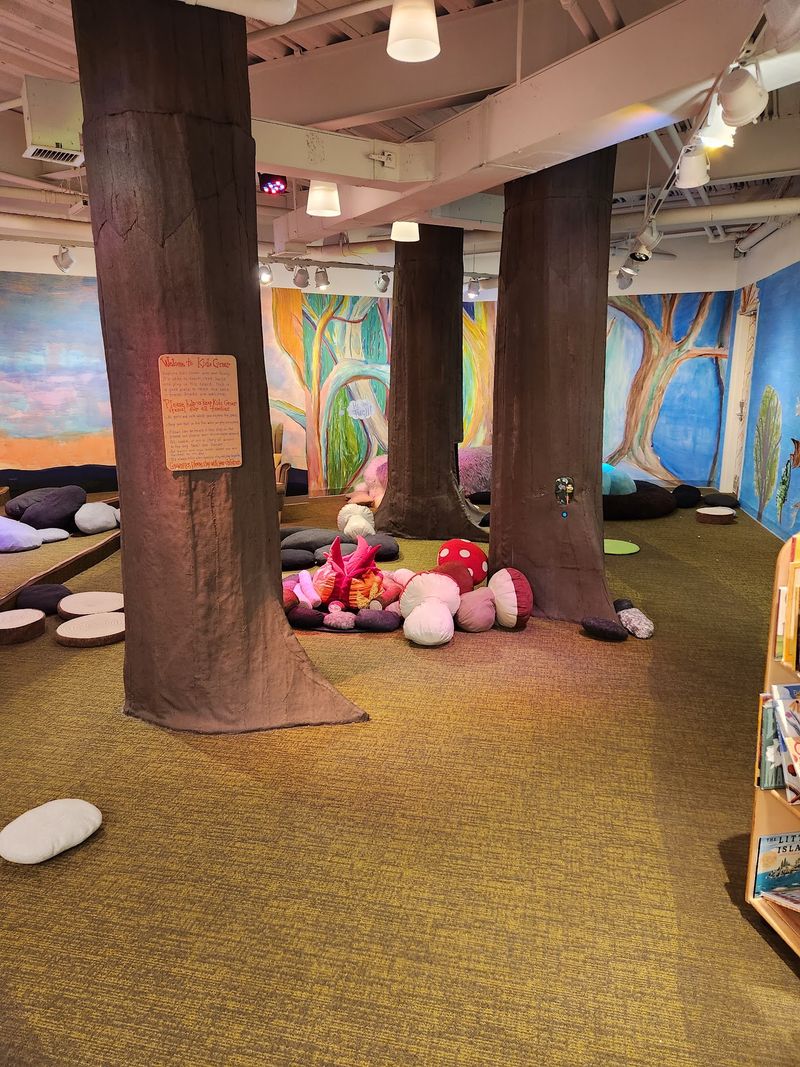
A child’s unexpected comment can make an old painting feel brand new. Family visits to the Delaware Art Museum work best when curiosity leads the way, with time for looking, talking, and taking a break before attention turns into tired feet or restless hands.
Visitors have praised the museum’s children’s activity area, and the museum also offers family learning opportunities and art classes. Check the current website or ask at admission about available spaces, age guidance, and scheduled activities, since programs and access may vary from one visit to another.
Inside the galleries, turn looking into a small shared challenge rather than a lesson. Ask children to find a favorite color, imagine what a painted person might say, or spot an animal, while reminding them that original artworks are for viewing and should not be touched.
Keep the route flexible and choose a few memorable stops instead of insisting on every gallery. An outdoor break can help when weather allows, and checking stroller policies beforehand removes uncertainty; the goal is a visit that leaves children wanting another encounter with art, not feeling they have completed a long assignment.
A Cafe Pause and a Thoughtful Keepsake
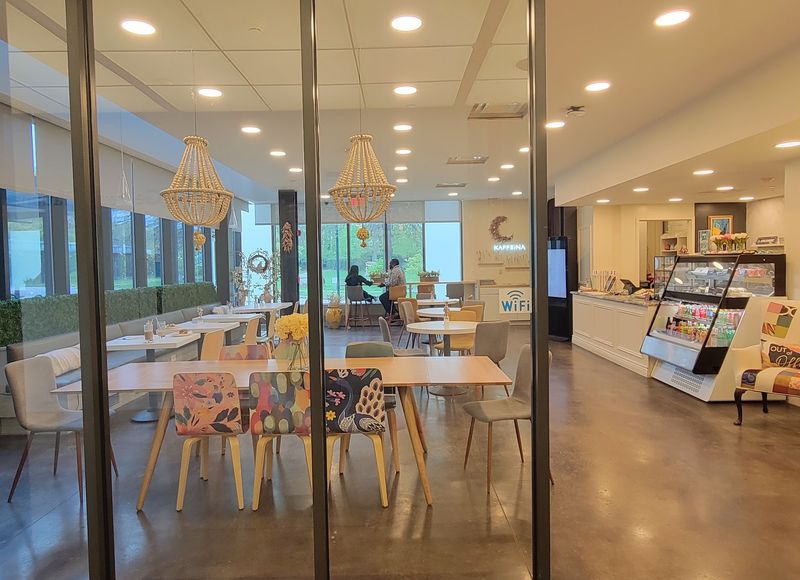
After several rooms of close looking, even a simple seat can feel like a welcome discovery. A cafe break at the Delaware Art Museum gives your eyes and feet a rest, creating time to talk about the painting or sculpture that has stayed in your mind.
Visitors describe a cafe and a museum shop as useful parts of the experience. Confirm cafe hours and current offerings before relying on a meal here, especially if you are planning around a particular time or have dietary needs that require more than a quick snack.
Keep food and drinks within approved areas, and ask staff before carrying anything toward the galleries. A short pause can also help you decide whether to revisit a favorite room, head outside to the sculpture garden, or finish while the afternoon still feels fresh.
Browse the shop if you enjoy taking home a reminder of a visit. Rather than choosing something in a hurry, look for a book, card, or small item connected to what interested you; availability varies, but a thoughtful keepsake can bring back the day’s discoveries long after you leave the museum grounds.
Timing the Visit for an Unhurried Afternoon

The best museum afternoon leaves enough breathing room for an unexpected favorite. At the Delaware Art Museum, 2301 Kentmere Pkwy, Wilmington, DE 19806, planning a few basics ahead helps you spend less time sorting out logistics and more time enjoying the art and grounds.
The supplied schedule lists Wednesday through Sunday opening at 10 AM, with closing at 4 PM except Thursday at 8 PM. Monday and Tuesday are listed as closed; confirm current hours, admission prices, and any holiday changes on delart.org before setting out for your visit.
Thursday evenings may offer a different atmosphere, and visitors have reported free admission after 4 PM alongside occasional music or food events. Treat those reports as a reason to check the current calendar, not a promise that the same activities will happen every week.
Allow about two hours for a general look, with additional time for the garden, breaks, or longer gallery stops. Ask about parking and accessibility when needed, bring a light layer for cool indoor rooms, and leave part of your schedule open so a compelling painting can hold your attention without making you late.