Roll the windows down, turn up the music, and let Calumet work its magic.
Way up in Michigan’s Keweenaw Peninsula, this small town has a story much bigger than its size.
Copper once fueled Calumet’s growth, leaving behind grand sandstone buildings, historic streets, and landmarks that still give the town plenty of character.
Take a slow drive through downtown and you’ll find an old theater, mining history, quiet corners, and plenty of reasons to pull over.
Every turn seems to reveal another piece of the past.
Then there’s that northern Michigan air, the kind that makes you want to keep driving with the windows open.
Calumet is the sort of place where a quick stop can easily turn into an afternoon you wish would last a little longer.
Cruise Through Calumet’s Historic Downtown
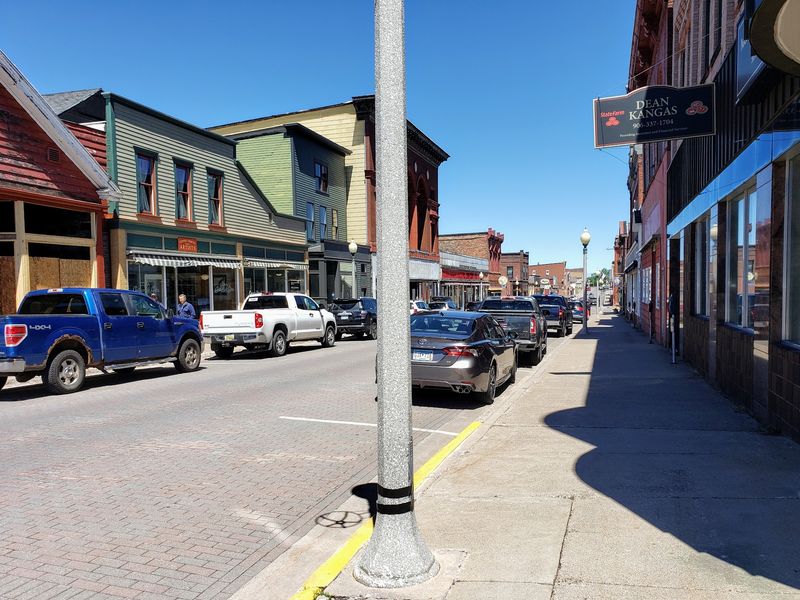
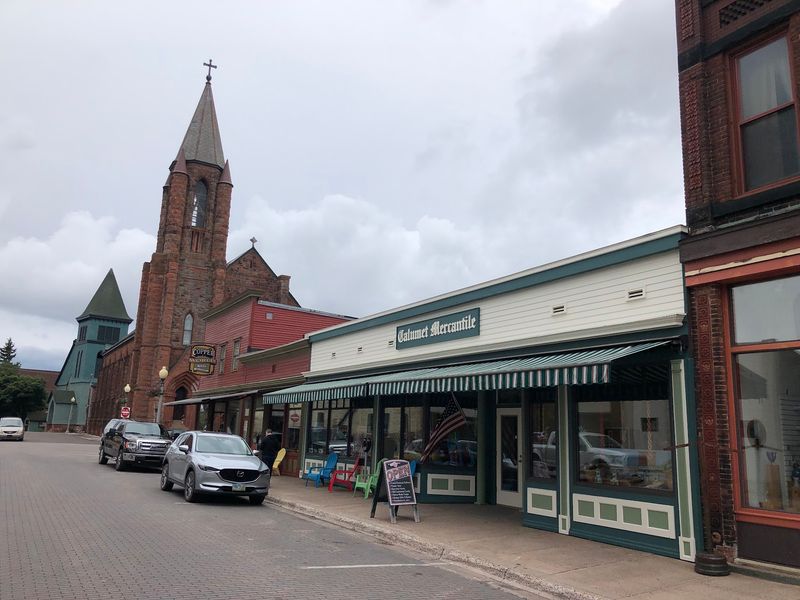
Picture a main street where every building seems to whisper a story from the 1800s. That is what you get the moment you roll into downtown Calumet.
Brick walls, sandstone trim, and tall old windows line the streets like a parade of history.
Back in its glory days, Calumet was one of the richest towns in Michigan. Copper mining brought money, workers, and families from all over the world.
Many of the shops and banks they built are still standing, which is why the whole area is part of Keweenaw National Historical Park.
Drive slowly here. Fifth and Sixth Streets are the best places to start, and you will want time to spot details like carved stone and faded painted signs.
Park the car for a bit and peek into local shops, cafes, and antique stores.
A simple tip: bring your camera or phone and look up. Some of the coolest designs sit near the rooflines, where builders showed off their skills more than a century ago.
Step Inside the Calumet Visitor Center
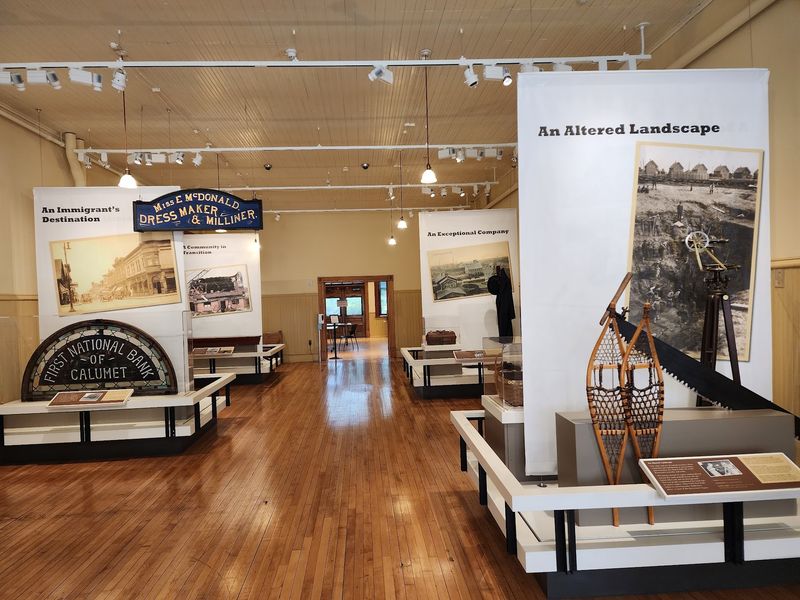
Every good road trip needs a home base, and in Calumet that spot is the visitor center. It sits inside the old Union Building, a handsome structure that once hosted meetings for local social groups.
Now it belongs to Keweenaw National Historical Park.
Inside, you will find three floors of exhibits about the people who lived and worked here. You can learn how immigrants from Finland, Italy, Croatia, Cornwall, and other places built a busy community together.
Displays cover miners, shop owners, churches, and even how kids spent their days.
Park rangers are friendly and full of tips. Ask them which sites are open, what events are happening, and where to grab a snack.
They can also hand you maps for walking tours.
Here is a smart move. Stop at the visitor center first, before seeing anything else.
It gives you the big picture, so every building you pass afterward will make more sense and feel more meaningful.
See a Show at the Calumet Theatre
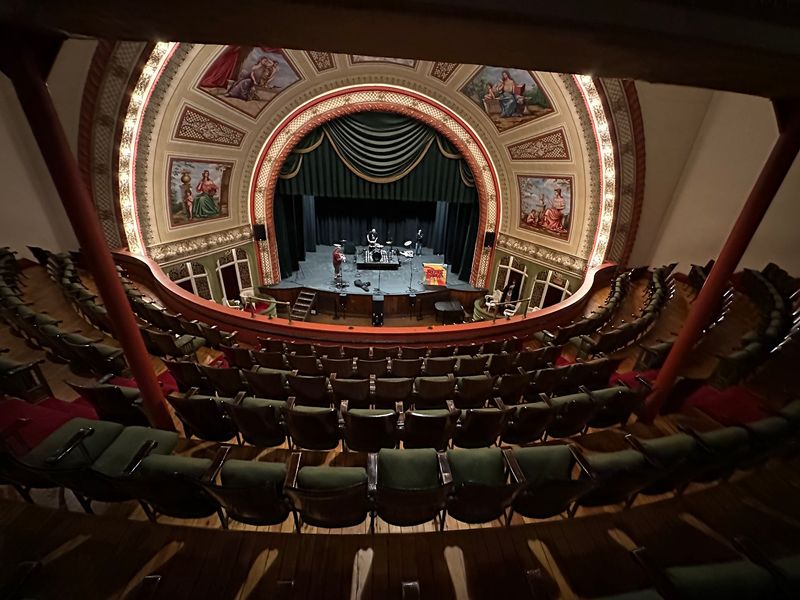
Imagine famous actors stepping off a train in a snowy mining town just to perform on this stage. It really happened.
When the Calumet Theatre opened in 1900, the town had so much copper money that big touring shows made the trip north.
Built partly inside the old town hall, the theater is one of the few of its kind still going strong. Its curved balconies, painted ceilings, and fancy trim look almost the same as they did over a hundred years ago.
Walking in feels a bit like stepping into an old movie.
Today you can catch concerts, plays, films, and local performances throughout the year. Summer is often the busiest season.
Some guided tours are offered too, so check the schedule if you just want to look around.
Fun fact: many people believe the theater has a friendly ghost, said to be a former actress. Whether or not you believe it, the stories add a spooky little thrill to your visit.
Visit Italian Hall Memorial Park
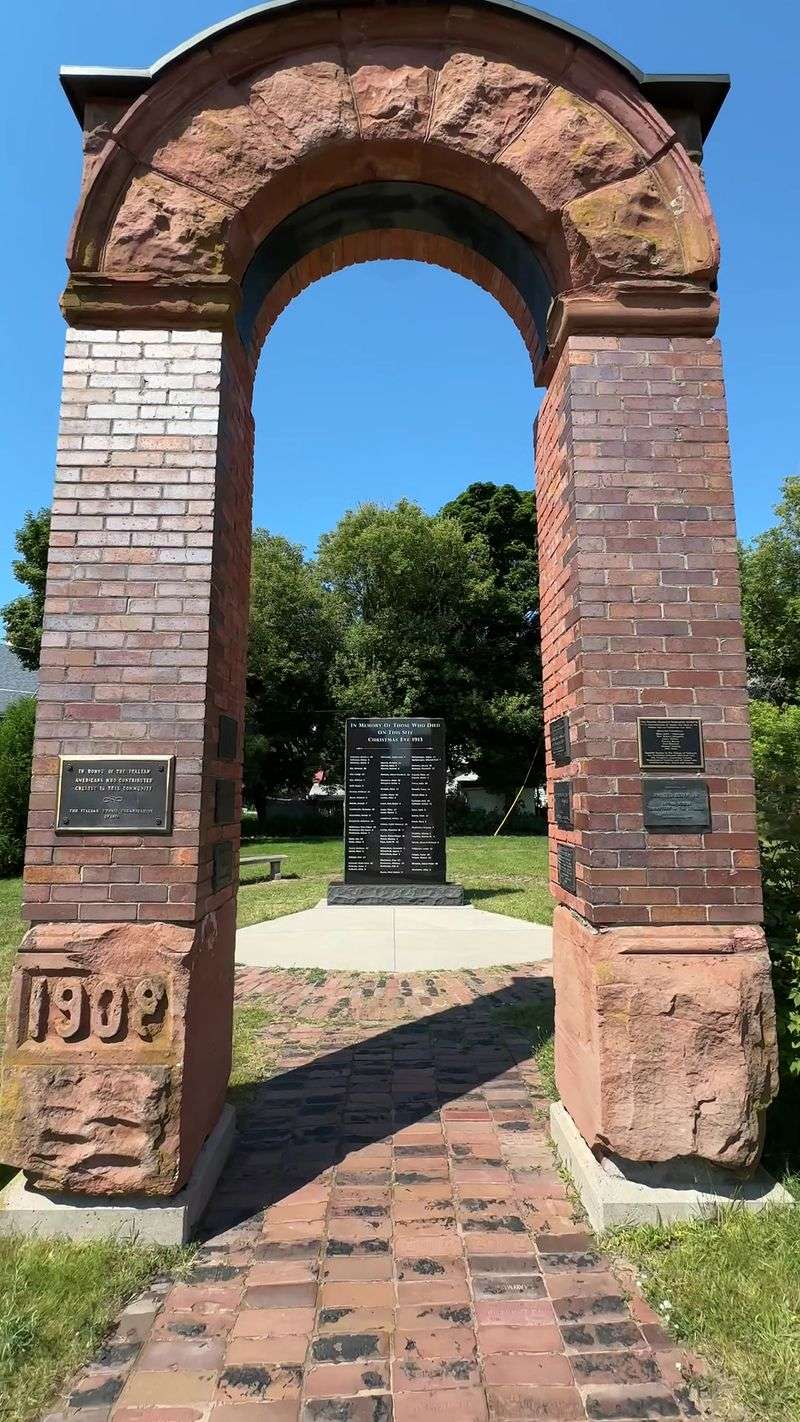
Some places ask you to speak softly, and this is one of them. On Christmas Eve in 1913, families gathered at the Italian Hall for a holiday party during a long miners’ strike.
Someone falsely shouted fire, and in the rush down a narrow stairway, 73 people died.
Most of the victims were children. The tragedy shook the whole region and is still remembered in songs, books, and local stories.
Folk singer Woody Guthrie even wrote a song about it called 1913 Massacre.
The hall itself was torn down in 1984, but the brick and sandstone archway still stands. Around it is a small, peaceful park with signs that explain what happened.
It only takes a few minutes to visit, yet it leaves a lasting impression.
Take a quiet moment here before moving on. Reading the names and the history helps you understand how hard life could be during the copper years, and how deeply this community cared for its families.
Explore the Copper-Mining Story at Coppertown USA
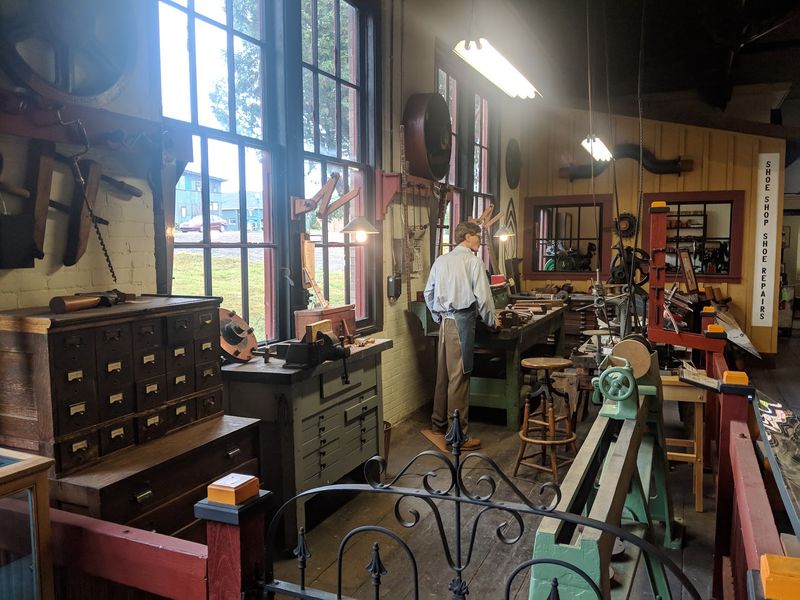
Copper wiring runs through phones, houses, and cars all over the world, and a lot of it once came from right here. Coppertown Mining Museum shows just how much this metal mattered.
It sits in the old Calumet and Hecla pattern shop, where workers carved wooden models used to cast machine parts.
Inside, you will see drills, tools, lamps, and huge chunks of copper. Some of the original wooden patterns still hang on the walls, which is pretty amazing to see up close.
Exhibits explain how miners worked deep underground in tough and dangerous conditions.
Kids usually love the hands-on feel of the place. Adults often enjoy learning how one company, Calumet and Hecla, shaped nearly everything in town, from houses to schools to libraries.
Plan for about an hour here. The museum is usually open in the warmer months, so look up hours ahead of time.
Pair it with a walk around the nearby industrial buildings for an even fuller picture.
Admire Calumet’s Historic Architecture
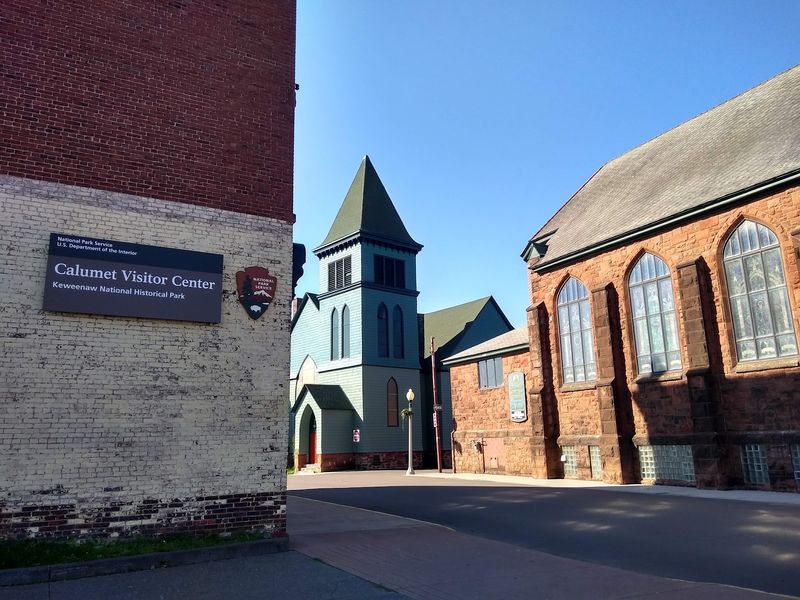
Red stone glowing in the late afternoon sun is a sight you will not forget. Much of Calumet was built with Jacobsville sandstone, a reddish rock found along Lake Superior.
It gives the town a warm color that stands out from most small Michigan towns.
When copper money was flowing, business owners wanted their buildings to look impressive. So they added arched windows, carved cornices, towers, and fancy brickwork.
Churches got tall steeples, and even simple shops received special decorations.
You can enjoy all of this from your car, but walking gives you the best view. Try a self-guided stroll with a map from the visitor center.
Look for dates carved into stone, old company names, and patterns in the brick.
Here is a fun challenge for families. Make a little scavenger hunt and see who can find the most arches, towers, or faces carved into buildings.
It turns a regular walk into a game and helps everyone notice the craftsmanship hiding in plain sight.
Discover the Copper Country Firefighters History Museum
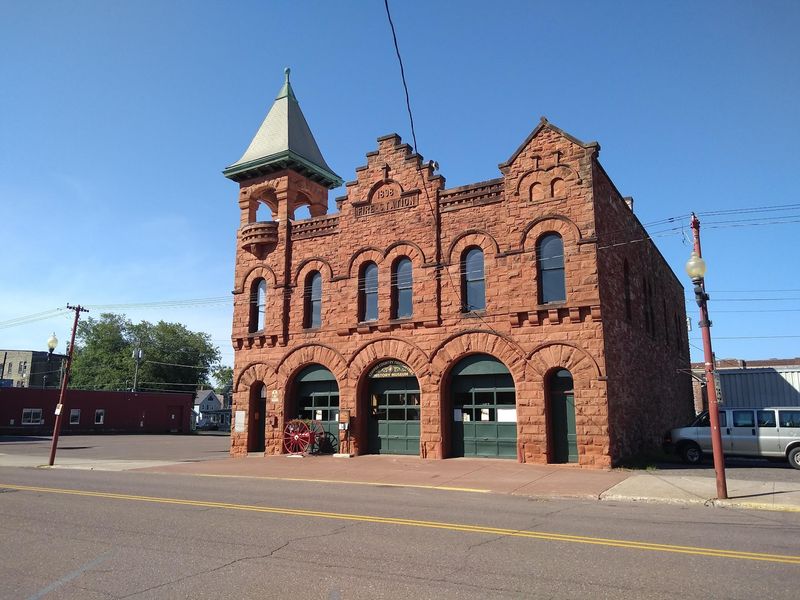
Shiny red trucks, brass bells, and leather helmets. If that sounds exciting, this museum is calling your name.
It sits inside the old Red Jacket Fire Station, built in 1898 from the same red sandstone you see around town.
Fire was a big worry in mining towns. Wooden homes stood close together, and winters were long and cold, so stoves burned constantly.
Brave firefighters had to be ready at all times, often using horse-drawn equipment in deep snow.
Inside the museum, you can check out antique fire engines, hoses, uniforms, and old photos. Volunteers often share stories about famous fires and the people who fought them.
It gives a real look at everyday life and danger in Copper Country.
Did you know? Calumet was once called Red Jacket, which is why the station carries that name.
Hours are usually limited to summer, so plan ahead. Little ones especially tend to light up when they see those vintage trucks.
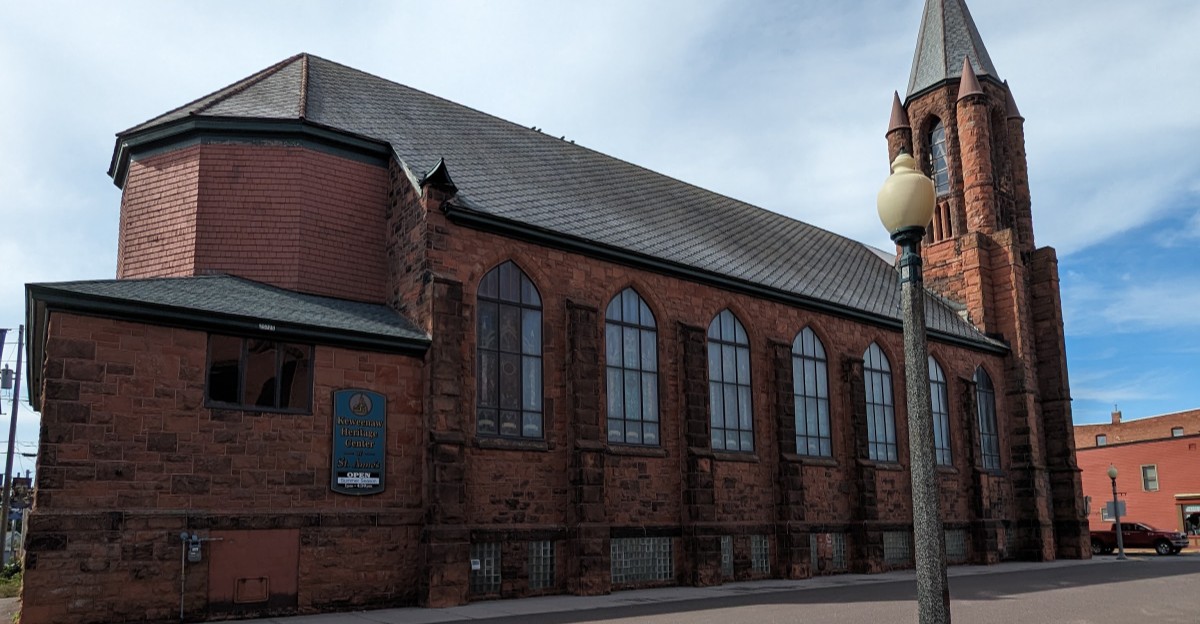
Visit the Keweenaw Heritage Center at St. Anne’s
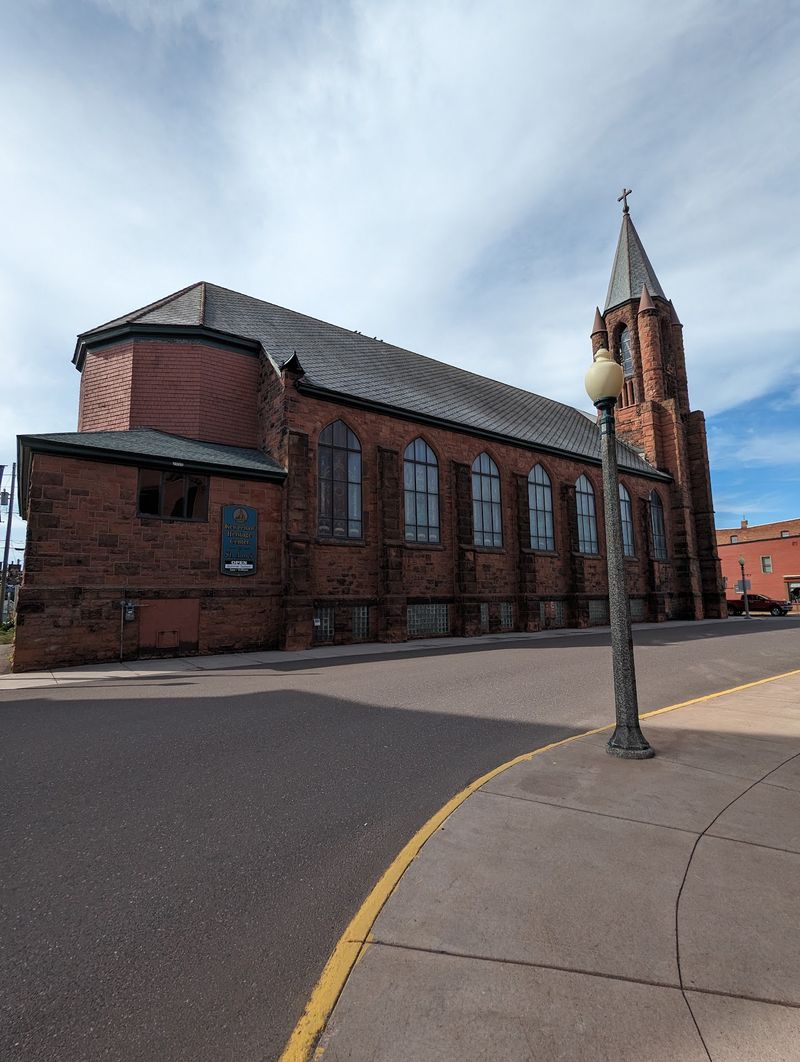
Tall, stony, and full of character, the old St. Anne’s Church looks like something from a storybook. Built in 1900 for French Canadian families, it served as a Catholic church for decades.
Today it has a new life as the Keweenaw Heritage Center.
The building is the star of the show. Its Gothic windows, high ceilings, and sandstone walls tell you right away how much the community invested in it.
Volunteers worked hard to save it after it closed, and their care shows.
Inside, you can enjoy changing exhibits about local history and the many cultures that settled in the area. The center also hosts concerts, talks, and special events in summer.
The acoustics make music sound especially lovely in this space.
Stop by even if you only have a few minutes. Ask a volunteer about the building’s past, because they often share stories you will not find on any sign.
It is a calm, beautiful break between busier stops.
Take the Short Drive to Swedetown Recreation Area
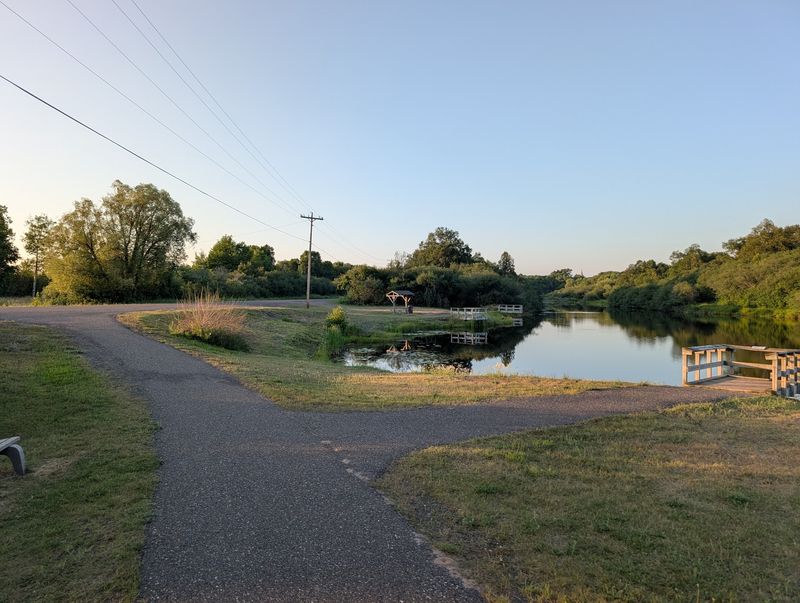
After a morning of museums, your legs might be begging for some fresh air. Good news.
Swedetown Recreation Area sits just a few minutes from downtown, tucked into thick Keweenaw woods.
In summer, the trails are popular with hikers and mountain bikers. Paths wind through pine and birch trees, with some easy loops and some tougher climbs.
Winter turns the same area into a playground for cross-country skiers and snowshoers, and some trails are even lit at night.
The local trail club keeps things well marked and maintained. There is a chalet where people gather, warm up, and swap trail stories during snowy months.
It is a friendly spot for both beginners and experienced riders.
Bring water, bug spray, and sturdy shoes if you visit in warm weather. Mosquitoes can be busy in early summer.
A short walk here is the perfect way to balance all that history with a little nature, and the quiet forest feels miles away from everything.
Plan Your Calumet Road Trip
A little planning goes a long way up north. Calumet is a small town, and many museums keep shorter hours or close outside of summer.
Checking websites or calling ahead can save you from a disappointing locked door.
Summer and early fall are the easiest times to visit. Late September often brings stunning fall colors across the Keweenaw.
Winter is gorgeous too, but this region gets a lot of snow, sometimes over 200 inches a year, so watch road reports closely.
Give yourself at least a full day in town. Park once downtown and explore on foot, since many sites sit close together.
Comfortable shoes are a must on those old sidewalks.
Want to stretch the trip? Nearby towns like Laurium, Houghton, and Copper Harbor are easy drives.
Pack snacks, keep a paper map handy in case cell service fades, and leave room in your schedule for surprises. The best memories often come from unplanned stops along the way.