Some seafood traditions refuse to fade.
Since 1948, Lee’s Inlet Kitchen in Murrells Inlet has been serving the kind of fried shrimp that makes you forget about fancy food trends.
This is a place where hand-peeled shrimp, crisp breading, hushpuppies, and family recipes still get plenty of attention.
Generations of the Lee family have kept the kitchen going, giving this longtime seafood spot a story that is just as satisfying as the food.
The recipes may be familiar, but there is something special about enjoying them in a restaurant that has stayed true to its roots.
From fried shrimp to classic sides and old-school seafood platters, Lee’s gives hungry diners plenty to crave.
Here’s what makes this Murrells Inlet favorite worth a stop, plus what to know before you go.
A Seafood Tradition That Started in 1948
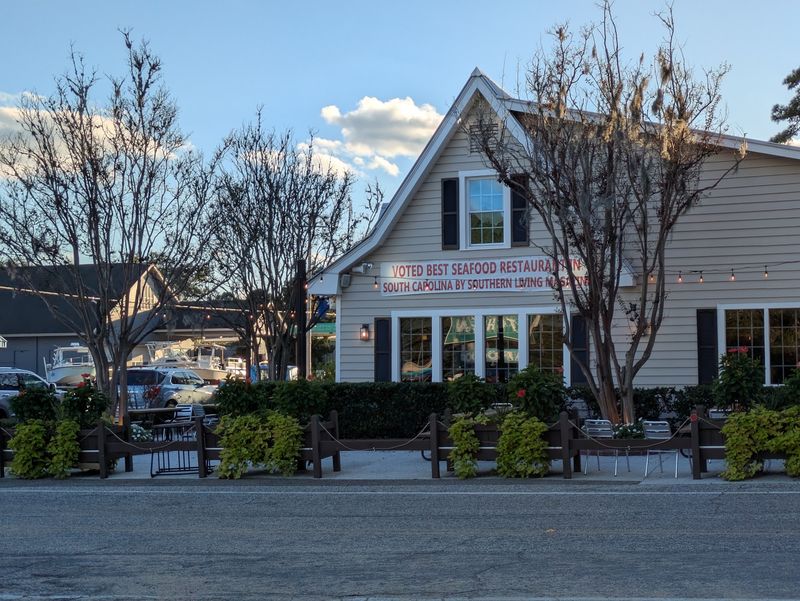
Picture a tiny dining room with only 10 tables, a hot fryer, and a family hoping folks would stop in for supper. That was Lee’s Inlet Kitchen when it opened its doors in 1948.
Harry Truman was president, and Murrells Inlet was a quiet fishing village far from the busy beach town it borders today.
Word spread fast. Locals and travelers kept showing up for fresh seafood cooked with care, and the little restaurant slowly grew into one of the best-known spots along the coast.
Even after all that growth, it never lost its homey, family-run feel.
Fun fact: Murrells Inlet calls itself the Seafood Capital of South Carolina, and Lee’s is one of the oldest restaurants helping earn that nickname. Very few eateries anywhere last more than seventy years.
When you walk in, try to imagine those first 10 tables. Every plate served today connects back to that small start, which makes a simple shrimp dinner feel like a slice of living history worth savoring slowly.
The Lee Family Still Runs the Kitchen
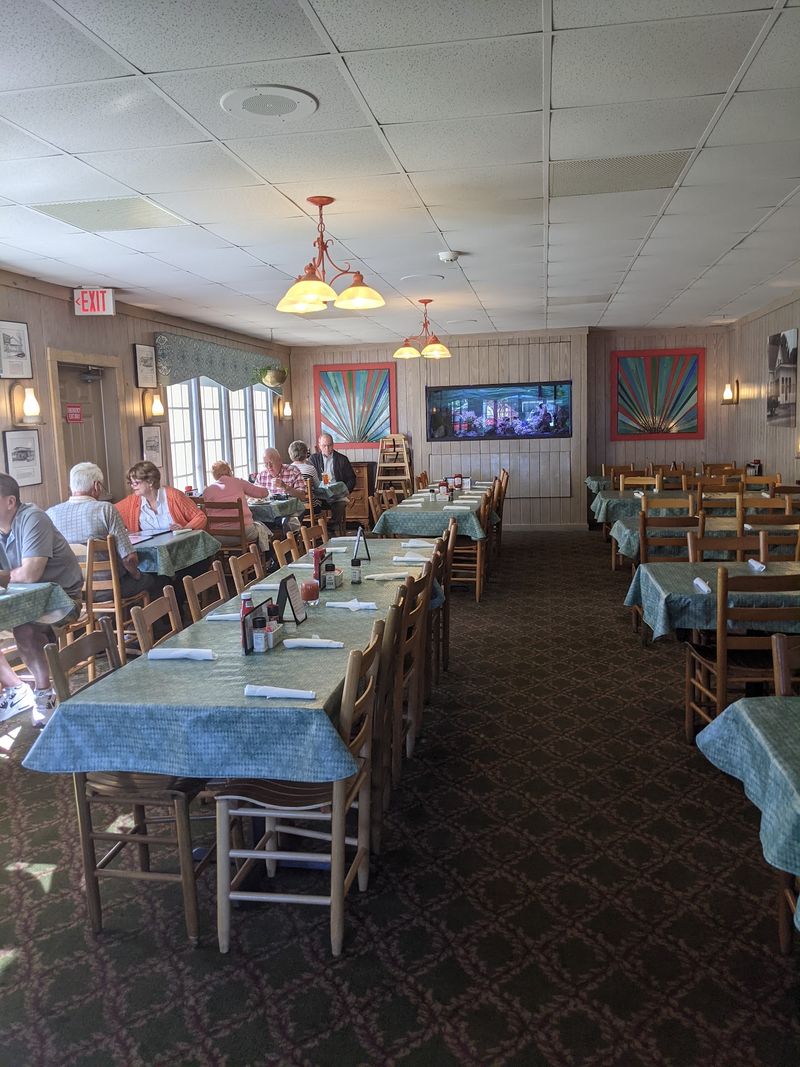
Family businesses rarely make it past the second generation. Lee’s Inlet Kitchen has beaten those odds, with ownership handed down through several generations of the Lee family.
Why does that matter to you as a diner? When the same family guards the recipes, the food stays steady.
The fried shrimp your grandparents enjoyed decades ago is cooked with the same methods today, not swapped out for a cheaper shortcut or a trendy twist.
Family members still keep a close eye on the kitchen and dining room. They know many regulars by name, and some guests have been coming back for forty or fifty years.
That kind of loyalty grows from trust, and trust grows from consistency.
Here is a friendly tip. If the restaurant is not too busy, ask your server about the Lee family story.
People who work in long-running places often love sharing a memory or two, and those little tales make your meal feel even more personal and meaningful.
Why The Fried Shrimp Still Tastes Old-School
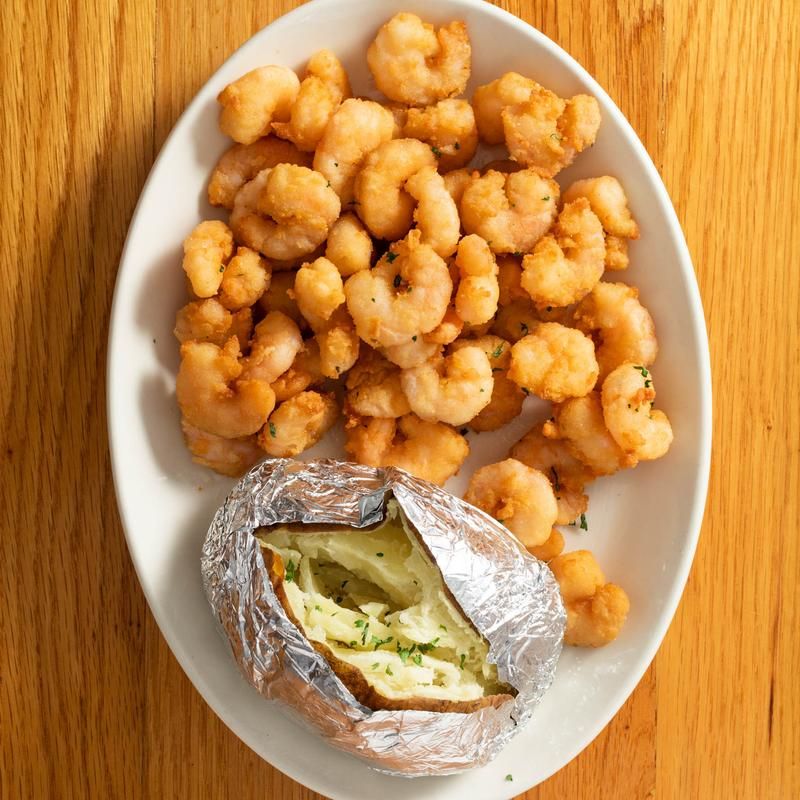
Crunch first, then sweet, tender shrimp. That simple bite explains why folks drive across the state for dinner here.
The secret is not fancy at all, and that is exactly the point.
Lee’s uses a light breading instead of a thick, heavy batter. A thin coating lets the natural flavor of the shrimp shine through rather than hiding it.
Each order is cooked fresh once you ask for it, so nothing sits under a heat lamp getting soggy.
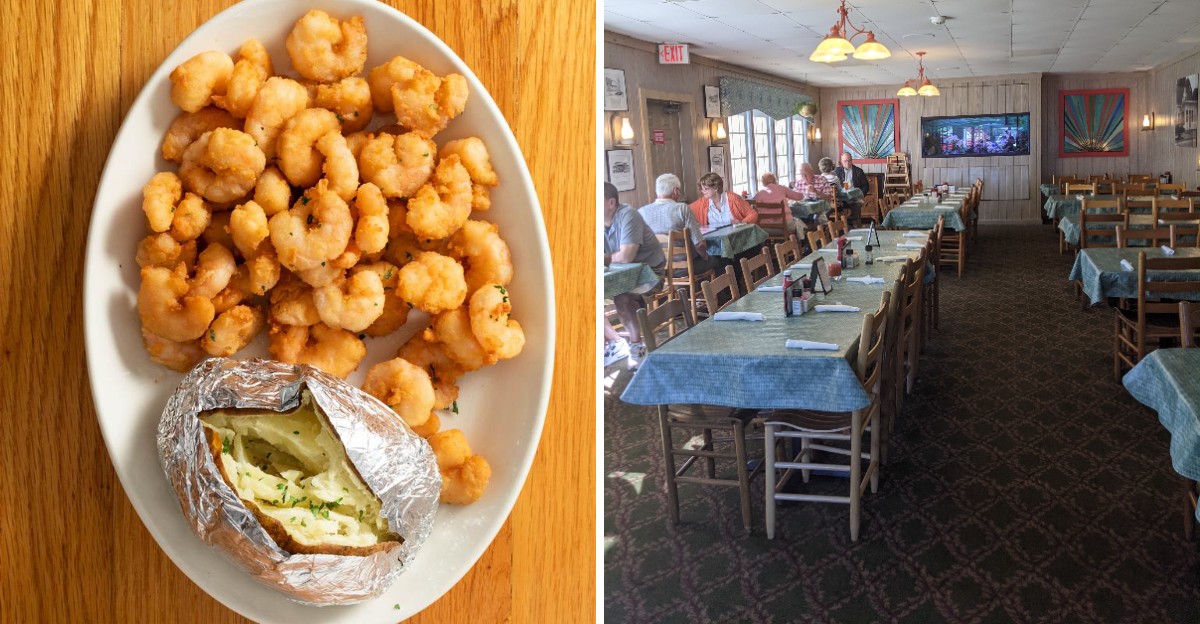
The menu offers two kinds of shrimp. Hand-peeled fantail shrimp are larger and meaty, while the smaller Inlet Creek shrimp are sweet little bites that many locals swear by.
Not sure which to pick? Order one and have your dinner buddy order the other, then trade a few.
Comparing them side by side is a fun way to learn what you like. Either way, you are tasting fried seafood the way coastal Carolina cooks made it long before fast food chains existed.
Hand-Peeled South Carolina Shrimp
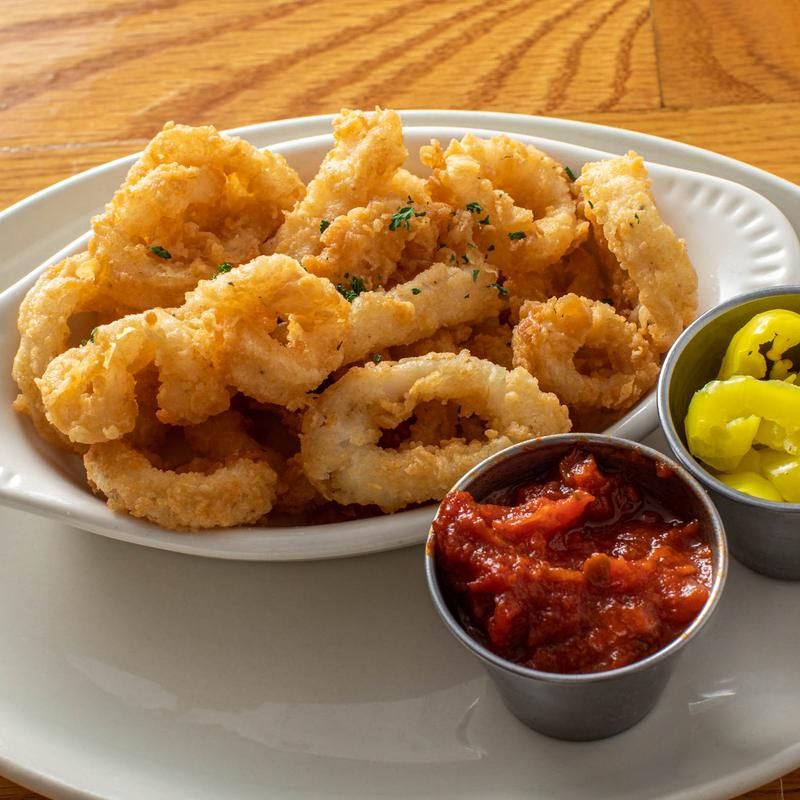
One hundred and fifty pounds. That is how much shrimp the crew at Lee’s says it can peel by hand in a single day.
Try picturing a mountain of shrimp taller than a kitchen table, and you start to understand the effort involved.
Most restaurants buy shrimp already peeled and frozen because it saves time and money. Lee’s goes the slower route.
Workers pull off the shells by hand, leaving the tail fan on, which is how fantail shrimp get their name.
Hand-peeling lets cooks check each shrimp closely. Any piece that does not look right never makes it to your plate.
It also helps keep the meat firm and juicy instead of watery.
Want to try this at home? Buy fresh local shrimp, pinch the shell near the head, and peel around the body, leaving the tail on.
You will quickly learn to respect the kitchen crew, since peeling even two pounds takes patience and quick fingers.
The Fried Fantail Shrimp That Keeps Regulars Coming Back
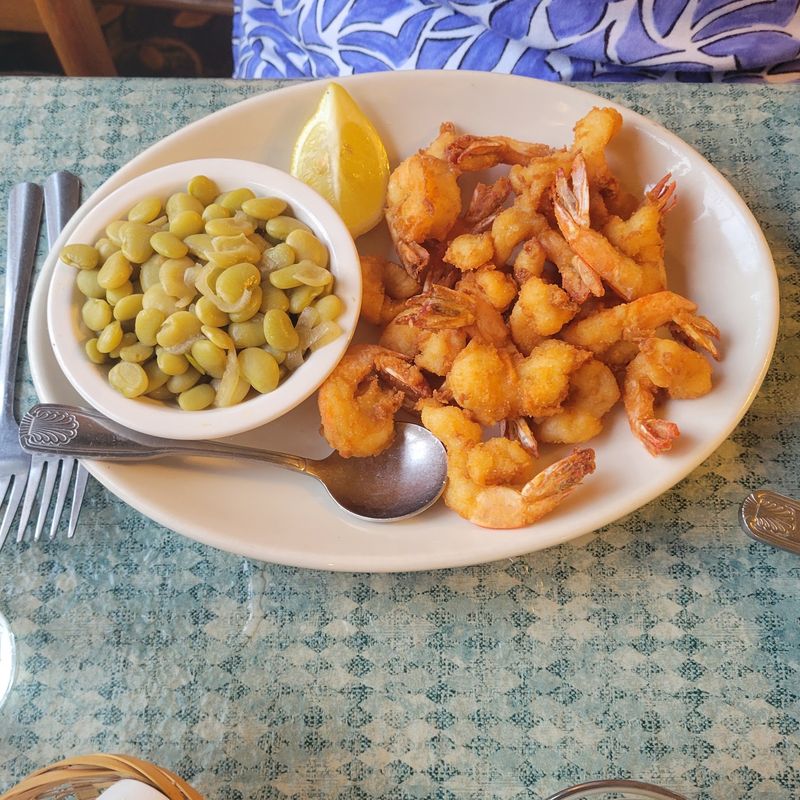
Ask a longtime regular what to order, and you will probably hear two words: fantail shrimp. It is the dish that sums up everything Lee’s stands for.
The shrimp come from McClellanville, a small fishing town south of Murrells Inlet with a long shrimping history. Shrimp boats there have worked Carolina waters for generations, so the seafood travels only a short distance before reaching the fryer.
After hand-peeling, the shrimp get that light coating and a quick fry. The tail stays on, giving you a handy little grip for dipping.
Cocktail sauce, tartar sauce, or a squeeze of lemon all work nicely.
Here is some honest advice for first-timers. Skip the urge to load up on sides before your platter arrives.
You will want room for every golden shrimp on the plate.
Many families make this order a yearly beach vacation ritual. Once you taste it, you might start a tradition of your own and count the days until your next trip.
Fried Seafood Beyond The Shrimp
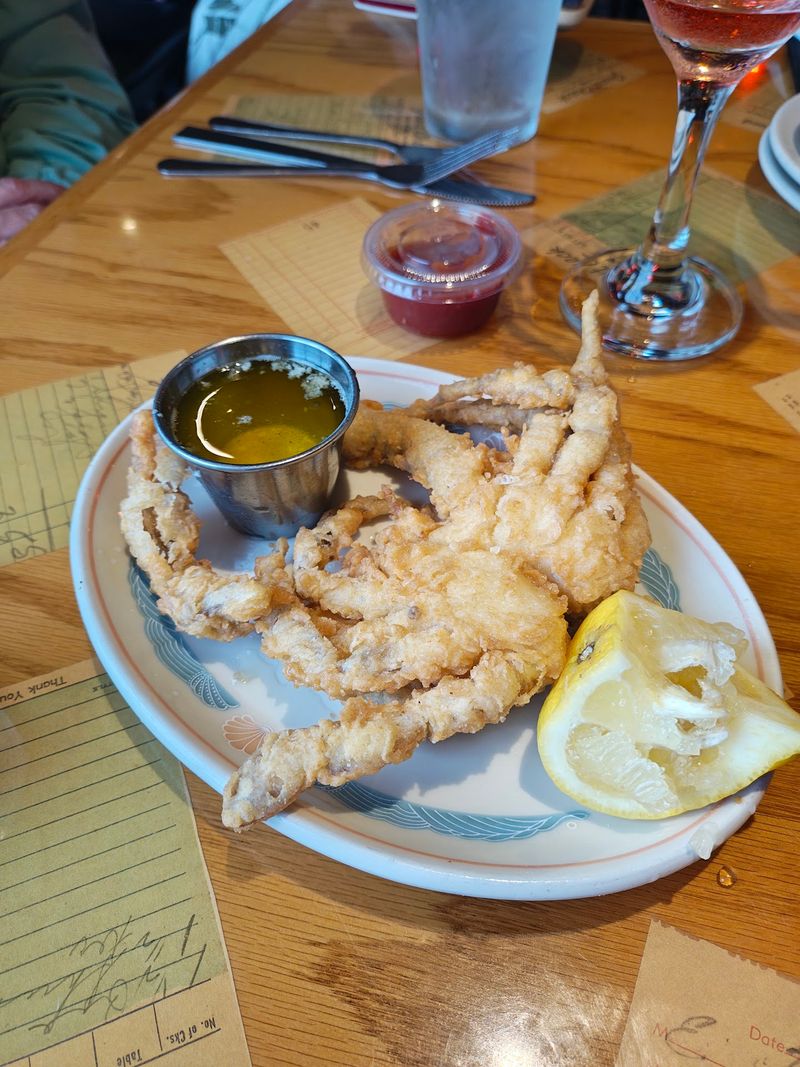
Not everyone at the table is a shrimp fan, and that is perfectly fine. Lee’s menu stretches well past one famous dish.
Fried flounder is a mild, flaky choice that even picky eaters tend to enjoy. Fried oysters bring a briny, rich bite for adventurous diners.
Scallops are sweet and tender, almost buttery when cooked right. Then there is deviled crab, a classic Southern favorite made with seasoned crabmeat baked or fried in a shell.
Each one gets the same careful, old-fashioned treatment as the shrimp. That means light breading and cooking to order, so every bite stays crisp.
A smart move for groups is to order a few different plates and share. Kids can try a scallop, Grandpa can sneak an oyster, and everyone gets a taste of the Lowcountry.
Did you know? Deviled crab got its name from the spicy seasoning in it.
Long ago, cooks called zesty foods deviled, just like deviled eggs.
Hushpuppies, Onion Rings, And Recipes From 1948
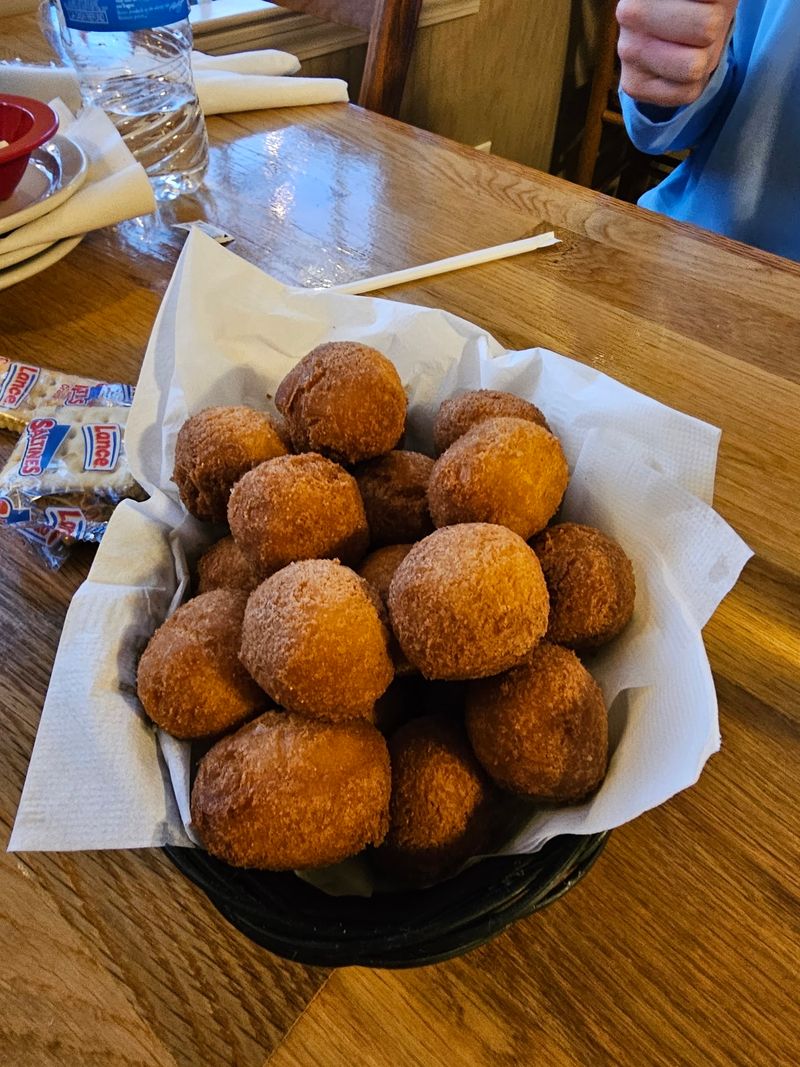
Sometimes the sides steal the show. At Lee’s, the hushpuppies and onion rings come from family recipes dating back to the very beginning.
Hushpuppies are little balls of cornmeal batter fried until crisp outside and soft inside. They are warm, slightly sweet, and dangerously easy to keep eating.
The onion rings are crunchy and hand-made, a far cry from the frozen kind many places serve.
The homemade sauces deserve credit too. Recipes like these have barely changed since 1948, so every dip connects you to decades of family cooking.
Here is a fun legend. Some people say hushpuppies got their name when cooks tossed fried batter to barking dogs while saying hush, puppy.
Nobody knows for sure if it is true, but it makes a great story to share at the table.
A friendly warning: a basket of hushpuppies can fill you up fast. Pace yourself so you still have room for the seafood that follows.
A Full Taste Of Murrells Inlet Seafood Tradition
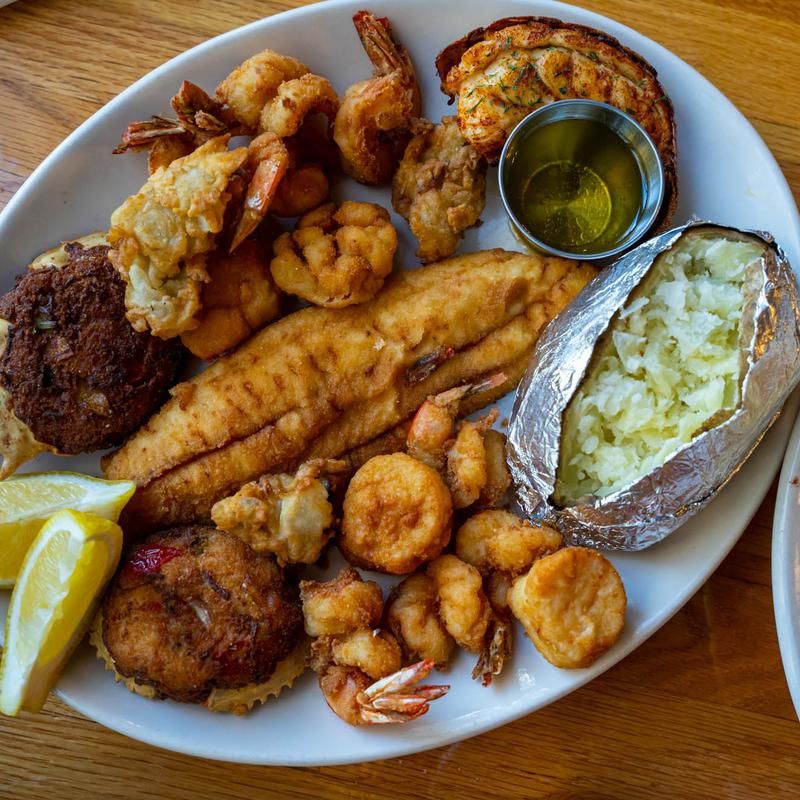
Can’t decide? Good news, you don’t have to.
Lee’s offers combination platters and a big feast called the Lee’s Shore Dinner for diners who want a little bit of everything.
The Shore Dinner brings together several classics on one plate. Think shrimp, flounder, oysters, scallops, and deviled crab all sharing space.
It is like a tasting tour of Murrells Inlet without leaving your chair.
Combination platters are a bit smaller, letting you pair two or three favorites. They are a great middle ground if you are hungry but not ready to tackle the full spread.
These big meals work well for celebrations, hungry teenagers, or anyone visiting the coast for the first time. You get to sample what makes the area famous all at once.
Tip: bring your appetite and maybe a friend to share. Leftovers are possible, though fried seafood is best eaten hot.
If you do take some home, reheat it in an oven or air fryer to bring back the crunch.
Plan Your Visit
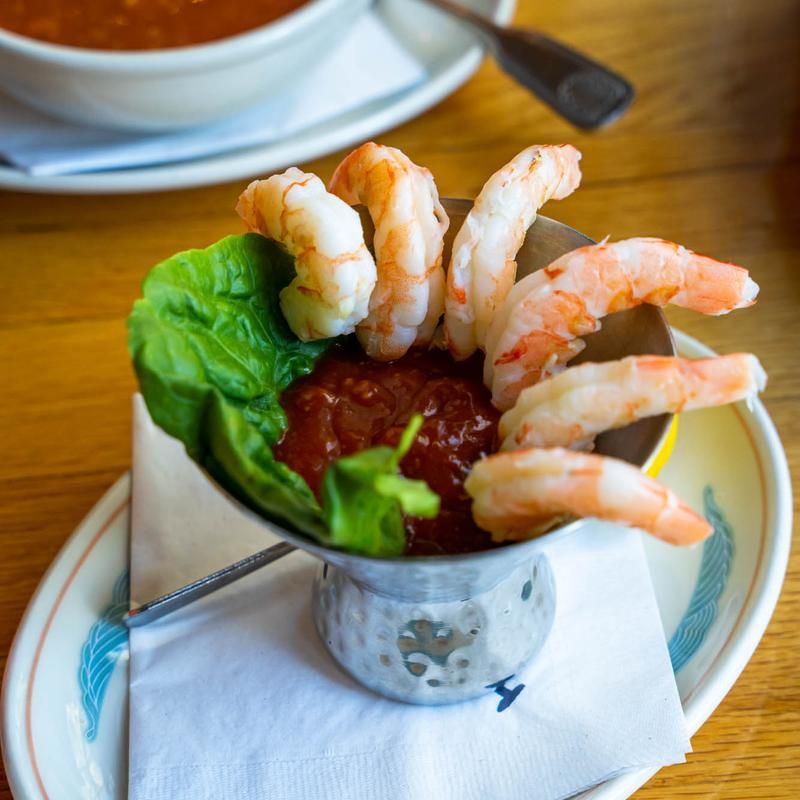
Ready to eat? Lee’s Inlet Kitchen sits at 4460 Highway 17 Business, Murrells Inlet, SC 29576.
It is a short drive south of Myrtle Beach, making it an easy dinner stop during a beach trip.
The current schedule lists Monday through Saturday from 4:30 to 9 p.m. Notice that it is a dinner spot, so do not plan on a lunch visit.
Hours can shift with the seasons, and some coastal restaurants close for part of the winter.
Before heading out, call (843) 651-2881 or visit leesinletkitchen.com. The website lists menu details, prices, and any schedule changes.
Summer evenings get busy, especially on weekends. Arriving right at opening time can help you avoid a long wait.
Families with young kids often find early dinners calmer anyway.
After your meal, consider strolling the nearby MarshWalk, a boardwalk along the inlet with lovely sunset views. It is a relaxing way to end an evening full of old-fashioned Carolina seafood.