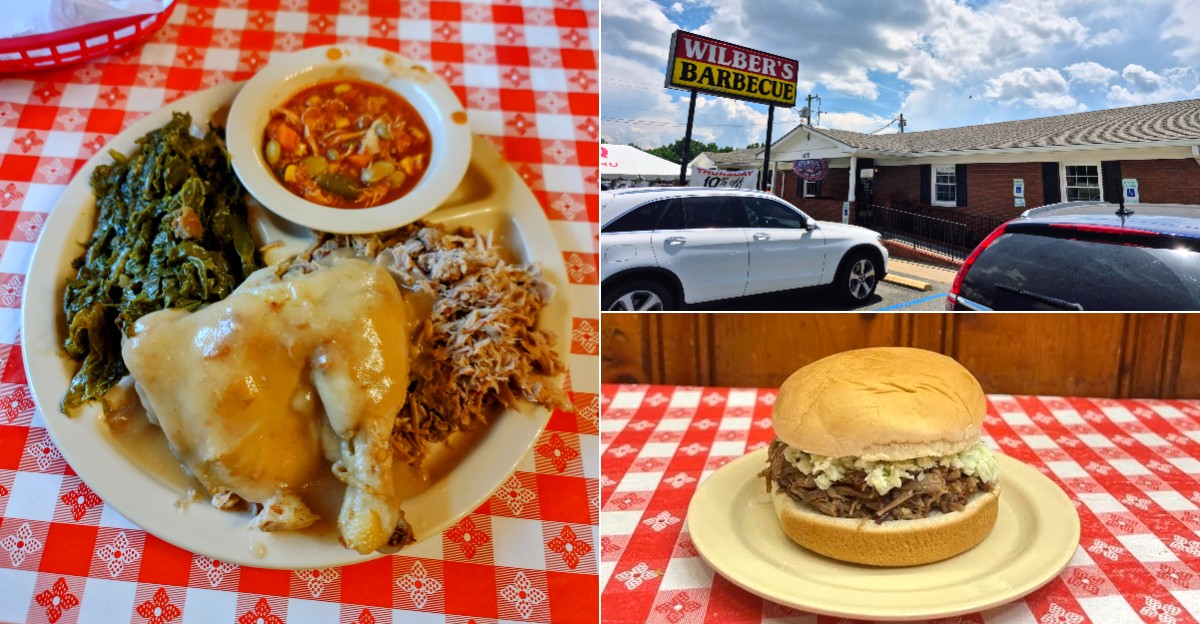
In eastern North Carolina, barbecue is more than a meal, it is a proud tradition.
Wilber’s Barbecue in Goldsboro has been cooking whole hogs slowly over hardwood coals since the 1960s.
That old-school method gives the chopped pork its smoky depth and tender texture.
A splash of the region’s signature vinegar and pepper sauce adds just the right tang.
Fried chicken, hushpuppies, coleslaw, and Brunswick stew round out a classic Southern plate.
Pull up a chair, come with a big appetite, and taste why folks happily drive miles for a plate here.
A Barbecue Tradition Worth Keeping
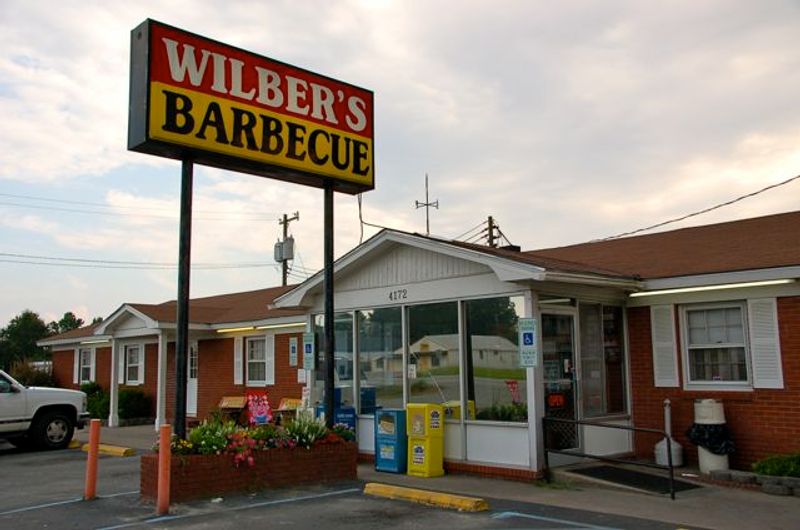
Some meals carry memories that reach far beyond the table. Families return for familiar flavors, travelers stop during beach trips, and longtime customers remember eating here with their parents.
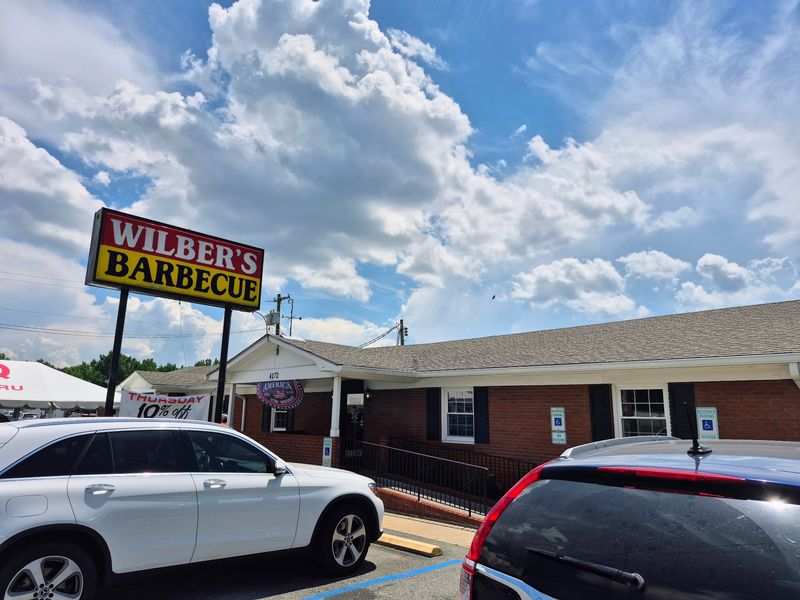
That sense of connection surrounds Wilber’s Barbecue, at 4172 US-70, Goldsboro, NC 27534, United States. A detailed customer account supplied for this article traces the restaurant to 1962 and founder Wilber Shirley. The same account describes a local group bringing it back after its 2019 closure.
Its lasting appeal rests on more than age. Whole hogs, hardwood coals, and chopped pork remain central to the restaurant’s identity. Owner replies also stress the value of keeping that cooking method alive rather than treating barbecue as just another menu item.
For a first visit, start with the pork before exploring other choices. That gives you a clear taste of the food most closely tied to the restaurant’s story. Ask your server about the cooking tradition if the dining room is not too busy.
You do not need to know barbecue history to enjoy lunch here. Still, understanding the work behind the meal makes each bite more meaningful. It turns a simple stop for food into a chance to appreciate a craft that customers have followed across generations and shared family journeys.
Long Hours Behind a Lunch Plate
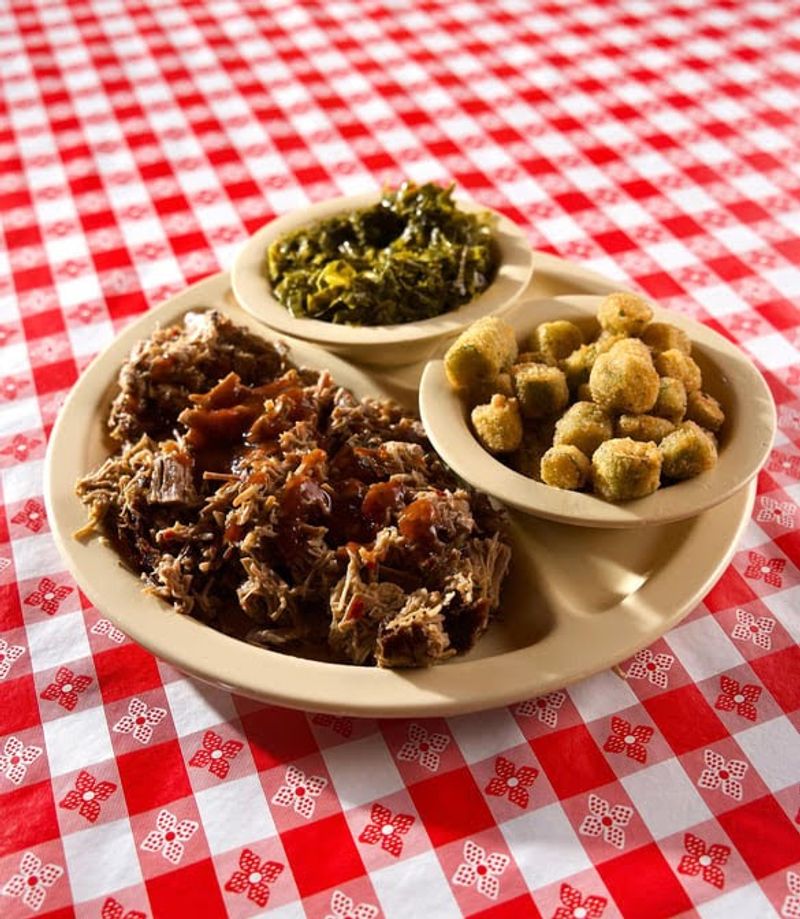
Lunch may arrive quickly, but the cooking behind it does not. A whole hog needs slow, steady heat, making the pit work very different from preparing food only after someone orders.
The overnight theme points to that long process, not to a dining room that stays open all night. The supplied accounts describe low and slow cooking over coals, but they do not establish an exact nightly start time or fixed cooking length. Keeping that distinction clear helps visitors understand what the title promises.
Patience matters because a whole animal contains cuts with different amounts of fat and muscle. The goal is tender pork across those parts, not just a browned surface. Managing the heat takes attention throughout the cook.
When you sit down, think of your plate as the final step in work that began well before your arrival. That perspective explains why traditional barbecue depends on planning, preparation, and a practiced crew. It also helps explain why availability can change during service.
If pork is the main reason for your trip, consider arriving earlier in the serving day. Call ahead for a large order rather than assuming any quantity will be ready. A little planning respects the slow process and makes your own meal easier to arrange.
Hardwood Becomes the Heat Source
A stack of split wood is more than background scenery. It is the starting point for the heat that cooks the pork.
One detailed visitor account describes oak delivered in bulk, stacked, and burned down into coals. Those coals then move into the smokehouse by shovel. That account gives readers a useful picture of the hands-on work behind the restaurant’s hardwood cooking method.
Burning wood down first creates a different cooking setup from placing meat directly above fresh flames. The resulting embers provide heat that workers can place where needed. Fire management becomes part of the recipe, even though it never appears as an ingredient on your plate.
Do not expect the pork to taste like a mouthful of smoke. A customer who described the pit process praised smoke that stayed in balance with the meat and vinegar seasoning. That is a helpful expectation for anyone used to barbecue with a heavy smoke flavor.
During a visit, ask whether staff have time to explain the wood and coal process. Some reviewers received tours, but access should never be assumed. Stay clear of working fires, equipment, and food preparation areas unless invited.
Knowing where the heat comes from makes the meal easier to appreciate. The woodpile is part of lunch, too.
Whole Hogs Give the Pork Its Character
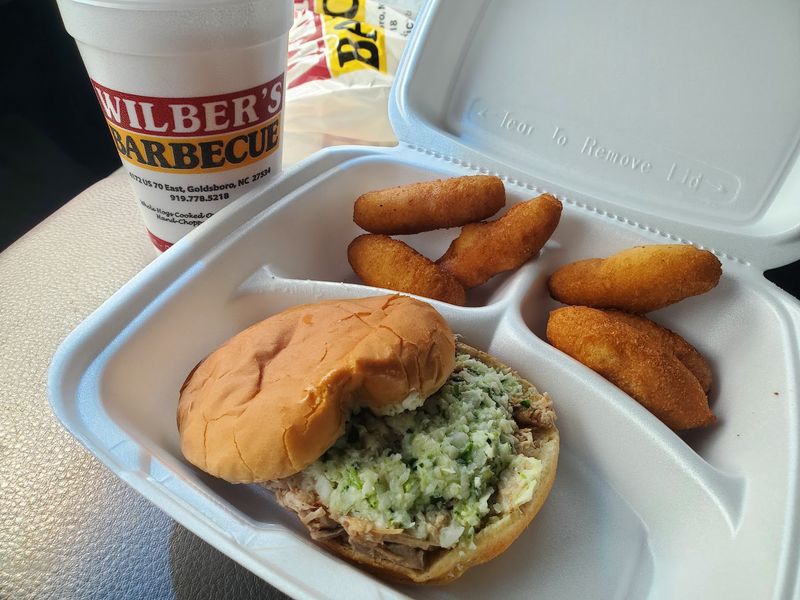
Not every bite of pork begins with the same cut. Cooking a whole hog brings several parts of the animal into one finished barbecue, giving the chopped meat a broader mix of texture and flavor.
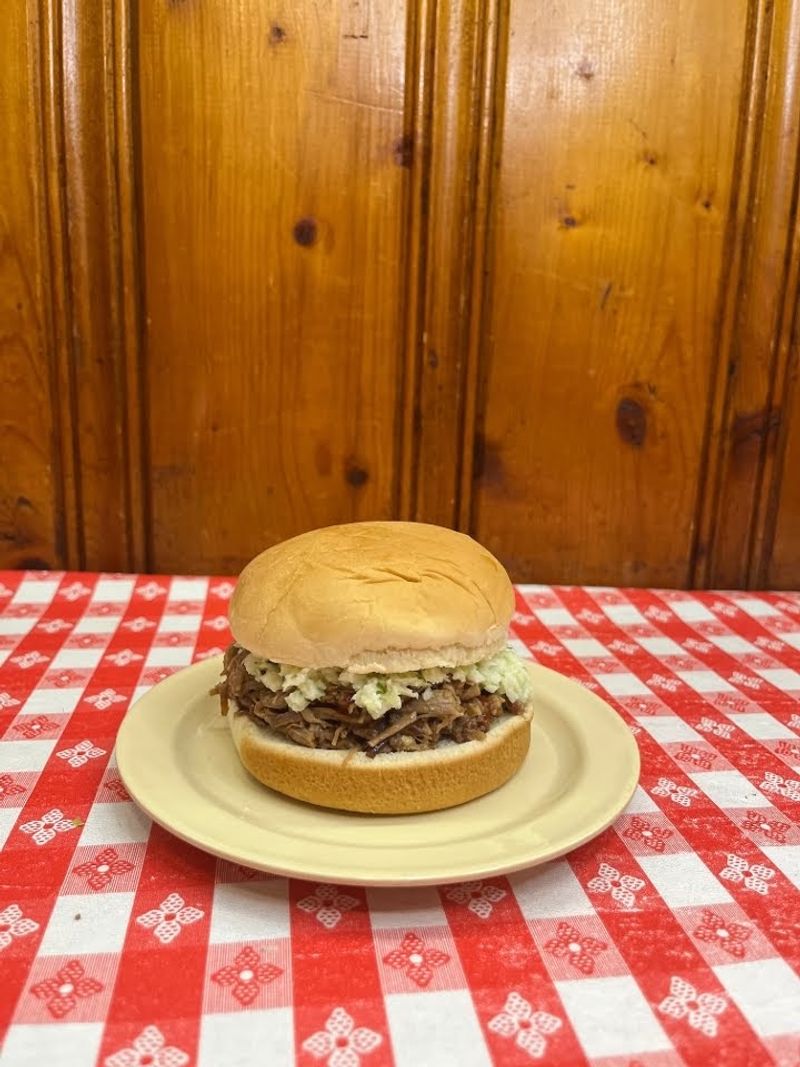
The supplied reviews describe pork made from different cuts and chopped before serving. An owner response confirms that the barbecue is chopped and seasoned with an Eastern style vinegar sauce. That detail matters if you usually order long strands of pulled pork elsewhere.
Whole hog cooking also means the pit crew must handle more than a single shoulder. Different areas respond differently to heat, so experience helps guide the process. A visitor account describes slow cooking followed by a finishing step intended to crisp the skin.
For your first order, choose a pork plate if you want to taste the meat without a bun. A sandwich is another easy option, especially when you want a smaller, simple meal. Ask how slaw is served rather than assuming it comes inside.
Customers also mention skin trays, though one reviewer found that skins had sold out. Check current availability and ask what to expect before ordering.
The main attraction is still the chopped pork. Its mix of cuts helps explain why whole hog cooking remains worth the effort.
Pit Skills Go Beyond Watching a Clock
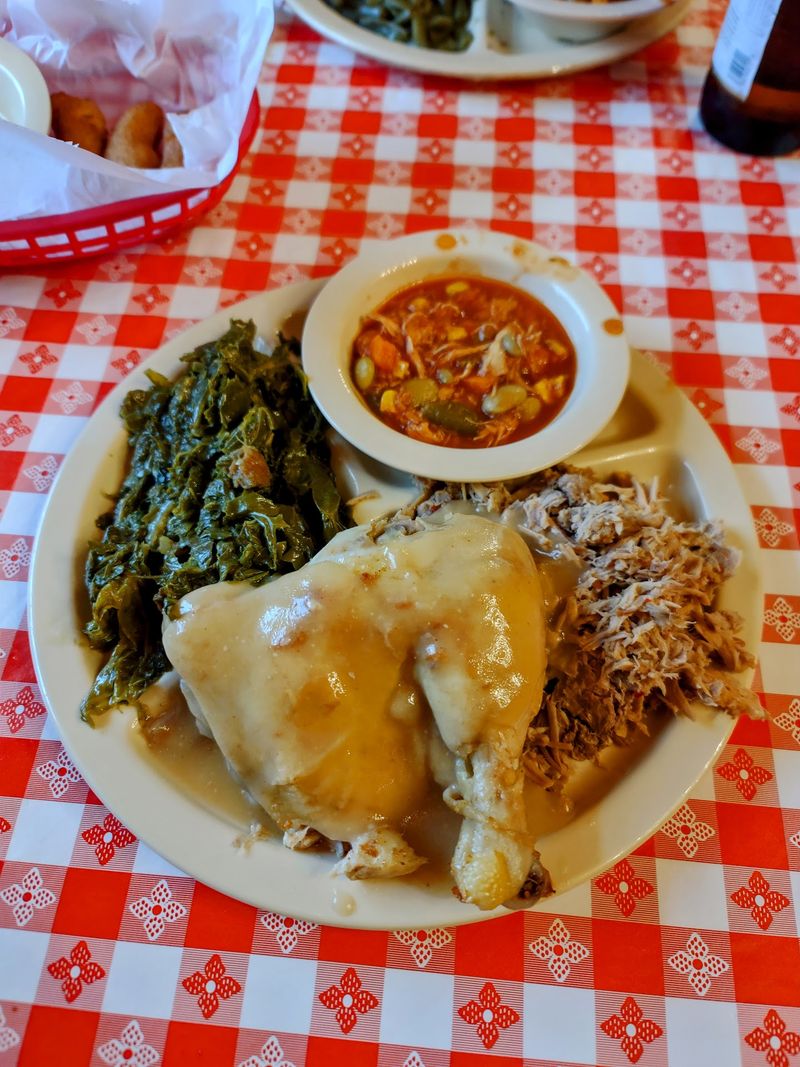
Listen closely, and the fire has something to say. In one visitor’s account, the longtime pitmaster judged the cook partly by the look and sound of drippings meeting the coals.
The same account recalls a request to leave newly installed overhead lights off. It is a memorable detail, but it should be read as one guest’s report, not a rule for every cook. The larger point is that repeated experience builds a feel for the pit.
A clock can track time, but time alone cannot describe every change in a whole hog. Heat, meat size, and the condition of the coals all affect the work. Skilled cooks notice these changes and respond rather than expecting every batch to behave exactly alike.
For diners, that means the craft is worth asking about. Several customers describe personal pit tours, and owner replies acknowledge some of those visits. A tour remains a courtesy, not a guaranteed part of a meal.
Ask politely, follow staff directions, and accept that a busy day may make access impossible. Never step into the cooking area on your own.
Even without a tour, you can appreciate the human judgment behind your lunch. The finished plate reflects practiced hands as much as wood, heat, and good pork itself.
Vinegar Keeps the Flavor Bright
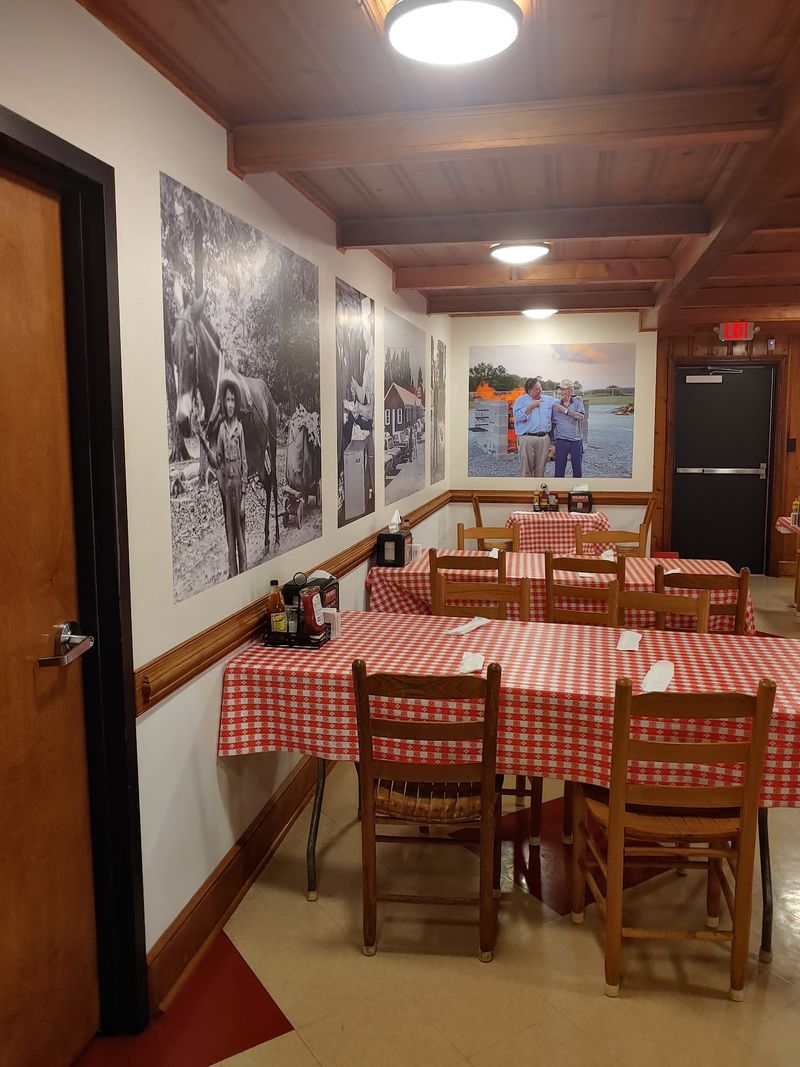
Expect a tangy bite rather than a thick, sweet coating. The pork here is seasoned with a vinegar based sauce before it reaches the table, according to an owner response in the supplied reviews.
That explains why a sandwich may not arrive with a separate cup of sauce. The seasoning is already mixed into the chopped meat. If you like extra sauce, request it clearly when ordering, especially for takeout.
A detailed customer review describes pepper flecks and a bright vinegar flavor that works alongside the smoke. For someone new to this style, the first bite may feel sharper than familiar bottled sauces. Give the pork a taste before adding anything else.
Vinegar can balance the richness of fatty meat without hiding its texture. That balance is a useful way to understand the restaurant’s approach. The sauce supports the whole hog rather than becoming the main attraction.
If you prefer mild food, ask staff about the seasoning and available options. One unhappy reviewer found the pork too spicy, so personal taste clearly matters. No single description can promise the same experience for every diner.
For an order headed home, check that any requested extra sauce is packed. A quick look before leaving can save disappointment when everyone gathers around the table.
Hush Puppies Round Out the Meal
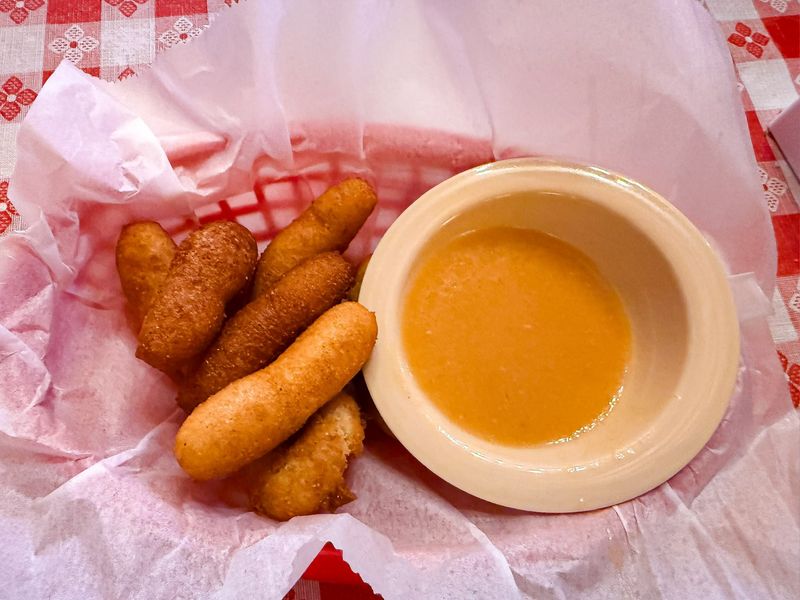
A basket of hush puppies can make the wait feel like part of the meal. Customers repeatedly mention these fried bites, often paired with chicken gravy, as a memorable start to their visit.
Several reviews describe the pairing arriving before the main order. Others praise the contrast between the crisp outside of the hush puppies and the warm gravy. Ask your server what is included with your meal, since service details and offerings can change.
The sides also help balance the pork. Slaw adds a cooler bite, while potatoes offer something soft and filling. Customer reports mention collards, potato salad, fried okra, and other choices, but the current menu should guide your order.
Rather than loading your plate with everything, choose two sides with different textures. Slaw and potatoes make one useful pairing. If unfamiliar dishes catch your eye, ask staff for a simple description before deciding.
Save room for dessert if banana pudding is available. One takeout customer called it the best part of the order, though that is a personal opinion rather than a promise.
The pork deserves attention, but its companions shape the meal too. Crunch, creaminess, tang, and warmth give each bite a different role and keep a generous barbecue plate from feeling repetitive or overly heavy.
Plan Around Serving Hours, Not Pit Hours
A little planning helps turn barbecue curiosity into a satisfying lunch. The fire’s long working hours do not mean customers can arrive whenever they like.
The supplied listing shows service Wednesday through Saturday from 11 a.m. to 7 p.m., and Sunday from 11 a.m. to 3 p.m. Monday and Tuesday are listed as closed. Confirm those hours before traveling, especially around holidays or unusual weather.
For current details, use wilbersbbq.com or call +1 919-778-5218. Check the menu, ask about larger orders, and confirm any item you consider essential. Reviews mention dishes and specials from different visits, so they should not replace today’s availability.
An owner response lists dining in, ordering ahead with curbside pickup, and drive-through service as options. Verify the current pickup process when placing your order. Before leaving, compare the packed food with your receipt and check requested sides or extra sauce.
For a longer trip home, bring an insulated cooler and keep food at safe temperatures. Refrigerate leftovers promptly rather than leaving them in a warm car.
Most of all, leave enough time to enjoy the pork without rushing. A meal built on slow cooking deserves more than a hurried stop, even when your own schedule is busy and the road ahead is still calling you onward.