There is something about the sound of revving engines that brings out everyone’s competitive side.
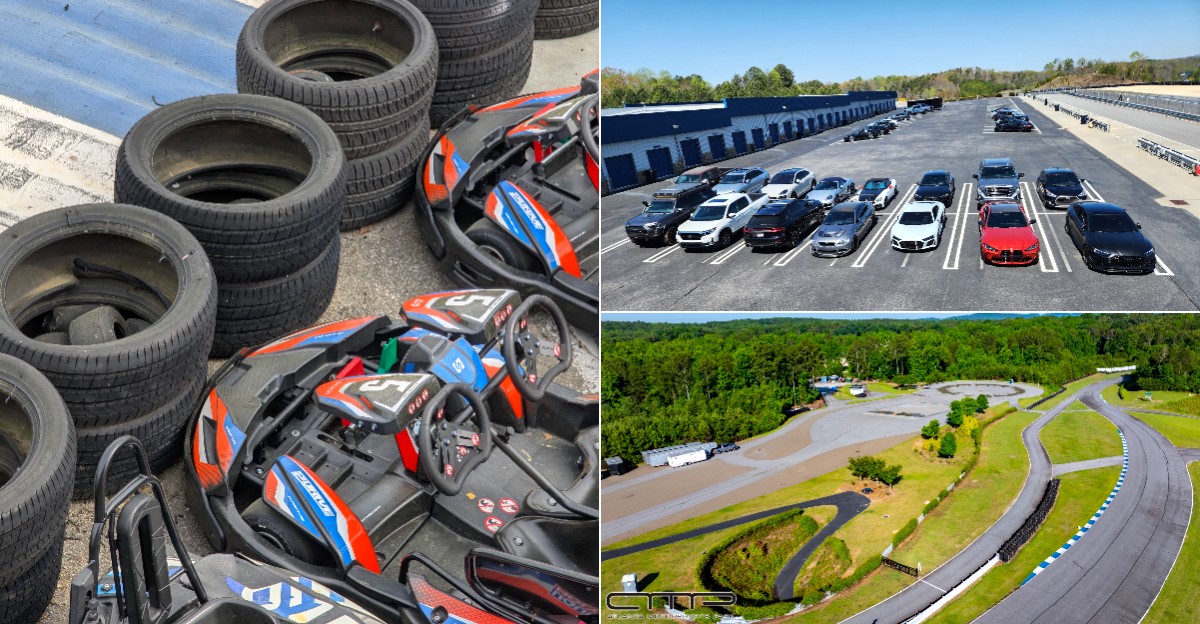
Atlanta Motorsports Park in Dawsonville is a racing facility tucked into the scenic North Georgia foothills.
Its full-size road course was designed by Hermann Tilke, the famous designer behind many Formula One circuits.
The real crowd-pleaser for families is the long, twisty go-kart track, where visitors can try arrive-and-drive racing.
Grown-ups quickly discover that beating the kids is much harder than it looks.
Wear closed-toe shoes, buckle up, and get ready for some serious bragging rights.
A Big Outdoor Track Sets the Stage
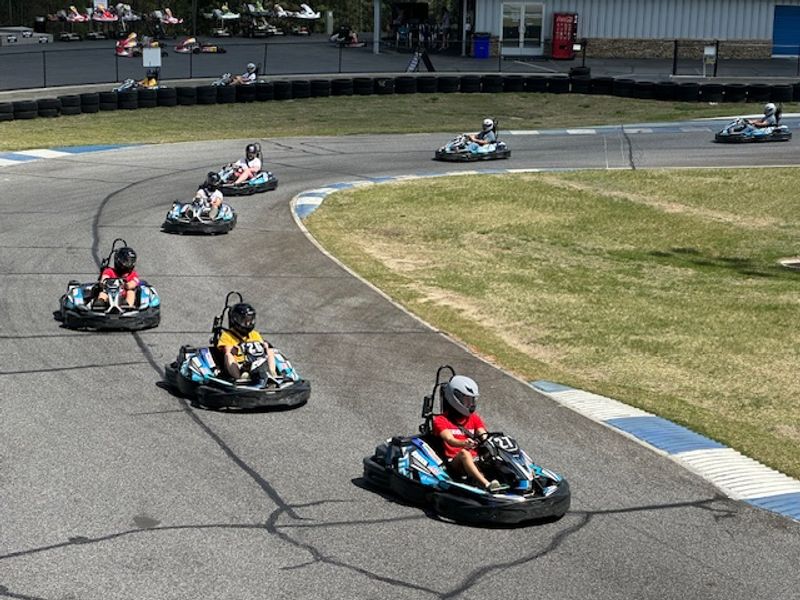
Engines hum, helmets go on, and an ordinary family outing suddenly feels like race day. The outdoor setting gives drivers room to focus on the course rather than just circle a small indoor loop. Visitors often praise the size, turns, and hills that make each lap feel like a fresh challenge.
Atlanta Motorsports Park sits at 20 Duck Thurmond Rd, Dawsonville, GA 30534, United States. Its karting course is separate from the main car racing track, so make sure your booking matches the activity you want. The supplied Google listing gives the venue 4.7 stars across 2,020 reviews, reflecting strong overall visitor feedback.
For a first visit, think of the outing as a motorsports experience rather than a casual amusement ride. Allow time for registration, helmet fitting, safety instructions, and any waiting between sessions. That extra breathing room keeps your group from feeling rushed before anyone starts driving.
Outdoor racing also means the weather matters. Check the forecast and ask how rain or other conditions could affect your reservation. Arriving prepared lets you enjoy the scale of the place while keeping expectations realistic, especially when children or nervous beginners are joining the group for their first proper outing on a demanding outdoor karting course together.
Hills and Turns Keep Drivers Guessing
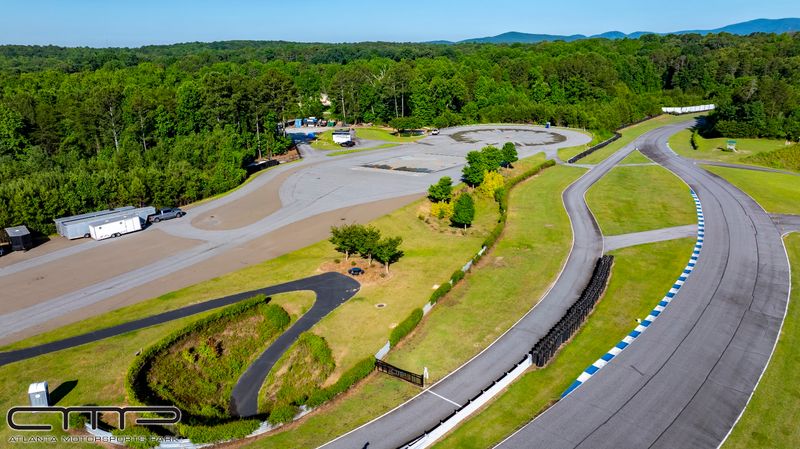
A hill can change the whole mood of a lap. Instead of steering around the same flat corners, drivers must pay attention as the pavement rises, falls, and bends. Elevation changes are among the most frequently mentioned features in the supplied visitor feedback.
Several reviewers describe the kart course as technical, meaning it asks for more than a heavy foot on the accelerator. You need to learn where corners begin, how the kart responds, and when to ease your pace. For adults who enjoy solving a challenge, that learning process can become the biggest attraction.
Spend your opening session getting familiar with the layout rather than trying to impress your family. Listen closely to staff guidance about braking, passing, and responding to signals. If a section feels confusing, ask for advice before your next session instead of guessing at speed.
Small improvements can feel surprisingly satisfying here. A turn that seemed awkward at first may become smoother once you understand its shape. Keep your attention on controlled driving, not dramatic moves or copying a faster racer beyond your comfort level. The course gives you plenty to work on without turning every corner into a contest, and that steady progress makes another session especially tempting for competitive grown ups.
Fast Karts Bring Out the Adult Rivalry
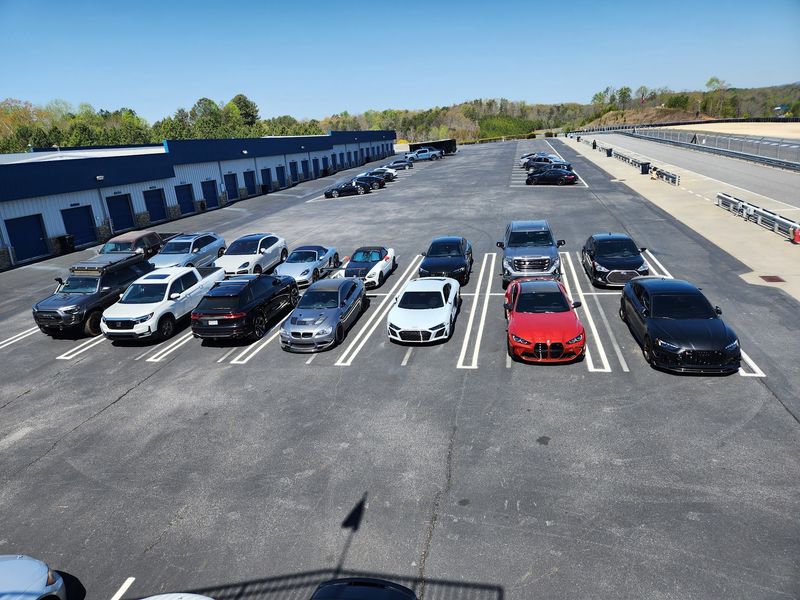
Someone always claims they are only here for the kids. Then the helmets come off, lap times enter the conversation, and that same adult starts planning a better run. The supplied reviews include families comparing corners and improving across several sessions, which neatly captures the appeal.
Speed adds excitement, but treat numbers in older reviews carefully. Some visitors report rental kart speeds around 55 miles per hour or higher, yet those accounts are not a promise for every driver or session. Ask the venue about current equipment, restrictions, and the experience suitable for your group.
A friendly competition works best when everyone agrees on sensible ground rules. Compare personal progress rather than pressuring a beginner to match the quickest person. Nobody should feel that a family joke requires driving beyond their ability.
Try giving each driver a personal goal, such as feeling calmer through a difficult corner or completing a more consistent session. That approach leaves room for both confident racers and cautious newcomers to enjoy themselves. Save the teasing for afterward, keep it kind, and remember that contact is not part of the fun. The best bragging rights come from clean driving and shared laughs, not from making another person uncomfortable during an otherwise enjoyable family day together.
Safety Comes Before Bragging Rights
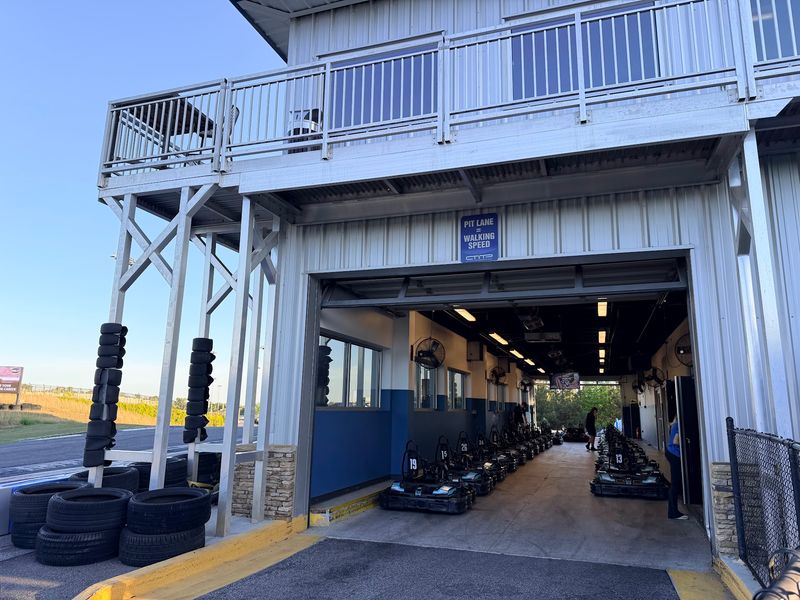
Winning an argument about lap times is never worth ignoring a safety rule. Visitor accounts describe a briefing before driving, and the venue’s responses stress that safety is a priority. One reviewer specifically warns that breaking rules can lead to being removed from the track.
Pay attention even if you have driven rental karts elsewhere. Ask staff to explain anything unclear, including signals, passing rules, and what to do if your kart stops. Understanding those instructions before departure is much easier than figuring them out during a busy session.
A head covering worn beneath the helmet is another detail to plan for. The supplied reviews and an owner response mention this requirement, although current prices and acceptable personal coverings should be checked directly. Confirm clothing and footwear rules as well, rather than relying on assumptions.
Speak up immediately if equipment feels wrong or another driver’s behavior worries you. The review set includes complaints about contact and older kart condition concerns, while the operator says intentional contact and unsafe driving are not tolerated. That mixed feedback makes clear communication especially useful. Report problems to staff while details are fresh, stop if you feel unwell, and never let friendly rivalry talk you into continuing when your body says otherwise during a session.
Younger Drivers Need the Right Program
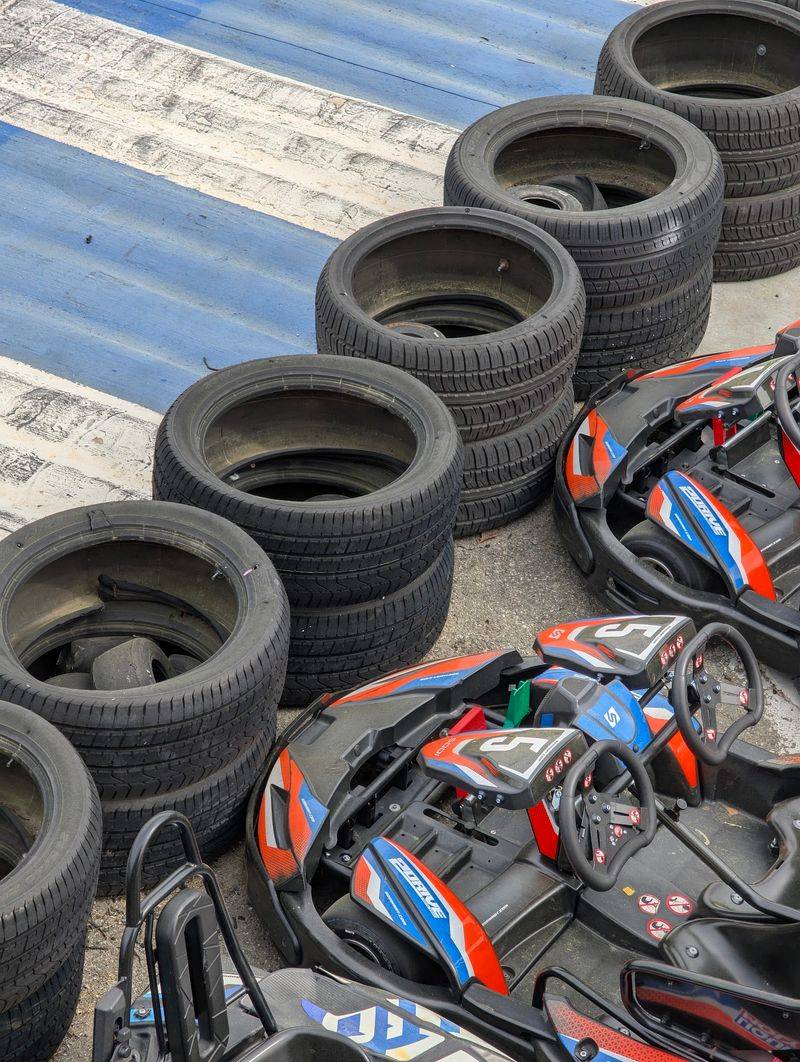
A child’s excitement does not automatically mean every racing option is a suitable fit. Before promising a shared session, ask about current age, height, and participation requirements. Families should also confirm whether younger drivers and adults can use the same session format.
The supplied feedback points to options beyond a standard rental visit. One parent describes a Junior Discovery Experience for a nine year old, followed by private instruction. Another review praises a lesson that helped a young driver learn the basics with patient guidance.
Those accounts suggest a useful starting point, not guaranteed eligibility for your child. Contact the venue to learn which youth programs are currently offered and how they differ from public karting. Ask about equipment, supervision, lesson length, and any experience needed beforehand.
For a nervous beginner, coaching may be more rewarding than immediate competition. Learning one skill at a time can build confidence without the pressure of keeping up with adults. Parents can help by praising attention, listening, and steady progress rather than demanding fast laps.
Give children permission to say they need a break or do not want another session. A good first experience should leave them feeling supported. When the activity matches their readiness, the whole family has a better chance of enjoying the day together.
Extra Sessions Turn Practice Into Progress
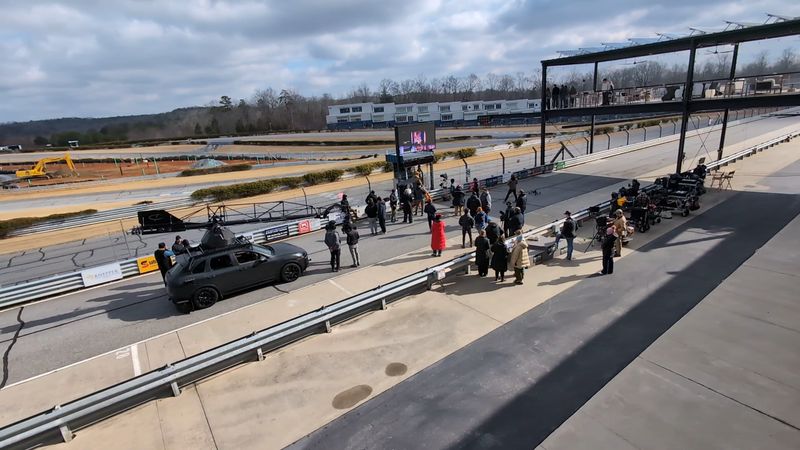
The second run can feel very different from the first. Once you recognize the turns and understand the kart, there is more room to focus on small improvements. Several supplied reviews describe buying multiple sessions and getting more comfortable as the visit continued.
One visitor enjoyed a three session package, while another described purchasing five sessions. These are past customer experiences, so confirm today’s packages, prices, session lengths, and rules before paying. Also ask whether unused sessions expire or can be saved for another visit.
Do not assume the largest package is automatically the best choice. A beginner may prefer fewer sessions with enough time to rest and decide whether to continue. A group with mixed interests might enjoy a shorter racing plan more than an afternoon built entirely around driving.
Between runs, pick one thing to work on rather than trying to change everything. Ask staff for guidance if you are unsure how to approach a section safely. Rest, drink water, and give your hands and shoulders a chance to relax.
Progress is not always a faster lap. Feeling less tense, following instructions more confidently, or driving with greater consistency can be worthwhile gains. Those quieter improvements help turn a thrilling activity into a skill you genuinely want to practice again.
Reservations Keep the Day on Track
Nothing drains race day excitement faster than arriving without a plan and finding limited availability. A supplied reviewer says weekends can fill up, and the owner agrees that reservations are highly recommended. Book ahead when possible, especially if several people want to drive together.
Complete any requested paperwork before leaving home. One family credits advance forms with helping their visit move smoothly through the gate, front desk, helmet fitting, and briefing. Read confirmation emails carefully so you know when to arrive and what to bring.
The supplied listing shows Monday and Tuesday closures, with opening at 9 AM Wednesday through Sunday. Listed closing times vary, including later Friday and Saturday evenings. Treat that schedule as a planning reference and verify current karting availability, since venue hours do not guarantee an open session.
Build your budget around the full visit, not just a package headline. Ask about required head coverings, taxes, optional protection plans, and any other charges that apply. Past review prices should not be treated as current quotes.
You can check the official website or call +1 678-381-8527 for details. Confirm weather policies, cancellation terms, and group arrangements before committing. A few practical questions beforehand leave more time for enjoying the track once your group actually arrives and gets ready to drive.
Food and Shared Stories Finish the Outing
After the driving stops, the corner debates often keep going. Someone remembers a smooth turn, another admits braking too early, and everyone has a version of their best lap. That shared conversation can become the most memorable part of a competitive family outing.
Several supplied reviews mention Fuel Kitchen as a place to eat during a visit. Guests praise the food, but menus, service hours, and access should be checked before you make dining part of your schedule. Planning a meal break also gives tired drivers time to settle down before heading home.
For a birthday or larger gathering, ask about current group arrangements rather than assuming ordinary bookings cover everything. The review set includes birthday outings and a private track rental for a bachelor party. Those examples show different ways people have celebrated here, although availability and costs require direct confirmation.
Keep the final conversation welcoming to everyone, including the person who chose not to race. Celebrate a beginner’s confidence alongside the quickest driver’s progress. A family outing works better when nobody feels reduced to a finishing position.
Before leaving, decide whether another visit sounds appealing and what you would change next time. Maybe fewer sessions, a lesson, or an earlier booking would suit your group better. Good memories should outlast any scoreboard.