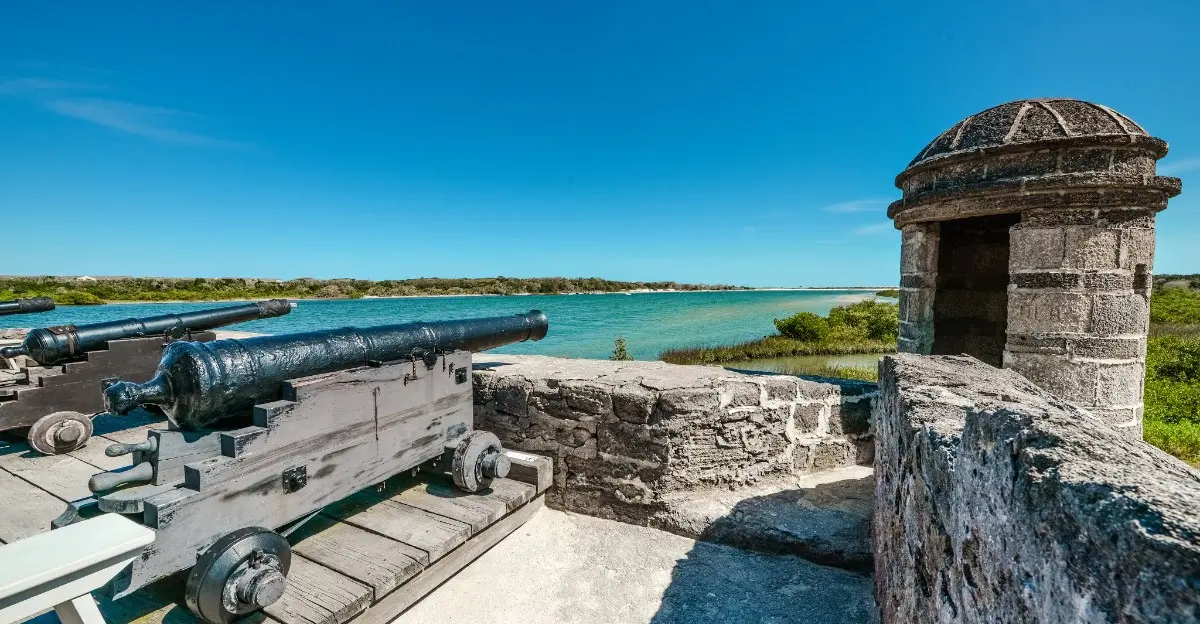
A tiny stone fort sits across the water, easy to miss from the road yet filled with centuries of coastal history. Just south of St. Augustine, Fort Matanzas National Monument at 8635 A1A S, St. Augustine, FL 32080, preserves a Spanish fort surrounded by marsh, maritime forest, and open stretches of Florida coastline.
Reaching Fort Matanzas is part of the experience. A short boat ride carries visitors across the Matanzas River, where salty air, rippling water, and the possibility of spotting wildlife add another layer to the visit.
Once ashore, quiet paths lead through coastal vegetation before the small fort comes into view. It’s a place where history feels close enough to touch, yet the surrounding landscape keeps the experience peaceful and unhurried.
From the boat landing to the fort itself, there are plenty of details worth noticing as the story of this overlooked corner of Florida unfolds.
A Quiet Turnoff With a Big Surprise
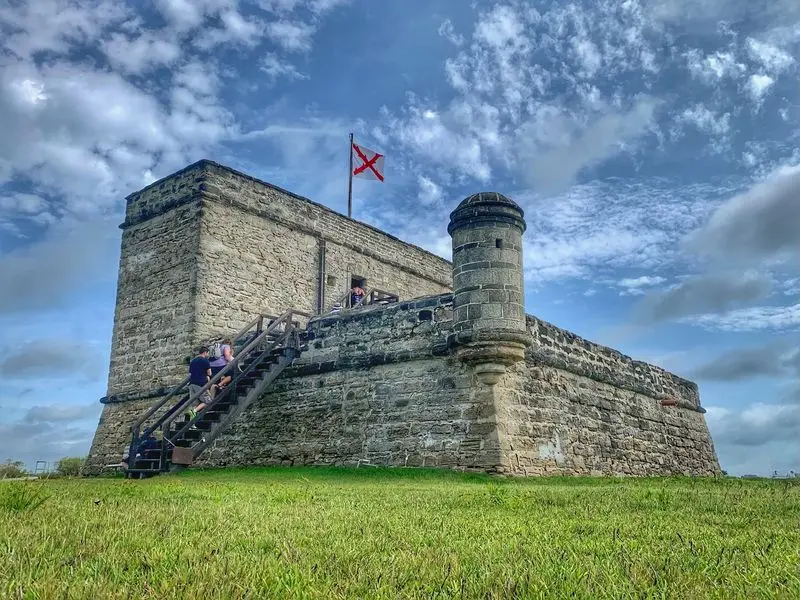
The surprise begins when the road noise gives way to rustling leaves and open water. Along a coastal highway where beach plans often take center stage, a small historic park offers a completely different kind of stop.
Fort Matanzas National Monument sits at 8635 A1A S, south of downtown St. Augustine. Its Spanish watchtower stands across the Matanzas River on Rattlesnake Island, so arriving at the parking area is only the beginning of the experience.
Head toward the visitor center before wandering elsewhere, especially if visiting the fort is your main goal. Ferry boarding passes are limited, and knowing your departure time helps you decide whether to explore a trail, enjoy a snack, or simply watch the river.
Give yourself room in the schedule rather than treating the monument as a quick photo stop. The fort is small, but the crossing, ranger talk, and surrounding landscape add depth to the visit.
Even before you reach the island, the contrast with busy city streets feels refreshing, and the setting makes a strong case for taking the slower route along this stretch of Florida coastline.
The Free Ferry Makes Arrival an Adventure
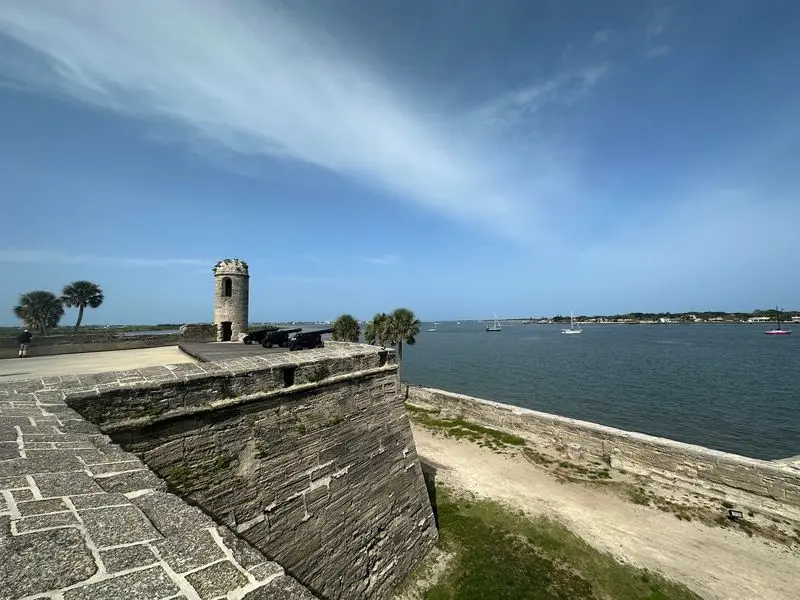
A few minutes on the water can change the whole mood of a day. Instead of walking straight from a parking lot to an old building, you approach the fort by boat, with the river opening around you.
At Fort Matanzas National Monument, the National Park Service ferry provides access to the historic structure on Rattlesnake Island. The ride and fort visit are free, but you need a boarding pass obtained at the visitor center on the day of your visit.
Arrive early and ask staff about available departures before making other plans. Seats can fill quickly, and ferry service depends on weather, staffing, and operating conditions, so check the official park website for current notices rather than relying on an older visitor review.
During the crossing, put your phone down for a moment and watch the shoreline. The low stone tower becomes easier to understand as you see how closely it watches the river.
Follow the crew’s instructions, keep your group together, and allow extra time beyond the boat ride itself. Getting there is part of the story, not just transportation.
A Small Tower That Guarded a Larger City
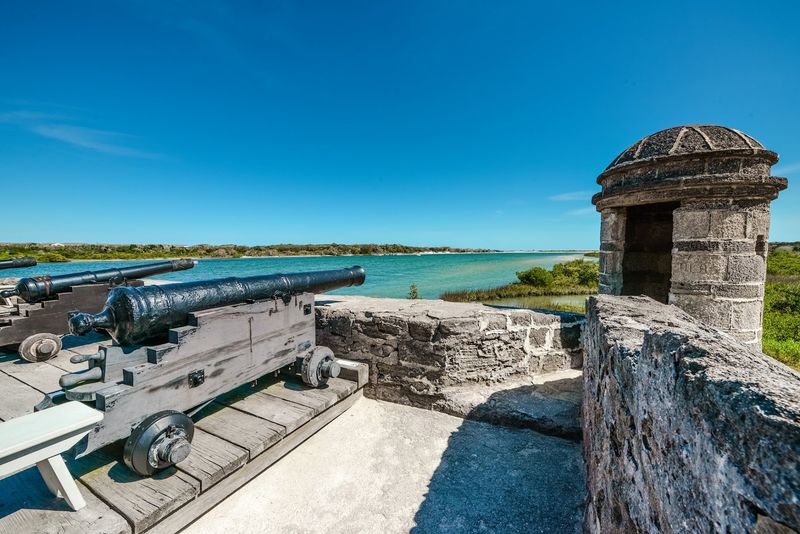
Size can be misleading when a building stands in exactly the right place. The tower looks modest today, yet its position once helped protect a much larger Spanish settlement from ships approaching through a southern water route.
Completed in 1742, Fort Matanzas guarded the southern approach to St. Augustine. Rather than serving as a sprawling stronghold, it functioned as a compact outpost where a small group of soldiers watched the water and maintained the defenses.
The name also carries a darker story that predates the fort. Matanzas means slaughters in Spanish and refers to killings of French captives in this area in 1565, an event tied to the violent struggle over colonial control of Florida.
Ask a ranger to explain how these different periods connect without blending them into one event. Looking across the river helps turn unfamiliar dates into a clearer picture of geography, danger, and daily duty.
For families, a useful starting question is why anyone would build a fort here instead of closer to town. The answer makes this little tower feel far more significant than its footprint suggests.
Shells Hidden Inside the Stone Walls
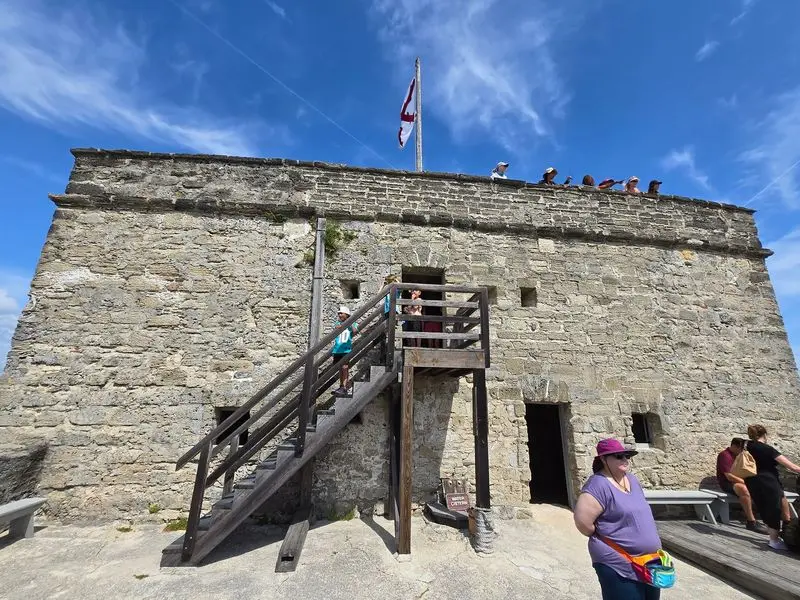
Look closely, and the walls reveal a beach hiding inside a fort. Tiny shell pieces sit packed together in the stone, giving the building a rough texture that feels very different from smooth brick or poured concrete.
The material is coquina, a local stone formed from shell fragments. At Fort Matanzas National Monument, those pale walls connect the military story to the coast itself, showing how builders used resources available in this part of Florida.
Step back for a full view, then study the surface from a respectful distance. You do not need to touch, scrape, or remove anything to appreciate the details, and leaving the masonry alone helps protect a structure that has already faced centuries of weather.
A close photograph of the shells can become one of your most interesting travel pictures. Try pairing that image with a wider shot of the tower and river to show both the material and its setting.
Ask staff how coquina was used in construction and how the fort is preserved today. Suddenly, an ordinary wall becomes a lesson in local geology, building choices, and survival.
Rangers Turn Quiet Rooms Into Human Stories
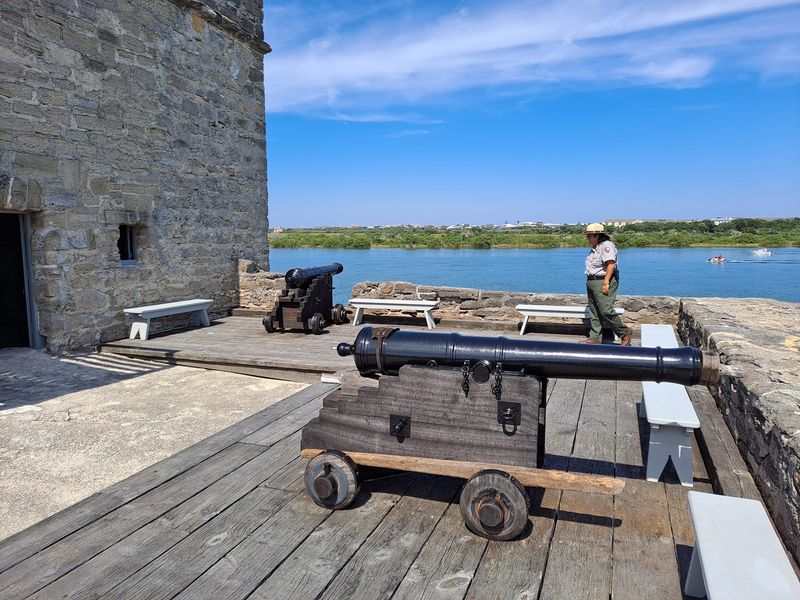
A good storyteller can make an empty room feel occupied again. Suddenly, the building is not just old stone; it is a workplace where soldiers waited, watched, cooked, and managed the demands of an isolated coastal post.
Ranger interpretation is a major part of visiting Fort Matanzas National Monument. Talks help explain why the tower was built, how its defenses worked, and what life might have been like for the small Spanish garrison stationed here.
Listen before rushing to take pictures, because a few details can change what you notice afterward. A doorway, sleeping space, or cannon position becomes more meaningful when you understand the task it served and the limits of the building’s size.
Bring one question that connects history to everyday life, such as where supplies came from or how soldiers spent quiet hours. Children can ask what a normal day involved, while adults may enjoy learning about the river’s strategic role.
Programs and staffing can vary, so let the day’s ranger set expectations. The reward is a visit that feels less like checking off a landmark and more like meeting its past.
Higher Views Come With a Climb
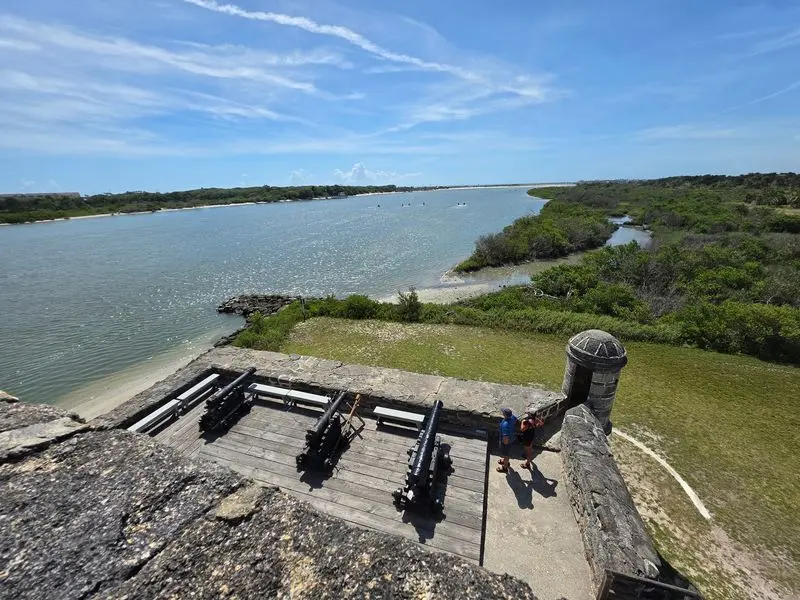
The view gets wider as the stone walls drop below your line of sight. From the fort’s higher areas, water and marsh begin to explain the building’s purpose more clearly than a map alone ever could.
Visitors to Fort Matanzas National Monument may have the chance to reach an upper level using a ladder when access is permitted. That climb is not suitable for everyone, and the historic structure has physical limits that modern attractions often do not.
Ask the ranger about current access before deciding to go up. Wear secure shoes, keep your hands available, and follow instructions about spacing and movement; carrying loose belongings or trying to photograph while climbing is not worth the risk.
There is no need to push yourself to enjoy the visit. Lower areas still offer close views of the masonry and a strong sense of the tower’s scale.
Travelers with mobility concerns should contact the park ahead of time about the ferry and fort experience. If you do climb, pause safely and study the waterways rather than only posing for a picture.
The landscape is the real explanation.
A Forest Walk Changes the Pace
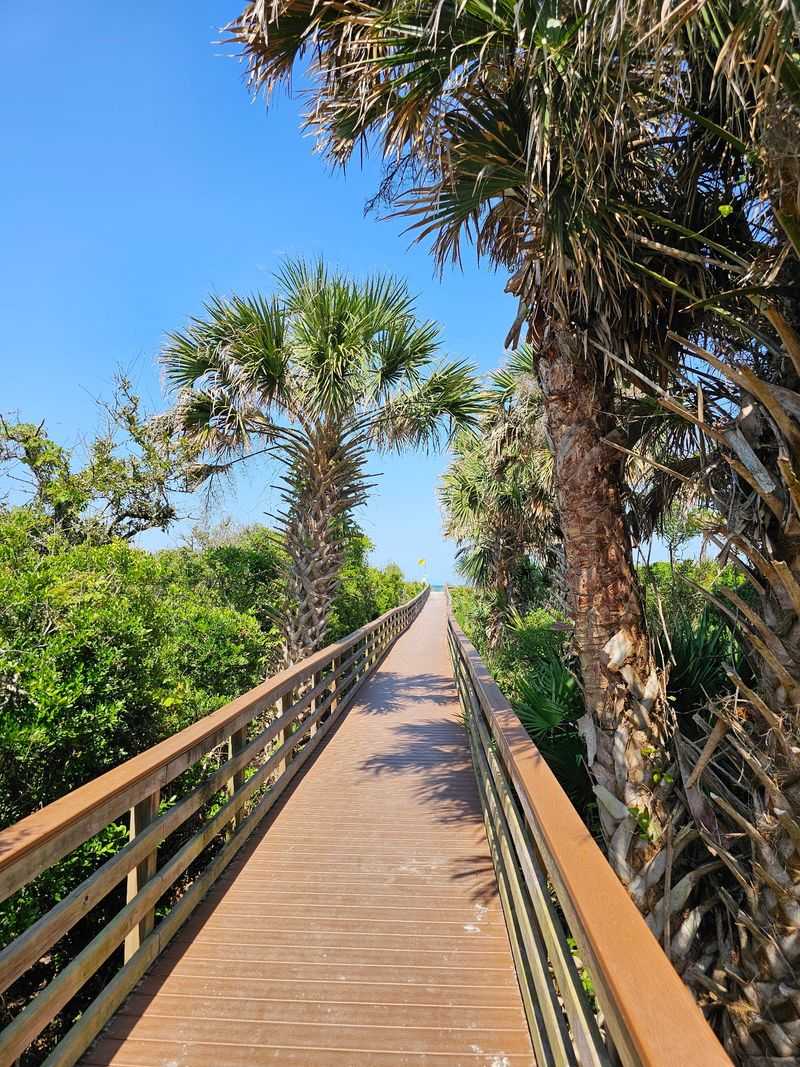
Shade can feel like a small luxury after standing beside bright coastal water. Under the trees, the day’s rhythm shifts from departure times and history talks to leaf patterns, birdsong, and the sound of footsteps on a boardwalk.
The mainland side of Fort Matanzas National Monument includes the Coastal Hammock Trail. Its maritime forest setting offers a different view of the park, one shaped by plants and wildlife rather than cannon positions and river defenses.
Use the walk to fill a wait between collecting ferry passes and boarding, but keep track of your return time. Ask staff about trail conditions and accessibility, especially after rough weather or if someone in your group uses a mobility aid.
Move slowly enough to notice how the vegetation changes your sense of the coast. Bring water, consider insect repellent, and stay on the marked route instead of cutting through plants for a photograph.
The trail can also make a visit worthwhile when ferry service is unavailable. You may arrive expecting only a Spanish fort and leave remembering a quiet patch of forest just as clearly as the stone tower.
Ocean Air Beyond the Historic Tower
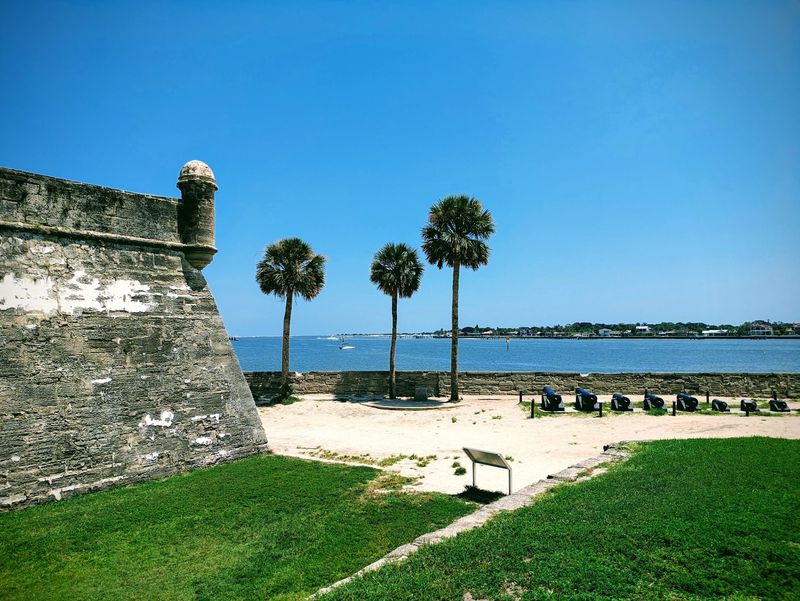
The ocean gives the day a second soundtrack, replacing a ranger’s voice with rolling surf. A walk beside the water can make this historic outing feel less like a scheduled tour and more like a full coastal escape.
Fort Matanzas National Monument includes oceanfront land as well as river, marsh, and forest settings. Its beach areas offer a chance to notice shells, watch shorebirds, and appreciate the natural landscape surrounding the Spanish outpost.
Ask staff about access and current conditions before heading over, and use designated routes rather than crossing dunes. If you have a ferry pass, leave enough time to return for the required boarding instructions instead of stretching your beach break too long.
Be cautious around the water, especially near the inlet, where currents can be dangerous. A pleasant shoreline does not guarantee safe swimming, and watching waves from dry sand is often the simplest choice.
Carry sun protection and drinking water, respect posted wildlife protections, and leave natural features undisturbed. Even a short walk adds another layer to the visit: the fort’s story belongs to a living coast, not an isolated monument.
A Little Planning Protects the Whole Experience
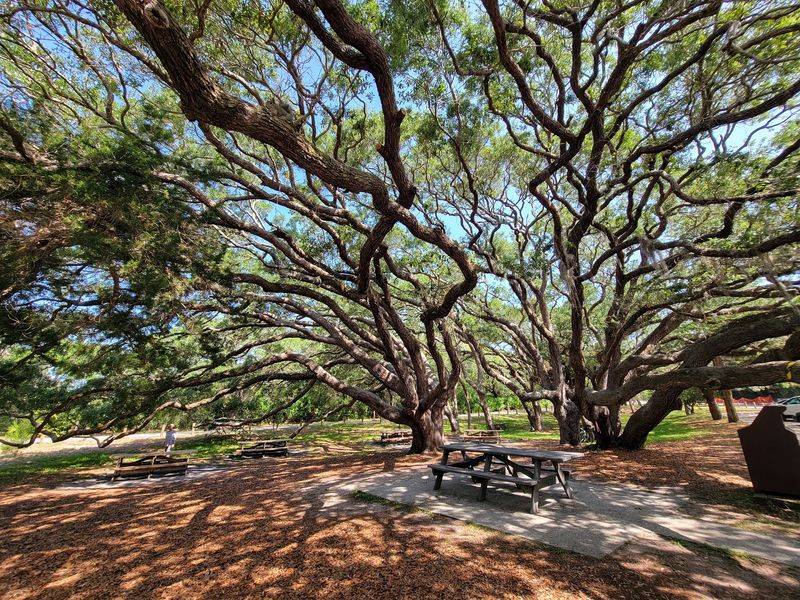
Nothing spoils a promising stop faster than discovering the boat is full when you arrive. A little preparation leaves more room for the enjoyable parts: an unhurried crossing, a thoughtful history lesson, and time beneath the trees.
Admission and the park ferry at Fort Matanzas National Monument are free. Boarding passes are limited and distributed in person for that day’s trips, so an early arrival gives you a better chance of fitting the fort into your schedule.
Check nps.gov/foma before leaving, or call 904-471-0116 for current information. Posted park hours do not guarantee ferry operation throughout the day, and weather or other conditions can interrupt crossings even when mainland areas remain open.
Pack water, sunscreen, comfortable shoes, and a simple snack for a possible wait. Mainland picnic areas and restrooms help make the visit easier, but allow more time than the short crossing suggests.
Keep a flexible backup plan within the monument, such as the forest trail or shoreline, if the boat cannot run. The goal is not to squeeze everything into one rushed hour, but to give this overlooked place your attention.