Forget flashy Florida attractions—this is where the old Florida spirit still knows how to fish.
Tucked down a quiet road near DeLand, Highland Park Fish Camp feels wonderfully removed from the rush.
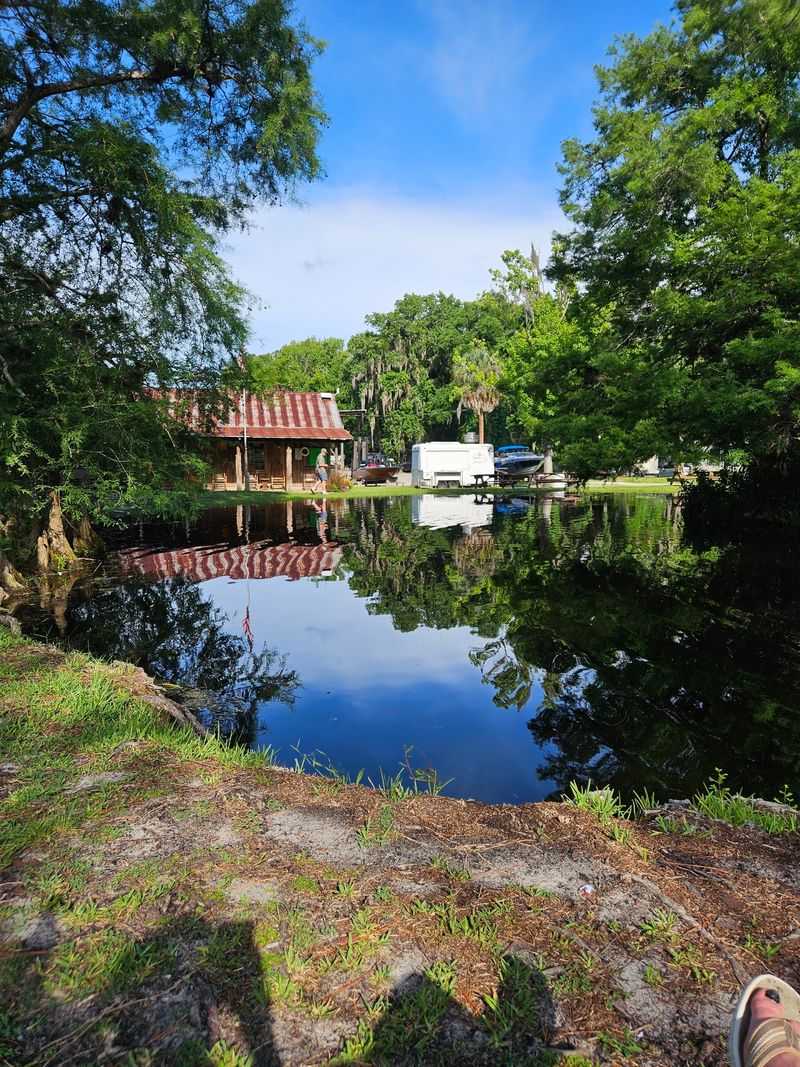
A weathered tackle shop, a narrow canal, rocking chairs, and boats heading toward the St. Johns River set the scene for a slower kind of getaway.
This is the Florida of early mornings, bait buckets, cypress trees, and long afternoons spent watching the water.
The surrounding waterways and nearby Lake Woodruff National Wildlife Refuge bring plenty of chances to spot wildlife between casts.
Whether you come for bass fishing, a peaceful boat ride, or a stay in one of the rustic cabins, the charm comes from keeping things simple.
At Highland Park Fish Camp, the old Florida feeling is not just remembered—it is still right there waiting.
A Fish Camp That Has Been Family-Owned Since 1962
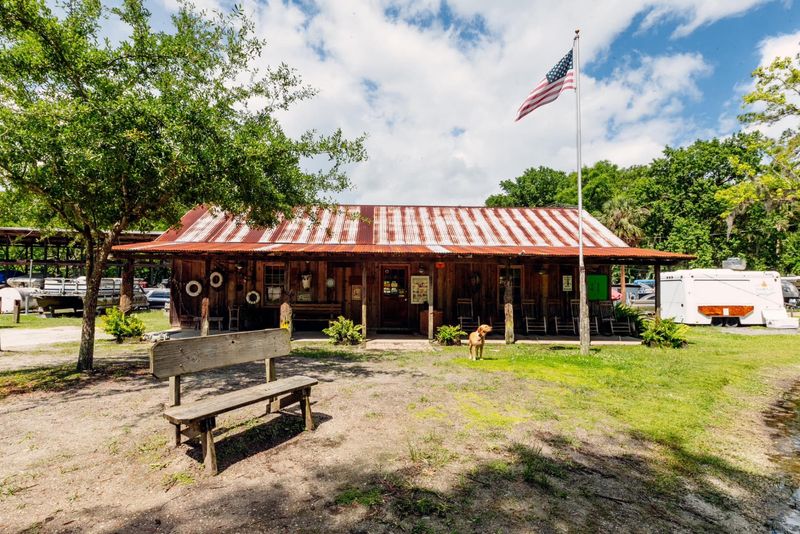
Back in 1962, a man named Derris Rawlins bought a patch of land beside an old canal near DeLand. He probably had no idea his family would still be running it more than sixty years later.
Yet here it stands, now cared for by the third generation of Rawlins.
That long family history matters more than you might think. Many places in Florida try to look old with fake rusty signs and new wood painted to seem worn.
Highland Park Fish Camp never had to fake anything. The charm you see grew slowly, year after year, as real people fished, swapped stories, and came back again.
When you visit, you are stepping into a place shaped by one family’s love for the river. Regular visitors often say it feels more like stopping by a neighbor’s place than a business.
Take a moment to chat with the staff. They may share a story about the old days, a tip on where fish are biting, or a memory of the river before the highways came.
The Old Logging Canal That Leads Into The River
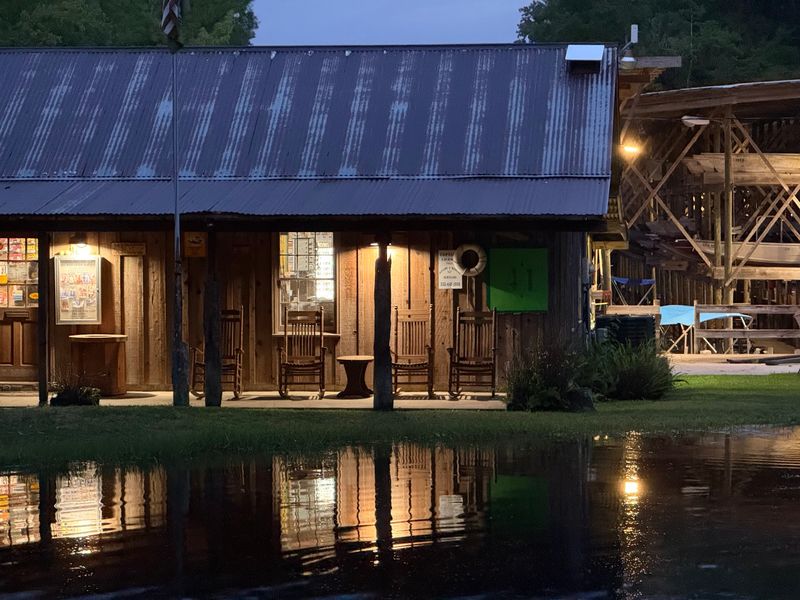
Picture loggers long ago, pushing heavy cypress logs down a narrow ditch of dark water. That old logging canal is the very reason Highland Park Fish Camp exists today.
The camp grew right around it, using the waterway as a front door to the river.
Today the canal carries boats instead of timber. From the camp, you can follow it toward Norris Dead River, Lake Woodruff, Lake Dexter, and the larger middle St. Johns River system.
It is a real piece of history you can float on.
Here is a handy tip for first-timers. Go slowly through the canal and keep your eyes open, because turtles often sun themselves on logs and herons like to hunt along the edges.
Morning trips tend to be calm and cool, which makes spotting wildlife easier.
Fun fact: Florida’s cypress wood was once so valued for its rot resistance that people called it wood eternal. Some of the old trees cut near here may still be holding up houses today.
Fishing The Backwaters Of The St. Johns River
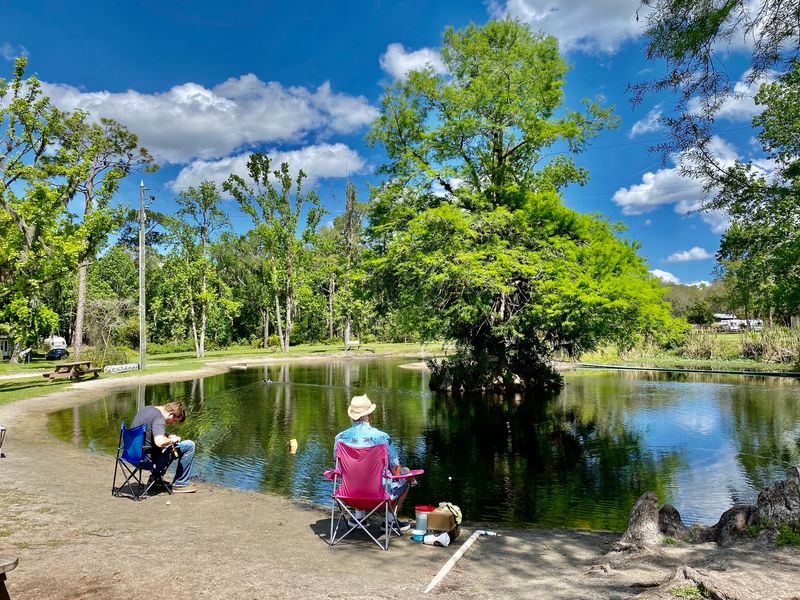
Ask any regular why they come here, and you will probably hear one word: fish. Fishing is the true center of life at Highland Park, and the surrounding waters rarely disappoint.
Largemouth bass are the big stars, but crappie, bluegill, and other panfish keep lines busy too. The area is full of lakes, creeks, sloughs, and flooded spots, so you never run out of places to try.
One cove might be quiet while the next is full of action.
Beginners should start simple. A basic rod, live worms or shiners, and a bobber can catch plenty of bluegill near grassy edges.
Bass anglers often work lures along lily pads and fallen trees, where fish like to hide and ambush food.
Remember to check Florida fishing license rules before you go, since most adults need one for freshwater fishing. Bring polarized sunglasses too.
They cut the glare on the water and help you spot fish and underwater stumps. Patience is your best tool out here, so relax and enjoy the waiting.
Lake Woodruff National Wildlife Refuge Right Outside The Door
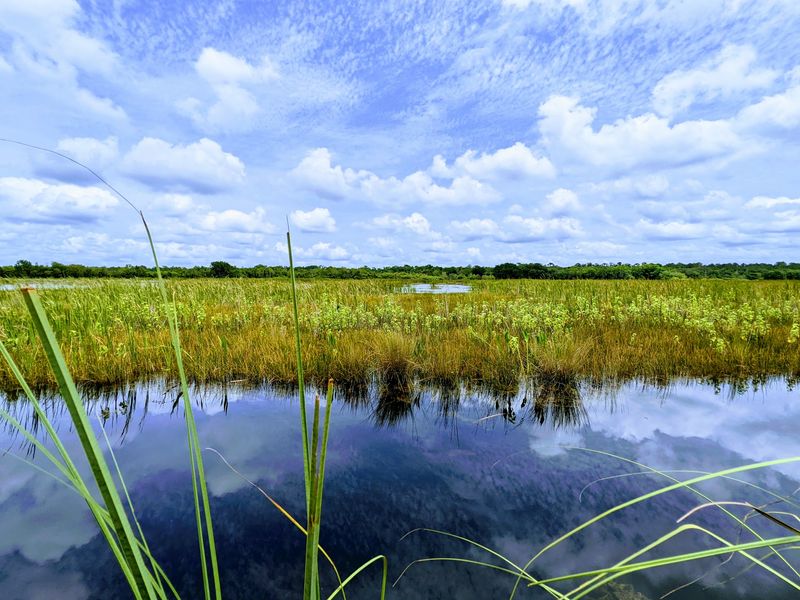
Few campgrounds can say they have a national wildlife refuge as a next-door neighbor. Highland Park Fish Camp sits right on the edge of the Lake Woodruff National Wildlife Refuge, and that changes everything.
The refuge is mostly wild and undeveloped. It holds lakes, cypress swamps, shady hammocks, winding creeks, and wide flooded prairies.
Out here you might see alligators sliding off banks, ospreys diving for fish, or even a manatee drifting by in warmer months.
Because of this setting, a visit is about more than catching dinner. It is about seeing Florida the way it looked before strip malls and theme parks.
Bring binoculars and a camera, even if fishing is your main plan.
Did you know? The refuge was created in 1964 to protect birds that travel through Florida each year.
Thousands of ducks and wading birds rely on it. Respect their space by keeping your distance, never feeding wildlife, and taking all trash home.
That way, this wild corner stays beautiful for the next family who visits.
A Boat Ride Through Quiet Florida Backwaters
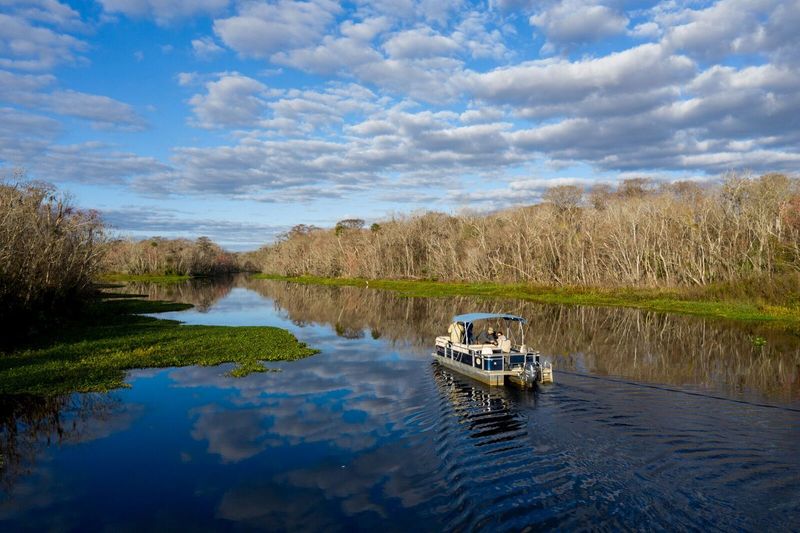
Forget traffic jams and crowded parks for a few hours. A boat ride from Highland Park Fish Camp trades all that noise for the soft hum of a motor and birds calling from the trees.
Visitors can launch right from the camp and follow the waterways toward Lake Woodruff, Lake Dexter, and the St. Johns River. Along the way, tall cypress trees line the water, their roots poking up like knobby knees.
Every bend seems to reveal a new heron, turtle, or gator.
This is Central Florida at a slower speed. Just an hour away are busy attractions, yet out here it can feel like you are the only person for miles.
A few tips will help. Bring plenty of water, bug spray, and a hat, since shade can be limited on open lakes.
Tell someone your route and when you plan to return. Also carry a simple map or phone app, because the backwaters twist and split in ways that can confuse new boaters.
Guided Fishing For Bass, Crappie And Panfish
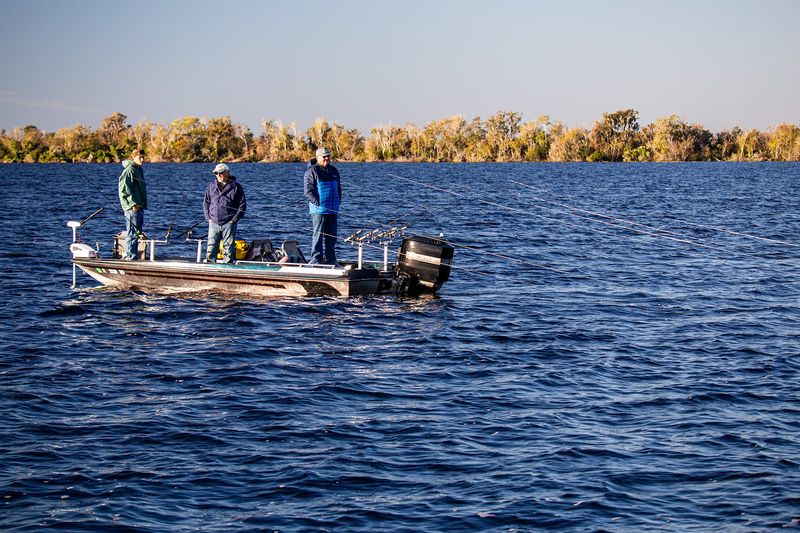
“You should have been here yesterday” is a classic fishing joke, but a good guide helps you avoid that feeling. At Highland Park, visitors can book guided trips with people who know these waters by heart.
Guides target trophy largemouth bass, speckled perch, bluegill, and other fish. Speckled perch, by the way, is the Southern nickname for crappie, so do not be confused if you hear both names.
The best part is how easy it is. Guides provide rods, tackle, fuel, and even fish cleaning.
That means you do not need your own boat or gear to have a great day. It is a perfect choice for families, travelers, or anyone trying fishing for the first time.
Before you book, ask what season is best for the fish you want. Crappie often bite well in cooler months, while bass action changes with the weather.
Bring snacks, sunscreen, and a cooler for your catch. And do not be shy about asking questions, since guides love sharing tricks.
Rustic Cabins With Screened Porches And Rocking Chairs
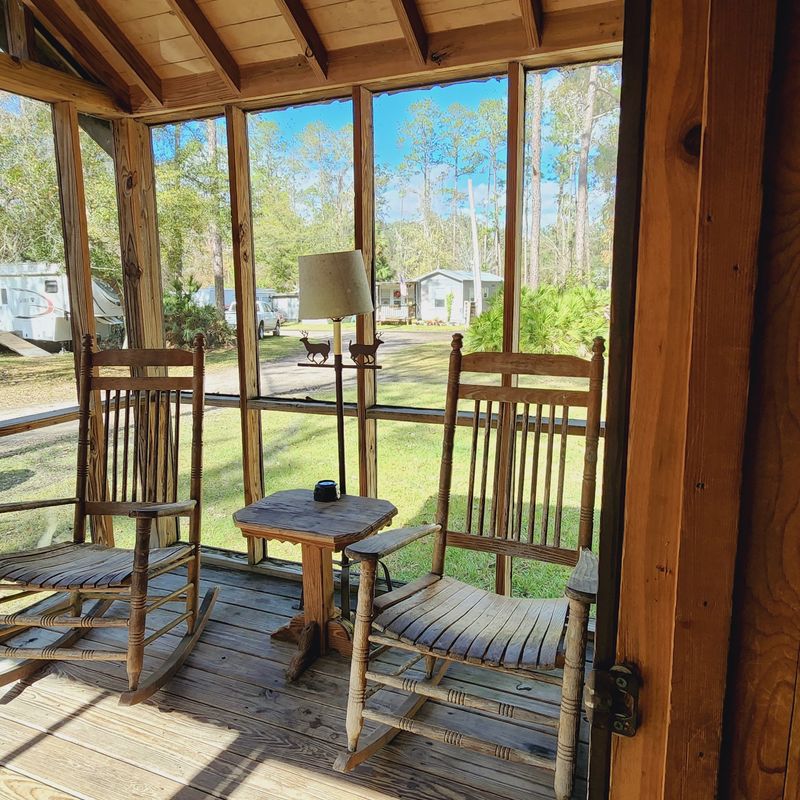
Imagine ending a long day on the water by rocking slowly on a screened porch while frogs start their evening song. That simple pleasure is waiting at the cabins of Highland Park Fish Camp.
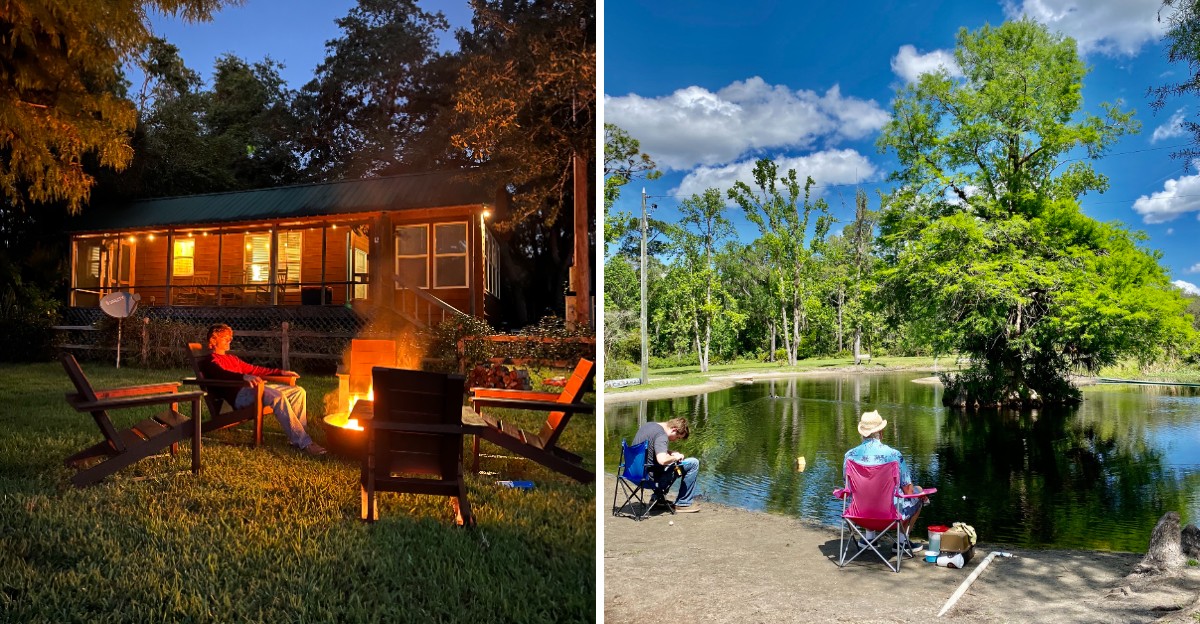
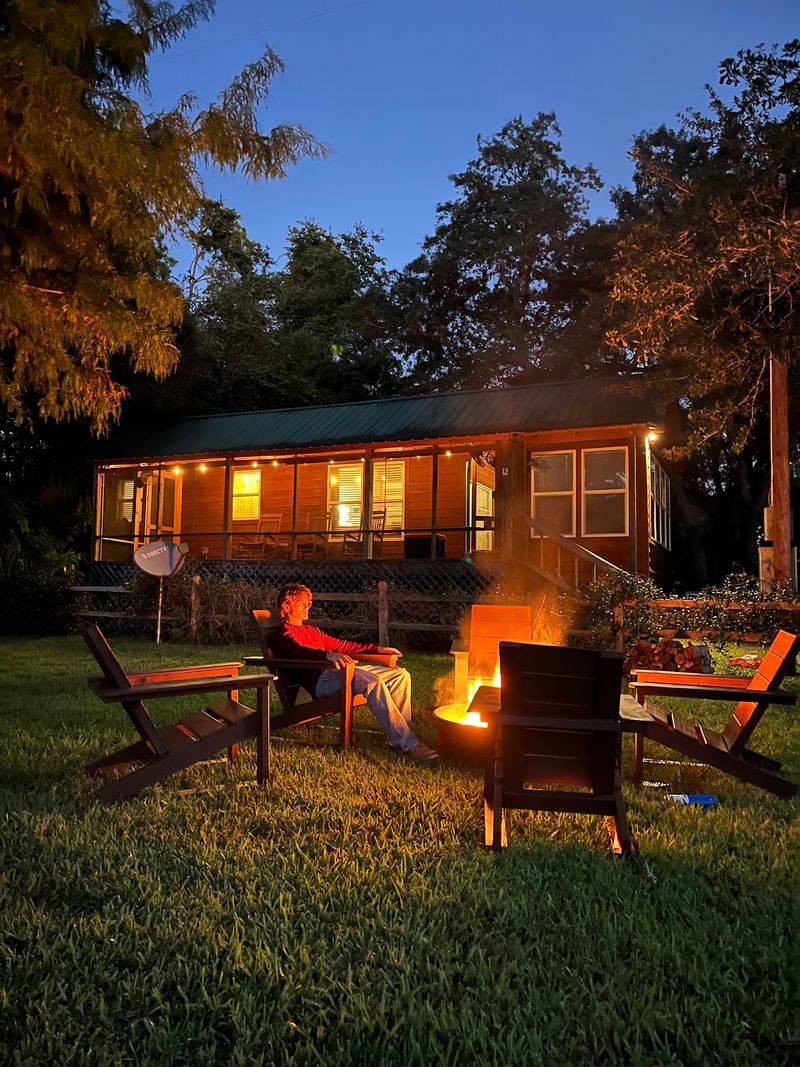
Each cabin comes with a screened porch, rocking chairs, a full kitchen, a charcoal grill, and linens. You can cook the fish you caught, eat outside, and stay safe from mosquitoes at the same time.
Nearby fire pits are great for roasting marshmallows and telling stories after dark.
Kids get their own treat too. A stocked fishing pond gives young anglers a better shot at catching something, which keeps them excited and proud.
Staying overnight lets you see the camp at its quietest moments. Early mornings bring mist on the canal, while nights fill the sky with stars you rarely see in cities.
Pack a flashlight, comfy clothes, and some groceries for easy meals. Leave the fancy stuff behind, since the real luxury here is time to slow down together.
A Quiet Campground Instead Of A Polished Resort
Water slides, spa menus, and nightly shows? You will not find any of those here, and that is exactly the point.
The RV campground at Highland Park keeps things simple on purpose.
Sites offer full hookups, so you still get water, power, and sewer connections. Beyond that, the extras are practical ones.
There is a boat launch, boat slips, the tackle shop, and the kids’ fishing pond. Everything centers around the water rather than fancy entertainment.
This no-frills style helps protect the camp’s old Florida spirit. Without loud resort features, you hear wind in the oaks and fish splashing in the canal.
Neighbors tend to wave, share fishing reports, and keep the evenings peaceful.
If you are planning an RV trip, call ahead to confirm site size and availability, especially during busy fishing seasons. Bring outdoor chairs, a small table, and lanterns for relaxed nights.
Think of it as camping the way it used to be, where the river is the main show and nobody minds.
Plan Your Visit
Ready to go? Good planning makes the trip smoother.
Highland Park Fish Camp is located at 2640 Highland Park Rd., DeLand, FL 32720.
The camp says it is open daily from 6 a.m. to 5 p.m. The tackle shop keeps the same hours, closing only on Christmas.
The boat ramp is generally open around the clock, except during extreme water conditions like flooding or very low levels.
For questions, call (386) 734-2334. Staff can help with cabins, campsites, boat rentals, guided fishing, and current availability.
Keep in mind that cabin stays require a two-night minimum, so plan for at least a weekend.
The camp currently offers RV sites, cabins, boat rentals, a launch ramp, bait and tackle, and guided fishing. A few extra tips can help too.
Arrive early for the best fishing and cooler temperatures. Check the weather before heading out, since summer storms pop up quickly in the afternoon.
Finally, bring cash as a backup and a sense of adventure for your old Florida getaway.