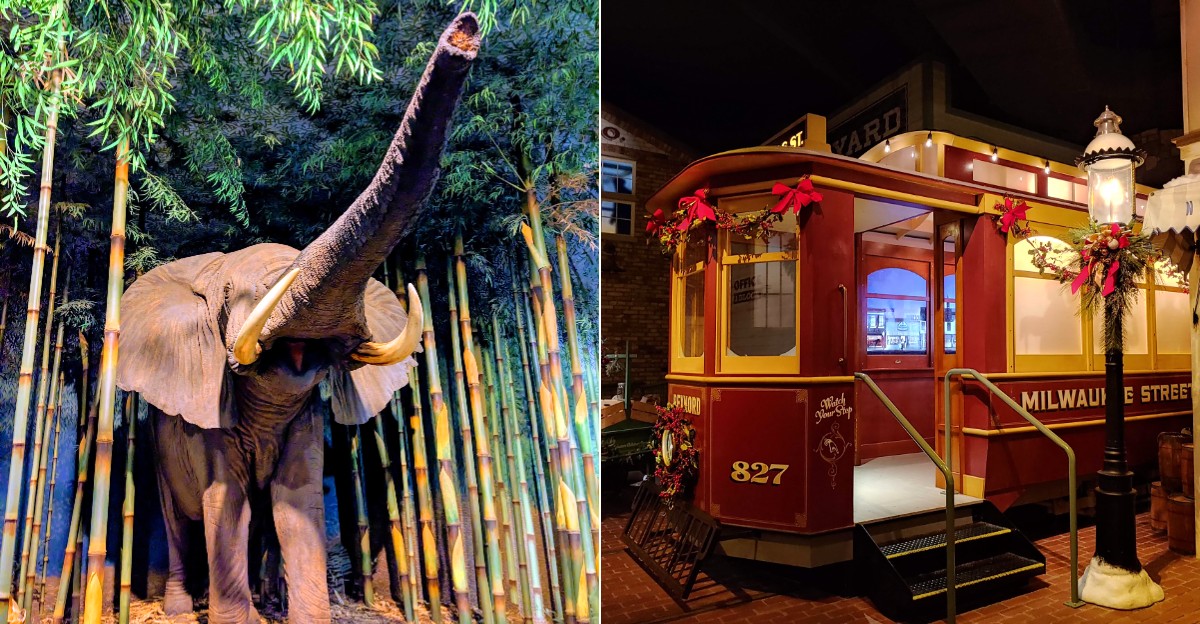
Imagine walking down a cobblestone street lit by gas lamps, with shop windows glowing on either side.
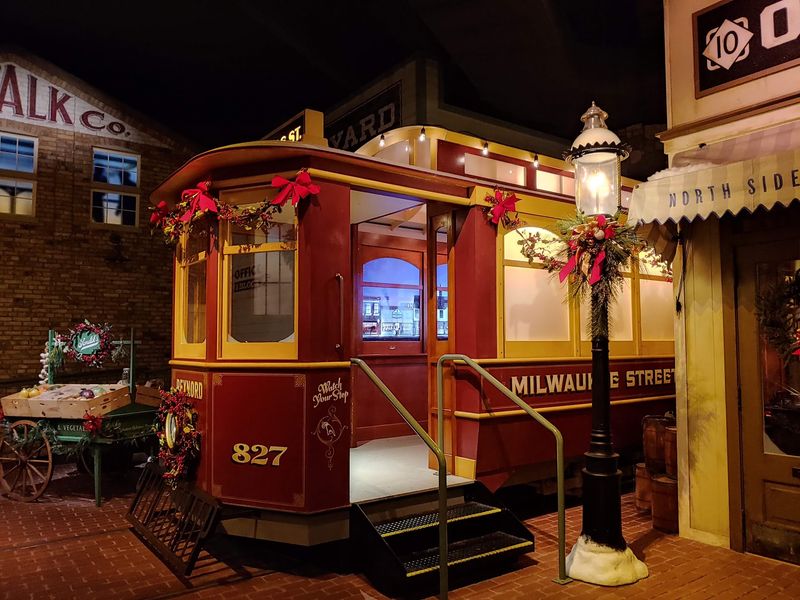
The Milwaukee Public Museum makes that possible with its beloved Streets of Old Milwaukee exhibit.
This recreated turn-of-the-century neighborhood is lined with old-fashioned storefronts and homes filled with fun details to spot.
Nearby, the European Village showcases homes and traditions from the many cultures that shaped the city.
Beyond that, the museum is packed with dinosaurs, a rainforest exhibit, and a planetarium.
Plan a slow visit, because there is a story behind every window you pass.
Follow a Street Into Another Century
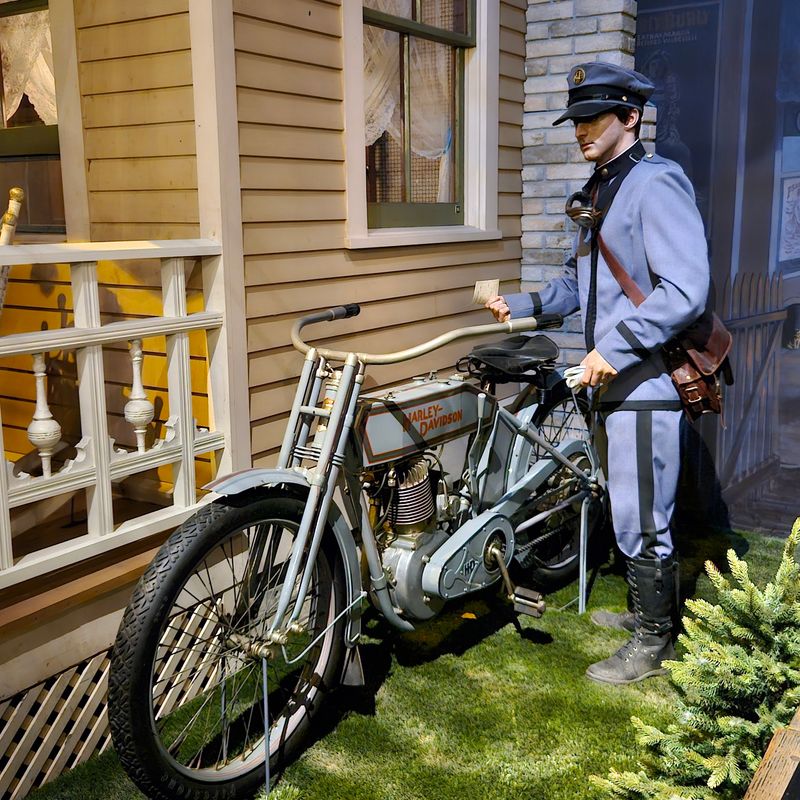
A few steps can change the whole mood of your day. Inside the Streets of Old Milwaukee exhibit, familiar modern surroundings give way to a recreated city neighborhood from around the turn of the twentieth century. Instead of viewing history only through glass cases, you move through a setting built around everyday life.
The attraction is not an actual preserved outdoor street, and that distinction matters. It is a museum recreation designed to help visitors picture an earlier era through buildings, objects, and carefully arranged scenes. Knowing that makes the craftsmanship more interesting, not less impressive.
Give yourself a moment to adjust before rushing toward the first display. Look down the street, notice how the storefronts relate to one another, and imagine the errands that once shaped a city resident’s afternoon. A neighborhood becomes easier to understand when you think about people moving through it.
For your first pass, enjoy the overall atmosphere without trying to read everything. Then return to whichever corner caught your attention. That simple approach keeps the visit relaxed while leaving room for closer discoveries, especially when someone in your group spots a detail everyone else missed during the walk through the recreated neighborhood on their first look.
Read the Story in the Storefronts
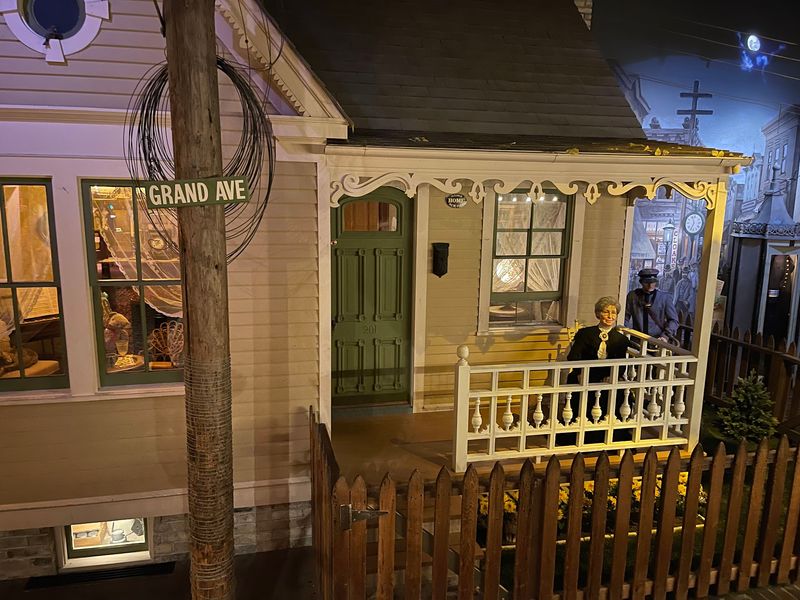
Window shopping takes on a different meaning when the windows belong to another century. The recreated storefronts invite you to think about how residents bought necessities, found services, and recognized the businesses along their regular routes. Their appeal comes from ordinary routines rather than grand historical events.
Start by comparing the shapes and arrangements of the windows. Notice where signs sit, how entrances frame each shop, and which objects draw your eye first. Even without reading every label, you can begin to understand how a business made itself visible to people passing on foot.
Next, connect the scene to your own shopping habits. A neighborhood storefront served a different purpose from a website or a large modern shopping center. Ask your companions what seems familiar and what would require the biggest adjustment if they suddenly had to shop in this setting.
Keep expectations realistic: exhibit storefronts are historical displays, not a row of operating businesses. Follow posted instructions about where visitors may enter or look, and avoid touching objects unless permission is clear. A slower look often reveals more than a quick photograph, especially when small items inside a window help explain the larger story of daily work, trade, and neighborhood connections over time.
Meet the People Behind the Neighborhood
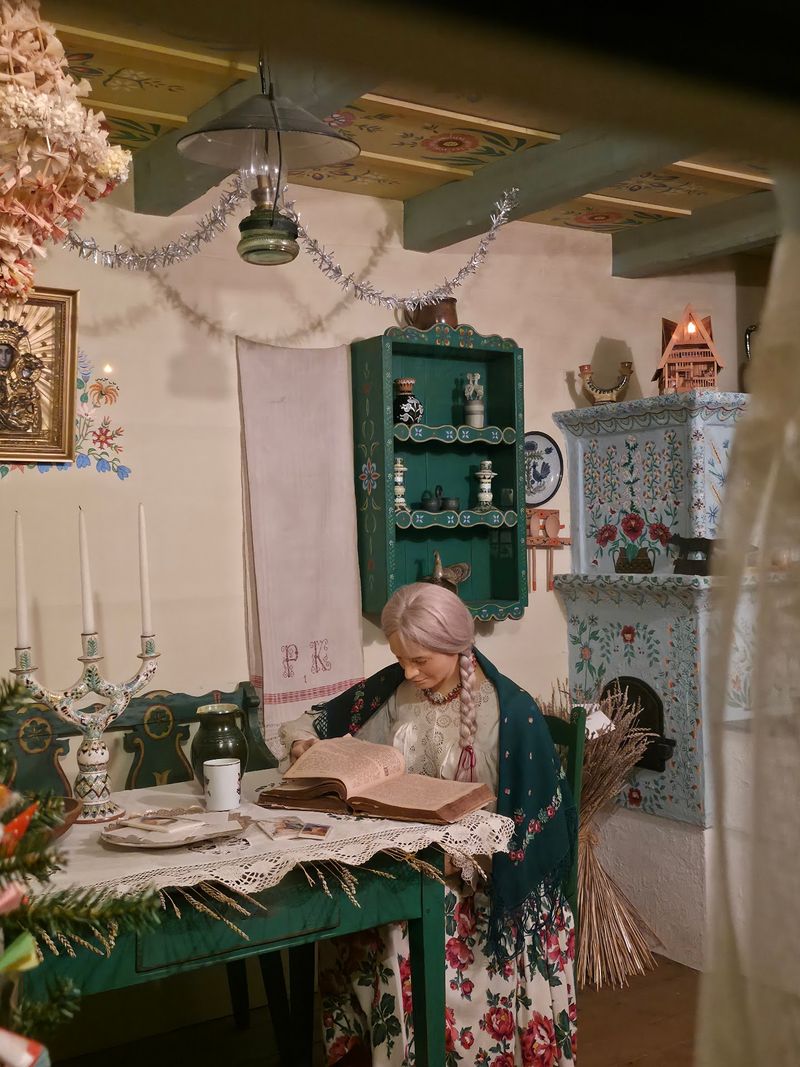
Behind every shopfront is a human story, even when no shopkeeper stands at the door. The street setting offers a useful starting point for thinking about the people who helped shape the city. Around 1900, immigration, work, and neighborhood ties were central parts of urban life.
Look for interpretive information that connects the recreated surroundings to actual residents and communities. Use those labels to guide your understanding rather than guessing someone’s background from a business name or decorative detail. History becomes richer when individual experiences replace broad assumptions about whole groups.
One helpful conversation starter is to consider what a newcomer would need first. Finding work, buying food, learning unfamiliar customs, and building friendships could all affect daily life. The street makes those needs easier to picture because it places them within a recognizable neighborhood setting.
Families can connect this idea to their own stories without assuming every migration experience was alike. Ask whether older relatives remember neighborhood businesses, languages spoken at home, or traditions carried across generations. Then return to the exhibit with those questions in mind. You may find that the most meaningful part of the visit is not a particular object, but a better understanding of how people create a sense of belonging.
Notice the Details That Build the Illusion
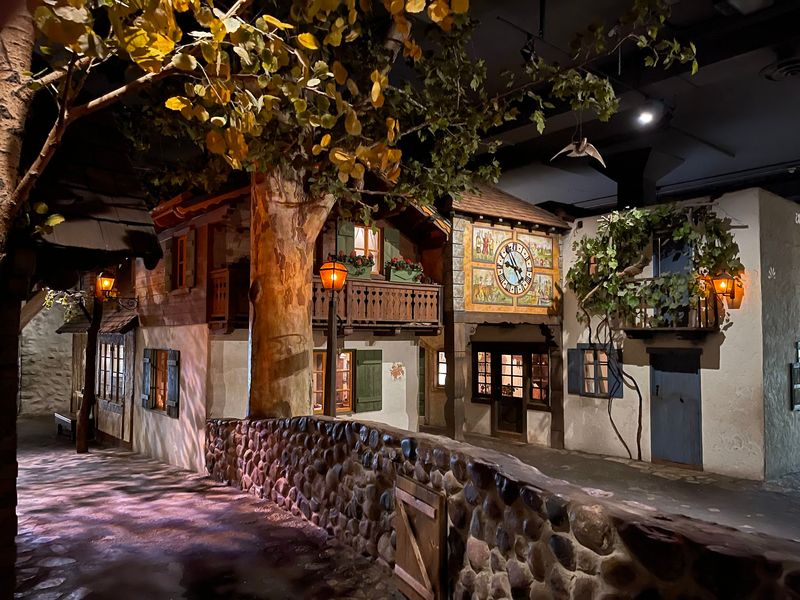
A doorframe can tell you almost as much as a large display. Much of the street’s appeal comes from the smaller choices that make its recreated surroundings feel connected. Architectural trim, window arrangements, signs, and object placement work together to suggest a lived environment rather than a collection of unrelated props.
Try looking at one storefront from three distances. From farther away, study its overall shape. Move closer, without blocking the walkway, and notice the materials, edges, and little details that give the scene character.
Finally, read the available interpretation to separate what you observe from what you assume. A convincing setting can make it tempting to treat every feature as an untouched piece of the past. Remember that museum exhibits combine historical research with design decisions to communicate a story clearly.
Older children and adults might enjoy choosing one detail they would overlook on a normal city walk. It could be lettering, a handle, or the way a display uses space. Compare your choices afterward and explain why each caught your attention. The exercise turns quiet observation into a shared activity, and it encourages everyone to appreciate the care behind an exhibit that can otherwise pass by as simply another attractive place to take pictures.
Give Young Explorers a Simple Mission

Small discoveries can hold a child’s attention better than a long history lesson. The recreated street gives families plenty to notice together, especially when adults turn the visit into a gentle observation game. No special materials are needed, and the activity can fit a short stop or a longer exploration.
Choose three things to find, such as an interesting sign, an unfamiliar object, and a building detail. Let each child explain their choices before offering your own interpretation. Their answers may reveal questions that would never occur to an adult moving quickly through the exhibit.
Keep the game flexible rather than treating it like a test. If someone becomes fascinated by one window, follow that interest and read the nearby information together. A few minutes of real curiosity are often more valuable than completing a checklist of things nobody remembers afterward.
Set clear museum manners before you begin: walk, give other visitors space, and touch only where signs allow it. Younger children may also benefit from knowing that the street is a recreation inside a building, not a working neighborhood. Finish by asking everyone to name one difference between daily life then and now. That small conversation helps turn an enjoyable outing into a lesson they can remember.
Capture the Mood Without Missing the Moment
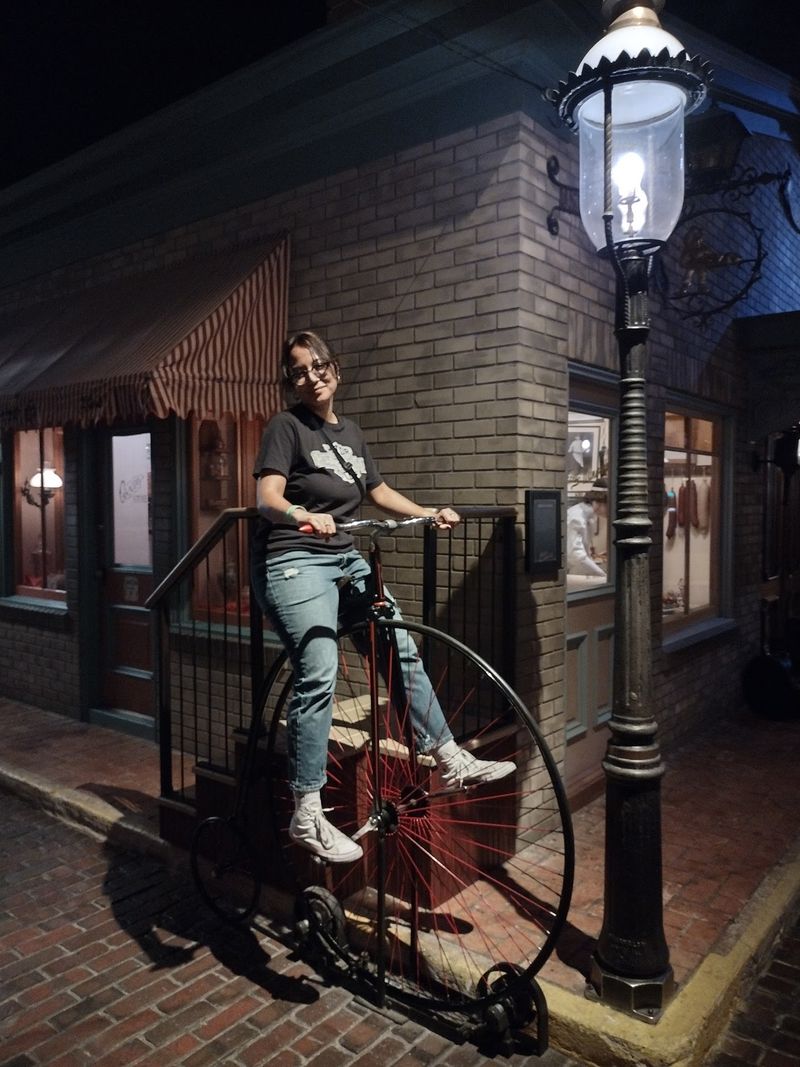
Your camera may love the old street, but your eyes deserve the first look. The recreated setting offers strong visual interest through storefront shapes, layered displays, and the contrast between broad views and small details. Taking a moment before photographing helps you decide what actually makes the scene memorable.
Check the museum’s current photography rules before using equipment or recording video. If ordinary personal photography is permitted, avoid blocking paths and respect visitors who do not want to appear in your pictures. Do not assume flash, tripods, or other accessories are allowed simply because a phone camera is acceptable.
For a useful set of memories, choose one wide view and a few closer details. Indoor exhibit lighting can challenge a phone, so hold it steady and review the result rather than taking dozens of nearly identical shots. Stay behind barriers and never move an object to improve your composition.
Consider putting the camera away for your second walk through the street. Without a screen between you and the scene, you may notice relationships between buildings or displays that a photograph leaves out. The best souvenir is not always the sharpest image. Sometimes it is remembering the particular corner that made history feel close enough to imagine for yourself that day.
Leave Room for the Museum Beyond the Street
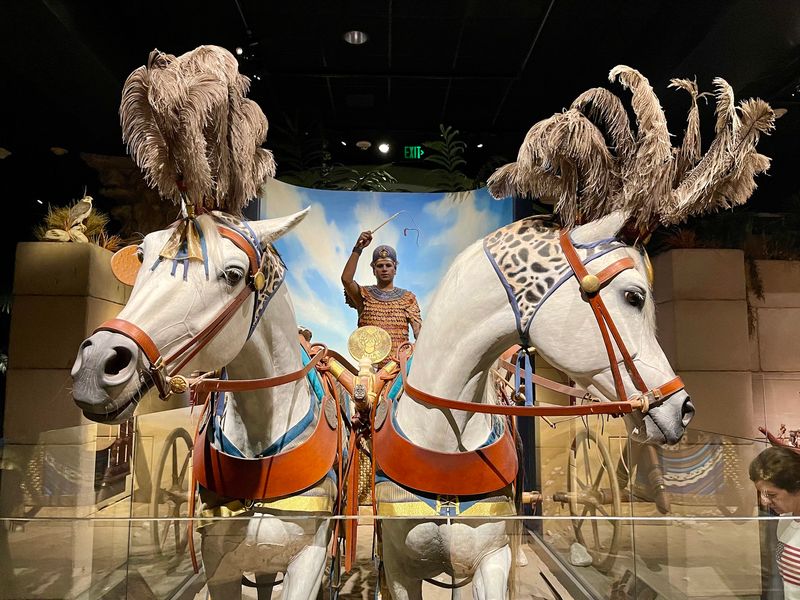
Time has a habit of disappearing when every corner offers something new. Although the old street is the focus of this visit, the wider museum includes natural history and cultural exhibits that can easily extend your stay. Visitor accounts describe spending several hours exploring rather than making a quick circuit.
Decide early whether your main goal is the street or a broader museum day. If the historic neighborhood matters most, visit it while your energy and attention are fresh. You can then choose other available galleries without worrying that your favorite part will become a rushed final stop.
The supplied museum information describes three floors of exhibits and a butterfly garden. However, availability can change, particularly while the institution prepares for its planned move. Check current exhibit notices instead of assuming that everything mentioned in an older review will still be accessible.
Build breaks into your route and ask staff about seating, elevators, and any access needs. Families with different interests can agree on a few priorities instead of trying to inspect every display. Leaving something unseen is not a failed visit. A manageable plan gives you more time to enjoy the street’s atmosphere and helps everyone finish the outing curious rather than tired or overwhelmed by choices.
Check the Details Before You Head Downtown
A little planning protects the part of the day you came to enjoy. Your destination is Milwaukee Public Museum, 800 W Wells St, Milwaukee, WI 53233. Before leaving home, confirm that the current building and the Streets of Old Milwaukee exhibit will be open on your intended date.
The supplied listing shows regular hours of 10 a.m. to 5 p.m., Wednesday through Monday, with Tuesday closed. Treat that schedule as a starting point rather than a guarantee for holidays or future visits. Check mpm.edu for current hours, admission details, exhibit notices, and updates about the museum’s transition.
Recent visitor reviews mention that some objects have already been removed or packed during preparations for the move. Those reports are useful warnings, but they do not establish an official closure date or promise which displays remain available. For a specific question, contact the museum at +1 414-278-2728 before buying tickets or arranging travel.
Review parking and arrival instructions as well, since nearby garage access, fees, and entrance arrangements may change. Allow enough time to settle in instead of arriving near closing. With the practical details handled, you can give your attention to the old street and enjoy its window into another era without unnecessary surprises interrupting your visit.