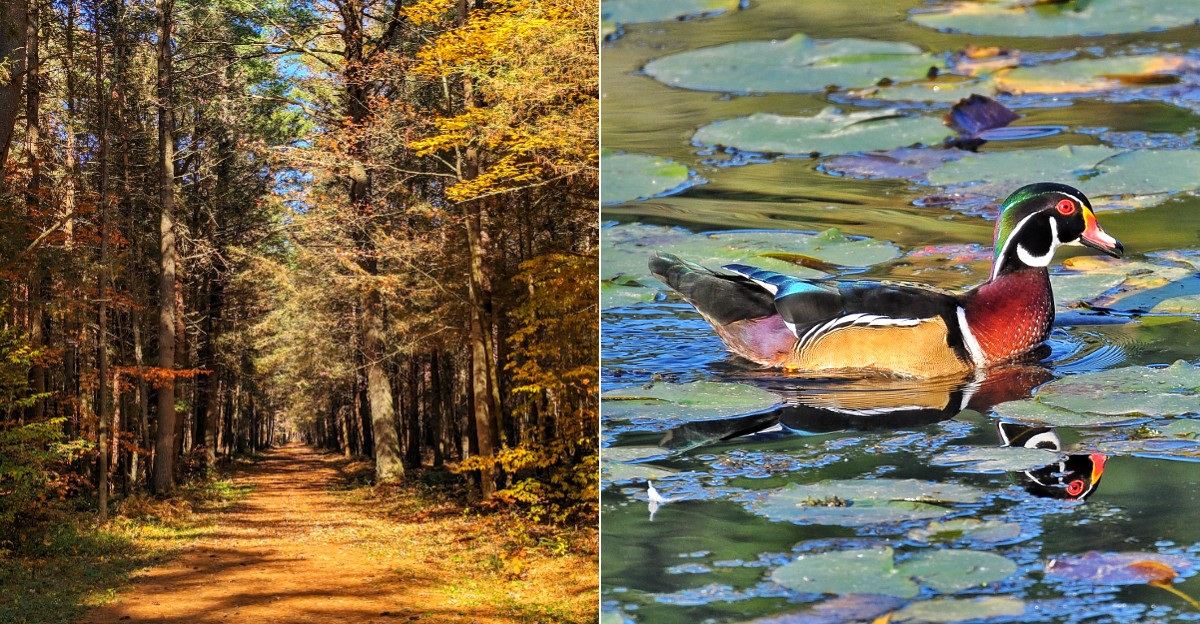
Some places invite you to slow down, breathe deeply, and simply listen.
White Memorial Conservation Center in Litchfield, Connecticut, protects thousands of acres of forests, wetlands, and meadows.
The land was set aside more than a century ago by siblings Alain and May White, who wanted it preserved for everyone to enjoy.
Miles of trails and boardwalks wind past ponds, marshes, and the shores of Bantam Lake.
The on-site nature museum is a great first stop for kids curious about local wildlife.
In October, the woods glow with fall color and the trails grow wonderfully peaceful.
Bring binoculars and a sense of wonder, and let the quiet set the pace for your day.
A Quiet Escape With a History Worth Checking
A carpet of fallen leaves can make an ordinary walk feel like a small escape from the busy world. That feeling draws visitors to White Memorial Conservation Center, at 80 Whitehall Rd, Litchfield, CT 06759, United States.
The center combines a nature museum and environmental education programs with access to a large protected landscape. Its surrounding foundation property covers roughly 4,000 acres and offers about 40 miles of trails.
Alain and May White established the White Memorial Foundation in 1913, leaving a lasting gift for wildlife and public enjoyment. The conservation center itself was established later, in 1964, to support education about the natural world.
However, the supplied visitor information does not establish that this property is the nation’s oldest songbird sanctuary. Treat that phrase in the headline as an unverified claim, rather than a confirmed historical fact.
A stronger reason to visit is easy to see: woods, wetlands, and open areas protect many kinds of living things. Before arriving, check the official website for a current trail map, museum details, and scheduled activities.
Choosing one short route first helps you settle into the landscape without rushing. Save longer walks for another visit, when you know which paths best match your pace and interests.
October Changes the Woodland Soundtrack
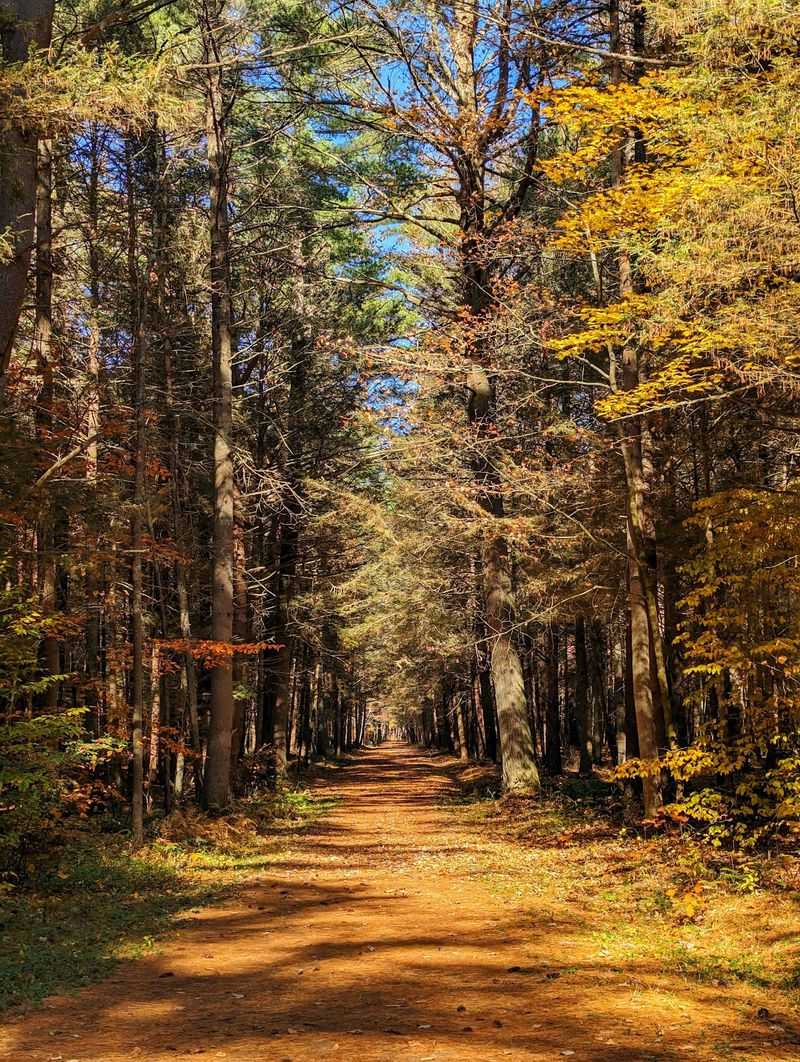
Listen for a minute, and the woods may sound different from what you remember in May. Many birds sing most often during breeding season, when their songs help attract mates and defend nesting areas.
By October, that spring chorus has faded, and some summer birds have headed toward warmer places. Others are passing through during migration, while year-round residents continue moving through the trees.
Less singing does not mean the landscape is empty. Short calls, tapping woodpeckers, rustling leaves, and water sounds can become easier to notice when you stop walking.
Think of autumn quiet as a change in the sound mix, not a promise of total silence. Wind, nearby visitors, dogs, and seasonal activities can all affect what you hear on any given day.
Try pausing beside a wooded stretch for several minutes before reaching for your phone. Keep conversations low, and avoid playing recorded bird calls, which can disturb birds and other people.
An early visit may offer a calmer experience, although wildlife sightings and crowd levels are never guaranteed. Bring a small notebook if you enjoy recording sounds, weather, and the birds you can identify.
Even without a rare sighting, listening closely gives the walk a purpose beyond simply reaching the next trail junction.
Follow the Boardwalk Into the Marsh
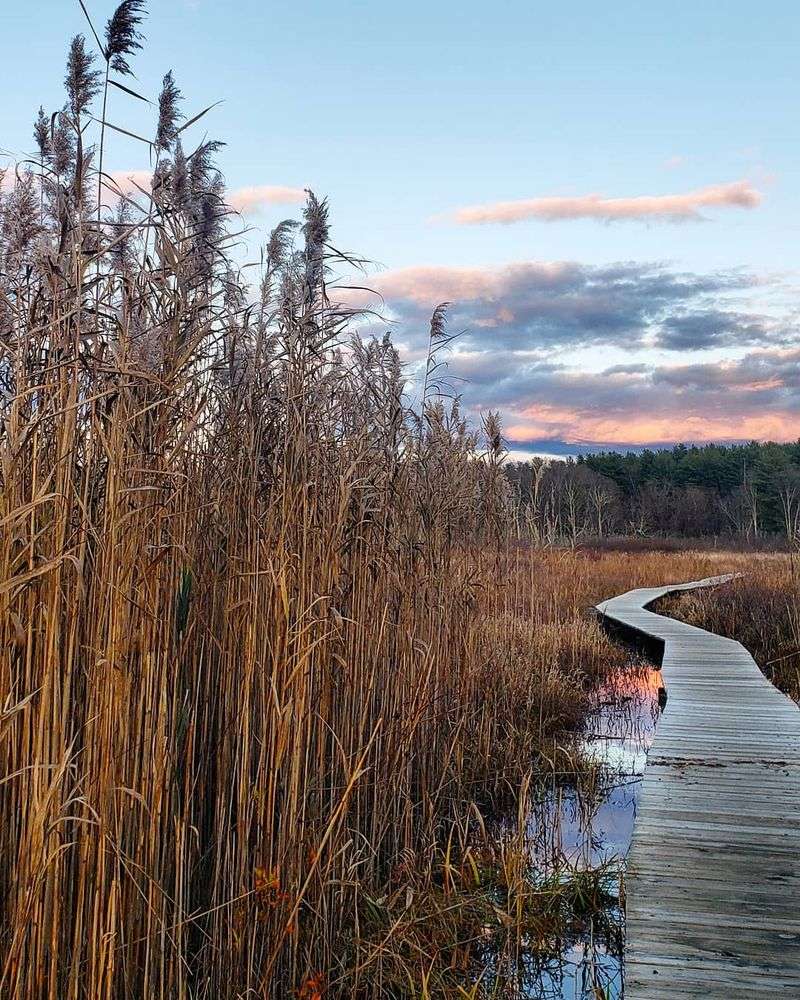
Wooden planks lead into a world that feels very different from a forest path. Along the Little Pond boardwalk, wetland plants, open water, and changing skies become the main attractions.
Visitors repeatedly mention this route as a highlight, and the setting makes the appeal easy to understand. Instead of looking only ahead, you can watch the marsh on both sides as you move.
October often brings brown reeds, fading leaves, and clearer views through plants that were thick during summer. Look for movement along the water’s edge, but remember that animals choose their own schedules.
Wear shoes with dependable grip because damp boards and fallen leaves can become slippery. Walk rather than run, and leave enough room for people approaching from the other direction.
Some sections require extra care with young children, and the route should not be assumed suitable for every mobility need. Ask staff about current conditions and accessible alternatives before deciding it fits your group.
Check the official map for the correct trailhead, since this walk does not simply begin at every parking area. Water levels or maintenance can also change access.
A slow circuit offers more than exercise: it gives you time to notice how a wetland prepares for the colder months ahead.
Watch for Birds Without Chasing a Checklist

A flicker of movement above the trail can turn a casual stroll into a small discovery. Autumn birdwatching works best when you stay curious rather than expecting a certain species to appear.
The property’s mix of woods, fields, ponds, and wetlands creates several kinds of habitat within one protected landscape. Different birds use those spaces for food, shelter, or a stopping place during migration.
Chickadees, woodpeckers, and other resident birds are reasonable possibilities, while seasonal visitors depend on timing and conditions. No list can promise what you will see during a single October outing.
Bring binoculars if you have them, and practice focusing before you begin walking. A bird identification guide or app can help afterward, especially if you note size, color, behavior, and habitat.
Start at an edge where trees meet an opening, then stand still and scan slowly. Often, movement reveals a bird before its colors do.
Keep a respectful distance from wildlife, and never leave the marked route to follow a bird. Skip feeding, loud playback, or crowding a resting animal for a photograph.
For children, counting three different bird behaviors may be more rewarding than naming ten species. Watching one bird search for food can teach more than rushing past several unidentified shapes overhead.
Choose a Trail That Matches Your Day
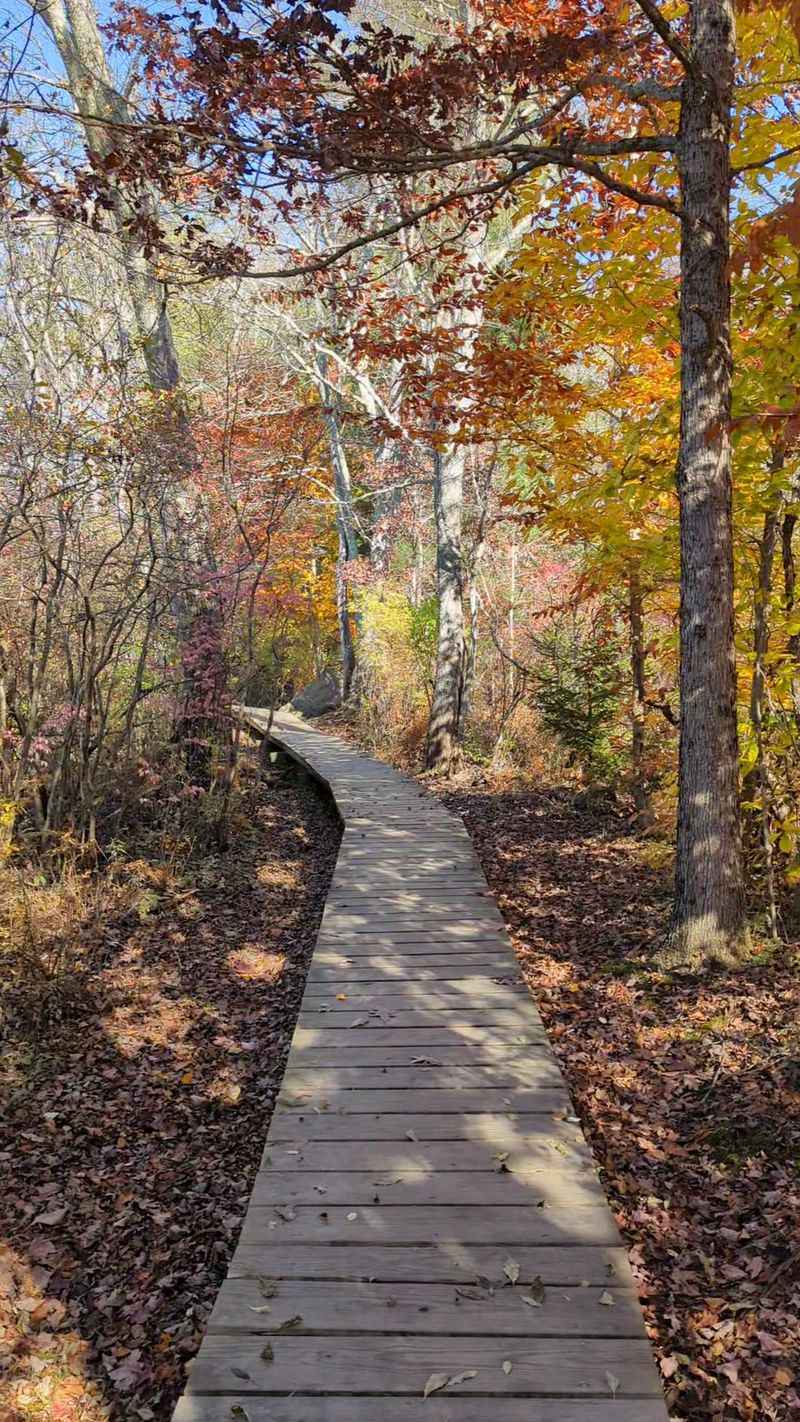
Forty miles of trails sounds exciting until everyone in your group wants a different kind of walk. A little planning can turn that wide choice into an outing that feels comfortable rather than confusing.
The surrounding grounds include forest paths, waterside walks, and routes through more open areas. You do not need to cover a large distance to enjoy the changing leaves and wildlife habitat.
Use the official trail map to pick a route based on distance, terrain, and available daylight. Save a copy on your phone, since a downloaded map is more dependable than assuming you will have service.
In October, sunset arrives earlier than it does during summer. Begin with enough time to return comfortably, and carry a small flashlight in case your walk takes longer than expected.
Roots, stones, mud, and fallen leaves can make an easy-looking path more challenging. Sturdy shoes and a light extra layer are sensible choices even for a short visit.
Families may prefer a simple out-and-back route with a clear turnaround point. More experienced walkers can connect trails after checking the map carefully.
Stay on marked paths rather than making shortcuts through sensitive ground. The best route is the one that leaves your group ready to return, not completely worn out.
Let the Museum Explain What You Have Seen
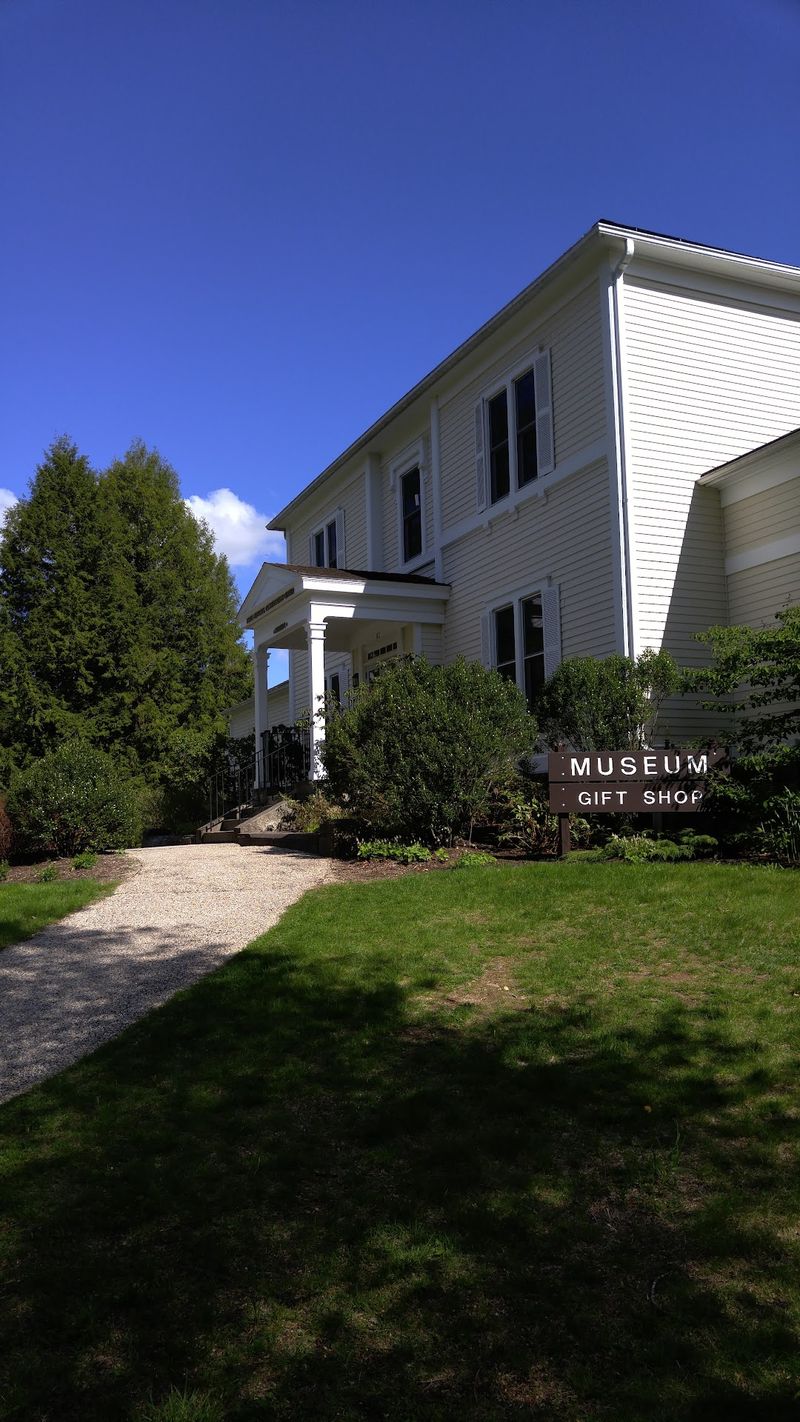
A mysterious feather or unfamiliar animal track can leave you with questions after a walk. The nature museum offers a useful next step, turning outdoor observations into something you can understand more clearly.
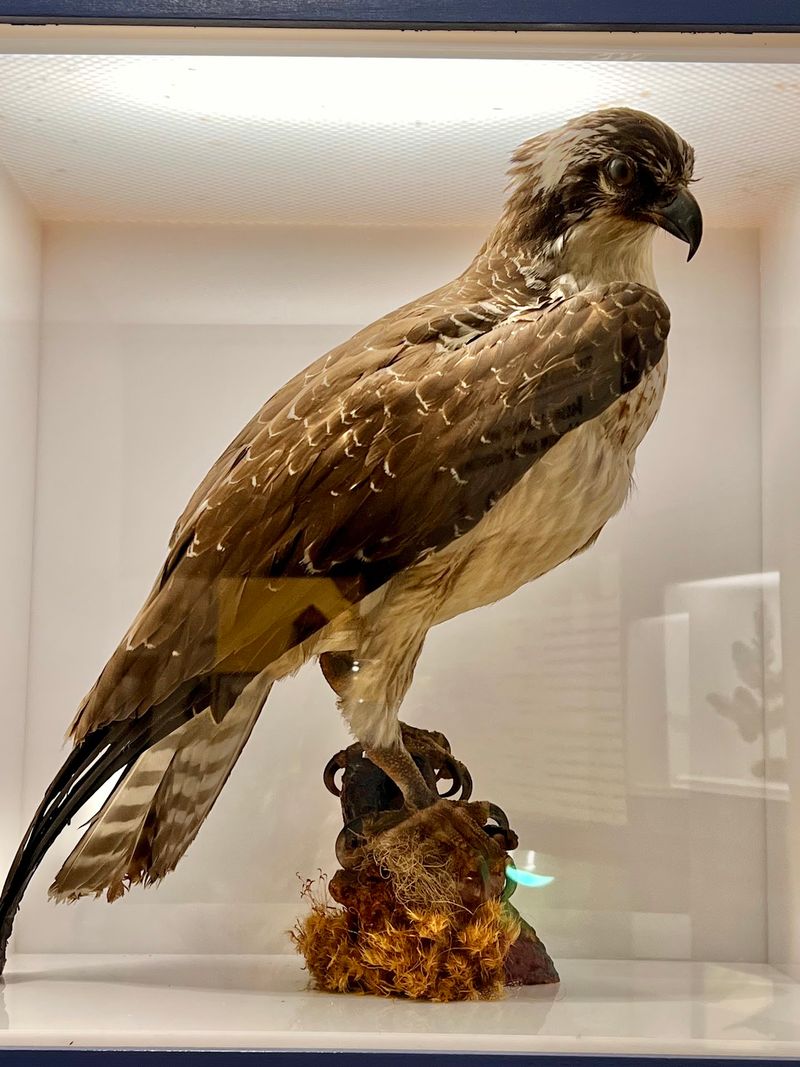
Its exhibits introduce local wildlife and habitats through displays, preserved specimens, and educational features. Visitor reviews often praise the animal scenes and the way children can explore while learning.
Rather than trying to read every label, choose a few displays that connect with your outing. If you watched birds near water, look for information about wetland animals and their food sources.
Children can make the visit into a quiet challenge by searching for animals they noticed outside. Ask staff whether a scavenger hunt or another family activity is currently available.
The museum also provides a helpful option when October weather turns chilly or rainy. Still, do not assume every exhibit or live animal mentioned in older reviews remains unchanged.
Check current admission prices, opening hours, and program details before you go. Posted building hours should not be treated as the operating schedule for every trail or outdoor facility.
Allow time to ask a question rather than hurrying straight through. A brief conversation with staff may help you choose another walk or understand a creature you previously overlooked.
Make Room for a Pondside Pause
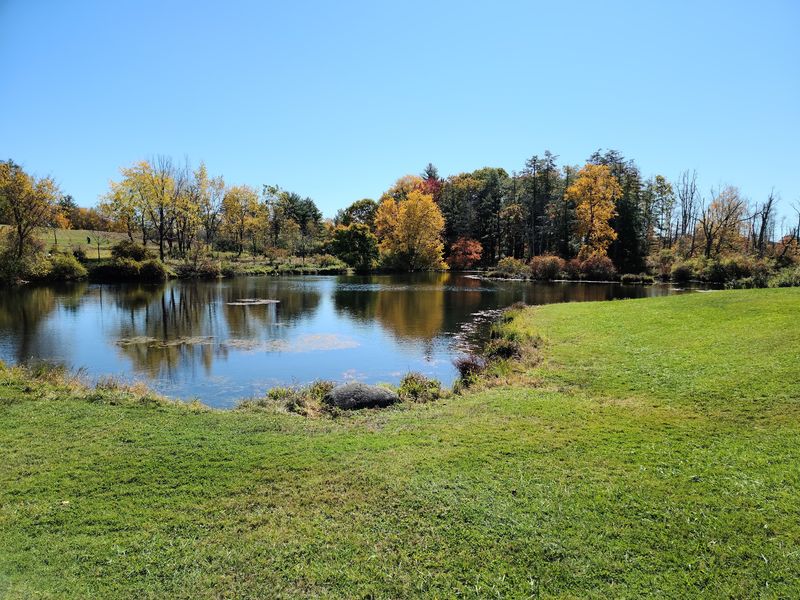
Not every memorable moment requires another mile of walking. A few minutes near the water can become the part of the day everyone remembers most.
Ongley Pond, behind the museum, gives visitors another setting for observing the natural world. Reviews describe watching turtles and ducks there, although October temperatures and animal activity will affect each visit.
Choose a safe place along an established route, then watch the surface before moving closer. Ripples, reflections, and drifting leaves can hold your attention even when no animal appears.
A picnic can fit nicely into a relaxed outing, and visitors report tables around the main grounds. Bring a simple meal, pack out wrappers, and avoid leaving crumbs that draw wildlife toward people.
Do not feed ducks or other animals, even if they approach you. Human food can cause problems, and regular feeding may change how wildlife behaves.
For families, try a short observation game: find something floating, something reflected, and something moving. Keep children close beside water, and give other visitors room to enjoy the view.
Cool October air can make a seated break feel colder than the walk itself. Pull on an extra layer, sip some water, and let the pause become part of the visit rather than an interruption to it.
Protect the Quiet You Came to Enjoy

Quiet places stay welcoming when the people using them pay attention to one another. Small choices on the trail can protect wildlife and help fellow visitors enjoy the same sense of escape.
Keep voices low near people who are watching birds, and use headphones rather than playing music aloud. If you stop for photographs, step aside where it is safe without trampling plants.
Dogs are mentioned often in visitor reviews, but their presence can affect wildlife and other walkers. Check current pet rules, keep your dog leashed, and remove all waste rather than leaving a bag beside the path.
Never allow a pet to chase birds or enter sensitive wetland areas. A friendly dog can still frighten an animal or make another visitor uncomfortable.
Before leaving home, confirm museum hours, trail notices, weather conditions, and any planned programs on the official website. The supplied schedule lists Monday closure for the center, so verify details when planning an indoor visit.
Ask staff about restroom access and suitable routes if anyone in your group has specific needs. Older reviews can offer clues, but they are not a substitute for current information.
Finally, leave leaves, feathers, plants, and other natural objects where you find them. Take home memories and photographs instead of souvenirs.