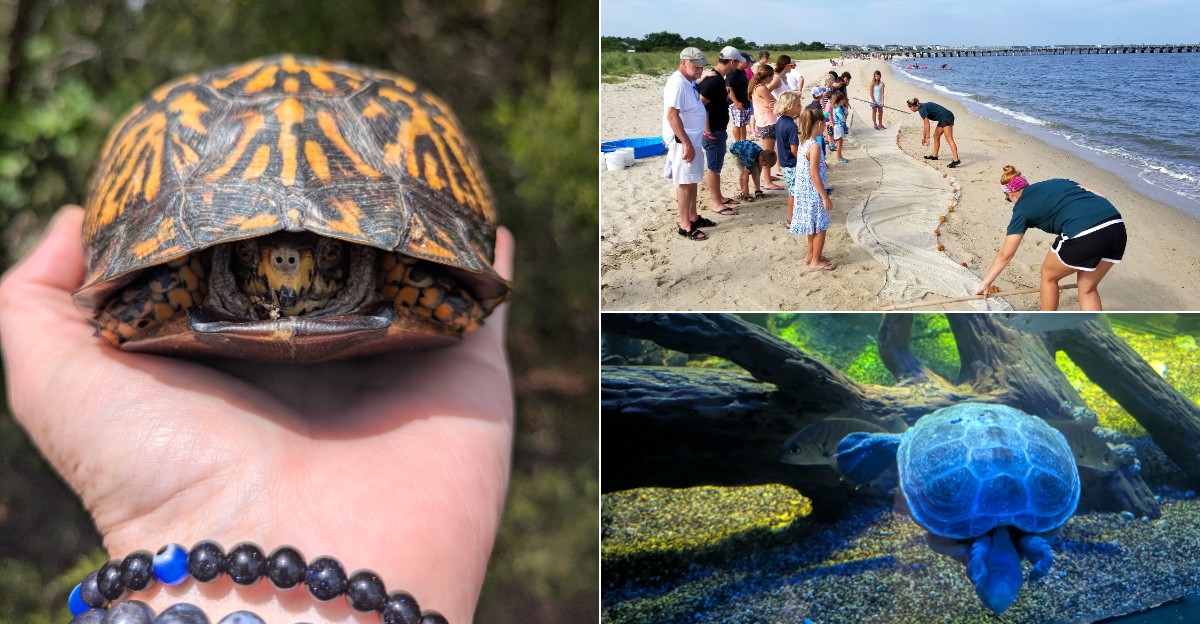
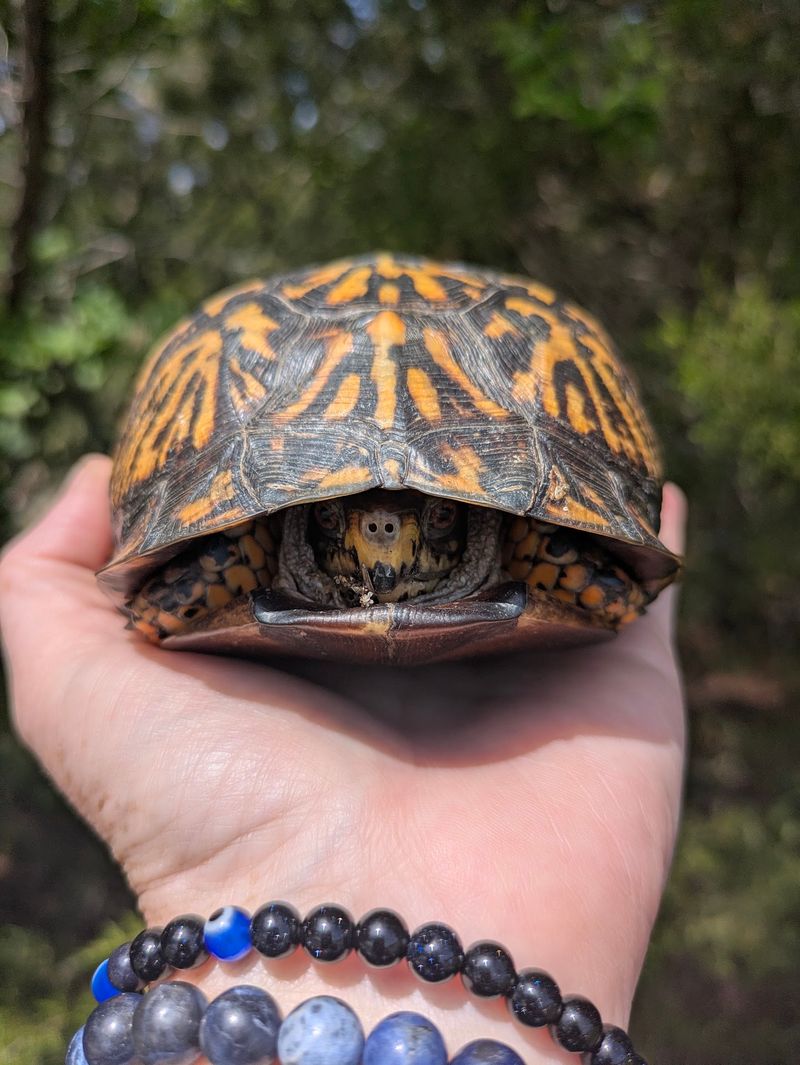
Few things fascinate kids quite like meeting a creature whose ancestors were around long before the dinosaurs.
Seaside Nature Center sits inside Cape Henlopen State Park near Lewes, Delaware, where the Delaware Bay meets the Atlantic Ocean.
Inside, aquariums showcase fish, turtles, and other animals that live in local waters.
Touch tanks let young visitors gently meet horseshoe crabs and other coastal critters up close.
Delaware Bay is famous for hosting one of the largest horseshoe crab spawning gatherings in the world.
Bring your curiosity and a little patience, because the best discoveries here often happen slowly.
A Small Stop With Big Discoveries
A few glowing tanks and curious creatures can hold a child’s attention better than a whole afternoon of screen time. Seaside Nature Center, at 15099 Cape Henlopen Dr, Lewes, DE 19958, United States, offers families a compact introduction to coastal wildlife.
Inside, live animal displays help children connect unfamiliar names with actual shapes, colors, and movements. Visitor reviews consistently describe a small building, so expect an approachable stop rather than a huge aquarium.
Some families report seeing the exhibits in about fifteen minutes, while others stay longer to read signs and ask questions. Let your child’s interest set the pace instead of trying to rush through every tank.
Start with a slow look around before choosing the animals your family wants to study more closely. A child fascinated by shells might linger at the touch tank, while another may prefer watching fish swim.
The center sits within a state park, so include park entry requirements in your planning. Check the official website for current admission details rather than relying on older visitor comments about prices.
Think of the visit as a friendly starting point for learning about the coast. Even a short stop can give children something memorable to notice, discuss, and draw afterward at home.
Horseshoe Crabs Steal the Spotlight
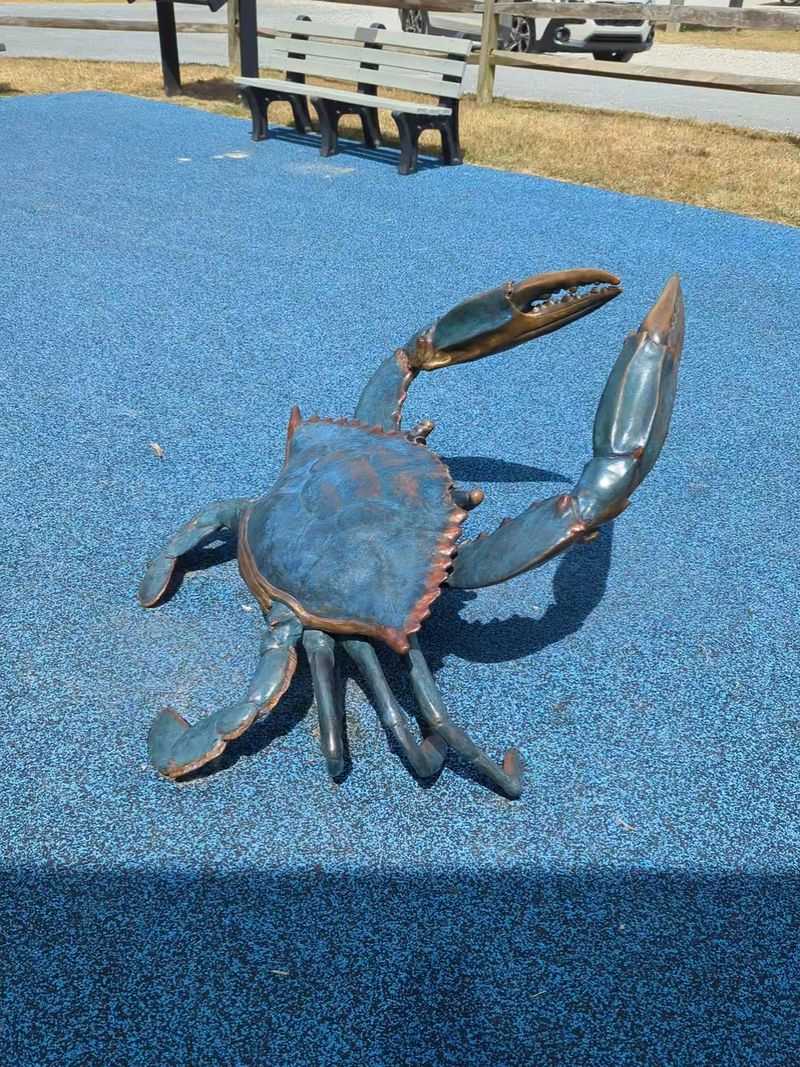
That rounded shell and long tail can make a horseshoe crab look like a visitor from another age. For many children, meeting one is the most memorable part of the touch tank experience.
Despite their name, horseshoe crabs are not true crabs. They belong to a different group of animals and are more closely related to spiders than to the crabs people usually picture.
Their pointed tail may look alarming, but it is not a stinger. It helps the animal turn itself over when it gets flipped onto its back.
Before any contact, ask staff whether touching is allowed and how to do it safely. Never pick up a horseshoe crab by its tail, and do not assume every animal in the tank can be handled.
Encourage children to notice the shell’s shape, the animal’s movement, and any features staff point out. Looking carefully can be just as exciting as touching, especially for kids who feel unsure about reaching into water.
A useful conversation starter is how an animal’s body helps it survive. After the visit, invite your child to sketch the horseshoe crab and label the parts they remember. That simple activity turns a surprising encounter into a lesson that lasts beyond the ride home together.
Touch Tank Manners Make Everyone Safer
Little hands often reach before little ears finish listening. A quick family reminder before approaching the touch tank can keep the experience comfortable for both children and animals.
Start by checking the posted rules and asking staff which creatures may be touched that day. Access can change, and an animal being visible does not automatically mean visitors may handle it.
Follow the center’s handwashing instructions before and after contact. Rinse away soap completely before putting hands into the water, since leftover products can harm aquatic animals.
Teach children to keep movements slow and follow the exact touching method demonstrated by staff. Avoid grabbing, chasing, lifting, splashing, or tapping the tank to make an animal move.
For a hesitant child, watching a sibling or adult follow instructions may be enough. There is no need to push anyone into touching something unfamiliar, and careful observation still counts as participation.
Visitor accounts mention horseshoe crabs and other small marine creatures in the touch area, but the lineup may vary. Let the animals present that day guide your expectations rather than promising a particular encounter.
Finish by thanking the person helping your family. Respectful behavior gives kids a useful message: getting close to wildlife is a privilege, not permission to treat it like a toy.
Aquarium Windows Reveal Hidden Sea Life
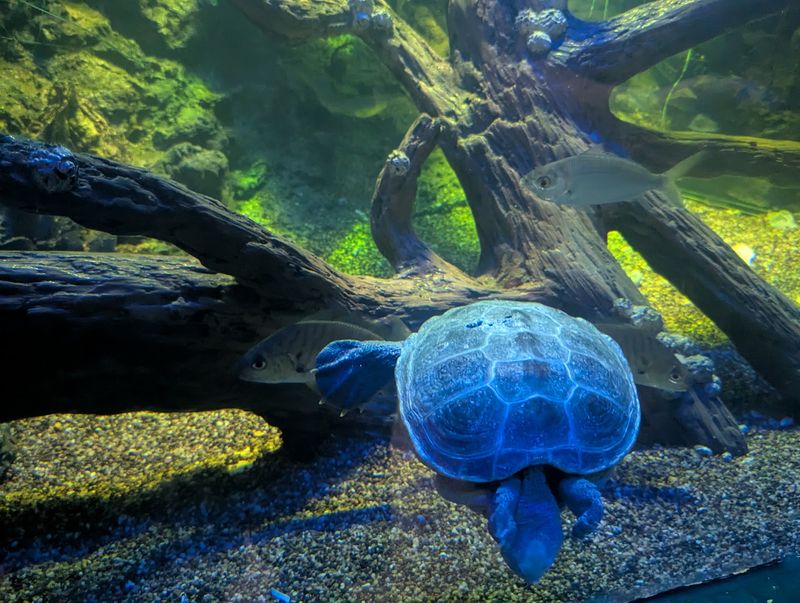
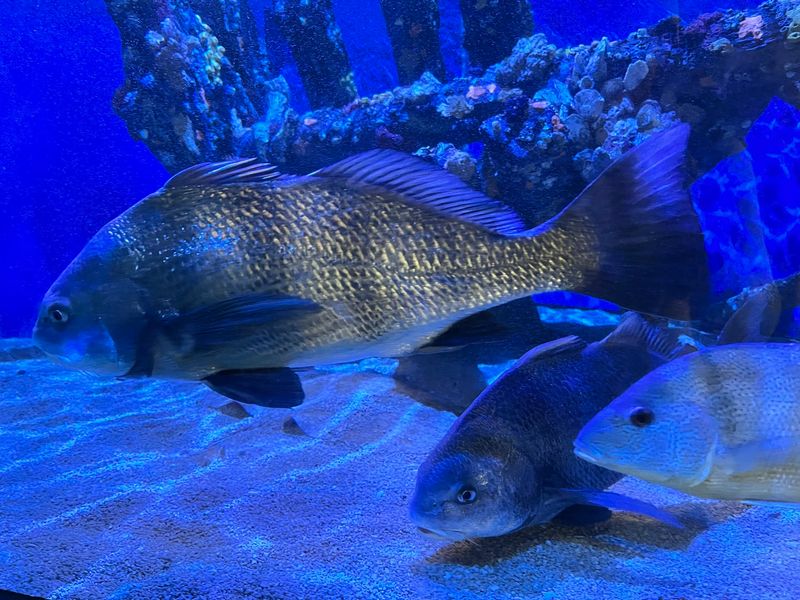
A fish that seemed invisible a moment ago may suddenly glide across the glass. The aquarium displays reward patient watching, giving children time to discover details that a quick glance can miss.
Visitor reports describe several tanks featuring animals from nearby bay and coastal habitats. Past sightings include puffer fish and flounder, although the animals on display can change.
Instead of treating every tank like another box to check, choose one and spend a few quiet minutes there. Ask your child to find a swimmer near the bottom, another in open water, or an animal blending into its surroundings.
Read the exhibit label together before guessing what a fish eats or where it lives. Labels can turn a colorful sight into a useful explanation of habitat and survival.
A flounder’s flattened body, for example, offers a starting point for talking about life on the seafloor. Different body shapes help animals move, hide, and find food in different ways.
Skip flash photography and avoid pressing phones or fingers against the glass. Other families will appreciate having room to look, too.
Before moving on, let each child share one observation. Naming a color, movement, or body feature keeps the activity simple while building confidence in noticing nature more carefully during future outings.
Turtles Add Another Layer to Coastal Learning
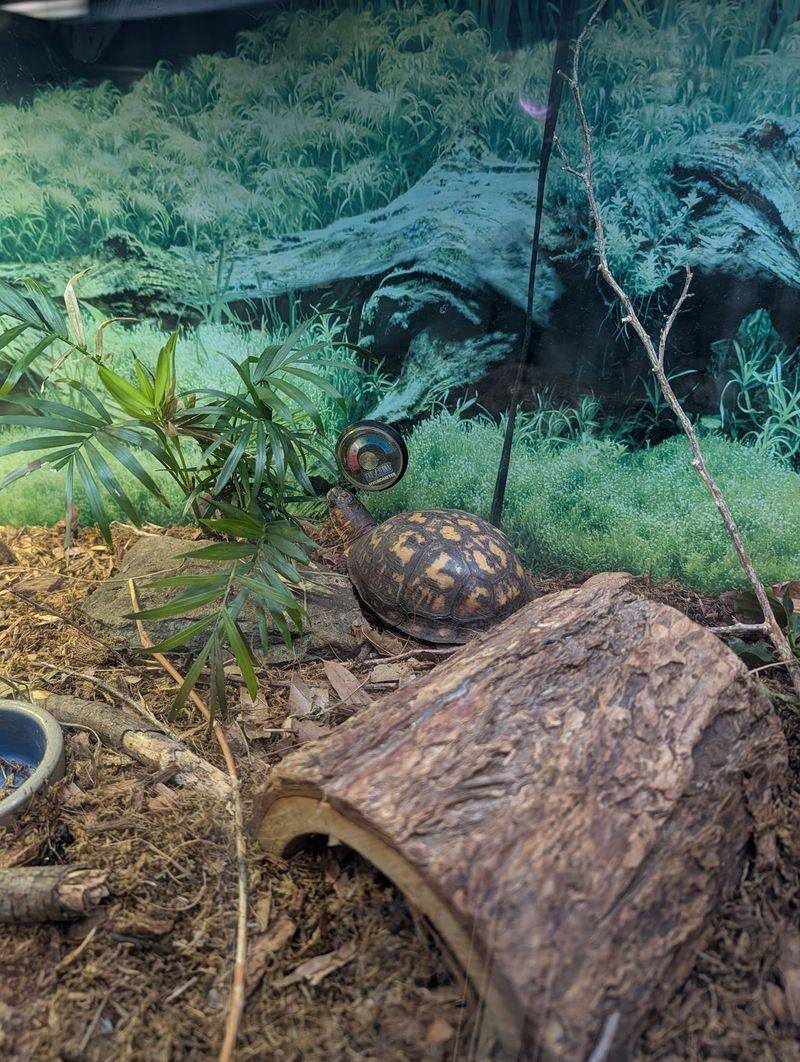
Not every interesting animal here moves with fins. Turtle sightings give children another way to think about the watery habitats that connect the displays.
Visitors have reported diamondback terrapins, a kind of turtle associated with coastal marshes and brackish water. Brackish water is a mixture of fresh and salt water, which makes it different from either a pond or the open ocean.
If a terrapin is on display during your visit, look closely at its shell and patterned skin. Use the exhibit information to identify the animal rather than assuming every turtle belongs to the same species.
Children can compare how a turtle moves with how a fish swims. Watching those differences makes a simple lesson about body parts feel more like a detective game.
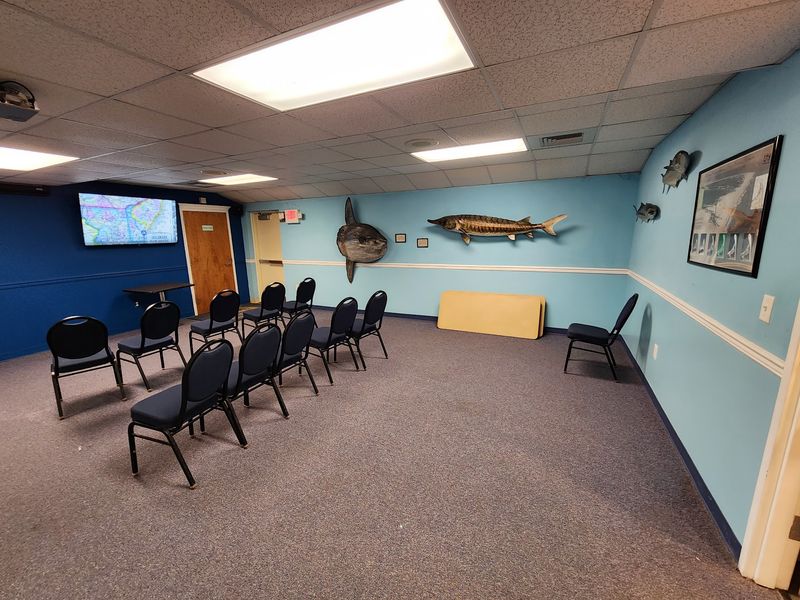
Some visitor accounts also mention additional reptile displays and an education room. Ask staff what is currently available, since older reviews may describe exhibits that have changed.
Keep voices low and resist tapping on enclosures to wake a resting animal. Resting, hiding, and staying still are normal behaviors, not signs that an exhibit needs a visitor’s help.
Before leaving, discuss why marsh animals need healthy water and safe habitat. The message is easy to remember: protecting a coastline also means protecting the creatures living along its edges.
Good Questions Turn Looking Into Learning
One unexpected question can change the whole visit. A child wondering why a fish stays near the bottom has already started thinking like a scientist.
Several visitor reviews praise helpful staff who answer questions and explain the animals. When someone is available, invite your child to ask about a creature’s food, habitat, or daily behavior.
Keep questions focused so younger children can follow the answer. Asking what an animal eats is often more useful than asking for every fact about its species.
If staff are busy, read the display information together and save your question for later. Encourage children to separate what they actually saw from what they are guessing.
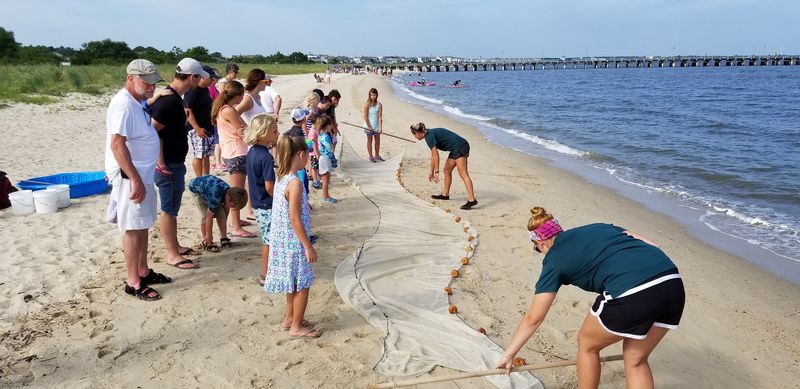
Families interested in a deeper experience can check the official program calendar before visiting. Past visitor accounts mention guided activities such as seining, where nets help participants learn about small aquatic animals.
Those reports do not guarantee that a particular program is currently offered. Confirm dates, age limits, registration requirements, costs, and weather plans directly with the center.
Bring a small notebook if your child enjoys drawing or collecting facts. One sketch and one new question are enough to create a personal record of the outing. Learning feels less like homework when children choose the detail that caught their attention that day.
Carry the Curiosity Outside
After watching animals behind glass, the outdoors can feel full of new clues. A short walk gives children a chance to connect exhibit lessons with the world beyond the building.
Visitor accounts describe a sandy nature trail near the center and opportunities to continue toward the beach. Ask staff about the route, current conditions, and whether it suits your family’s needs before setting off.
Sand can make walking harder than the distance suggests. Choose supportive shoes, carry water, and consider sun protection and insect repellent when conditions call for them.
Rather than promising wildlife sightings, encourage children to notice habitat features. Plants, sand, water, and shelter all help explain why different animals live in different places.
A simple observation game works well: find something that provides shade, something shaped by wind, and something connected to water. Leave shells, plants, and animals where you find them unless posted rules clearly allow otherwise.
Reviews also mention a nearby bicycle borrowing program associated with the center. Check current availability, eligibility, equipment, and return rules before building your visit around it.
There is no need to squeeze every activity into one outing. For younger children, a short indoor visit followed by a modest walk may be plenty. Stop while everyone still has energy to enjoy their discoveries.
A Little Planning Keeps the Day Easy
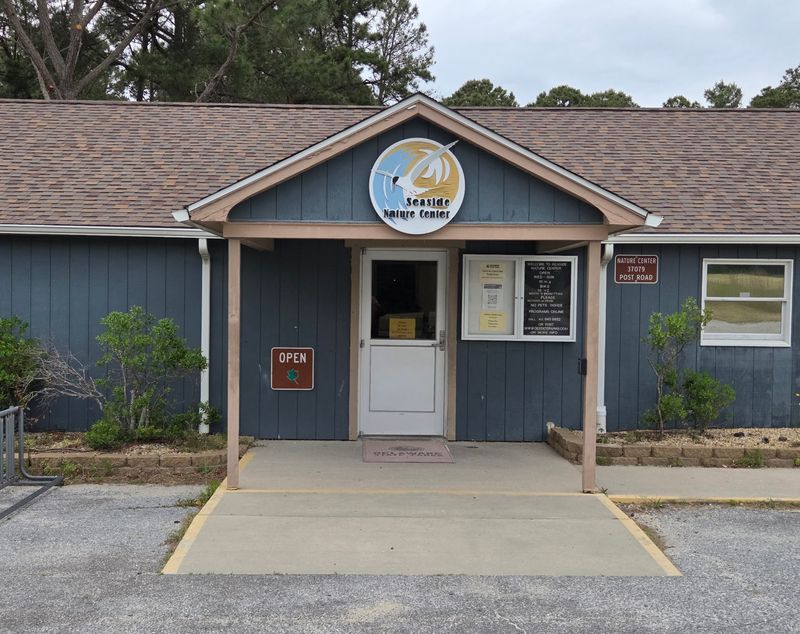
A successful family outing often starts before anyone gets in the car. Checking a few details ahead of time can prevent a disappointed child from finding locked doors or an unavailable activity.
The supplied hours list Wednesday through Sunday from 10 AM to 4 PM, with Monday and Tuesday closed. Schedules can change with seasons, holidays, or special circumstances, so verify the day’s hours on the official website.
You can also call 302-645-6852 to ask about exhibit access, programs, and practical needs. Families using wheelchairs or strollers should confirm accessibility details rather than relying on general visitor descriptions.
Older reviews describe the exhibits as free, but park entry charges may still apply. Check current fees and any program costs before deciding on your budget.
Pack lightly, with water and supplies appropriate for any outdoor plans. Save snacks for permitted areas and keep food away from animal displays.
A small gift shop appears in many visitor accounts, with souvenirs and educational items reported. Setting a spending limit beforehand can make that final stop easier for everyone.
Allow room for questions, handwashing, and a second look at a favorite animal. The goal is not to stretch a small center into an all-day attraction, but to enjoy a manageable encounter with coastal wildlife.