Imagine watching a lake rise toward the place you call home—and knowing your whole town has to move.
That was the reality for Hagerman, a small Grayson County community that stood in the path of the massive reservoir that would become Lake Texoma.
Families packed up houses, businesses closed or relocated, and even a church was moved before the water could claim the old townsite.
The cotton gin didn’t escape either.
Piece by piece, Hagerman was pulled apart as residents carried their homes and livelihoods to higher ground.
Then Denison Dam was completed, Lake Texoma began filling, and the valley where Hagerman once stood disappeared beneath the water.
What remains is a remarkable story of neighbors racing against a rising lake—and a Texas town that refused to vanish without a fight.
Meet Hagerman, The Texas Town That Disappeared
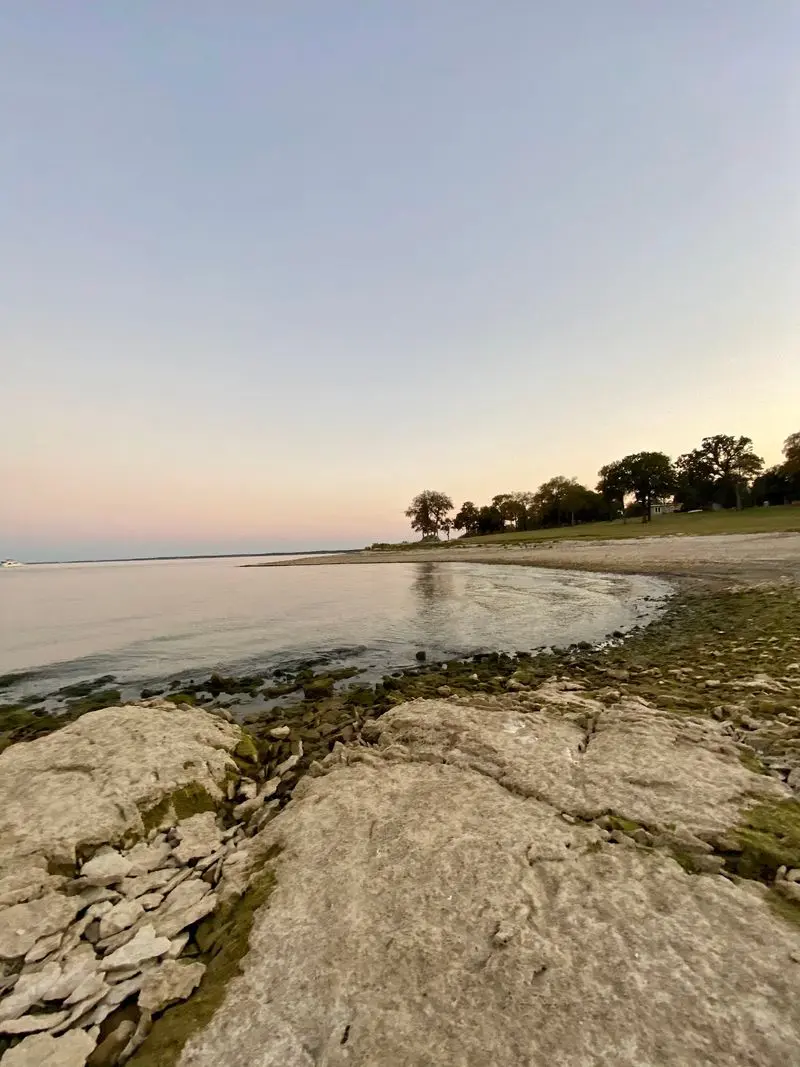
Long before boats and fishing docks dotted the shoreline, a busy little town sat right where Lake Texoma now sparkles. Hagerman was its name, and it lived in northern Grayson County, Texas, not far from the Red River.
The community started as a simple farming settlement. Families grew cotton and corn, raised livestock, and traded with neighbors.
Over time, the place grew into something bigger. By around 1910, Hagerman had residents, churches, a school, several businesses, a cotton gin, and its own railroad depot.
For a rural Texas town, that was a pretty complete package. Kids walked to school, farmers hauled cotton to the gin, and folks gathered on Sundays to worship and catch up on news.
Life moved at a steady, comfortable pace.
Nobody living there in those early years could have guessed that their streets would one day sit under deep water. Hagerman’s story is a reminder that even towns that feel permanent can change in ways no one expects.
The Railroad Put Hagerman On The Map
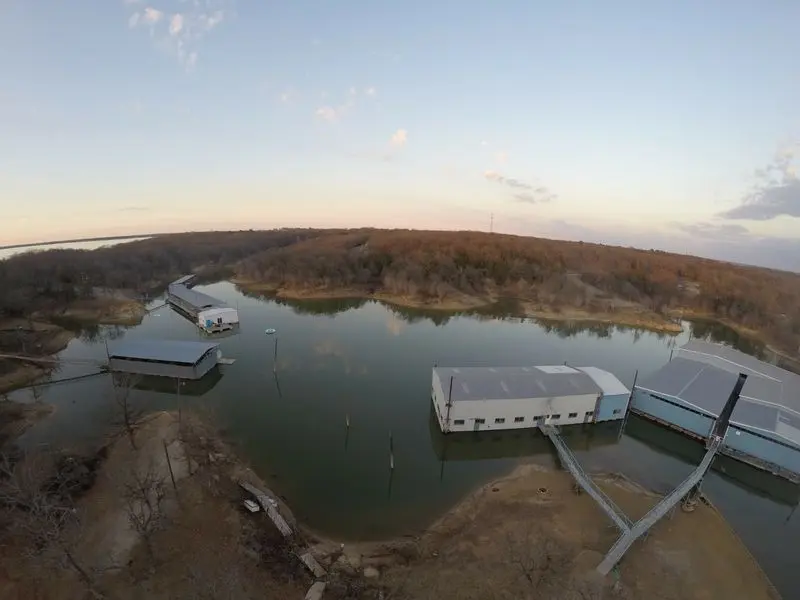
Toot toot! In 1909, the whistle of a Missouri-Kansas-Texas train echoed across the Grayson County farmland for the first time.
People often called this railroad the Katy, and its arrival changed everything for the little settlement.
Back then, the community went by the name Steedman. When the tracks came through, the town got a brand-new name: Hagerman.
It honored James P. Hagerman, an attorney who worked for the railroad.
Naming towns after railroad officials was common at the time, since the trains brought so much growth.
And growth is exactly what happened. Farmers could now ship cotton and crops to faraway markets.
Stores could order goods more easily. Travelers stopped by, and new families moved in looking for opportunity.
Think of the railroad like the internet of its day. It connected a quiet farming spot to the rest of the country.
Thanks to the Katy, Hagerman turned from a rural crossroads into a recognizable local center that people across the area knew by name.
A Growing Town Suddenly Faced A Huge Problem
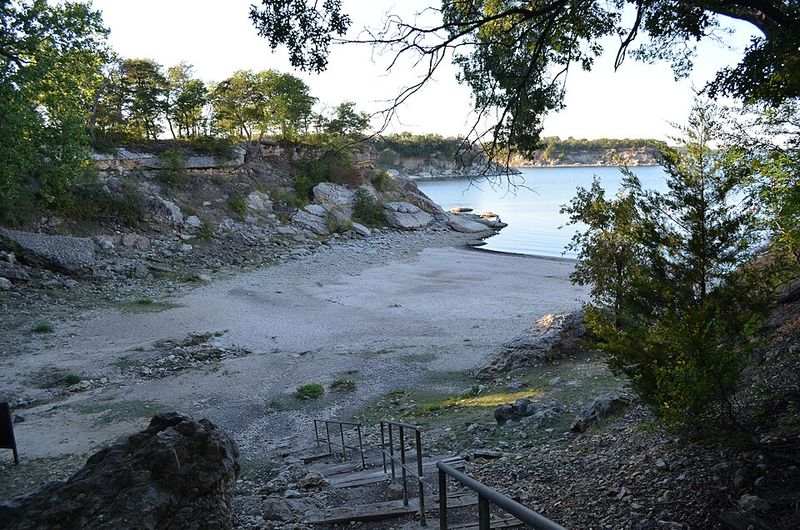
Imagine opening a letter that says the government needs your land for a lake. For the people of Hagerman, that scary moment became real.
The Red River had a long history of flooding. Heavy rains could send water rushing over farms and towns downstream.
To tame the river, the federal government planned a massive project called Denison Dam. Behind it, a huge reservoir would form, and that reservoir would become Lake Texoma.
Engineers mapped out where the water would go. Hagerman sat right in the path.
Once the government began buying up land in the valley, residents knew the truth. Their homes, shops, and churches would not survive the rising water.
Some families had lived there for generations. Others had just started businesses.
Everyone had to face the same hard question: where do we go now? The dam promised big benefits for the region, but for Hagerman, it meant saying goodbye to the only home many people had ever known.
Families Started Moving Their Houses Out Of Hagerman
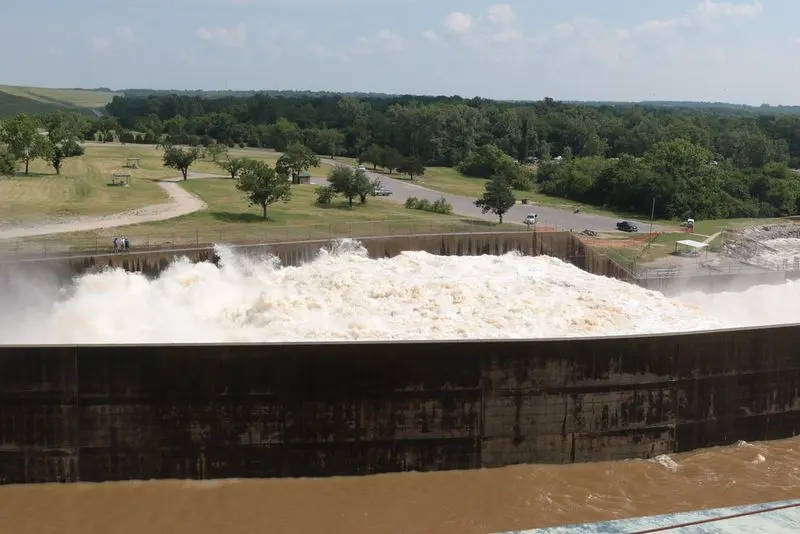
Most people move by packing boxes. Hagerman families moved the whole house.
As the deadline for the lake drew closer, residents began taking their town apart, one home at a time. Historical accounts describe houses being jacked up, loaded onto wagons or trucks, and hauled to new spots.
Some went to nearby towns, while others landed on higher ground outside the future shoreline.
It must have been a strange sight. A house rolling slowly down a dirt road, with a family walking beside it, hoping nothing cracked along the way.
Moving a building was hard, slow work, but it saved money and kept precious memories under one roof.
Bit by bit, Hagerman grew quieter. Empty lots appeared where neighbors used to wave from porches.
Kids lost their playmates as friends moved away.
If you ever feel nervous about moving to a new school or neighborhood, think about these families. They carried their homes, and their courage, to start fresh somewhere else.
Even Hagerman’s Businesses Were Pulled Apart
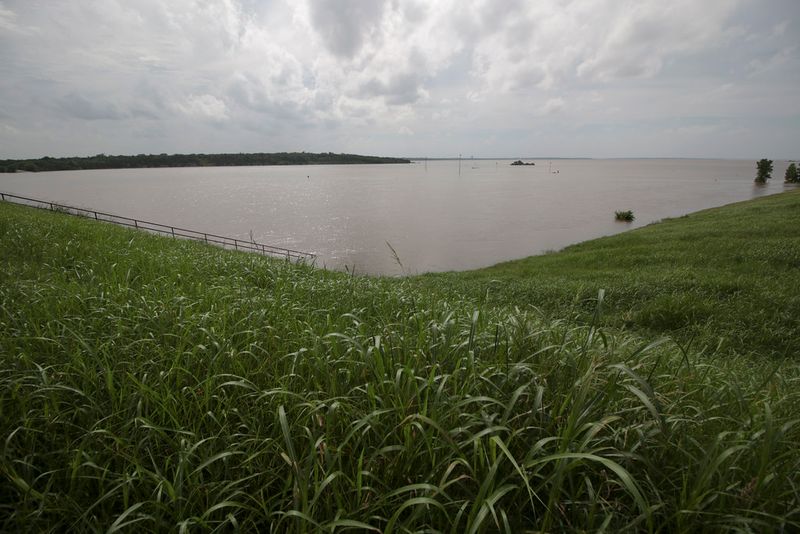
Here is a fun fact: the Hagerman cotton gin did not just close. It packed up and moved to another town!
The gin had been the heart of the local farm economy. Farmers brought their cotton there to separate the fluffy fibers from the seeds.
When the lake plans became final, the gin was sold and moved to Tioga, a town to the south. It kept working there, just with new customers.
Other businesses were not so lucky. With fewer families around, stores had fewer shoppers.
Some owners closed their doors for good. Others relocated to places where they could keep earning a living.
Picture Main Street slowly going dark. The general store loses its customers, the shop windows empty out, and the familiar sounds of trade fade away.
That is how Hagerman’s commercial life disappeared, piece by piece.
It shows how closely a town’s businesses and people depend on each other. When one leaves, the other often has to follow.
The School And Main Street Couldn’t Escape The Water
Not everything in Hagerman got a second chance. Some buildings had to stay behind.
The town’s school sat on somewhat higher ground than the rest of town. For a while, it seemed like it might stand above the future shoreline.
In the end, though, it was razed, which means torn down completely. Workers saved its bricks so they could be reused somewhere else.
Nothing useful went to waste.
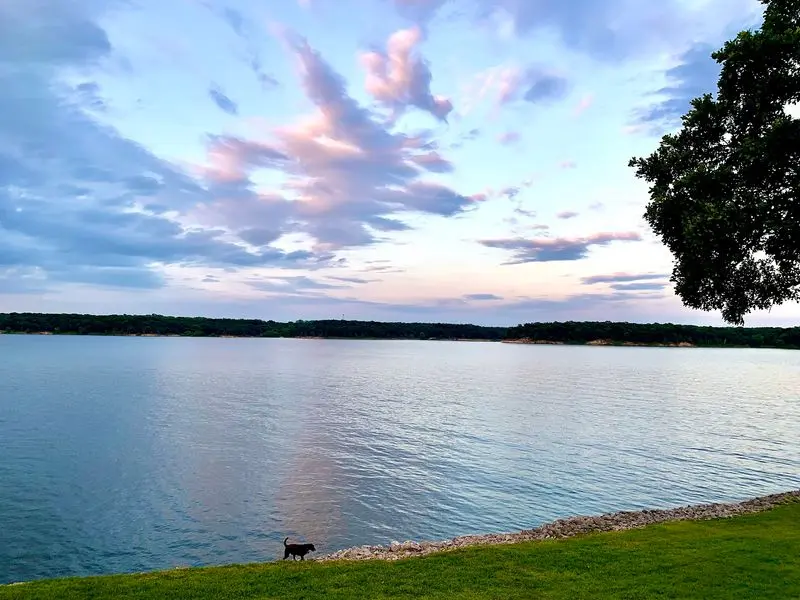
Other structures that remained in town faced a quieter fate. When the reservoir began to fill, the water crept over foundations, streets, and empty lots.
Slowly, the remaining buildings vanished beneath the surface.
It’s a little eerie to think about. Classrooms where kids once practiced spelling words and recess fields where they played tag are now part of the lakebed.
Next time you look at a calm lake, remember that the water may be hiding stories. Under Lake Texoma, the outlines of a real Texas town still rest in the mud.
Denison Dam Created Lake Texoma In A Matter Of Years
Building a lake from scratch sounds like science fiction, but engineers did it in just a few years.
Construction on Denison Dam began in the late 1930s. Thousands of workers moved earth, poured concrete, and shaped a giant barrier across the Red River.
The dam was completed in 1944, during World War II, when the country badly needed electric power.
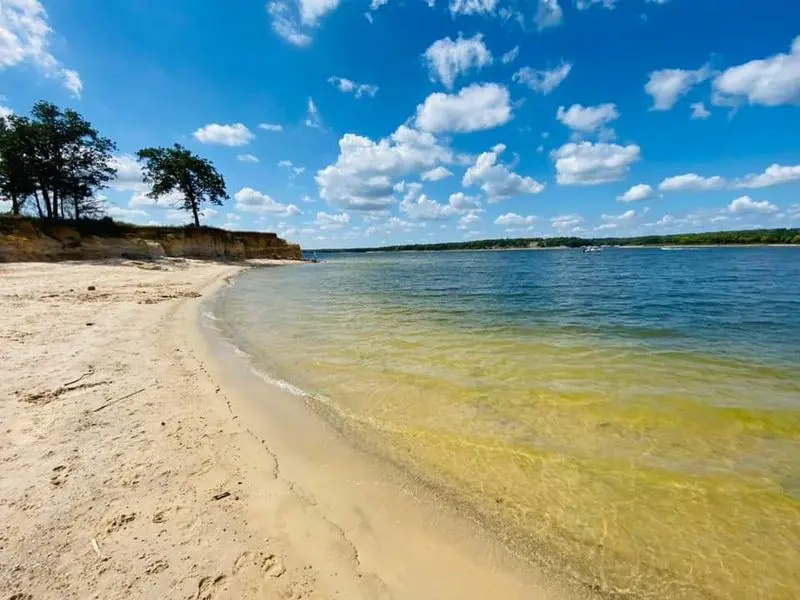
Once finished, the dam held back the river, and water spread across the valley. The result was Lake Texoma, one of the largest reservoirs in the United States.
Its name blends Texas and Oklahoma, since it sits right on the border.
The lake had several jobs:
It controlled floods, generated hydroelectric power, conserved water, and offered recreation like boating and fishing. Today, millions of visitors enjoy it every year.
Hagerman’s loss was part of this much bigger plan. Understanding that helps explain why an entire town had to step aside for a project that served the whole region.
Hagerman Wasn’t The Only Texas Community Lost
Did you know that Lake Texoma swallowed more than one piece of Texas history? Hagerman had company.
The site of Preston, a much older settlement, also ended up underwater. Preston dated back to the days of the Republic of Texas and once served as a trading post near an important river crossing.
Parts of Cedar Mills, another small community, were flooded too.
The changes did not stop with towns. Railroads had to be rerouted around the new lake.
Highways were rebuilt on fresh paths. Power lines, phone lines, and other utilities had to be moved.
Perhaps the most emotional task involved cemeteries. Graves were carefully relocated so families’ loved ones would not be lost beneath the water.
When you add it all up, the reservoir project reshaped an entire region. Roads you drive on today near Lake Texoma might exist only because older routes disappeared.
History is often hiding right under our wheels, or in this case, under our boats.
What Remains Of Hagerman Today
Grab your binoculars, because Hagerman still has a name you can visit.
Most of the original townsite lies quietly beneath Lake Texoma. Still, the town’s memory lives on in several ways.
Historical markers share its story with travelers. Old records and photographs show what its streets, churches, and depot looked like.
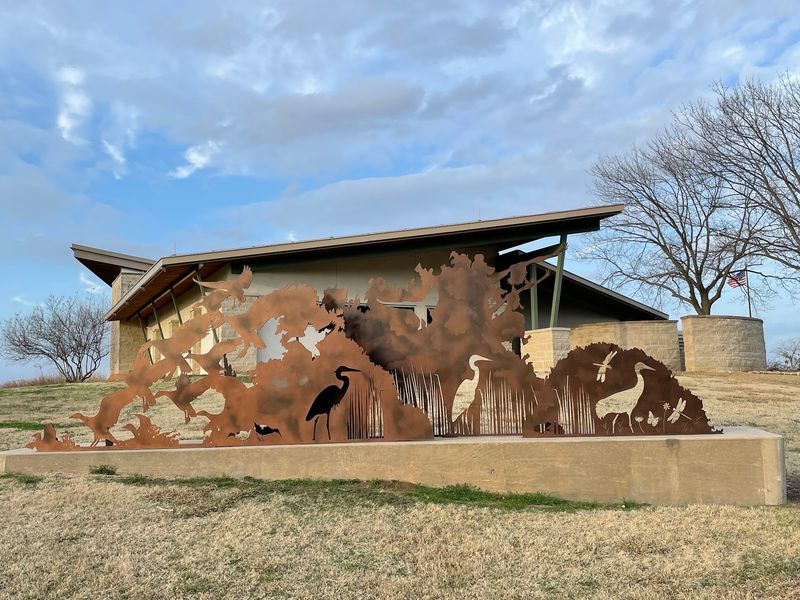
The biggest reminder is the Hagerman National Wildlife Refuge, which sits along the lake’s southern edge. It is a favorite stop for bird watchers, especially in fall and winter when geese and ducks arrive by the thousands.
Walking trails and driving routes let you explore marshes and fields near the old town area.
The Hagerman cemetery was also relocated before the flooding. Today it stands as a physical link to the families who built the community.
Planning a trip? Visit the refuge, read the markers, and take a moment by the water.
You might feel a quiet connection to the people who once called this valley home.