Step into Mineral Point, and the 1800s suddenly feel a whole lot closer.
Tucked among the rolling hills of southwestern Wisconsin, this little town is packed with traces of its mining past.
Cornish immigrants came here in the 19th century chasing lead, bringing their traditions, skills, and distinctive stone-building style with them.
At Pendarvis, those stories become something you can actually walk through.
Historic cottages, weathered stone walls, and old mining sites reveal what life looked like for families who built their lives around the mines.
The surprises keep coming as you explore Shake Rag Street and the nearby trails.
One minute you are admiring a centuries-old-looking cottage, and the next you are standing above the remnants of a mine.
Put on your walking shoes and get ready for a seriously time-bending Wisconsin adventure.
Discover the Cornish Roots of Mineral Point
Picture a young miner stepping off a long journey from Cornwall, England, with little more than his tools and know-how. That scene played out again and again in the 1830s and 1840s, when southwestern Wisconsin was booming with lead mining.
Cornish workers were famous for their deep mining skills, and they were badly needed here.
Those newcomers did more than dig. They brought building traditions from home, raising small cottages from local limestone that looked a lot like the ones back in Cornwall.
Walk down Shake Rag Street today and you can still feel that old-country influence in every rough stone wall.
Fun fact: the street name supposedly comes from wives waving rags to call their husbands home from the mines for meals. Whether every detail is true or not, it shows how close the homes and mines really were.
Before your trip, read a little about Cornwall. Knowing where these families came from makes the cottages feel personal, almost like visiting the relatives of someone you know.
Step Inside the Restored Pendarvis Cottage
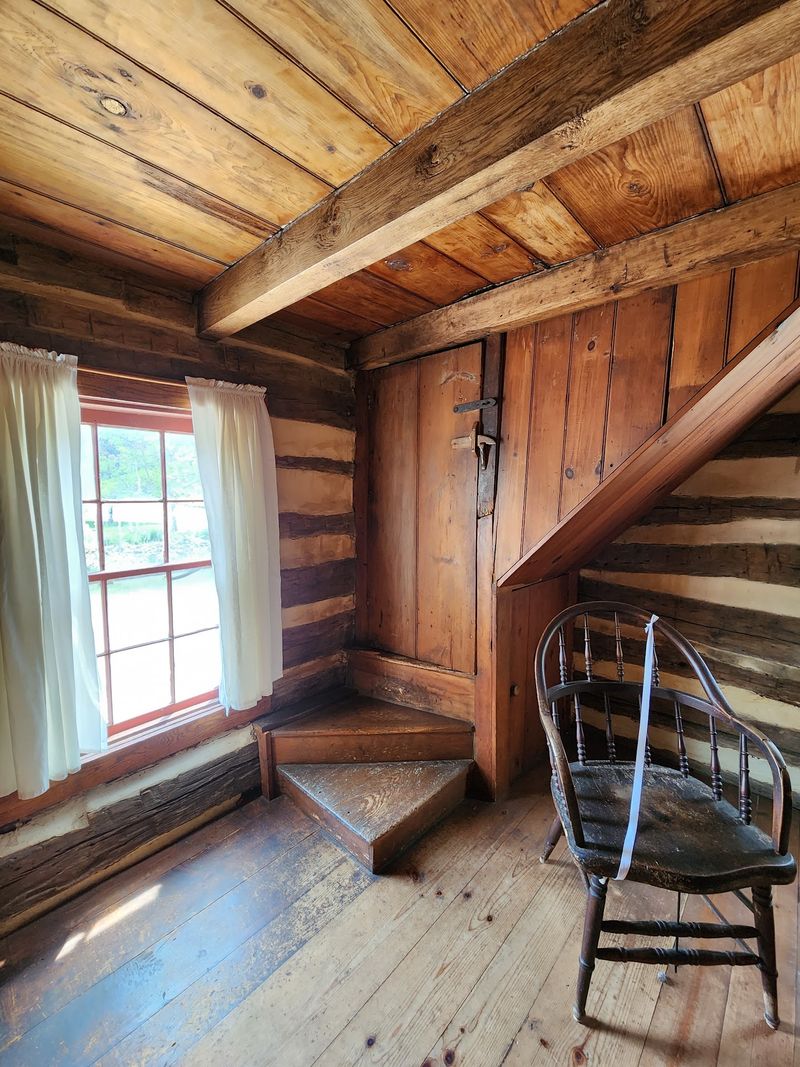
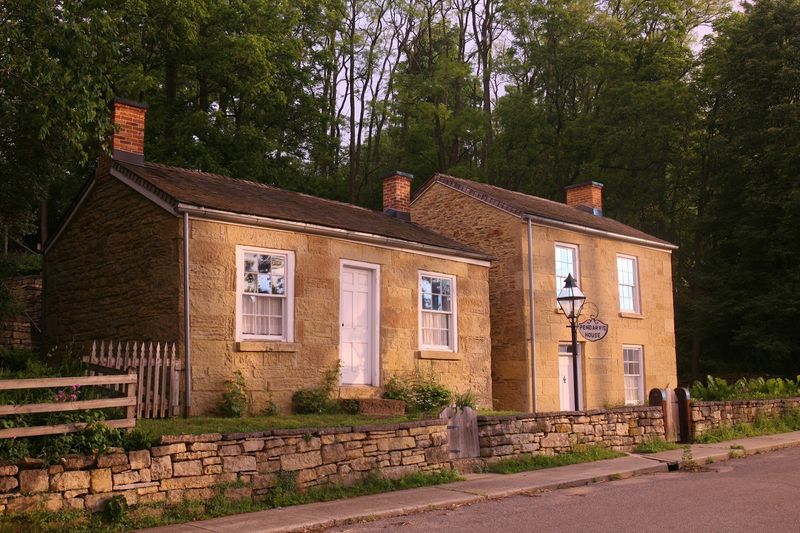
Thick walls are the first thing you notice. Run your hand along the limestone and you can almost feel the hours of hard work it took to stack each stone back in the 1840s.
The cottage that gave the whole site its name is small, simple, and surprisingly cozy. Inside, plastered walls brighten the rooms, and the plain layout mirrors the homes Cornish miners grew up in across the ocean.
Nothing here is fancy, and that is exactly the point.
Families lived close together in spaces like this one. Cooking, eating, chatting, and resting all happened within a few steps of each other.
Standing in the middle of a room, you get a real sense of how tight daily life must have been.
Here is a helpful tip: slow down and look at the small stuff. Notice the window depth, the floor, and the doorways.
Those details tell you more about early Mineral Point than any sign could, and kids especially enjoy spotting differences from their own homes.
See Trelawny and Its Unusual Saltbox Shape
Some buildings just look a little lopsided, and Trelawny wears that quirk proudly. From the front it stands two stories tall, but around back the roof swoops down low over a sloping addition.
People call this a saltbox shape, named after old wooden salt containers with slanted lids.
Built in the mid-1800s, Trelawny sits right on the hillside, which adds to its unusual look. Builders back then worked with the land instead of fighting it.
Hills were everywhere in Mineral Point, so houses often seemed to lean into the slope.
Walk all the way around the cottage if you can. The view changes a lot from front to back, and that surprise is half the fun.
Photographers love the angles here, especially in late afternoon when shadows stretch across the stone.
Ask a guide why the rear addition was built. Families grew, needs changed, and homes grew with them.
Trelawny is a good reminder that old houses were never frozen in time. They changed right along with the people inside.
Explore the Polperro Cottage
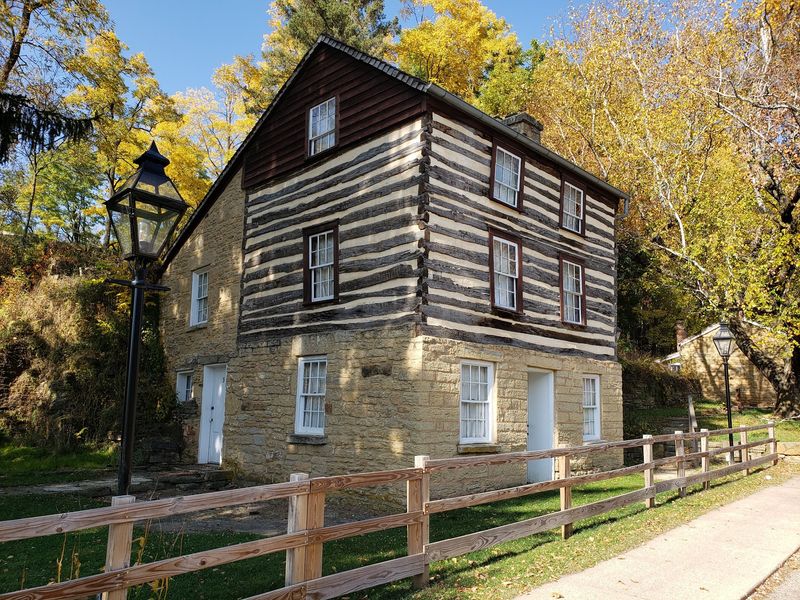
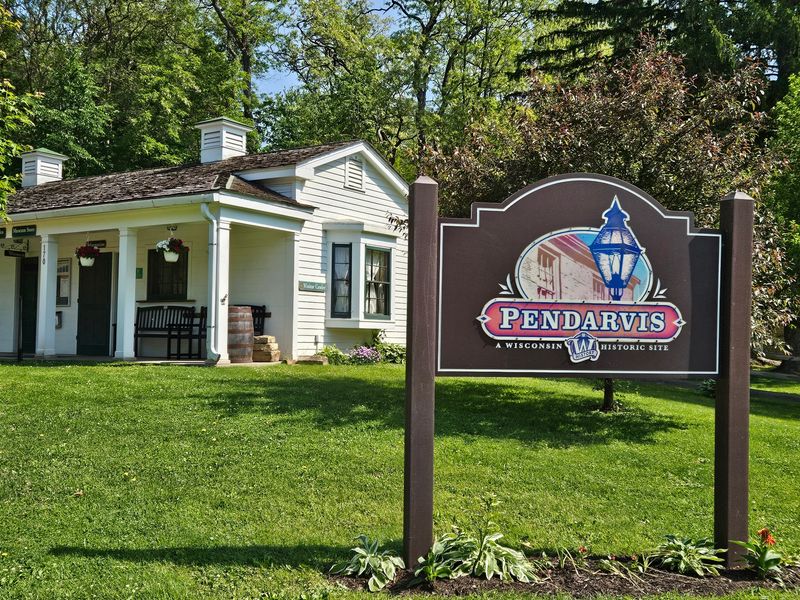
Stone on the bottom, logs on top. Polperro looks like two different houses stacked together, and in a way, it kind of is.
The first floor is built from sturdy local stone, just like the other Cornish cottages nearby. Above it, though, sits a log upper story, which feels more like the frontier homes you might picture in a pioneer storybook.
Mixing these materials showed how settlers used whatever worked best and was close at hand.
That blend tells a bigger story. Cornish miners carried their old-world skills with them, yet Wisconsin had plenty of trees, and smart builders took advantage.
The result is a home that is part Cornwall and part American Midwest.
Like its neighbors, Polperro hugs the hillside, so its layers show up best from different spots on the path. Try sketching it in a notebook or snapping photos from below and above.
Comparing it to Pendarvis and Trelawny afterward is a fun way to see how no two miners’ homes were exactly alike.
Learn How Bob Neal and Edgar Hellum Saved These Buildings
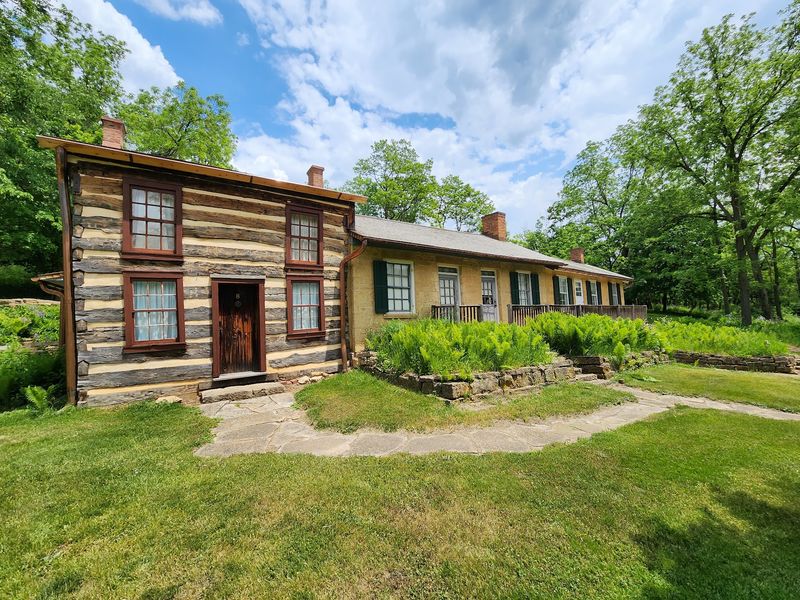
Imagine walking past crumbling stone houses that everyone else wanted torn down and thinking, these are worth saving. That is exactly what Robert “Bob” Neal and Edgar Hellum did.
The two men met in 1934, nearly a hundred years after the cottages were first built. By then, many of the old miners’ homes were falling apart, and some were close to being demolished.
Neal and Hellum saw beauty and history where others only saw old rocks.
So they rolled up their sleeves. They bought and repaired the cottages, slowly bringing them back to life piece by piece.
What started as a project turned into their life’s work, lasting for decades.
Their story is a great one to share with kids. It proves that ordinary people, without big budgets or fancy titles, can protect something important.
Next time you see an old building in your own town, think about Bob and Edgar. Maybe it has a story worth keeping too.
Visit the Kiddleywink Pub
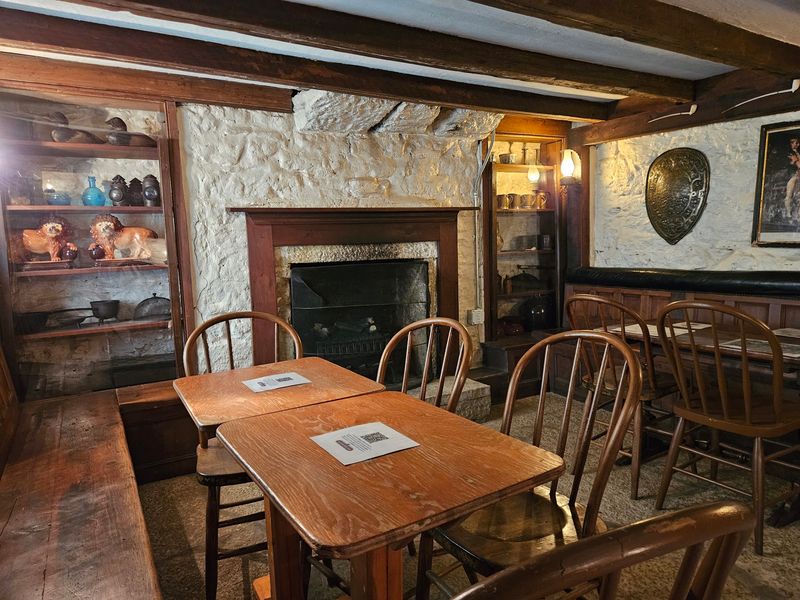
Kiddleywink. Go ahead and say it out loud, because the name is just plain fun.
In Cornwall, the word was used for a small, simple alehouse.
Hidden in the basement of Tamblyn’s Row, this cozy little pub has stone walls, wooden furniture, and a snug, tucked-away feeling. It really looks like it has been there since the 1800s.
Here is the twist, though: it was actually created in the 1960s.
Edgar Hellum built it after traveling to Cornwall and falling in love with the pubs he visited there. He wanted to recreate that charm back in Mineral Point.
So the Kiddleywink is not an original miners’ tavern, but it is still a real part of the Pendarvis story.
Think of it as history about history. It shows how the preservers themselves added their own touch to the site.
When you visit, ask your guide about Edgar’s trips. Knowing the backstory makes this little room feel even more special.
Walk Through the Merry Christmas Mine Hill Trails
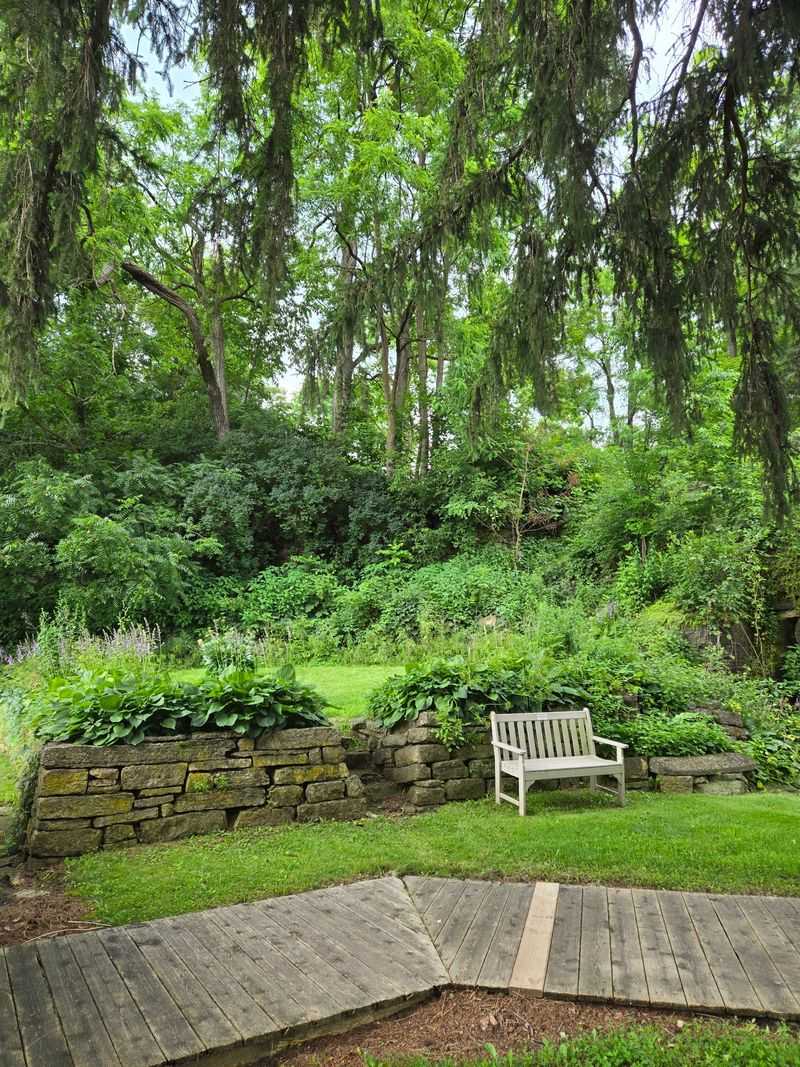
More than 100 badger holes dot this hillside, and no, actual badgers did not dig them. Early lead miners carved shallow pits and shelters into the ground, earning Wisconsin its famous Badger State nickname.
Right next to Pendarvis, the Merry Christmas Mine Hill connects the cottages to the land that drew miners here in the first place. Walking trails wind past old mine shafts and other mining features.
Along the way, signs explain how lead and zinc were pulled from the earth.
The scenery is lovely too. Prairie grasses and wildflowers have grown over much of the hill, so you get history and nature in one easy outing.
On a sunny day, the views across town are worth the climb.
A few practical tips will help. Wear sturdy shoes, since the ground can be uneven, and bring water on warm days.
The trails stay open from sunrise to sunset, so an early morning walk before touring the cottages is a smart plan.
Experience One of Wisconsin’s Early Preservation Efforts
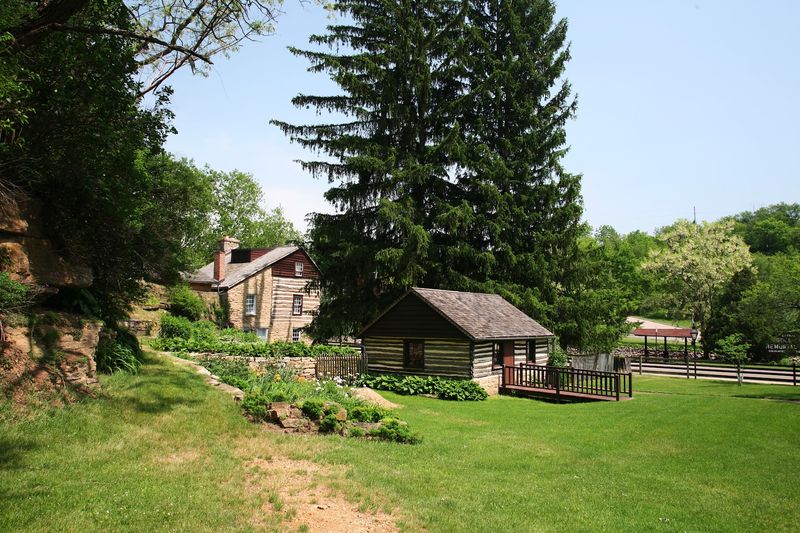
Long before saving old buildings was a popular idea, two friends in Mineral Point were already doing it. That makes Pendarvis much more than a cluster of cute houses.
Neal and Hellum’s work helped turn endangered miners’ cottages into a real historic site. Their effort also inspired others in town to care about old buildings.
Today, Mineral Point is known for its charming historic character, and Pendarvis played a big part in that.
In 1971, the Wisconsin Historical Society acquired the property. From then on, it has been run as an official historic site, so visitors can keep learning from it for generations to come.
Here is something to think about while you walk around. Every stone you see survived because somebody decided it mattered.
That is a pretty powerful idea.
If your family enjoys this kind of story, consider supporting local historical groups back home. Even small donations or volunteer hours can help protect the places that make a community unique.
Plan Your Visit
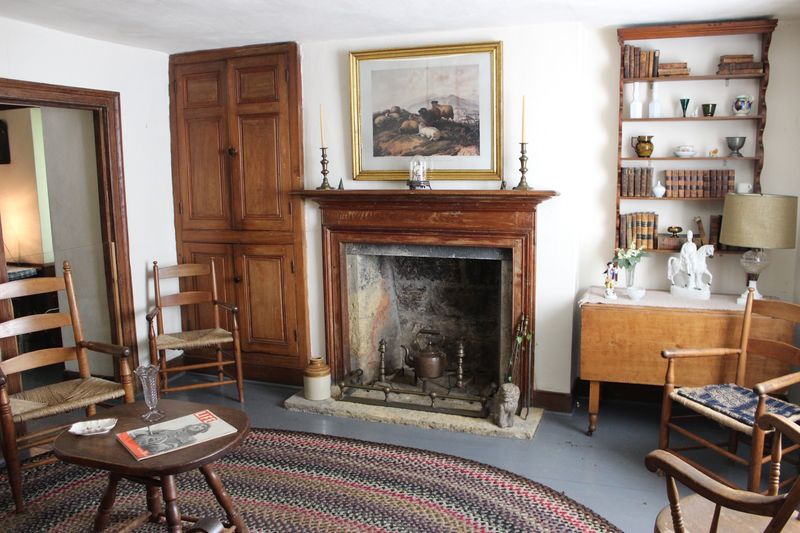
Ready to go? A little planning makes the trip smooth and stress-free.
Pendarvis sits at 114 Shake Rag Street, Mineral Point, WI 53565. The visitor center and store are right on site, so start there to get oriented.
In 2026, the regular season runs from May 28 through October 11, open Thursday through Sunday, with admission hours from 10 a.m. to 4 p.m.
Tickets are budget friendly. General admission costs $12 for adults and teens, $11 for seniors, $8 for kids ages 5 to 12, and nothing at all for children under 5.
Wisconsin Historical Society members get in free, which is a nice perk if you visit historic sites often.
Keep in mind that the grounds have hills, steps, and uneven paths. Some historic buildings also have limited access.
If anyone in your group has mobility needs, call 608-987-2122 before you go.
Finally, give yourself a few hours. Between the cottages, the trails, and downtown, there is plenty to explore.