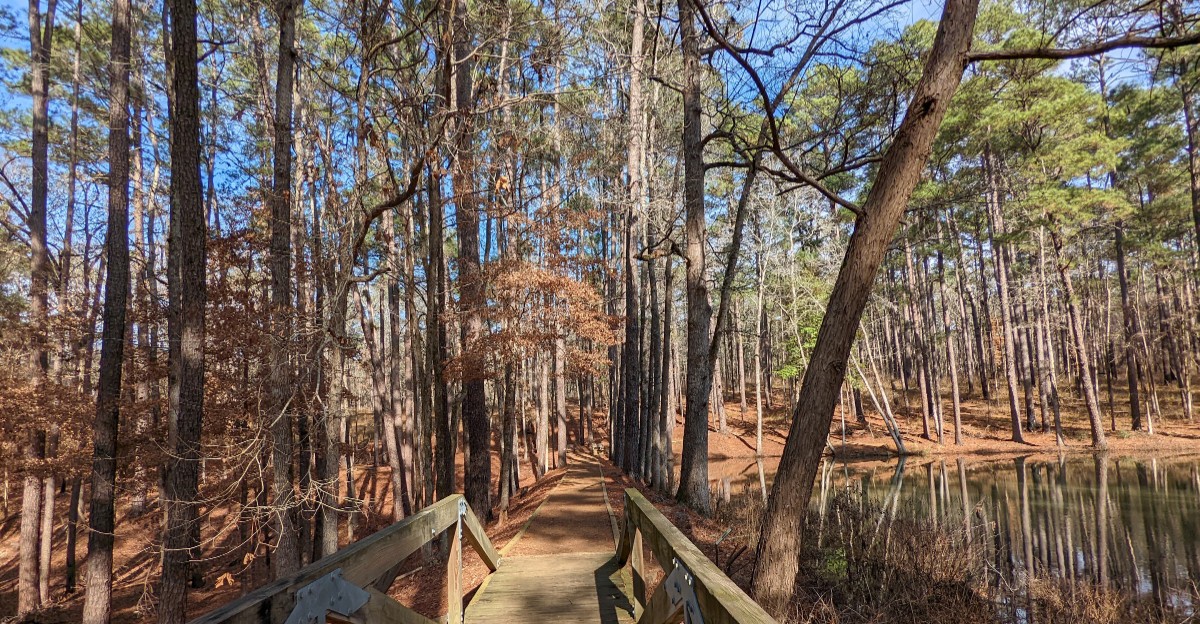
The crunch of pine needles underfoot can make a Texas afternoon feel surprisingly far from the usual highways and wide-open landscapes. When fall arrives, forest trails across the state offer a different kind of escape, with towering pines, quiet lakes, shaded paths, and pockets of seasonal color.
These Texas forest trails show that you don’t need mountain peaks to enjoy a memorable autumn walk. Some routes wind through dense woodland where the air smells of pine and damp earth, while others follow lakeshores or gentle stretches of forest that make it easy to slow your pace.
Cooler fall temperatures can make longer walks more comfortable, although Texas afternoons may still bring plenty of warmth.
From peaceful woodland paths to trails with water nearby, these 10 Texas forest trails reveal a quieter side of fall and give you plenty of reasons to explore it on foot.
Watch the Lost Pines Recover at Bastrop State Park
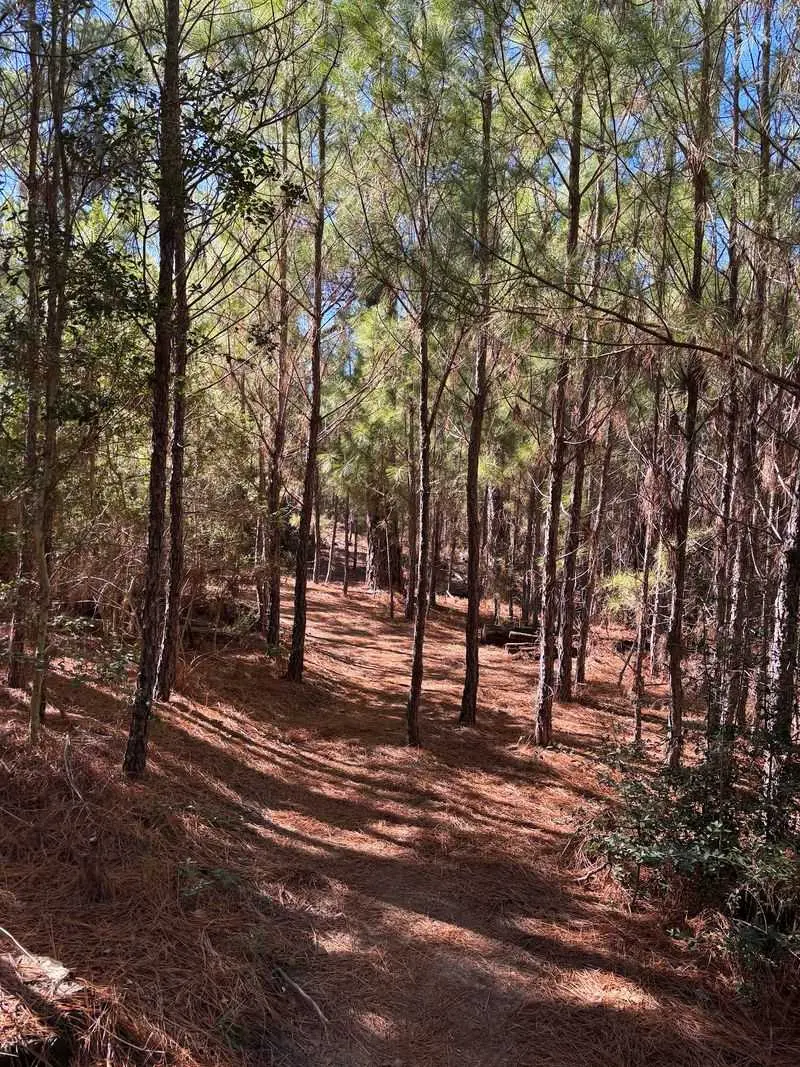
Pine needles soften your footsteps, but the gaps between trees tell another story. At Bastrop State Park, the Lost Pines landscape shows both the damage from the 2011 wildfire and the steady work of forest recovery.
The 8.4-mile Lost Pines Loop offers a longer backcountry outing through this changing setting. Expect a mix of wooded stretches and exposed ground rather than an unbroken tunnel of shade, and give yourself enough daylight to finish without rushing.
For a shorter visit, look at the Tree Army Trails, which offer up to 4.5 miles of routes and include accessible sections. Ask park staff which paths best match your group, especially if you need smoother surfaces or want to avoid a lengthy walk.
Bring water even when the morning feels cool, since sunny sections can warm quickly. Fall color here is more about small changes among the hardwoods than a sweeping show of red leaves.
The real reward is noticing young trees beside older survivors, a reminder that a forest can be worth visiting while it is still finding its way back.
Take the Unhurried Route at Buescher State Park
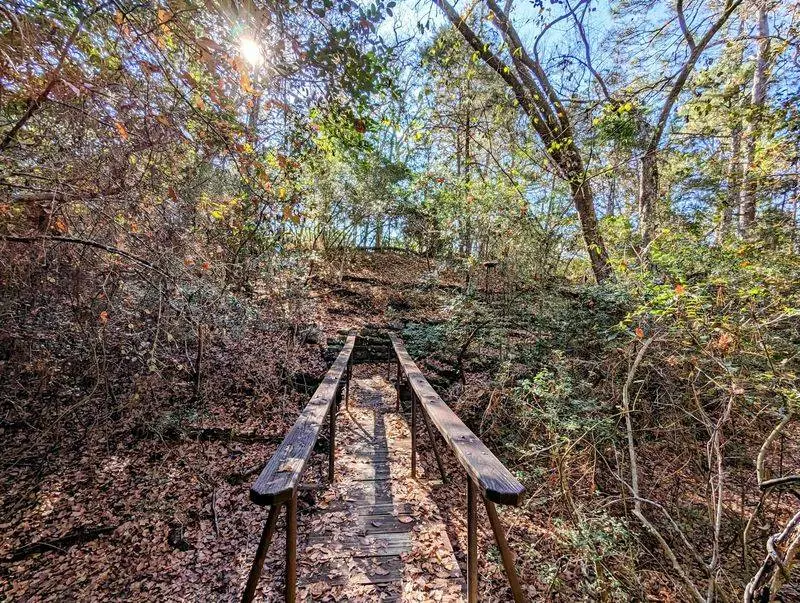
A few turns into the woods, your afternoon can stop feeling like a schedule. Oak leaves shift overhead, the path bends out of sight, and Buescher State Park near Smithville gives you room to walk without chasing a big viewpoint.
The Winding Woodland Trail runs 1.5 miles one way beneath oak and cedar trees. Remember that one-way distance when planning your outing, since returning along the same route adds mileage that can surprise an eager first-time visitor.
Those wanting more time among tall loblolly pines can consider the Pine Gulch Trail, listed at 4 miles one way. Study the current trail map before leaving, and choose a turnaround point that leaves enough energy for the return journey.
A small snack break works nicely here, especially when you find a place to pause without blocking the path. Carry your wrappers back out and listen for birds while you rest.
The woodland setting offers a quieter kind of fall pleasure: changing light, scattered leaves, and the simple relief of spending an afternoon somewhere that does not ask you to hurry.
Pair Pine Shadows With Lake Time at Tyler State Park
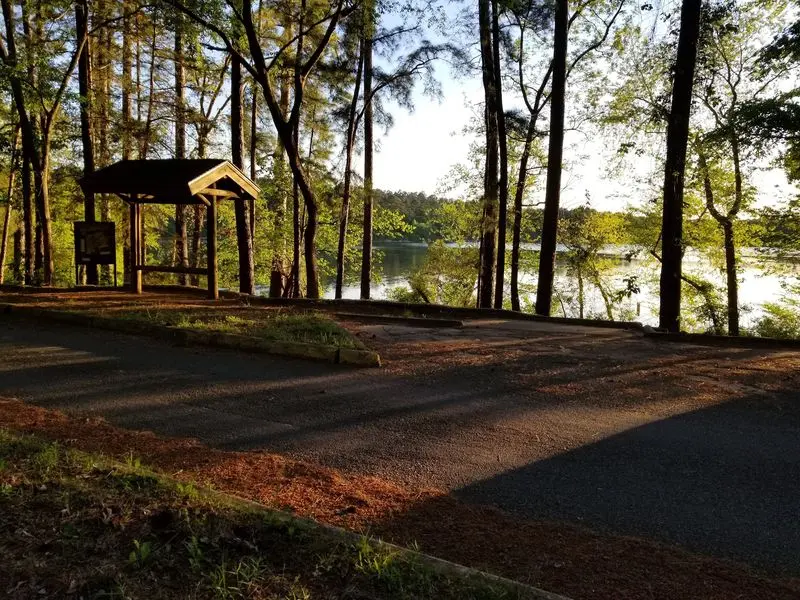
The lake can wait a little while. Before settling beside the water, head into the trees at Tyler State Park, where the B Loop turns a familiar East Texas outing into a walk through several kinds of forest.
At 3.1 miles, the route gives you time to find a rhythm without committing to an all-day hike. Its elevation changes also mean this is not simply a flat stroll, so wear shoes with good grip and allow breaks on the rises.
The 2.6-mile A Loop provides a somewhat shorter choice if your group wants less distance. Check the map for the correct starting point and current trail conditions, particularly after rain, when roots and packed soil may become slippery under fallen leaves.
Afterward, make time for the spring-fed lake that anchors the park. Bring a picnic rather than treating the hike as a quick stop between errands.
Pine trees remain green through fall, while nearby hardwoods supply the seasonal touches. Together, the woods and water create a satisfying change of scene without needing a steep climb or a distant summit.
Follow the Water Into the Woods at Huntsville State Park
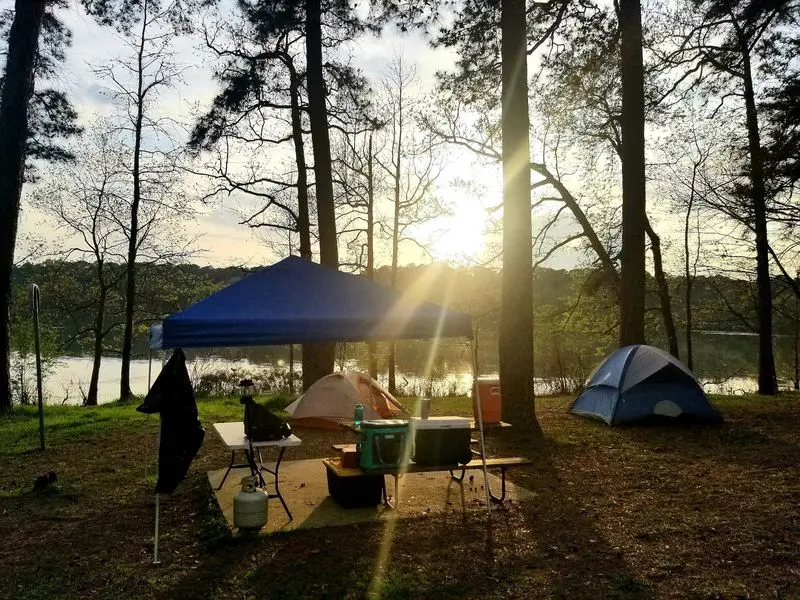
One moment you are watching ripples, and the next you are listening to leaves beneath your shoes. That shift is the appeal of Prairie Branch Loop at Huntsville State Park, where Lake Raven and the forest share the same short outing.
The 1.5-mile round trip follows the lake for roughly half its length and passes through mixed pine and hardwood forest for the rest. It is a useful choice when your group wants variety without planning a long day on the trail.
Pause near the water to look for birds, but give wildlife plenty of room and never feed it. Alligators live in the park, so keep pets leashed and away from the shoreline, and follow posted guidance rather than approaching for a photograph.
Longer routes include the 8.4-mile Triple C Trail and the 6.9-mile Chinquapin Trail. For a relaxed fall visit, though, the shorter loop leaves time for lunch and another lakeside pause.
Bring binoculars if you have them; they turn a distant movement across the water into something worth watching without stepping off the path or disturbing the scene.
Look Closer Along the Wildlife Trail Near Jasper
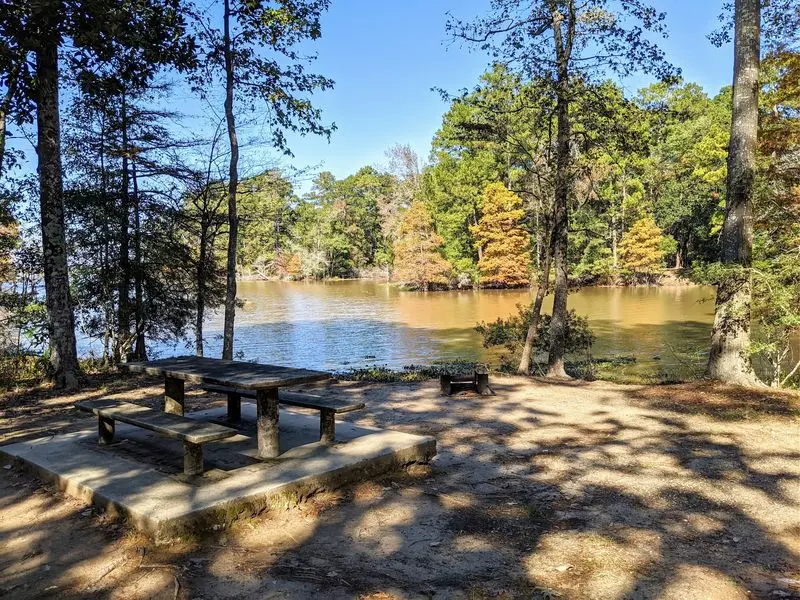
A glossy magnolia leaf can catch your eye as easily as a bright fall maple. Along the Wildlife Trail at Martin Dies, Jr. State Park near Jasper, small details carry the story of a forest at the edge of the Big Thicket.
The 1.4-mile route moves between clearings and dense woods, giving the walk a changing mood. Tall pines provide height, while magnolias add broad leaves and deep green patches that remind you autumn does not look the same everywhere.
Walk slowly enough to notice movement beside the trail, but do not expect animals to appear on demand. A pair of binoculars helps with birds in the branches, and a quiet pause often reveals more than talking while you walk.
Pack insect repellent, water, and shoes that can handle damp ground. Cooler weather does not always mean mosquitoes have disappeared, especially in this part of East Texas.
Check conditions before driving out, then leave room in your plans for an unhurried visit. The route is short enough to favor attention over mileage, making each clearing and shaded stretch part of the experience.
Trade a Summit for a Lakeside Forest at Lake Livingston
Not every walk needs a dramatic finish. Sometimes the nicest part is finding a steady pace beneath the trees, knowing a broad lake is nearby and that you have nowhere else to be for the next hour.
At Lake Livingston State Park, the 2.1-mile Trinity Trace Trail offers forest scenery and chances to watch wildlife. Keep your eyes moving between the ground and the branches, since roots deserve attention even when a bird catches your interest overhead.
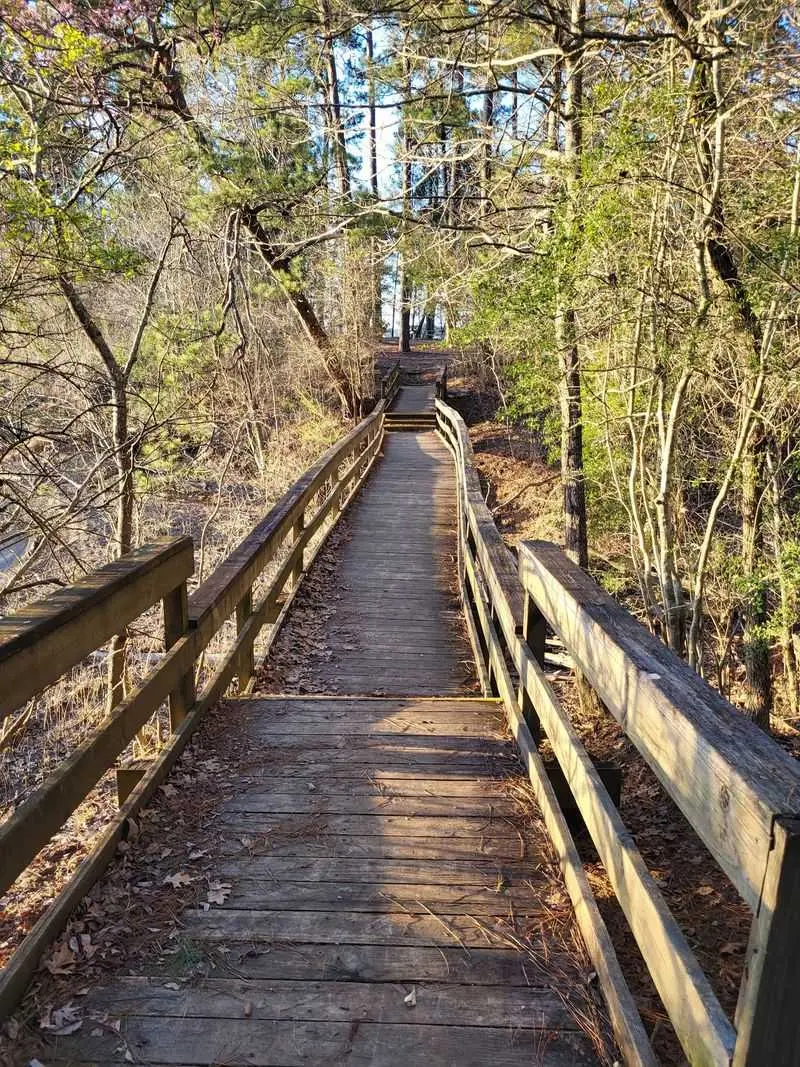
The 2-mile Bakba Trail gives you another woodland option, while the 0.9-mile Pineywoods Boardwalk Trail passes through wetland and woodland habitats. Check current access and surface conditions before choosing, especially if someone in your group needs a more predictable walking surface.
Plan a separate stop beside the lake rather than expecting every forest route to provide open water views. A packed lunch can stretch the outing into a full, easygoing afternoon.
Fall temperatures vary, so dress in layers and carry water. Here, the pleasure comes from moving between sheltered woods and open shoreline, two different settings that make a modest walk feel pleasantly complete.
Make a Small Adventure of Dogwood Trail at Lake Bob Sandlin
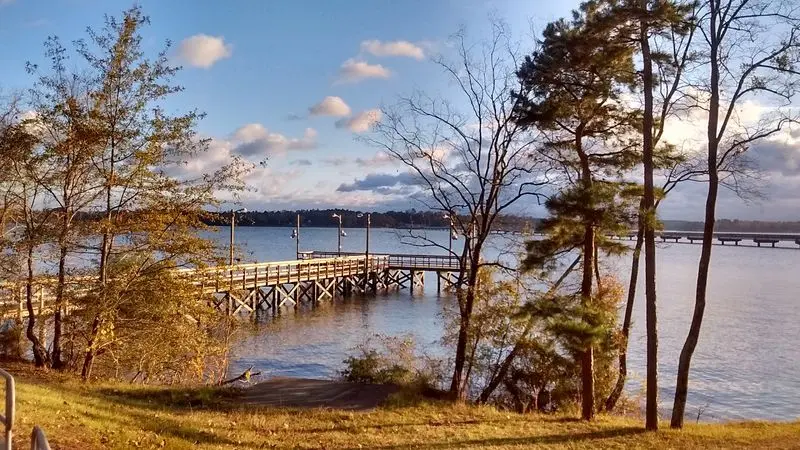
A pond at the end of a woodland walk is a small reward, but sometimes small rewards suit the day best. The Dogwood Trail at Lake Bob Sandlin State Park near Pittsburg offers that kind of low-pressure fall outing.
Its 1.7-mile route travels through forest toward the Trout Pond. The park lies where the Pineywoods, Oak Woods, and Prairie regions meet, so the interest comes from the mix of plants rather than one single type of tree.
For a shorter option, consider the 0.3-mile Brim Pond Trail, which passes pines, ferns, and other woodland growth. Use the current map to understand how trails connect, and avoid assuming that every named route begins beside the same parking area.
Children can turn the walk into a search for different leaf shapes, leaving each find where it belongs. Adults may prefer a pause near the pond with a thermos and a snack.
Neither approach needs a fast pace. Wear sturdy shoes, pack out everything you bring, and allow the changing forest to set the mood instead of trying to cover every trail in one visit.
Let the Leaves Set the Pace at Daingerfield State Park
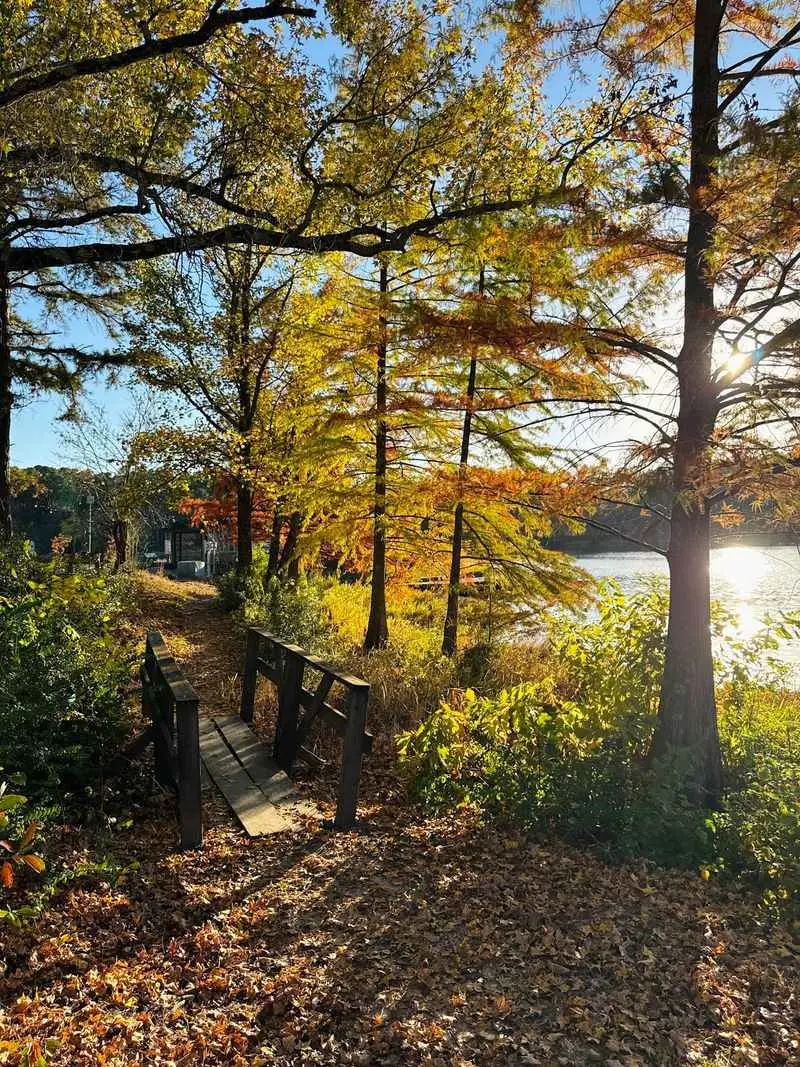
Dry leaves announce each step, then the sound fades when you stop. Around Little Pine Lake at Daingerfield State Park, that simple rhythm can become the best part of an autumn morning beneath remarkably tall trees.
The 2.4-mile Rustling Leaves Trail carries you through a forest that park descriptions call the Cathedral of the Trees. With pines reaching about 100 feet, the sense of height comes from the canopy rather than a mountain rising in the distance.
Bring a camera, but look beyond the obvious lake scene. A single colored leaf against dark water or a row of trunks reflected near shore can make a stronger picture than trying to fit the whole forest into one frame.
If you want a climb, the 0.8-mile Mountain View Trail reaches pine-covered bluffs. Despite its name, you do not need a mountain vacation to enjoy the setting.
Check the route and footing before adding it to your day, and save time for a quiet break afterward. Fall color changes with weather and timing, but the lake and tall pines provide plenty to enjoy regardless.
Discover Two Forest Worlds at Caddo Lake State Park
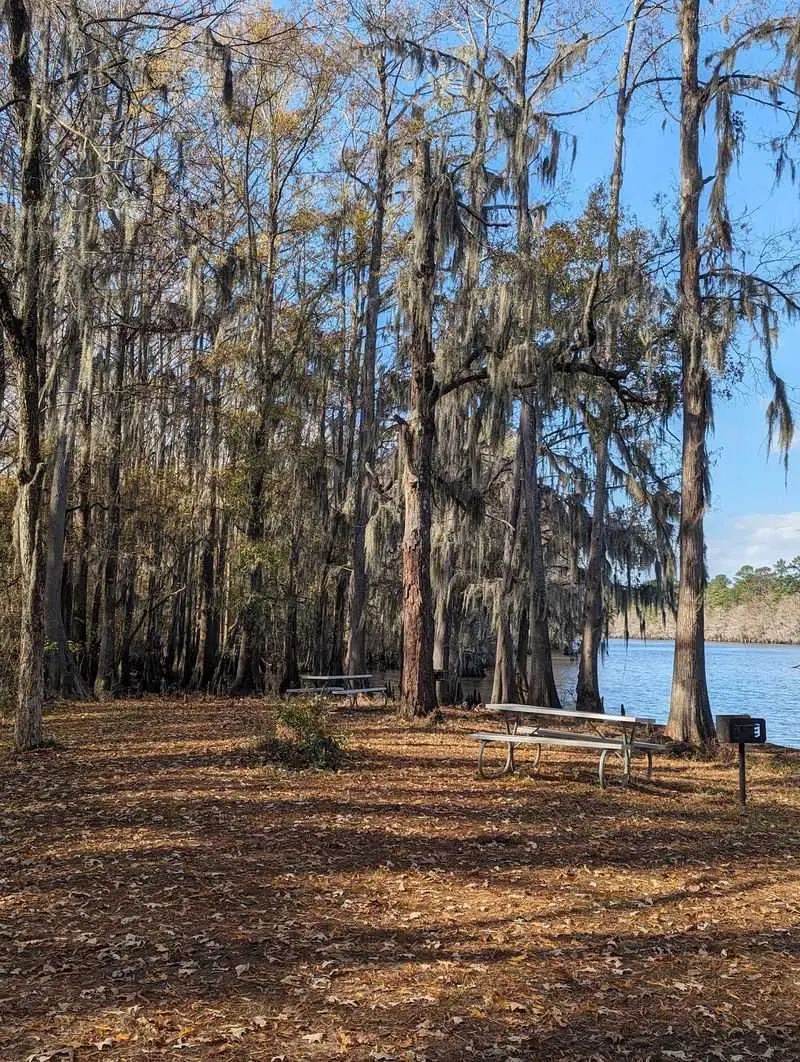
Spanish moss hangs over the water, yet a short walk can lead you into a very different woodland. Caddo Lake State Park near Karnack combines the mood of a cypress swamp with the quieter textures of pine and hardwood forest.
The Caddo Forest Trail measures 0.7 miles, making it a manageable starting point for exploring on foot. Treat the surrounding swamp scenery and the trail itself as related but different experiences, rather than expecting every step to follow the water.
The 0.2-mile Pine Ridge Spur adds another change, passing from upland pine forest toward bottomland hardwoods. Carry the park map so you can make sense of these short connections and choose a route that matches the time you have.
Damp weather can leave the ground slick, so shoes with traction matter more than the modest distances suggest. Keep insect repellent handy and leave wildlife undisturbed, particularly near the water.
After your walk, seek out a designated waterside viewing area to appreciate the cypress setting. The contrast between airy pine woods and the shadowed swamp gives the visit its character, without any need for altitude.
Walk Through Layers of History at Mission Tejas State Park
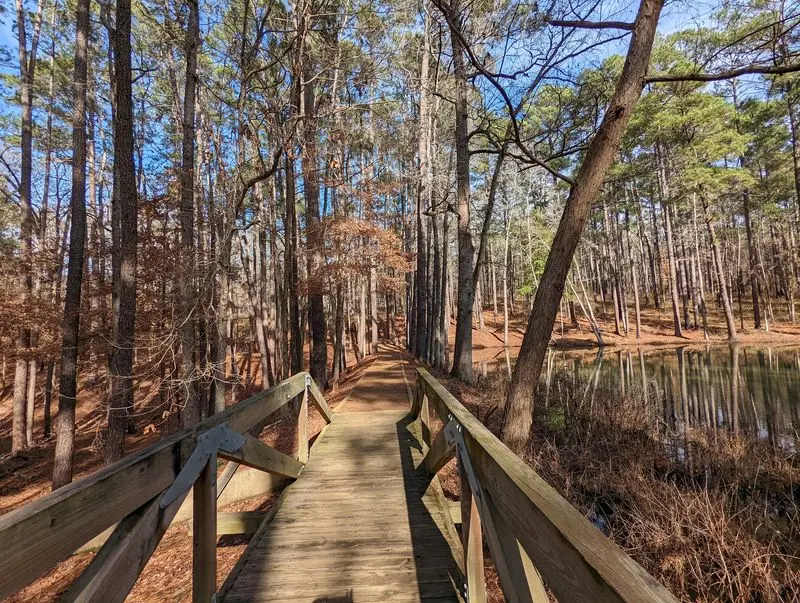
The ground beneath a forest path can hold more history than the view first suggests. At Mission Tejas State Park near Grapeland, a fall walk brings tall pines together with traces of routes used long before modern park visitors arrived.
Nabedache Loop passes remnants of El Camino Real, adding a historical thread to the woodland scenery. Read available signs as you go, and avoid treating old road traces as places to collect objects or wander beyond marked routes.
The park has 8.5 miles of trails overall, including the Hardwood Trail, Primitive Loop, and Steep Ravine Trail. Those names hint at variety, but a current map and advice from staff will tell you more about distance, footing, and connections.
Fall color often arrives later in the year here, so check recent conditions rather than planning around a fixed calendar date. Carry a light layer for the morning and water for warmer hours.
Leave time to explore the park’s historical features as well as its woods. A slower visit lets the landscape become more than scenery: it becomes a place where travel, settlement, and forest life overlap.