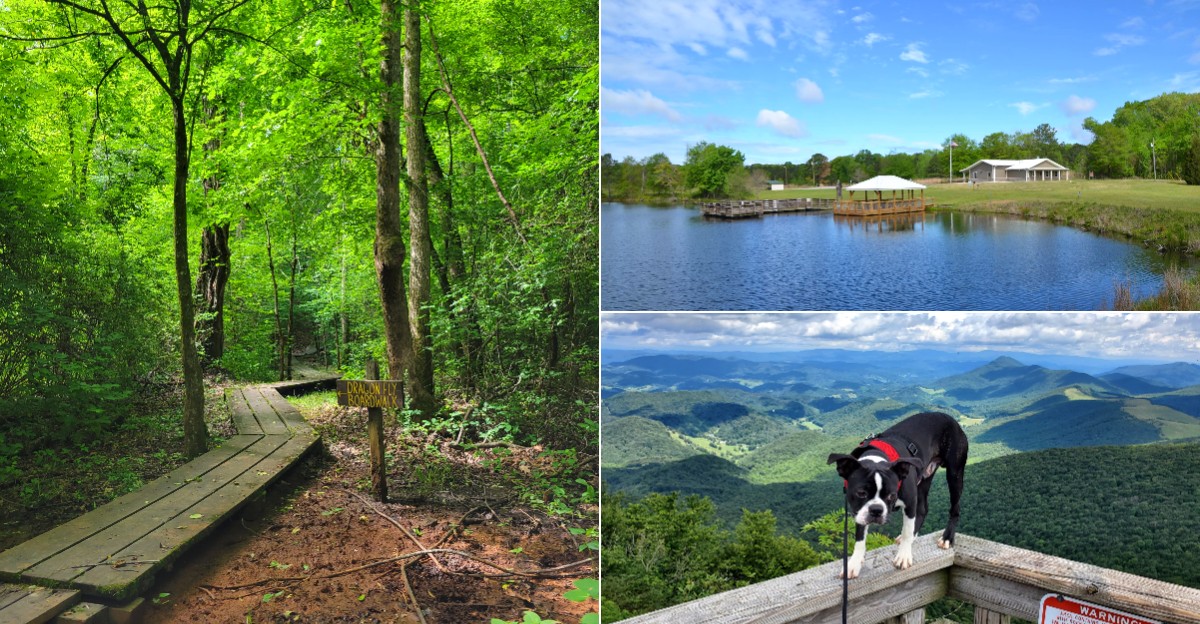
When the leaves begin to turn, North Carolina’s quieter corners become some of the best places to slow down and explore.
Nature preserves across the state protect everything from maritime forests and longleaf pines to rocky mountain summits.
Their trails tend to be less crowded than big-name parks, giving hikers more room to enjoy the season in peace.
Cool temperatures and crunchy leaves make every walk feel a little more magical.
From the Outer Banks to the Blue Ridge, there is a hidden gem within reach of nearly every corner of the state.
Here are thirteen North Carolina nature preserves made for fall hiking.
1. Coastal Woods With a Surprise: Nags Head Woods Preserve – Kill Devil Hills, Dare County,
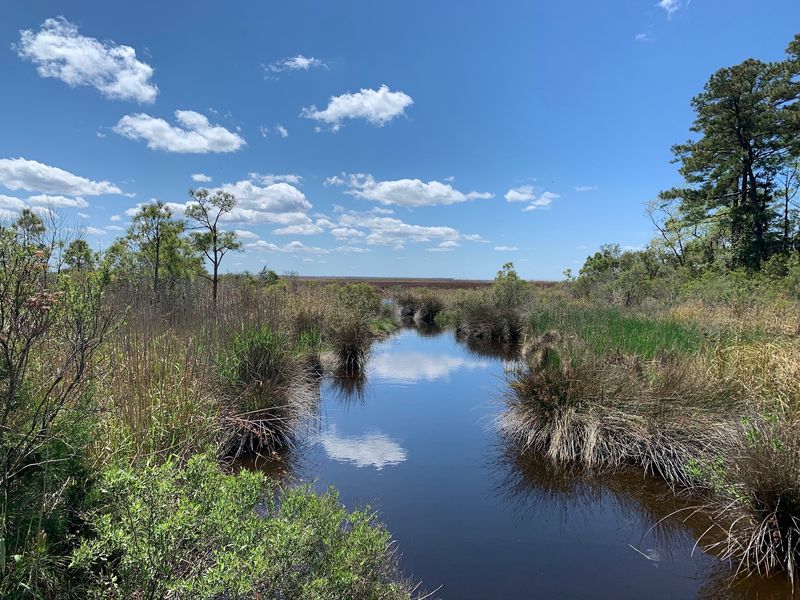
Salt air and wooded hills make an unexpected pair on the Outer Banks. At Nags Head Woods Preserve in Kill Devil Hills, a protected maritime forest offers a welcome change from beach walks. Autumn brings comfortable weather, scattered leaf color, and fewer distractions along trails that wind past ponds and shaded slopes.
Unlike the flat shoreline nearby, parts of this landscape rise and dip over old dunes. Expect roots, sandy footing, and occasional climbs rather than one smooth path. Choose a route from the posted trail map before starting, especially if younger hikers or anyone with limited mobility joins your group.
The Nature Conservancy protects this woodland, which supports plants and wildlife that thrive behind the coastal dunes. Freshwater ponds add another layer of interest, so pause quietly and watch for turtles or birds without approaching them. Fall color here is often mixed with evergreen growth, creating a softer display than the mountains offer.
Wear closed shoes, carry drinking water, and bring insect repellent even when the air feels cool. Check current access details and trail rules before visiting because permitted activities can differ by trail. Give yourself time to notice bark, shifting light, and the surprising hush just minutes from busy beach roads.
2. A Quiet Side of the Coast: Theodore Roosevelt Natural Area – Pine Knoll Shores, Carteret County,
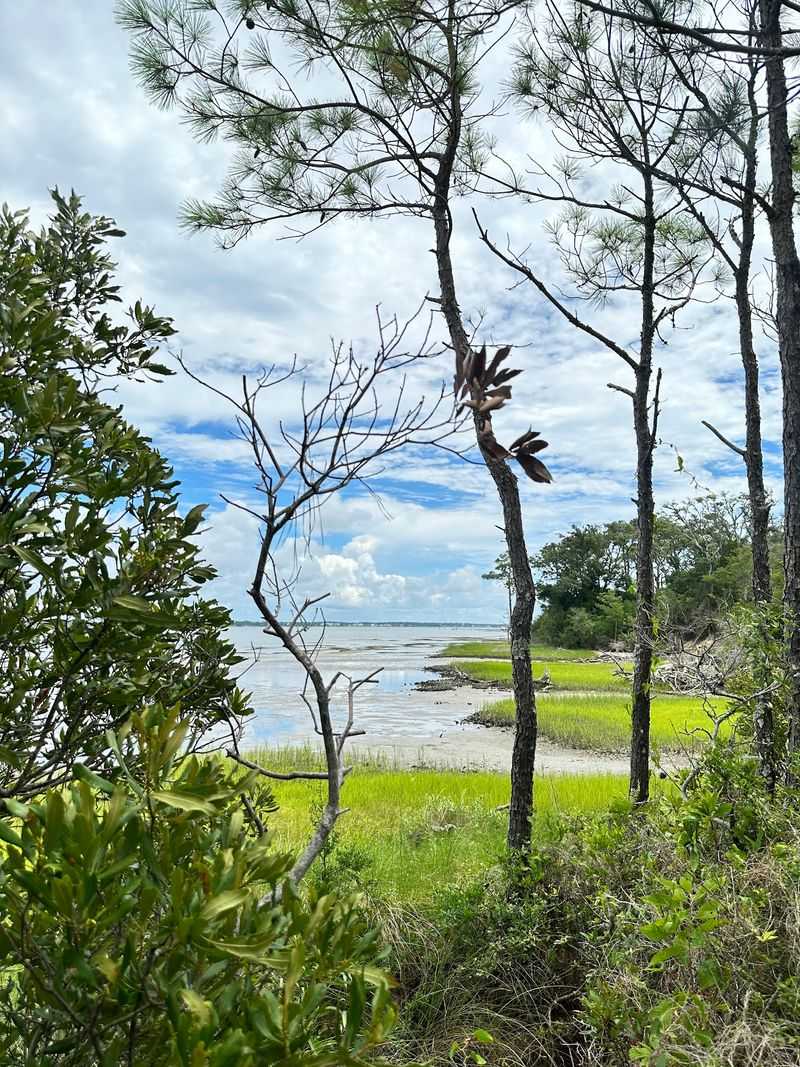
A break from crashing waves can lead you into a much quieter coastal world. Theodore Roosevelt Natural Area in Pine Knoll Shores protects maritime forest and marsh habitat beside the North Carolina Aquarium. Its wooded paths make a pleasant fall outing when cooler temperatures soften the coast’s summer heat.
Evergreen plants share space with trees that show seasonal color, so expect texture and changing light rather than a mountain-style blaze. Look closely at twisted branches, fallen leaves, and the edges where woods meet wetter ground. Bird activity can be rewarding, especially when you stop talking and listen for movement above the trail.
Access arrangements matter here because the aquarium’s grounds and the natural area’s trails are not all managed in the same way. Check official information for the Roosevelt Nature Trail and any aquarium-linked trail before planning your walk. Confirm parking, hours, admission requirements where applicable, and whether your chosen route is currently open.
Bring water and bug spray, and wear shoes that handle sandy ground and exposed roots. Coastal weather can change quickly, so a light rain layer belongs in your bag. Keep to marked paths to protect fragile plants and avoid muddy marsh edges. Pair the outing with an aquarium visit if schedules allow enough unhurried time.
3. Pines, Pitcher Plants, and Open Sky: Green Swamp Preserve – Supply, Brunswick County,
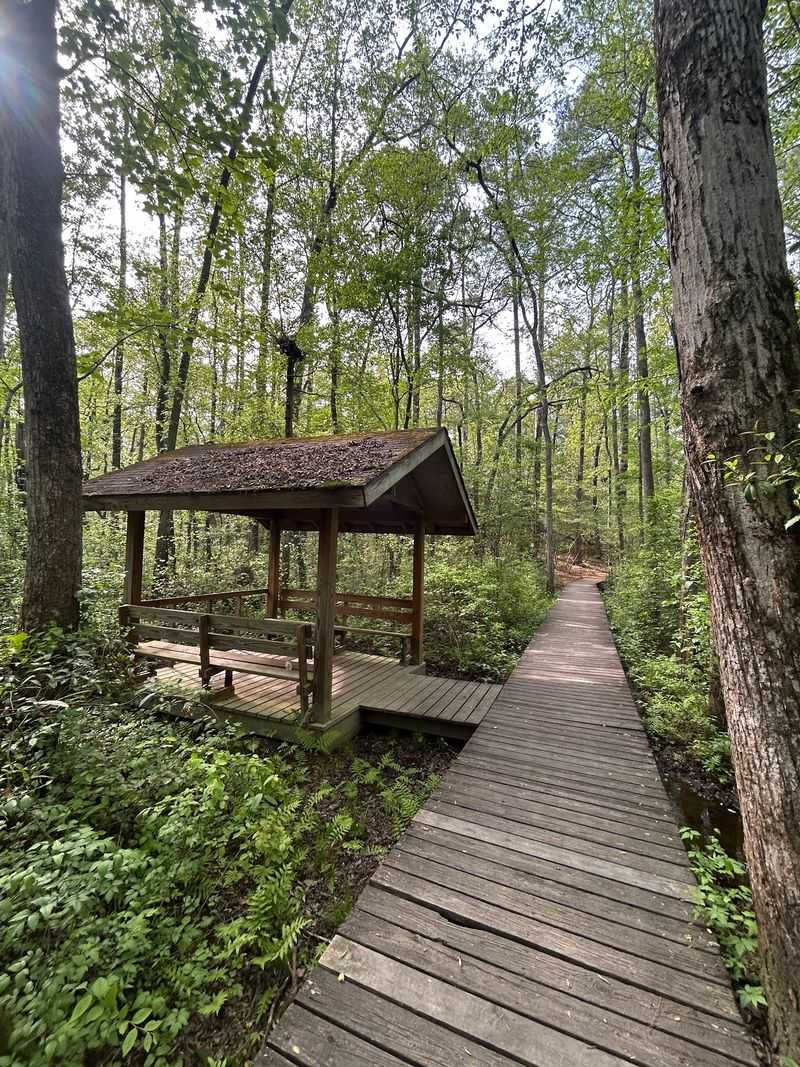
Some of the best discoveries happen when you look down instead of up. Near Supply, Green Swamp Preserve protects longleaf pine savannas where grasses, wildflowers, and carnivorous plants make the ground especially interesting. Fall hiking here is less about a thick canopy of red leaves and more about golden light between tall pines.
The landscape depends on periodic fire, which helps keep the understory open and supports its unusual plant community. Pitcher plants and Venus flytraps occur in the preserve, but sightings depend on location, season, and conditions. Never pick plants, dig them up, or leave the trail to search for a better photograph.
Although the terrain is generally flat, wet patches and uneven footing can make a short walk feel longer. Wear sturdy shoes that you do not mind getting dirty, and avoid visiting during thunderstorms. Open sections offer little shelter, so carry sun protection even on cool autumn days.
The Nature Conservancy manages the preserve, and access can change because of prescribed burns or other work. Review current visiting guidance before driving out, and follow every closure sign. Bring water, insect repellent, and a downloaded map. A slow pace gives you the best chance to appreciate this remarkable habitat without disturbing its delicate residents.
4. Where Longleaf Pines Set the Pace: Weymouth Woods Sandhills Nature Preserve – Southern Pines, Moore County,
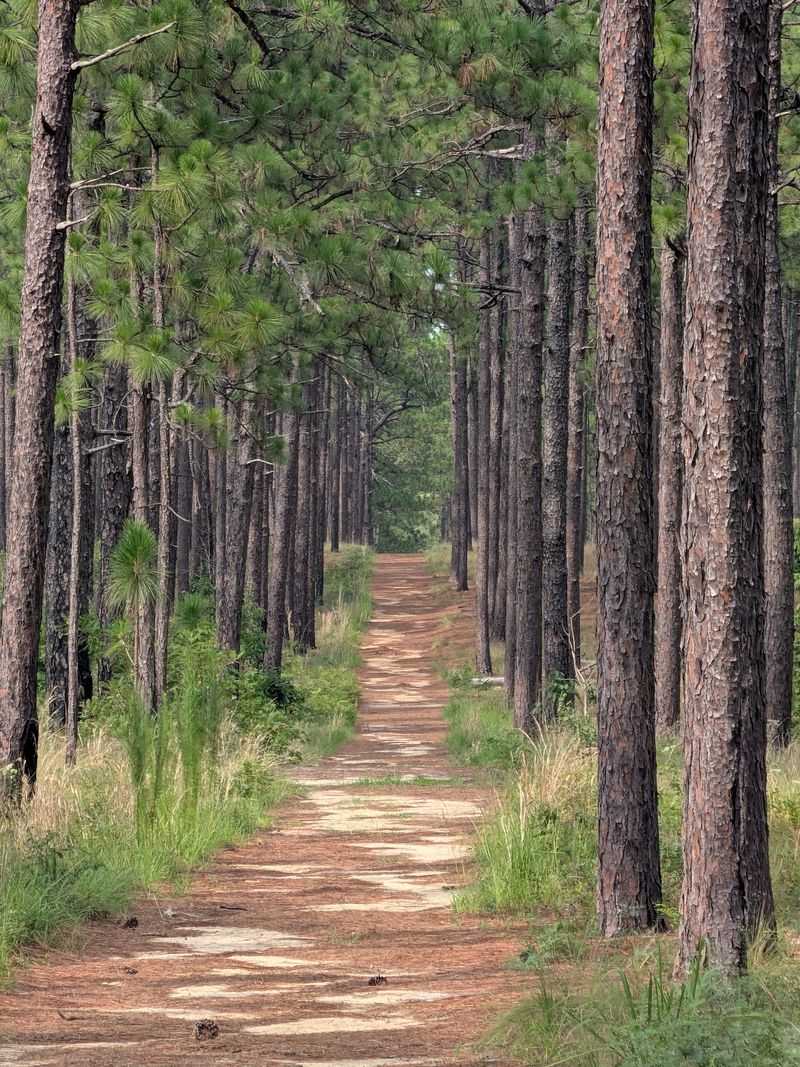
Pine needles underfoot give a fall walk a different kind of soundtrack. At Weymouth Woods Sandhills Nature Preserve in Southern Pines, tall longleaf pines frame trails through a landscape shaped by sandy soil and fire. The setting feels spacious, with sunlight reaching grasses and shrubs beneath the trees.
Do not arrive expecting every branch to turn orange. Longleaf pines stay green, while hardwood pockets and low plants add smaller bursts of seasonal color. That contrast makes autumn a good time to study the forest’s layers instead of simply chasing the brightest leaves.
The preserve offers several trails that can be combined into a walk suited to your energy and schedule. Stop at the visitor center when open for maps, exhibits, and information about ranger programs. Staff can also explain how prescribed burning supports the habitat and why staying on designated routes matters.
Listen for woodpeckers, but remember that spotting wildlife takes patience rather than a guaranteed trail choice. Binoculars are useful, and a small field guide can turn a family outing into a relaxed scavenger hunt. Carry water and wear shoes with good grip on loose sand and roots. Before visiting, check posted hours, weather, and any temporary closures affecting your planned trail or parking area.
5. Follow the Wings Through Fall: Pee Dee National Wildlife Refuge – Wadesboro, Anson County,

A flutter over the water may become the highlight of your entire walk. Pee Dee National Wildlife Refuge near Wadesboro combines forests, wetlands, and managed fields that support many kinds of birds. During fall, changing leaves and seasonal bird movement give visitors plenty of reasons to slow their steps.
Think of this outing as wildlife watching with hiking mixed in, rather than a race to finish miles. Bring binoculars and scan pond edges from an approved viewing spot. Waterfowl numbers vary with weather and timing, so enjoy whatever appears instead of expecting a particular species.
Refuge roads, trails, and public access areas may have different rules or seasonal restrictions. Hunting also occurs under refuge regulations, making current notices especially useful when planning an autumn visit. Check the official refuge map and alerts, choose an open walking route, and wear bright clothing when appropriate.
Wet ground can linger after rain, while open stretches may feel warmer than shaded woods. Pack water, waterproof footwear if conditions call for it, and a layer for breezy overlooks. Keep a respectful distance from animals, and never feed them for a closer photo. Quiet observation helps protect the refuge’s purpose while making your own visit richer, calmer, and more memorable along the way.
6. Mountain Mood Close to Town: Hemlock Bluffs Nature Preserve – Cary, Wake County,
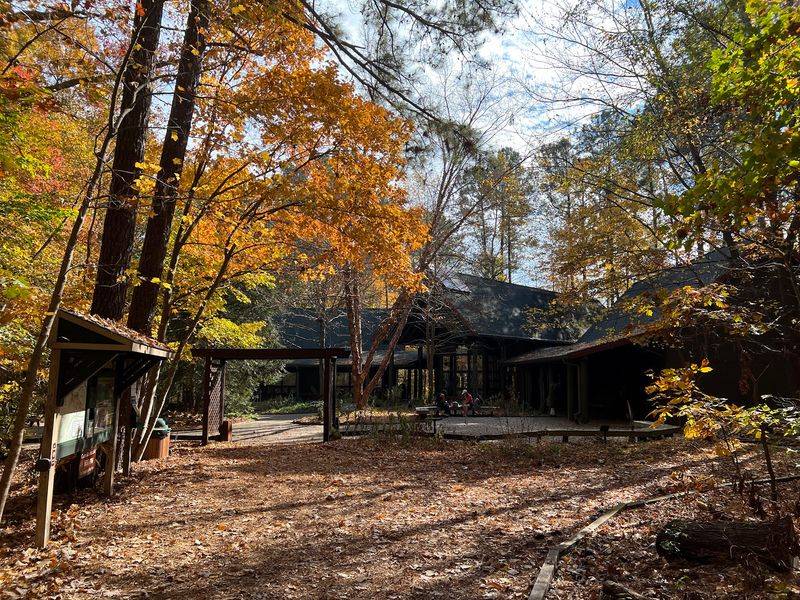
You do not have to drive into the mountains to find a cool, sheltered forest. Hemlock Bluffs Nature Preserve in Cary protects a setting where eastern hemlocks grow far from their more familiar mountain home. Shaded slopes help create the cooler conditions that make this small preserve unusual.
Autumn brings a mix of evergreen needles and colorful hardwood leaves, with wooden stairs adding variety to the walk. Those steps can be tiring even when the total distance sounds modest. Choose your route carefully if knees, balance, or stroller access are concerns, and consult the trail map before leaving the entrance.
The Stevens Nature Center provides a starting point when open, with exhibits and programs that explain the local environment. Families can turn the outing into a search for different leaf shapes rather than trying to name every tree. Listen for birds and notice how the air feels different as the trail moves toward shaded ground.
Stay behind barriers and away from steep bluff edges, where loose leaves may hide slippery footing. Carry water, use shoes with traction, and allow extra time for stairs on the return. Check Cary’s current preserve hours and rules before visiting. An early weekday walk often offers more room to enjoy the woodland quietly.
7. Creekside Color Without the Rush: Johnston Mill Nature Preserve – Chapel Hill, Orange County,
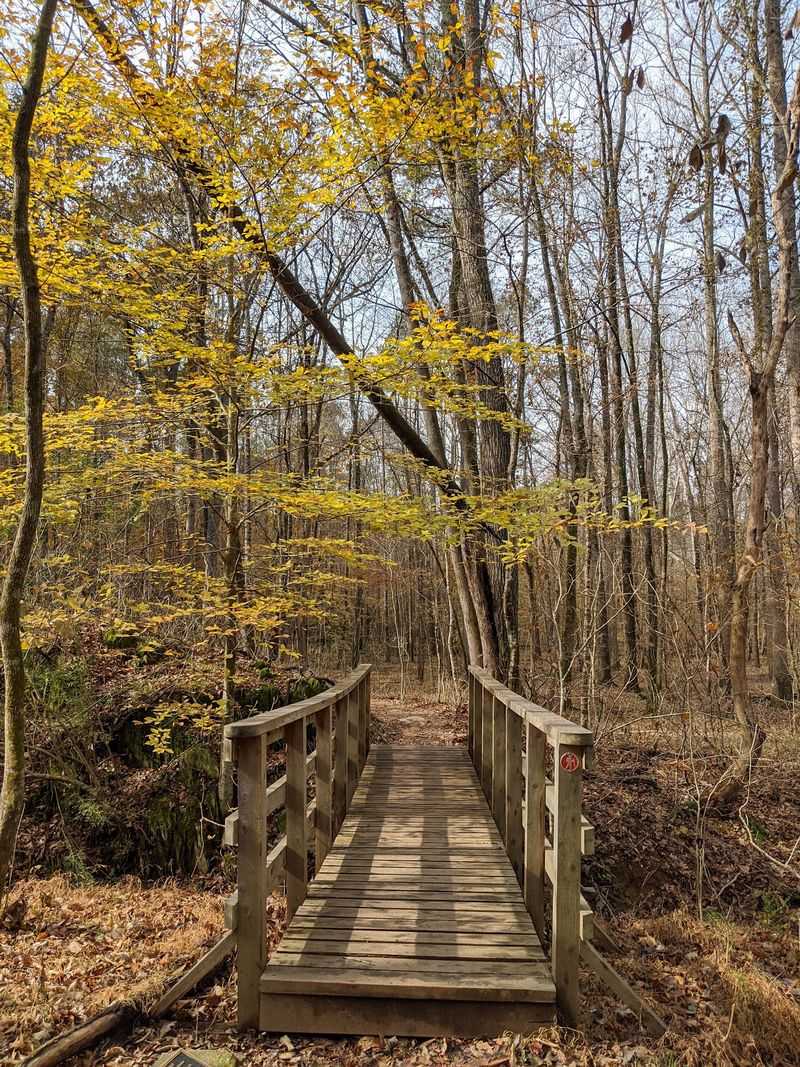
Moving water gives fallen leaves somewhere to gather, spin, and drift. Johnston Mill Nature Preserve near Chapel Hill offers that simple pleasure along wooded trails connected to the New Hope Creek landscape. Protected by the Triangle Land Conservancy, the property pairs creekside scenery with reminders of the area’s working past.
Fall is a fine season for noticing old trees, rocky ground, and the changing colors reflected in quieter water. Instead of rushing toward a single viewpoint, let the creek guide your attention. A short pause can reveal birds in low branches or tiny ripples moving around a half-submerged leaf.
The trail network allows different route choices, so photograph the posted map or download one before starting. Roots, rocks, and damp sections call for sturdy footwear, especially after rain. Do not assume that a nearby creek crossing or muddy stretch will be safe simply because other visitors have passed through.
Bring water and a snack, then pick a durable resting spot that does not block the path. Respect posted rules for dogs and other activities, and leave historical features untouched. Parking is limited compared with larger parks, so avoid crowding entrances or roadside edges. Check current conditions before your visit and leave room in your schedule for an unhurried return.
8. A Walk Through Restoring Woods: Buffalo Creek Preserve – Mount Pleasant, Cabarrus County,
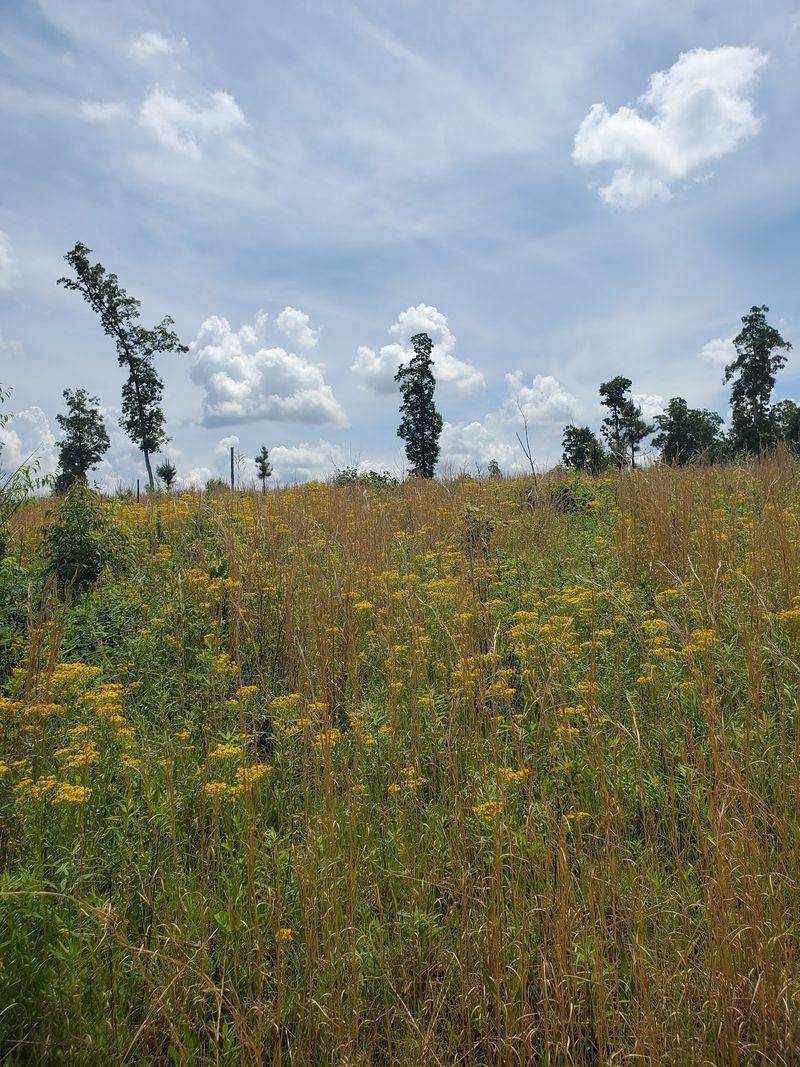
A landscape can tell a story about recovery as clearly as any sign. Buffalo Creek Preserve in Mount Pleasant protects woods and open land where conservation work helps restore native habitat. Its walking trail offers a manageable way to enjoy autumn in Cabarrus County without heading far into the mountains.
The preserve belongs to the Catawba Lands Conservancy’s network of protected places. Wooded sections bring shade and leaf color, while open areas show how different habitats fit together. Restoration may make parts of the landscape look less tidy than a city park, but that variety supports the preserve’s ecological goals.
Expect a natural trail rather than a paved walking loop. Wear shoes that grip on dirt, and be ready for roots, uneven spots, or mud after wet weather. Check the current trail map for distance and route details before deciding whether the walk suits everyone in your group.
Open ground can catch strong afternoon sun even when the season feels cool. Carry water, bring a hat, and use insect repellent as needed. Follow posted activity rules and avoid entering restoration areas or nearby private property. For a more thoughtful outing, compare the plants along the forest edge with those deeper inside the woods as you walk back toward the entrance.
9. Lake Breezes Beneath Bright Leaves: Latta Nature Preserve – Huntersville, Mecklenburg County,
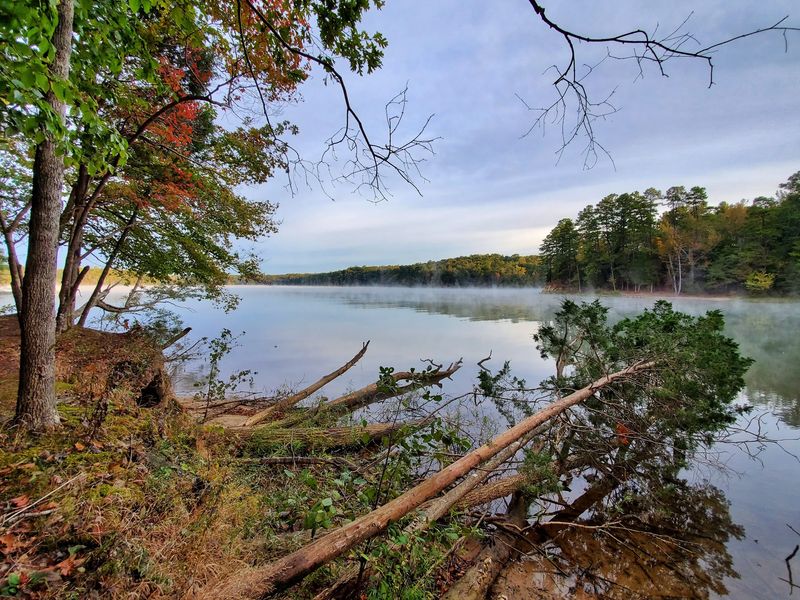
A glimpse of blue water between golden branches can stop a conversation mid-sentence. Latta Nature Preserve in Huntersville offers wooded trails along Mountain Island Lake, giving fall hikers both forest shade and shoreline views. Its size and varied routes make planning more useful than simply following the first path you see.
Study the official trail map and choose a loop or return route that matches your available time. Some trails accommodate horses, so check permitted uses and yield calmly when riders approach. Keep children close during encounters, and avoid sudden movements that might startle an animal.
The Quest nature center is a useful stop for learning about local wildlife and checking visitor information when open. Out on the trails, watch how the landscape shifts between upland woods and lake edges. Fall color can vary across those areas, so the prettiest stretch may not be the one nearest your parking spot.
Pack drinking water even though the lake stays in sight, and never rely on untreated lake water. Roots and damp leaves can be slippery, particularly near the shore. Check hours, trail notices, and activity rules before arriving. Choose a quieter weekday if possible, and leave time to sit at an approved lakeside spot without rushing the final walk back.
10. River Woods With a Legendary Twist: Boone’s Cave Park – Lexington, Davidson County,
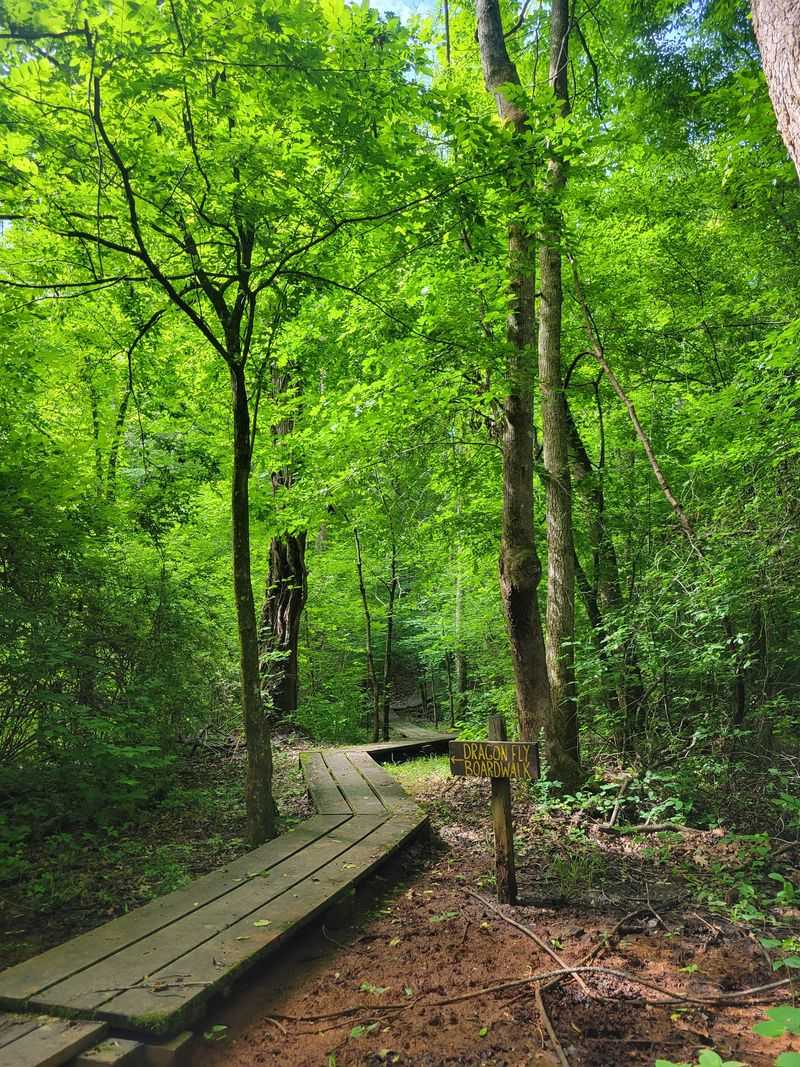
Old stories feel especially at home beneath a canopy of turning leaves. Boone’s Cave Park near Lexington mixes wooded hiking with a small cave and local traditions connected to Daniel Boone. Treat those stories as part of the park’s character rather than assuming every detail has been proven.
The Yadkin River setting adds interest beyond the famous name. Trails pass through forest where slopes, roots, and rocky sections make sturdy footwear a smart choice. Autumn leaves can cover uneven ground, so watch each step instead of keeping your eyes fixed on the treetops.
Plan your route using current park information, since distance alone does not explain how demanding a path may feel. A riverside section can be muddy after rain, and steep approaches deserve care on the return trip. Stay away from unstable banks and do not enter water that looks shallow or slow from above.
The cave is not a reason to ignore barriers, squeeze into unsafe spaces, or climb wet rock. Enjoy the feature from permitted areas and supervise children closely nearby. Bring water, a snack, and a light layer for cooler shaded stretches. Check opening hours before traveling, and allow enough daylight to finish your walk without hurrying over rough ground near the end of the outing.
11. Big Views Above the Valley: Mount Jefferson State Natural Area – West Jefferson, Ashe County,
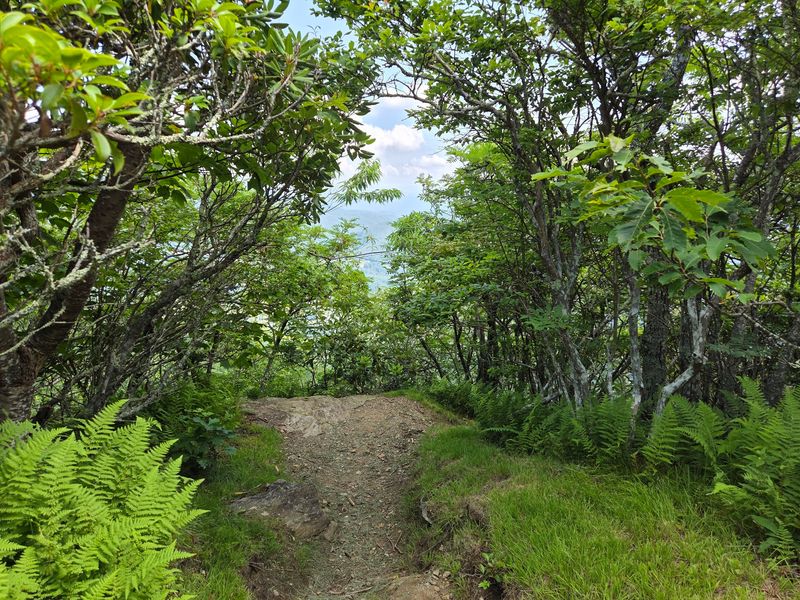
Sometimes the reward appears before you have walked very far. Mount Jefferson State Natural Area above West Jefferson combines a mountain access road with overlooks and trails through high elevation woods. Fall can bring sweeping views of colorful slopes, though fog sometimes replaces the distant scenery with a quieter mood.
Start by checking road access, weather, and current park notices. Mountain conditions can change quickly, and a mild afternoon in town does not guarantee comfort near the summit. Pack a warm layer and rain protection, even if your planned hike is short.
Choose a trail using the official map rather than assuming every summit route is easy. Rocky footing, roots, and exposed edges require attention, especially when fallen leaves hide the ground. At viewpoints such as Luther Rock, remain within safe areas and keep children close instead of stepping outward for a dramatic photograph.
Color timing varies by elevation and weather, so use recent reports as guidance rather than a promise. A visit slightly before or after peak color can still offer beautiful light and fewer crowds. Carry water, pause when climbing, and save energy for the walk back. Finish with time to enjoy West Jefferson, but do not let dinner plans rush your footing on the trail.
12. Earn Your Mountain Panorama: Elk Knob State Natural Area – Todd, Watauga County,
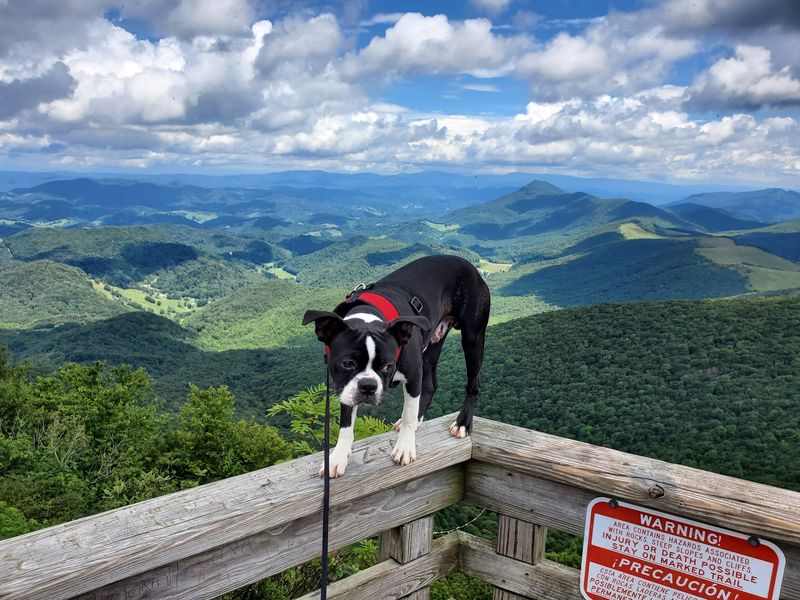
Cool air and an uphill trail make every snack break feel well earned. Near Todd, the destination often called Elk Knob State Natural Area is officially Elk Knob State Park. Its summit hike attracts walkers looking for mountain forest, autumn color, and broad views when the sky cooperates.
The main summit route climbs steadily, so allow more time than you would for a flat walk of similar length. Switchbacks help manage the slope, but they do not remove the effort. Start at a comfortable pace and turn around if your group becomes tired, cold, or short on daylight.
At this elevation, fall can arrive earlier than it does in nearby lowlands. Wind and clouds may also make the summit feel much colder than the parking area. Carry layers, water, food, and a rain shell, and check the forecast for mountain conditions rather than only the nearest town.
Good footwear matters on rocky stretches and leaf-covered ground. Stay on the marked trail to protect sensitive plants and avoid creating shortcuts through the woods. Before traveling, review current park hours and any weather-related closures. Clear views are a bonus, not a guarantee, so enjoy the forest along the climb too. A careful descent leaves a better memory than a rushed summit photograph.
13. A Waterfall Walk Worth Savoring: Pearson’s Falls – Saluda, Polk County,
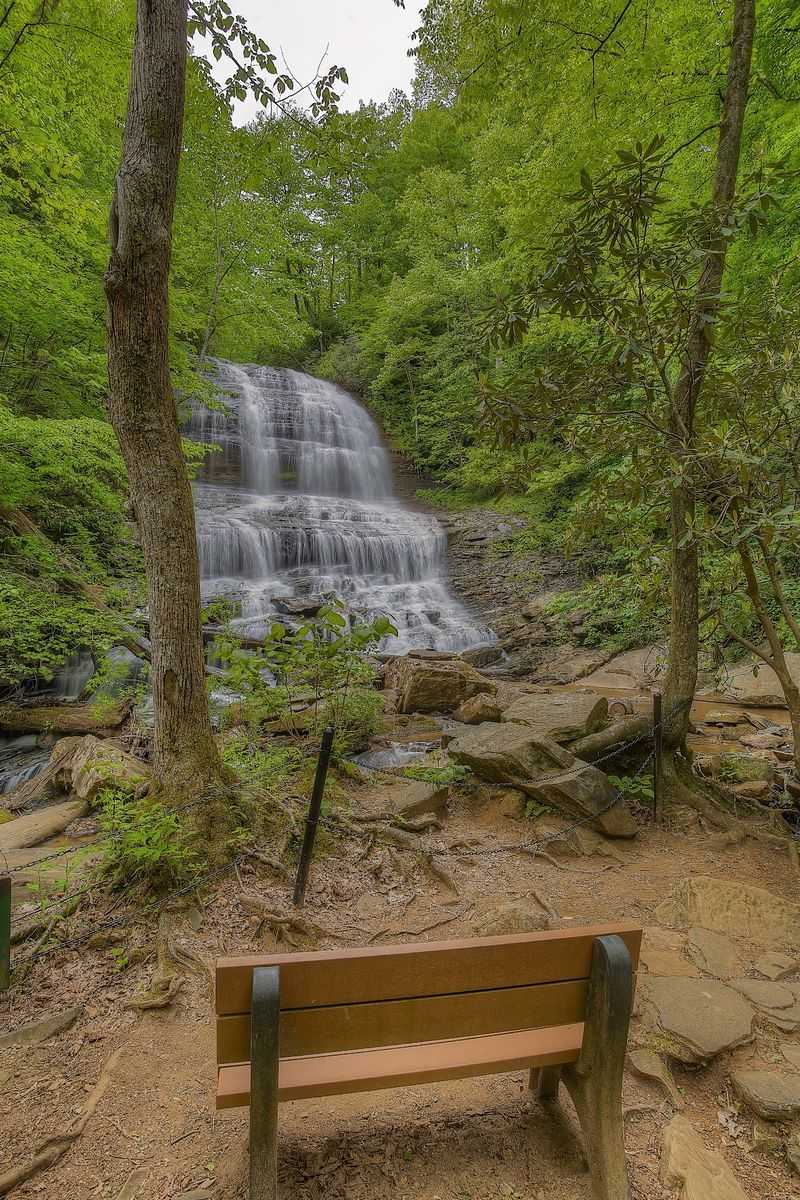
The sound of falling water builds anticipation long before the final bend. Pearson’s Falls near Saluda rewards a short woodland walk with a waterfall framed by a protected botanical preserve. In autumn, colorful leaves and mossy rocks give the scene a rich mix of warm and cool tones.
The Tryon Garden Club owns and maintains the property, so visiting works differently from entering a public park. Check current admission fees, opening hours, seasonal schedules, and closure notices before driving there. Review visitor rules too, especially if you usually hike with a dog or plan to bring food.
A short trail does not mean every step is effortless. Damp surfaces, roots, and fallen leaves call for shoes with reliable traction and a little patience. Stay on the established path, supervise children near water, and avoid climbing rocks for a closer waterfall view.
Take time to notice the stream and forest rather than treating the route as a hallway to the main attraction. Protected plants are part of what makes the glen special, even when they are not flowering. Bring a camera, but keep walkways clear while taking pictures. After heavy rain or severe weather, confirm that the preserve is open. A calm visit helps preserve both the setting and its peaceful atmosphere.