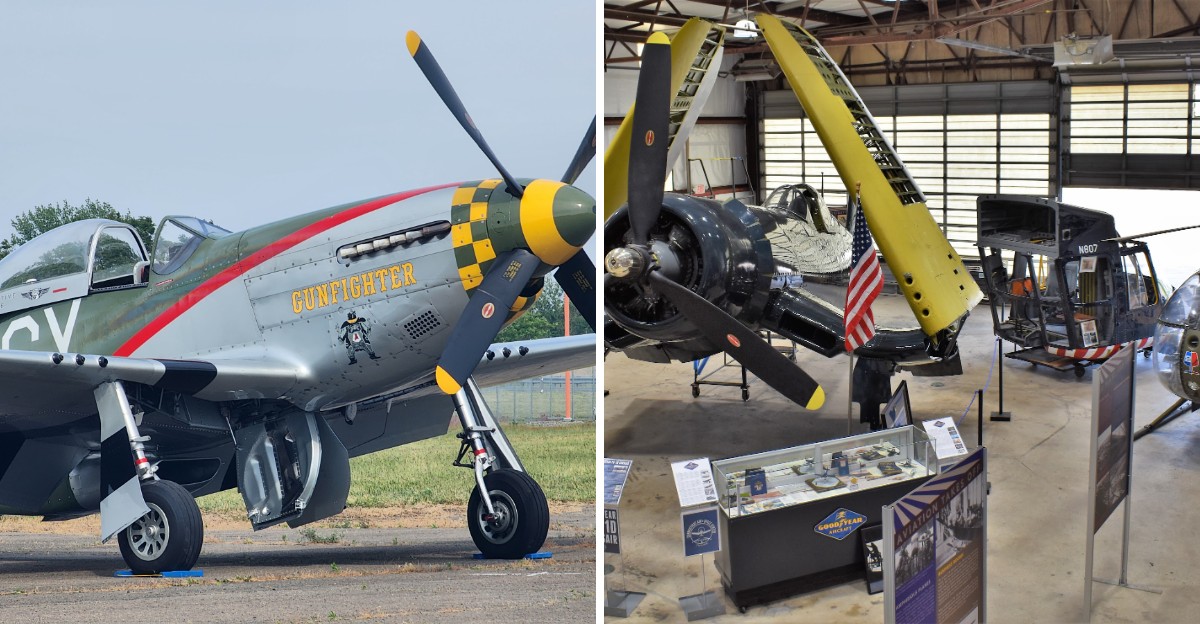
Some incredible airplanes are hiding in plain sight in Connecticut!
Tucked away in Stratford, the Connecticut Air & Space Center is a treasure trove of aircraft, engines, and aviation stories that many people never discover.
Step inside, and you’ll find machines that capture the daring spirit of flight and show just how far aviation has come.
But these planes tell more than a story of speed and engineering.
Stratford played a major role in American aircraft manufacturing, and the museum celebrates the workers and engineers whose skills helped shape aviation history.
Whether you’re fascinated by military aircraft, curious about the early days of flying, or simply looking for an unusual weekend adventure, this museum deserves a spot on your list.
You might be surprised by what’s waiting just beyond the door!
Get Up Close to Historic Military Aircraft

Picture standing just a few feet from a plane that once flew real missions for the military. At the Connecticut Air & Space Center, that moment happens right away.
The museum keeps aircraft from different periods of military history, and you can study them far more closely than you could at an air show.
Many of these planes served in training, scouting, or combat roles. Each one tells a piece of the story about how the armed forces used flight to gather information, protect troops, and prepare new pilots.
Look at the rivets, the paint, and the shape of the wings. Every detail was chosen for a reason.
Here is a helpful tip. Take your time walking around each aircraft instead of rushing to the next one.
Check out the cockpit area and imagine squeezing into that small seat while wearing heavy gear. You might notice dents, patches, or markings that hint at a long working life.
Bringing a phone or camera for close-up photos can help you remember the small details later.
Travel Back to the Golden Age of Flight
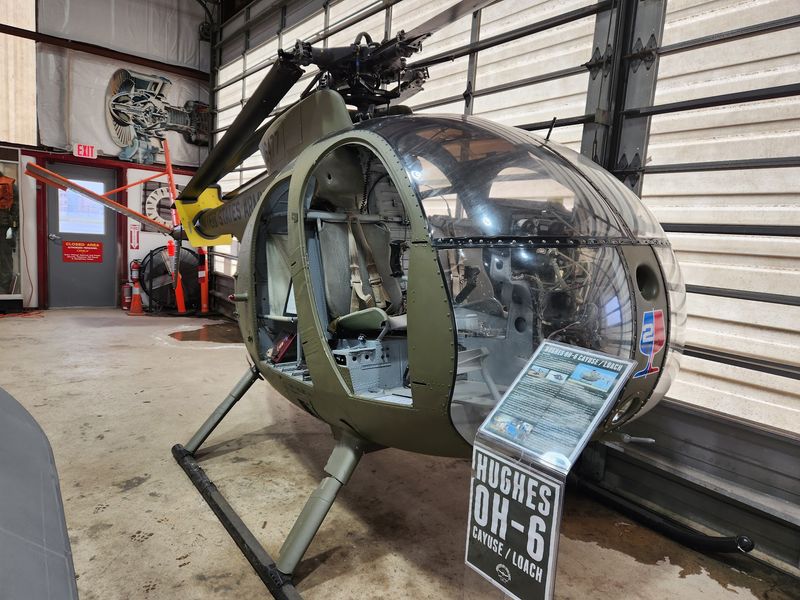
Long before airports had moving walkways and snack shops, flying was a wild and daring adventure. Early pilots climbed into open cockpits, wore leather caps, and trusted machines that were still being figured out.
The museum captures that exciting spirit beautifully.
During the early decades of aviation, airplane designs improved at an incredible speed. Engineers kept testing new ideas for wings, engines, and frames.
What started as shaky experiments slowly turned into reliable, powerful aircraft that could cross oceans and carry passengers.
Walking through this part of the collection feels a bit like flipping through an old family photo album. You can see how ideas grew from simple to advanced.
Older planes often look delicate, with thin parts and simple controls, while later models seem sturdier and sleeker.
Fun fact: the Wright brothers’ first powered flight in 1903 lasted only about 12 seconds. Just a few decades later, planes were flying hundreds of miles per hour.
Try comparing the oldest and newest aircraft you spot to see that leap for yourself.
Watch the Jet Age Take Off
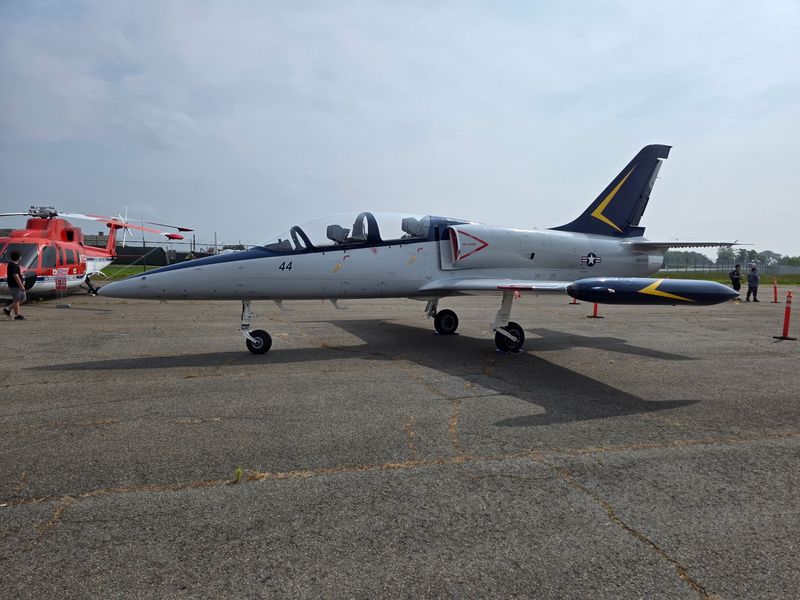
Whoosh! When jet engines arrived, flying suddenly got a whole lot faster.
Pilots who once relied on spinning propellers could now race across the sky with powerful thrust pushing them forward. That shift changed both military and passenger travel forever.
The Connecticut Air & Space Center includes examples from the early jet era, and they really stand out. Their bodies are smooth and pointed, almost like darts.
Wings are often swept back, which helps planes slice through the air at high speeds. Compared with older aircraft, they look like they belong in a science fiction movie.
Kids especially love guessing how fast these planes could go. Some early jets could top 600 miles per hour, which was mind-blowing at the time.
When you visit, look for the air intakes, the openings where the engine gulps in air. Then find where the hot exhaust would blast out the back.
Understanding that simple in-and-out flow makes jet power much easier to picture. It turns a cool-looking machine into something that actually makes sense.
Climb Into the World of Training Planes
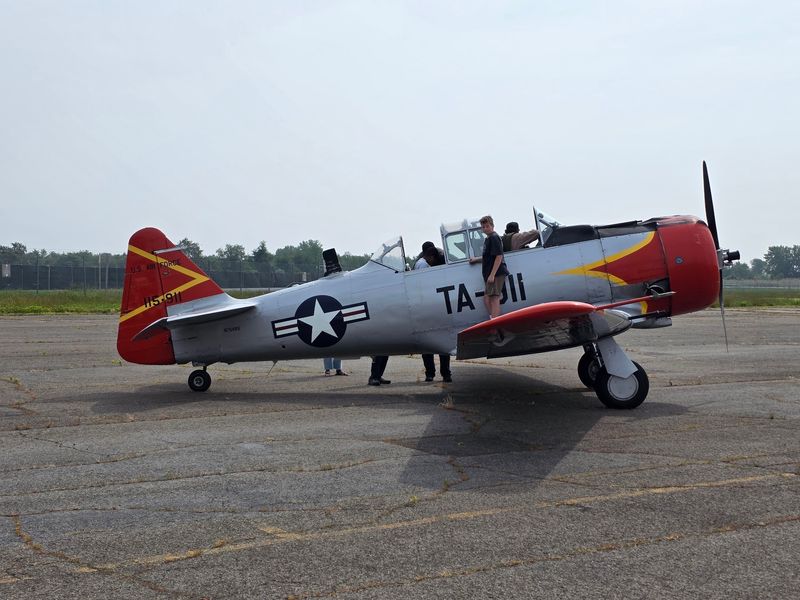
Every great pilot started as a nervous beginner. Before anyone could fly a fast fighter or a giant bomber, they had to learn the basics in a training aircraft.
These planes may not get as much attention, but they were absolutely essential.
Training aircraft were built to be dependable and forgiving. Many had two seats, one for the student and one for the instructor.
If a student made a mistake, the teacher could take over the controls. That setup helped thousands of young aviators build skills safely.
At the museum, take a careful look at the cockpit panels. You will see dials, switches, and levers that students had to master.
Learning to read all those gauges while steering, watching the sky, and listening to an instructor took a lot of focus.
Think about it like learning to ride a bike with training wheels before trying a mountain trail. These planes were the training wheels of military aviation.
If you know someone dreaming of becoming a pilot, this section might spark some great conversations.
Spot the Oddballs and Quirky Designs
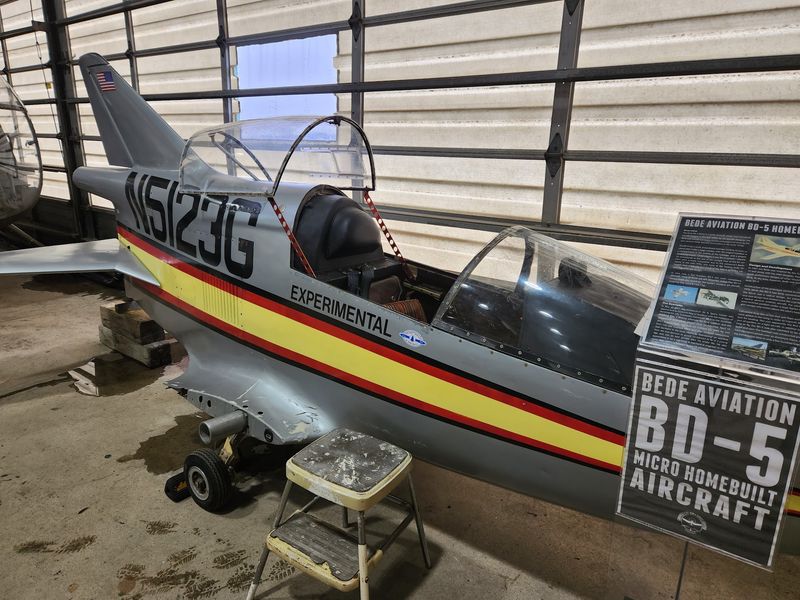
Not every airplane looks like the ones you see at the airport. Some are tiny, some have engines in strange places, and some have wings shaped in ways that make you tilt your head.
Hunting for these oddballs is one of the most entertaining parts of a visit.
Homebuilt aircraft are especially interesting. Regular people, not big companies, put these planes together, sometimes in their own garages.
They show how creative and determined aviation fans can be. Imagine building something in your backyard that can actually fly!
You might also notice planes with engines that push from the back instead of pulling from the front. Others may have short, stubby wings or unusual tail shapes.
Each choice reflects a designer trying to solve a problem, like saving weight or improving balance.
Make a little game out of it. Challenge your group to find the strangest feature in the building, then vote on a winner.
It keeps younger visitors engaged and helps everyone notice details they might otherwise walk right past.
Uncover Stratford’s Proud Aviation Roots
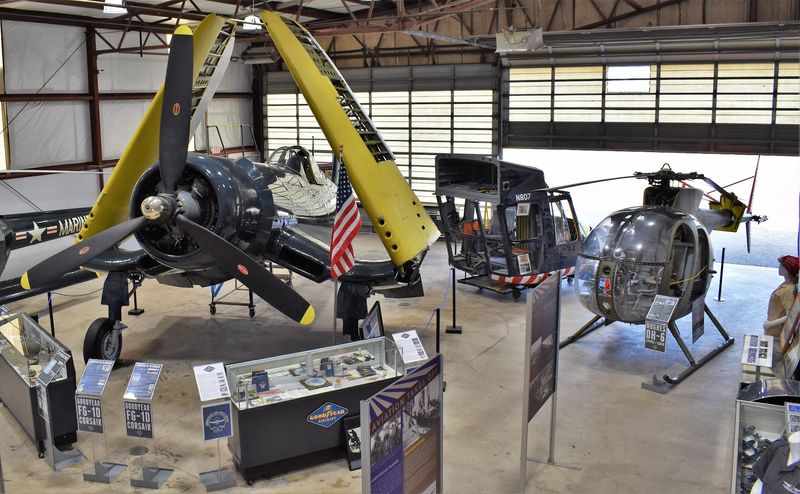
Few small towns can claim the kind of aviation history that Stratford holds. For decades, this community was home to major aircraft manufacturing, including the famous Vought-Sikorsky operations.
Thousands of local workers built planes that flew all over the world.
One of the best-known aircraft tied to Stratford is the Vought F4U Corsair. With its bent gull wings, it became a legendary fighter during World War II.
Igor Sikorsky’s work in the area also helped shape helicopter history, giving Connecticut a lasting spot in the story of flight.
The museum works hard to keep this heritage alive. It connects the machines on display with the engineers, factory workers, and pilots who made them possible.
Many visitors discover that a grandparent or neighbor once worked in the local plants.
Here is a nice idea. Before you go, ask older relatives if they have any memories of Stratford’s aircraft factories.
Hearing those stories first can make the exhibits feel personal, like you are walking through your own hometown’s scrapbook.
Find Treasures Beyond the Airplanes
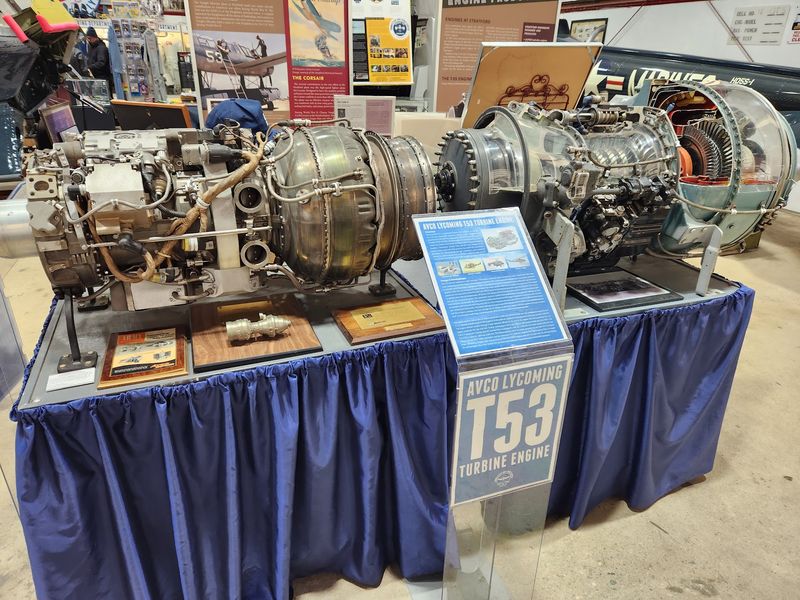
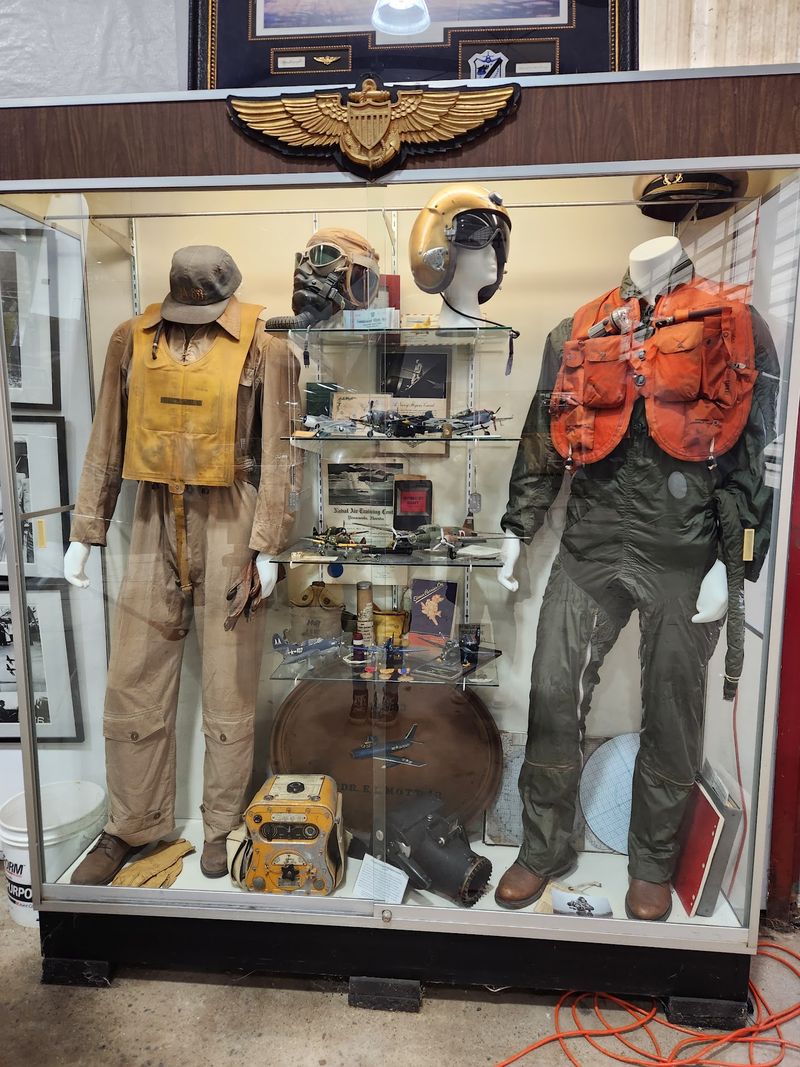
Airplanes grab the spotlight, but some of the coolest stuff sits quietly nearby. The Connecticut Air & Space Center also displays engines, tools, equipment, and other pieces of aviation history.
These items help explain what actually makes flight possible.
Engines are a highlight for many mechanically minded guests. Seeing one up close, outside of the plane, lets you study its cylinders, pipes, and moving parts.
You start to understand just how much power and precision goes into lifting a heavy machine off the ground.
Other objects show the everyday work behind aviation. Mechanics needed special tools and skills to keep aircraft safe and ready.
Without their careful effort, no plane would ever leave the runway.
A smart tip is to slow down at these smaller displays and read the signs. They often share surprising facts that you will not find on the aircraft themselves.
Curious students working on science projects about engines or machines may even pick up ideas they can use for school.
Compare Spinning Props With Roaring Jets
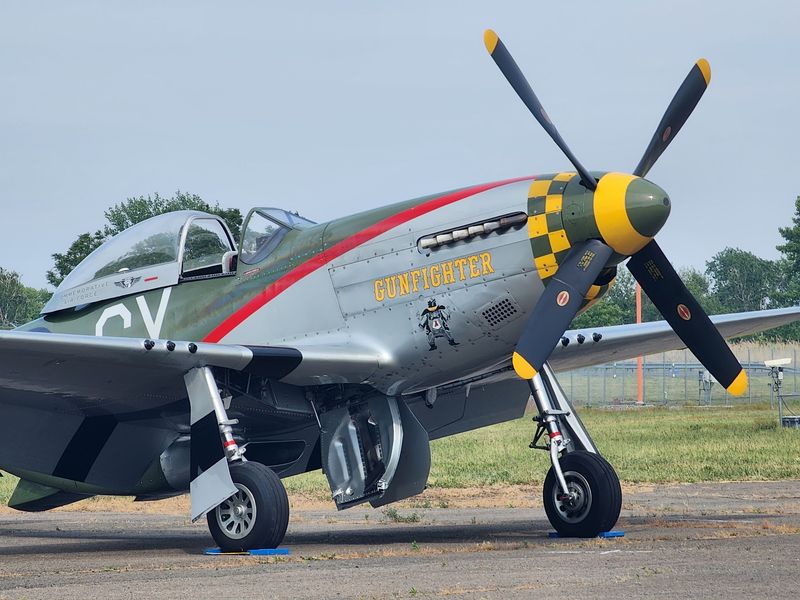
Here is a fun experiment you can do without any lab equipment. Stand between a propeller plane and a jet, then compare them carefully.
The differences tell a big story about how aviation technology grew.
Propeller aircraft use spinning blades to pull or push air, kind of like a giant fan. They usually have rounder noses and straighter wings.
Jets, on the other hand, suck in air, squeeze it, mix it with fuel, and blast it out the back. That design lets them fly much faster and higher.
Look at the overall shapes too. Jets tend to be sleek and pointy, built to cut through the air with less drag.
Propeller planes often look sturdier and more upright.
Parents and teachers can turn this into a quick lesson. Ask kids which plane they think is faster and why.
Then talk about trade-offs, since propeller planes were often cheaper and easier to maintain. It is a simple, hands-on way to make science click.
Plan Your Weekend Visit
Ready to see these hidden planes for yourself? Good news, planning a trip is pretty easy.
The Connecticut Air & Space Center is located at 225 B Main St., Stratford, CT 06615.
The museum is open Saturday and Sunday from 10 a.m. to 4 p.m. That makes it a perfect weekend outing for families, friends, or solo explorers.
According to the official site, admission costs $10 for adults, $7 for veterans, and $5 for children ages 6 to 12. You do not need to buy tickets ahead of time.
Plan on spending about one to two hours to see the whole collection. That is just enough time to explore without getting tired, and it leaves room for lunch nearby afterward.
The facility is also listed as handicap accessible, so more visitors can enjoy it comfortably.
One last tip: since hours can change, check the museum’s website before heading out. Bring your curiosity, a camera, and plenty of questions for a truly great day.