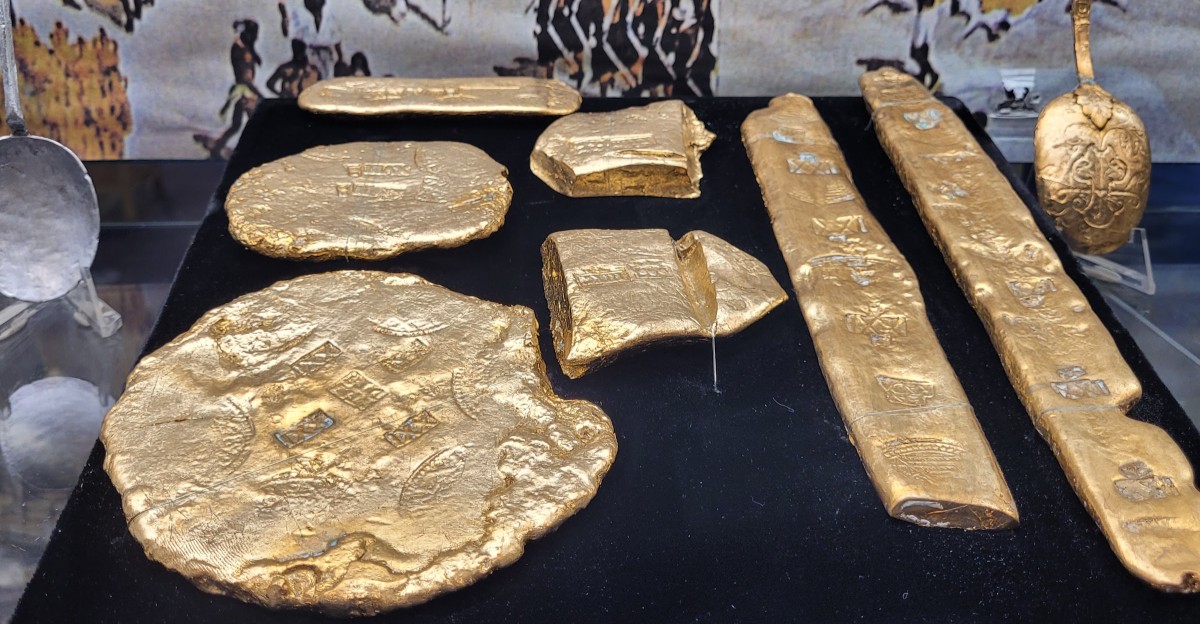
You can spend the morning collecting seashells by the shore and discover actual shipwreck treasure just a few steps away. Above Sea Shell City at 708 Coastal Highway in Fenwick Island, Delaware, the Discoversea Shipwreck Museum reveals a fascinating side of the coast that beachgoers might never expect.
Gold bars, maritime artifacts, and objects recovered from sunken ships bring centuries of seafaring history into view, turning an ordinary vacation stop into an unexpected adventure.
Imagine standing before a centuries-old artifact and wondering how it survived the ocean, what vessel carried it, and who last held it before the ship disappeared beneath the waves. Each object offers a small connection to sailors, merchants, and the dangerous journeys that once crossed these waters.
The museum provides a memorable change of pace from sandy beaches and souvenir shopping, with discoveries that can captivate curious adults and young explorers alike. From remarkable recovered treasures to the stories behind them, there’s plenty waiting upstairs at this unusual Delaware coastal destination.
A Treasure Museum Hiding Above a Seashell Shop
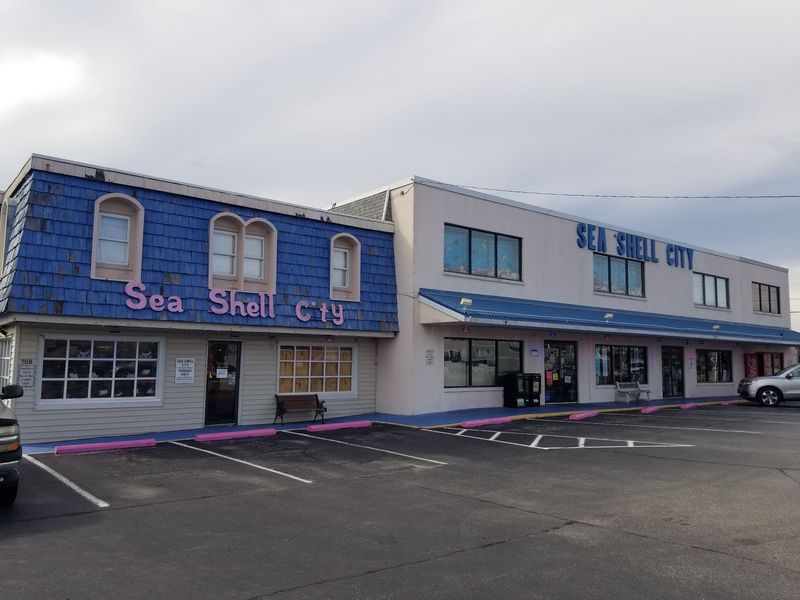
The surprise begins before you see a single artifact. A shop filled with coastal souvenirs hardly suggests a collection of objects recovered from shipwrecks, but that unexpected pairing is part of what makes this stop so memorable for curious beach travelers.
At Discoversea Shipwreck Museum, the exhibits sit upstairs above Sea Shell City at 708 Coastal Hwy in Fenwick Island. Visitors enter through the shop and climb stairs, trading the familiar feel of a beach store for a much older ocean story.
Give yourself a moment to enjoy that change of scene rather than rushing straight through. Because the museum occupies the second floor, travelers who have trouble with stairs should call ahead and ask about access before making plans for their visit.
Once upstairs, let your eyes settle on the cases and choose an object that catches your attention. You do not need a background in history to enjoy the collection, just enough curiosity to wonder how something lost beneath the water eventually found its way into a museum above a Delaware seashell shop, far from its original voyage and passengers.
Gold Bars That Make Ocean History Feel Real
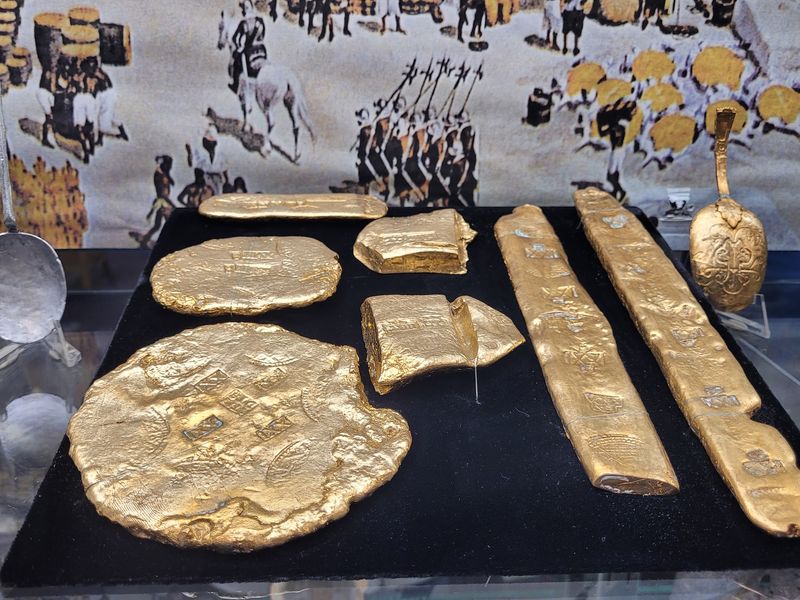
Gold has a way of stopping a conversation. Even visitors who usually breeze past museum cases may pause when they realize that a bright piece of metal once traveled by ship and later became part of a story beneath the sea.
Gold bars are among the maritime artifacts highlighted at Discoversea Shipwreck Museum in Fenwick Island. Their appeal is immediate, but the most rewarding part of looking is learning what the exhibit information says about their history, recovery, and original use.
Take time to read the nearby labels instead of treating every valuable object as pirate loot. Shipwreck cargo can come from trade and many other kinds of voyages, so the story attached to an artifact matters more than a dramatic guess about its past.
For families, try asking what would make gold useful aboard a ship and difficult to recover after a wreck. That simple conversation turns a glittering display into a lesson about money, ocean travel, and the effort required to bring lost objects back into view for people who might otherwise know shipwreck treasure only through movies and adventure books.
Shipwreck Artifacts With Stories Beyond Their Shine
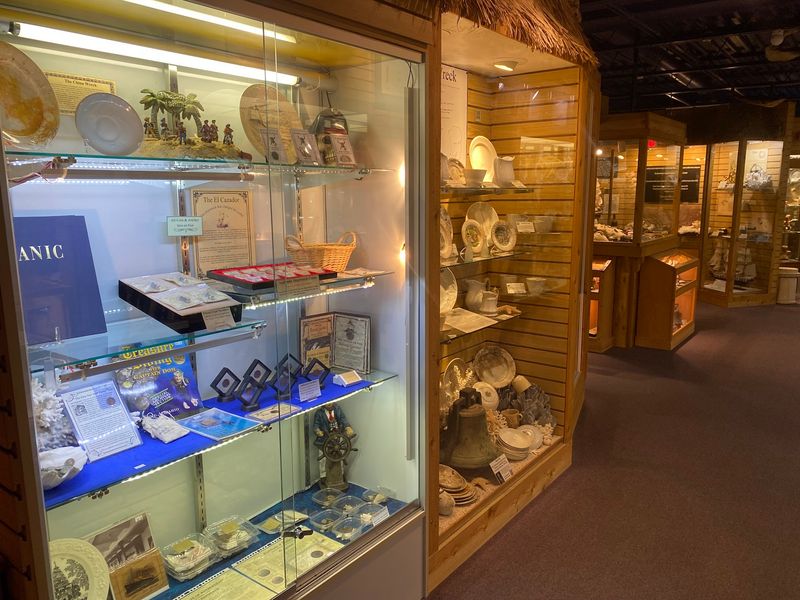
A worn object can hold your attention longer than something sparkling. Scratches, rough edges, and faded surfaces invite you to imagine the hands that once used it, then the long stretch of time when nobody could see it beneath the water.
The collection at Discoversea Shipwreck Museum includes maritime artifacts recovered from shipwrecks, giving visitors more to explore than treasure alone. The supplied museum listing describes more than 10,000 artifacts, while visitor accounts explain that only part of the collection appears at once.
Rather than trying to inspect everything, pick a few pieces and study their labels carefully. Look for information about where an object came from, what it did, and how it fits into the larger story of the wreck that carried it.
That slower approach makes the museum feel less like a room full of old things and more like a series of human stories. A useful family challenge is to find one object that seems familiar and another that feels completely strange, then compare what each reveals about life at sea before modern travel changed the way people crossed oceans.
Pirate Appeal Without Losing the Real History
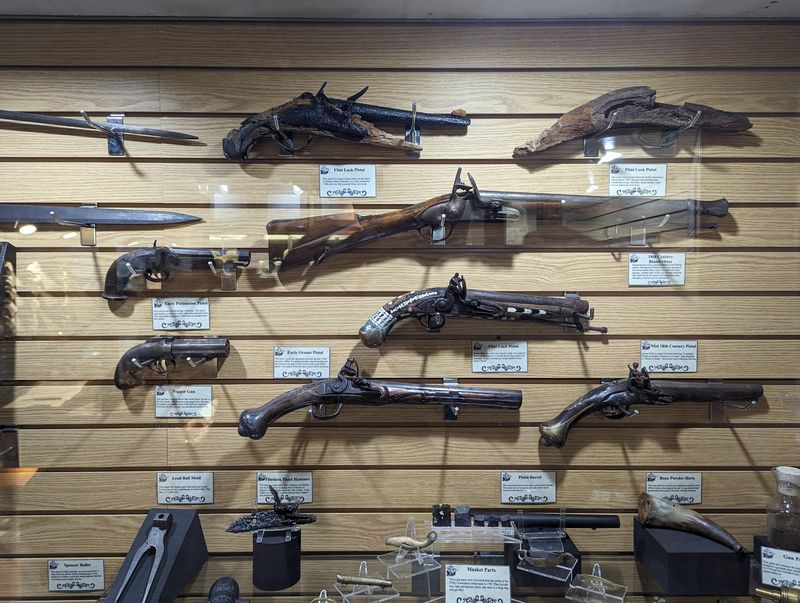
Adventure stories may bring you through the door, but real objects give you a reason to stay. There is something exciting about seeing treasure and historic weapons outside a movie, especially when the setting is an ordinary shop along a coastal highway.
Visitors to Discoversea Shipwreck Museum have mentioned pirate treasure and weapons in their reviews. Those reports help explain the museum’s appeal to families, although the broader collection tells maritime stories that should not all be treated as tales of pirates.
Use the labels to separate the exciting idea of buried riches from the documented history of each piece. Ask children what evidence would show who owned an object, where it traveled, or whether it truly had a connection to piracy.
You can still enjoy the adventure without inventing a story for every case. In fact, discovering that an artifact belonged to trade, everyday shipboard life, or another chapter of ocean history can be just as surprising as finding pirate loot, and it leaves younger visitors with a better sense of how museums turn curiosity into careful learning through evidence and questions.
Conversations That Bring the Collection to Life
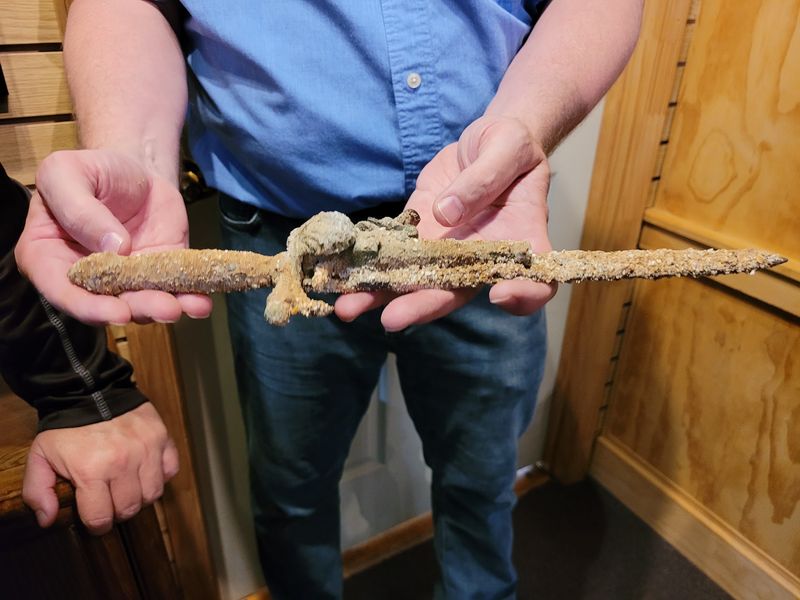
Sometimes the best part of a museum visit is a conversation you never planned to have. A question about one small artifact can lead to a story about searching underwater, recovering fragile objects, or figuring out what a discovery actually means.
Reviews of Discoversea Shipwreck Museum often praise knowledgeable staff and mention conversations with Dale, the owner and curator. Visitors describe his stories about shipwreck exploration and recovery as a highlight, though his presence should never be assumed for a particular visit.
If someone is available to answer questions, start with an object you have already examined. Asking how it was found or why it needed special care gives the conversation a clear starting point and shows genuine interest in the work behind the display.
Keep an eye on other visitors who may also want a turn, especially when the room is busy. Even a brief exchange can change how you see the collection, adding a human voice to the labels and reminding you that each recovered piece reached this upstairs museum through patient work rather than the quick discoveries often shown in adventure films.
Free Admission With a Chance to Give Back
A memorable vacation stop does not always need a ticket price. Finding a place where you can spend time with real shipwreck artifacts without paying admission feels especially welcome when the rest of a beach trip already includes plenty of expenses.
Discoversea Shipwreck Museum is widely described by visitors as free to enter, with donations encouraged. That makes it an appealing option for travelers who want a meaningful indoor activity without committing to another large purchase during their stay in Fenwick Island.
Bring a little cash if you would like to support the museum, and check current admission details before going. A donation is a simple way to show appreciation for access to the collection and the work involved in sharing these maritime objects.
Free entry also takes some pressure off families with different attention spans. You can browse a handful of cases or linger over labels without feeling that you must stretch the visit to justify a ticket, leaving more room for genuine interest and the small discoveries that often become the parts of a vacation people remember most clearly after they return home.
A Rainy-Day Stop That Still Feels Connected to the Sea
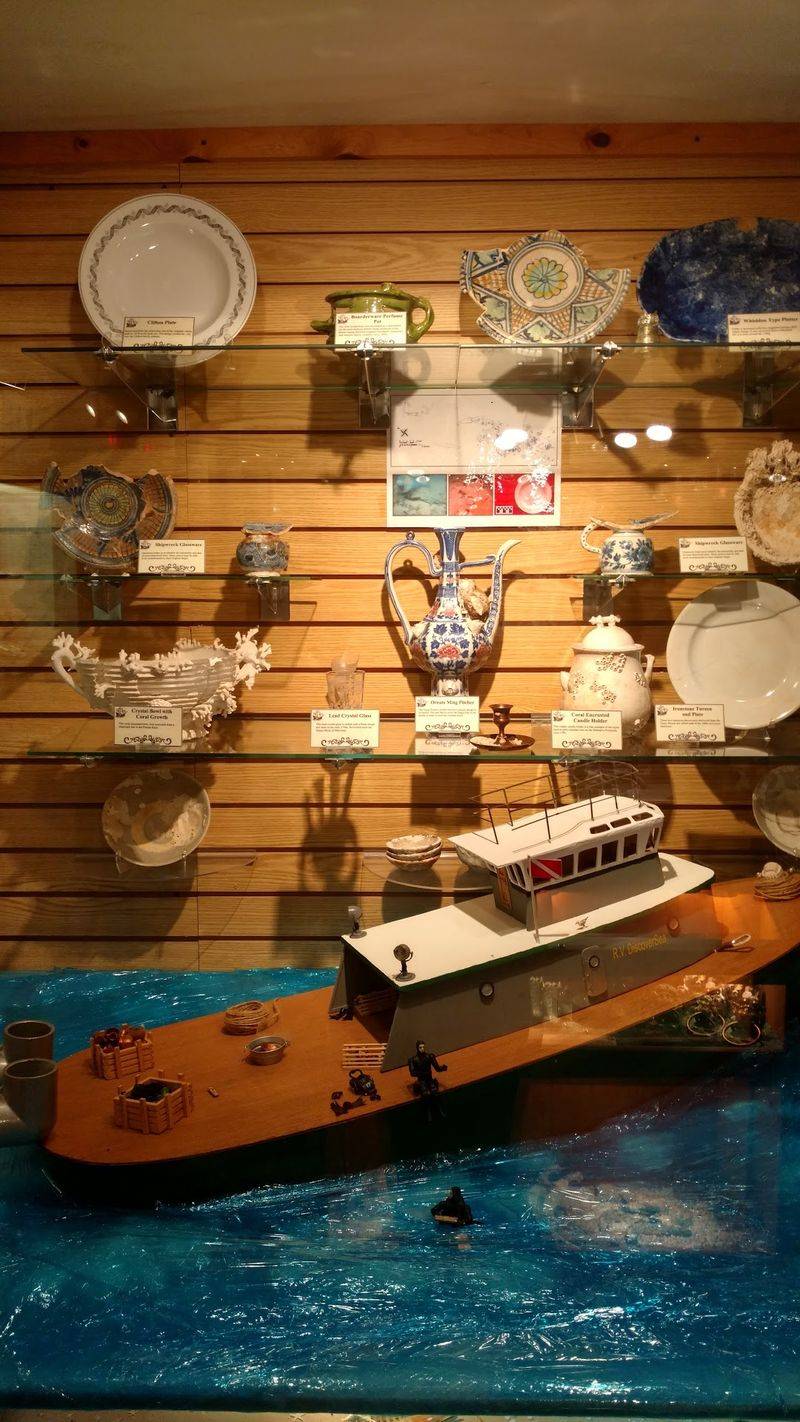
Rain can change a beach day without ruining it. When towels stay folded and the sky turns gray, a room full of objects rescued from the ocean offers another way to spend time thinking about the water just beyond the coastal highway.
At Discoversea Shipwreck Museum, the indoor displays give travelers a weatherproof break from outdoor plans. Visitor reviews describe anything from a quick look to a much longer stay, depending on personal interest, available time, and conversations with the people there.
Allow roughly an hour as a flexible starting point, rather than treating that as an official tour length. The space is small, so crowded periods may require patience while you wait for a clear view of a case or its information card.
Before heading over, confirm that the museum is open, since rain alone does not mean it will be operating. Once inside, put the weather disappointment aside and choose a display to explore slowly, letting the artifacts turn an interrupted beach afternoon into a different kind of coastal memory that still belongs to the sea, even without sandy shoes or sunshine outside.
Family Discovery Without a Classroom Feel
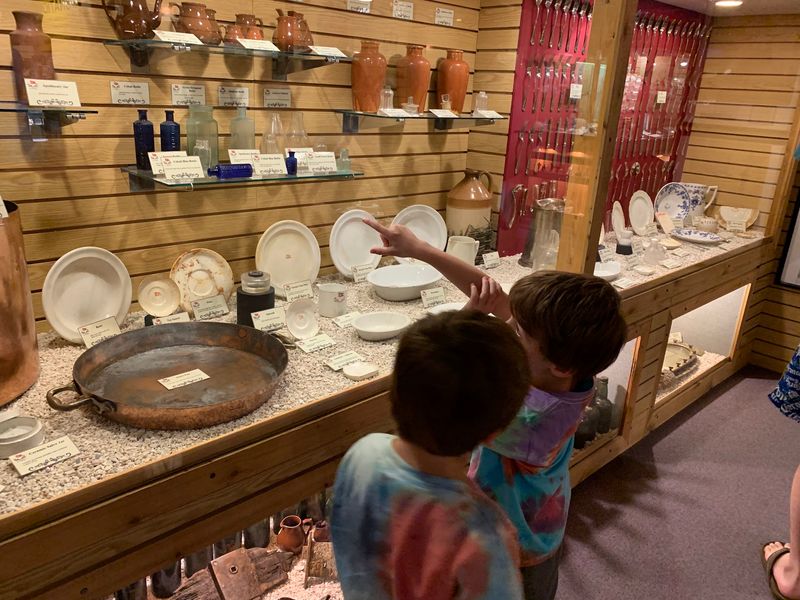
Curiosity works better than a quiz on vacation. Instead of asking children to remember dates, invite them to choose the object they would most like to understand, then follow that interest through the cases and the information beside each display.
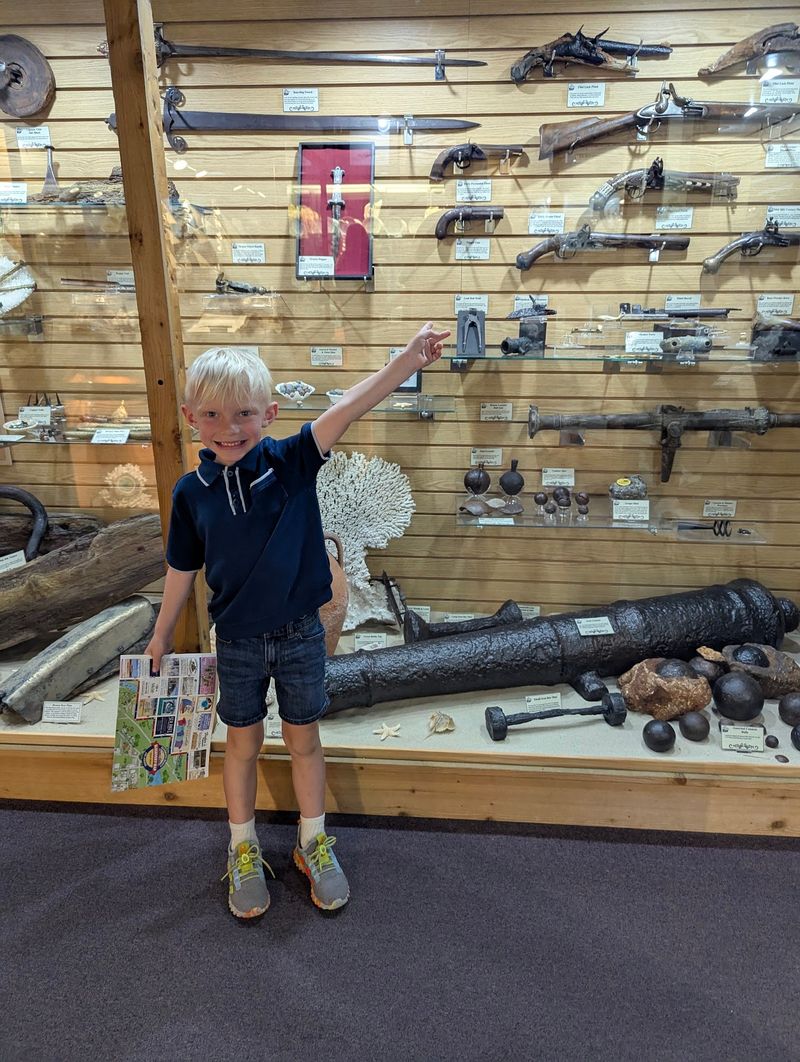
Discoversea Shipwreck Museum offers families a chance to connect ocean adventures with real history. Reviews mention children enjoying the treasure and weapons, while the recovered artifacts provide openings to talk about ships, trade, preservation, and the risks of traveling by sea.
Keep the visit manageable by setting a small goal, such as finding three surprising objects. Some visitors have reported difficulty reading labels toward the back of deeper cases, so adults may need to help younger readers or ask staff for clarification.
Remind children to move carefully around the displays and leave artifacts untouched unless staff clearly say otherwise. A calm, focused visit can be more rewarding than racing to see everything, especially when each family member gets to share one discovery before leaving and explain what made that object stand out from the rest of the collection during your time together in the museum.
Rotating Displays That Reward Another Look
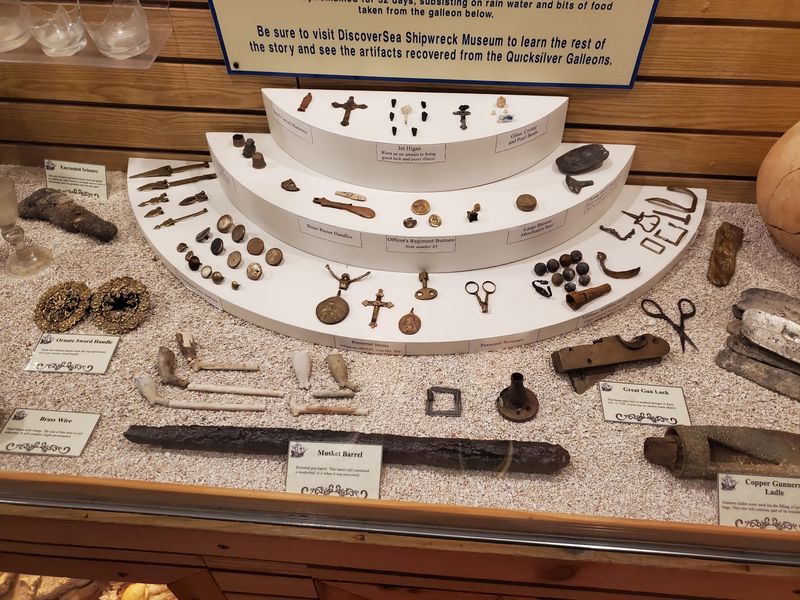
A second visit does not have to feel like a repeat. When a museum shows only part of a larger collection, returning can bring a different object into focus or reveal something you overlooked while following your first burst of excitement.
Visitor reviews describe rotating exhibits at Discoversea Shipwreck Museum and explain that the displayed artifacts represent a portion of the holdings. That makes the collection worth revisiting, but it does not guarantee that any particular case will change between your trips.
If you are hoping to see a specific object again, contact the museum before traveling. You can also ask whether displays have changed, especially if your last visit was long ago or you want to introduce someone else to a favorite piece.
On a return trip, try a new approach rather than retracing every step. Focus on recovery stories, study signs of wear, or compare objects with different purposes, and you may discover that even familiar displays offer fresh details when you give them more attention than you could during an earlier visit filled with the surprise of finding a museum above a shop.
A Little Planning Makes the Surprise Easier to Enjoy
The only disappointing treasure hunt is arriving to find the door closed. A few minutes of planning can protect the fun of this unusual stop, especially because a small seasonal museum may keep a much shorter schedule than travelers expect.
The supplied listing for Discoversea Shipwreck Museum shows Saturday and Sunday hours of 11 AM to 3 PM, with weekdays closed. Treat that as a starting point, not a permanent promise, and confirm the schedule at discoversea.com or by calling 302-539-9366.
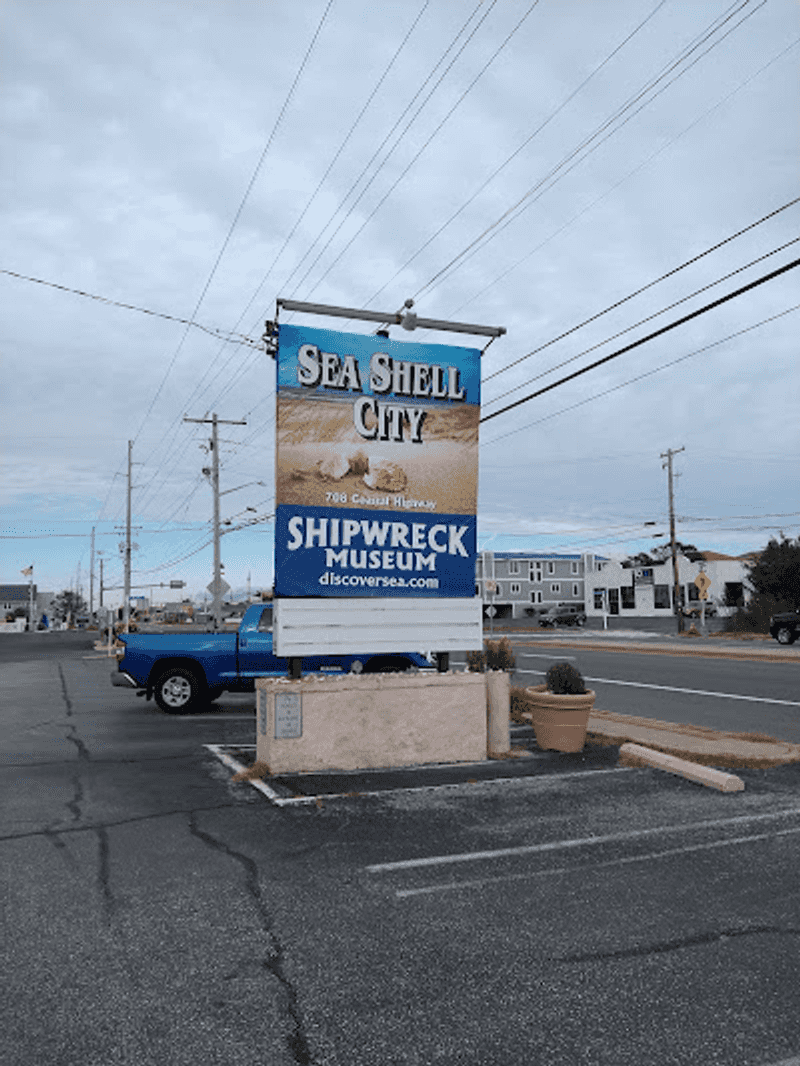
Use Sea Shell City Inc, 708 Coastal Hwy, Fenwick Island, DE 19944, when planning your arrival. Come well before closing so you have time to browse, and ask about restroom availability, stair access, or other needs rather than assuming the building offers every facility.
Photography rules also deserve a quick question because older reviews mention limits on videos and sharing images. Once those practical details are settled, you can give your attention to the collection, enjoy the contrast between the shop downstairs and the history upstairs, and leave with the satisfying feeling that a small detour added something genuinely unexpected to your coastal visit.