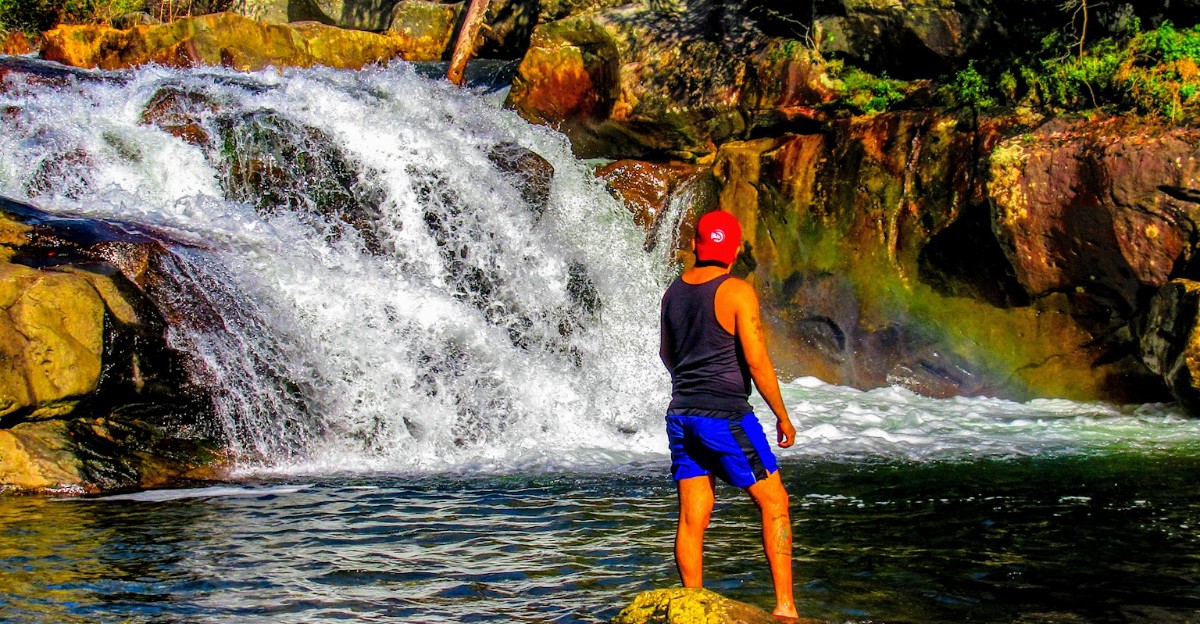
A waterfall up to 80 feet tall sits at the end of a trail with no cell signal, no campfires allowed, and possibly two dozen river crossings. That’s a lot of effort for one view.
I believe that effort is exactly the point.
The falls drop in tiers over bare rock into deep, clear pools. They sit inside the largest wilderness area east of the Mississippi River, way up in far north Georgia.
Roads to the trailheads are rough enough that a high-clearance vehicle is the smart choice.
All of that keeps the casual crowd thin. Start early on a weekday, and you just might get the roar all to yourself.
I like how a place this wild still rewards anyone willing to plan ahead. So which trail will you pick?
The Roar Hits Your Ears Before The View Hits Your Eyes
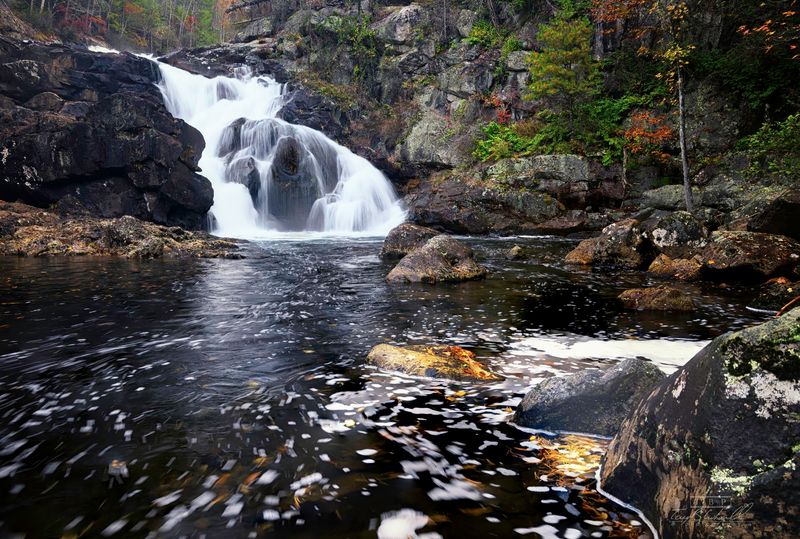
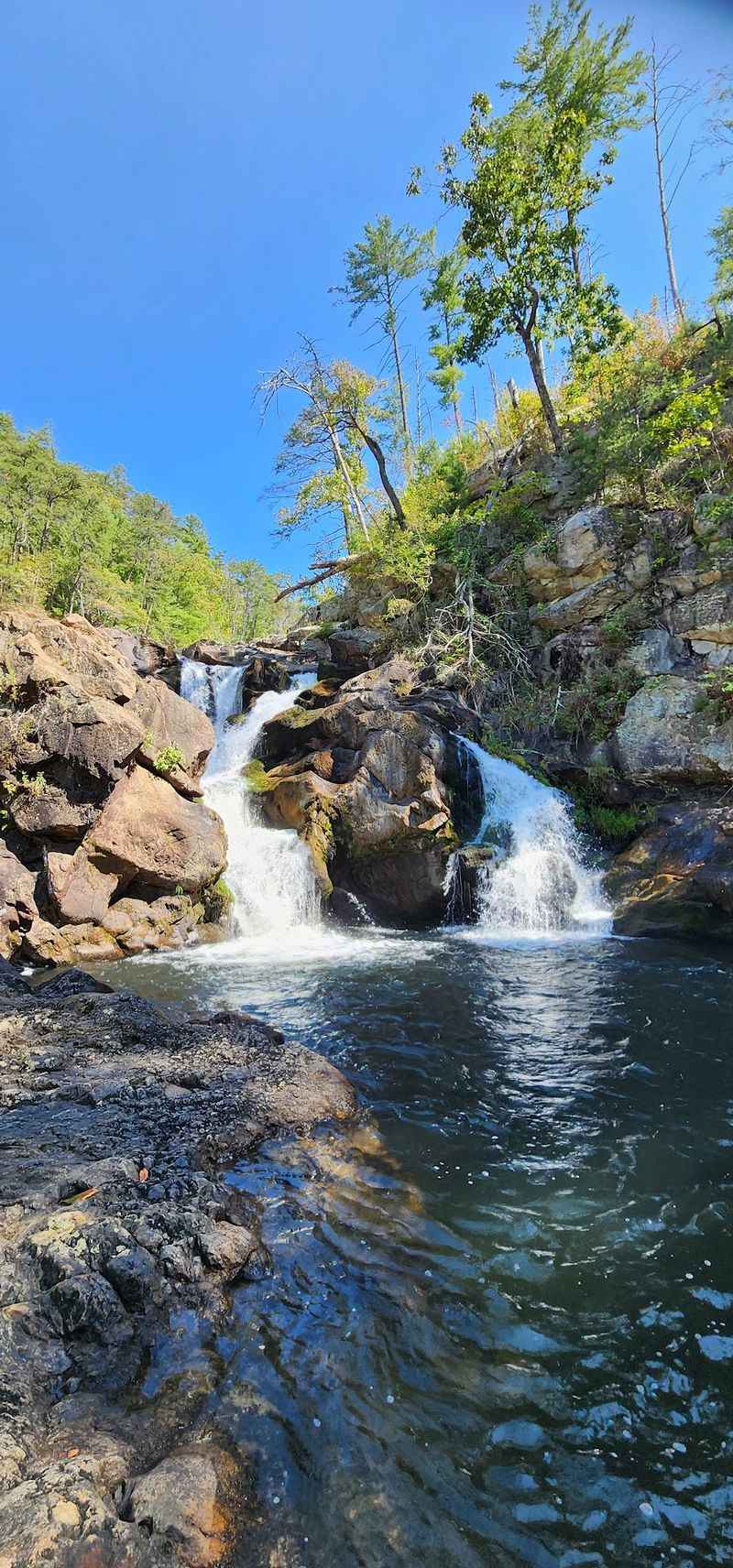
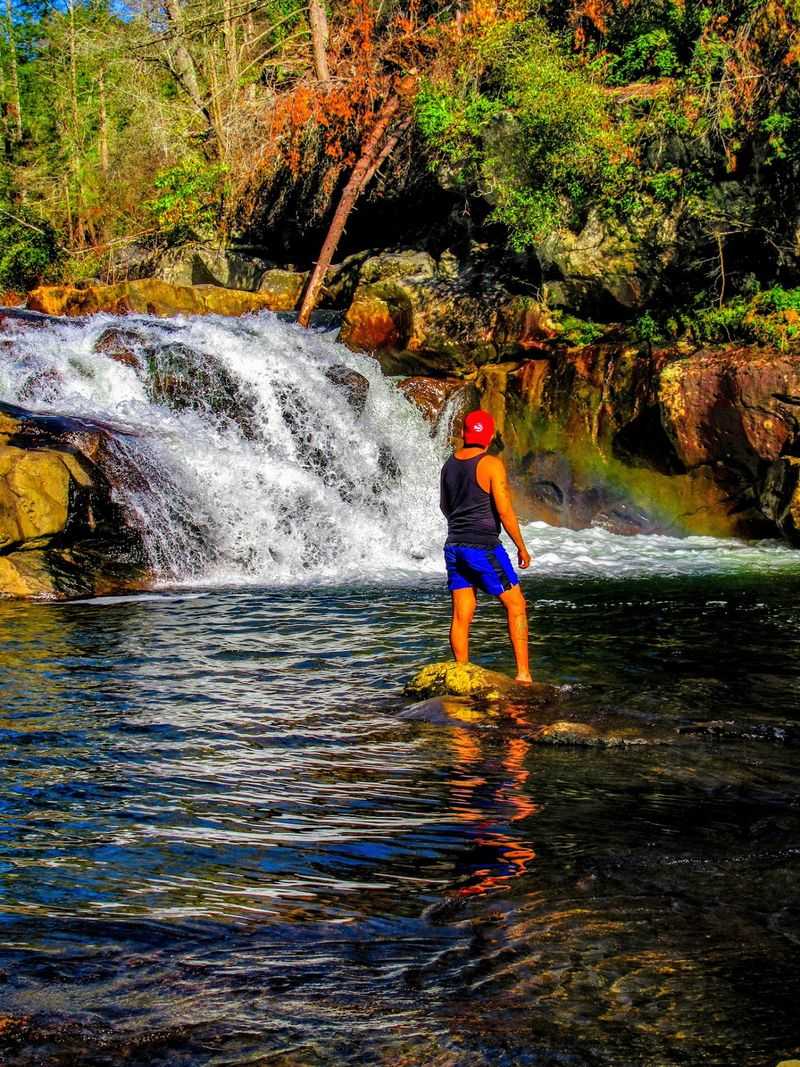
Sixty to eighty feet of tumbling water is the payoff here. Jacks River Falls drops in distinct tiers over exposed rock, then crashes into deep pools below.
Some folks describe it as a double drop. Others count three separate levels, and honestly, both camps have a point depending on water levels.
The setting matters just as much as the falls. Thick forests of hardwoods and hemlocks crowd the river, while rocky cliffs and lush valleys frame the scene.
After a good rain, the river turns into a churning sheet of white water. During drier spells, the tiers separate more clearly, and the pools look calm and inviting.
That variety means no two trips feel quite the same. A spring visit and a late summer visit can look like two different waterfalls entirely.
It’s no surprise this spot lands on lists of the top hiking destinations in Georgia. The falls feel rugged and raw, with no railings, platforms, or gift shops in sight.
Bring a camera, but don’t spend the whole visit behind it. The sound alone is worth a few quiet minutes of just sitting on a warm rock and listening.
Want Dry Socks? Beech Bottom Is Your Best Friend
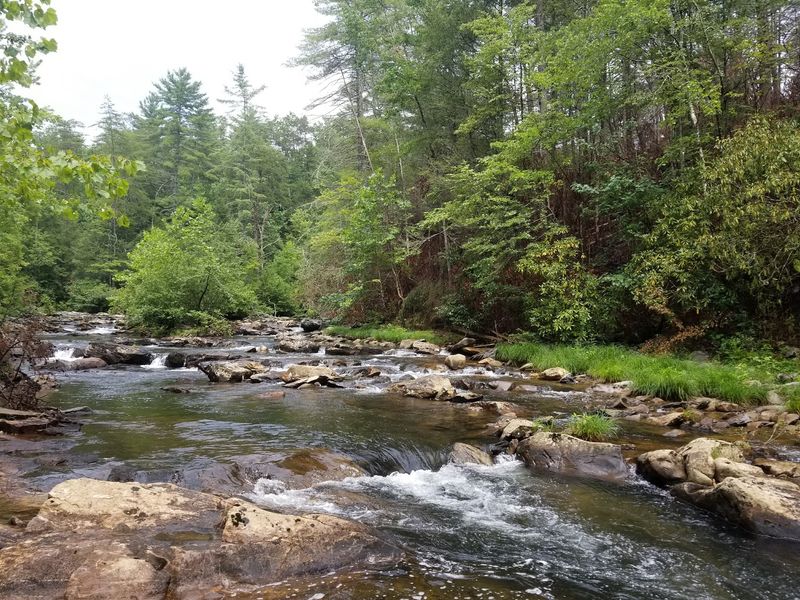
Good news for anyone who hates wet boots. The Beech Bottom Trail is widely considered the easiest and driest route to the falls.
Plan on roughly 9 to 10 miles round trip, or about 4.5 to 4.9 miles each way. The elevation gain stays fairly gentle, which your knees will appreciate on the return.
You’ll only face a few minor stream crossings. That’s a big deal, since this route skips the many river fords on the longer Jacks River Trail.
The trailhead is usually reached from the Tennessee side of the wilderness. So yes, the shortest hike can come with one of the longer drives.
One tricky spot catches people off guard near the end. The side path down to the falls can be easy to miss, and the final descent is steep.
Keep your eyes open as you get close, and listen for the water. Overshooting the turn can add miles you never planned to walk.
Most hikers can expect a moderate day. Pack snacks, plenty of water, and a little patience for that last scramble to the pools.
Count The River Crossings If You Can Keep Track
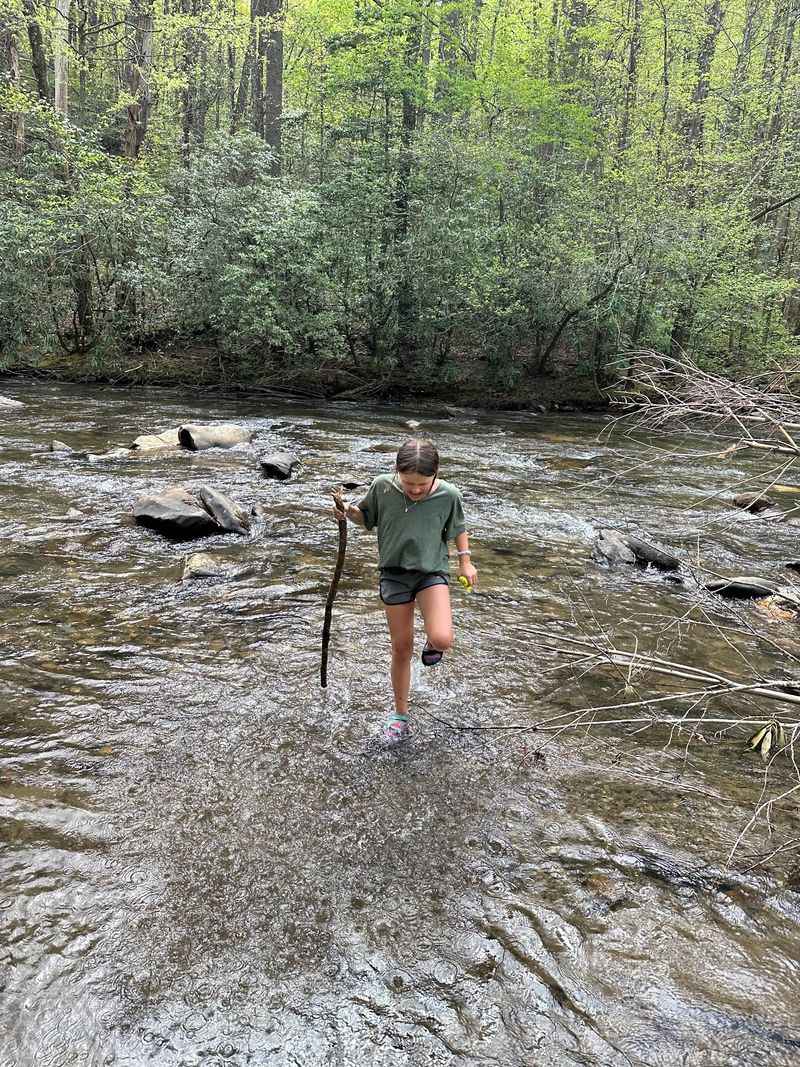
Eighteen crossings. Maybe forty-four, depending on who’s counting and which route you take.
The Jacks River Trail has earned its nickname as the wettest trail in the Cohutta Wilderness. You’ll ford the river again and again, often wading straight through moving water.
The full trail can stretch 16 to 19.4 miles round trip. Ratings range from moderate to strenuous, so this one isn’t a casual stroll.
Water shoes or quick-drying footwear are a must. Trekking poles help a ton when rocks get slick and the current pushes against your legs.
Summer heat makes those crossings feel like built-in breaks. Cold months are a different story, so dress with care and keep dry layers in a waterproof bag.
Many hikers split this route into an overnight trip. Just remember the camping limits near the falls, and set up camp well outside that zone.
High water changes everything on this path. After heavy rain, the river can rise fast, so check conditions before you go and turn back if crossings look sketchy.
Earn it, though, and the falls feel like a trophy.
Your Car Will Have Opinions About These Roads
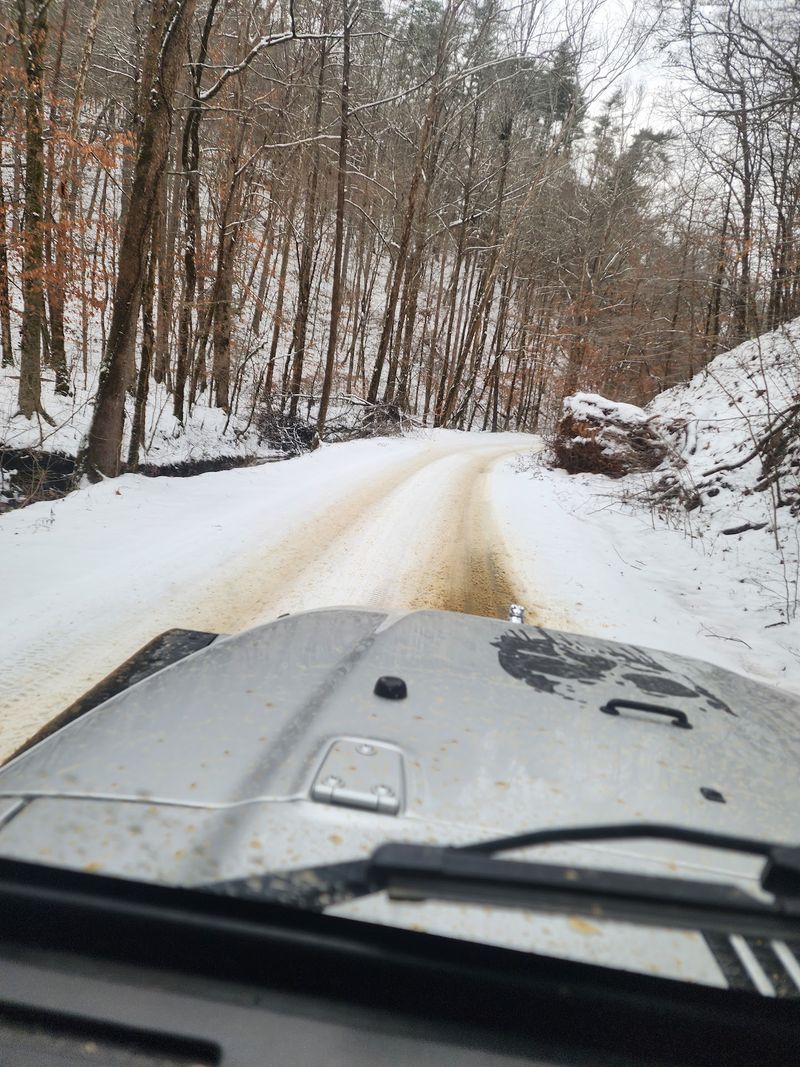
Getting to the trailhead is an adventure before the adventure starts. The routes follow Forest Service roads, and some stretches are bumpy, rocky, and full of potholes.
A high-clearance vehicle is the safe bet here. Low sedans may struggle, and nobody wants to explain a scraped undercarriage on the drive home.
Directions usually start from Blue Ridge or Chatsworth. Expect to use roads like US-411, Old Highway 2, and Forest Service roads such as FS22 and FS62.
Map apps list the falls at Epworth, GA 30541, but there’s no real street address out here. Jacks River Falls sits deep in protected wilderness, so trailheads like Dally Gap and Beech Bottom are your true targets.
Cell signal fades long before you park. Download maps ahead of time, and carry a paper map as backup.
Give yourself extra time for the drive. Slow, careful miles on gravel add up quickly, especially if you want an early trail start.
Fill your gas tank before leaving town. Services are scarce in these mountains, and running on fumes far from pavement is no fun at all.
Bring A Towel Because Those Pools Are Calling
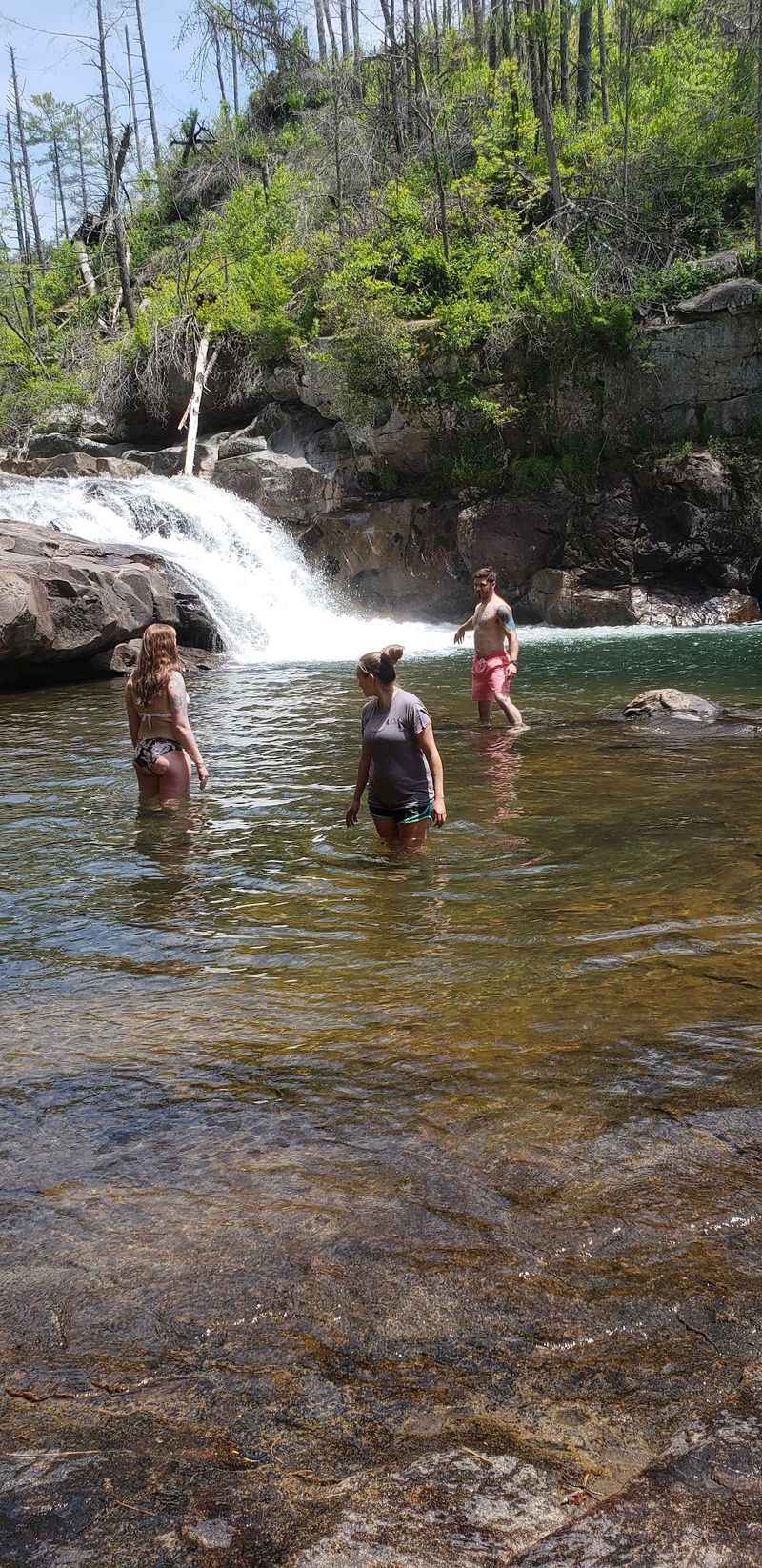
Hot day, long hike, cold mountain water. You can probably guess what happens next at the bottom of the falls.
The deep pools below the cascades are a favorite place to cool off in warmer months. Big rock slabs nearby make handy spots to dry out and refuel.
Swimming here feels earned in the best way. After miles of trail, slipping into that water feels like hitting a reset button.
Still, respect the river. Rocks around Jacks River Falls stay slick, and fast-moving water can pull harder than it looks.
Check the current before you wade in. If recent rain has the falls roaring, stick to the rocks and enjoy the show from a safe distance.
Water shoes help with grip on the slippery stone. They also protect your feet from sharp edges hiding under the surface.
Pack a light towel and a dry shirt for the hike out. Wet clothes get heavy fast, and chafing on mile eight is nobody’s idea of fun.
Also, carry out every wrapper. A spot this pretty deserves to stay that way for the next swimmer.
The Rules Are Strict For A Very Good Reason
Back in March 2003, camping around the falls was shut down due to overuse. By 2006, new regulations turned the immediate falls area into a protected, day-use zone.
Those rules still shape every visit today. From April 1 to October 30, camping is prohibited near Beech Bottoms and Jacks River Falls.
Between November 1 and March 31, camping in that same area is limited to designated sites only. Dispersed backcountry camping is fine elsewhere in the Cohutta Wilderness, just outside the restricted zone.
Campfires are banned year-round near the falls. Pack a small stove if you want a warm meal at camp farther away.
Group size is capped at 10 people anywhere in the wilderness. Scout troops, school groups, and church groups may need a free permit, so check before planning a big outing.
Some hikers grumble about the limits at first. Then they reach clean pools and quiet rocks, and the reasons suddenly make sense.
Following Leave No Trace keeps this spot healthy. Pack out trash, stay on trails, and treat the falls like a friend’s backyard.
Mountain Laurel, Wild Roses, And A Few Furry Neighbors
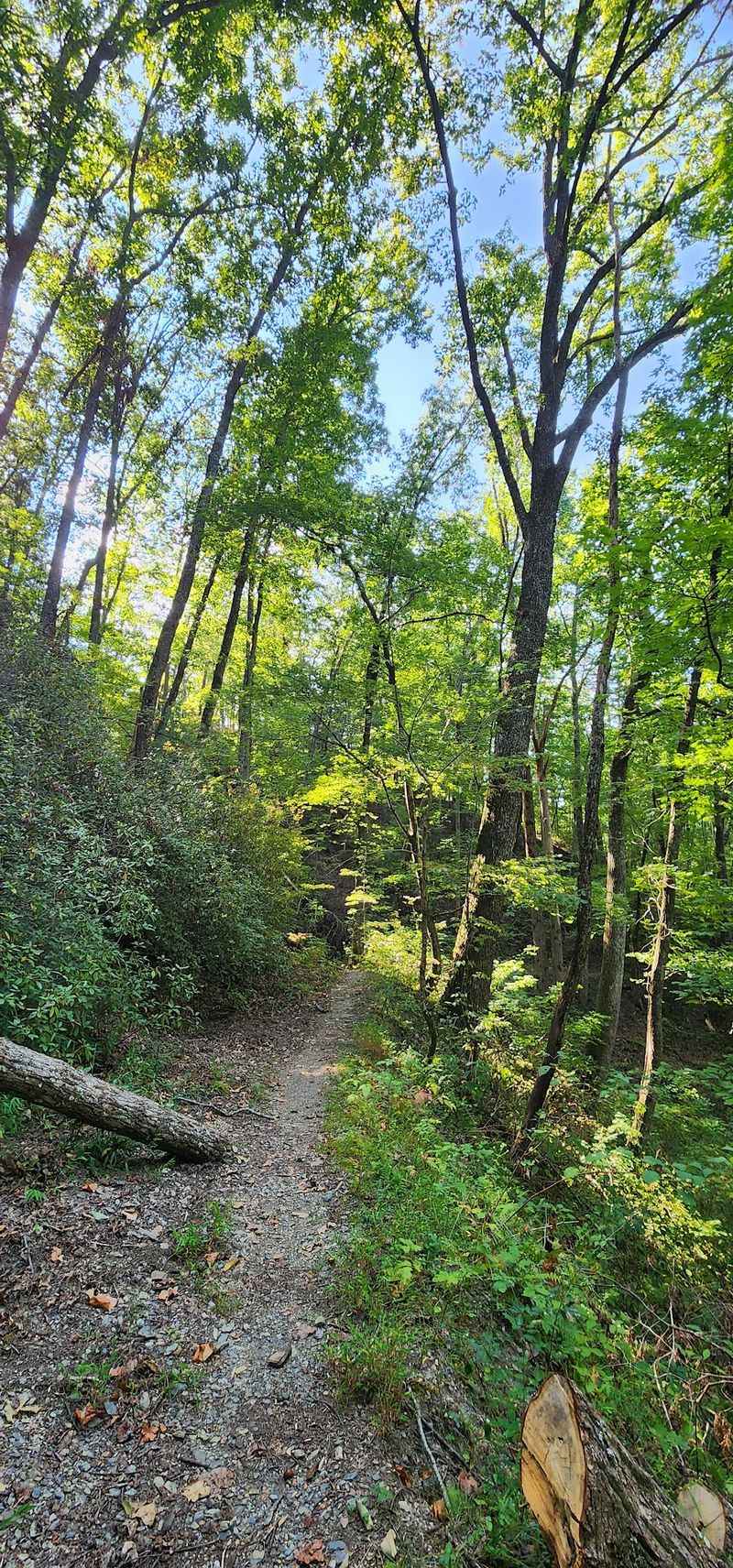
Late spring dresses this trail up nicely. Wildflowers, mountain laurel, and wild roses bloom along the way, adding color to all that green.
That’s a great time to plan a trip if you love photos. Blooms paired with full falls make for some seriously frame-worthy views.
The wilderness is home to plenty of wildlife, too. Deer, black bears, wild boar, and snakes all live in these woods.
Some of those snakes are venomous, so watch where you step and reach. Sticking to the trail and looking before sitting on logs goes a long way.
Bears call for smart food habits. If you camp in the wider wilderness, hang or store food properly away from your tent each night.
Spotting wildlife from a distance can be a highlight of the day. Give animals space, keep dogs close, and never feed anything, no matter how cute.
Fall brings its own charm with crunchy leaves and cooler air. Just watch for acorns underfoot, since they can roll like tiny marbles on steep sections.
History Hides Right Under Your Hiking Boots
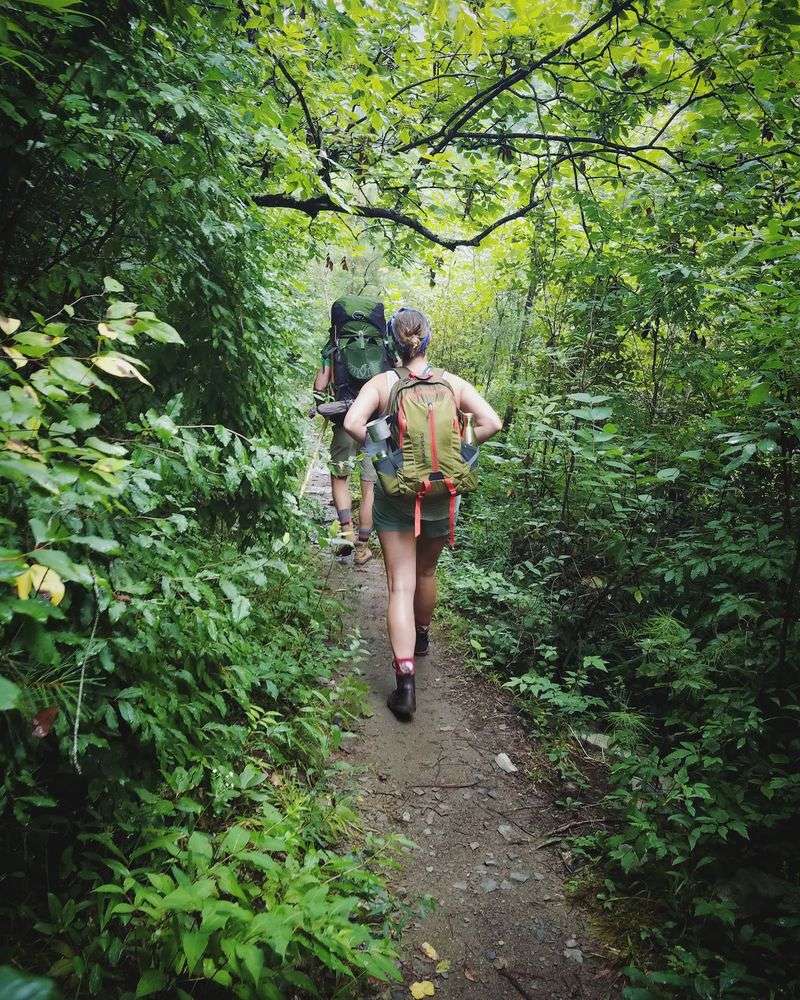
Legend has it the river carries the name of a Cherokee man who ferried travelers across for a fee. Considering how many times hikers cross it now, he’d have done brisk business.
Look down as you walk certain stretches of the Jacks River Trail. Parts of the path follow old logging roads, and some still show American chestnut cross-ties.
Those ties date back to logging days before the chestnut blight hit in the 1920s and 1930s. That blight wiped out most mature chestnut trees across the eastern United States.
Spotting those old timbers feels like finding a clue in a mystery novel. The forest you see today has grown back over a very different past.
The Cohutta Wilderness was established on January 3, 1975, and covers approximately 37,000 acres. Together with the neighboring Big Frog Wilderness in Tennessee, the Cohutta Wilderness forms part of a larger protected wilderness landscape in the southern Appalachian Mountains.
The land spans Georgia and lies near the Georgia–Tennessee border. The combined Cohutta and Big Frog wilderness areas are often described as the largest wilderness area east of the Mississippi River.
Knowing this backstory adds weight to each step. You’re not just hiking to a waterfall; you’re walking through a forest that has recovered from a very different past.
Go Early, Pack Smart, And Enjoy The Quiet
Early birds get the waterfall. Starting at sunrise boosts your odds of reaching the pools before other hikers trickle in.
The remote location helps too. Long gravel drives and lengthy trails naturally thin out the crowd, especially on weekdays.
Warm summer weekends can still draw a lively group, so timing matters. A quiet Tuesday morning at Jacks River Falls feels almost like a private showing.
Pack the ten essentials before you leave. Help is far away out here, and cell service is spotty or missing entirely.
Carry a physical map and know how to read it. A water filter is handy, since refilling from the river saves weight on long days.
Check the weather and river levels before heading out. Flash floods can turn easy crossings dangerous in a hurry.
The trip isn’t ideal for young children or anyone with physical limitations. Rough terrain and long distances demand steady legs and a good plan.
Do the prep, though, and this corner of Georgia pays you back generously. Few things beat sitting beside a roaring waterfall with nobody else around.