A towering Tiffany stained-glass window turns a homeowner’s portrait into the centerpiece of a marble mansion. That’s quite a decorating choice, even before you learn that the portrait shows the woman who inspired the estate.
White marble covers the outside, while imported Italian marble adds richness within. The building brings such grand European ideas to a mountain setting in Virginia, without needing a royal family to explain it.
The house remains privately owned, and visits depend on scheduled events or arranged access. You’ll want to plan ahead rather than treat it like a museum with dependable daily hours and an always-open front door.
Its restoration is still a work in progress, which makes the architecture more interesting to study. What survives inside gives you plenty to notice, especially when a single window carries so much of the story.
A Summer Retreat With Palace-Sized Ambitions
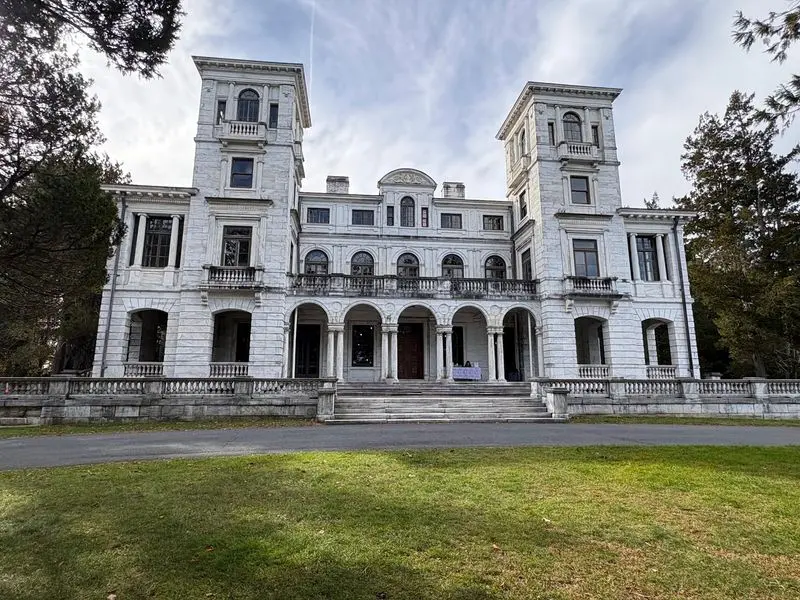
A summer house sounds modest until someone brings marble into the conversation. Swannanoa, also known as Swannanoa Palace, took the idea of a seasonal retreat to an extraordinary scale.
Railroad millionaire James H. Dooley commissioned the estate for himself and his wife, Sallie May Dooley.
The project began in 1911, and the mansion was largely completed in 1912.
Some historical accounts give 1913 as its completion year, so the dates deserve a little care. The familiar 1912 label captures its main building period without explaining every finishing detail.
Its roughly 23,000 square feet and reported 52 rooms help explain the palace nickname. You don’t need to memorize those numbers, but they make the ambition behind the place easier to grasp.
Rather than viewing it as simply an expensive house, look for the personal purpose behind the scale. The estate was conceived as a summer retreat and a tribute to Sallie May.
I like that combination of grandeur and affection because it gives the architecture a human starting point. During a tour, ask how that original purpose shaped the rooms and decorative choices you can actually see along the permitted route through the house.
Italian Inspiration Meets American Marble
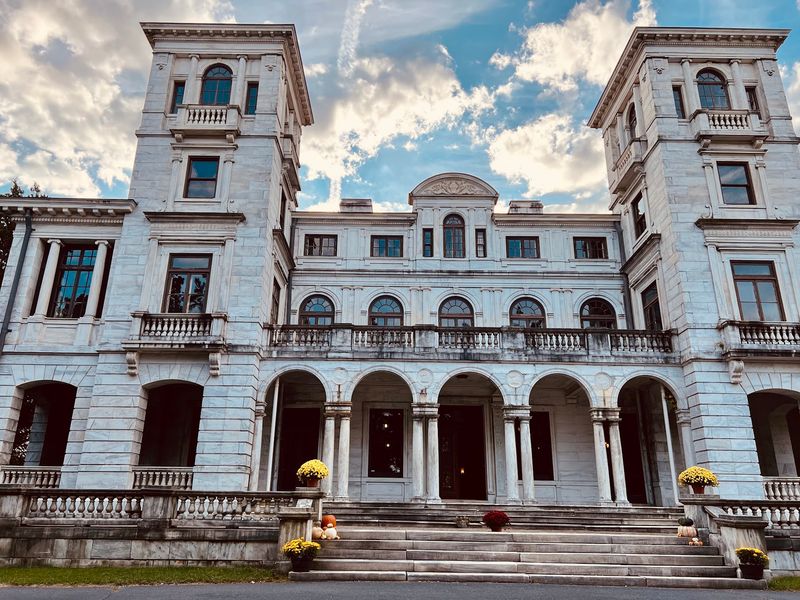
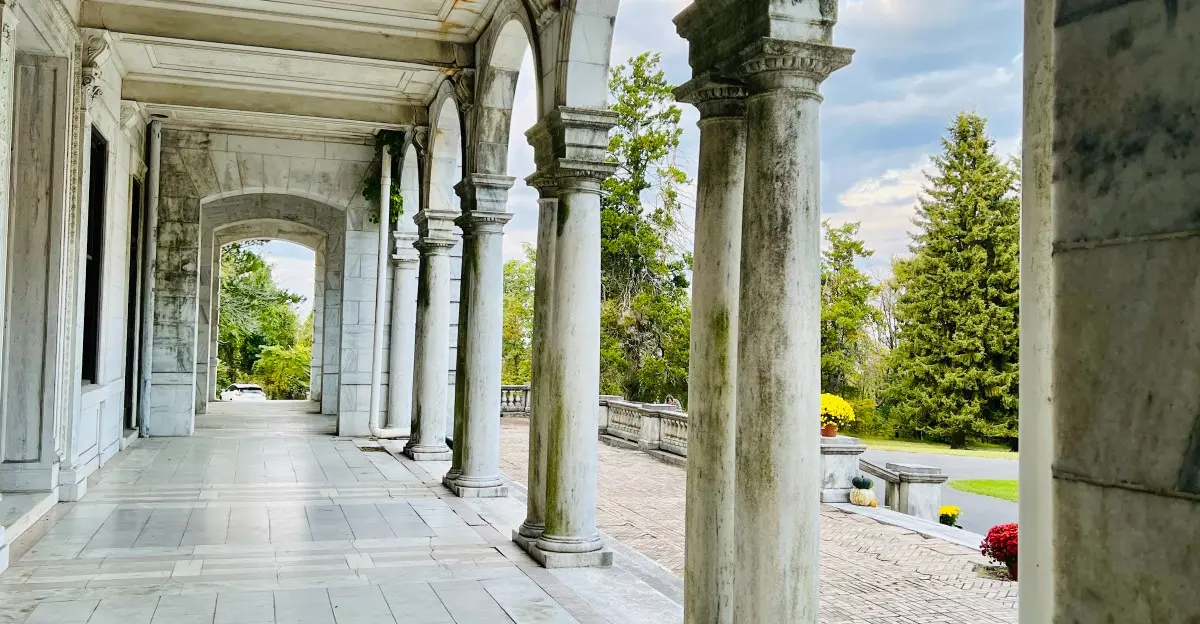
Italy supplied the inspiration, but the exterior stone came from much closer to home. Swannanoa’s white Georgian marble belongs to its American construction story, not an entirely imported building kit.
Inside, imported Italian marble adds another layer to the design. Keeping those materials straight helps you appreciate the house without repeating the common claim that everything came from Italy.
Architects Noland and Baskervill designed the villa in the Italian Renaissance Revival style. Its inspiration included the Villa de Medici in Rome, linking this Virginia estate to a much older architectural tradition.
You don’t need an architecture degree to enjoy that connection. Start by noticing proportions, repeated forms, and how stone gives the building its sense of weight.
Ask your guide which details best show the Italian influence. A specific example will teach you more than trying to attach a grand label to every doorway.
For photographs, include a broad view before concentrating on smaller details that catch your attention. That approach keeps the design readable and gives individual features their proper context.
The materials also make preservation a serious undertaking, rather than a quick decorating project. Beautiful stone still needs knowledgeable care, especially across a building of this size.
The Staircase Has A Remarkable Portrait Waiting Above It
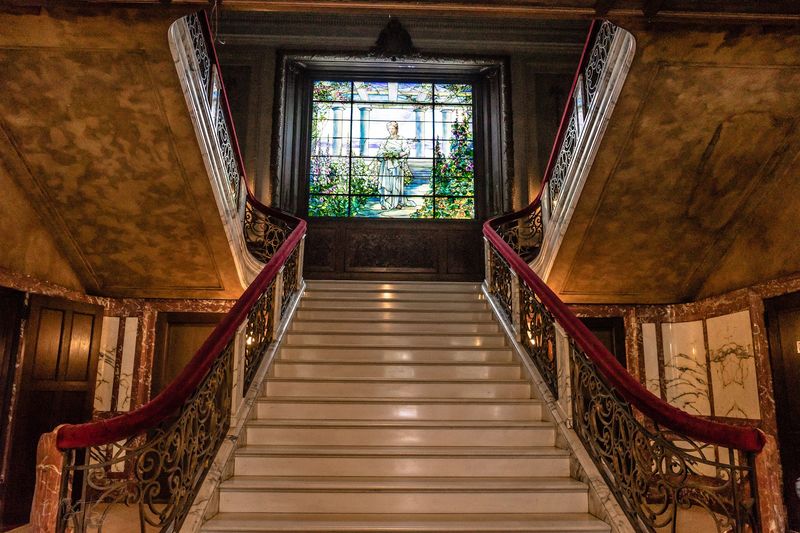
How often does a family portrait become the architectural highlight of an entire house? Above the grand staircase, a Tiffany stained-glass window gives Sallie May Dooley that remarkable role.
The window stands about ten feet tall and contains approximately 4,000 pieces of glass. Those figures suggest the amount of planning needed to turn a portrait into such a large decorative work.
Its subject matters as much as its size. Sallie May’s likeness ties the mansion’s most recognizable interior feature directly to the woman who inspired the estate.
Descriptions often emphasize a claim about its record-setting size among private homes. The craftsmanship and personal connection provide plenty to appreciate without making a ranking the main attraction.
When booking, ask whether your tour includes a clear view of the window and staircase. Access can depend on the route offered, so avoid assuming every interior area will be available.
If photography is permitted, follow the estate’s guidance and keep the passage clear. Getting a picture should never mean touching historic surfaces or interrupting someone else’s view.
Give yourself time to study the whole composition before focusing on individual pieces. A portrait made of glass rewards attention beyond a quick snapshot.
The Original House Had More Than Fancy Stone
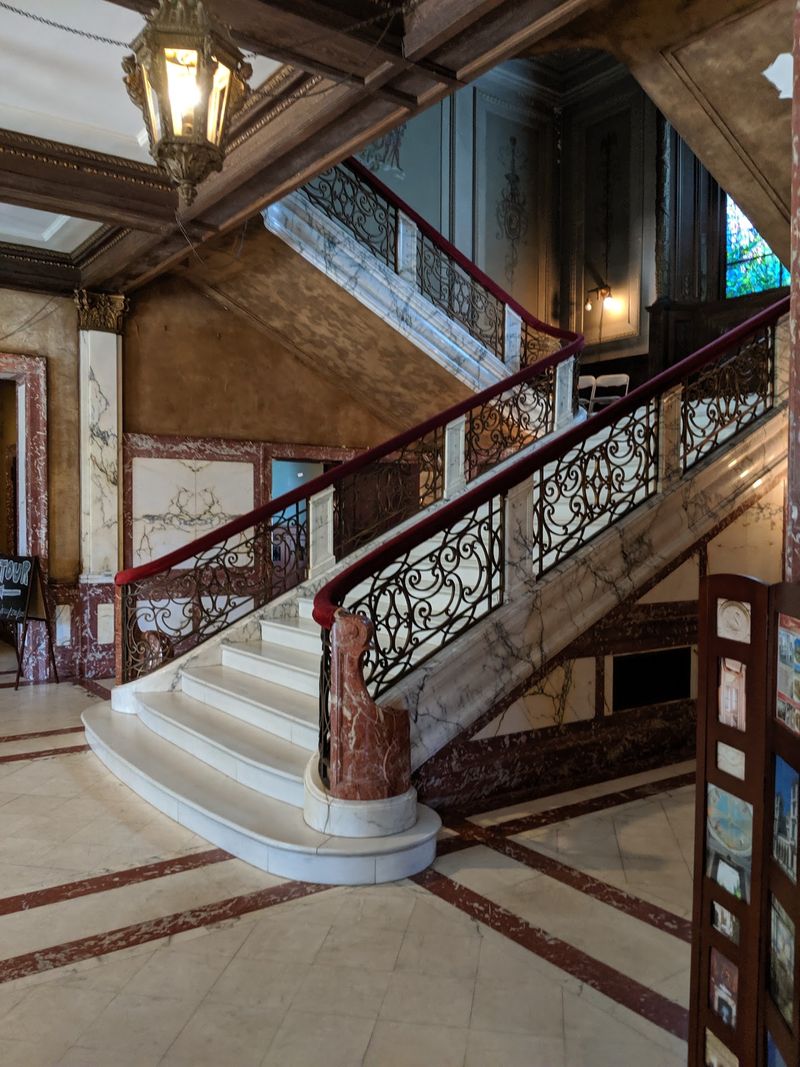
Marble gets the attention, but the original household technology deserves its own moment. The estate included electricity, telephones, a dumbwaiter, and an elevator when those features carried considerable novelty.
Swannanoa is credited as the first home in Nelson County to have electricity. That distinction adds a practical side to a building usually discussed for its decorative ambition.
An elevator and dumbwaiter also point toward the work involved in running a large residence. Moving people and household supplies through many rooms required more than an impressive staircase.
For younger visitors, these features offer an easy bridge between the past and familiar modern life. Ask what an ordinary home nearby might have lacked during the same period.
Keep the historical features separate from present-day services when planning your visit. An original elevator doesn’t establish modern step-free access, and early electricity doesn’t promise today’s comfort systems.
Contact the venue directly about mobility needs, restrooms, and any other essential arrangements. Clear answers before arrival make a better plan than assumptions based on the house’s original equipment.
The useful takeaway is that luxury here included convenience as well as ornament. Even a marble palace needed solutions for the everyday business of living comfortably.
The Gardens Extend The Italian Idea Outdoors
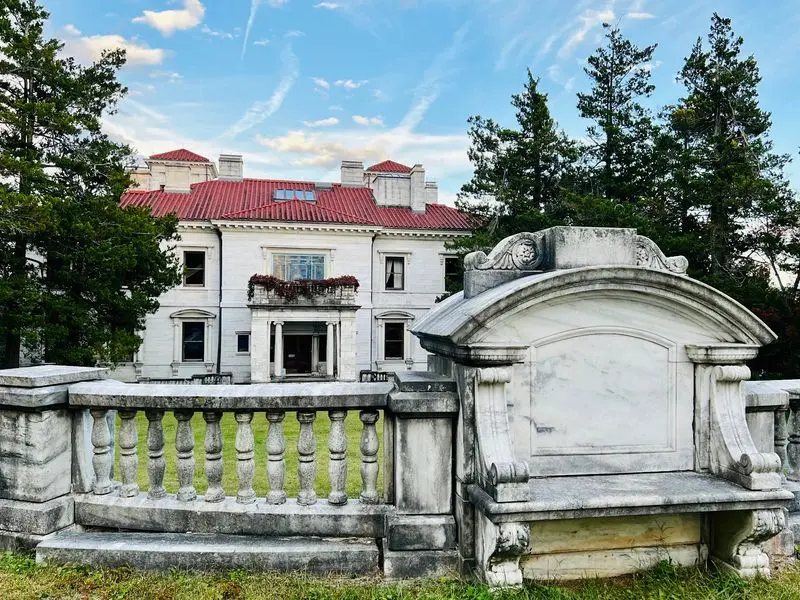
The house wasn’t the only part of the estate shaped by Italian ideas. Terraced gardens extend that influence outdoors and give the grounds their own architectural interest.
Terraces organize a sloping landscape into a series of levels. At Swannanoa, that arrangement connects the garden design with the estate’s broader vision of a grand mountain retreat.
Look at the relationship between the building and the outdoor spaces, rather than judging individual plants alone. Gardens can reveal design choices through layout even when their condition changes over time.
Before visiting, ask whether grounds access is included in your particular booking. A private event, tour, or photography appointment may come with different boundaries and time allowances.
Comfortable shoes make sense when a visit involves both interiors and outdoor areas. Check the weather, too, since a mountain location deserves more preparation than a quick stop indoors.
Keep to permitted routes and avoid using garden structures as climbing platforms or photo props. Historic landscapes need the same respectful attention as the rooms inside.
I appreciate that the grounds give you another way to understand the estate’s scale. The palace story continues beyond its walls, with space and elevation becoming part of the design.
Its Later Chapters Deserve A Little Attention
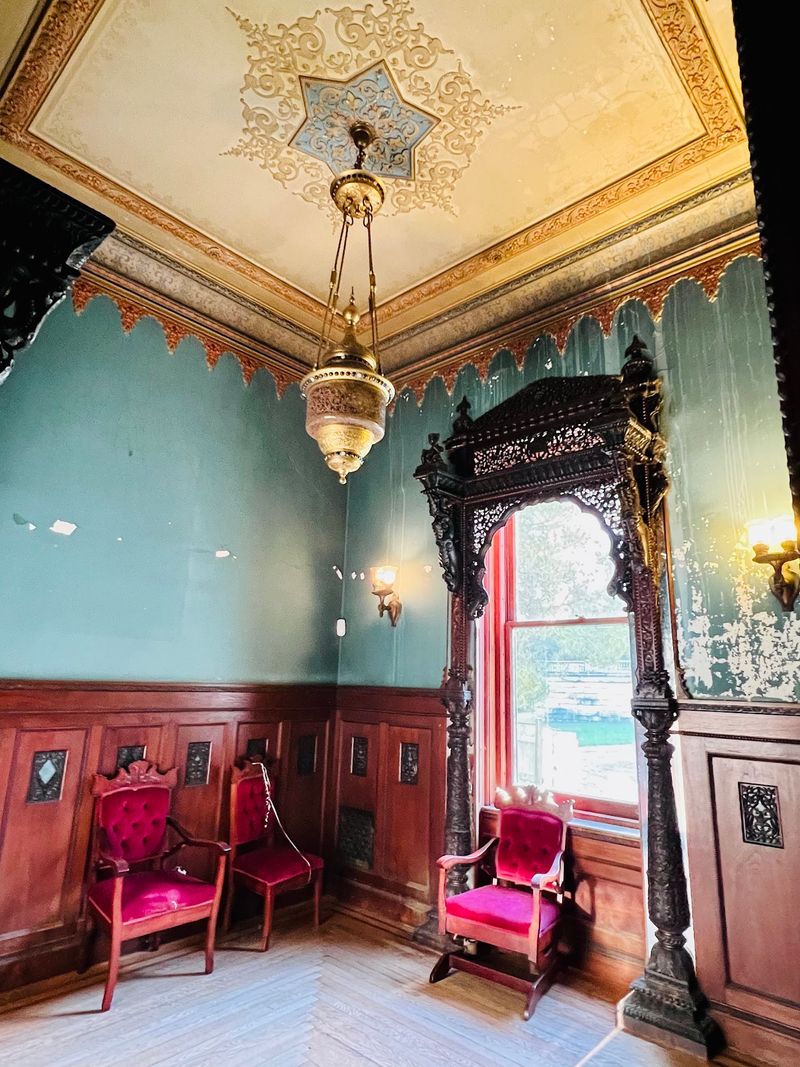
A house this large rarely keeps just one identity through the decades. After its years as the Dooleys’ retreat, Swannanoa took on several different roles.
It operated as a country club between 1926 and 1932. President Calvin Coolidge attended Thanksgiving dinner there in 1928, adding a presidential connection to the estate’s history.
Another major chapter began in 1948, when Walter and Lao Russell leased the property. Their association with the house continued through 1998 through the University of Science and Philosophy.
During that period, the mansion served as a museum and cultural center. That use helps explain why its story reaches beyond architecture and the original family’s summer plans.
On a guided visit, ask how these different periods affected the estate. The answer can help separate original design choices from later uses and changes.
You don’t have to share the Russells’ philosophical ideas to find their connection historically interesting. Treat that chapter as one part of the building’s timeline, rather than its entire identity.
Keeping the sequence clear makes the house easier to understand: private retreat, club, then a long cultural chapter. Each use adds context without replacing the personal story that first brought the mansion into being.
Restoration Is Part Of What You Come To Understand
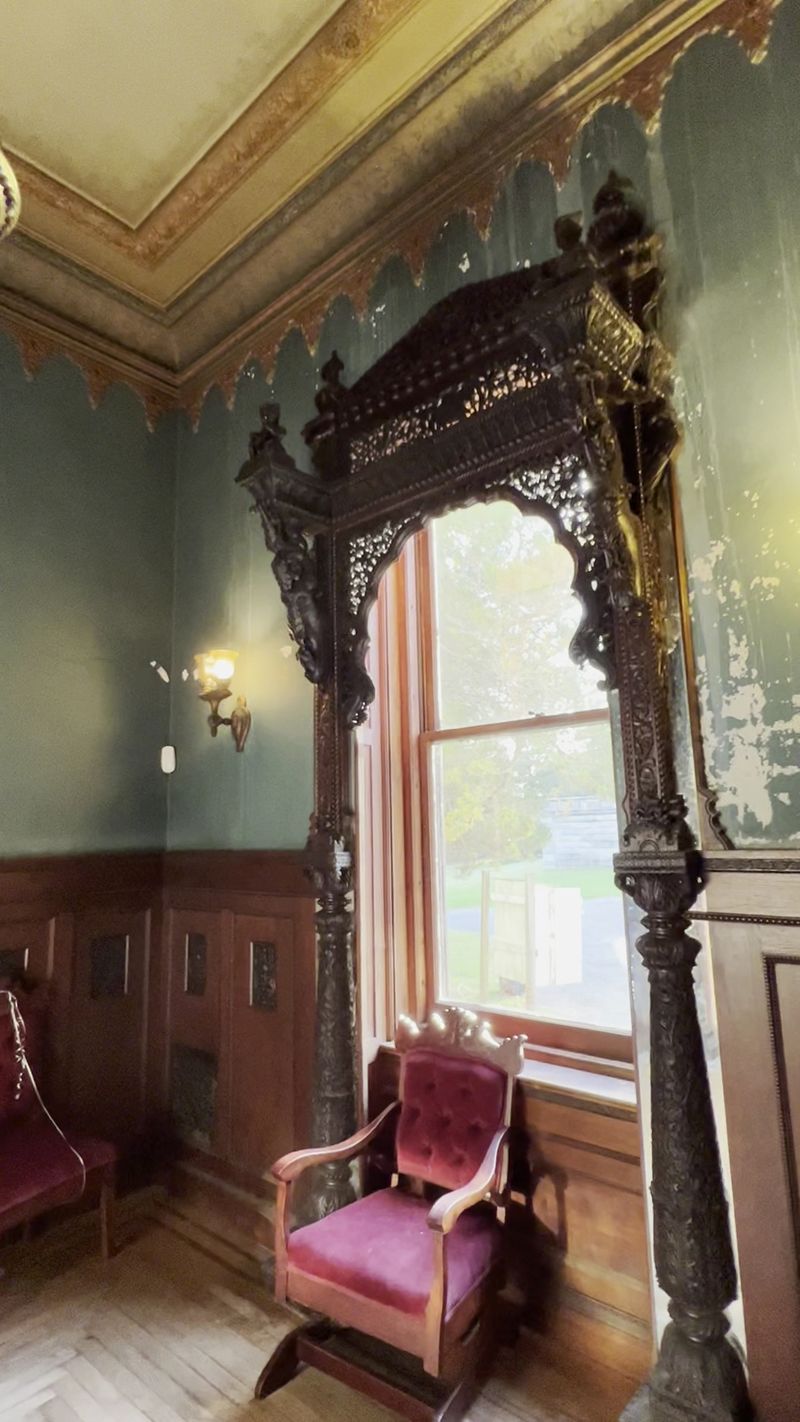
A fully furnished period house and an ongoing preservation project offer different experiences. Swannanoa belongs to the latter category, so arriving with the right expectations makes a real difference.
The mansion isn’t fully renovated or furnished as a complete period interior. Its architecture, decorative work, and history therefore carry more of the experience than reconstructed household scenes.
The estate is listed on the National Register of Historic Places and the Virginia Landmarks Register. Those recognitions establish its historical importance, but they don’t mean every restoration task has been completed.
Exterior restoration took place between 1999 and 2006, representing a substantial chapter in its care. More recent estate announcements describe necessary maintenance and a completed window restoration project.
Ask what work affects access when arranging your visit. Preservation needs can change which spaces are available, and an older itinerary may not describe your booked experience.
Resist the urge to measure the house against a polished museum installation. Looking closely at surviving features can be rewarding without pretending the estate has reached a finished state.
For me, that distinction makes respectful curiosity the best approach. You’re learning about an important building while its owners continue the practical work of caring for it.
A Little Planning Beats An Unannounced Drive
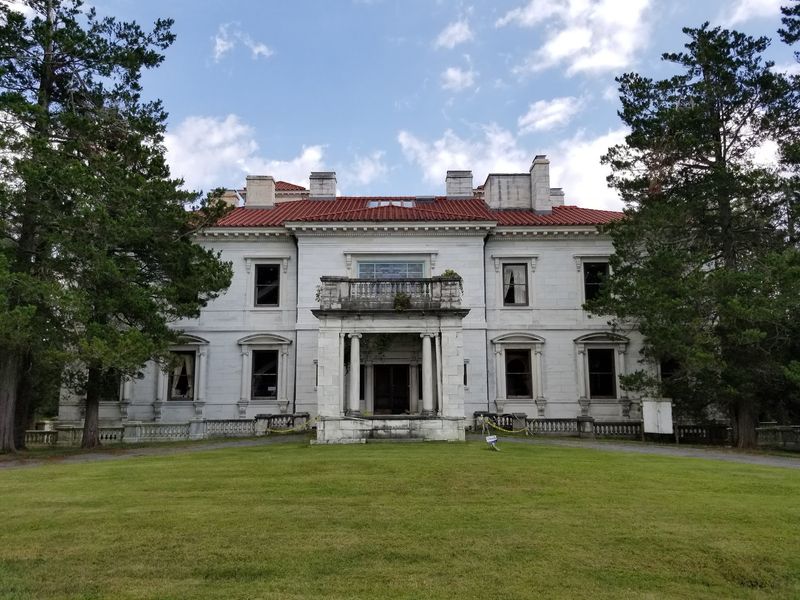
Your most useful first step happens before you head up the mountain. Swannanoa is privately owned, with visits tied to arranged access, bookings, and announced ticketed events.
The address is 497 Swannanoa Ln, Afton, VA 22920, United States. Its Afton Mountain setting lies along the border of northern Nelson County and Augusta County in Virginia.
Seasonal public tours have been offered, but don’t treat a familiar monthly pattern as a guaranteed schedule. Check the estate’s own announcements for the date you actually want.
Private tours and photography appointments provide other possible ways to arrange access. Availability still needs confirmation, especially while maintenance projects influence the estate’s calendar.
Before booking, ask about the tour format, accessible areas, expected duration, and essential facilities. Those questions are more useful than building your day around an older visitor account.
Save your confirmation and any arrival instructions somewhere easy to reach. Mobile navigation can locate an address, but it can’t explain the conditions attached to your reservation.
Keep your plans flexible until the estate confirms access. A carefully arranged visit lets you focus on the mansion instead of discovering that your chosen day doesn’t match its opening plans for that particular week or event.
Private Events Give The Palace Another Purpose
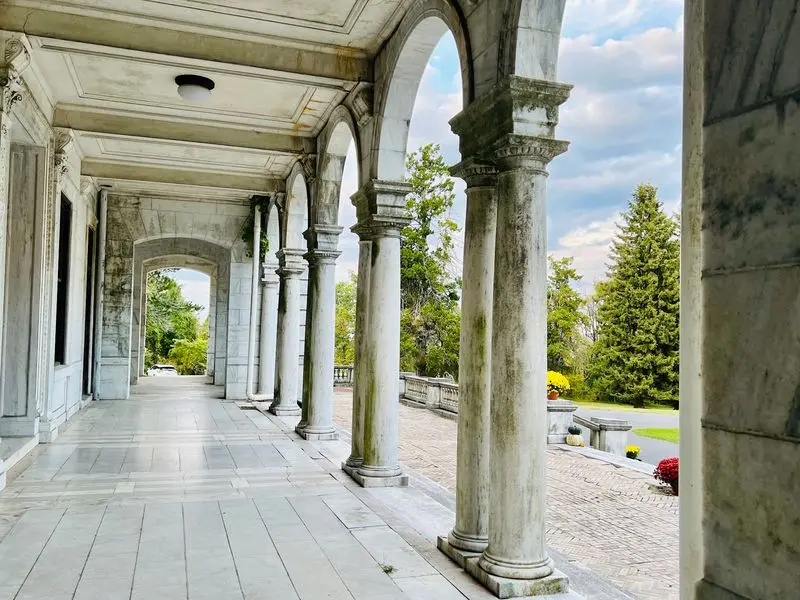
A historic mansion can host new occasions without becoming an everyday public gathering place. Swannanoa offers private bookings for events, including weddings, elopements, photography sessions, and other arranged uses.
The attraction is easy to understand: an architectural setting carries much of the visual interest. Still, a beautiful backdrop doesn’t answer the practical questions that determine whether an event will work.
Ask which indoor and outdoor areas belong to the booking. Confirm the permitted guest count, timing, weather arrangements, and any restrictions affecting decorations or equipment.
For a photography session, discuss intended locations and the kind of access you’ll need. Permission to enter the estate doesn’t automatically include every room, terrace, or staircase.
Preservation also deserves a place in the planning conversation. Historic surfaces need protection, and venue rules help keep celebrations compatible with the building’s continuing care.
A regular tour remains a different experience from hiring the property for a private occasion. Choose the option that fits your purpose instead of assuming the arrangements are interchangeable.
What I like most is that Swannanoa still invites meaningful uses while retaining its historical identity. The marble palace has room for another chapter, provided everyone gives the original one the respect it deserves.