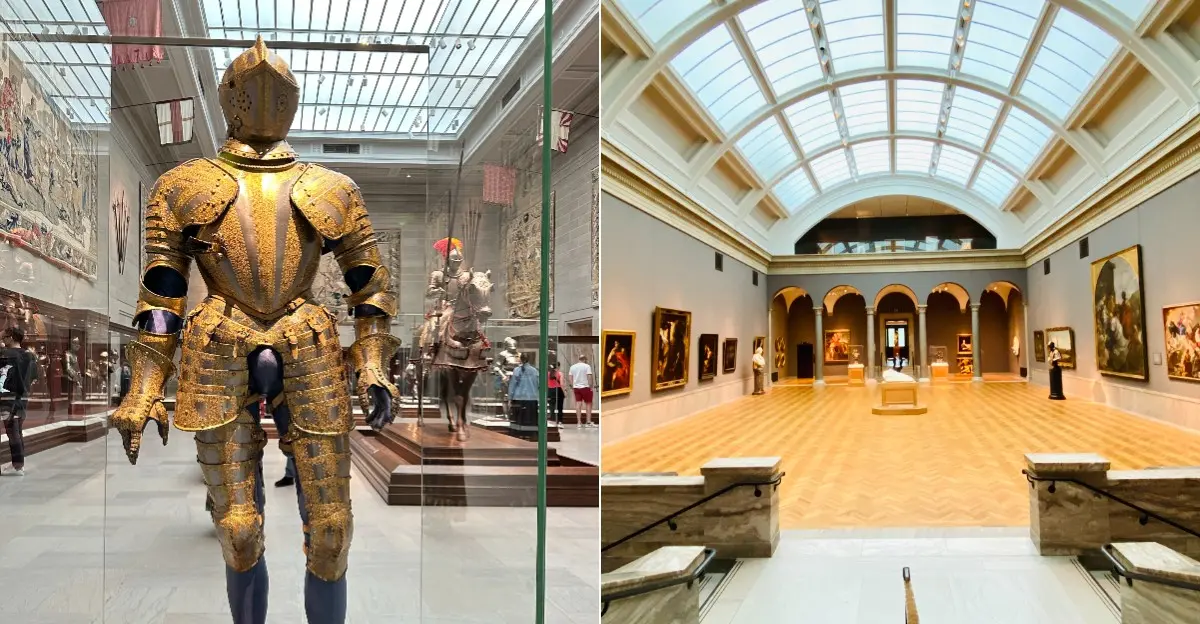
Free admission gets you into the permanent galleries here, including an Armor Court filled with remarkable metal craftsmanship. I like that an Ohio outing can involve ancient Egyptian art and Asian masterpieces without an admission charge deciding how long you stay.
A glass-covered atrium gives the building another reason to catch your attention. You can make a short visit around one interest or give yourself more time to follow whatever catches your eye along the way.
The collection reaches across thousands of years, but you don’t need an art degree to find something worth a closer look. I think the best starting point is simple curiosity, especially when you can return to the permanent galleries without buying another ticket or trying to finish everything at once.
Your Admission Budget Can Stay Exactly Where It Is
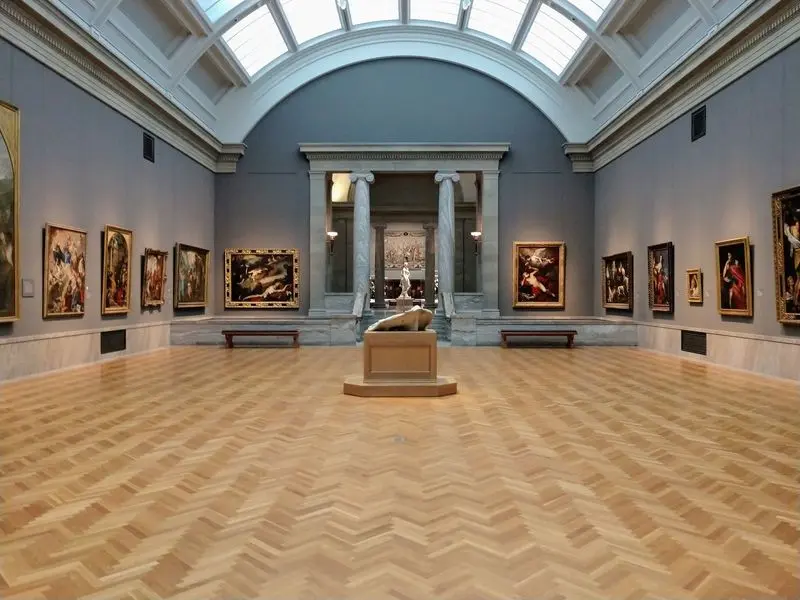
The Cleveland Museum of Art makes its permanent collection galleries free for everyone, not just members or local residents. That simple policy gives you room to explore without turning every minute into a calculation about ticket value.
You can build a visit around one gallery, a favorite subject, or an afternoon with no strict route. I like that freedom because enjoying art shouldn’t require an ambitious checklist or a full day of available time.
Free general admission does have a boundary: some special exhibitions and events require separate paid tickets. Check the details for anything advertised beyond the permanent galleries before adding it to your plans for the day.
Keep transportation, parking, meals, and shopping separate from your admission budget, since free entry doesn’t make those expenses disappear. A visit focused on the permanent collection can still avoid purchases once you arrive at the museum itself.
For Ohio residents, repeat visits offer an especially useful way to explore without rushing through unfamiliar material. Choose a manageable starting point, enjoy it properly, and leave another gallery for a future outing when curiosity brings you back again.
The Collection Is Bigger Than The Headline Suggests
More than 61,000 works sounds enormous, and the museum’s newer collection figure goes further: more than 66,500 artworks. Its holdings span about 6,000 years, giving you plenty of reasons to pick a focus before exploring the galleries.
That total describes the collection, not a promise that every object will be on display during your visit. Individual works may be off view, so check collection information before planning your afternoon around one particular favorite artwork.
The range includes American art, European painting and sculpture, photography, decorative art, and major collections from across Asia. Egyptian holdings add another doorway into the past, with objects that invite attention to materials, symbols, and skilled workmanship.
Instead of trying to absorb everything, choose two or three areas that genuinely interest you right from the start. A smaller route leaves time to read labels and notice details that a quick glance can easily miss.
Give yourself permission to change that route when an unexpected work catches your attention in a nearby gallery. The Cleveland Museum of Art offers enough variety that following a new interest can become the best plan of all.
Let The Asian Galleries Change Your Route
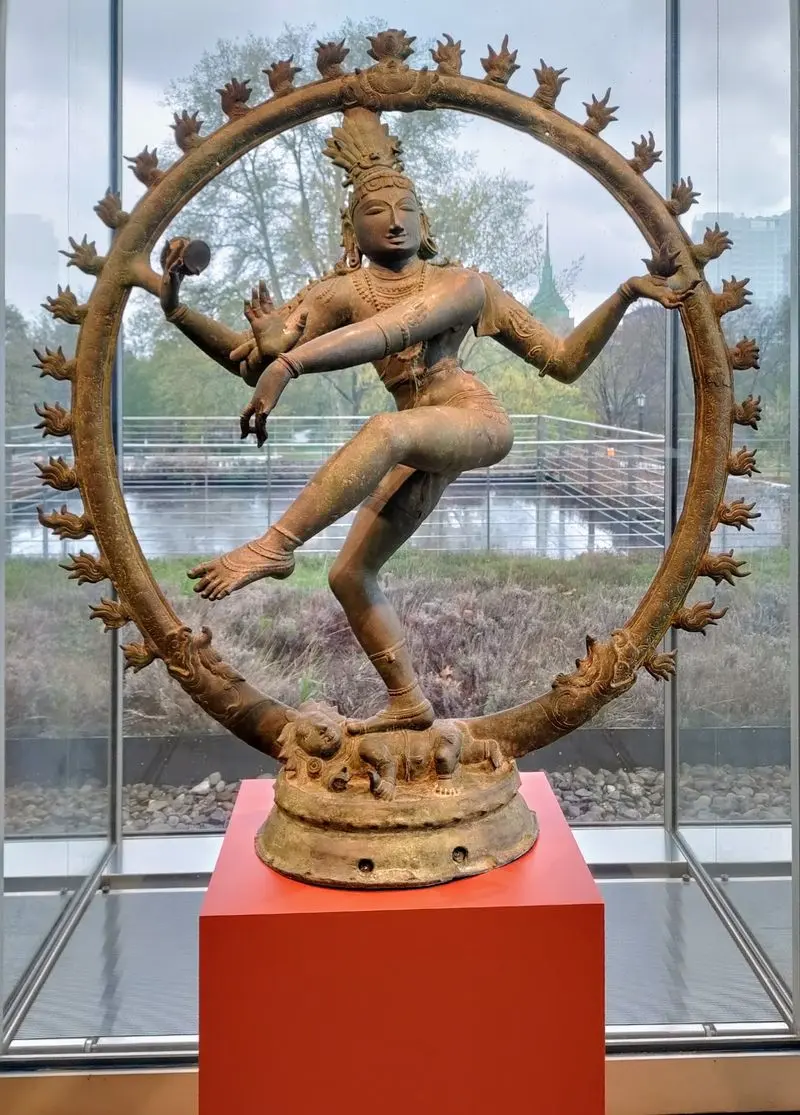
A familiar painting might bring you here, but the Asian collections deserve room in your plans as well. The museum holds significant Chinese, Japanese, Korean, Indian, and Southeast Asian art, making this an especially rewarding collection area.
You don’t need to know every period or tradition before looking closely at an object in these galleries. Start with something visible, such as a shape, a pattern, or the way an artist handled a particular material.
Then use the label to connect what you noticed with the object’s place, purpose, and time of creation. That order keeps the experience approachable, rather than making every unfamiliar name feel like homework assigned during your afternoon out.
Compare two works that share a material but come from different settings, and notice how their forms differ. Avoid treating the whole region as one style, because the collection brings together distinct cultures with their own histories.
Before visiting, check which collection highlights are on view if you have a specific object in mind already. Otherwise, leave a little space for discovery and let careful looking guide you toward something you hadn’t expected to appreciate.
Armor Gives Craftsmanship A Very Different Shape
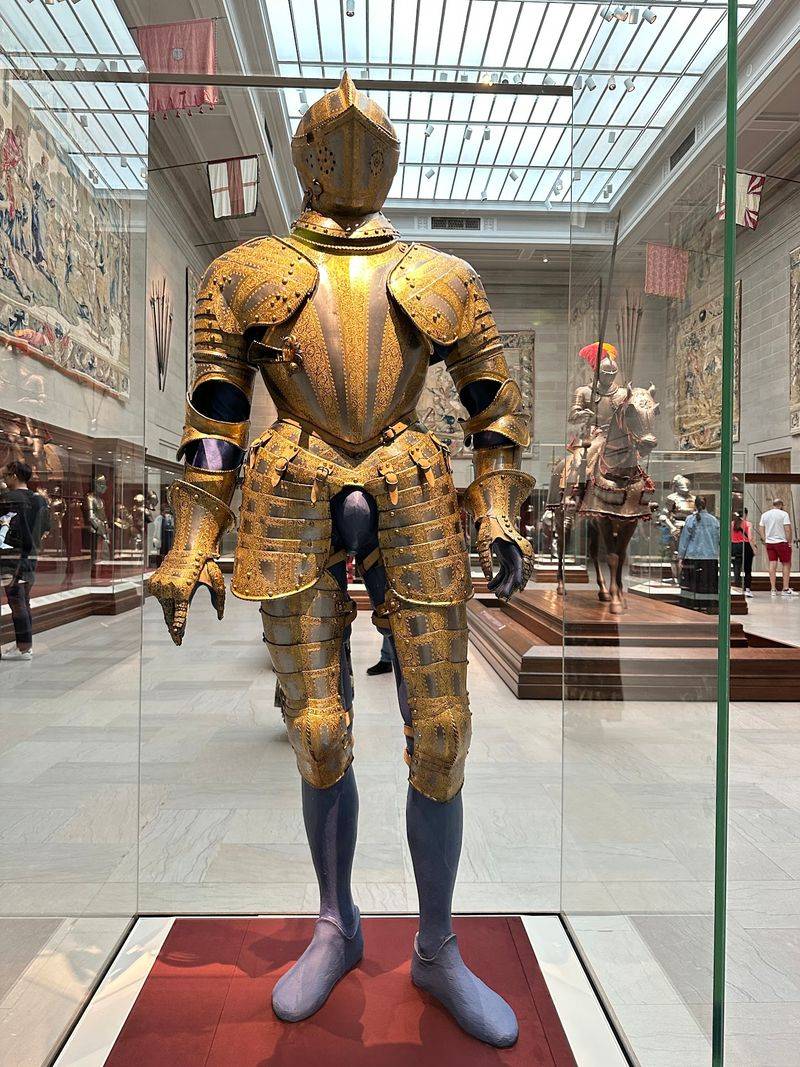
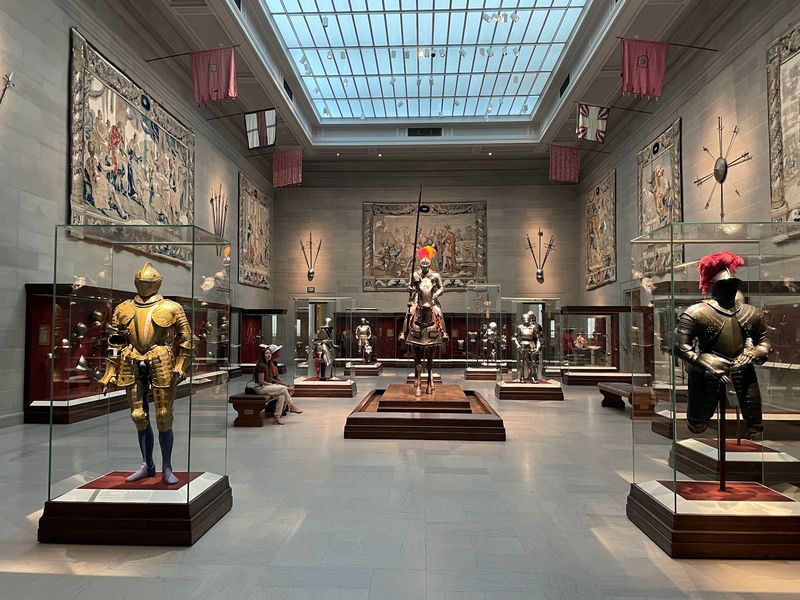
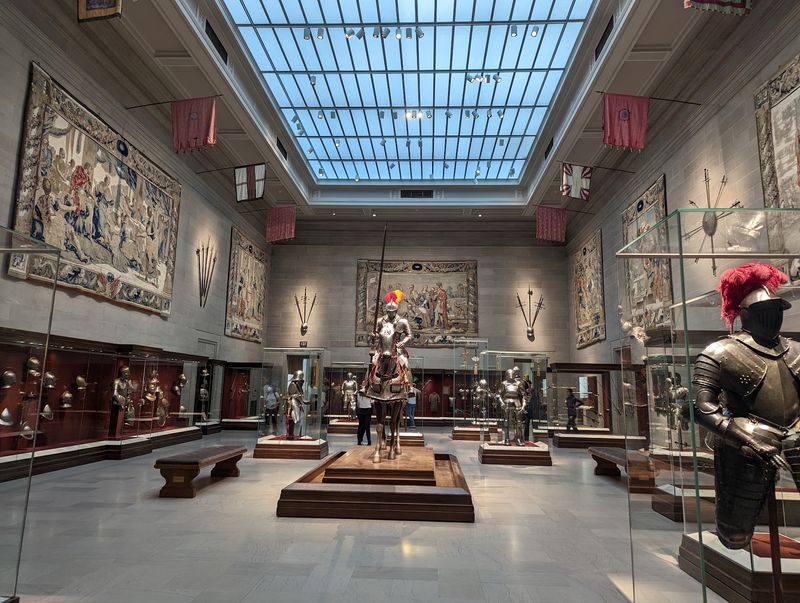
Metalwork takes center stage in the Armor Court, where practical design and artistic skill share the same spotlight. Even if paintings usually hold your attention, armor offers a different reason to stop and study an object’s construction.
Look at how separate pieces fit together, then consider the careful work needed to shape those surfaces precisely. Details such as joints and decoration can turn a quick glance into a much more interesting exercise in observation.
Reading the labels helps you understand what an individual piece is and when its makers produced it originally. Keep those details attached to the specific object instead of assuming every suit belongs to the same place or period.
For families, this gallery can support a simple design conversation without requiring anyone to recognize an artist’s name first. Ask which parts appear flexible, which seem rigid, and how the maker balanced movement with the overall form.
The Cleveland Museum of Art includes armor within its broader story of human creativity, alongside sculpture, painting, and decorative arts. Give the court time on your route, especially if someone in your group enjoys engineering, materials, or meticulous handmade work.
The Atrium Deserves More Than A Passing Glance
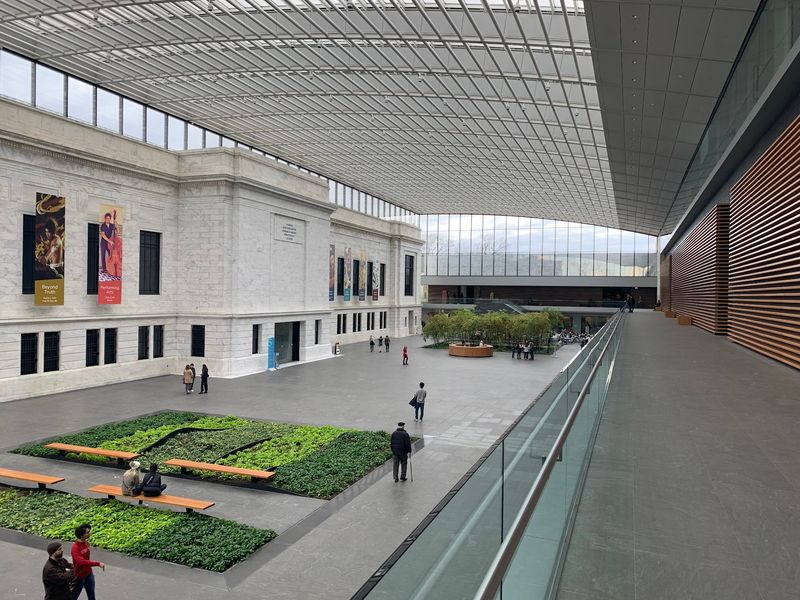
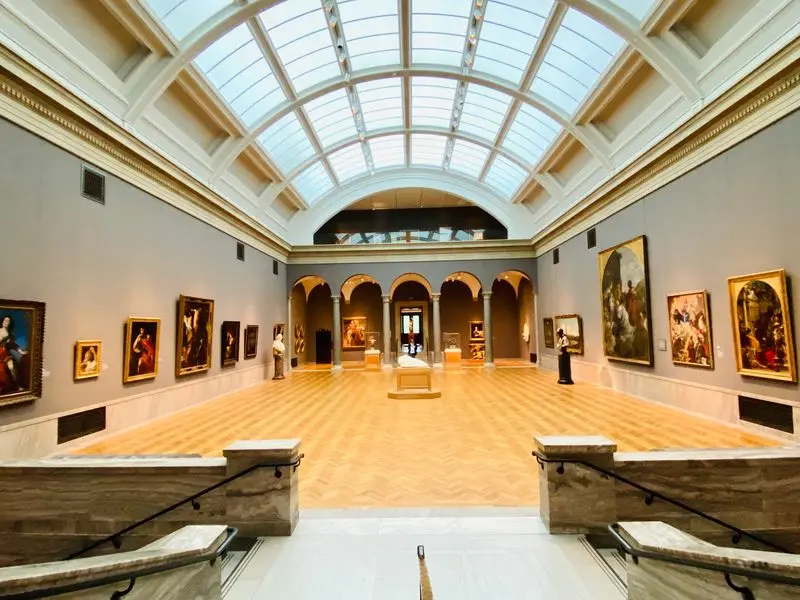
Art isn’t the only reason to look up during your visit, thanks to the museum’s glass-covered atrium courtyard. Its canopy became part of the major renovation and expansion completed in 2013, which also added two new wings.
The enclosed courtyard gives you another kind of space to appreciate between stretches of concentrated looking in the galleries. Pause to study the relationship between the glass overhead and the building sections gathered around this shared interior area.
You can also use the atrium as a point to regroup and discuss what everyone wants to see next. A short pause helps keep a large museum visit enjoyable, especially when different people have different priorities that day.
Dining options include Provenance Restaurant and Provenance Café, but meals are optional purchases rather than part of free admission. Check their operating hours separately if you hope to combine gallery time with a planned lunch or refreshment break.
For a visit without purchases, let the architecture itself provide the change of pace between your chosen galleries. I like that the building offers something else to examine when your eyes need a break from reading artwork labels.
Kids Can Bring Curiosity Instead Of An Art Vocabulary
Children don’t need to recognize famous names to have a worthwhile afternoon looking at art with their families here. A color, an animal, a repeated shape, or an unusual material can provide a perfectly good place to begin.
Keep the first route short and give everyone a chance to choose something they want to examine more closely. Free permanent collection admission makes that approach easier, since a brief visit doesn’t have to justify an expensive entrance ticket.
The museum offers learning opportunities for different ages, and its programming includes sensory-friendly experiences alongside other family activities. Check the calendar for the specific date, registration requirements, and any program costs before building your plans around an activity.
During ordinary gallery time, try asking what someone notices before offering your own explanation of the artwork in front of you. That question invites observation without making the conversation feel like a quiz with one answer everyone must find.
At the Cleveland Museum of Art, a successful family visit can mean enjoying a few objects together rather than covering everything. Leave while curiosity still has some energy, and save another collection area for a return visit with fresh attention.
A Little Timing Makes The Whole Visit Easier
Planning starts with one easy detail: the museum closes on Mondays, so choose another day for your gallery outing. Regular hours begin at ten in the morning, with later closing times on Wednesdays and Fridays for evening visits.
Tuesday, Thursday, Saturday, and Sunday hours run until five, while Wednesday and Friday hours extend until nine at night. Check for holiday changes or other schedule updates before traveling, especially when your available time is limited that day.
The address is 11150 East Boulevard, Cleveland, OH 44106, United States, in the University Circle neighborhood on Cleveland’s east side. Use that destination when arranging transportation, and review parking information separately if you plan to arrive by car.
Choose your first collection area before arrival, but leave enough flexibility to adjust after checking a museum map there. A clear starting point helps you spend more time looking at art and less time deciding where to go next.
Evening hours can offer another scheduling option when a daytime visit doesn’t fit, without changing the free permanent collection admission policy. Set a realistic stopping time, enjoy your chosen galleries, and let the rest wait for another day of exploration.
Your Favorite Discovery Can Follow You Home
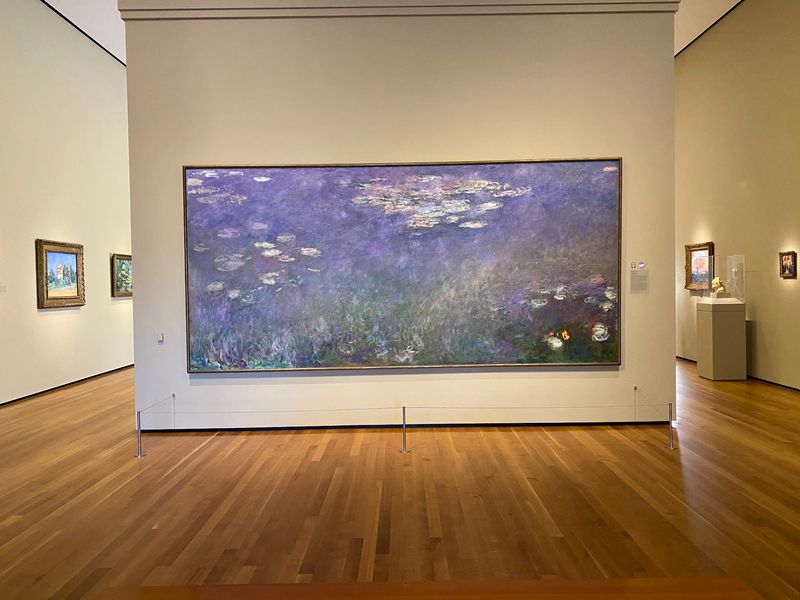
The visit doesn’t have to end when you leave the building, because the museum also shares collection material online. Its Open Access program makes high-resolution images and data for public-domain works available under a Creative Commons Zero license.
Launched in 2019, that program offers another way to enjoy art without making a purchase during your museum outing. You can revisit details, explore an object’s record, or look more closely at a work that sparked your curiosity earlier.
Check the rights information attached to each object, since not every artwork or image carries the same permission for reuse. Public-domain availability applies to eligible material, not automatically to everything in the Cleveland Museum of Art’s extensive collection online.
Before leaving a gallery, note a title or artist so you can find the correct record later without guessing. Museum photography rules still matter, so follow posted guidance rather than assuming every display allows the same kind of picture.
I like this as a final step because it turns one afternoon’s interest into something you can continue exploring afterward. The next rewarding encounter might happen at home, with one small detail finally getting the attention it deserves from you.