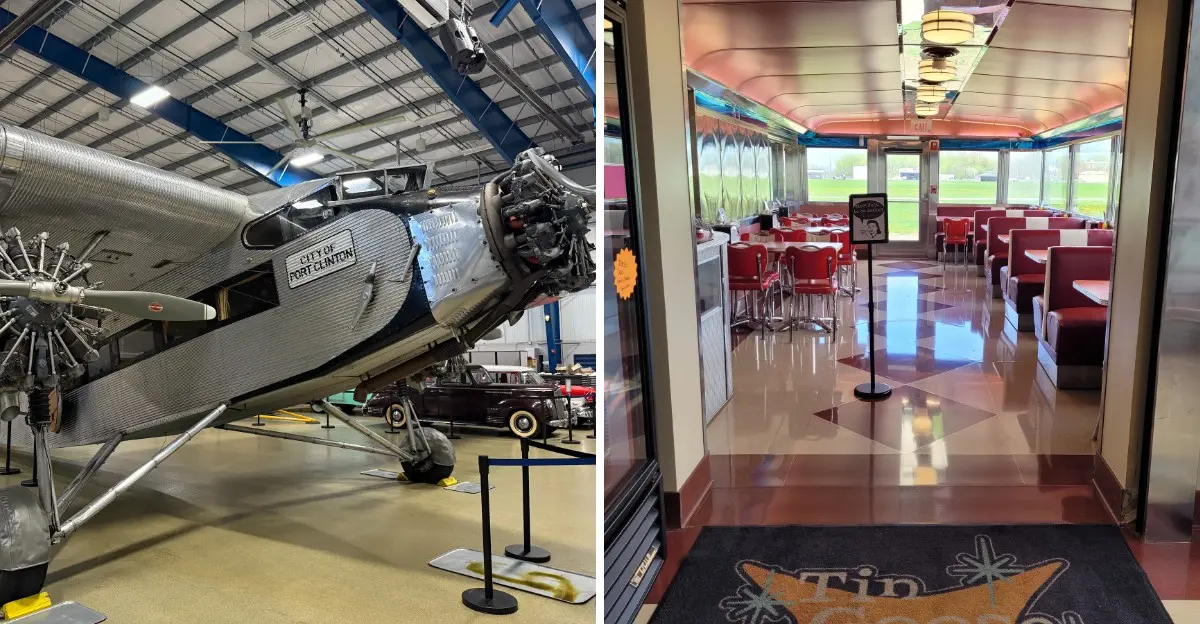
A flyable B-25 named Georgie’s Gal shares a museum complex with an authentic 1950s diner, and I like how that pairing turns a history stop into something you can actually build a day around.
The diner helps support the aircraft collection, so breakfast here has a second job beyond getting you through the morning, which seems like a pretty good arrangement for everyone involved.
At this Ohio attraction, a Ford Tri-Motor restoration adds another reason to slow down, especially when you consider the work needed to bring an old passenger plane back together piece by piece.
You can follow the aircraft stories, spend time with the smaller exhibits, and leave room for a meal without changing destinations, but the part that catches my attention is how many different kinds of history share this one address.
Your Museum Stop Comes With A Working-Aircraft Twist
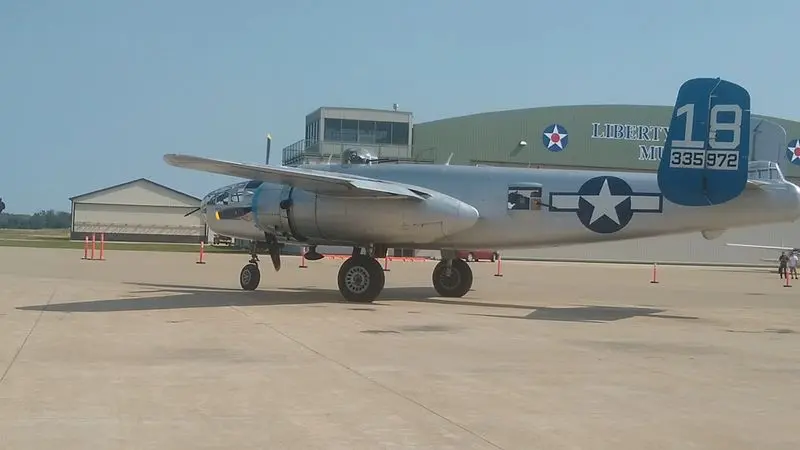
Old aircraft carry a different kind of interest when they can still leave the ground. Liberty Aviation Museum preserves that connection through a collection that includes flying aircraft alongside historical displays and restoration projects.
The museum opened its facilities to the public in July 2012, after years of planning and volunteer effort. Its location at Erie-Ottawa International Airport gives the collection a direct link to aviation beyond the exhibit floor.
You don’t need to know aircraft names before arriving to get something useful from the visit. Start with the larger machines, then use their labels to connect unfamiliar shapes with the jobs they once performed.
Give the smaller displays some attention, too, rather than treating the hangars as one long aircraft checklist. Models, uniforms, and local history help explain the people and places behind the equipment on display here.
I like the mix because it gives aviation beginners several ways to connect with the subject. For an Ohio outing, the museum offers a clear focus without requiring everyone in your group to share the same hobby or arrive knowing the difference between a trainer and a passenger plane.
Georgie’s Gal Deserves More Than A Quick Photo
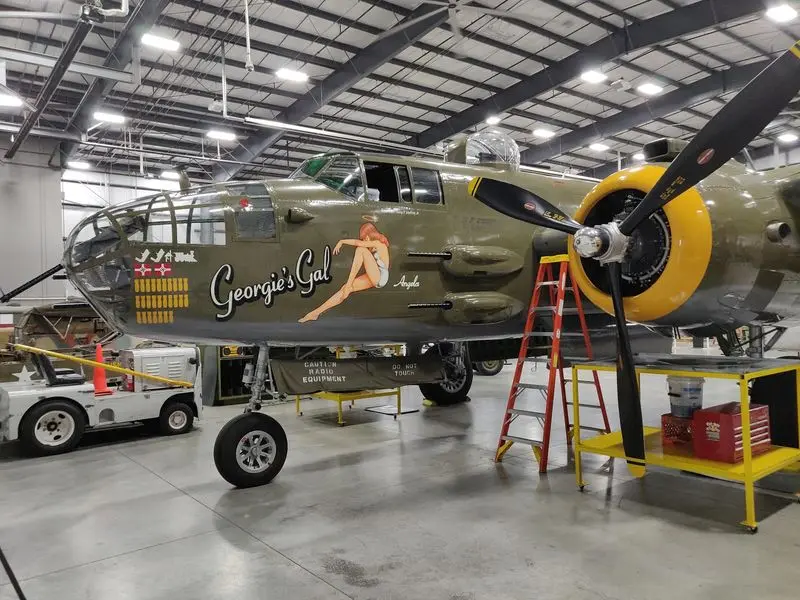
Georgie’s Gal gives the museum one of its strongest reasons to pause and look carefully. The North American B-25 Mitchell is flyable, making it more than an example preserved only for stationary display.
The museum acquired the aircraft in 2010, and it arrived after refurbishment in 2012. Those dates connect its present role with the opening of the museum’s public facilities that same year in Port Clinton.
Rather than rushing straight to a photograph, compare the aircraft’s main parts with its exhibit information. The wings, engines, and crew spaces offer a useful starting point for understanding how such a machine worked.
Keep your expectations flexible because operational aircraft can have schedules that differ from ordinary museum objects. Contact the museum before traveling specifically to see one plane, especially when an event might take it elsewhere.
Photography can help you remember details, but reading the story adds something a wide shot cannot capture. Give yourself time to connect the aircraft’s name, type, and preservation history before moving toward the next display, and follow all posted boundaries rather than assuming that a close view also includes permission to touch anything.
The Tin Goose Has A Story Beyond The Diner Sign
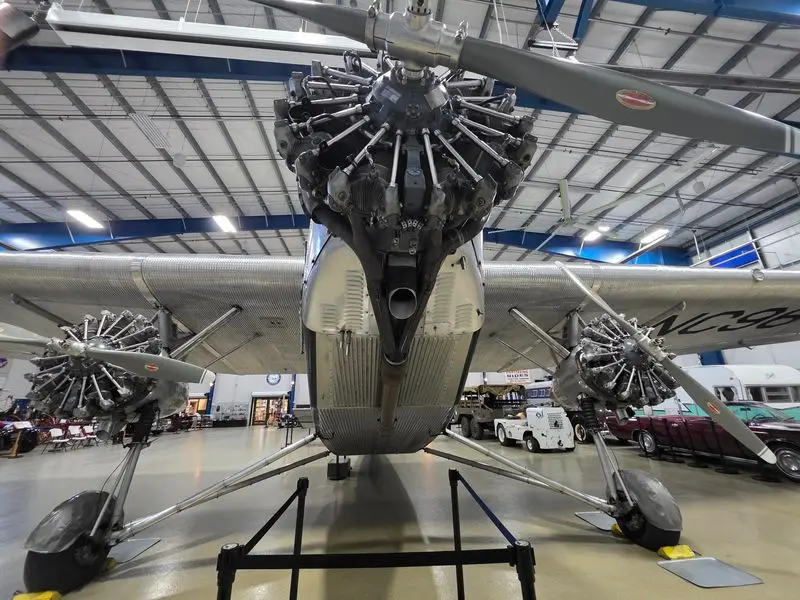
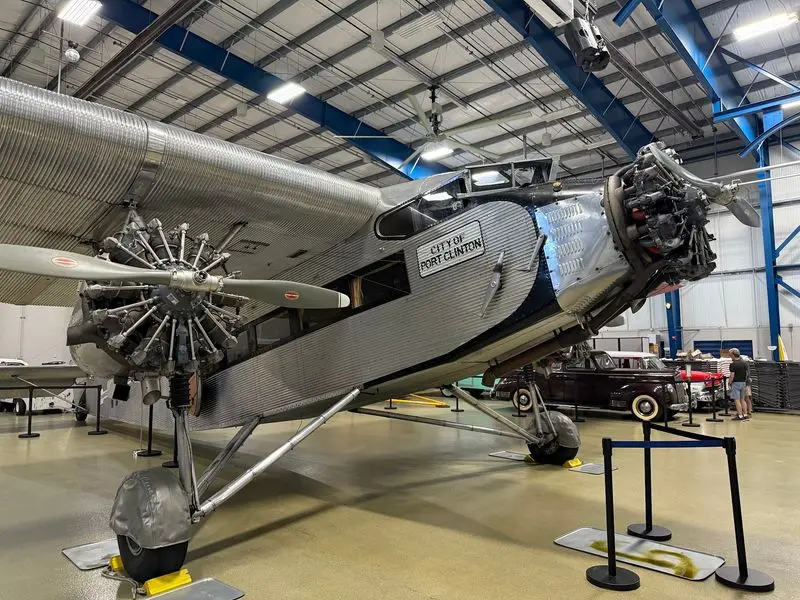
A three-engine passenger plane brings a different chapter of flying into the museum’s story. The Ford Tri-Motor connects early commercial aviation with the practical challenge of keeping historic aircraft useful and understandable today.
Liberty Aviation Museum operates a 1928 Ford Tri-Motor and also houses a separate 1929 restoration project. The latter formerly flew for Island Airlines and is being restored by the Tri-Motor Heritage Foundation at the museum.
That distinction matters because the two aircraft should not be treated as one plane with two dates. One represents an operating aircraft, while the other offers a look at a continuing preservation effort.
Seasonal flight experiences have been offered aboard the operating Tri-Motor, but availability requires a separate check. Consult the museum’s event schedule before building a trip around a ride or assuming flights accompany ordinary admission.
For a ground visit, the restoration story is still worth your attention without any takeoff involved. Look for information explaining the former Island Airlines aircraft, and let the project show how many decisions sit behind the simple phrase restoring a plane, especially when the goal involves preserving both its structure and its history.
A Real Vintage Diner Makes Lunch Part Of The Story
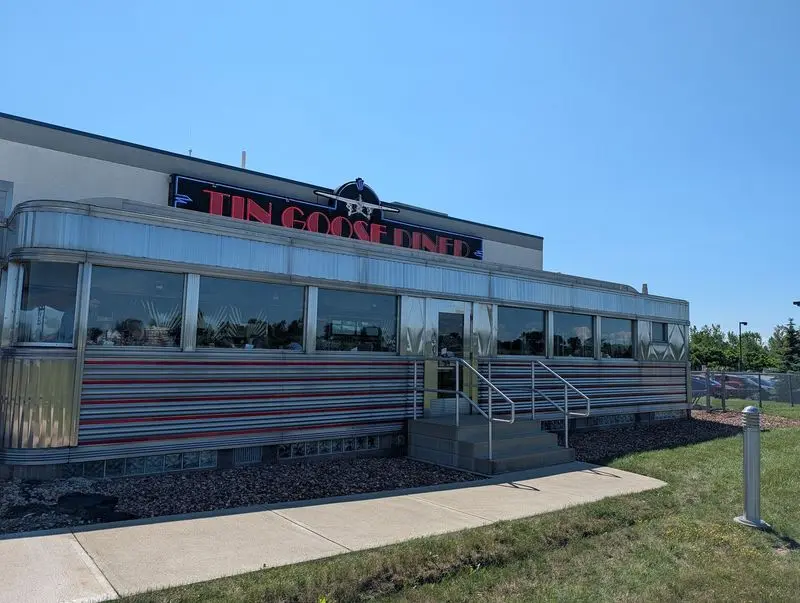
Lunch has its own historical exhibit here, except you can actually sit down inside it. The Tin Goose Diner is an authentic vintage O’Mahony diner, not simply a modern restaurant decorated with old photographs.
Built in Elizabeth, New Jersey, the diner previously operated in Jim Thorpe, Pennsylvania, under earlier names. It underwent an extensive restoration before becoming part of Liberty Aviation Museum in 2012, alongside the museum’s public opening.
Although the title’s railcar comparison describes its familiar diner shape, avoid assuming it once carried railway passengers. Its documented identity is a purpose-built diner, and that real history is interesting enough without adding a train journey.
Booths and tables give you places to settle in for a meal during the museum outing. The diner is accessible, so its vintage character doesn’t require treating steps as an unavoidable part of the experience.
What I appreciate most is the connection between the restaurant and the collection surrounding it here. Proceeds support museum operations, making a meal one practical way to help preserve the aircraft and exhibits, while giving your group a natural break before returning to the rest of the visit afterward.
Breakfast Keeps Its Place Even When Lunch Starts
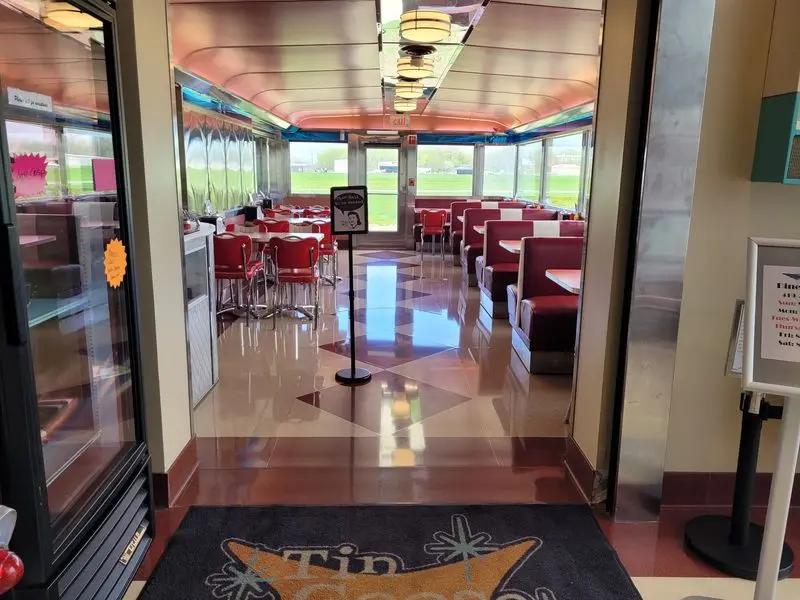
Breakfast doesn’t lose its place on the menu when the clock reaches late morning here. The Tin Goose Diner serves breakfast throughout its operating day, with lunch service beginning at eleven in the morning.
The menu includes familiar diner choices such as burgers and milkshakes, along with aviation-themed item names. Check the menu when you arrive rather than choosing a meal based on an older photograph or remembered listing.
Planning around the restaurant’s closing time matters more than deciding which exhibit you will see first. The diner normally closes at three, while the museum stays open later under its regular weekday and weekend schedules.
A morning meal followed by the exhibits keeps both parts of the outing within their usual hours. Alternatively, tour first and leave enough time for lunch, without assuming the kitchen follows the museum’s later closing.
You can keep the food decision simple and spend your attention on the reason you came. Choose what suits your appetite, enjoy the historic setting, and remember that the meal supports Liberty Aviation Museum rather than functioning as an unrelated restaurant stop added somewhere along the road during your Ohio visit that day.
The Collection Keeps Going After The Aircraft
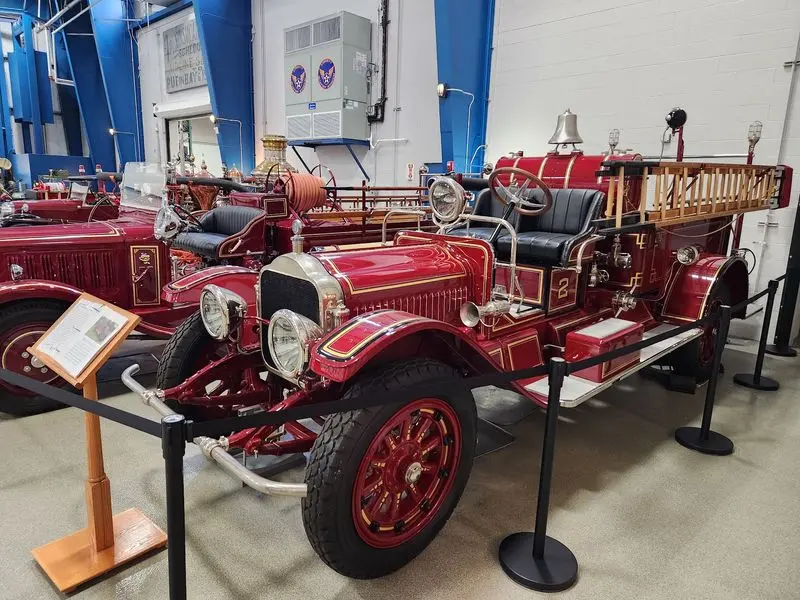
Aircraft may lead your plans, but wheels and boat hulls deserve space on the itinerary. The museum’s collection also includes historic vehicles, classic automobiles, vintage fire trucks, and patrol boats undergoing preservation work.
Among the larger projects is PT-728 Thomcat, a seventy-foot vessel with a restoration story of its own. Its presence broadens the museum’s subject beyond flight and shows another demanding form of caring for historic equipment.
The vehicle collection includes a Sherman tank and Jeeps, alongside cars with very different everyday purposes. That variety gives you a chance to compare machines built for specialized service with vehicles associated with civilian travel.
Don’t approach every object as a contest to remember the most model names before leaving here. Choose a few that interest you, read their information, and notice how their intended jobs shaped their design.
For a mixed-interest group, the broader collection can make planning easier without changing the destination at all. One person can follow aircraft history while another studies cars or boat restoration, then everyone can trade their favorite discoveries over lunch instead of negotiating an entirely separate stop to satisfy the next person in line.
Television Memorabilia Takes An Unexpected Turn
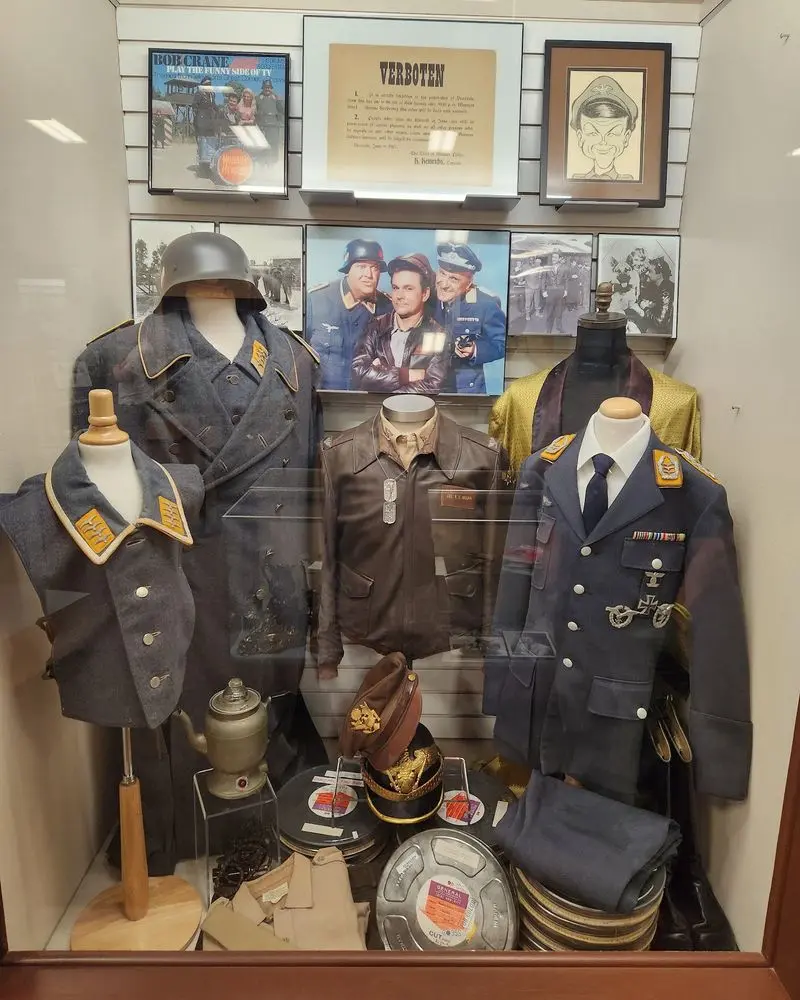
A television teddy bear is probably not what you put on an aviation museum checklist. Yet entertainment memorabilia forms another part of the collection, adding recognizable names alongside aircraft, vehicles, and historical displays.
The museum houses Hogan’s Heroes memorabilia, including original uniforms, plus items associated with M*A*S*H and several films. Radar O’Reilly’s teddy bear is among the pieces connected with the television series in the museum’s collection.
Other examples include Charlie Sheen’s uniform from Major League and Lieutenant Dan’s helmet from Forrest Gump. Those objects give movie fans a specific reason to slow down instead of passing through on the way to aircraft.
Read the labels carefully so you can distinguish a screen connection from a broader historical reference. A familiar character name makes an easy hook, but the object’s documented background supplies the more useful part.
I like the unexpected change of subject because it gives the visit a lighter rhythm without requiring invented spectacle. You can spend time on mechanical history, then switch to costume and prop details, which offer a completely different kind of observation and might even give the least aviation-minded member of your group a favorite exhibit.
Local Aviation Stories Give The Machines More Meaning
Names and routes can explain an airplane’s importance more clearly than its dimensions ever could. Local aviation displays connect the collection with people who lived in the region and services that shaped daily travel.
The Island Airlines exhibit explores the air service linking the Lake Erie Islands with the mainland. That story gives the Ford Tri-Motor restoration a regional connection instead of leaving it as an isolated technical project.
Another display focuses on Harold Brown, a Tuskegee Airman whose life also included work as an educator. His connection with Port Clinton adds a personal thread to the museum’s wider presentation of aviation history.
Give these exhibits time even if large aircraft were the main reason you planned the trip. Machines become easier to understand when you know who used them, where they traveled, and why their work mattered.
For younger visitors, one route or one person’s story can be a useful place to begin. Ask what problem an aircraft helped solve, then connect the answer with the larger displays nearby, turning a collection of unfamiliar equipment into something closer to a story about communities, choices, and the people behind the machines themselves.
A Little Planning Leaves More Time For The Good Parts
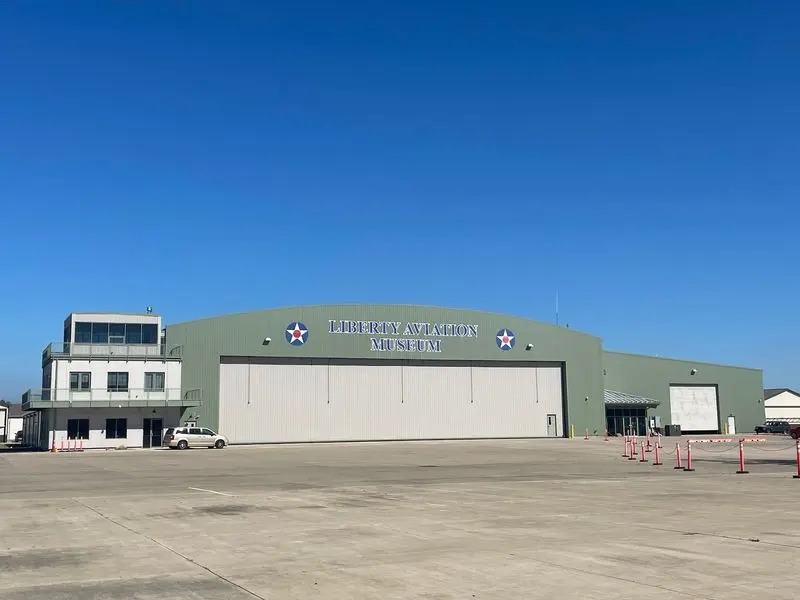
The best practical move is matching your arrival to both the museum and diner schedules. You’ll find Liberty Aviation Museum at 3515 E State Rd, Port Clinton, OH 43452, United States, at Erie-Ottawa International Airport.
Regular museum hours run ten to four on weekdays and nine to five on weekends. The diner opens earlier, at eight on weekdays and seven on weekends, and normally closes at three every day.
Check holiday arrangements and weather conditions before a long drive, especially during winter or early spring. Aircraft appearances and special events also deserve confirmation when a particular experience is the main reason for traveling.
The facility, including the diner, is accessible without steps, and the museum welcomes leashed pets under its policy. Service animals are permitted inside the diner, while other leashed pets are welcome in the museum and on the patio.
Leave room for the PX Gift Shop if an aviation souvenir belongs on your take-home list. More importantly, don’t squeeze the whole visit into the final minutes before closing, because this Ohio stop works best when you can read, look, eat, and let one unexpected exhibit earn a second glance.