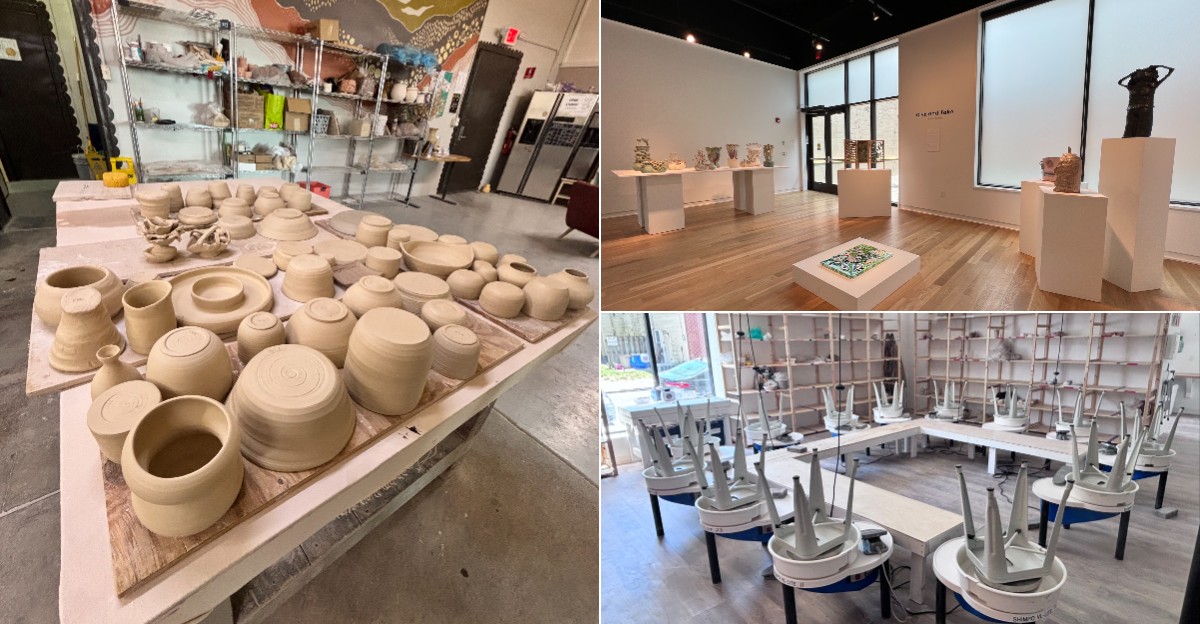
A pottery class can teach you handbuilding, wheel throwing, and glazing without requiring any previous clay experience.
The best thing is you can try several parts of the craft before deciding which one deserves your next free afternoon.
Clay lessons also share space with handmade pottery galleries, community art programs, and studios where experienced potters keep creating.
That gives you something useful to look toward: a skill you can keep building, rather than a single finished project.
Across Pennsylvania, the choices include beginner courses, private lessons, and workshops that fit different schedules.
You can start small, ask plenty of questions, and leave the pressure to produce a perfect bowl at home.
My favorite part is the chance to trade a little screen time for something your hands actually shape.
A slightly uneven pot sounds like a pretty good beginning to a new creative habit.
1. Pittsburgh Pottery
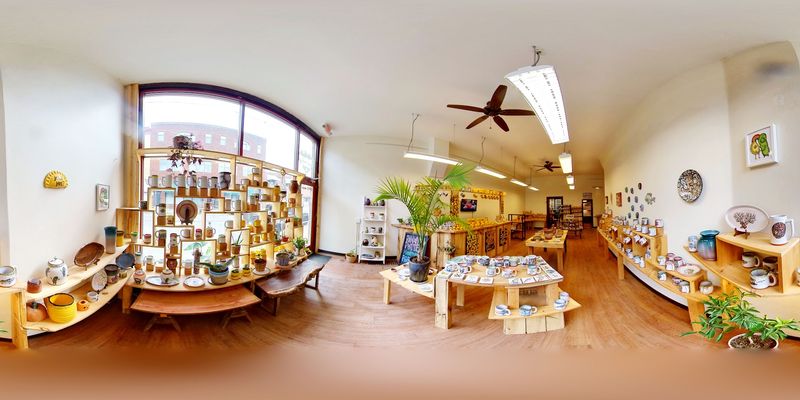
Your pottery teacher’s workplace can also be the place that fixes the kiln. Pittsburgh Pottery combines ceramics instruction, gallery sales, and equipment services at its Carnegie studio.
You can choose beginner or advanced wheel throwing, explore handbuilding workshops, or consider a course lasting four to eight weeks. That range makes it useful when you want more than a quick introduction but aren’t ready for ongoing studio practice.
Before enrolling, think about how you prefer to learn a new skill. A workshop suits a focused experiment, while a longer course gives you repeated chances to work through questions and develop control.
The on-site gallery features handmade pottery and functional ceramics by the owner, staff, and other local artists. Looking at finished pieces can help you notice the shapes, proportions, and uses that interest you most.
Ask which upcoming class matches your experience, and confirm what its schedule and materials include before making plans. For a Pennsylvania pottery outing with both learning and finished work to explore, this studio offers a practical starting point.
You don’t have to arrive with a signature style or an ambitious project. Bring curiosity and let your first lesson shape the next step.
Address: 309 E Main St, Carnegie, PA 15106
2. Union Project
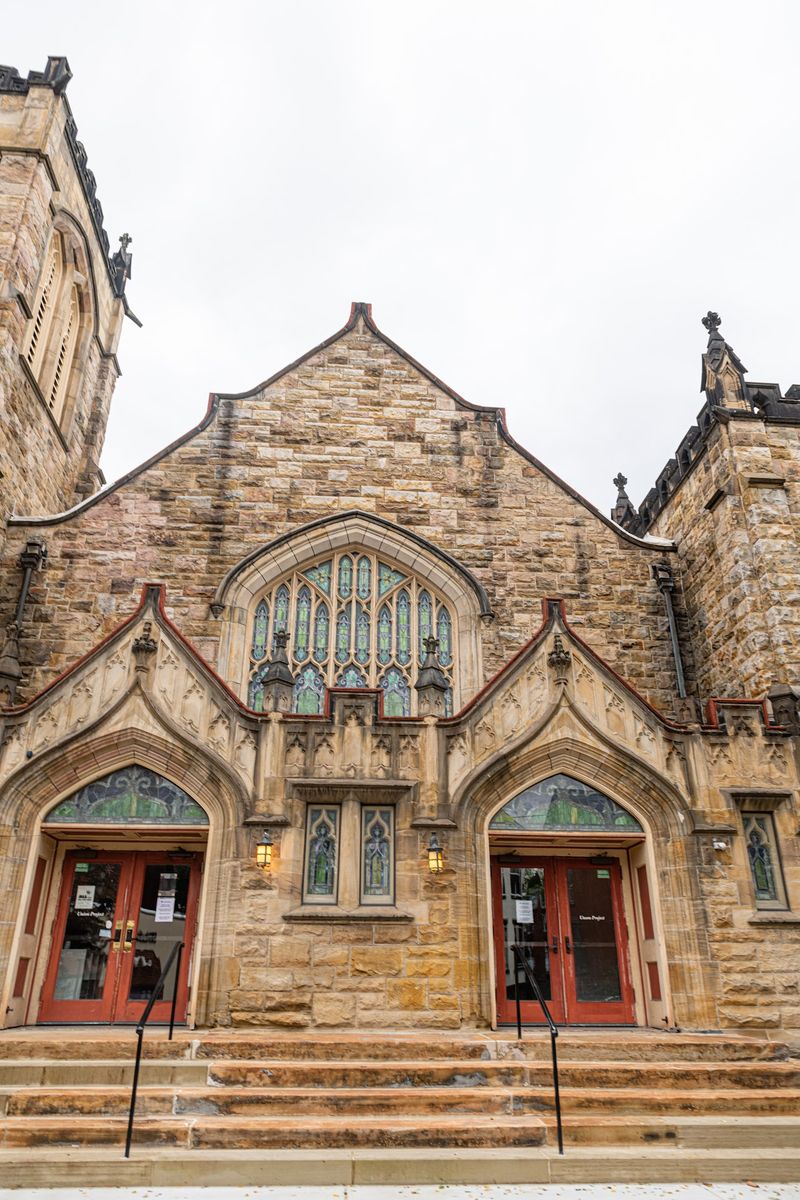
A calendar with more than 100 clay programs gives curiosity plenty of room to wander. Union Project presents ceramics classes and events throughout the year at its Pittsburgh community center.
The programs serve people of different ages, backgrounds, and skill levels. You can approach the schedule as a newcomer or look for an experience that builds on skills you’ve already started developing.
Inclusion, collaboration, and joy are part of the center’s stated approach to art. I like that emphasis because learning pottery can involve plenty of trial, adjustment, and asking someone to explain a step again.
Rather than choosing solely by the class title, read the age and experience requirements for the session you’re considering. Ask about the time commitment, materials, and what happens to your work after the lesson ends.
The center has a gender-neutral restroom and free street parking. Leave yourself enough arrival time to find a space without turning your creative outing into a last-minute dash.
For anyone hoping to make clay a recurring part of their week, the broad program calendar is worth exploring. Start with a manageable session, then decide whether your next move is more practice or a different clay challenge.
Address: 801 N Negley Ave, Pittsburgh, PA 15206
3. The Clay Studio
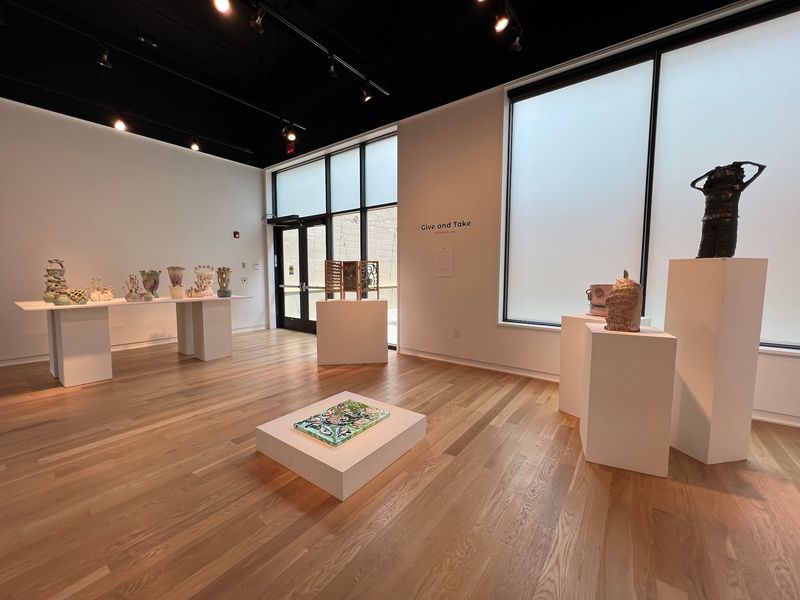
Clay class comes with a gallery side quest at this Philadelphia studio. The Clay Studio pairs ceramic art courses with a gallery showcasing work by local ceramic artists.
Instruction can guide you through preparing clay, centering it on the wheel, shaping a piece, and glazing. Those connected steps help you understand pottery as a process, rather than simply a few minutes at a spinning wheel.
Give yourself permission to focus on one skill at a time. Centering alone deserves attention, and learning how your hands affect the clay can be more useful than chasing an elaborate shape.
The gallery adds another reason to make the trip. You can study finished work for ideas about form and surface, then bring those questions into your own learning.
When choosing a course, ask which techniques it covers and what experience level it expects. Also confirm the class schedule separately from public visiting hours so your plans match the lesson you’re booking.
The studio is listed as suitable for children and has a gender-neutral restroom. Check the age requirements of individual offerings, especially when arranging a family outing, and choose a session that gives your group room to learn comfortably together.
Address: 1425 N American St, Philadelphia, PA 19122
4. Black Hound Clay Studio South
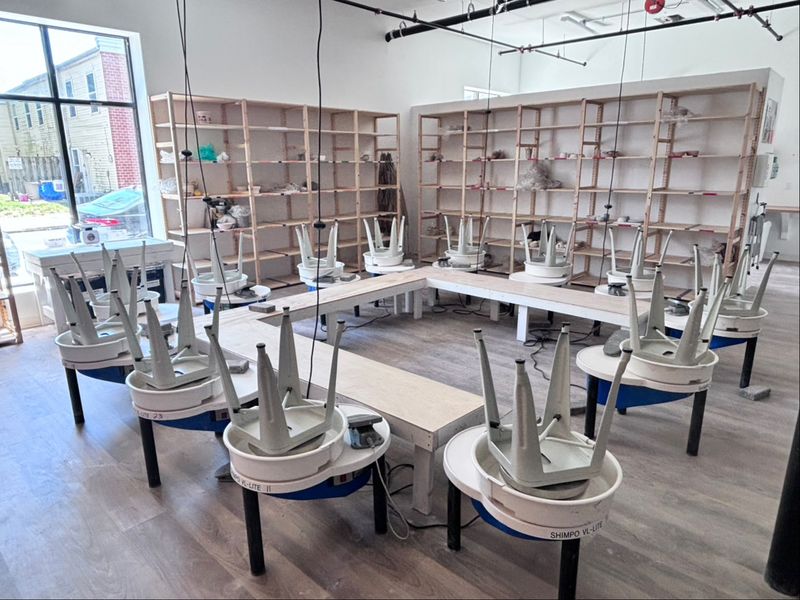
The pottery wheel doesn’t have to claim your entire creative spotlight. Black Hound Clay Studio South offers ceramics instruction that includes handbuilding, alongside workshops, events, and studio workspace.
Its fully equipped Philadelphia studio supports both learning and making throughout the year. That combination is worth considering when you want an introduction now and might seek a place to continue working later.
Handbuilding lets you explore shaping clay without relying on a spinning wheel. If that approach sounds appealing, ask which upcoming sessions focus on it and whether they suit your experience level.
Keep workspace access and class enrollment separate in your planning. Confirm what each option includes, which tools you’ll use, and whether any prior knowledge is needed before choosing your next step.
The studio has a gender-neutral restroom, and free street parking is available nearby. Plan around your booked class rather than assuming the public opening hours describe the full teaching schedule.
You can make this outing about learning one useful technique instead of producing a shelf full of pieces. A focused goal gives you something concrete to practice, and leaves room for a little experimentation when your clay takes an unexpected turn during the lesson.
Address: 1701 Federal St, Philadelphia, PA 19146
5. Lancaster Creative Factory
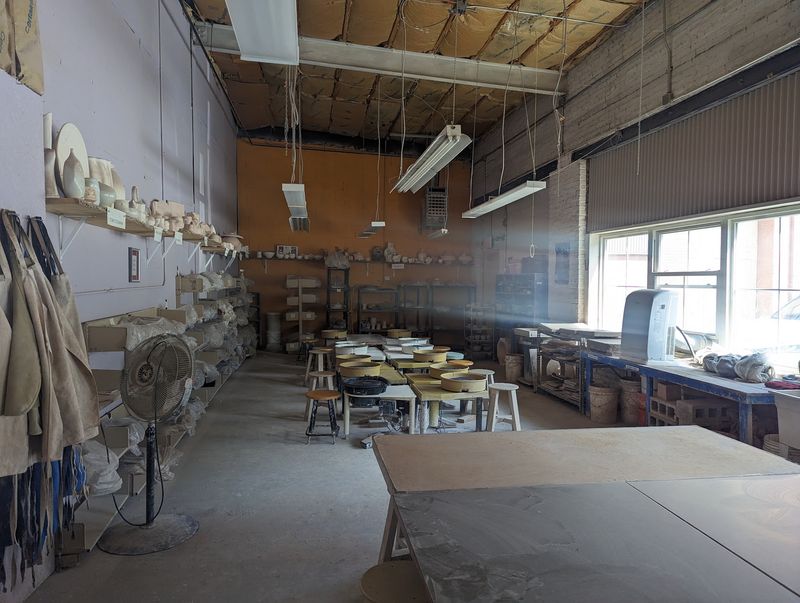
Your introduction to the pottery wheel can start behind a Prince Street address. Lancaster Creative Factory offers wheel pottery instruction at its location marked REAR in Lancaster.
The classes provide a way to begin working with clay and the wheel. For a newcomer, that direct focus can make choosing a first pottery experience feel less complicated.
Before you book, ask how the available course introduces the equipment and develops basic skills. Confirm the number of meetings, what materials are included, and whether you’ll need to return for later steps.
A useful beginner goal is learning how to respond to the clay beneath your hands. Aim to understand the process before worrying about whether your first piece belongs in a gift box.
The address deserves a careful look before you leave home because it specifies the rear location. A free parking lot is available, which can simplify the arrival part of your Pennsylvania clay adventure.
Choose clothing you don’t mind using for a hands-on art session, and ask the studio about any preparation it recommends. Then give yourself permission to be a beginner, because developing a skill is a much better plan than demanding instant pottery greatness from your first lesson.
Address: 580 S Prince St REAR, Lancaster, PA 17603
6. Lancaster Clay Studios LLC
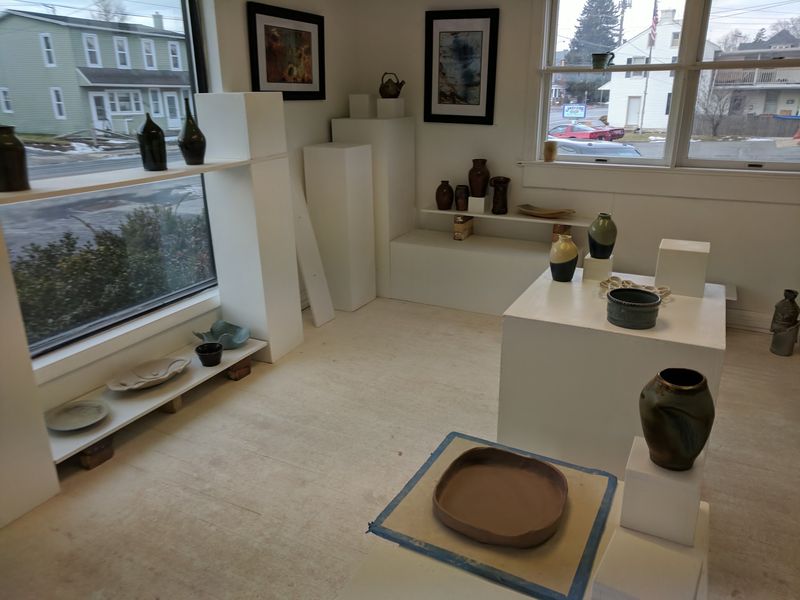
Beginners and experienced potters don’t need the same kind of studio time. Lancaster Clay Studios LLC addresses both groups with beginner classes and studio access for people who already work with clay.
The Landisville location gives you two different paths to consider. You can seek instruction while learning the basics, or ask about access when you’re ready for more independent practice.
Be honest about your starting point when discussing enrollment. Knowing a few pottery terms isn’t the same as feeling comfortable using equipment, so explain what you’ve actually practiced.
For a beginner course, ask how the lessons introduce the broader pottery process. Understanding the sequence of making a piece can help you set realistic expectations about both progress and completion.
Experienced makers should ask what studio access requires and which resources it includes. Confirm scheduling, equipment use, material policies, and any orientation before planning a project around the space.
This is a sensible option when your main goal is finding the right level of support. You don’t have to rush toward independent work, and you don’t have to repeat an introduction unnecessarily either.
Let your present skills guide the decision instead of your most ambitious project idea. The ambitious idea can wait its turn.
Address: 235 Elizabeth St, Landisville, PA 17538
7. Mud Queen Pottery
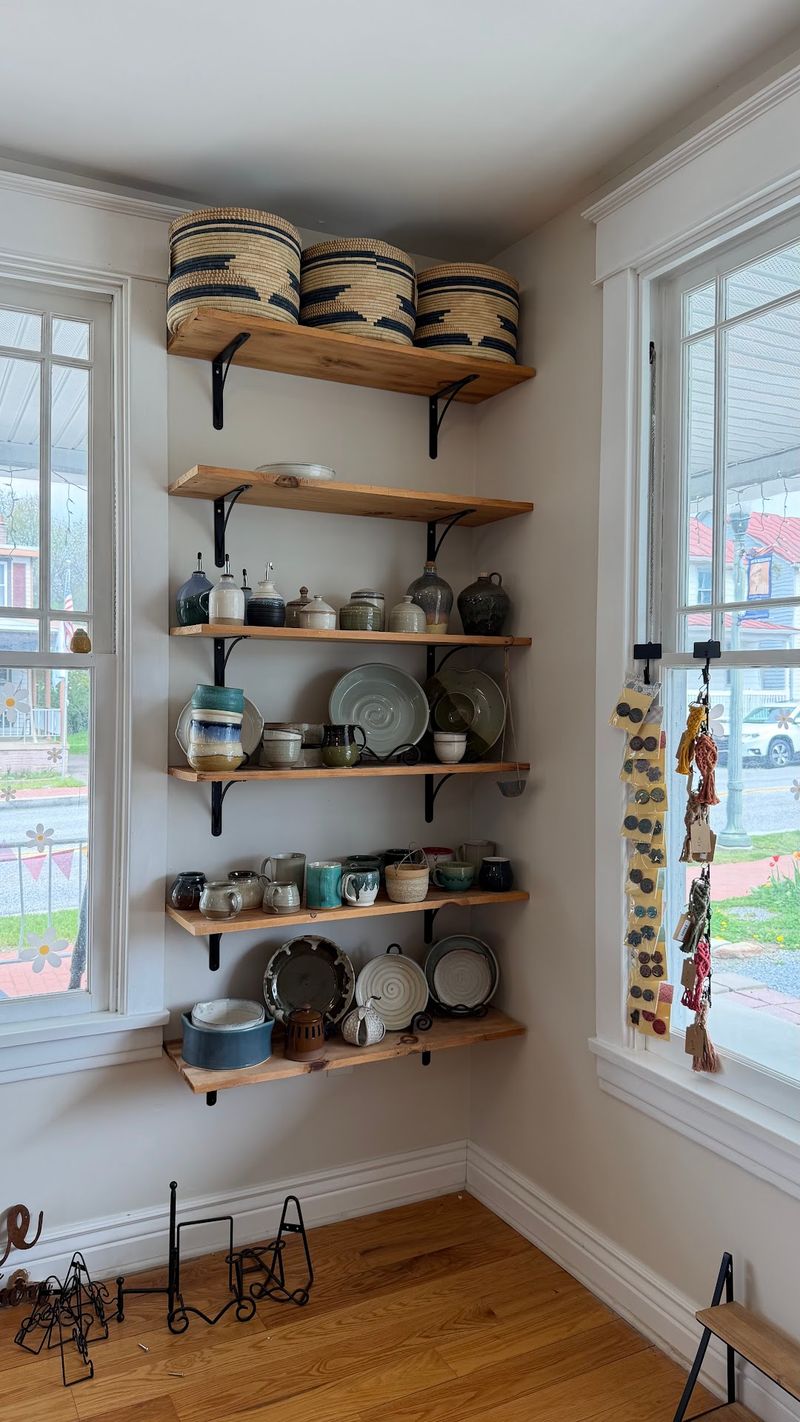
A shopping stop can turn into a reason to make your own pottery. Mud Queen Pottery combines classes with handmade artwork and other items for sale at its Harrisburg studio.
That mix gives you a chance to connect finished objects with the craft behind them. Instead of treating pottery as something you simply buy, you can explore what goes into creating it.
Ask about the available class formats before deciding which session suits you. The studio offers pottery instruction, but you should confirm the specific technique, experience requirements, and schedule for your chosen offering.
Browsing handmade work can also help you recognize your own preferences. Notice whether you’re drawn to shape, surface, or function, then use that interest as a starting point for questions.
Free lot and street parking are available, including on-site parking. That’s a helpful practical detail when you’re planning a class outing rather than a quick look around the shop.
You can keep the day simple: choose a lesson that fits your level and leave room to browse. There’s no need to arrive with a finished design in mind when learning how clay behaves is already a worthwhile project.
A little curiosity counts as preparation here. A shopping list remains optional.
Address: 5933 Linglestown Rd, Harrisburg, PA 17112
8. Centered Earth
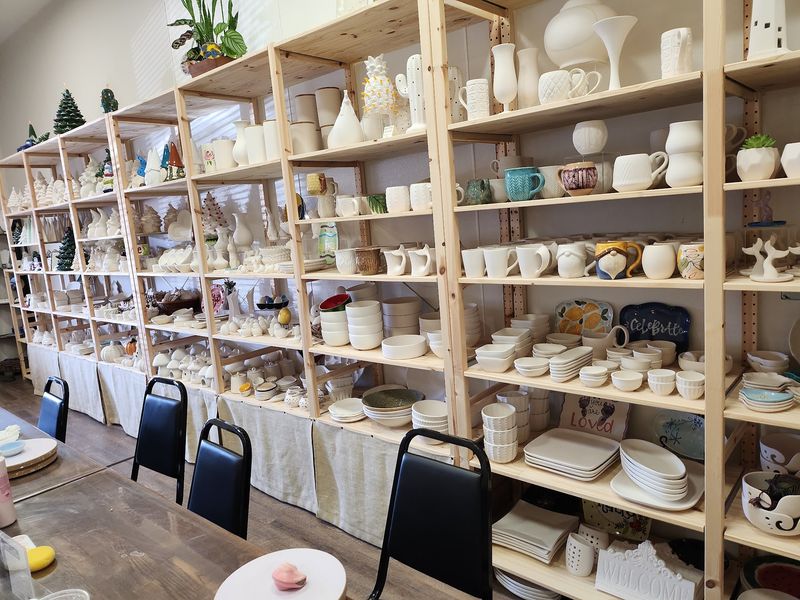
Making pottery and painting pottery share an address, but they’re different creative adventures. Centered Earth offers clay classes alongside walk-in Paint Your Own Pottery projects during regular hours.
The community-oriented Muncy studio partners with local artists on classes across several art forms. Its offerings include clay, jewelry, weaving, painting, glass, fibers, sculpture, and more.
For this outing, decide whether you want to shape clay or decorate a ceramic piece. A clay class and a pottery-painting visit involve different activities, so choosing clearly helps you book the experience you actually want.
Wheel instruction is among the studio’s clay experiences. Ask about upcoming availability, the session’s intended skill level, and what happens to the work you create afterward.
The studio welcomes people of different ages and abilities, and it has a free on-site parking lot. Confirm age requirements and any individual access needs for the particular class you’re considering.
Mixed-interest groups may appreciate having more than one creative direction to explore. Still, check scheduling first rather than assuming a walk-in painting project and a booked lesson can happen together.
Your biggest decision might be between shaping a vessel and choosing its colors. That’s a pleasantly creative problem to have for an afternoon.
Address: 21 Kristi Rd, Muncy, PA 17756
9. Erie ClaySpace
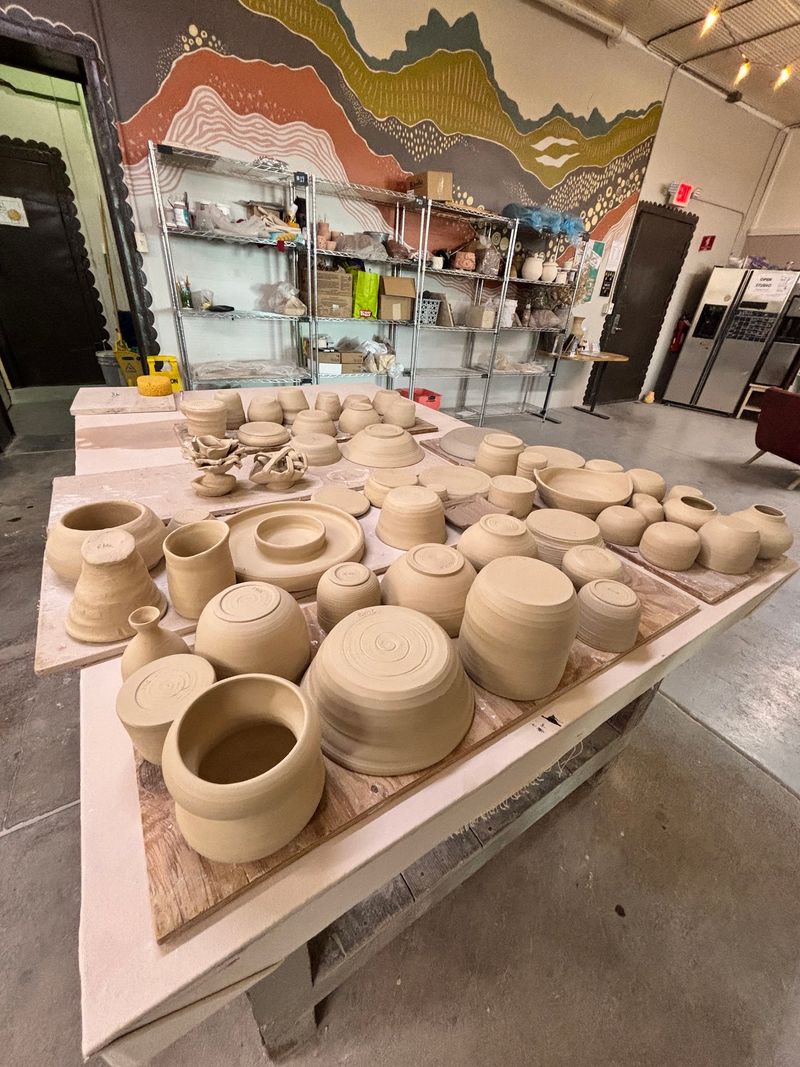
Your next creative project has a third-floor destination on State Street. Erie ClaySpace is a community ceramics studio with a mission to educate, empower, and inspire through ceramic arts.
Classes, workshops, and memberships provide different ways to engage with pottery. The studio serves varied ages and skill levels, including opportunities to explore clay vessels on a pottery wheel.
A facilitated session can be a useful choice when you want instruction while trying something unfamiliar. Ask which offering matches your experience instead of treating a workshop and a membership as interchangeable options.
The third-floor address is an important planning detail. Contact the studio about access before booking if stairs or other building arrangements could affect your visit.
Instruction takes place on site rather than through online classes. Confirm the actual session time, since the studio’s public hours are limited and may not describe a particular class schedule.
A gender-neutral restroom is available, and the studio is listed as suitable for children. Check individual age requirements when choosing a family activity.
Keep your first goal small enough to enjoy the learning process. Understanding how to shape a simple vessel gives you a foundation, even when the finished form has a personality of its own.
Address: 1505 State St 3rd Floor, Erie, PA 16501
10. Peaceful Potter
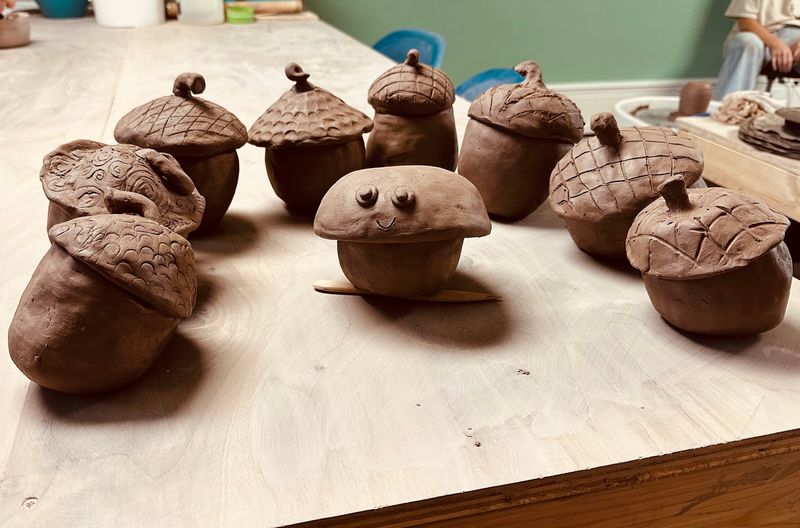
No clay experience is required, but adulthood is part of the enrollment checklist. Peaceful Potter offers adults-only pottery classes ranging from introductory lessons to advanced instruction.
The introductory level includes handbuilding, wheel throwing, and glazing. That combination lets you sample several parts of pottery before deciding which technique you’d like to pursue further.
You might discover that building by hand suits you better than working on the wheel. Trying both can turn that decision into an informed preference rather than a guess based on pottery videos.
Glazing also introduces another layer of choice beyond the shape of your piece. Ask how the course handles that step and what timeline to expect for completing and collecting your work.
The Wilkes-Barre address has free on-site parking and a gender-neutral restroom. Use the listed location when planning your route, and confirm your class arrangements directly before heading over.
Because the lessons are for adults, this option suits an adult outing rather than a children’s activity. Choose introductory instruction if you’re starting fresh, even when your project ideas are already impressively elaborate.
Learning several techniques can help you find a comfortable creative rhythm. Your first assignment doesn’t need to be a matching dinner set for the household.
Address: 539 Scott St, Wilkes-Barre, PA 18702
11. GoggleWorks Center for the Arts
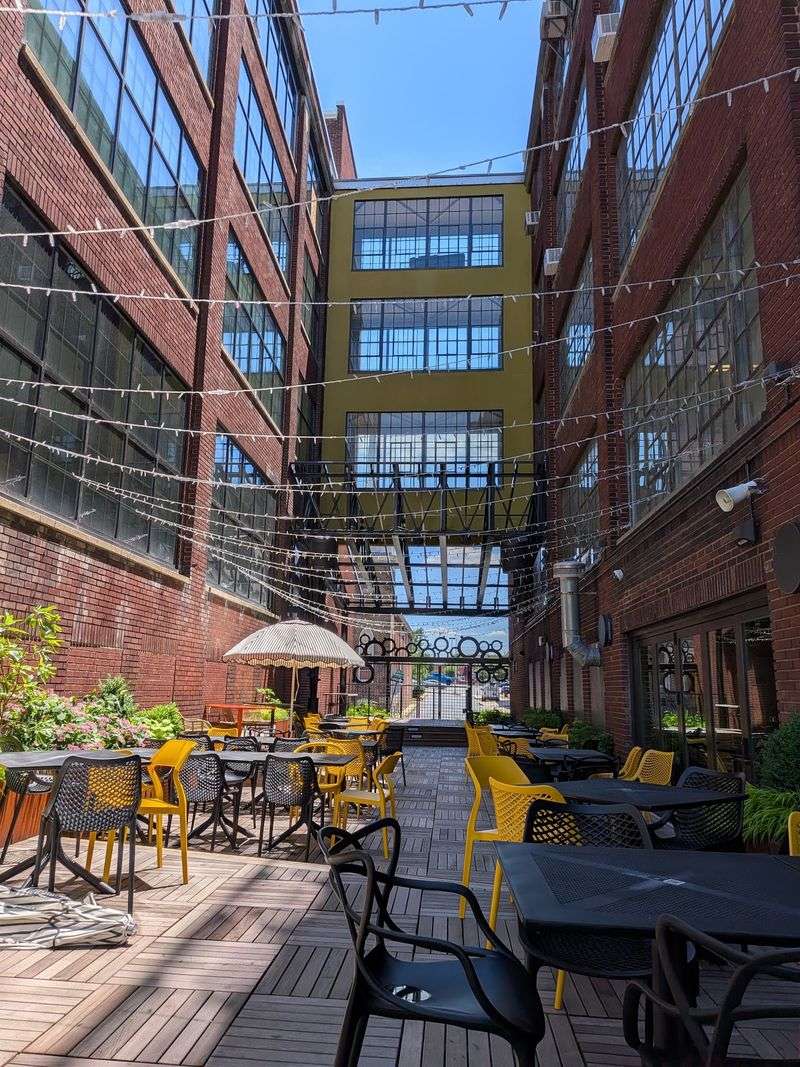
A former glasses and safety equipment factory now makes room for creative work. GoggleWorks Center for the Arts has operated as a contemporary art center in Reading since 2005.
Pottery instruction is part of the center’s arts offerings. The setting gives your clay lesson a clear connection to a building that has changed from manufacturing to making art.
Choose the class based on its content rather than the center’s broad public hours. Ask which pottery techniques the session covers, how much experience it expects, and whether materials are included.
For a shared outing, confirm participant ages before enrolling a younger family member. A class that works for your group should match both the stated requirements and each person’s comfort with the activity.
The center has a free on-site parking lot and a gender-neutral restroom. Those practical features can help simplify the visit without becoming the main reason you choose the lesson.
Let the factory history add interest, but keep your expectations focused on learning clay skills. You don’t need an impressive finished piece to make a pottery class worthwhile.
A new technique, a useful question, or a better understanding of the process can count as progress. Your hands get their own assignment in this former workplace.
Address: 201 Washington St, Reading, PA 19601
12. Under The Horizon Pottery
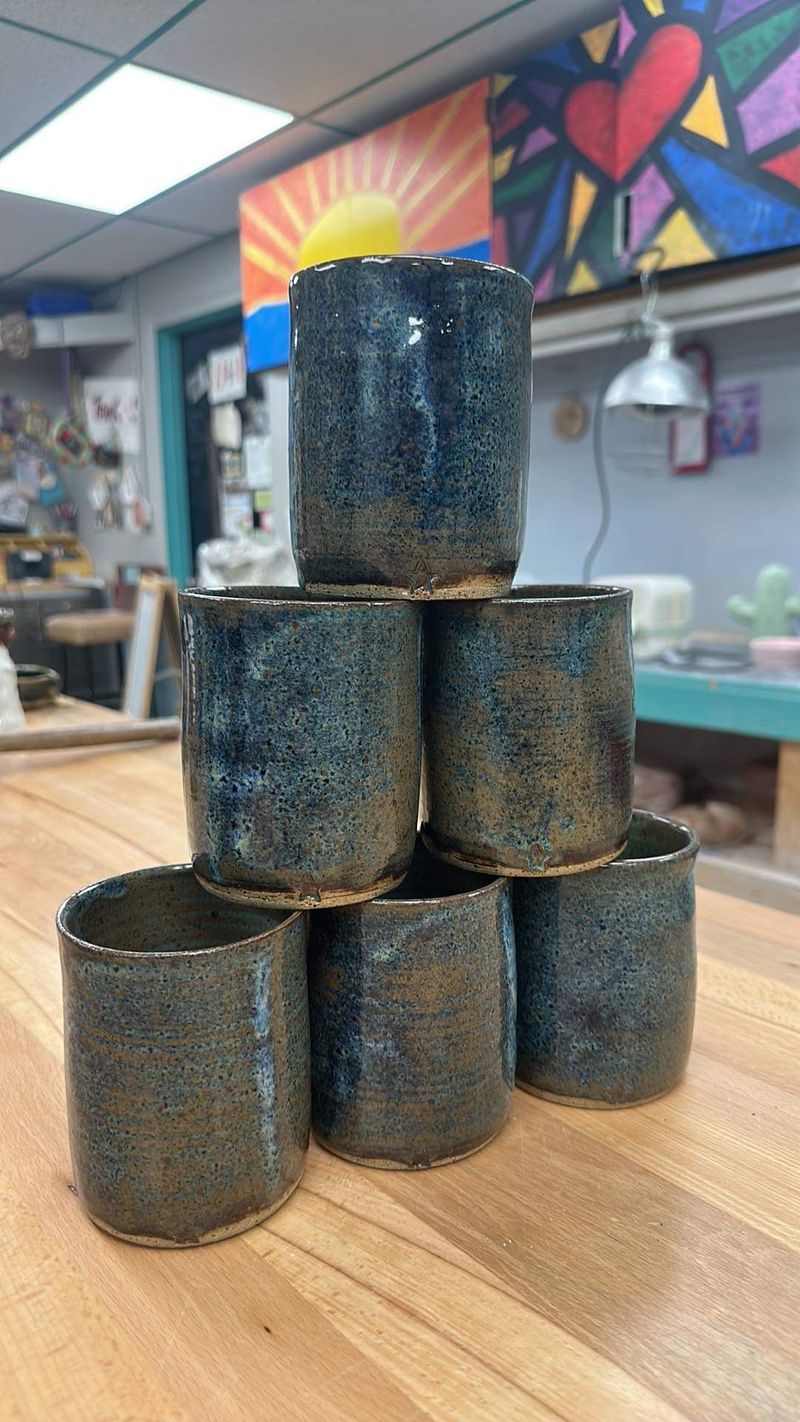
An anniversary activity can involve clay instead of another item for the shelf. Under The Horizon Pottery offers pottery lessons, including private instruction, at its Gettysburg pottery and art studio.
Parties and field trips are also among its offerings. That gives you several reasons to ask about the studio, from individual learning to arranging a shared creative activity.
A private lesson may suit you when you want to plan around a particular occasion. Confirm the group size, lesson format, available dates, and what the session includes before making other arrangements.
For a party or field trip, explain the participants’ ages and experience levels when you inquire. Ask how the activity is organized and what preparation your group needs.
The studio is listed as suitable for children, but individual lessons may have their own requirements. Checking those details early helps you choose an experience that fits rather than simply a date that works.
You can approach the lesson with a simple aim: learn something together and give your hands a new task. A shared pottery project doesn’t need identical results to feel connected.
Let each person’s piece take its own direction. Matching enthusiasm is a much easier goal than matching bowls on your first attempt.
Address: 2650 Biglerville Rd, Gettysburg, PA 17325