A band of rebels once took over a Virginia brick house for about four months. The house still carries their leader’s name, even though he never lived there.
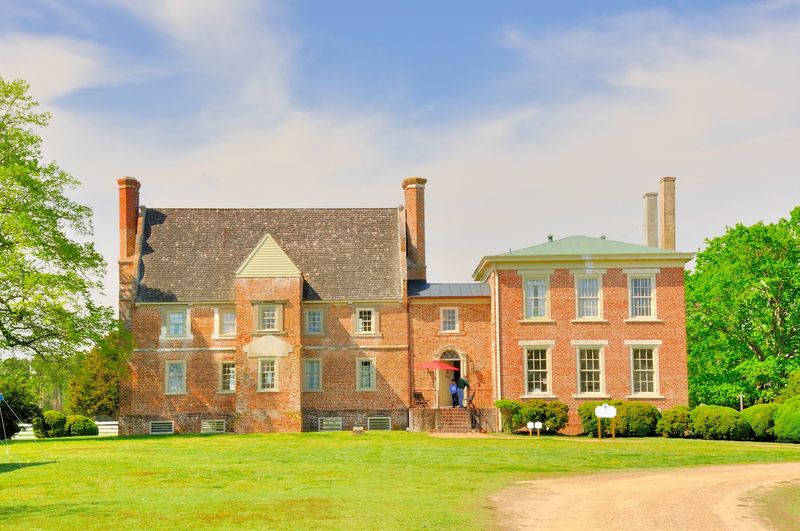
The home went up in 1665. It’s the oldest documented brick dwelling in the United States, with triple diamond chimneys and curved gables straight out of old England.
Now for the honest part: you can’t book a night inside, and it sits in flat Tidewater country, not the mountains. I believe the real story beats the rumor anyway.
I like how this place mixes rebels, gardens, and ghost tales into one quiet country stop. An evening lantern tour is about as close to a castle sleepover as you’ll get, and that sounds pretty fun to me.
The Name Comes With A Twist You Won’t See Coming
Nathaniel Bacon never slept at Bacon’s Castle. In fact, there’s no record that he ever set foot on the property at all.
So how did his name stick? In 1676, his followers seized the brick house during Bacon’s Rebellion and held it for about four months.
Before all that drama, the home had a much plainer label. People knew it as Arthur Allen’s brick house, after the man who built it in 1665.
Allen probably never guessed a rebel crew would rename his home forever. That’s a little like a party guest leaving with your nickname.
The Allen family kept the property for generations afterward. Still, the rebel name won the popularity contest and never let go.
I love that the most famous name tied to this house belongs to someone who wasn’t even there. History has a sense of humor sometimes.
Today, Bacon’s Castle stands as one of Virginia’s most talked-about historic sites. The guided tour explains the rebellion in a way that actually makes sense.
Go in knowing the twist, and you’ll enjoy the details even more. It’s a great story to share on the ride home.
Pack Your Pajamas For Somewhere Nearby Instead
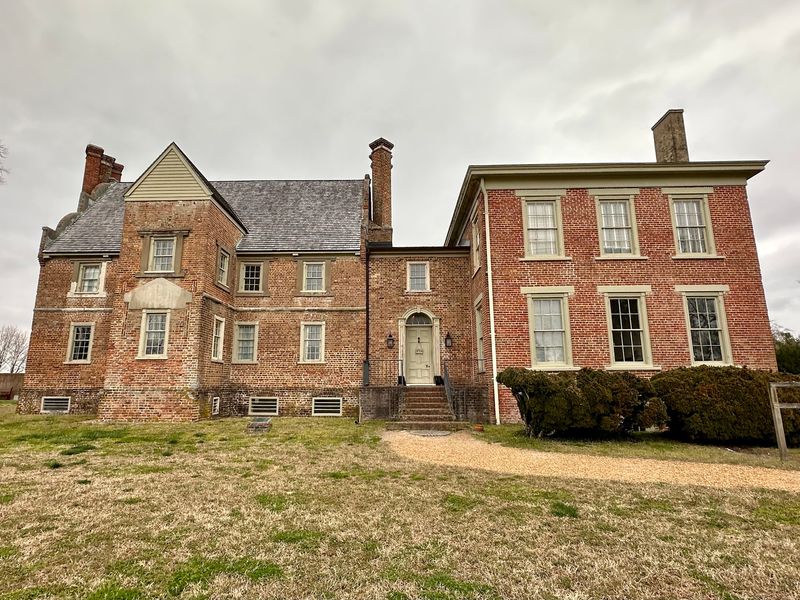
Let’s clear up the big rumor first. Bacon’s Castle is a house museum, and it doesn’t offer overnight stays inside its walls.
The mountains part doesn’t fit either. The site sits in Surry County, in the low, flat Tidewater region of Virginia.
That might sound like a letdown at first. Honestly, it frees you up to plan a fun base camp somewhere close by.
Hotels and vacation rentals are available in areas like Surry, Smithfield, and Williamsburg. Each one keeps you within reasonable driving range of the castle.
Staying in Williamsburg lets you pair this visit with other colonial stops. Smithfield works nicely if you prefer a smaller-town feel.
Some travelers cross the James River by ferry to reach Surry. That short boat ride makes the trip feel like a mini adventure before you even arrive.
You won’t wake up under a 1665 roof, sadly. But you can spend a full day exploring it and still sleep in a comfy modern bed.
I’d call that a fair trade. Your back will probably thank you more than a centuries-old floor ever could.
Those Chimneys Deserve Their Own Fan Club
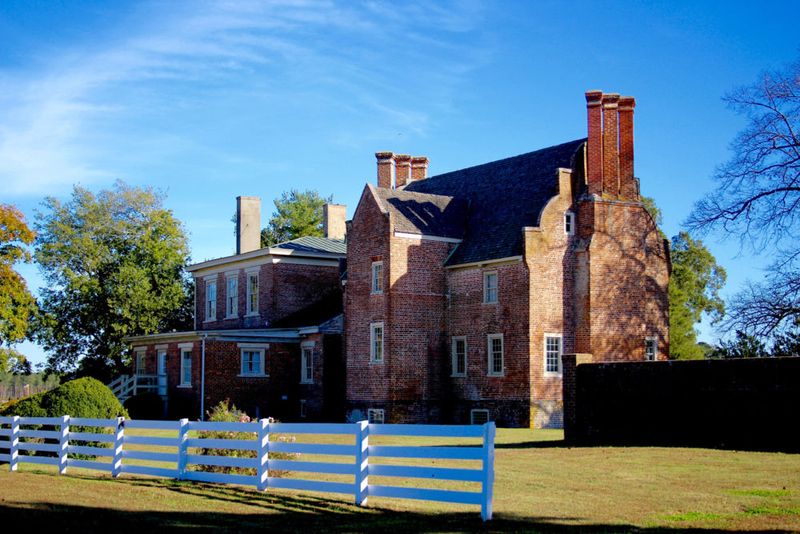
Three chimneys set on the diagonal, shaped like diamonds, stacked side by side. Good luck finding that on a typical Virginia farmhouse.
Those triple diamond chimneys are the star of the outside show. They sit on diagonal stacks that make the roofline look almost sculpted.
Then come the curved gables at each end. Their wavy edges give the house a fancy, old-world profile you’ll want to photograph from every angle.
The home also follows a cruciform plan, which means it’s shaped like a cross. An English slate roof caps the whole thing.
Experts call the style Carolean or High Jacobean. It’s a rare example of high-style English home design from the 1600s.
Here’s the jaw-dropper. It’s the only surviving example of Jacobean architecture in British North America.
That makes this brick house a true one-of-a-kind on this side of the ocean. No wonder people call it a castle.
Walk slowly around the whole building before your tour starts. Every side reveals a different angle, and the chimneys look different as the light changes through the day.
Forty-Five Minutes Inside Covers Centuries Of Stories
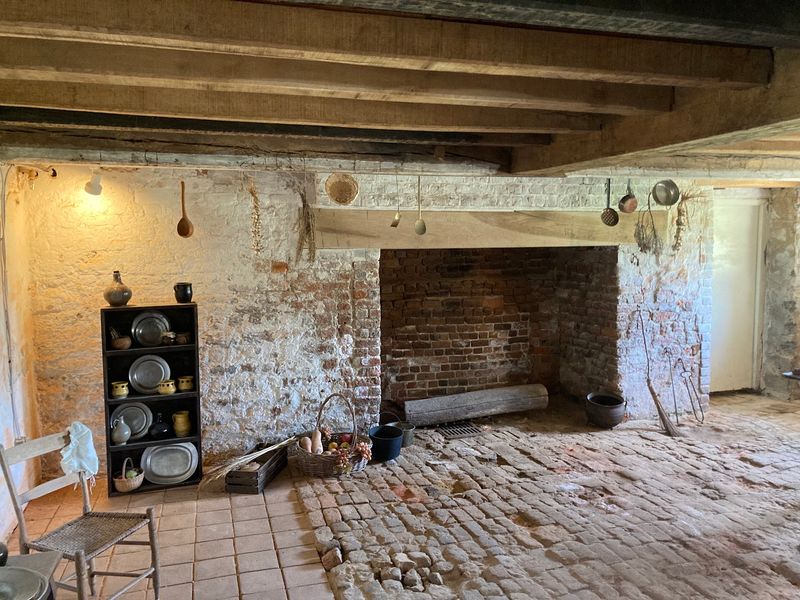
Inside access comes with a guide, and that’s a good thing. The ticketed interior tours run about 45 minutes, which is just right for most attention spans.
Guides walk you through the rooms and explain how the house changed over time. You’ll also hear how the rebellion unfolded under this very roof.
Exhibits inside detail the history of the home. They help connect the dots between the original builders, later families, and the people who preserved it.
Kids studying Virginia history will find plenty to talk about. The tour turns textbook names into real people with real stories.
Tickets are sold for set tour times. Arriving a little early gives you time to look around the grounds before heading inside.
Ask questions as you go. The guides are there to share what they know, and curious visitors usually get the richest version of the story.
I can’t imagine a better way to understand a 1665 house than standing inside it. Pictures simply can’t capture how it feels to stand where so much happened.
Wear comfy shoes for the walk. Stairs and old floors are part of the charm.
A Garden Buried For Centuries Came Back To Life
Archaeologists found something special in the dirt here in 1983. Evidence of a large 17th-century English garden was waiting just under the surface.
That discovery led to a careful reconstruction. Today, the garden at Bacon’s Castle shows off a formal English Renaissance design.
Border beds hold fruits, shrubs, and flowers. Extensive vegetable plots fill in the space and show what a working garden of that era looked like.
Keep an eye out for the forcing wall and starting beds. Gardeners used features like these to give plants a head start.
I like how the garden balances pretty and practical. It was clearly meant to feed people, but it still looks like it was planned with care.
Spring and summer are lovely times to stroll the paths. Bring a camera, because the house makes a perfect backdrop behind the neat rows.
Gardeners at home might even pick up an idea or two. Old methods sometimes hold up surprisingly well.
Give yourself extra time out here after the house tour. Rushing through a garden this old feels almost rude to the folks who brought it back.
Forty Acres Of Outbuildings Tell The Fuller Story
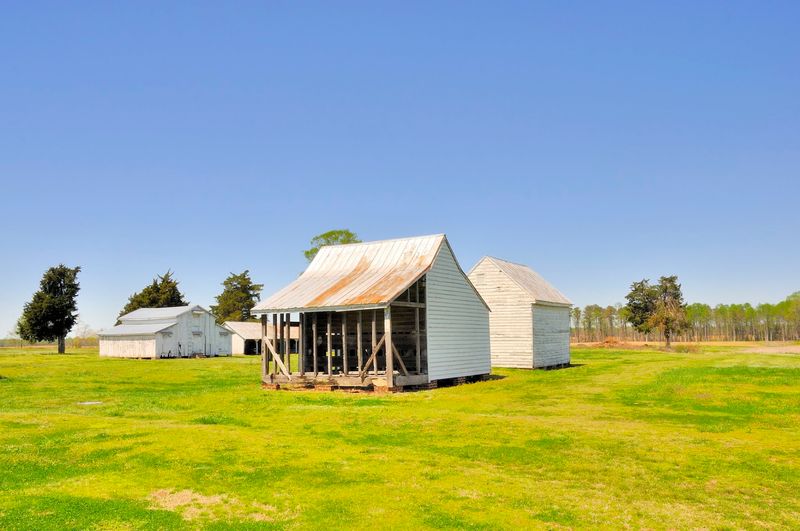
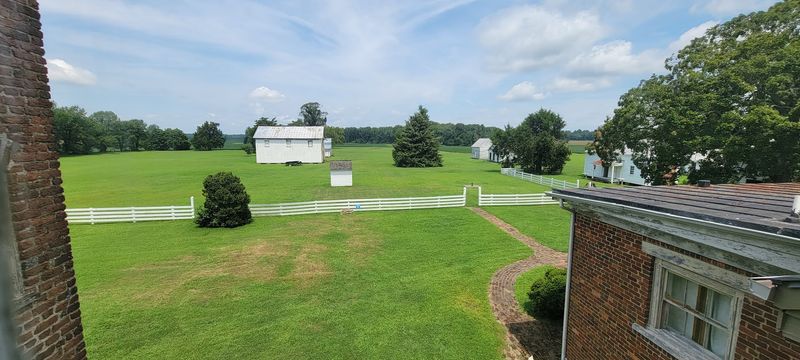
The brick house gets the spotlight, but the grounds have plenty more to say. Bacon’s Castle covers about 40 acres with several historic outbuildings.
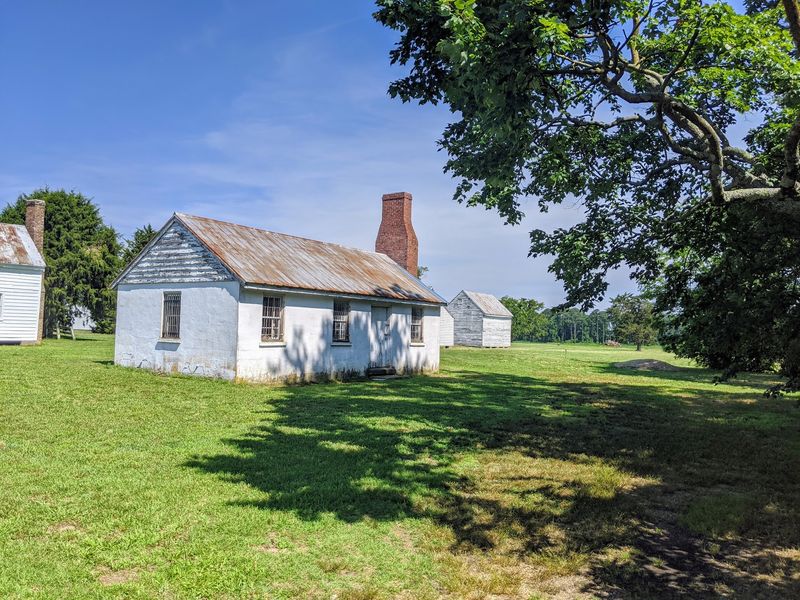
One barn on the property dates back to 1700. That’s barely younger than the main house itself.
You’ll also find an 1820s smokehouse. Families relied on buildings like it to preserve meat long before refrigerators existed.
An 1830 dwelling once housed enslaved people who lived and labored here. Tenant quarters from later years are part of the landscape too.
These buildings matter because they show who kept the property running. A grand house never ran itself, and the people behind its daily work deserve to be remembered.
Walking between the structures gives you a better sense of farm life over many generations. It turns one famous building into a whole community story.
Take a moment at each stop to read and reflect. Some parts of history are hard, yet they’re important to understand.
Visiting this way makes the trip feel complete. You leave knowing much more than just who built the fancy chimneys.
Lantern Light Might Be Your Best Shot At A Castle Night
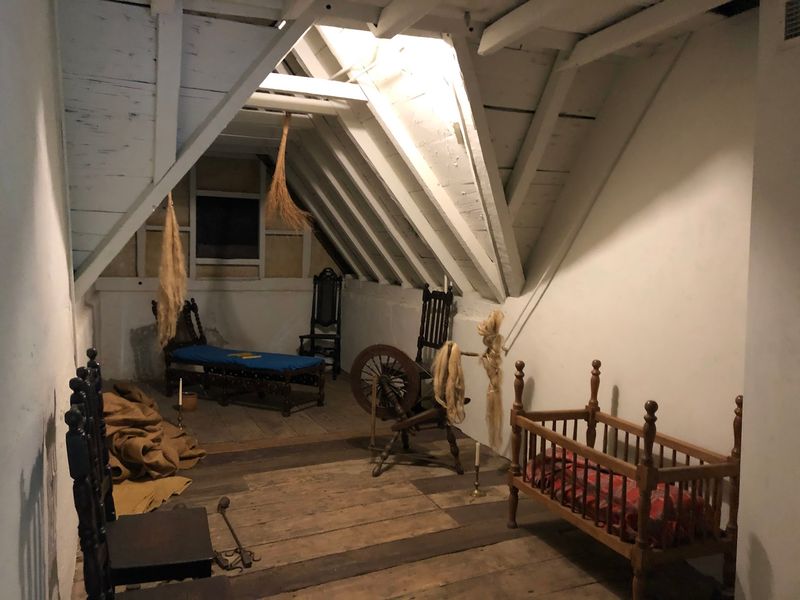
A mysterious fireball and a woman in a white dress. Those are two of the spooky tales tied to this old brick house.
Bacon’s Castle has a long reputation for paranormal stories. Whether you believe them or not, they add a fun shiver to the visit.
Since overnight stays aren’t an option, an evening event is the next best thing. Look for “Legends and Lore at the Castle: An Evening Lantern Tour” on the event calendar.
Exploring by lantern light gives the old walls a completely different mood. Shadows stretch, the gables look sharper, and every creak sounds a little louder.
It’s a great pick for friends who love a good campfire story. Older kids who enjoy mild chills will likely have a blast too.
Check dates ahead, since special events don’t run every week. Popular evenings can fill up, so planning early is smart.
I’ll admit that a lantern tour sounds more fun than a regular bedtime. Sleep can wait when a 1665 house is telling ghost stories.
Bring a light jacket for evening outings. Country nights in Virginia can cool off quickly.
Knights, Faires, And A Day Built For The 1600s
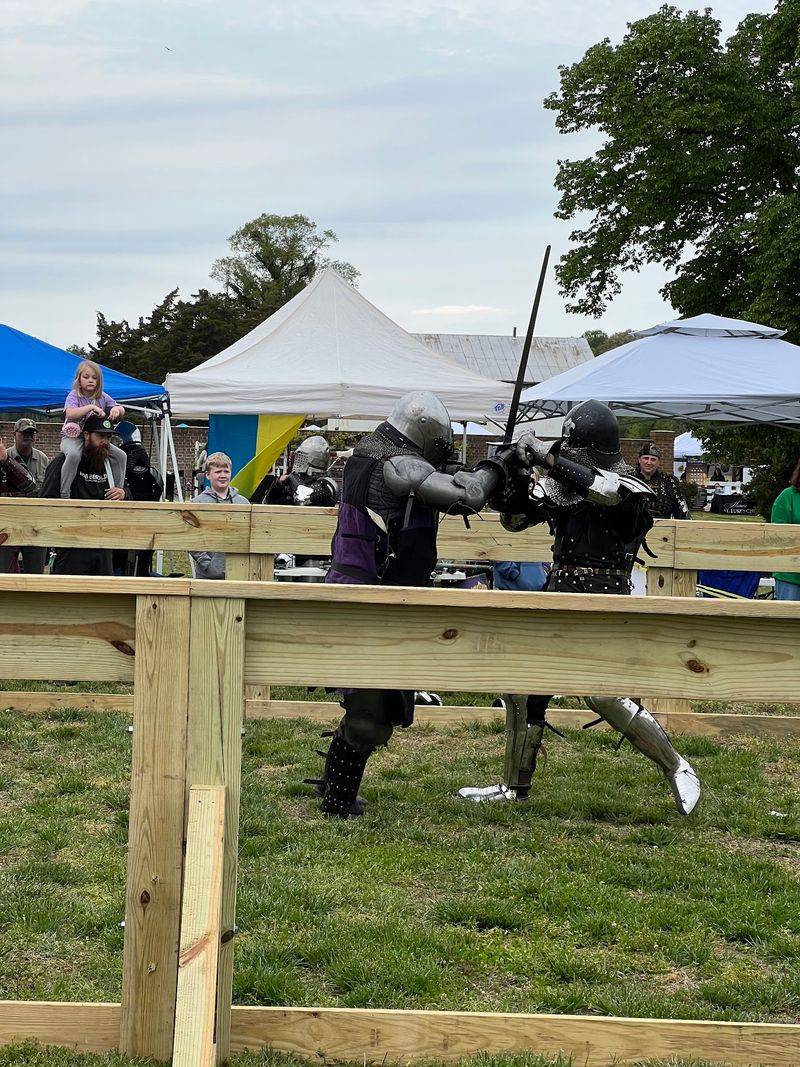
Swords, costumes, and a 17th-century backdrop make a pretty unbeatable combo. Special events at Bacon’s Castle lean into that old-world vibe all year.
The “Tournament of the Castle Renaissance Faire” is one of the headliners. Few faires can claim a real Jacobean house as their stage.
Then there’s “Seventeenth Century Day.” It’s a chance to see history brought to life on the very grounds where it happened.
These events give families a livelier way to learn. Kids who yawn at dates often perk up when history gets loud and colorful.
Event days can change how the site operates. Regular tours may run differently, so check the schedule before you go.
Costumes are a fun idea if the event welcomes them. Even a simple cape can make the photos way more memorable.
I believe events like these are the smartest way to see the castle for the first time. You get the history plus a festival mood.
Watch the Preservation Virginia event calendar for new dates. Lineups can shift from year to year, and you won’t want to miss your favorite.
Plan Around These Hours Before You Hit The Road
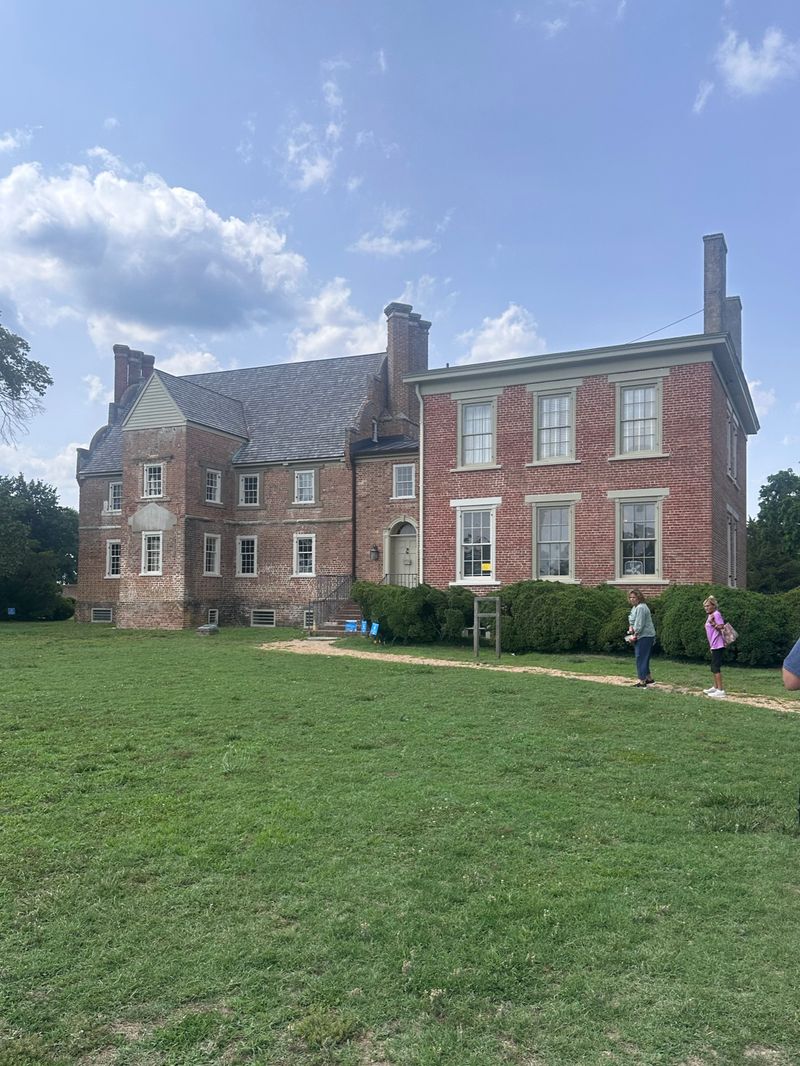
Timing matters here, because the doors aren’t open every day. Plug 465 Bacon’s Castle Trail, Surry, VA 23883 into your map and then check the calendar.
The site opens for the season from March through December. Interior tours run Friday and Saturday from 10 a.m. to 5 p.m.
Sunday tours start at noon and wrap up at 5 p.m. During June, July, and August, Thursdays join the lineup from 10 a.m. to 5 p.m.
Showing up on a closed day doesn’t mean a wasted trip. A cell phone tour lets you explore the grounds from dawn to dusk.
Bigger groups have options too. Group and private tours can be arranged year-round through Preservation Virginia.
The house is in the middle of a two-year restoration. Good news, though, because regular tours are still running on schedule.
Seeing restoration in action is kind of cool, honestly. It shows how much care goes into keeping a 1665 Virginia house standing strong.
Double-check hours close to your visit. Schedules can shift, and a quick look saves you from a long drive to a locked door.
Bring A Sandwich And Make A Whole Afternoon Of It
Shaded picnic tables wait on the grounds, and you’re welcome to bring your own lunch. That’s a small perk that makes a big difference on a long day.
Surry County is rural, so packing food is a smart move. A cooler in the trunk means nobody gets cranky between the tour and the garden.
Public restrooms are on-site too. Parents of little ones will appreciate that detail more than any chimney.
Before leaving, stop by the gift shop. It’s a handy place to grab a souvenir that reminds you of your castle day.
The whole site is cared for by Preservation Virginia, which acquired it in the 1970s. After years of research and restoration, it opened as a museum in 1983.
Supporting the shop and tours helps keep that work going. Every ticket plays a part in protecting this rare house.
I like ending a historic visit with a slow lunch outdoors. It gives everyone time to swap favorite stories from the tour.
Linger a bit under the trees before driving away. Bacon’s Castle is the kind of place that rewards anyone who stays a little longer.