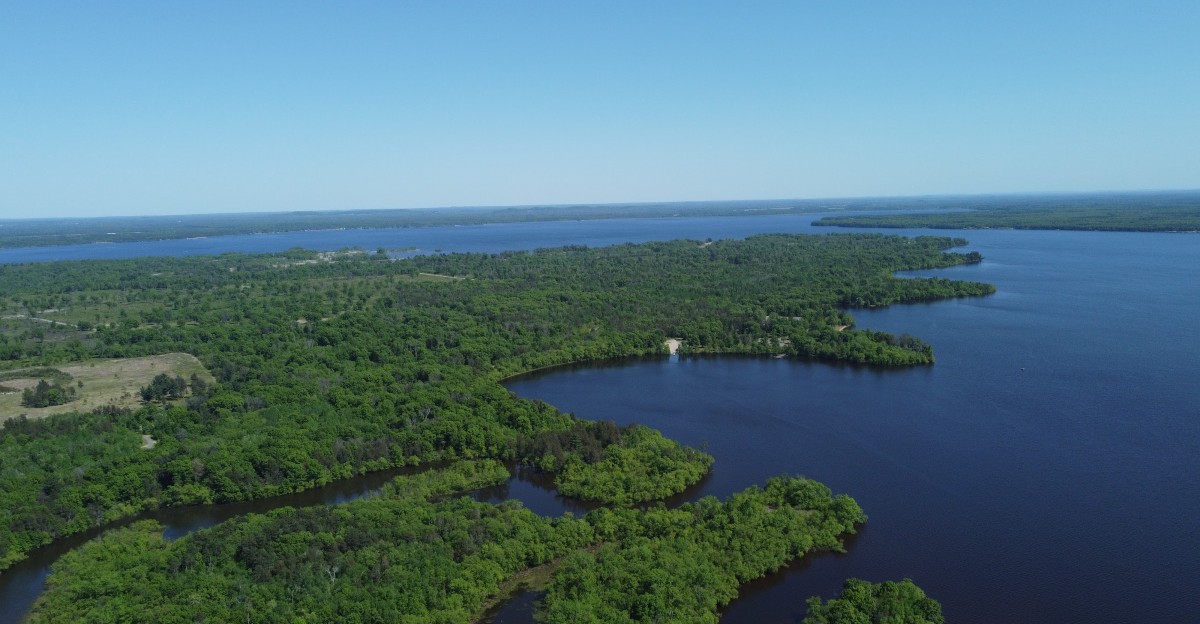
A whole village once had a post office for more than 60 years. Today, its old ground sits under the water where people fish for walleye and float on sandbars.
I can’t imagine planting crops in a valley that later turned into the fourth-largest lake in the state. Yet that’s exactly what happened in central Wisconsin.
Farms, prairies, and forested knolls once lined a winding river here.
Then a dam built on sand changed everything and made the story worth hearing. Engineers took a risk that still holds back a massive reservoir today.
I like how this place mixes summer fun with a quiet mystery. Boaters zoom across the surface while a forgotten town rests far below.
A Village Called Quincy Is Waiting Below Your Boat
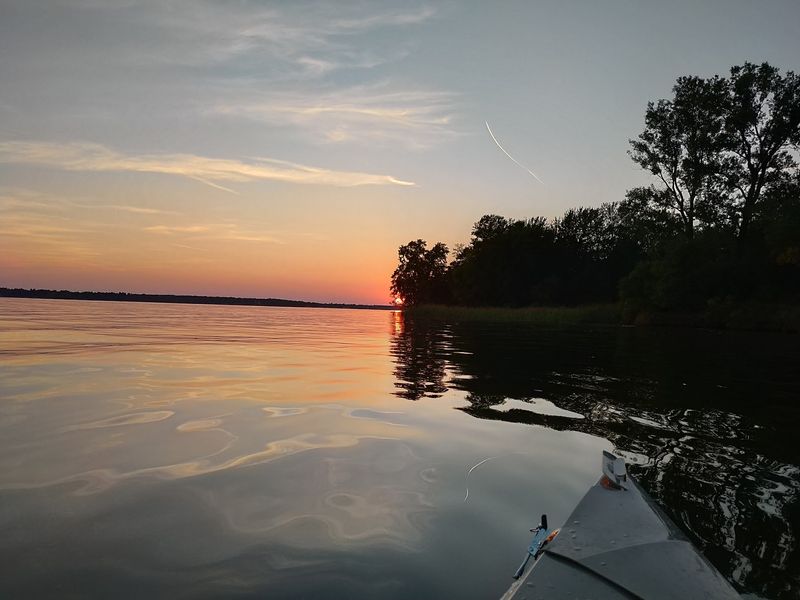
Ghost towns usually come with creaky saloons and tumbleweeds. Castle Rock Lake in Wisconsin offers a soggier version, and it’s honestly more interesting.
The village was called Quincy, and it sat in Adams County long before the water arrived. Its post office opened in March 1854 and stayed in business until June 1915.
That’s more than 60 years of mail, neighbors, and everyday life. People wrote letters, picked up packages, and probably complained about the weather like every Wisconsinite does.
When the dam was finished and the valley filled, the old Quincy area went under. Homes, businesses, and streets were swallowed by the rising reservoir.
Today, Quincy is known as a ghost town because it rests beneath the lake. No signs float on the surface to mark the spot.
You simply have to know the story.
I love how that changes a regular boat ride. One minute you’re enjoying the breeze.
The next you’re wondering whose front porch might be somewhere below.
Before you visit, read up on Adams County history a little. Knowing the name Quincy turns a pretty lake day into a real-life history lesson with a splash.
Engineers Gambled On Sand And Somehow Won
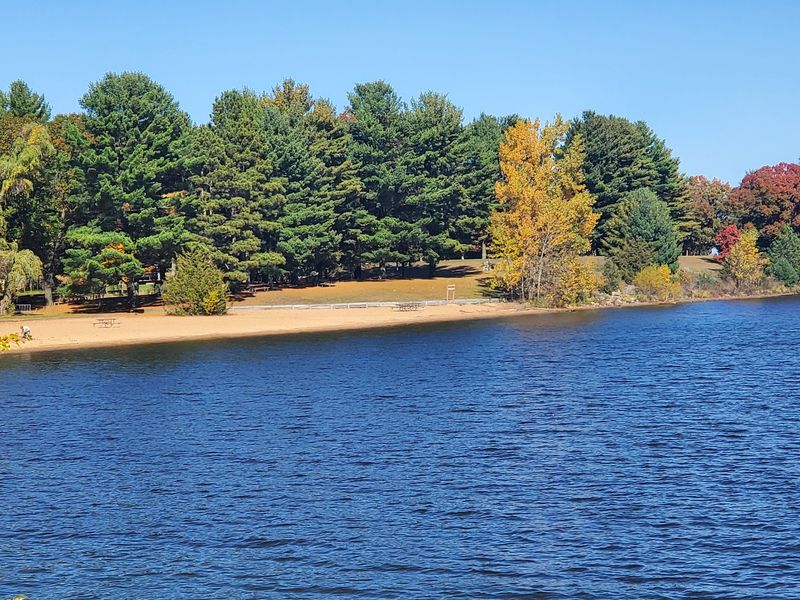
Building a giant dam on sand sounds like a beach project gone wild. Still, that’s exactly what the Wisconsin River Power Company pulled off here.
Castle Rock Dam was one of the first dams of its type built on sand. Its neighbor upriver at Petenwell shares that same unusual claim to fame.
Construction started in 1947 and wrapped up in 1951. Along the way, crews closed the river channel on November 9, 1949.
Less than a year later, the first power unit came online. That happened on August 1, 1950, and the lights have kept humming since.
The numbers are impressive too. The dam stands 38 feet high, yet its crest stretches about 18,700 feet long.
That’s more than three miles of structure holding back a huge body of water. Not bad for something resting on the same stuff kids use for sandcastles.
The dam was built mainly for hydroelectric power and flood control. Recreation came along as a happy bonus.
Next time you cross the area, think about those 1940s engineers. They trusted their math and changed central Wisconsin forever.
The Valley Looked Totally Different Before The Water Rose
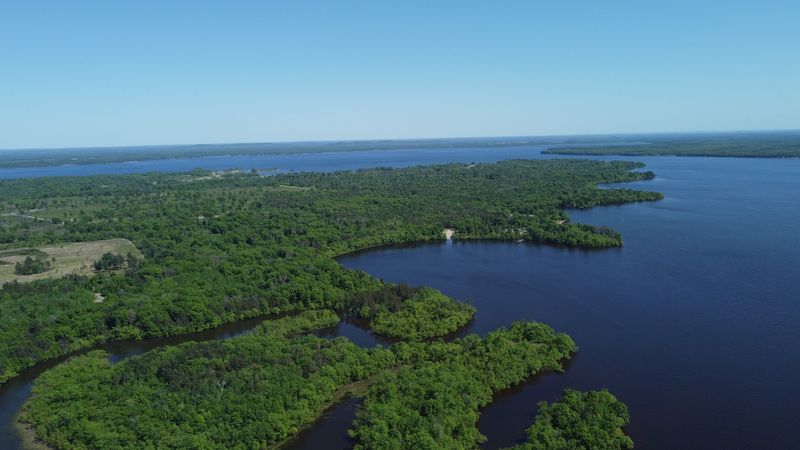
Farmland once stretched where speedboats now leave white wakes. The old valley mixed open prairies, working farms, and small forested knolls.
Right through the middle ran the Wisconsin River. It split the land in two and shaped daily life for everyone nearby.
Long before farmers arrived, Indigenous people called this river valley home. The Ho-Chunk and Menominee lived along the Wisconsin River for more than 10,000 years.
That’s a staggering stretch of time. It makes the lake’s 1950s birthday feel like it happened last Tuesday.
When the dam closed the river, water spread across the low ground. Fields became lake bottom, and some higher knolls likely ended up as shoreline or islands.
Here’s a fun way to see it differently. Look at a map of the lake and notice its shape.
Those bays and backwaters trace the edges of the old valley. In a way, the lake is a giant outline of the land it covered.
Bring kids along and challenge them to guess where the river once flowed. It’s a sneaky geography lesson, and nobody even has to open a textbook.
You’ll Run Out Of Sunscreen Before You Run Out Of Shoreline
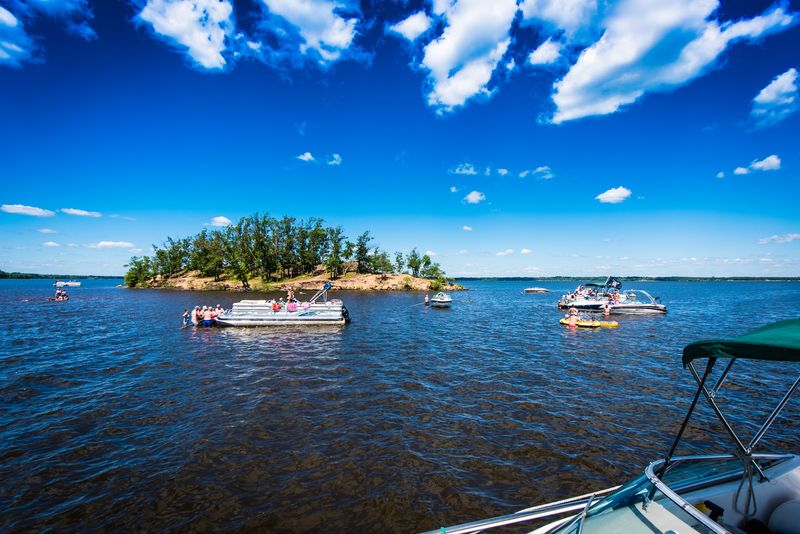
About 16,640 acres of water is a lot to explore. Castle Rock Lake ranks as the fourth-largest lake in Wisconsin, and it spreads across Adams and Juneau counties.
The shoreline runs roughly 70 to 73 miles. That’s longer than many folks drive to work in a whole week.
Variety is the real winner here. Big open water invites boaters who like room to roam.
Meanwhile, sandy beaches and sandbars attract swimmers and floaters. Quiet backwaters offer a calmer scene for paddlers who prefer peace over speed.
The lake goes by a local nickname too. Many people call it a flowage, which fits a reservoir made from a dammed river.
The Castle Rock Dam sits in Adams, Wisconsin. It’s about 19 miles from Wisconsin Dells, so a day trip is easy.
A quick tip for planning: weekends in summer can get lively. Paddlers chasing calm water may want to aim for weekday mornings.
Pack a map, a hat, and plenty of snacks. With this much water, you’ll want time to wander a bit.
Your Fishing Rod Has A Long Wish List Here
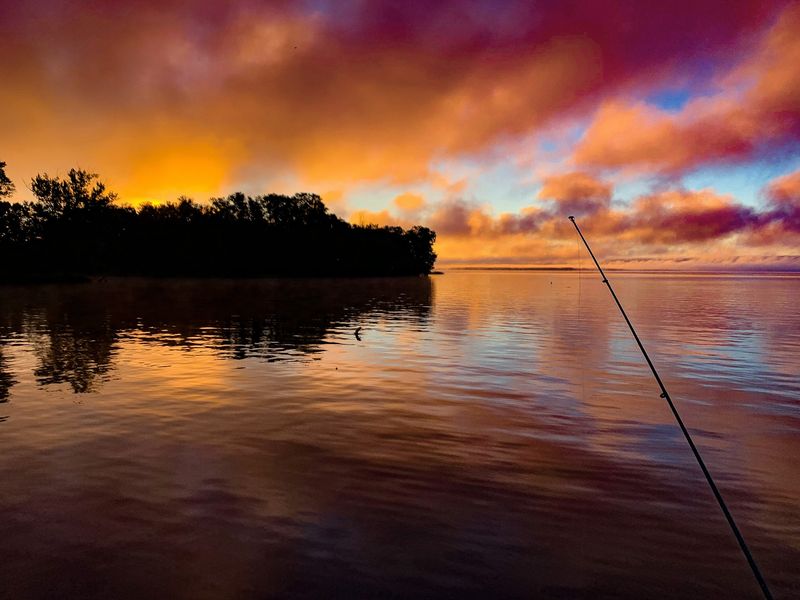
Walleye, white bass, crappie, northern pike. That’s just the start of the fish roster swimming around this reservoir.
Anglers can also chase largemouth and smallmouth bass. Bluegills and perch keep younger fishers busy and smiling.
Then come the big names. Muskellunge, sturgeon, and catfish all live in these waters too.
Fishing is one of the most popular things to do at Castle Rock Lake. With so many species, every trip feels a little like a surprise grab bag.
The lake’s mix of habitats helps. Open water, sandy stretches, and backwater areas give different fish places to hang out.
Here’s a fun thought to ponder between bites. Some of the old valley floor, including the Quincy area, now serves as fish real estate.
Before you cast, check current Wisconsin fishing license rules and regulations. Seasons and limits can change, so a quick look saves headaches later.
Beginners shouldn’t feel shy either. Panfish like bluegills are great for learning, and kids love the fast action.
Bring patience, bring bait, and maybe bring a backup story. Every angler needs one about the musky that got away.
Two Parks Guard Opposite Sides Of The Lake
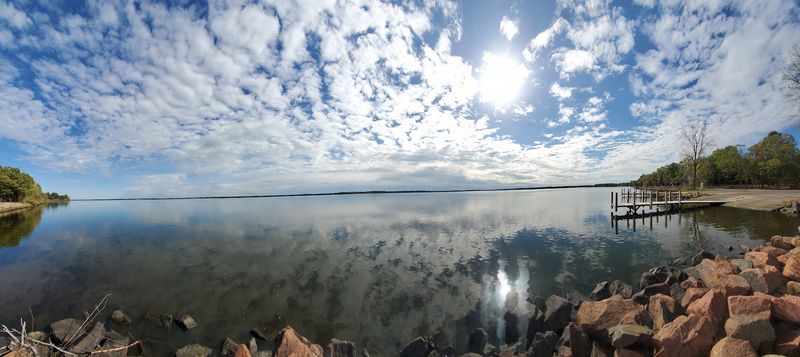
Think of the lake as having two front doors. One opens on the west side, and the other welcomes folks from the east.
Buckhorn State Park sits on the west side in Juneau County. It’s a natural pick for anyone craving shoreline time, trails, and a slice of quiet.
Across the water, Castle Rock County Park covers the east side in Adams County. It gives visitors another easy way to reach the lake.
Having parks on both sides is pretty handy. You can explore the west one day and switch to the east the next.
Camping is a big draw around the area. Hiking and bird watching also rank high on the to-do list.
Much of the land around the lake is owned or managed by the Wisconsin River Power Company. Shoreline rules may apply, so respect posted signs.
Planning tip: check each park’s current camping and reservation details before you go. Summer spots can fill quickly.
Pack bug spray and sturdy shoes too. Pine forests are lovely, but mosquitoes in Wisconsin take their job very seriously.
Bald Eagles Treat Winter Here Like Vacation Season
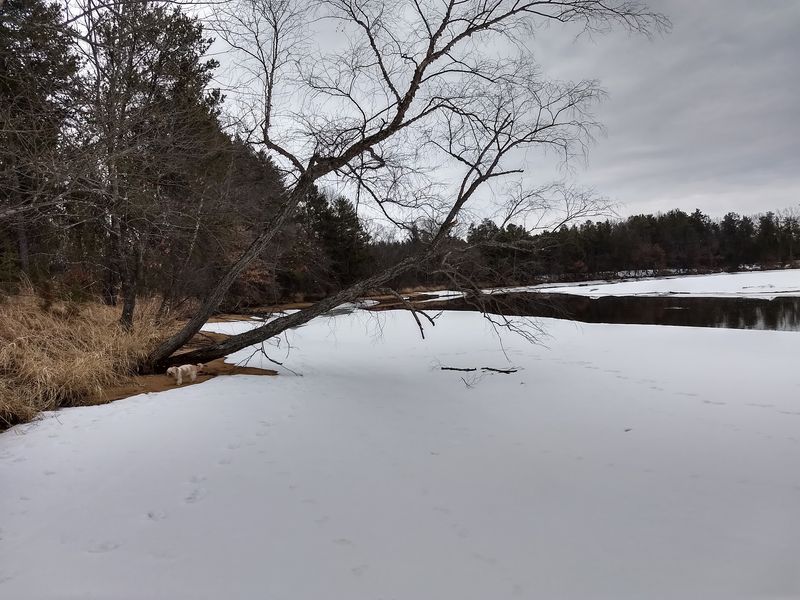
Most visitors leave when the snow shows up. Bald eagles do the opposite and roll into the area for winter.
These big birds are known to spend the cold months near Castle Rock Lake. Spotting one perched in a tree feels a little like seeing a celebrity.
Bird watching is a year-round reason to visit. Summer brings its own feathered crowd along the shoreline and backwaters.
So what should beginners bring? Binoculars top the list, followed by warm layers and a thermos of hot cocoa.
A simple field guide or bird app helps too. Kids love checking off species like a scavenger hunt.
Patience matters more than fancy gear. Eagles don’t follow schedules, and they definitely don’t pose on command.
Give the birds plenty of space. Watching quietly from a distance keeps them comfortable and keeps you on their good side.
I like how winter reveals a calmer side of the lake. The boats are gone, the sky feels huge, and the eagles take over.
It’s a peaceful twist on a place famous for summer fun.
Bays With Names That Practically Beg For A Visit
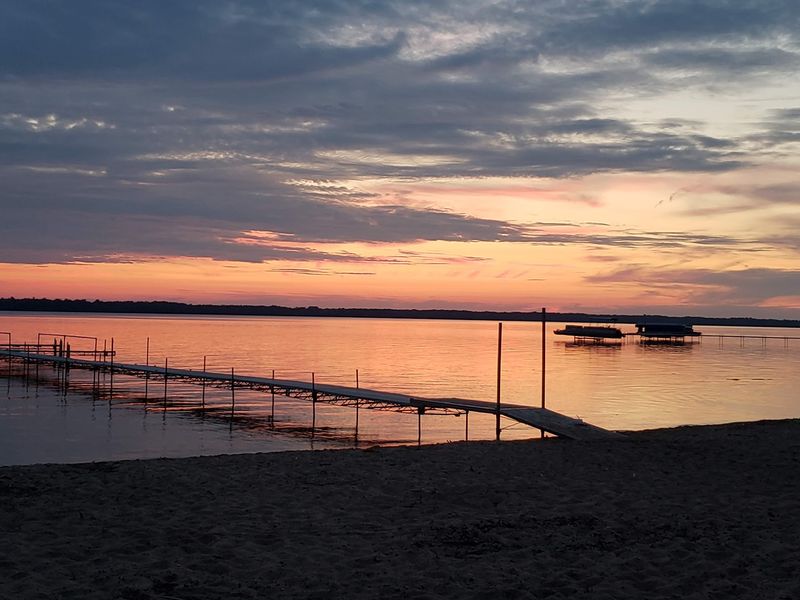
Shipwreck Bay and Dirty Turtle sound like spots from a pirate cartoon. Both are real places around Castle Rock Lake, though.
Pine Cove and Northern Bay round out a list of well-known stops. Each name gives the lake a bit of extra personality.
Boating ties these spots together. Pontoons, fishing boats, kayaks, and paddleboards all share the water.
Swimming and floating are popular on warm days. Sandbars let folks wade into shallow water and soak up the sun.
Water sports bring the high-energy crowd. Tubing and skiing fit right in on the larger open stretches.
A friendly safety reminder goes a long way. Wear life jackets, watch for shallow areas, and keep an eye on other boats.
Paddlers should know busy weekends can get choppy. Backwaters often offer a calmer ride for canoes and kayaks.
Here’s a cool thing to consider while floating. Somewhere under all that fun lies a valley that once held farms and a small village.
Not many swimming holes come with a backstory like that. It makes every splash feel a little more special.
More History Waits Just Up The Road
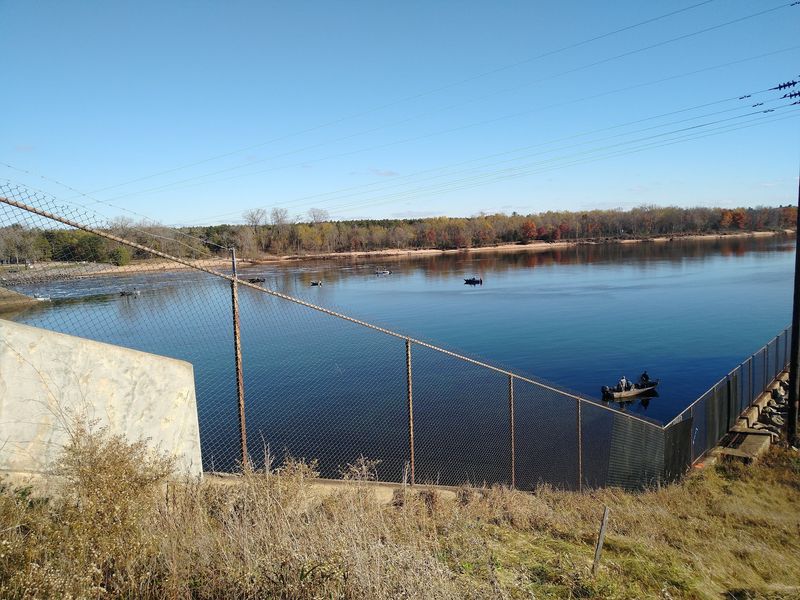
The lake’s story doesn’t stop at the water’s edge. Nearby spots add even more layers to this corner of Wisconsin.
Roche-A-Cri Rock rises northeast of Castle Rock Lake. It holds prehistoric antiquities, including effigy mounds and petroglyphs.
The Ho-Chunk people are believed to have used these carvings for record-keeping and storytelling. That’s history written right into stone.
Then there’s Castle Rock itself. The lake’s namesake is a geological landmark sitting downriver from the dam.
Head north and you’ll find Lake Petenwell. It’s the second-largest lake in the state and part of the same river flowage system.
Like Castle Rock, Petenwell was created by a dam built on sand. The two reservoirs feel like siblings with a shared, unusual childhood.
A road trip linking these places makes a fantastic weekend. You get rock carvings, river history, and two giant lakes in one loop.
Bring a camera and comfy walking shoes. History lovers will be thrilled, and kids get plenty of room to roam.
Honestly, who knew central Wisconsin packed this many stories? The water just happens to hide the most surprising one.