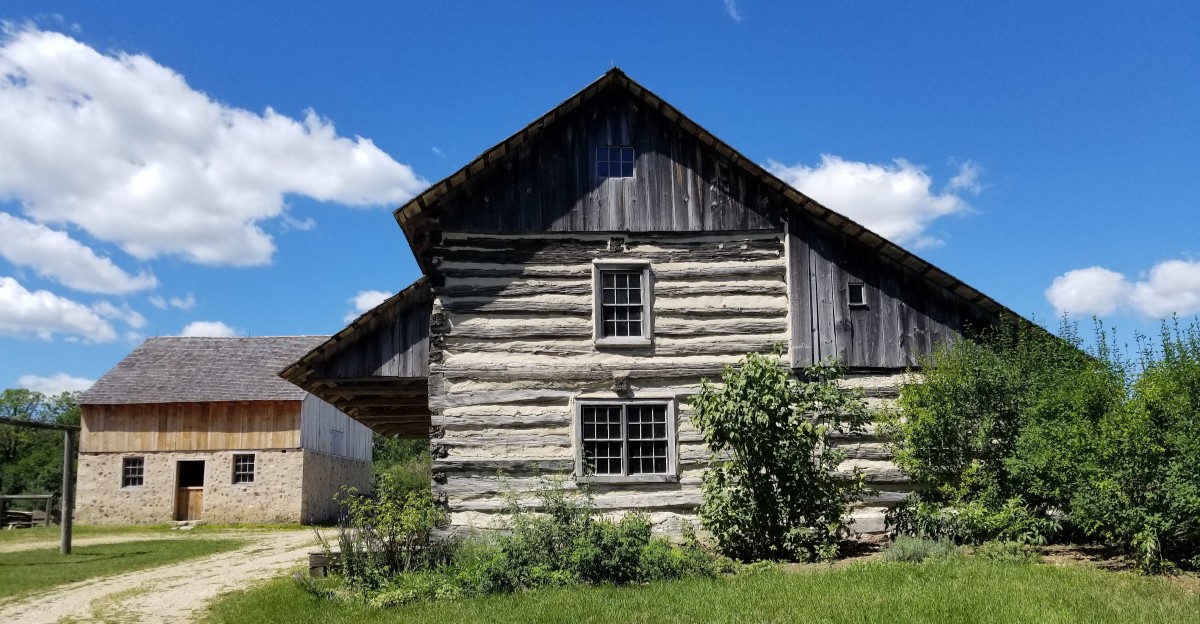
More than 60 historic homes, farms, stores, and workshops were taken apart and rebuilt in one patch of countryside.
Each one came from somewhere else in Wisconsin.
That’s a lot of moving day.
I like how the result feels less like a museum and more like a borrowed slice of time, with costumed staff, heritage breed animals, and a working blacksmith.
Kids can gather chicken eggs. Grown-ups can sit in a one-room school and quietly hope nobody calls on them.
I believe that kind of hands-on history sticks better than any textbook chapter.
The place is also turning 50 this year, and it’s celebrating with a brand-new welcome center and fresh food options.
Sixty Buildings Traveled Here Piece By Piece, And You Can Walk Through Them
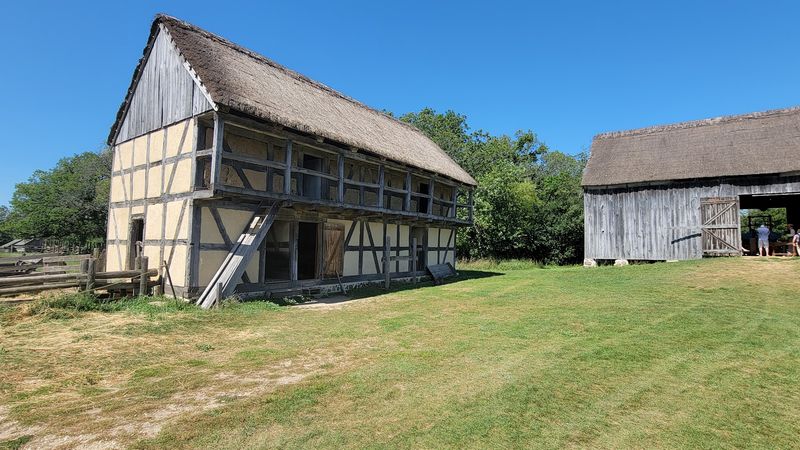
Old World Wisconsin is the largest outdoor museum of rural life in the United States. That’s a big title, and the site earns it with more than 60 restored homes, farms, stores, and workshops.
Every one of those buildings started life somewhere else in the state. Crews carefully took them apart, moved them, and put them back together here.
Think about that for a second. A farmhouse that once stood in another county now sits beside barns and shops from completely different corners of Wisconsin.
The museum is owned and run by the Wisconsin Historical Society. It opened in 1976 as the state’s official bicentennial project, so this site has serious history of its own.
The oldest building here is the Christian Turck House, also called the Schottler Farm. It landed on the National Register of Historic Places in 1973, before the museum even opened.
Three buildings on the grounds now hold that National Register honor. Not bad for structures that once had to be numbered, packed up, and rebuilt like giant wooden puzzles.
The time span runs from the 1840s into the early 1900s. Some exhibits even stretch into the 1930s and 1940s, which keeps every stop feeling a little different.
Your Passport Gets Stamped Without Ever Leaving The Farm
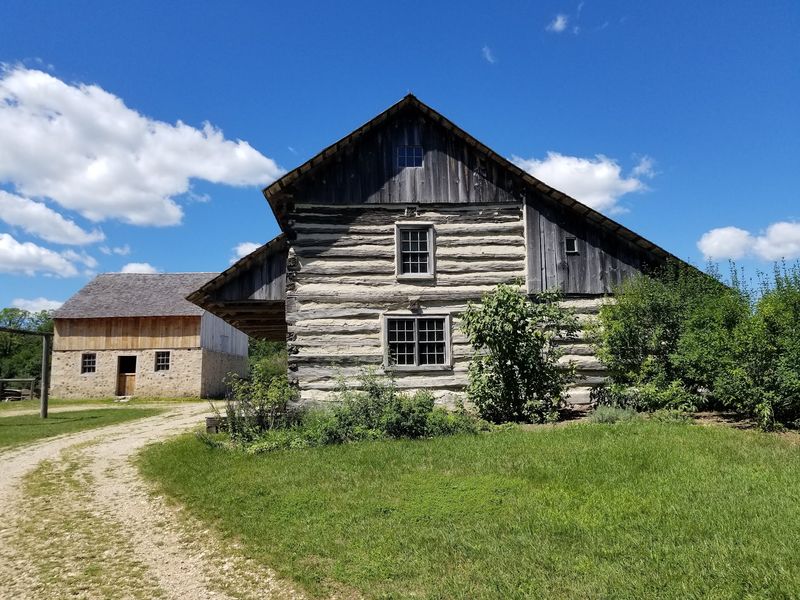
Danish, Finnish, Norwegian, Polish, and Irish homesteads all share the same rolling land here. So do German, Hessian, Pomeranian, Yankee, and African American communities.
Each area shows how a different group of settlers lived after arriving in Wisconsin. The traditions, tools, and farm layouts change as you move from one spot to the next.
That variety is the real treat. One stop might focus on Scandinavian home life, while another shows how a German family ran its farm.
Costumed staff called experience facilitators work in these spaces. They’re dressed for the era and ready to explain what daily chores looked like long ago.
Here’s a practical tip. Ask questions at every stop, because the staff can turn a quiet log house into a full story.
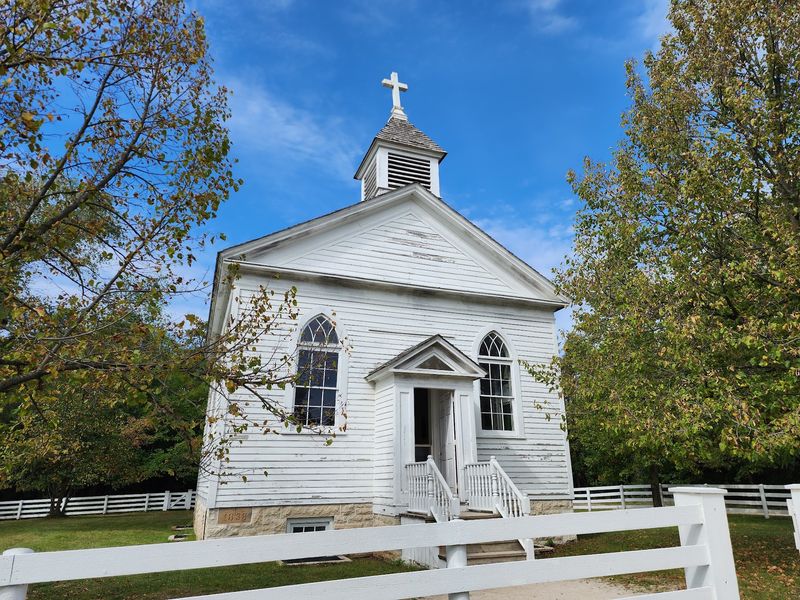
The Pleasant Ridge Chapel deserves extra attention too. Originally called the Slabtown Church, it was moved to a new area on the site.
That move helps share the stories of Black pioneers and European immigrants who lived together in the Pleasant Ridge community. It’s a chapter of state history many people never learned in school, and it’s told right here.
Somebody Has To Gather The Eggs, And It Might Be You
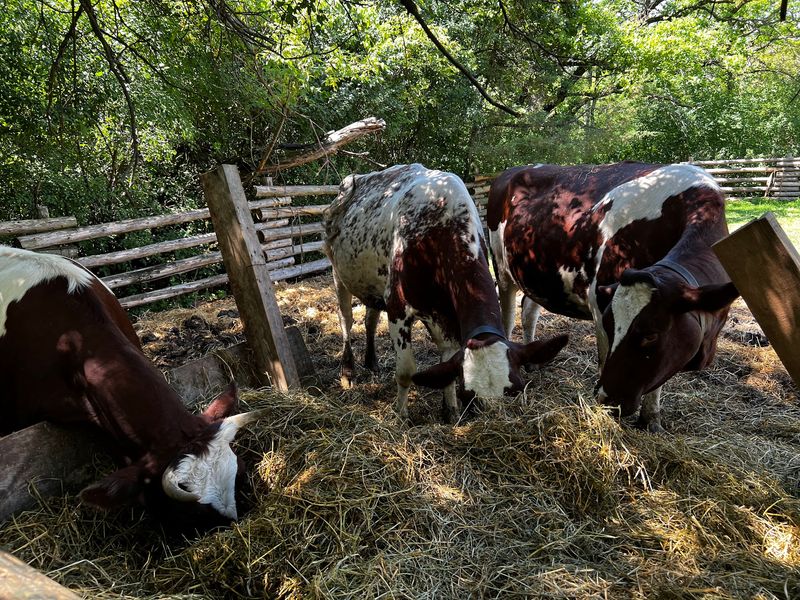
Chores were never this popular at home. At this living history village, kids line up to collect chicken eggs and help with old-fashioned farm tasks.
Hands-on fun is the whole point. Visitors can knead bread, help with cooking, try traditional crafts, and play games kids enjoyed generations ago.
Wool gets its moment too. You can see how settlers dyed and spun it, turning fluffy fleece into something useful.
Heritage breed animals live on the farms, including cows, sheep, pigs, and chickens. These older breeds connect the barns to the kind of livestock early farmers actually raised.
Over at the Shoe Shop, guests can make leather keychains. It’s a small souvenir, but it comes with a real lesson in an old trade.
Then there are the high-wheel bicycles and tricycles. Those tall wheels look tricky, which is exactly why everyone wants a turn.
Families with mixed ages tend to do well here. Little ones get animals and simple tasks, while older kids get crafts and trades with more detail.
Nobody has to fake interest, which is a rare win on a family day out.
The Blacksmith And The School Bell Run Crossroads Village
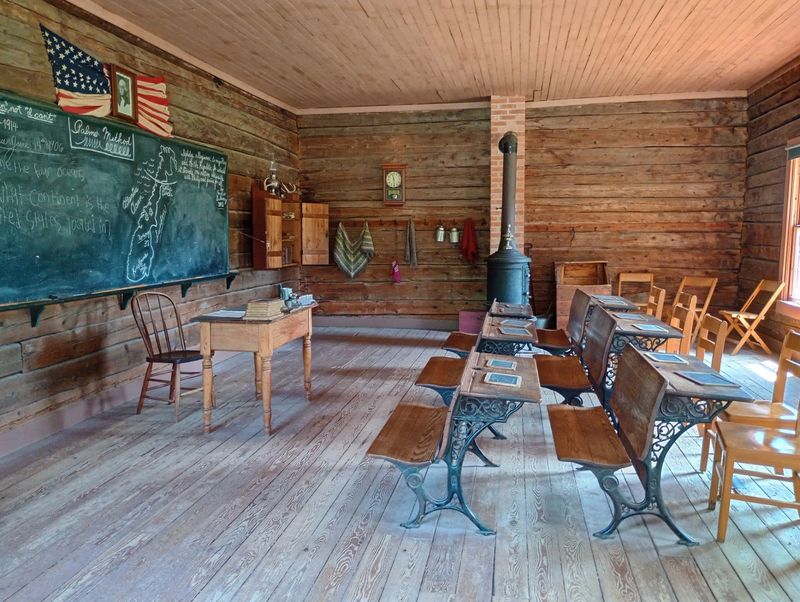
Crossroads Village works like the town center of the whole site. Historic shops and community buildings sit together here, giving you a feel for small-town life long ago.
The blacksmith shop is a favorite stop. Watching hot iron get shaped by hand makes modern hardware stores seem a little boring.
Not far away, a one-room school waits for new students. Everyone learned together in a single room back then, which sounds cozy until you remember the strict rules.
Sitting at those old desks gives kids a fun comparison. Suddenly their own classroom might seem pretty great.
The village also shows how stores and services kept rural communities going. Each building adds another piece to the picture of daily life.
Plan to slow down in this area. It’s packed with stops close together, so it rewards curious wandering more than speedy sightseeing.
Crossroads Village is also home to Crossroads Creamery, which makes it a smart place to take a break. More on that tasty detail later, because ice cream deserves its own spotlight.
History lessons go down easier with a cone nearby.
Hungry Time Travelers Have Better Options Than Ever
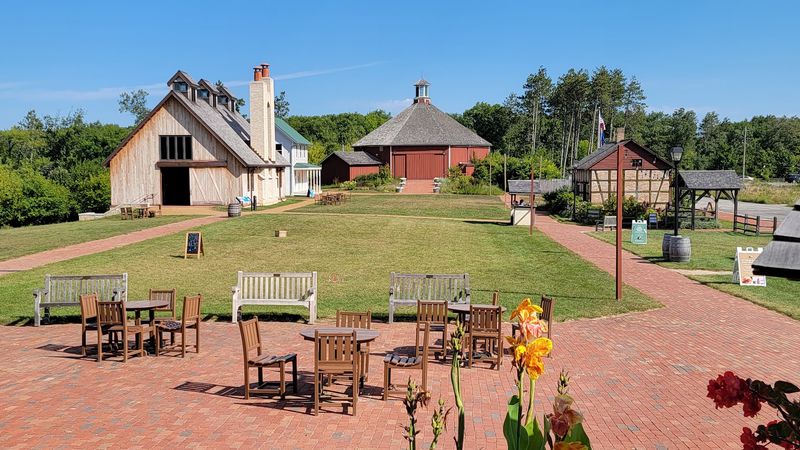
Clausing Cafe recently got a remodel, and it serves freshly prepared hot food, salads, drinks, and sweet treats. Seasonal dishes take inspiration from the immigrant cultures featured across the grounds.
That’s a clever match. You learn about the settlers, then you eat food that nods to their traditions.
Crossroads Creamery keeps things simple with ice cream, grab-and-go meals, snacks, and cold treats. It’s an easy stop when little legs start losing steam.
Wittnebel’s Tavern was fully restored in 2025. It offers a peek at 1930s tavern culture with historic candy and old-time beverages.
Friday nights bring a seasonal fish fry at Clausing Cafe. Choose baked or hand-battered cod with potatoes, rye bread, slaw, and tartar sauce.
Here’s the bonus. No separate ticket is needed for the fish fry, so it works as a relaxed evening outing.
Few Wisconsin traditions feel more at home than a Friday fish fry. Eating one at a historic farm site makes it feel even more fitting, like the past pulled up a chair at your table.
Time Travel Tokens Are The Smartest Pocket Change You’ll Carry
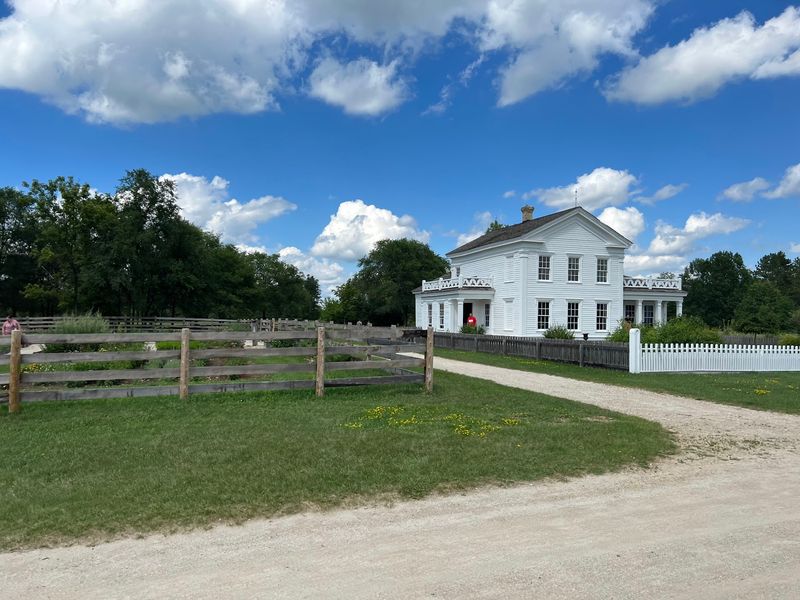
Special coins called Time Travel Tokens unlock extra experiences and treats around the site. They add a playful layer to a day that’s already full of surprises.
One fun use happens at the Four Mile House Inn. There, tokens can get you a glass of old-fashioned soda water.
Sipping a drink inside a historic inn beats a vending machine every time. It also gives kids a reason to get excited about the next building.
Tokens work as a small reward system too. Kids who march happily from farm to farm might earn a special treat along the way.
A smart move is grabbing them early in your visit. That way you won’t miss a token stop while exploring the different areas.
Think of them like a scavenger hunt prize you can spend. They turn ordinary walking into a mission with tasty payoffs.
It’s a simple idea, but it fits the museum’s style perfectly. History here is meant to be touched, tasted, and enjoyed, not just read from a sign.
A little bubbly soda water is proof of that.
Free Trams Save Your Feet On This Huge Property
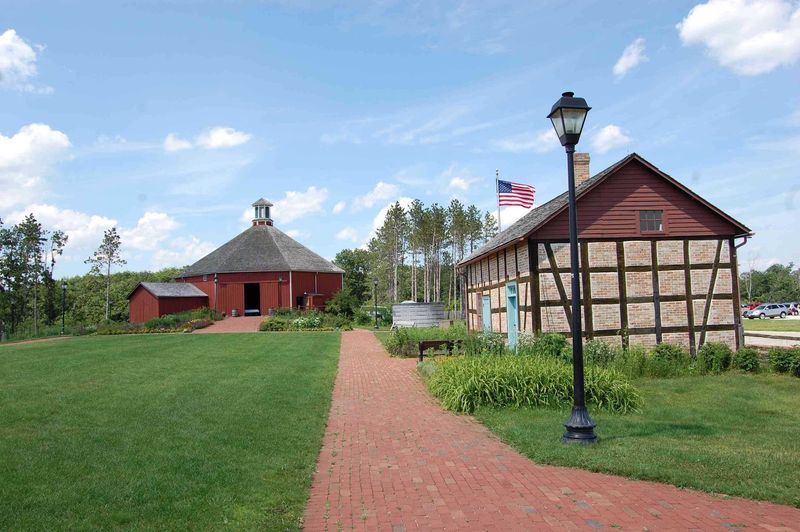
Some sources list the grounds at around 600 acres. That’s a lot of ground to cover, and most guests spend about five hours seeing it all.
Luckily, complimentary trams run throughout the site. Hop on, ride to the next area, and hop off again whenever something catches your eye.
The trams are equipped to carry visitors using wheelchairs, including wheelchair lifts. Modern restrooms, changing rooms, and water fountains are also available on site.
Some historic spaces do have limits, though. Unpaved paths, narrow doorways, and historically accurate thresholds can make certain buildings harder to enter.
Comfortable shoes are a must if you plan to walk. Wooded trails wind through the property too, adding some nature to your history lesson.
The setting helps a lot. Old World Wisconsin sits within the Kettle Moraine State Forest, so the scenery between stops feels peaceful and green.
Pack for the weather since nearly everything happens outdoors. A hat, water bottle, and light jacket can make the difference between a great day and a grumpy one.
Your feet will thank you by mid-afternoon.
Fifty Seasons Called For A Brand-New Front Door
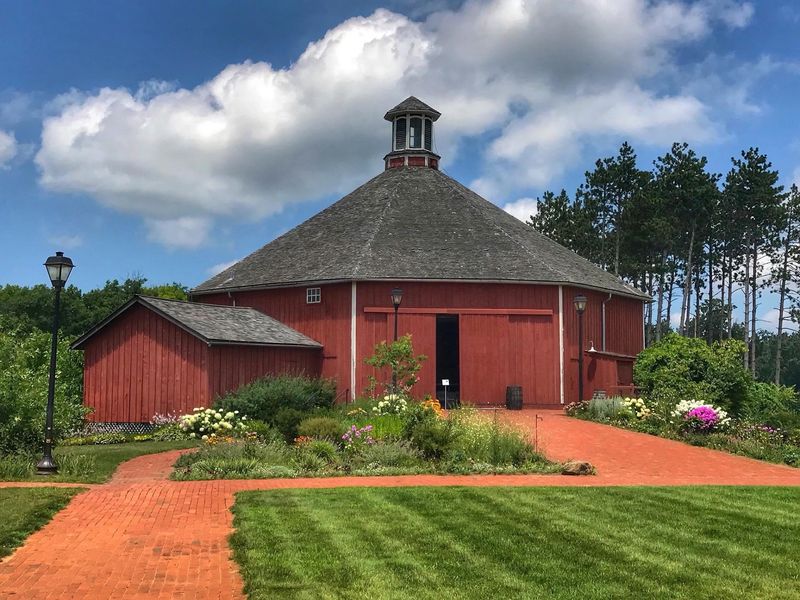
Half a century is worth celebrating. In 2026, Old World Wisconsin marks its 50th season with some big updates.
A new 10,000-square-foot Welcome Center now greets guests. The site also expanded its food and beverage offerings and introduced a fresh logo for the anniversary.
The gift shop inside is fun to browse. You’ll find lavender soap, yarn from the site’s own sheep, handmade textiles, leather goods, jewelry, and books.
That yarn is a neat souvenir. It connects straight back to the animals you might meet on the farms.
Anniversary programs this year focus on the nation’s centennial era. They’re part of the larger America 250 commemoration happening across the country.
So the 1870s get extra attention this season. It’s a great time to see how rural Wisconsin families lived during that stretch of American history.
Returning visitors have plenty of reasons to come back. First-timers, meanwhile, get to show up during a milestone year, which feels like arriving at a birthday party with the cake already out.
Not a bad deal at all.
Mark Your Calendar Before The Season Slips Away
Timing matters here, since the site runs seasonally and for special events. The 2026 schedule splits into spring, summer, and fall stretches.
Spring runs May 2 through June 7, Saturdays and Sundays. Hours are 10 AM to 4 PM.
Summer brings the most chances to visit. From June 10 through August 30, the site opens Wednesday through Sunday, 10 AM to 4 PM.
Fall is short, so don’t wait too long. Weekend visits run September 5 through September 27, again from 10 AM to 4 PM.
Outside official season, the site is open on select days such as Halloween Legends & Lore on October 16–17 and 23–24, followed by holiday programming in December.
Arriving at opening time is a smart plan. A full visit can take about five hours, and you won’t want to rush the final farms.
Plug W372 S9727 WI-67, Eagle, WI 53119 into your map app. The site sits near Eagle in Waukesha County, surrounded by forest.
Wisconsin road trips don’t get much more educational or more scenic. Pack snacks, charge your phone, and get ready to trade the present for a few happy hours in the past.
The chickens will be waiting.