Two men in the 1930s opened a restaurant serving Cornish pasties and saffron cake.
Their goal was to pay for saving a row of crumbling stone cottages.
I love that plan. Those cottages were built in the 1840s by miners from Cornwall, England.
They came chasing lead in the hills of southwest Wisconsin.
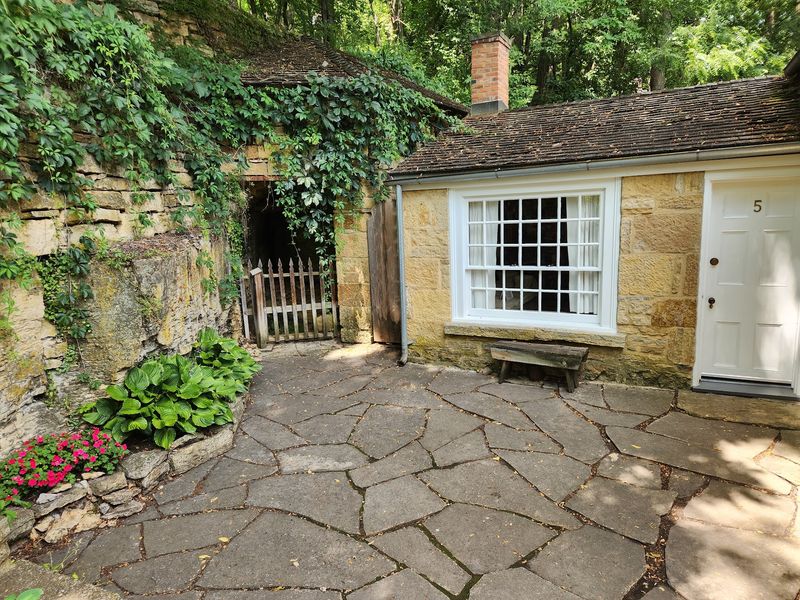
The homes still stand today, restored and open for tours. Across the street, a hill is dotted with more than 100 old mine pits.
I can’t imagine a better place for kids to see where a state’s story really started.
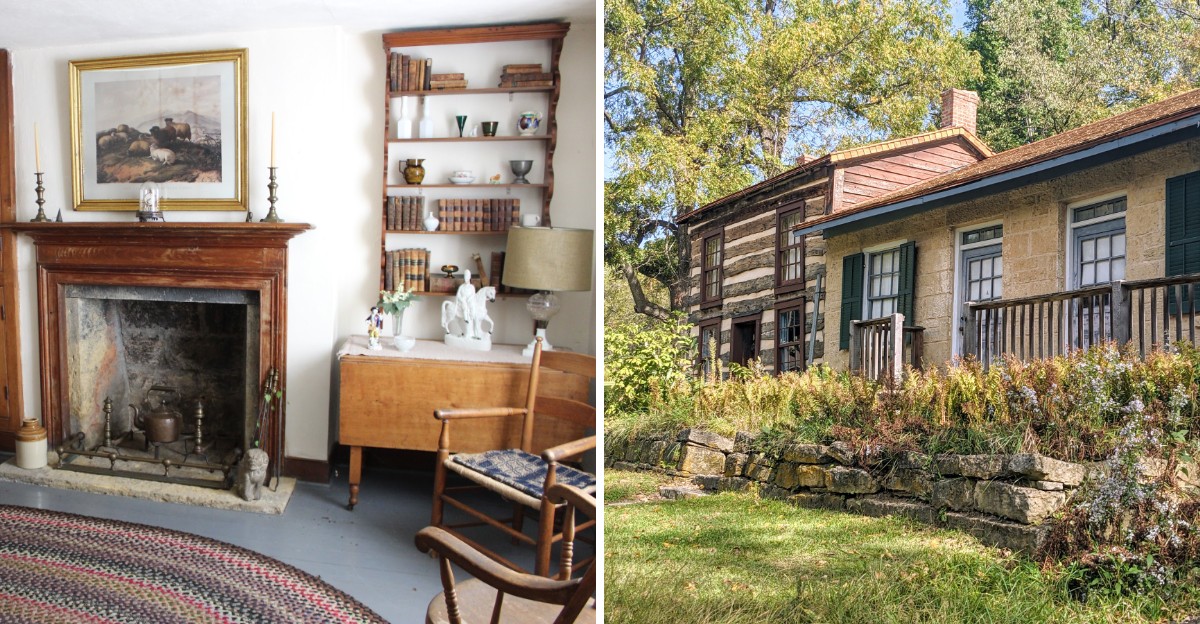
Costumed guides lead the way through rooms that almost became rubble.
Gardens bloom where miners once grew vegetables.
So how did a couple of determined friends rescue an entire neighborhood with pastry money?
Pastry Money Saved An Entire Row Of Miners’ Cottages
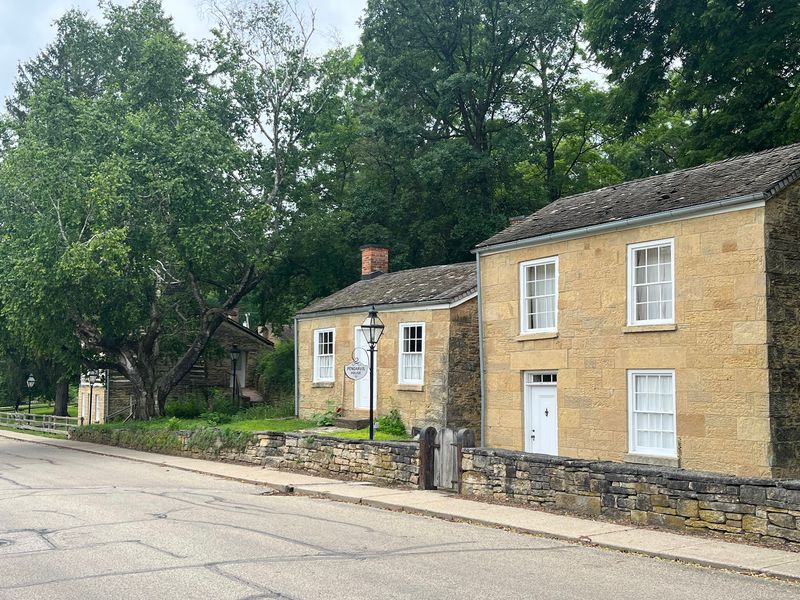
Pendarvis State Historic Site exists because two friends refused to let history crumble. Robert Neal and Edgar Hellum met in 1934 and soon started buying run-down stone cottages.
They bought the Pendarvis house in 1935, then Polperro in 1937. Fixing old stone homes costs money, and they didn’t have much of it.
So they got creative. The pair opened the Pendarvis House restaurant to fund the repairs.
It grew famous across the country for Cornish dishes like pasties, saffron cake, and pastries with clotted cream.
That’s a pretty tasty way to save a neighborhood. Every pasty sold helped patch a wall or fix a roof.
Today the tours tell their story alongside the miners’ story. You’ll hear how two determined people kept a piece of the past from vanishing.
Kids often like this part because it shows that regular folks can make a big difference.
The Wisconsin Historical Society took over the property in 1971. It now runs Pendarvis as one of its 12 historic sites.
The restaurant is gone, but the cottages it rescued still stand proudly on the hillside.
Miners From Cornwall Built These Homes With Their Own Hands
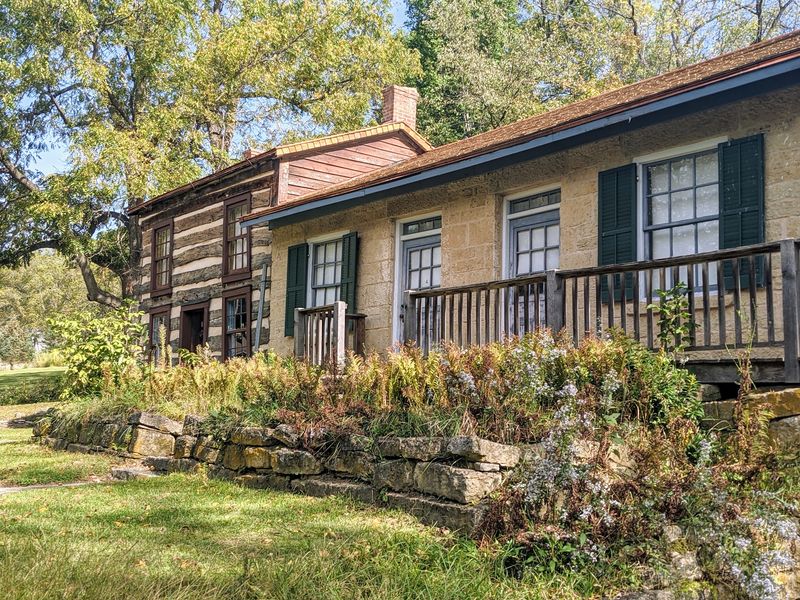
Lead brought them here. In the 1830s and 1840s, a mining boom pulled families from Cornwall, England, all the way to southwest Wisconsin.
Cornish miners knew hard rock work better than almost anyone. They also knew how to build sturdy homes from stone.
The cottages at Pendarvis show that skill clearly. Their style looks a lot like homes back in Cornwall.
Names like Pendarvis, Polperro, and Trelawny even sound like they came straight from the English coast.
These families brought more than building tricks. They carried their food, faith, and traditions across an ocean.
The pasty, a hand-held meat pie, became a lunch favorite for miners heading underground.
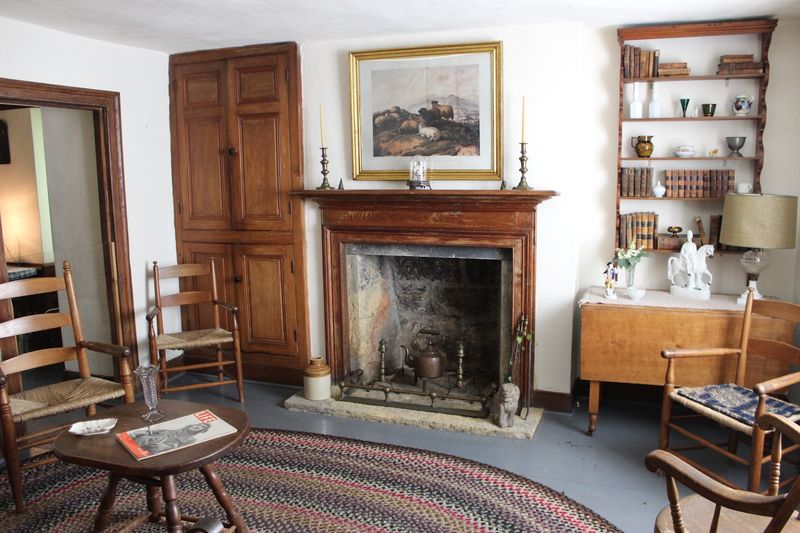
Walking past these walls helps kids picture real families living here. Somebody cooked in these kitchens.
Somebody tracked mud through these doors after a long day.
Mineral Point also holds the title of third-oldest city in Wisconsin. That makes this stone neighborhood a big chapter in the state’s early story.
It’s history you can actually touch, at least with your eyes. Please keep hands to yourself on those old walls.
The Oldest Building On Site Is A Log Cabin From 1841
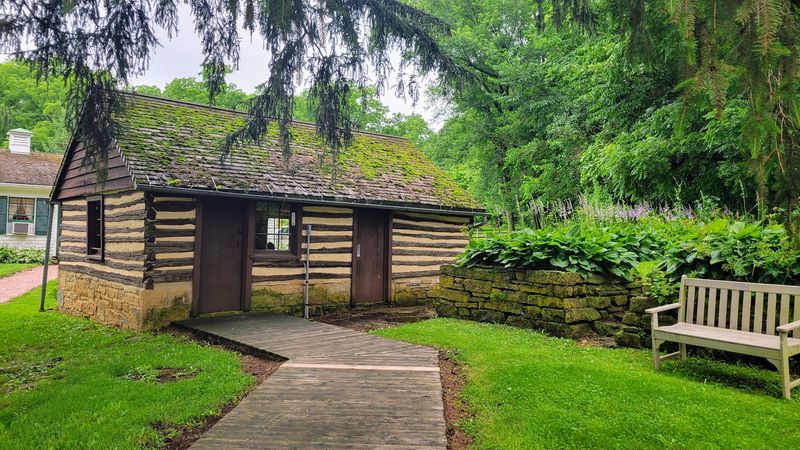
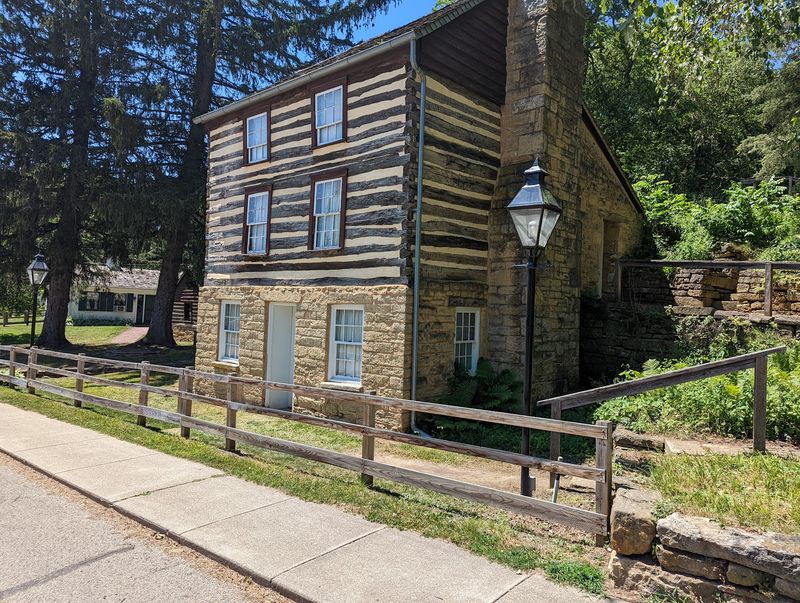
Stone gets most of the attention here, but a humble log cabin beats it on age. Martin Cabin dates to 1841, making it the oldest structure at Pendarvis.
That’s older than the Pendarvis house itself, which went up in 1845. Polperro arrived in 1842, just a year after the cabin.
I like how the cabin shows a different side of frontier life. Not every family started out with thick stone walls.
Some began with logs, simple tools, and a lot of elbow grease.
Kids may find the cabin easier to imagine as a home. It feels small and practical, like something from a storybook about pioneers.
Comparing the cabin to the stone cottages makes a fun family game. Ask your kids which home they’d pick for a cold Wisconsin winter.
Then ask which one they’d rather build themselves.
Those questions spark real conversations about how people lived without modern comforts. No furnace, no fridge, and definitely no Wi-Fi.
Suddenly a phone charger seems like a luxury worth appreciating.
Costumed Guides Turn An Hour Into A Time Machine
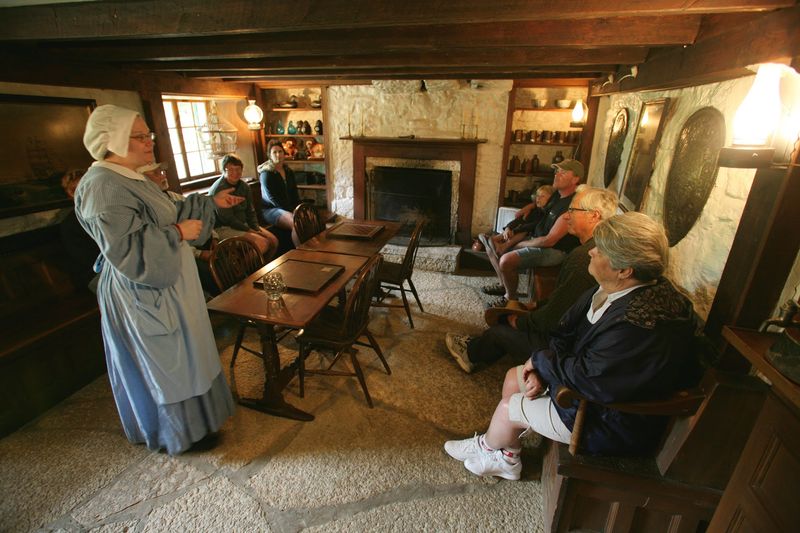
History lands better when someone in period clothing tells it. At Pendarvis, costumed interpreters lead guided tours through the restored buildings.
Tours usually run about an hour. They start at 10:30 a.m., noon, 1:30 p.m., and 3 p.m. on open days.
Timing matters here. Arrive a little early so you don’t miss your slot and end up wandering outside the doors you wanted to enter.
Guides share the story of the Cornish community and the preservation work of Neal and Hellum. You’ll head in and out of several historic buildings along the way.
Prefer to roam? A grounds pass lets you explore at your own pace.
That option works well if little ones have short attention spans.
For families with older kids, the full guided tour offers the richest experience. Encourage kids to ask questions during the walk.
Guides here clearly love their subject, and curious questions can lead to the best stories. A good one might even beat any history chapter from school.
Badger Holes Dot The Hill Right Across The Street
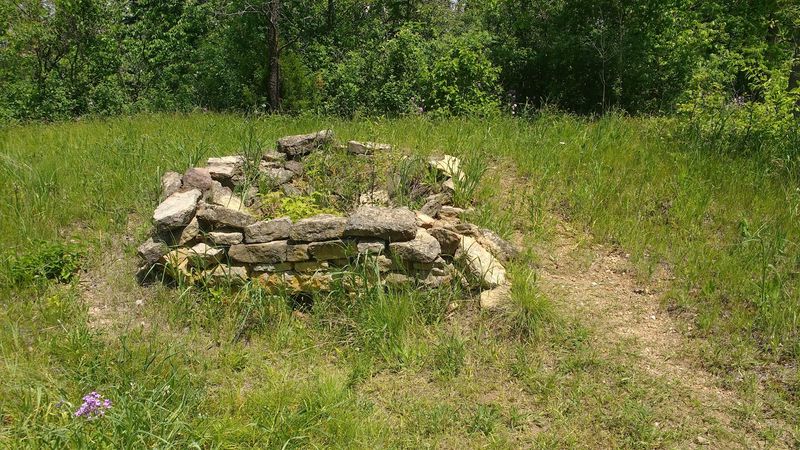
More than 100 old mine pits scatter across Merry Christmas Mine Hill. Locals call them badger holes, and they’re leftovers from early mining days.
The nickname connects to Wisconsin’s Badger State title. Early miners sometimes dug shelters into hillsides, a bit like badgers burrowing.
The hill’s cheerful name has a fun backstory too. Zinc deposits were found there around Christmas in 1905, so the Merry Christmas Mine was born.
Trails wind through 43 acres of this mining landscape. They stay open daily from sunrise to sunset all year, even when the cottages close for the season.
Kids love spotting the dips and hollows along the path. Each one marks a spot where someone once hoped to strike it rich.
Stick to the trails and keep an eye on younger children. Old mining ground deserves respect.
Sturdy shoes help too, since you’ll be climbing a real hill. The view and the history make every step worth it.
Wildflowers Took Back The Mining Ground
Mining once scarred this land. In 1988, a prairie restoration project began on Merry Christmas Mine Hill, and nature got a second chance.
Now the hill blends two stories at once. You’ll see signs of old digging mixed with native prairie plants.
That combination makes a great outdoor classroom. Kids can learn how people changed the land and how others worked to heal it.
Bring a picnic. Picnics are allowed on the hiking trails, which makes the hill an easy lunch stop after a tour.
Pack light snacks and plenty of water. Remember that water is the only outside food or drink allowed inside the historic buildings.
So save the sandwiches for the hill.
Take a moment at the top to look around. You’re standing on ground that fed a mining boom, then quietly turned into a prairie again.
It’s a pretty peaceful ending to a story that started with pickaxes and hard labor. Please carry out every wrapper you bring in.
Gardens That Tip Their Hat To The Original Settlers
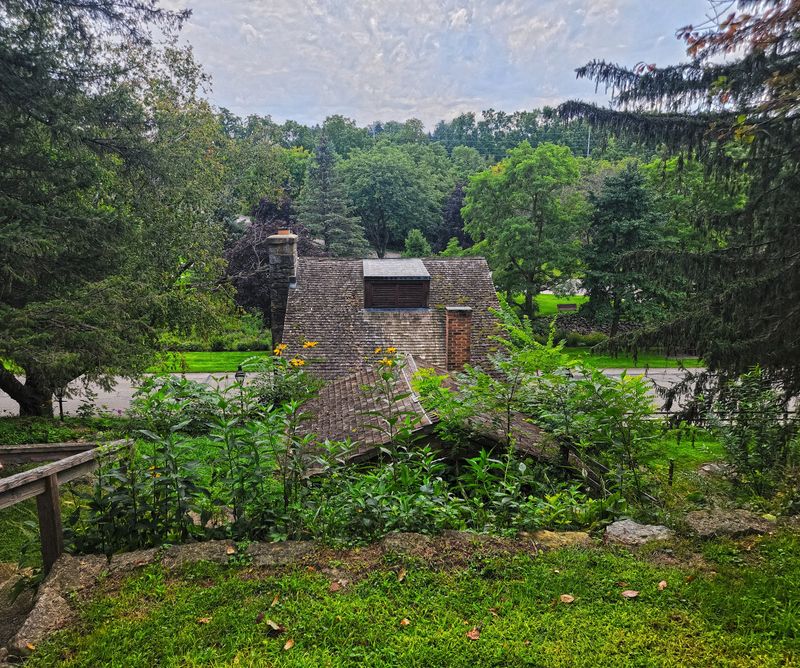
Neal and Hellum didn’t stop at walls and roofs. They also designed gardens meant to echo the ones Cornish settlers once grew.
The result adds color and life around the old stone cottages. Green spaces soften the rugged stonework nicely.
Gardens matter more to this story than you might expect. Miners’ families often grew their own food to stretch tight budgets.
A good garden meant fewer worries at dinnertime.
Point that out to kids as you stroll. Ask them what they’d plant if they had to feed a family through a long winter.
Carrots and potatoes usually win that debate.
The grounds pass makes this area easy to enjoy at a relaxed pace. You can linger, snap photos, and take in the details without rushing.
Visit later in the season for a fuller look. The site runs from late May to mid-October, so you’ll catch the gardens during their growing months.
Just stay on the paths and let the plants keep their spotlight.
Plan Around A Short Season And Thursday Starts
Mark your calendar carefully. Pendarvis opens seasonally from late May to mid-October, Thursday through Sunday, 10 a.m. to 4 p.m.
It closes on July 4th, so plan your holiday fun elsewhere that day. The trails across the street stay open year-round, though.
You’ll find the site at 114 Shake Rag Street, Mineral Point, WI 53565. Free on-site parking is available, plus plenty of street parking nearby.
There’s also a parking lot at the Merry Christmas Mine Hill area. That makes it simple to tour first, then drive or walk over for a hike.
Restrooms and water fountains are on site, which every parent appreciates. Families with mobility needs should call ahead.
Because the buildings are historic, not every area is ADA accessible.
School groups can book field trips and group tours for grades K through 12. That’s a great option for teachers.
For families, a summer weekend trip to this corner of Wisconsin fits nicely with a picnic and a hike.
Save Time For A Souvenir On The Way Out
Every good adventure deserves a little keepsake. The museum store at Pendarvis carries books, home decor, jewelry, clothing, and toys.
Kids can pick something to remember the trip. A book about mining or Cornish settlers can keep the curiosity going at home.
Members of the Wisconsin Historical Society get a discount in the shop. If your family visits historic sites often, membership might be worth a look.
I believe a souvenir works best when it connects to what kids learned. A toy is fun.
A story they can reread later is even better.
Shopping here also supports the site. That feels fitting, since Pendarvis survived thanks to people finding clever ways to fund preservation.
Neal and Hellum used pastries to pay for repairs. Today, your gift shop purchase helps carry on that spirit.
It’s a small way to keep these old stones standing for the next round of curious kids. Not bad for a bookmark or a toy.