Wooden ducks made one waterfront town famous around the world. Not real ducks, either.
Hand-carved decoys, shaped from wood and painted feather by feather, once floated by the hundreds on the nearby flats.
Those carvings started as hunting tools. Today, collectors treat the best ones like fine art.
One local carver turned out thousands of them in a small shop that still stands for visitors to see.
I love that a working tool became a whole identity. This Maryland town sits right where a big river meets the Chesapeake Bay.
That water shaped the birds, the hunters, and the carvers who followed.
Add a lighthouse, a waterfront promenade, and streets full of history. Suddenly a quick weekend drive looks pretty tempting.
So how did a few blocks of wood earn such a big title?
A Waterfront City With A French Accent
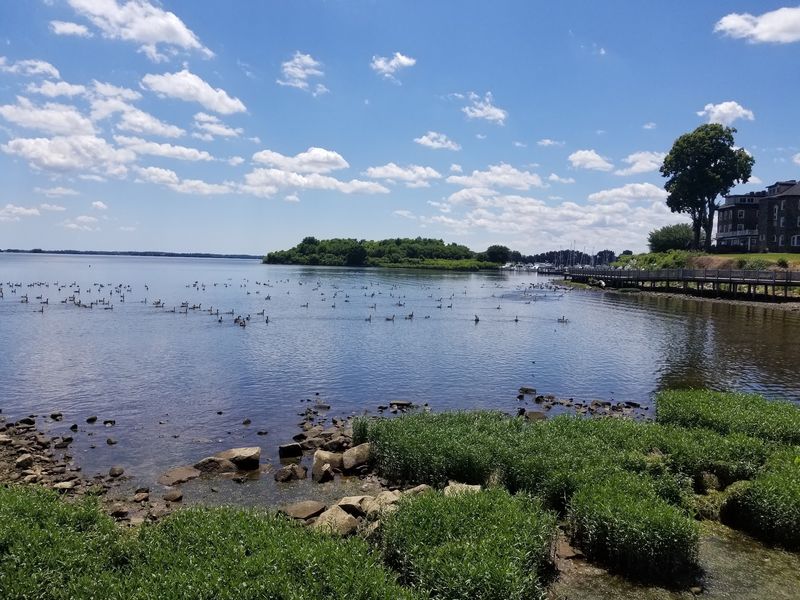
Havre de Grace sits in Harford County, Maryland, at the mouth of the Susquehanna River. It also marks the head of the Chesapeake Bay, which gives the city water on more than one side.
The name sounds fancy, and it has a good reason to. It comes from the French port city of Le Havre, once known in full as Le Havre de Grace.
Locals often shorten it to HdG, which saves a lot of breath. Say it right, though, and you sound like you belong here.
The location is what really matters for this story. Where a big freshwater river spills into a giant bay, shallow grassy flats form.
Those flats once drew enormous flocks of ducks and other waterfowl every fall.
Hunters followed the birds, and carvers followed the hunters. That simple chain of events turned a small river city into a place collectors still talk about.
Today, the waterfront is less about hunting and more about strolling, museums, and views. You can still feel that old connection to the water everywhere you look.
It shows up in the shops, the street names, and plenty of painted ducks.
The Susquehanna Flats And The Birds That Started Everything
Canvasback ducks once crowded the Susquehanna Flats in staggering numbers. Those shallow waters near Havre de Grace were packed with wild celery and other plants the birds loved.
That food supply made the flats one of the most famous waterfowl areas on the East Coast. Word spread, and hunters arrived from far beyond Maryland.
Hunting on open water required a clever trick. Hunters set out large groups of wooden decoys so passing ducks would think the spot looked safe and friendly.
More birds meant more decoys, and the demand grew fast. Some hunting setups reportedly used hundreds of decoys at once, which is a lot of wood floating around.
Somebody had to make all those birds. Local craftsmen stepped up, carving bodies, shaping heads, and painting patterns that matched real ducks.
Over time, the work became a respected trade in town. Families passed down skills, and certain carvers became well known for their style.
That history is why the city calls itself the Decoy Capital of the World. The title grew straight out of the water, the plants, and the birds.
Pretty impressive for a duck snack.
Rows Of Wooden Ducks Waiting Inside The Decoy Museum
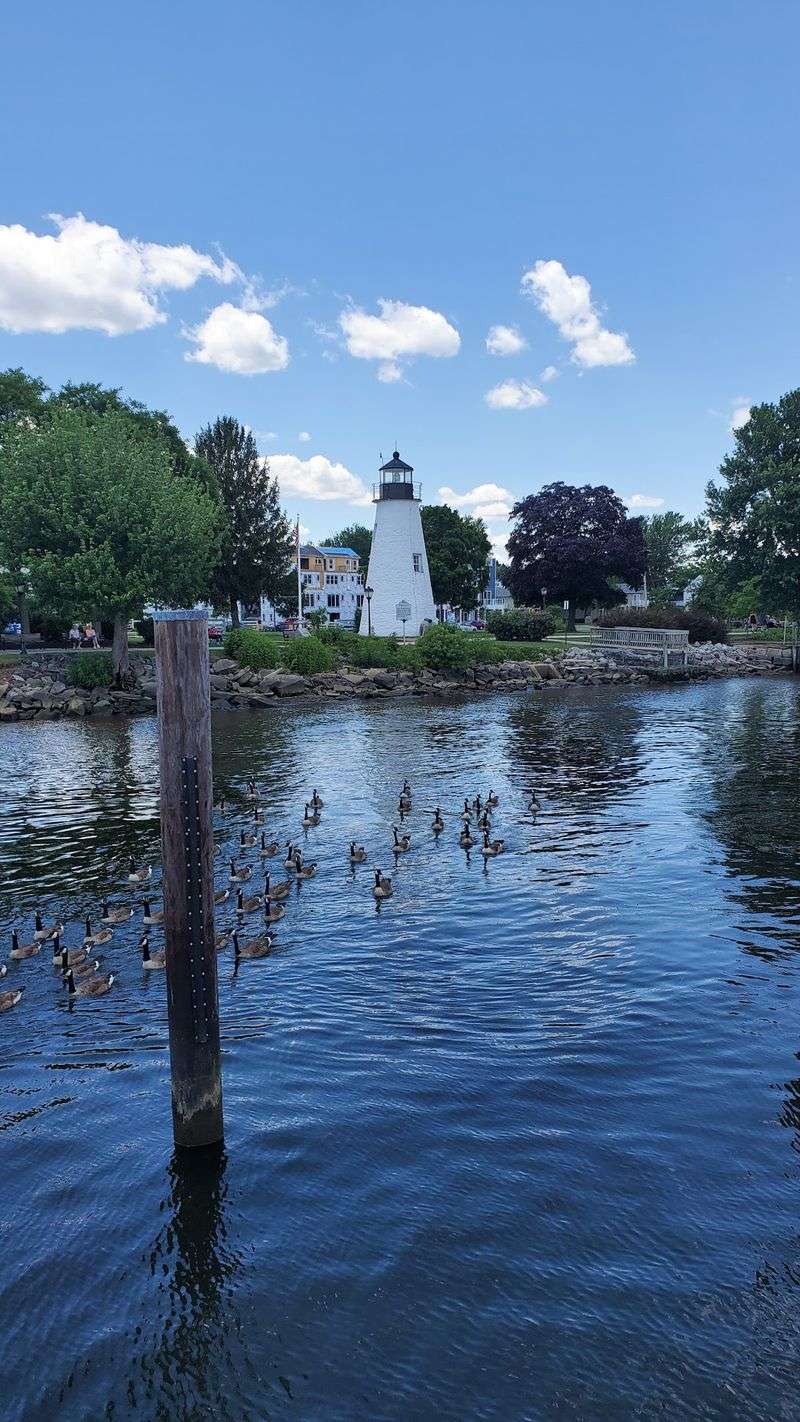
The Havre de Grace Decoy Museum is the heart of the whole decoy story. You’ll find it at 215 Giles Street, Havre de Grace, MD 21078, close to the water.
Inside, display cases hold decoys of all shapes and species. Some are rough working birds, while others look polished enough for a gallery wall.
Kids usually get a kick out of spotting the different ducks. Canvasbacks, redheads, and other species each have their own look and color pattern.
The museum explains how decoys went from hunting gear to collectible folk art. Exhibits cover the carvers, the tools, and the Chesapeake Bay traditions behind them.
It’s a manageable visit for families with younger children. You can move at your own pace and still learn plenty without anyone getting restless.
Hours and admission can change by season, so check before you go. Planning ahead helps, especially if you want to time your visit with a carving demonstration or event.
I like that a museum this focused still feels approachable. You don’t need to be a collector to enjoy it.
A little curiosity about ducks is more than enough.
Where R. Madison Mitchell Shaped A Legacy
R. Madison Mitchell might be the most famous name in Havre de Grace decoy history.
He carved decoys for decades and became known for his clean, recognizable style.
His work helped define what people now call the Susquehanna Flats style. Collectors still seek out his pieces, and many carvers learned from him or his shop.
Mitchell’s workshop was moved to the grounds of the Decoy Museum. That means visitors can see the kind of space where so many birds came to life.
It’s a humble setup, and that’s part of the charm. Real tools and wood shavings tell the story better than any fancy display ever could.
Picture the steady rhythm of carving, sanding, and painting, one duck after another. That repetition built a reputation that reached well beyond Maryland.
For kids, the shop makes the history feel real. It’s easier to understand a craft when you can see where the work actually happened.
I can’t imagine how many hours went into all those decoys. Seeing the workshop gives you a real sense of the patience behind every painted feather.
It also explains why the town takes this title so seriously.
A Spring Festival Built Around Carvers And Wildlife Art
Every spring, the decoy world gathers for the Havre de Grace Decoy and Wildlife Art Festival. It’s usually held in early May, though dates can shift, so confirm before planning.
Carvers, painters, and collectors set up displays of decoys and wildlife art. It’s a chance to see current makers keeping a very old tradition going strong.
The festival has run for decades and draws people from well beyond Harford County. For a town this size, that’s quite the turnout of duck enthusiasts.
Families can browse, ask questions, and see how different artists approach the same birds. Some pieces lean traditional, while others push into detailed, lifelike art.
It’s also a great way to understand how the craft has changed. Working decoys were built to float and fool ducks, while many modern pieces are made purely for display.
Spring timing works well for a weekend trip from Baltimore or the DC suburbs. The weather is often pleasant enough for a waterfront walk afterward.
Admission details can vary from year to year. Check ahead, pack some patience for parking, and enjoy a whole weekend devoted to wooden birds.
The Lighthouse That Has Watched The Bay Since 1827
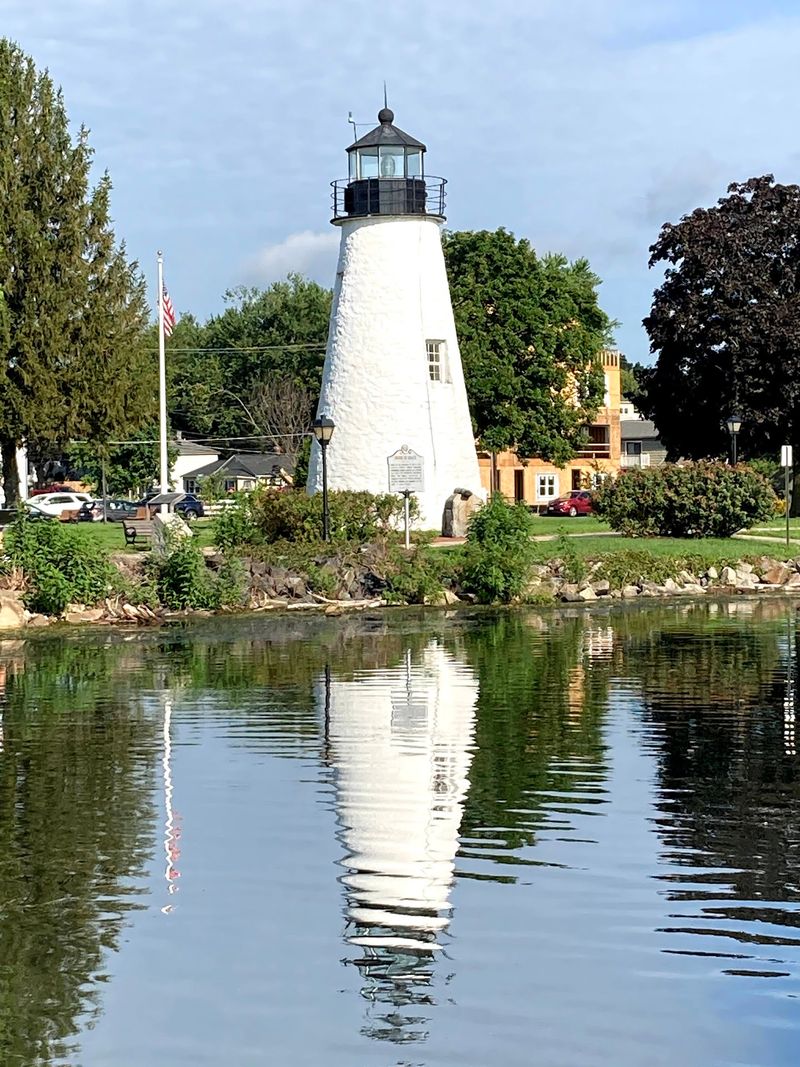
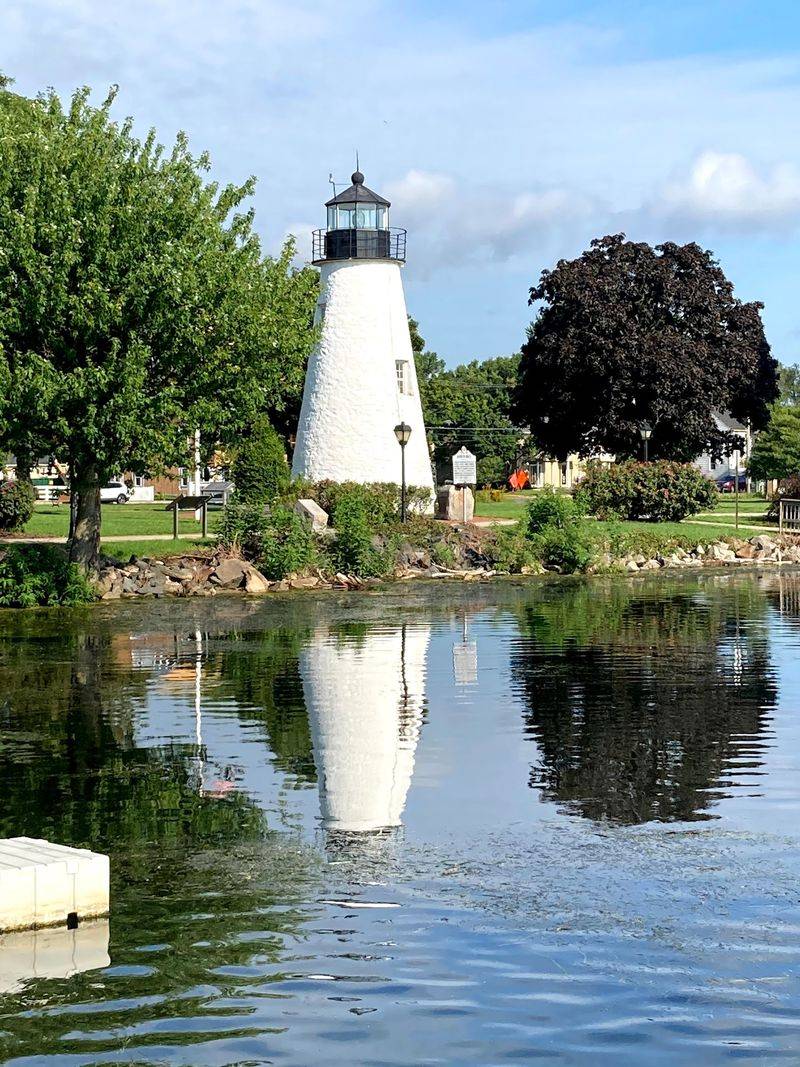
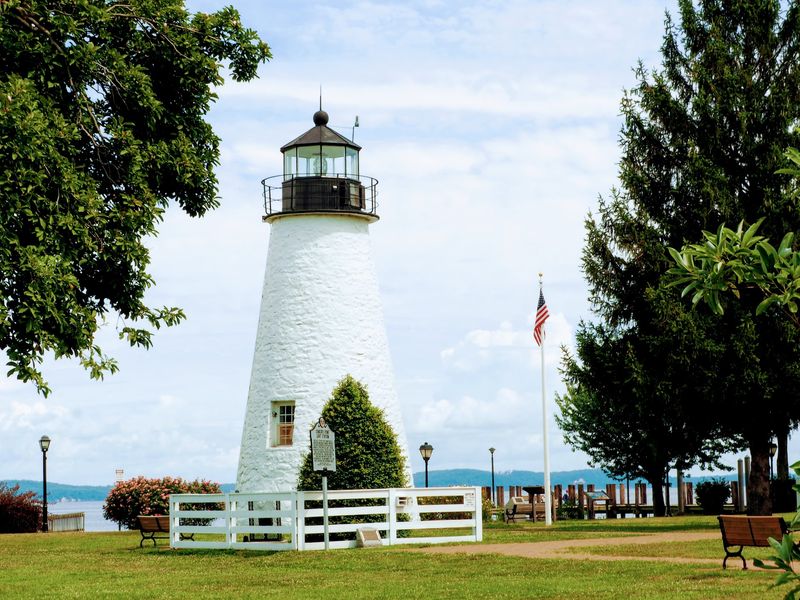
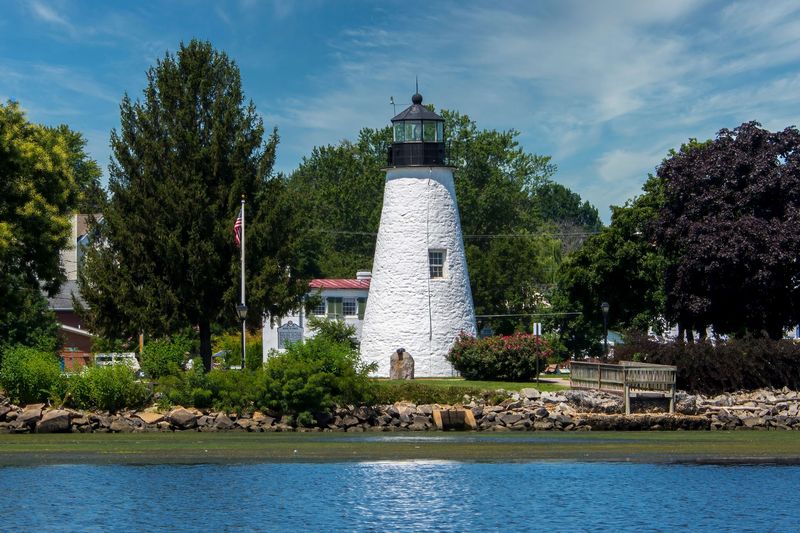
Built in 1827, Concord Point Lighthouse is one of the oldest lighthouses on the East Coast. It stands near the spot where the Susquehanna meets the Chesapeake Bay.
The tower is short and sturdy, made of granite. It’s not towering, but it has a classic shape that photographs beautifully against the water.
Its first keeper was John O’Neill, a local hero. He earned fame for defending the town during the British raid of 1813.
His descendants kept tending the light for generations. That family connection gives the lighthouse a personal story beyond its stone walls.
The lighthouse sits close to the Decoy Museum, so you can easily visit both. That makes it an easy add-on for families who don’t want to keep loading kids into the car.
Climbing hours are typically seasonal, often on weekends in warmer months. Check ahead before promising little climbers a trip to the top.
Even from the ground, it’s a great stop. The view of the bay alone makes the short walk worth it.
Bring a camera, because this little tower practically poses for you.
Promenade Strolls With Wide Open Bay Views
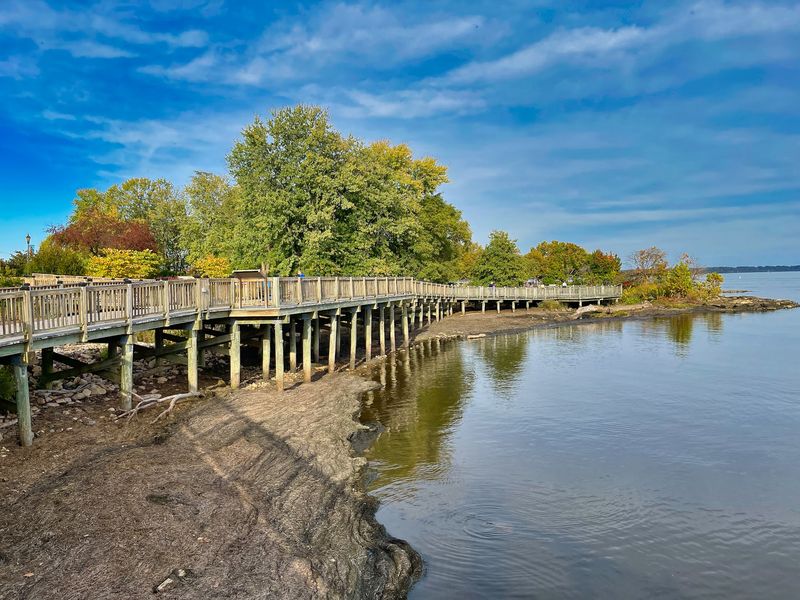
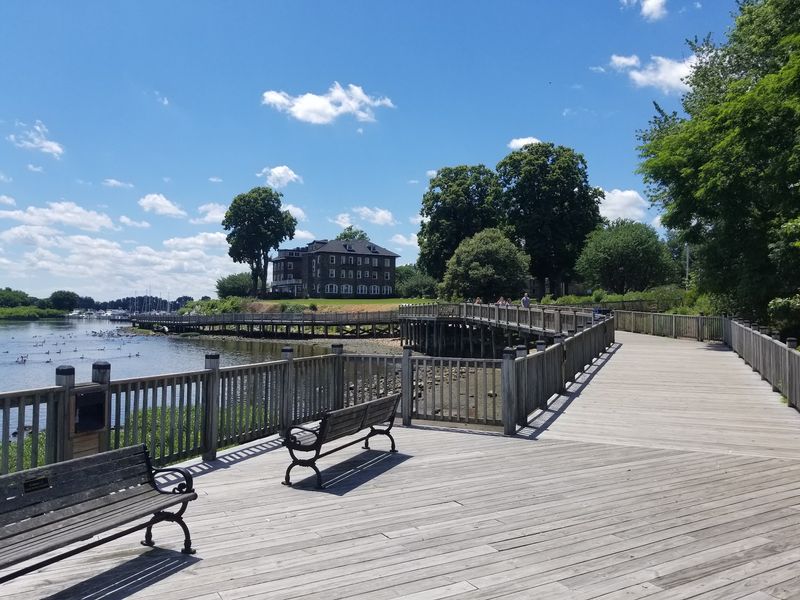
Few things beat a walk along the Havre de Grace Promenade. The boardwalk follows the shoreline and connects several of the town’s waterfront attractions.
You get open views of the bay and the mouth of the river. On clear days, the water stretches wide and calm in front of you.
It’s an easy, flat walk for most ages. Strollers, grandparents, and energetic kids can all share the path without much fuss.
Along the way, you’ll pass near the lighthouse, the Decoy Museum, and the Maritime Museum. That makes the promenade a handy way to see a lot without driving.
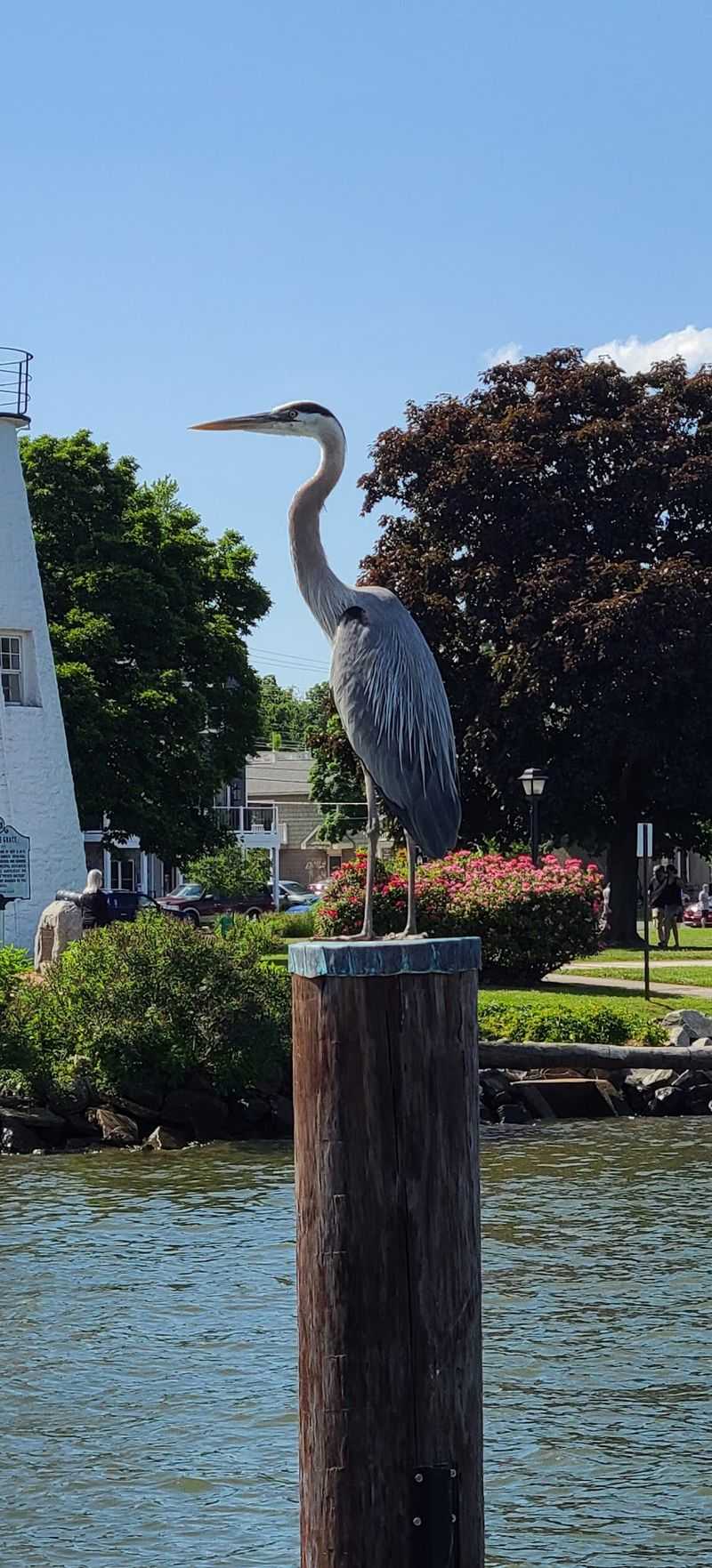
Keep an eye out for birds over the water. After learning about decoys, spotting real ducks feels a little like a scavenger hunt.
Best of all, strolling the promenade costs nothing. That’s a nice break for families trying to keep a weekend outing budget-friendly.
Sunset is an especially lovely time to go. The light over the bay turns soft, and the whole waterfront feels relaxed.
Just plan for parking near the water, since popular weekends can fill spots quickly.
Boats, Barges, And Canal Stories Worth A Detour
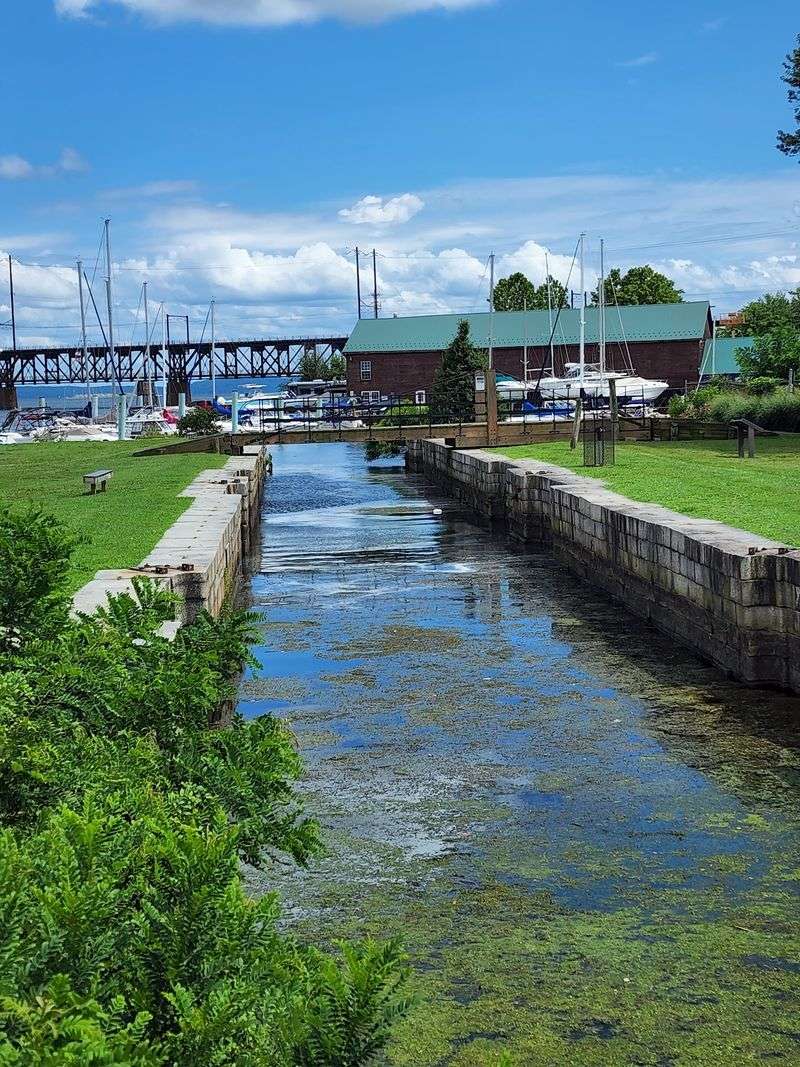
Decoys may get the headlines, but Havre de Grace has more museums worth exploring. The Havre de Grace Maritime Museum focuses on the area’s boating and water traditions.
Exhibits cover the people who worked the Chesapeake Bay and the boats they relied on. It’s a nice partner to the decoy story, since both grew from life on the water.
Then there’s the Susquehanna Museum at the Lock House. It sits near the old Susquehanna and Tidewater Canal, which once linked this area to Pennsylvania.
Canal boats moved goods like coal and lumber through a series of locks. The museum explains how that system shaped trade and daily life in town.
Kids often find canal locks surprisingly cool. Learning how boats moved up and down using water is a fun puzzle for curious minds.
Hours at smaller museums can be limited or seasonal. Check before you go, especially on weekdays or in colder months.
Stacking a few museums together makes for a full, varied day. You’ll leave knowing far more about Maryland’s waterways than you expected.
That’s a pretty good return on a Saturday.
Historic Streets That Survived A Fiery Past

In May 1813, British forces raided Havre de Grace and burned much of the town. Residents rebuilt, and the streets you see now reflect that comeback.
A popular local legend says the Marquis de Lafayette compared the area to Le Havre in France. Historians debate the details, but the story fits the town’s French-inspired name.
Downtown has a walkable, small-city feel. Older homes, brick buildings, and local shops line streets close to the water.
Browsing the shops makes an easy break between museums. Antique and specialty stores add to the fun for anyone who enjoys a good treasure hunt.
Families can wander without a strict plan. It’s the kind of downtown where a quick stroll can easily stretch into an afternoon.
Look closely, and you’ll spot duck art in plenty of places. The decoy pride isn’t just in the museum, it’s woven into the town’s personality.
Shop hours vary, and some businesses close early or on certain days. Checking ahead saves disappointment.
Then you can relax, slow down, and enjoy a downtown that clearly knows how to bounce back.
Getting There And Planning A Smooth Weekend
Reaching Havre de Grace is refreshingly simple. The city sits just off Interstate 95 in Harford County, roughly 40 miles northeast of Baltimore.
That makes it an easy day trip for many Maryland families. Drivers from the DC suburbs can make it work too, though traffic can stretch the trip.
Plan to start near the waterfront. The Decoy Museum, lighthouse, and promenade sit close enough to visit in one easy loop.
Weekends tend to be the best bet for attractions with limited hours. Several sites open more consistently on Saturdays and Sundays, especially in warmer months.
Spring through fall offers the most pleasant weather for walking. Early May adds the decoy festival, which brings extra energy to town.
Many outdoor spots, like the promenade, are free to enjoy. Museum admission, if charged, can change, so confirm current details before heading out.
Comfortable shoes are a smart idea. You’ll likely do more walking than expected once you start exploring.
Bring snacks for little ones, and maybe a sketchbook for any budding duck artists in the back seat.
A Small Town With A Surprisingly Big Title
Calling yourself the Decoy Capital of the World takes some confidence. Havre de Grace earned that title through generations of skilled hands and a deep bond with the water.
The story connects everything in town. Birds drew hunters, hunters needed decoys, and carvers built a tradition that still thrives.
For families, the payoff is a varied, low-stress day. You get museums, a historic lighthouse, waterfront walks, and a charming downtown in one compact area.
Plenty of it is free or low cost, which helps any weekend budget. Just confirm hours and admission before you go, since details can shift by season.
I believe this town is a great reminder of how local traditions shape identity. It’s proof that Maryland pride runs deeper than crabs, though crabs certainly hold their place.
Kids may leave wanting to carve their own duck. Adults might leave with a new appreciation for folk art and Chesapeake history.
Either way, Havre de Grace makes a strong case for a Saturday drive. A few blocks of waterfront, a lot of wooden birds, and plenty of stories are waiting.
Not bad for a town built on decoys.