A yellow hospital flag once flew over a small Missouri farmhouse, and the house is still standing today. Inside, wounded soldiers from both North and South were cared for after a brutal summer battle in 1861.
That kind of history leaves a mark on a place. Stories of ghostly soldiers drifting across the fields after dark have followed this ground for years, and I can’t say I’m surprised.
I like that the real story is every bit as gripping as the spooky one. You can stand where the cannons once roared, walk quiet trails through the trees, and maybe spot a wild turkey or two.
Best of all, it won’t cost your family a single dime to walk through the gate. So would you be brave enough to linger out there as the sun goes down?
A Quiet Stretch Of Countryside With A Loud Past
Ask folks to name a famous 1861 battlefield, and most will point somewhere back east. Wilson’s Creek National Battlefield, just outside the small town of Republic, makes a strong case for Missouri instead.
The park protects the ground where Union and Confederate forces clashed on August 10, 1861. Historians call it the first major battle west of the Mississippi River, which is quite a title for a farm valley.
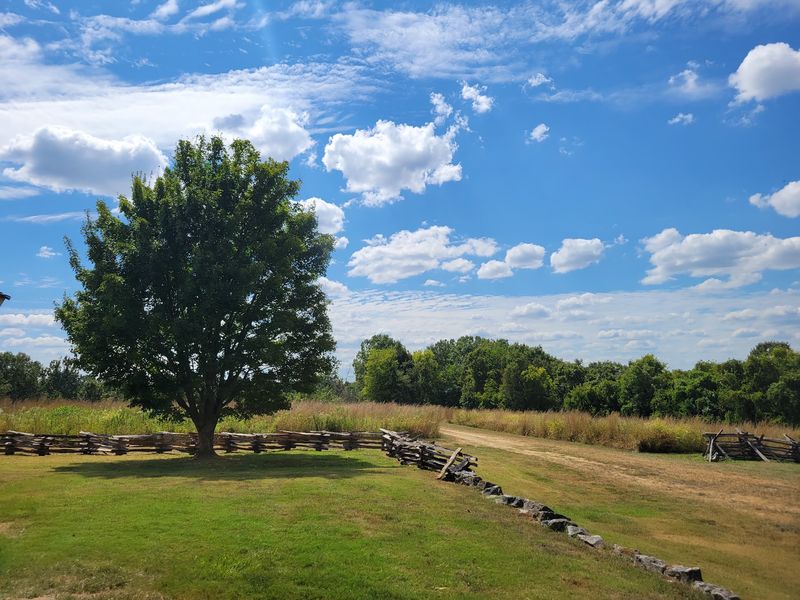
Today the land looks peaceful, with rolling fields, wooded hills, and the creek that gave the place its name. A paved tour road loops through it all, and walking trails branch off in several directions.
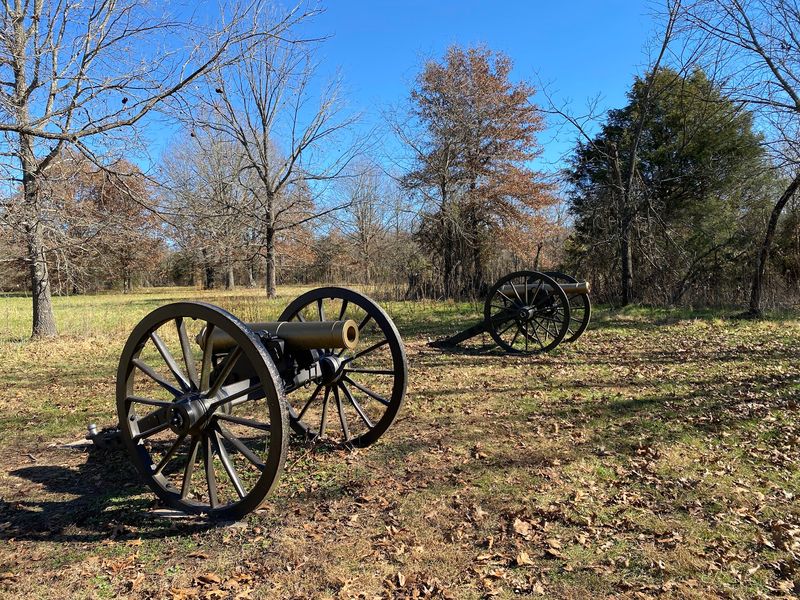
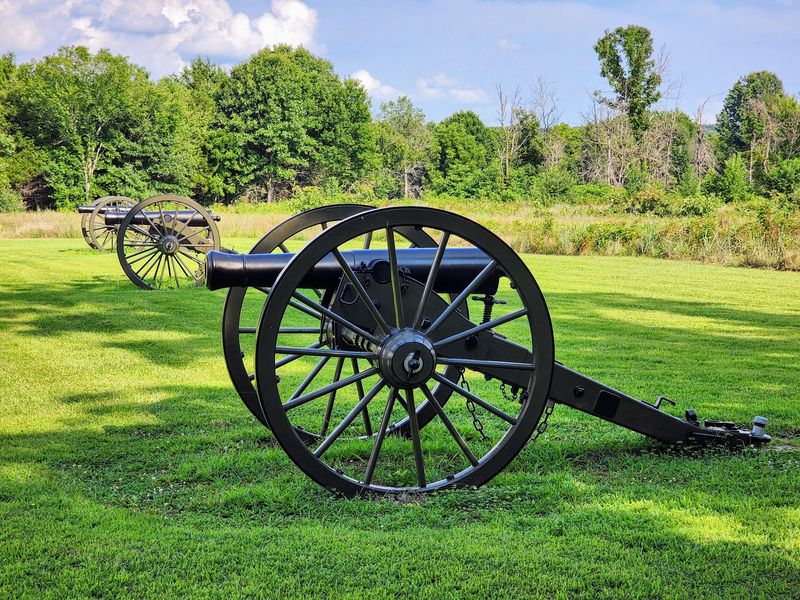
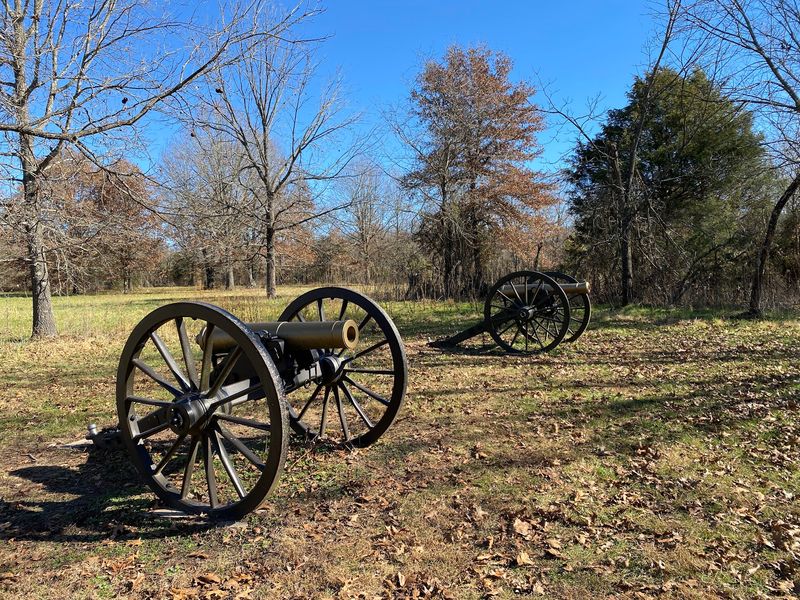
The National Park Service runs the site, so the grounds are tidy and the signs are easy to follow. You’ll find cannons resting in the fields and markers explaining what happened at each spot.
It sits a short drive southwest of Springfield, close enough for a lazy afternoon trip. Yet the setting still feels miles away from city traffic and busy shopping centers.
And yes, this is also the ground where whispered tales of restless soldiers simply refuse to fade away. We’ll get to those ghostly rumors shortly.
One Hot August Morning That Changed Southwest Missouri
Fighting broke out early on August 10, 1861, and it raged for hours across the hills along the creek. Both sides were trying to win control of Missouri, a border state that neither could afford to lose.
Union General Nathaniel Lyon led his troops into the valley against a larger Southern force camped there. By the end of the day, Lyon had fallen on the field, the first Union general to lose his life in the conflict.
His men pulled back toward Springfield, and the Southern side claimed the victory. Still, the struggle for the state was far from finished.
The wider story continued in Arkansas the next spring at Pea Ridge, another park worth adding to a road trip. Visiting both gives you a fuller picture of how the fight for the region unfolded.
I believe the real draw here is how human the story feels once you see the ground. Many of the soldiers were ordinary young men, and these fields probably looked a lot like the ones back home.
Keep that in mind as you drive the tour road. It makes every quiet hill feel a little heavier, in the most meaningful way.
The Farmhouse With The Yellow Flag Still Steals The Show
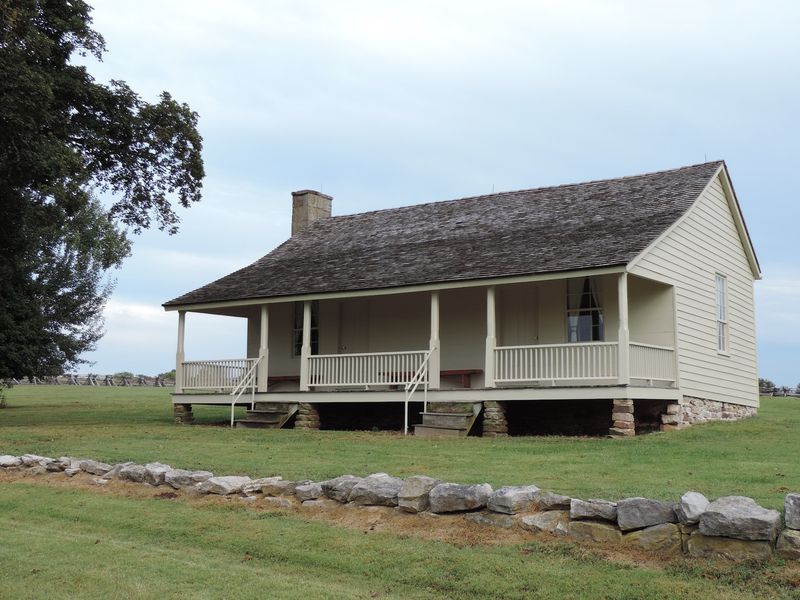
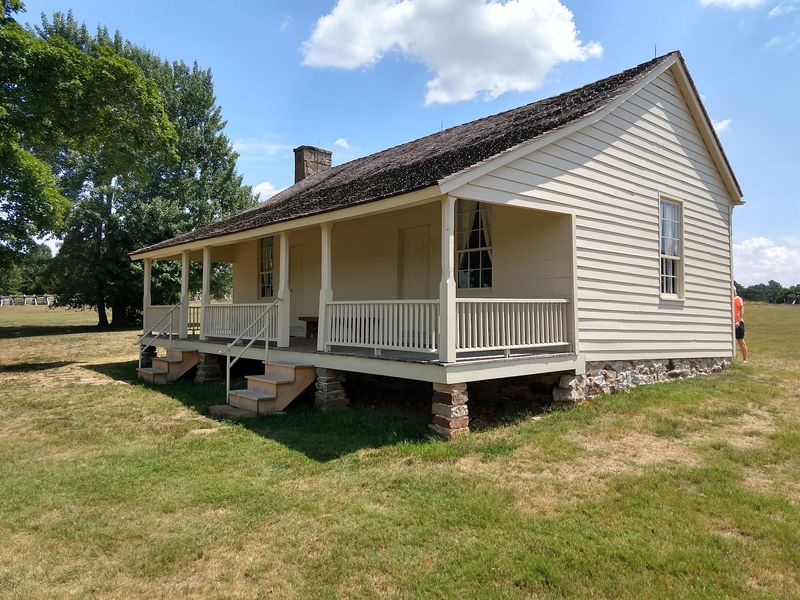
Of all the stops on the tour road, the Ray House earns the most attention. The modest farmhouse served as a field hospital during and after the battle, treating wounded men from both sides.
A yellow flag marked it as a hospital, which likely helped spare it from cannon fire. Today a yellow flag still flies out front, so it’s easy to spot from the road.
General Lyon was brought here after he fell, which gives the old house a weight you can feel. It’s also exactly the kind of place where ghost stories tend to take root.
Rangers and volunteers sometimes offer programs at the house, occasionally in period clothing. Schedules can change, so ask at the visitor center what’s happening on the day you arrive.
The front porch is a favorite spot for soaking up the late-day light. From there, the view stretches across the very land where it all happened.
Nearby, the small Edwards Cabin is also worth a peek inside, so don’t rush back to the car. Two old buildings, one green valley, and more stories than one afternoon can hold.
Whispers Of Soldiers Who Never Marched Home
Ghost stories cling to battlefields the way morning fog clings to low ground. Wilson’s Creek is no exception, and tales of shadowy soldiers seen or heard after dark are said to circulate around southwest Missouri.
The park itself sticks to history, not hauntings. Its gates and visitor center follow regular daytime hours, too.
That means any spooky encounters belong strictly to campfire talk and family legend. Honestly, that’s half the fun.
Why would a place like this inspire such stories? Over a single day, thousands of men fought across these hills, and the Ray House filled with the wounded.
When the wind moves through the tall grass near closing time, it’s easy to let your imagination wander. A rustle in the trees is probably a deer or a wild turkey, but try telling that to a nervous grandkid.
I like how the legends send people back to the real history. A good ghost story makes you ask who these soldiers were, and the visitor center is ready with answers.
Believe what you like about the spirits. The respect this ground deserves stays the same either way.
Grab A Cannonball Before You Hit The Tour Road
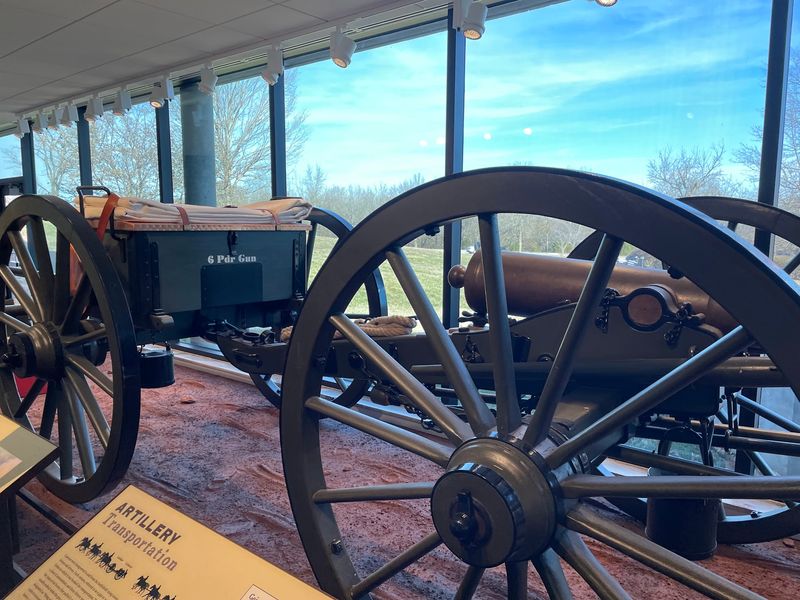
Want to hold a real-feeling cannonball? The visitor center lets you do exactly that, along with gripping a replica sword.
It’s a smart first stop before heading out to the battlefield. A short film walks you through the battle, and a lighted map display with audio narration shows how the fighting moved across the landscape.
The museum is bigger than many expect, packed with relics and images from the era. Exhibits also cover other battles fought in Missouri, so you leave with a wider view of the state’s role.
Park rangers at the front desk can help plan your route and answer questions. Ask them which stops best fit your time and energy level.
There’s a small gift shop with souvenirs, plus clean restrooms. National park passport collectors will find three cancellation stamps near the shop.
Kids can pick up a Junior Ranger booklet that turns the visit into a treasure hunt of sorts. Finishing it gives young history fans a real sense of accomplishment.
Plan on spending a good chunk of time here. Rushing past the museum would be like skipping the opening chapter of a great book.
A Driving Loop Built For Lazy Sunday Explorers
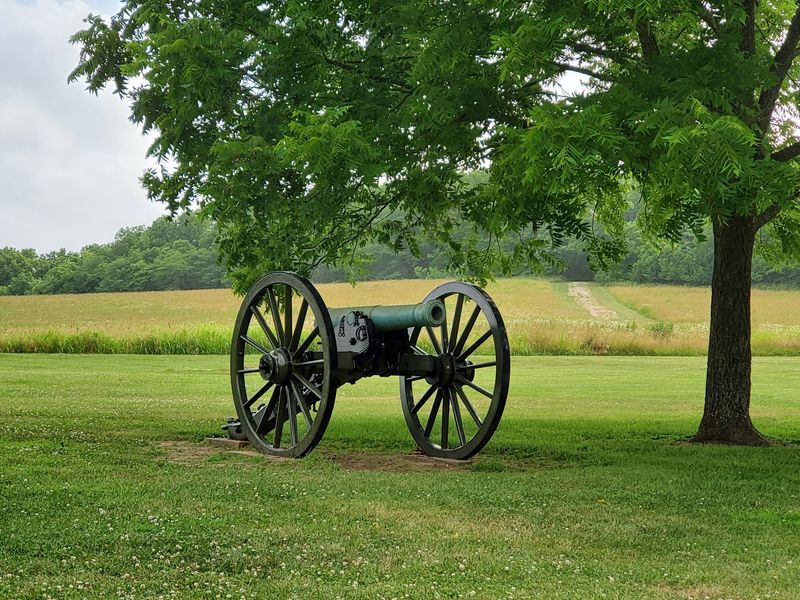
Not everyone wants to hike, and the park understands that. A paved tour road loops through the battlefield with pull-offs and parking areas at the major stops.
Signs at each stop explain what happened there, so you can follow the battle in order. Bloody Hill, where much of the fiercest fighting took place, is one of the stops that leaves the strongest impression.
Cannons placed in the fields help you picture where the artillery once stood. They make great photo backdrops, too, especially for grandkids who love to pose like tiny generals beside the big iron barrels.
The road is also shared with walkers and bikers, so keep your speed easy and your eyes peeled. Deer and wild turkeys are common sights, and they rarely check for traffic.
Some stops connect to short trails, letting you stretch your legs for a few minutes before driving on. It’s an ideal setup for older travelers who want the history without a long hike.
Picnic areas near the parking lots make it easy to pack a lunch and turn the tour into a day. Bring sandwiches, find a shady spot, and let the valley do the rest.
Muddy Shoes And Wild Turkeys On The Backcountry Trails
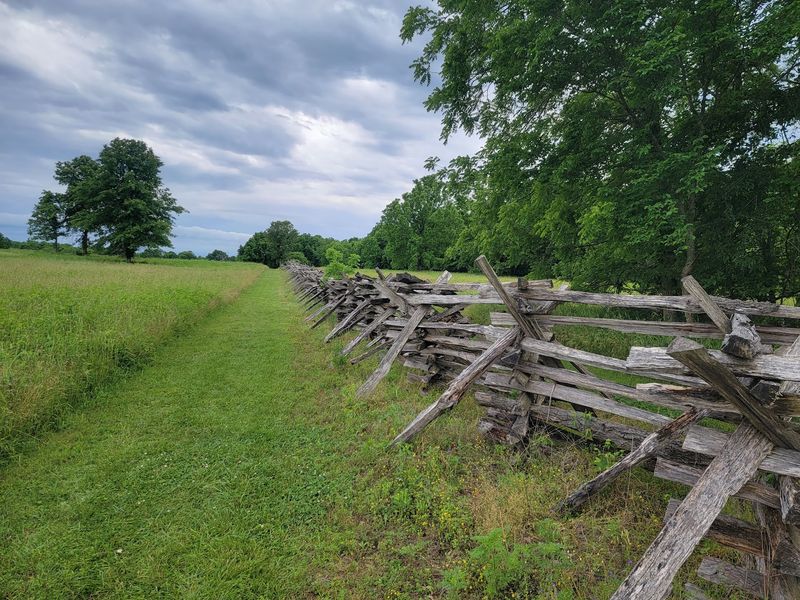
Trail lovers, this part is for you. The park has a network of dirt and gravel trails, and walkers, runners, bikers, and even horseback riders share them on designated routes.
The Old Wire Trail is a popular choice, following a gravel route with a creek crossing along the way. There are no stepping stones there, so expect wet feet unless you plan ahead.
Some trails are rated as more challenging, mostly because of the hills. Most healthy walkers will manage just fine, though you might do a little huffing on the climbs.
Wildlife is a big bonus out here. Deer and wild turkeys often wander near the trails, and the creek views are lovely on a calm morning.
Pack bug spray and wear comfortable shoes, because ticks do live in the tall grass. A quick check when you get back to the car is a smart habit.
Dogs are welcome on a leash, which makes this a nice outing for the family pup. Just skip any thoughts of a swim, since the creek isn’t recommended for wading.
Cooler months bring an added perk. With fewer leaves on the trees, historic views open up, and walking feels far more comfortable.
Free Admission, Daily Hours, And An Easy Drive From Springfield
Good news for every budget-minded Missouri family. Admission to Wilson’s Creek National Battlefield is free, so a full day of history costs nothing more than gas and a packed lunch.
The park sits at 5242 S State Hwy Zz in Republic, Missouri, a short drive southwest of Springfield. That’s close enough for an easy morning trip from much of the Ozarks.
The visitor center is open daily from 9 a.m. to 5 p.m. Hours can shift for holidays or seasons, so check before you head out, especially if you’re driving a long way.
Spring and fall bring milder weather for walking the grounds. Late winter, like March, also has its charm, since bare trees reveal more of the historic landscape.
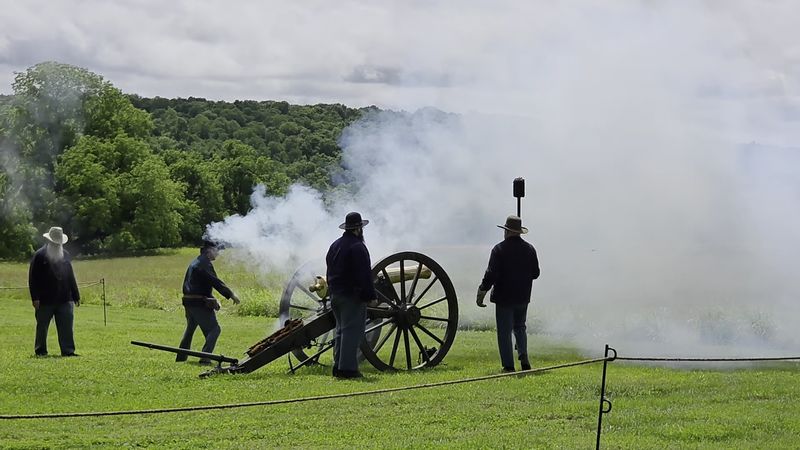
Living history programs and reenactments happen at select times of the year. If you’d love to see costumed interpreters in action, ask the park about upcoming dates.
Between the museum, the tour road, and the trails, a full day goes by surprisingly fast. Plan for more time than you think you’ll need.
Bring water and sunscreen in summer, since shade can be scarce on the open fields. Your future self will thank you.
A Missouri Day Trip Worth Telling The Grandkids About
Not every great day trip needs a roller coaster or a shop full of fudge. Sometimes a quiet valley with a deep story is all a family really needs.
Wilson’s Creek National Battlefield delivers that kind of day with room to spare. You get a thoughtful museum, a scenic tour road, real trails, and an old farmhouse that still carries the weight of 1861.
It’s free, it’s well kept, and it’s close enough for a spontaneous Saturday. Few outings in Missouri offer that much history for so little money.
Grandparents can share the story at the overlooks, while kids race to finish their Junior Ranger booklets. Everyone gets something, even the family dog.
To be fair, it’s a quiet park, not a theme park. If you’re expecting dramatic canyons or nonstop action, the open fields might feel a little plain at first.
Give the place some patience, though, and the land starts telling its story. I can’t imagine leaving without stopping on the Ray House porch for one last look across the valley.
As for the ghostly soldiers? You’ll have to decide for yourself, and maybe bring a flashlight just in case.